My daughter and son take the incredibly buoyant and easy to maneuver Watermaster Grizzly down the lower Umpqua. The boat is light on the water and with just one push or pull you get results.
CD


My daughter and son take the incredibly buoyant and easy to maneuver Watermaster Grizzly down the lower Umpqua. The boat is light on the water and with just one push or pull you get results.
CD
From the Oregonian: A bill that would scale back the number of suction dredge mining permits issued in Oregon has passed the House and Senate and heads to the desk of Gov. John Kitzhaber, who is expected to sign the bill into law.

Photo by Klamath-Siskiyou Wild
The bill prohibits mining in salmon spawning areas year-round. Fish advocacy groups like Trout Unlimited, the McKenzie Flyfishers and Native Fish Society have been tracking this bill throughout this legislative session. Send these people money and volunteer your time.

This is the second time I’ve experienced summer solstice in Alaska and it doesn’t get any easier to sleep through 22 hours of daylight the second time around. I had an amazing trip on the Alagnak river in the Bristol Bay Region of Alaska accompanied by great friends. The Alagnak is fed by two lakes the Nonvianuk and Kukaklek and flows for about 70 miles until it feeds into the Kvichak River and then into the bountiful waters of Bristol Bay.


At times this river is chock full of salmon but we were after a different quarry, the unique leopard rainbow trout that inhabit the rivers of the area. The lodge we stayed at is in the middle of the prime rainbow trout territory about 25 minutes from the confluence that forms the Alagnak and a little over an hour’s boat ride to Nonvianuk lake.

Finding the rainbows was tough some days and on others pretty damn easy. Many lake trout, grayling and dolly varden, also found the net on the trip. These trout are hungry in the spring time and are after a big meal.


Mouse patterns were very effective at times and leeches such as the Dali Lama were the go to flies for the trip. I caught a handful of average sized rainbows on the mouse and missed many more, but the big fish seemed to prefer a leech fished deep. It is one cool experience to see a large rainbow crash a skated mouse on the surface or feel the grab on a leech pattern. The best weapon to throw these balls of hair, lead and foam were small spey and switch rods. A 6 weight 12’6” spey rod seemed like the ideal choice for many sections of the river and was well suited to the size of the fish, but a shorter rod switch rod also worked very well for others. Most everyone who was not a die hard spey angler was converted into a full blown two handed fanatic by the end of the week.


A special thanks goes out to all the guides and staff at Alaska Trophy Adventures who made the trip a memorable one. The last photo is of one of the great guides at the lodge Pete Micol who I got the pleasure to spend my last 3 days of the trip with and who taught me spey rods are not just for swinging they also make great outriggers for trolling up big lakers. When Pete is not chasing rainbows in Alaska or steelhead in Michigan he also works as santa, check him out at www.flyfishingwithpete.com


AS
It’s last minute but a hell of a deal $1750 for the week. If this trip looks good to you contact our friends at Flyfishingcaribe.com– Daniel or Martina can be reached at flyfishingcaribe@gmail.com.

Details below. Sorry about the small type. Click on the text below and it will become more legible.

CD

Our fantastic warm rainy days of June are behind us and the upper McKenzie is at levels not seen at this time of year in several years. Low water and bright sun are not the perfect combination for mid-day results, however if you fish the fast water, abrupt drop offs and bubbly edges enough you will find fish. There are enough golden stone flies around that fish will still eat a Half Down Golden or an Aane’s Mojo Stone. It’s a good idea to drop an Ice Prince Nymph or a smaller Possie Bugger off of the stone for a hopper dropper rig. For the very best results fish the last hours of the day with Elk Hair Caddis in Yellow, Tan or Brown, and Parachute Adams in sizes #14 and #16.


CD

Our group of 16, 12 anglers 3 children and one non-angler recently traveled to the small Island of Cayo Largo. You may remember last year’s adventure being interrupted by tropical depression “Debbie”. Well, this year’s weather was about as good as one can expect on a six-day saltwater fly fishing trip. All twelve anglers caught a variety of fish on the trip and three were able to accomplish “Grand Slams” catching a Bonefish, Permit and Tarpon on the same day. We have already scheduled next years trip for June 20-29 if you are interested shoot me an email and I will be happy to provide more information.
About the fishery
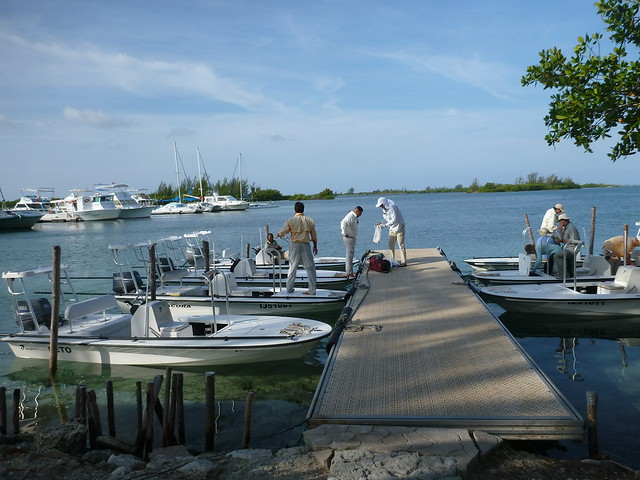
Avalon Fishing’s Cayo Largo’s program is one of the most unique operations in the world. Avalon is the only fishing operator on the island. Approximately 60 square miles of easily accessible waters are available to Avalon’s six Dolphin flats boats and that’s it! It’s often hard to believe that you can run 45 minutes, passing by countless keys, creeks and flats and not see another boat. The waters surrounding Cayo Largo are diverse. Bonefish, permit and tarpon are present year round. Jacks, snappers, barracuda, boxfish, needlefish, and snook are also available and often caught when targeted or when casting to one of the big three. With zero external pressures on the fishery and a desire to preserve this truly fantastic resource the 60 square miles are divided into six beats and each beat is rested for a minimum of 2 days. Wind weather and tides further dictate locations within zones creating a seemingly endless array of ideal fishing spots for the angler. The guides at Cayo Largo are hard working and have superb knowledge of the fishery.
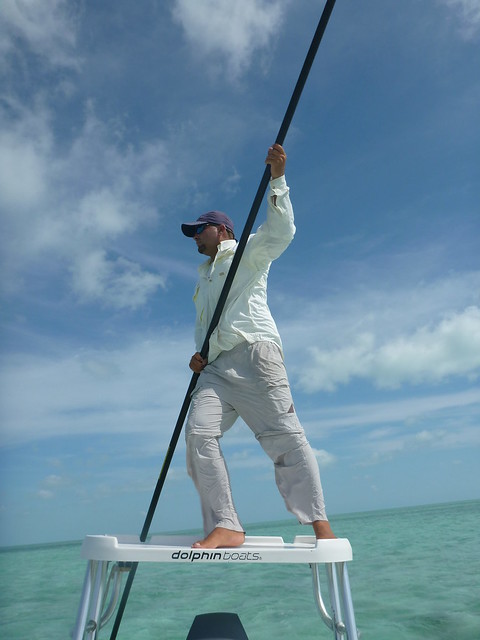
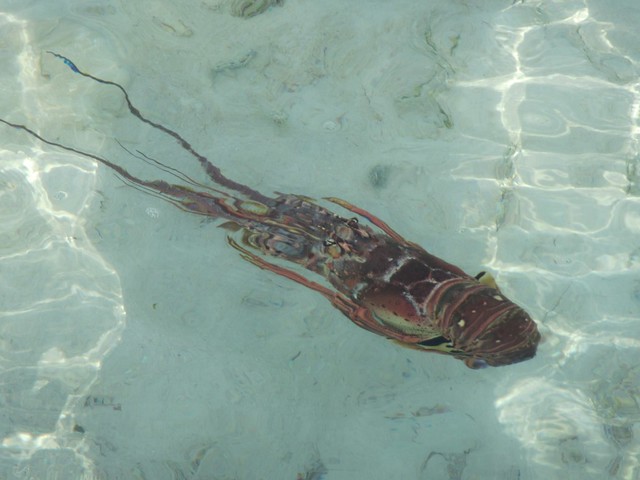
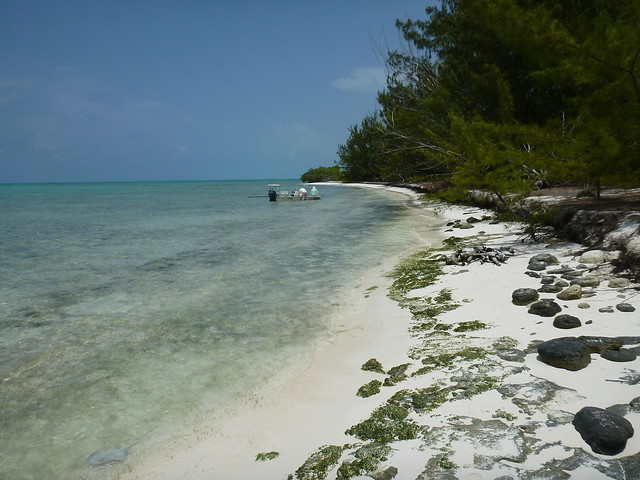
A typical day
Lodging and standard resort meals are included in the trips total price. Anglers stay at the Melia Sol all-inclusive resort on Cayo Largo.
Wake up whenever you like. I usually got up around six for a cup of coffee or two. Breakfast is served at the resort buffet at 7:30. The C- grade buffet serves buffet style breakfast; from the buffet prepare your lunch for the day. At 8am a bus takes you to the Marina, where Avalon has a fishing clubhouse. Anglers are given a cubby at the clubhouse so you can leave your fishing gear and not take it back and forth on the bus from the resort. Waters, sodas and beers depending upon your daily choice are distributed at the fishing clubhouse. Guides load your lunch; beverages and fishing equipment into boat and you’re usually off the dock by 8:30am. Daily runs to fishing range from 5-50 minutes depending upon weather and your daily beat. Lunch is a quick stop on a beach, or small island where you sit in the sand and gobble down your ham and cheese, fruit and whatever else you could find at the buffet. The rest of the angling day is spent hunting whatever quarry you would like. Cayo Largo is famous for the possibility for a Grand Slam and the guides shoot for it daily unless otherwise instructed. We found ourselves in search of permit shots most afternoons. The fishing day is over between 5pm and 5:30pm when you are returned to the marina for a cold beverage and a couple of slices of pizza. The resort bus takes you back to the resort around 6pm and dinner is served at the resort between 7pm and 10pm.
This years trip went really smooth, travel to Cayo Largo can be a bit unpredictable and it was really nice to have zero issues.
The solitude and preserved saltwater habitat near Cayo Largo are what really blow my mind. Miles and miles of beautiful flats are throughout the 60 square mile zone around Cayo Largo. Large and small channels that cut through smaller keys number in the hundreds and provide river like environs where you can focus on tarpon, jacks and snappers during good tidal rips. Shallow mangrove lined back bays are awesome habitat for baby tarpon and bonefish. Section six has a gorgeous reef where larger tarpon cruise amidst coral heads and wave action depending upon the wind and tide. The diversity of fish and habitat are truly amazing.
Bonefish are in all sections at Cayo Largo and when the tides are right or even if there not guides seem to be able to find them virtually at will. The average sized fish is very respectable to big.
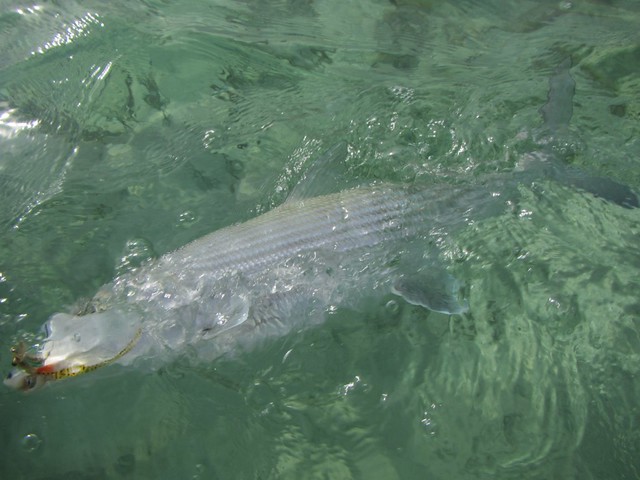
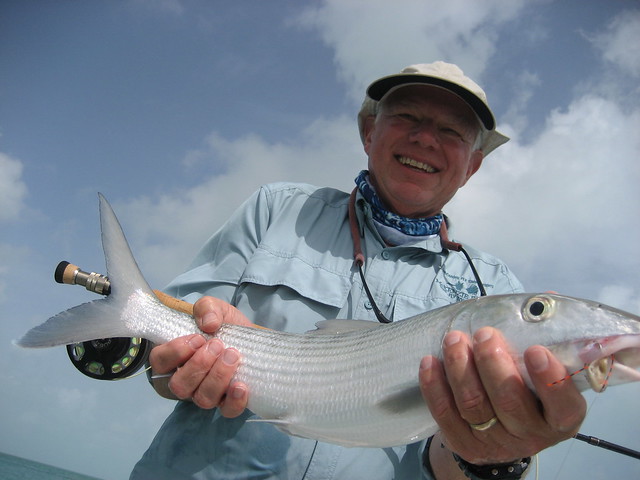
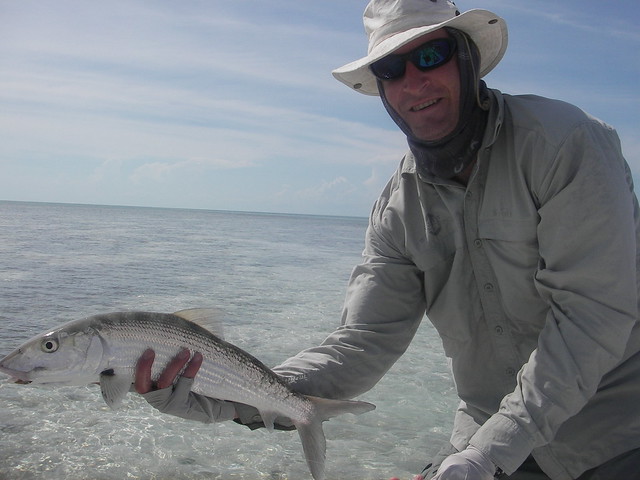
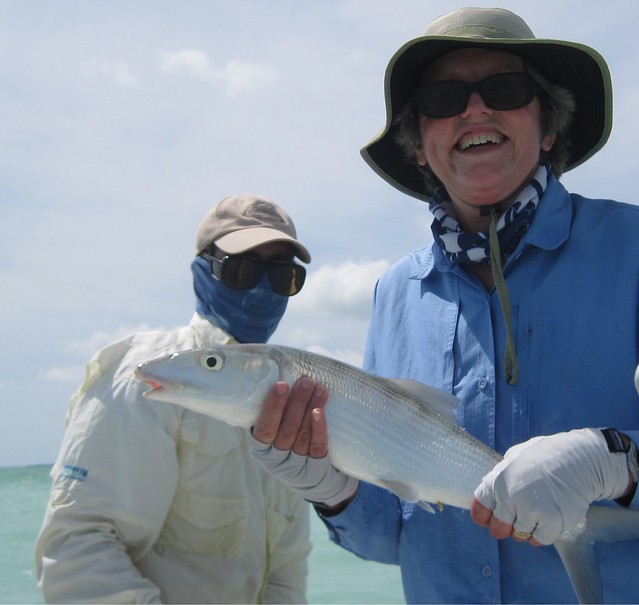

Permit are tough to catch everywhere in the world and Cayo Largo is no exception. In my experience however, given good weather, you will get more shots at Cayo Largo than almost anywhere in the world. Our group had shots everyday and 3 permit were brought to hand.

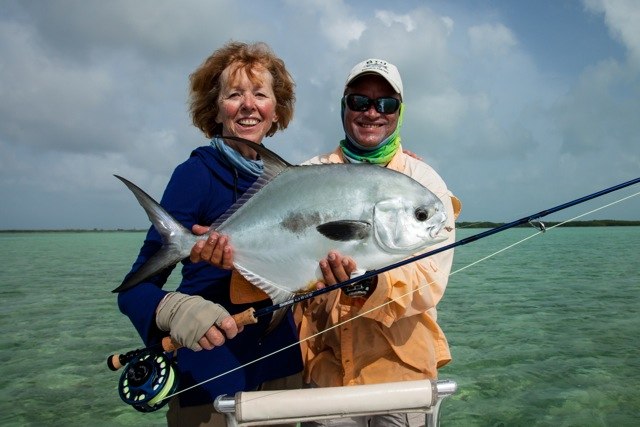
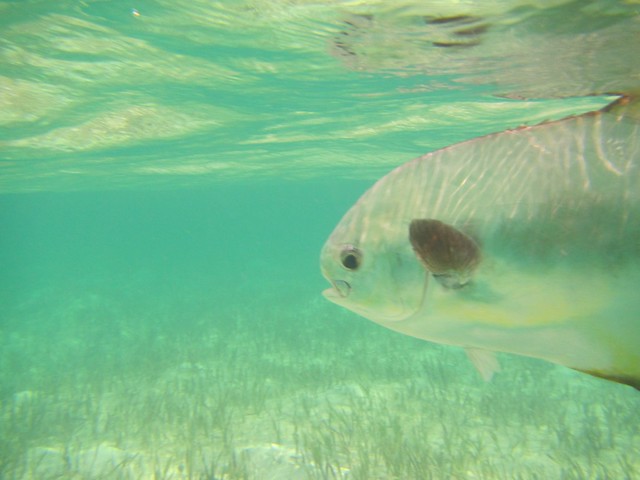
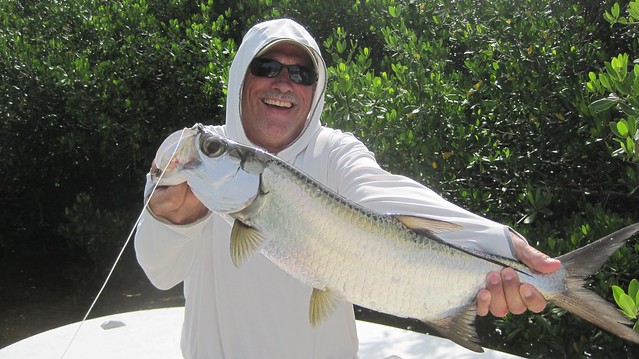
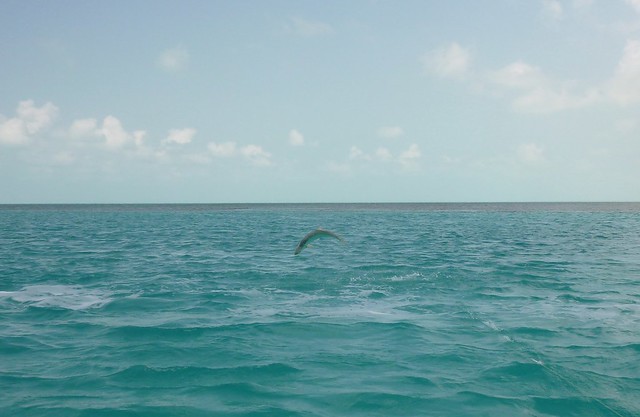
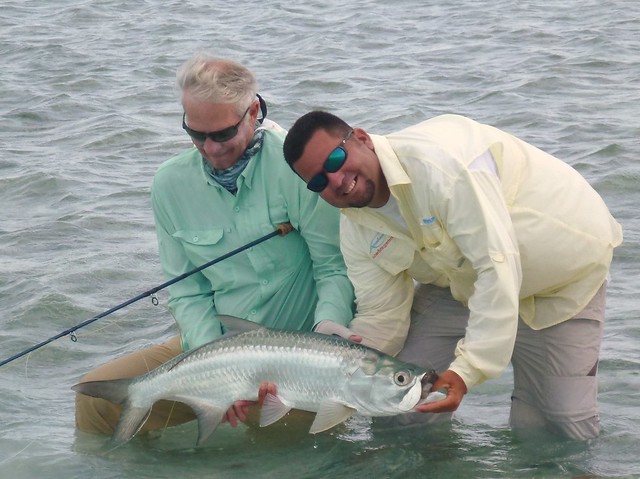
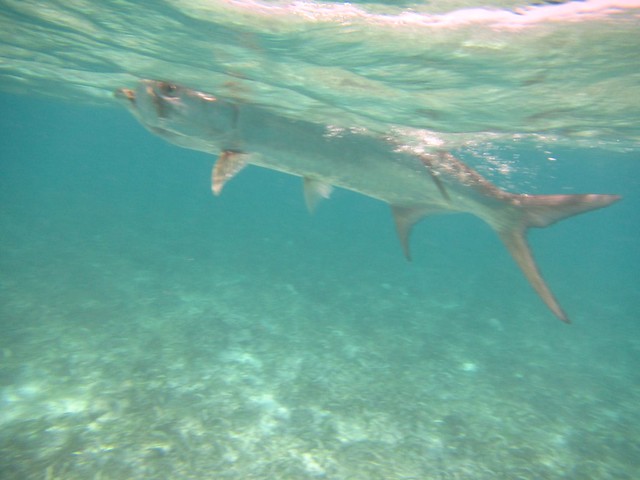
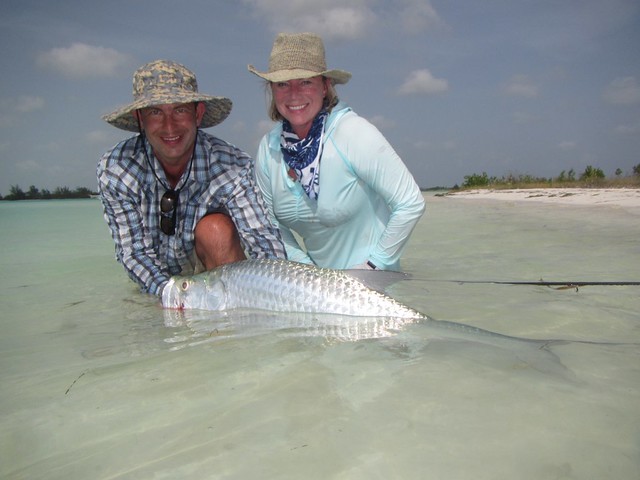
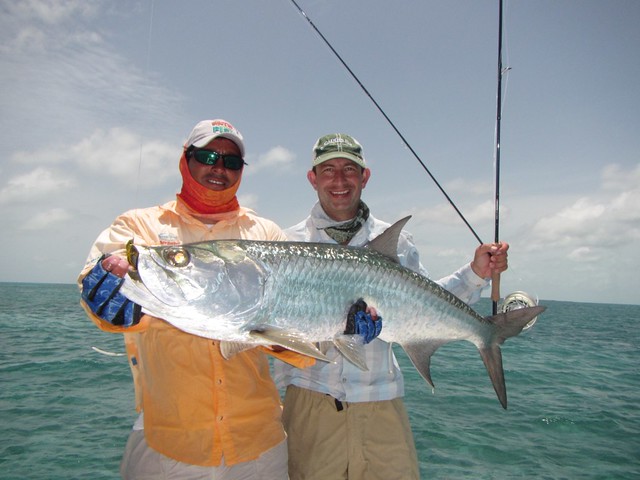
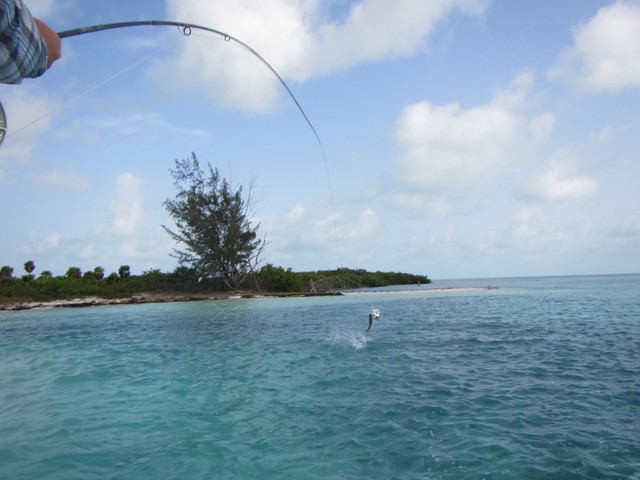
Cayo Largo Tarpon range in size from 5-75lbs. You typically find the big ones near deeper channels and reefs, smaller fish near mangroves and bays tucked back in the mangroves. The group found tarpon every day. A clear sink tip line was excellent because you could use it in the deeper channel, simply waiting a bit for it to get down, or in the very shallow bays when you needed to strip as soon as the fly landed. The Rio Tarpon Short with the clear tip was ideal.
Ideal rods for this trip are 9 foot 8,9 and 10 weights. Orvis sent me the new Helios 2 10wt which cast great and was incredibly light, it’s an excellent rod and I would recommend it. I did break it on a Tarpon but I am pretty sure it was my fault.
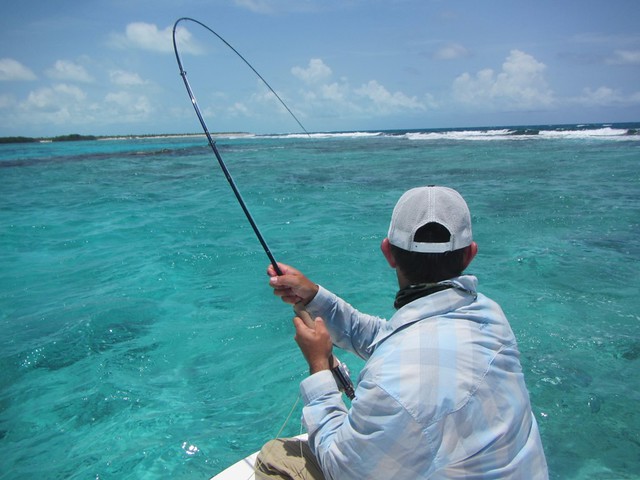
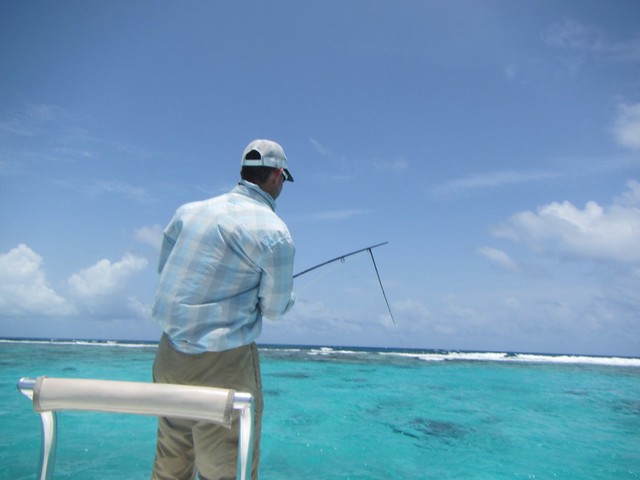
My favorite on the trip and just flat out one of the best all around rods you can own for the salt is the Sage ONE 990-4. It is excellent for permit and small tarpon, casting larger flies with ease. If the wind really cranks up it’s light enough for bonefish.
Lou used the Echo3S 10wt and was very impressed as well. “The rod did not wear you down like a heavy or overly stiff 10wt can.”
Two lines really stood out on the trip. Several anglers purchased the Rio Bonefish Quickshooter just prior to the trip. They found it to load short and cast great at all distances. If you have an upcoming bonefish adventure get a quickshooter line you will be surprised at the difference between what you have been fishing. The Mastery Textured Bruce Chard Grand Slam line was superb as well.


Best Reels
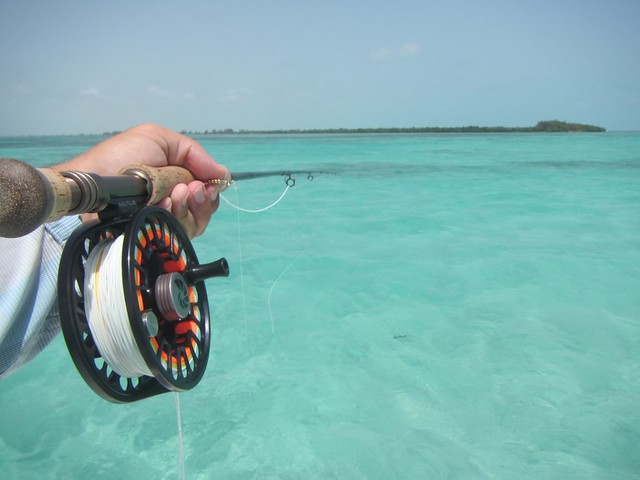
The Nautilus N/V giga arbor reels are really hard to beat in the saltwater. NV reels are incredibly light for their size with smooth fish stopping drag mechanisms. The Bauer Rogue performed nicely as well. I really like the large drag knob on the Rogue for easy adjustment and tight tolerances between frame and spool keep things in line when you have excessive line or backing in the mix. The Hatch 9+ was on my 10wt for most of the trip. The reel is heavier than the Bauer or the NV Nautilus but it is solid. The Hatch reel has a very smooth drag and tons of capacity. The reel foot of the Hatch is machined as a part of the frame, the handle is a machined piece, the counter balance is machined, you get the idea. Nothing on the Hatch is going to fail.

Best Clothing
It was hot, muggy and buggy at times on our trip and a Buff is a must have. The Buff offered sun and wind protection all day, without it you might melt. I found a new favorite lightweight fishing shirt, Patagonia’s Sun Stretch long sleeve shirt has en excellent fit and lightweight fabric. It could be washed in the shower at night, dried outside all night and ready to go in the a.m. The Sun Stretch has SPF 30 and a good pocket design, I have been wearing it on the river locally and it’s really comfortable when rowing or casting.
This trip is completely unique and it won’t be this preserved forever. The program at Cayo Largo is one of the best in all of the Caribbean. If a saltwater trip is on your to do list don’t miss this spot!
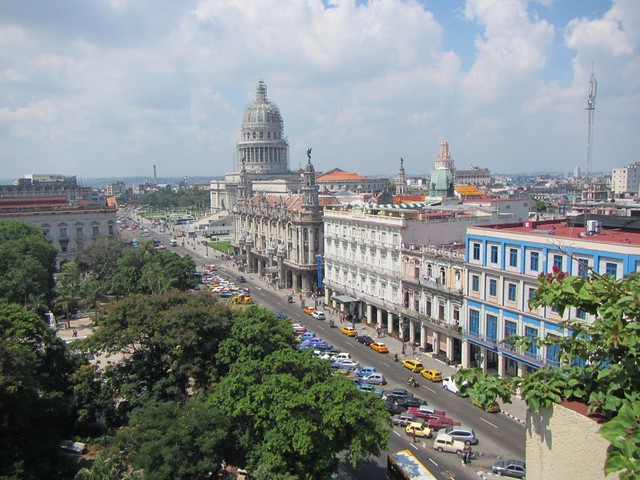
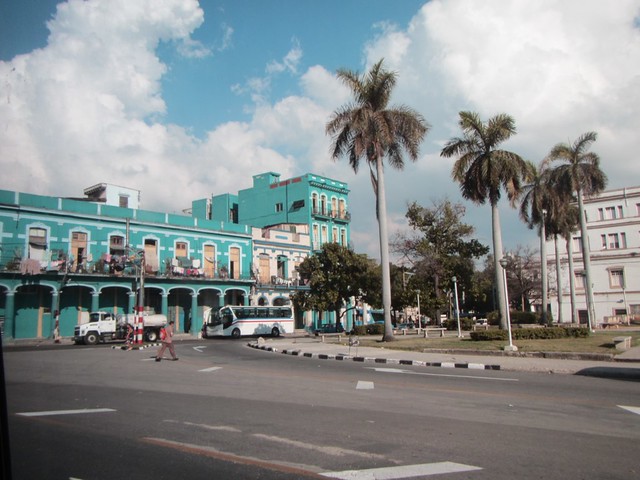
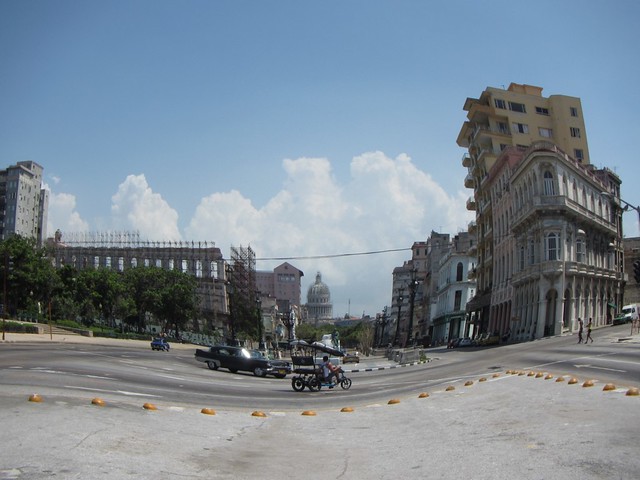
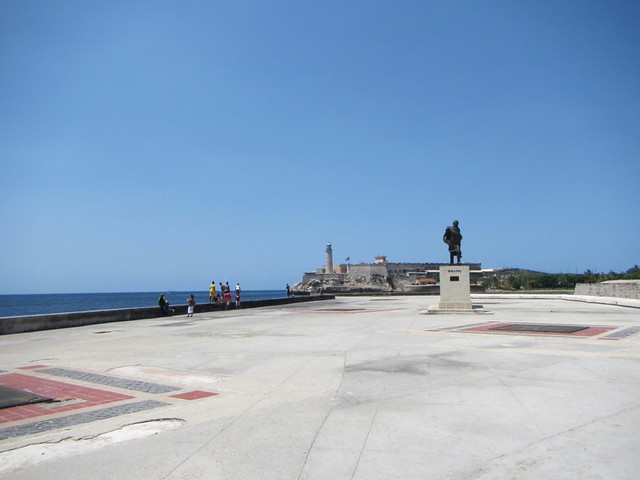
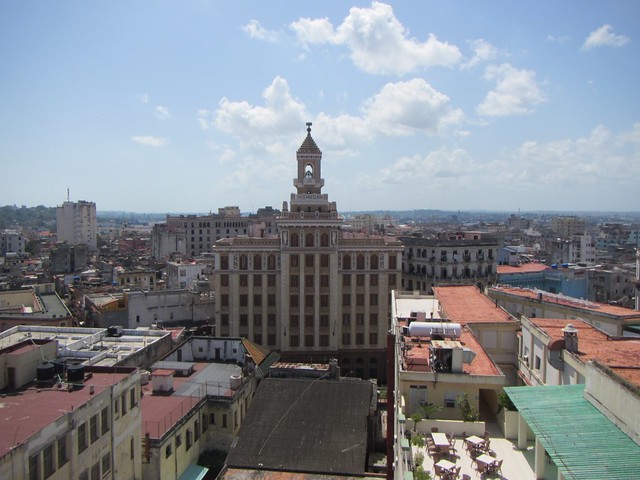
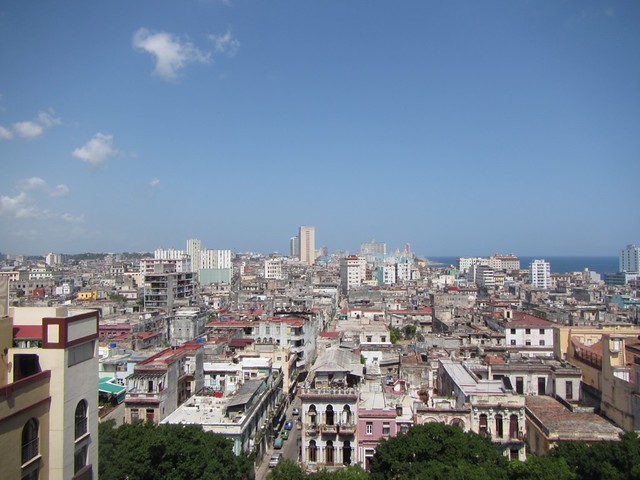
En route to fishing, a few shots of Havana City. We stay downtown for one night on each side of the week fishing trip. Usually there is enough time to get out and experience a bit of the fascinating and quickly changing city.





CD
caddiseug@yahoo.com

Water conditions are low and warm on the main Umpqua River, just like the smallmouth bass like it.

Patsy guides her brother into a fish just above Woods boat launch.

We made the float from Umpqua Ramp to Woods Ramp on the 4th of July. The water is great for swimming, fishing, and floating. Another excellent float is Woods to Osprey. Bigger bass will be more apt to bite in the morning and evening hours but there are plenty of small and medium fish that put up a good battle on a 4 or 5wt rod. Our best flies were the Carp Claw and the Tungsten Thin Mint. Dead drifting the fly as well and swinging it through drop offs and “ledgey slots” was effective.
CD

A meeting of the Technical Men’s Conference (old dogs who have fished together for decades) was held this week at East Lake. Although attendance was limited to three, much was accomplished. From previous years, we knew the timing of the East Lake Callibaetis hatch should be good.

We were not disappointed. The hatch was full on by 10:30am and continued strong until mid day. Bugs were everywhere and the higher elevation of East Lake (6,400 feet) provided a reprieve from the recent heat wave.

Flies working well on both days were the Thorax Callibaetis, Emerging Callibaetis, and Epoxynymph Callibaetis.

Formed by a caldera over 500,000 years ago from volcanic eruptions, East Lake’s water comes from snow melt, rain fall, and hot springs only. East Lake is one of the twin lakes that occupy part of the Newberry Crater. It is an easy place to relax and enjoy the many species of fish East Lake provides.


Keeping a keen eye toward the bank we had an opportunity to get out of the boat and cast to rising fish.

We saw some familiar faces of the Caddis Fly Shop community on the lake. These anglers were easily identified due to “glazed eyeballs” from fishing with slip strike indicators most of the day. Casting and stripping was the chosen process of the Technical Men. The slip strike anglers also did well.
Reports from most of the Cascade Lakes have been fair to good fishing. The usual lake patterns have been working and anglers should always carry a wide variety of lake flies. The Cascade lakes provide much in relaxation and provides an opportunity to learn more about the great state of Oregon.
Jay Nicholas’ fly tying quest continues, experimenting with trout flies tied on tubes. This fun video explores the October Caddis: one of the most fun flies to fish for trout and steelhead during the fall across the Western United States and BC.
This fly pattern seems to take well to the small classic tube as it is a relatively large fly typically tied on 2XL or 3XL hooks in sizes as large as #6.
Our experiments with tube trout flies have not delved into the #14-#16 range and at this point, we are not convinced that they ever will. But who knows what madness could overcome us at any point?
By the way, we would sure appreciate your feedback regarding whether you have tried tying trout tubes and your successes, failures and tips.

Key materials of this October Caddis Tube Trout fly are noted as follows:
Thread – Veevus 10/0 black:
Hook – Daiichi Short Shank Straight Eye D1640 #8
Mandrel – Small Pro Sportfisher Flexi Needle
Tube – Small Classic Pro Sportfisher Tube, black or clear
Rib – red small Ultra wire
Body – Dark Orange blend of your choice
Prosportfisher Hook Guide, orange, small size
Wing – Moose Body Hair
Body Palmered Hackle – Narrow grizzly hackle
Head – Black Ice Dub
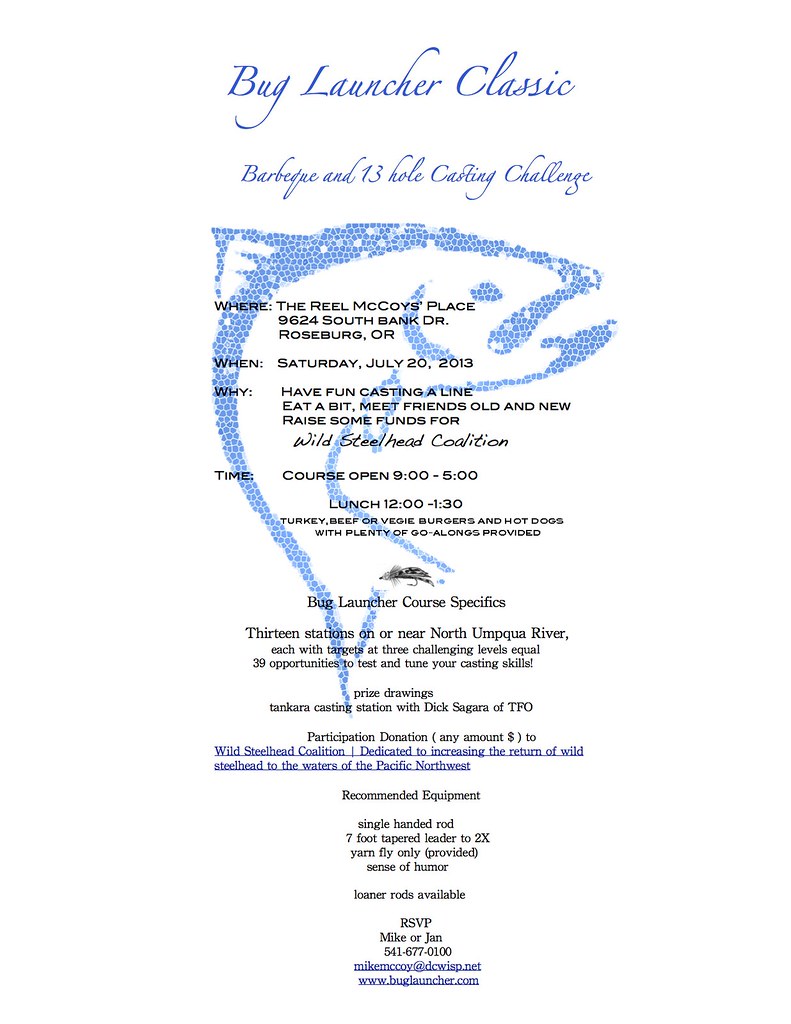
Join Mike McCoy for his annual Bug Launcher classic on July 20th 2013. The Bug Launcher Classic is a fun barbeque and casting challenge. Funds raised benefit the Wild Steelhead Coalition.

Bring in your old fly cups and stock up for the Summer fly fishing season. When you return one or more of our plastic fly cups you will get 15% off of your fly purchase this Friday, Saturday and Sunday. Offer does not apply to other items.

This is an excellent opportunity to stock up on the basics and fill in gaps you may need for the Summer season. Golden Stones, little yellow stones, green drakes, soft Hackles, possie buggers, princes, small caddis, and parachute adams are flies that consistently catch fish throughout the summer. If you are headed to the high lakes we have you covered with callibaetis patterns, damsels, dragons, leeches and buggers. New steelhead patterns have just arrived including Squidro, living leeches, and “sparser” patterns for the low water we are having on the Willamette system.
see you this weekend.
CD

Post one of our recent trip to Cayo Largo in the Caribbean.
Fly fishing for tarpon, bonefish and permit is challenging. Catching all three species in one day, the vaunted “Grand Slam” is even more difficult. When opportunity arises to chase a slam it creates an exciting intensity to fly fishing like no other I have experienced. On our trip my wife Shauna and I had one of the most memorable and exciting fishing days our lives.
Our day started on the shallow flats, bonefish cruising amidst turtle grass on the outgoing tide. The island of Cayo Largo is literally teaming with quality bonefish and the skilled guides have no trouble placing anglers on the right flats. Amauri poled the boat into position numerous times, Shauna and I hooked and landed a few bonefish, in an hour or so the tide has shifted and the fish largely left the flat.

Amauri suggests we have an excellent tide for permit. We are up for it! Cayo Largo is famous for Permit that cruise along with rays picking up small fish, shrimp and crabs that are disturbed by the ray either turning up sand when on the move or while feeding itself. I am up first and have some excellent shots a fish. The idea is to cast the fly near the ray so that the permit thinks the imitation is real and makes a quick decision to eat before he figures out the boat and angler are near by. Permit are extremely cautious and I am pretty convinced the have a human sized brain stuffed into their flat shaped head. I even have a shot at a permit working near two rays. “Double rays” are still not enough for me and I am unable to get the fish to eat. I offer the bow to Shauna she declines, Amauri and I both insist. Amauri later explains he had a vision of Shauna holding a permit on the bow furthering the mystery and unexplainable about the permit. She makes a great cast on her first chance. The fish swims straight to the fly and inhales it. Shauna sets the hook perfectly and gives the fish a couple more hard sideways rod sets until Amauri says, “ok you got him.” Then it’s off the races, the fish runs across the bow and takes at least 100 yards of her gel spun backing. I look down at her reel and it’s screaming line, Amauri is calm and confident unlike his guests who are freaking out and wondering if the permit is going empty the reel before we move the boat. No need, the fish eventually slows, gives way and Shauna gains and loses line for 15 minutes eventually bringing the fish near the boat. Amidst fear panic and excitement Amauri carefully tails the tired permit. Photos are shot, fish unhooked and confessions about the 12lbs flourflex tippet are made. Guides demand anglers use 20lbs tippet when targeting permit, oh well. Celebratory hugs kisses and handshakes are made. I am back on the bow for another 45 minutes of looking and casting practice. We head for a beach side lunch complete with Iquana’s and Jutia.


Once the permit is caught, Cayo Largo guides are on a mission. The Grand Slam is attainable with a tarpon for Shauna and we know we have all afternoon. “We have plenty of time Shauna, I have many spots” Amauri assures. Shauna suggests the permit is enough and she’s happy, but all three of us know the tarpon must be caught and the exciting pressure begins to build.

Into the windless shallow mangroves we go. Twenty to forty pound tarpon weave in and out of casting range. They remind a bit of bears in heavy brush, large creatures making zero commotion, wake or sound in a foot of water. Shauna’s gets a cast close enough to the first small school of tarpon, the largest fish attacks the fly and the battle is on. We are in close quarters now, small mangroves behind and massive bushes with deep undercuts in front. Amauri suggests calmly, “don’t let the fish go into the mangroves.” Easy to say but more difficult to do when you are stripping as fast as you can while melting in the mid day sun with mosquitoes pummeling your back, feet and face. All the while thinking to yourself this is the coolest fishing day ever I just need to get this bloody fish to the boat. The tarpon makes a break for the mangroves, Shauna corals him back towards the boat then another run and jump. Ok things are looking good, he’s close, then a final jump and the hook is tossed back to the boat and the fish swims away like nothing ever happened. “That was a big expletive fish” bigger than the typical baby amidst schools for this spot, “damn that was it, I could have, should have” she’s bummed about losing the fish and ready for the next one at the same time.
Regroup, more bug juice, new fly and let’s find another fish. Poling down the mangrove edge another small school is in range, several hurried, casts later the fly gets into position, the fish eats and it’s the perfect 15-pounder. The tarpon jumps and makes a small run. Shauna is in control of this fish and she strips him to the boat, leader inches from the rod tip, Amauri and I contemplate our reach for the leader and yank to the boat, one final leap from the baby tarpon and again the fish is off. Bleep, Bleep and more Bleep! We discuss tactics, I suggest a straight piece of 60lbs fluro isn’t going to break on a 20lbs tarpon just strip the fish in from the second he eats it. Amauri agrees but indicates he is hesitant to suggest that to a female angler. Not to worry I say Shauna can cope. He says ok, “next time just strip the fish to the boat”.
More casts in the general area and no luck finding an eater. We move to another area, meanwhile the grand slam clock is ticking. Amauri remains calm. Shauna is still pissed about the last fish that got off at the boat. The fish that would have completed her grand slam and given her the best fishing day of her life, at the same time relieved her of the self imposed slam pressure. It was seriously exciting to watch.
Our next mangrove back bay presents a similar situation. A pod of baby tarpon cruising in ambush formation becomes visible. Shauna gets a good cast to them and one of the fish blows the fly up! Without hesitation Shauna sets the hook, begins stripping and once the leader gets close to the rod tip hoists the still confused tarpon into the boat. Yes into the boat! Now the 15lbs tarpon is flopping wildly on the bottom of the boat, attempting to break all the rods and coat the boat with feces, blood and muck. It was awesome! We are all laughing and getting out of the way at the same time. Amauri gains control of the fish for a quick photo and the Slam is completed. Shauna is thrilled, soaked in sweat tarpon goo, sunscreen and bug juice. Mission accomplished!

Throughout the day the radio chatter let us know that Joan McCreery was having a great day as well. I can’t speak in detail about how it all came together but the order of events were different. Joan caught her permit first, tarpon next and her last fish was a bonefish. She to was satisfied with just the permit and tried to decline the slam attempt. Guide and boat partner encouraged her to go for the Grand Slam and she did it! Joan, we would love to hear about your day in depth and congratulate you on your Grand Slam.


As promised, Jay Nicholas takes trout fly tying to realms he has previously only dabbled in and shows how to tie yet another locally effective trout fly on a tube – this time an emerging McKenzie Special Caddis. The pattern is effective wherever larger caddis are on the trout menu. This fly style is very effective fished in lakes and many rivers and is often tied on a long shank hook.
Unlike the adult stage McKenzie Caddis, this emerger tube fly does not use much hackle and has a sparser wing and a messy deer hair head. You could add a sprig or two of Peacock green Krystal flash if you wish.
Be ready to see the wonders of an October caddis tube trout fly shortly
Our adventures tying tube trout flies are just beginning, and we are going to enter the bass pike and musky world shortly so hang on folks.
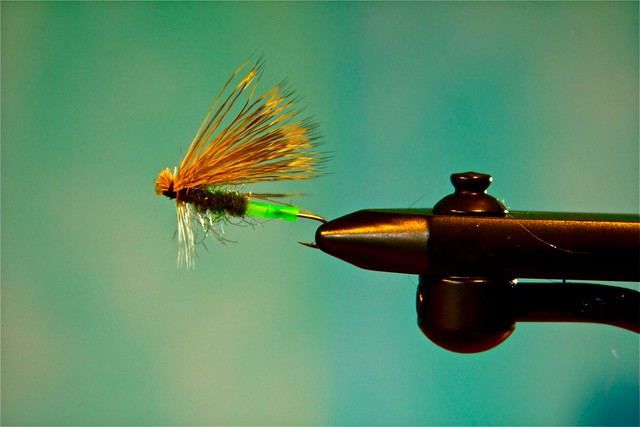
Key materials of this McKenzie Special Tube Trout fly are noted as follows:
Thread – Veevus 10/0 black
Hook – Daiichi Short Shank Straight Eye D1640 #8/10/12
Mandrel – Small Pro Sportfisher Flexi Needle
Tube – Small Classic Pro Sportfisher Tube, black or clear
Rib – red small Ultra wire
Body – Greenish Gray dubbing blend
Prosportfisher Hook Guide, green, small size
Wing – Deer Hair
Throat Hackle – slightly wider grizzly hackle
Sales on top end rods and reels from Sage don’t happen often and the product usually goes fast. We have purchased a bunch of the latest closeouts from Sage and bring them to you at a whopping 25-30 percent off. Products include: Sage TCX rods, Sage 99 Nymphing Rods, Sage 1800 Series Reels and Sage 2000 series reels.

Check out Sage TCX single and two hand models at these links:
Single and Switch Rods
Two Handers You can get the famous “Deathstar 12′ 6″ #7” for $599 a steal on a proven all around Spey Rod.
Sage 99 Nymphing rods have been in our guide service for several years and we love how they lob heavy gear with ease. Have a look at them here
Both the 2000 and 1800 series reels offer large arbor performance with a sealed drag. These reels take a beating are are a great price. View them here:
Sage 2000 Fly Reels
Sage 1800 Fly Reels
If you need help with a line to match your rod, or have any other questions regarding these close out products feel free to give us a ring at the shop 541 342 7005.
CD
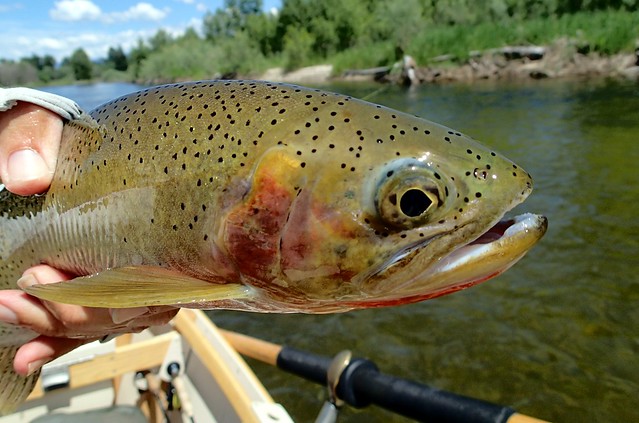
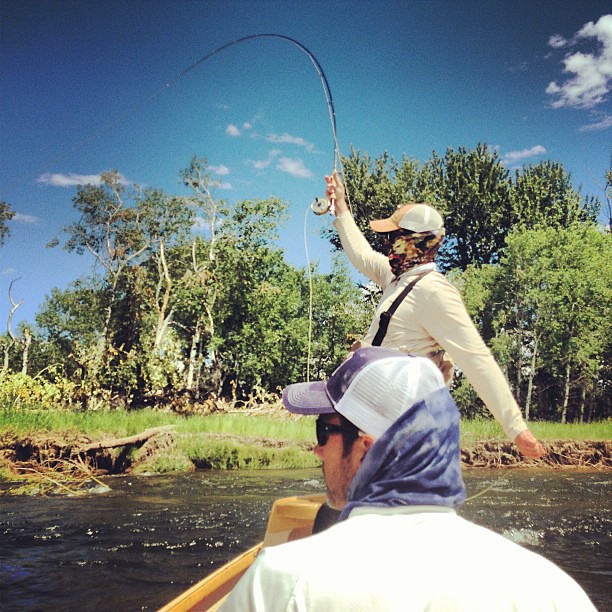
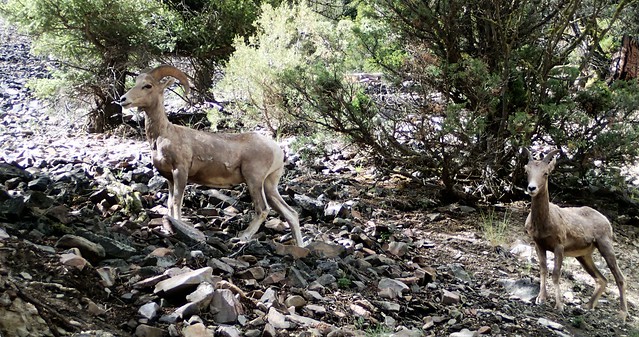
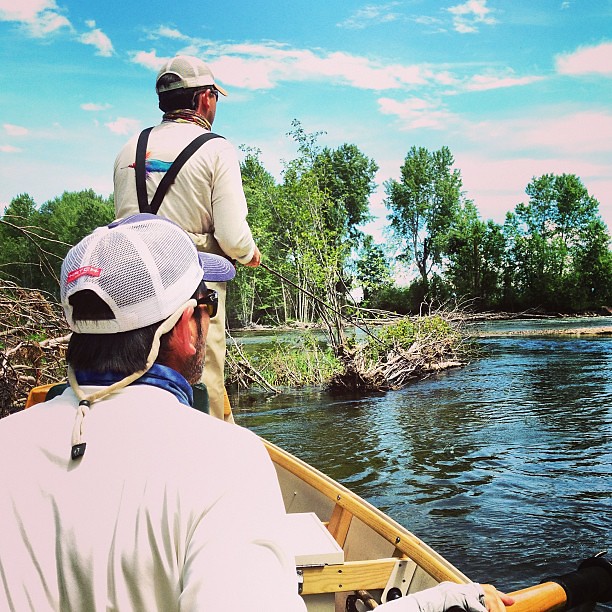
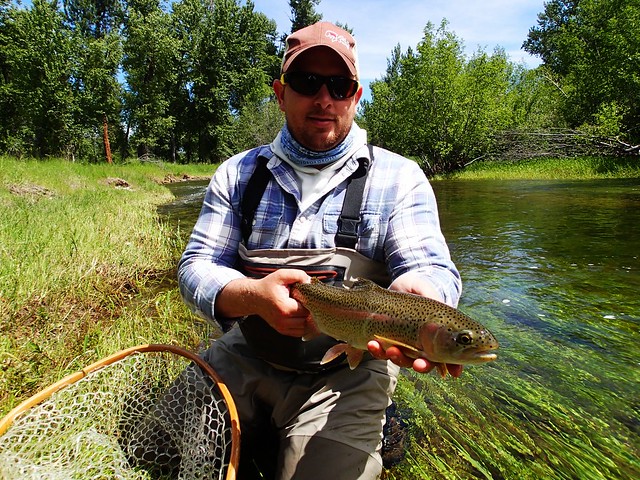
I’d never fly fished Montana. I never saw“The Movie” and I never read the book. But now, I think I’m starting to get it.
I spent three days wading and floating around Missoula, Montana with swarms of bugs hatching, and big wild trout rising to them. Green drakes, golden stones, PMDs, salmonflies, and medium size caddis came off throughout each day, in waves. And every bend in the river seemed to be boiling with fish.
I’ve never seen anything like it. The West Slope Cutthroat trout might be my favorite new fish. Go to Montana now.




-MS