Clear Cure Goo Chironomid Teaser

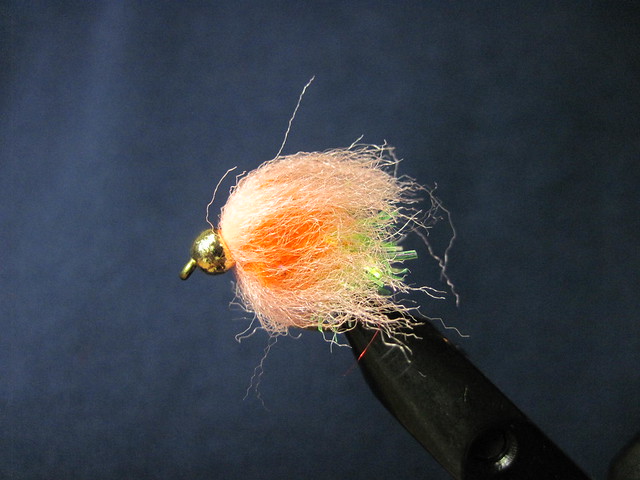
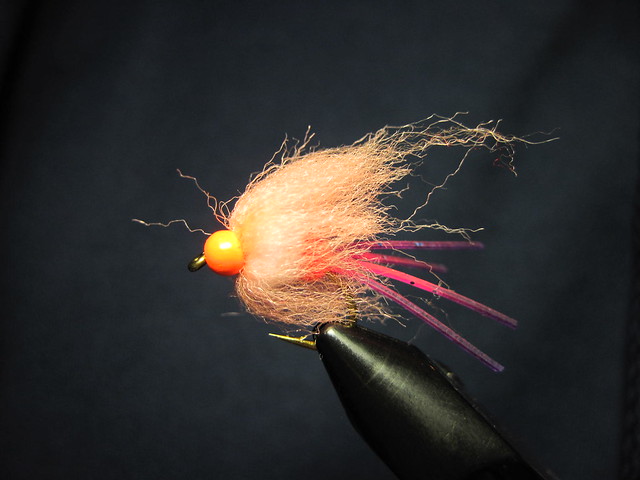
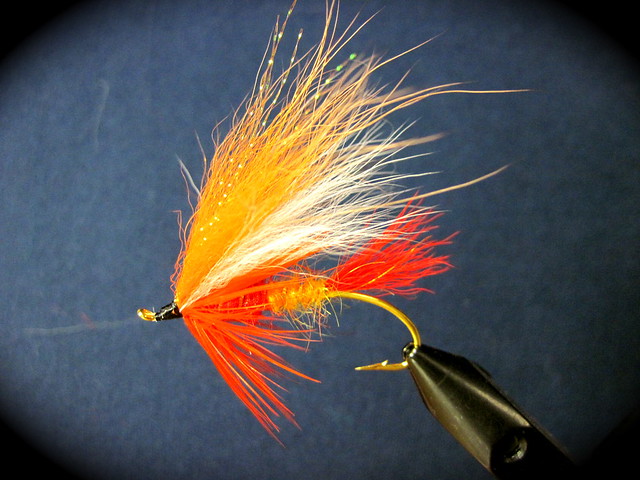
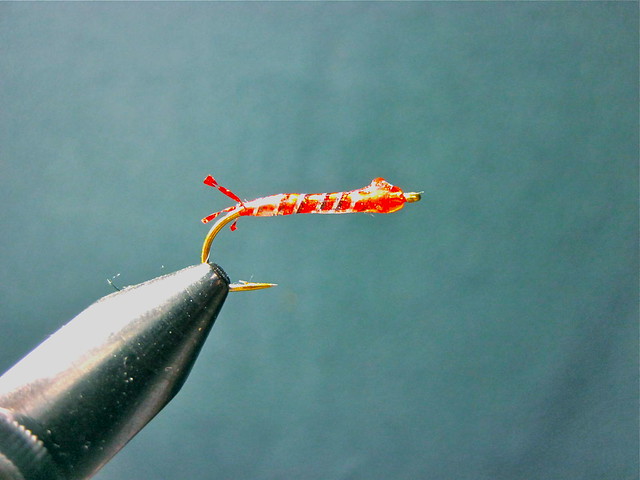
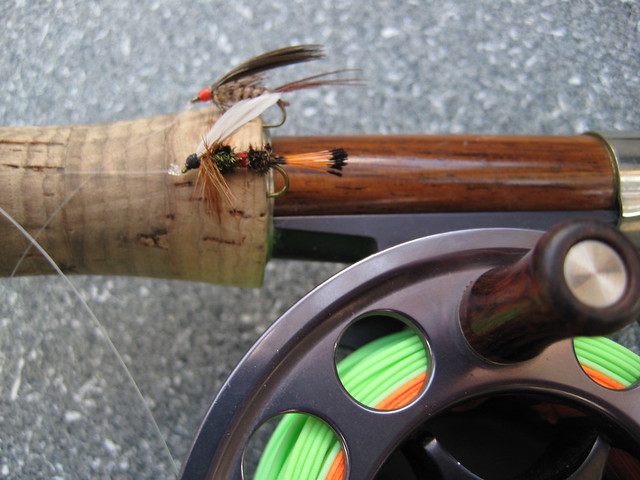
We have been experimenting with the really cool new Clear Cure Goo products and there are so many uses it boggles the mind. Chironomid tiers are going to have a hey day with the Goo! The flies below were tied with Clear Cure Goo Thin and Clear Cure Goo Hydro. More videos using Clear Cure Goo are on the way.

Clear Cure Goo Chironomids

Clear Cure Goo Chironomid

Posted in Fly Tying, Fly Tying Materials and Supplies, Oregon Fly Fishing Tips | 1 Comment

Super Polar Shrimp Steelhead Fly Tying Video

The Polar Shrimp is a steelhead fly that has endured the test of time. Fact is, a whole bunch of the fly patterns we fish effectively today are related to the patterns fished decades ago. We have the benefit of better hooks, lines, leaders, and some great new materials. Our cheniles give us a choice of fluorescence that was not available fifty years ago, In those days, black chenille and red wool yarn were common in winter steelhead flies.

My Polar Shrimp of the 1970s was mostly a winter steelhead fly tied on Eagle Claw 1197-B hooks, typically from size 2 to size 6. The tail was composed of neck-hackle fibers, the body of hot pink chenille, the throat was either red or hot orange saddle or chinese neck hackle, gathered below the hook into a beard. and the wing was usually kip tail. On rare occasion I would use Polar Bear hair and Jungle Cock to dress a few personal flies. I tied these flies by the hundred dozens in winter, and similar quantities of Green Butt Skunks in the summer.

Polar Shrimp: 2012. Here is a fancied-up Polar Shrimp that is built from the original pattern. Throw on some hot-tipped rubber legs for a wiggly tail, use the Fl. Shrimp Pink medium chenille, an orange saddle hackle as webby as you can find (Schlappen is great for these flies), Arctic Fox-tail wing, and a nice flashy topping of Krystal Flash and Holographic Pink Flashabou, and you have a steelhead fly worthy of its ancestry.

Fish the Polar Shrimp anytime the water is cold, in dirty water especially, but you know steelhead; the most important thing about a fly is just using a good knot to tie it on and swimming it through the water where steelhead live.

Remember the hang-down position too. Let it lay in the water below you, after making the full swing, and wait for it, then give it a 6″ strip and see if you get yanked.

Jay Nicholas
January 2012

Enhanced Polar Shrimp

Enhanced Polar Shrimp

Hook: TMC 7999 #2-6
Bead: 7/32 Plummeting Tungsten Bead Fl Orange
Tail: Hot Tipped Crazy Legs Purple Pink
Body: Medium Fl. Shrimp Pink Chenille
Hackle: Hot Orange Schlappen
Wing: Eumer Arctic Fox
Topping: Fl. Fucsia Krystal Flash and Holographic Pink Fashabou

Posted in Fly Tying, Fly Tying Materials and Supplies, Oregon Fly Fishing Tips, Oregon Salmon fly fishing, Oregon Winter Steelhead Fishing | 1 Comment

Curt Nyquist Passes Away

Curt Nyquist

We lost a dear friend this past week. Longtime Caddis Fly employee and friend to many in the Oregon fishing community Curt Nyquist passed on this last Tuesday. Curt was a great man, talented angler and generous friend. Curt was always there for you, and went the extra mile in all of his pursuits. For those of you who fished with him, or had contact with him at the shop, you know he was jovial, genuine and well meaning at every turn. Curt will be missed.

Curt Nyquist

Posted in Uncategorized | 9 Comments

Clear Cure Goo Copper John Fly Tying Video

We are very excited to be stocking a new line of UV curing resins from Clear Cure Goo. There are so many uses in fly tying for the Cure Cure Goo products, we have only begun to scratch the surface. In this video Barrett demonstrates how to make a an “epoxy back like” wing case with Clear Cure Goo Fleck.

Clear Cure Goo is a self leveling resin that will not cure until you shine the Clear Cure Goo UV lamp on it. Clear Cure Goo does away with any drying wheels, curing times and mixing time. It’s a non toxic, non-yellowing resin that will only cure with the UV Lamp.

Like most of the Clear Cure Goo products the Fleck version dries in 3-10 seconds. The Fleck version is considered thick and is excellent for wing cases on Copper Johns and larger flies where you want some build up. Hydro and Thin Clear Cure Goo are going to be more common on smaller trout flies. A great way to get started with the Clear Cure Goo product line is to purchase the Clear Cure Goo Kit.

We plan on exploring the entire product line of Clear Cure Goo. Keep an eye out for more fly tying videos using it.

Clear Cure Goo Copper John

Clear Cure Goo Copper John

Hook: TMC 3761 10-20
Thread: Uni 6/0 Black
Tail: Brown Goose Biots
Body: Copper Wire Brassie Size
Wingcase: Turkey/Clear Cure Goo Fleck
Thorax: Peacock
Hackle: India Hen Back Brown

Posted in Fly Tying, Fly Tying Materials and Supplies | 1 Comment

Steelhead Bunny Prawn Fly Tying Video

Steelhead Bunny Prawn

This bunny Prawn is the simplest of my 2012 – Winter Steelhead Fly Series to tie and it also doubles as a wiggly jiggly egg fly if you drift it along under a strike indicator instead of swinging it. I say this because we all know, everyone of us, that true Prawn flies are meant to be swum, and true egg flies are meant to be dead drifted, and never the twain shall meet. Insert wild laughter, disagreement, confusion, an amen, or disinterest here.

The dark background of the photo does not do justice to the epoxy Prawn eyes at the bend of the hook, so you may not see them clearly, but the steelhead will, so be sure to lash them on to your hook or risk not catching a chrome beauty that is laying in green water just waiting for a Prawn to be swum by at steelie lunch time.

Just having a little fun.

Jay Nicholas
January 2012

Steelhead Bunny Prawn

Hook: TMC 5263 #4-6
Thread: Lagartun 150 White
Legs: Hot Tipped Crazy Legs Root Beer Orange Tip
Bead: 7/32 Plummeting Tungsten Bead Fl. Orange
Eyes: Epoxy Crab Eyes
Body: UV Pink Frizzle Chenille
Collar: Two Tone Rabbit Flesh Strips Salmon Pink
Head: Ice Dub UV Shrimp Pink

Posted in Coastal Steelhead Fishing, Fly Tying, Fly Tying Materials and Supplies | Leave a comment

Tough Winter Fishing Conditions Persist

High water steelhead

When you see Winter Steelhead swimming down the streets it’s time to hit the fly tying vise, check the fly boxes, and re-organize the tackle bag. When our rivers do drop back into shape the prime of the season will be at hand.

Posted in Fishing Reports, Oregon Winter Steelhead Fishing | 6 Comments

Native Fish and Flooding

McKenzie Rainbow

I got a brief update on native fish last week from Jay and it got me thinking about the current flooding and what happens to our beloved native fish during the high water. OSU has just released this press statement which I found very interesting. Hang on, keep tying and waiting, our rivers shall return to normal!

Check out the article here: OSU Native Fish and Flooding
LV

Posted in Fishing Reports | 2 Comments

Product Reviews: Most Excellent Echo Fly Rods

Echo 3 Switch and E3 Two Hand rods now available! The new Echo 3 Switch and Echo 3 two Hand fly rods are en-route to the Caddis Fly on the UPS truck from our friends at Rajeff Sports. My river fishing experience with these rods is growing by the day; E3 Switch and Two Hand rods are much anticipated and welcome additions to the Echo team. Expect more specifics on these sleek, high-modulus Switch and Spey rods shortly. I can unequivocally promise outstanding performance and fun to anyone who fishes one of these new Echo 3 fly rods. I expected nothing short of fantastic after two seasons fishing Echo 3 SW and FW rods, and oh boy, these new Switch and Two Hand Echo 3s delivered on my dreams.

Anyone who is interested in an Echo E3 Switch or Two Hand rod may email or call the Caddis Fly this instant, at 541 342-7005, before we get the Echo E3 SWitch and Two Hand rods entered into our online catalog.

We know Echo fly rods – we fish ’em all the time, so we can make informed recommendations, based on experience, not just from reading the catalog.

Whoa there: If you are looking for detailed technical specifications for Echo fly rods , ION fly reels, and Airflo fly lines – this isn’t the place to achieve complete satisfaction for your geeky techno-engineering desires. This article recapitulates a summery of my assessment of Echo Fly rods, based on fond memories relating the conditions under which I fished each of these fly rods and my reaction to each. If you take a look in the trucks, SUVs, and boats being navigated by our guides, friends, and clients – you will usually find a passel of Echo fly rods. Trout rods, steelhead rods, salmon rods, offshore rods, lake rods, big rods, little rods, and even practice rods. We can do fish high and entry-level rods of all the major manufacturers and each of our crew has his or her favorites. Fact is, Echo has earned a place among our favorites because of their overall performance, specialized rod tapers, value, and warranty service.

The Echo fly rods reviewed here include the following:
Echo 3 Saltwater fly rods (7 wt, 9 wt, 10 wt, and 12 wt.)
Echo Edge fly rod (9’ 5 wt.)
Echo Ion (9 wt.)
Echo Shadow fly rod (3 wt.)
Echo 3 Freshwater fly rods (10’ – 7 wt.)
Echo Dec Hogan Spey fly rods (5120-4, 6126-4, & 8136-4)
Echo Tim Rajeff Spey rods (7130-4)
Echo Switch fly rods (4 & 8 wt.)

The final straw that pushed me to complete this fly rod review, fell when I unearthed an envelope stashed on my desk under the growing pile of lists – you know – stuff I need to do. Most of the tasks are now dead and gone, either accomplished already or too late to matter. The envelope contained a fistful of labels cut from boxes and shipping invoices, each one representing products from my friends at Rajeff Sports. Some had notes penned by Tim Rajeff, Jarrod Black, Jamie Hixon, and a bunch sported notes and various sorts of harassment from Randy Stetzer.

All of the products I have ordered to fish over the last several years were represented in this envelope. Wow, it was quite a bundle of Airflo fly lines, ION fly reels, and Echo fly rods.

Echo Fly Rods: Summary of Product Reviews.

Rod Feel. Echo Fly rod actions are quite pleasurable. All of the Echo fly rods I fished felt good to fish, cast well, and were fun to fight fish with. I do not care much for parking lot fly rod evaluations. Standing in a boat, gravel bar, or beach with rod in hand is by far the best place to evaluate a fly rod’s performance. Echo fly rods passed my test with high scores. I cast short. I cast long. I pushed all of these rods to the limits of my casting skills. I never had a rod collapse on me with I over-lined it, failed to cast decently when i under-lined it, or failed to earn a regular place in my boat, pram, sled, truck.

Durability of Echo fly rods. These Echo fly rods, all of them, tolerated a completely unreasonable level of mistreatment in my boat, getting in and out my truck, and transporting into and out of my garage, cabin, den, dining room, kitchen and so on. I managed to poke rod tips into the most unimaginable crevices in my truck and boat and ceilings and trees and you name it. I finally managed to break one solitary rod-tip by stepping on it in my boat.

Fly line adaptability. All of the Echo fly rods I fished have very wide tolerances regarding the line weights they will cast. There were plenty of days when I did not have a properly matched fly line in the boat so I just hung on a reel with something close, plus or minus a few line weights, and went fishing. If I had to choose between over or under lining an Echo Fly rod, I would go with over-lining the rod. I cast 10 wt lines on 7 wt rods for months, and the supposedly inappropriate match-up worked just fine. Conversely, I fished 250 gr shooting heads on an Echo 3 10 wt. rod on many days, and again, the Echo 3 allowed me to push line as far as I cared to cast. I don’t pretend to say that the grain weight window of performance of these Echo fly rods is superior to other rod brands, because I have not tested most of them the way I tested Echo. I’m simply saying that my experience has proved that these Echo fly rods can probably handle far more line weights than you may have expected.

Hardware on Echo fly rods. Reel seats, rod wraps, guides and handles are very nice and all of the rods I have fished stand up in saltwater, whether they were designed to or not. My Echo 3 fly rods have stood their ground to a high level of mistreatment day after day, week after, month after month. No maintenance has been performed on rods fished in saltwater, even though I know in my heart that I should have rinsed these rods off at the end of each day’s fishing. I have had ZERO component failures, and this is very good for those of us who devote almost all of our time to fishing and almost no time to tackle care. The handles on the Echo 3 SW rods show no sign of deterioration and only a little wear, which is amazing considering the hours they have been battered about. Portions of the Echo 3 reel seats show some thinning of the black anodized finish, with a glimmer of brass showing through. This is occurring where my hand has rubbed the reel seat over the last year. I consider this sign of wear a badge of courage for he rods and me.

Downsides to Echo fly rods. Trivial and essentially irrelevant issues, but this is a fly rod review, right? The Ion is a smidgeon on the heavy side, for my tastes but the weight is appropriate for the fact that it is intended to be practically bullet-proof; the price for this rod and the ION’s casting and fishing performance make it a perfect back-up or serious start-up fly rod. The reel seat on the Echo 3 is currently in the process of re-design to accommodate bulkier reel seats. My personal quirkiness prompts me to use larger fly reels than any normal person would. The Ion accepted every giant reel-foot I fished. The Echo 3 reel seats did not always provide the most comfortable fit for a few of the largest reels I mounted on them (like the ION 10/12). The rod color on the Echo Switch fly rods is my least favorite. Sorry Tim. Not the first time you’ve heard this. The Switch rods perform, but gosh, choose a different blank color next time. Just sayin’.

Short story on a few specific echo fly rods. The following represents a quick peek at Echo fly rods that I fished over the last two years. More information is provided at the link for each fly rod, if you care to read more any of these specific Echo Fly Rods.

Echo 3 Saltwater fly rods
(7 wt. – 9 wt. – 10 wt. -12 wt.). I fished these Echo 3 rods in estuaries and in the ocean. These rods were lined with floating, slow sinking, and super fast sinking full fly lines and shooting heads, depending on the circumstances of the day. I fished these rods for Silvers, Chinook, black Rockfish, Lingcod, and Chum salmon. These Echo 3 Saltwater fly rods are excellent fast action, nimble fly rods. The 12 wt was intended for Tuna, but I never had a shot at those beasties. It was a little harsh on Silvers in the ocean, but with 10 lb. leaders, it was OK. Best fly rod for silvers was the 7 wt. King salmon called mostly for 9 and 10 wt. rods. Rockfish rocked on 7, 9, & 10 wt. Echo 3 rods, depending on how deep I needed to fish.

Echo Edge
fly rods (9’ 5 wt.). I fished this freshwater Edge fly rod for sea run cutthroat in estuaries and coastal rivers above the head of tide. This is a top notch fly rod. At the price level, the casting and fishing performance of this Edge fly rod is absolutely sparkling. I would have to go into the six hundred buck range and get picky to find a better rod than this.

Echo Ion
fly rods (9’ 9 wt.). This is a solid work-horse steelhead, salmon, and rockfish fly rod. As noted, these ION rods are a tad on the sturdy side, an intended characteristic to make them the best back-up trip rod on the planet. Fish this rod and it’s cousins in the ION series with confidence for big trout, bass, steelhead, silvers, chum and Chinook.

Echo Shadow
fly rods (3 wt.). My high stick nymphing technique is weak, but I had a lot of fun and caught some very nice trout and a few Northern Pike minnow with this Echo Shadow fly rod. I also fished this Shadow with indicators to guide my nymphs and eggs through rivers and fished buggers and girdle bugs in coastal lakes. The Shadow is a versatile fly rod, but it really shines with the high stick technique, heavy nymphs, and complex currents to navigate. And yes, this rod can handle summer steelhead too, so forget the moniker of the typical 3 wt fly rod.

Echo 3 Freshwater Fly Rods
(10’ – 7 wt.). If I was asked to name this Echo 3 rod I would call it the Steelhead Supreme. This 10’ fly rod is a rod full of wonder for both summer and winter steelhead fly fishing. I have fished it with traditional sink tip lines, with dry lines, with an Airflo Skagit Switch line, with a Speydicator. I have swung and dead drifted flies and hung jig flies from indicators. This is a fly rod of beauty and utility. I have a virtual blast every time I pick it up.

Echo Dec Hogan Spey fly rods
(5120-4 – 6126-4 – 7130-4 – 8136-4). These are quite possibly the most intuitive Spey rods for any angler to cast. The 5 wt and 6 wt. rods shine for summer steelhead, and when I borrowed a friend’s 7 wt. I was in the game casting heavier sink tips with authority. The 8 wt Dec Hogan, at a mere 13.5’ is every measure up to the task of fighting monster winter steelhead and king salmon. My personal preferences are to the 5, 6, and 7 wt fly rods in this series. If I need heavier sink tips than the DH 7 wt will deliver, I prefer the Tim Rajeff 7 wt over the Dec Hogan 8 wt.

Echo Tim Rajeff Spey Rods
(7130-4). This family of Echo Spey rods has a faster action than the Dec Hogan, so it does not flex as far into the butt section and is (rod wt for rod wt) what I would call a stronger Spey rod. Translation: If fishing conditions call for a Dec Hogan 7 wt, I feel like the Tim Rajeff 6 wt will deliver every grain wt. of sink tip and fish fighting strength as does the up-sized Deco. Don’t let the catalog spiel for the Tim Rajeff Spey rod let you think that these rods are difficult to cast. They are every bit as responsive as the Dec Hogan series, they just don’t load as far into the butt in the process of remaining a very easy rod to “feel”.

Echo Switch Rods
(4 wt. – 8 wt.). I fished the 4 wt Echo Switch from a drift boat with an indicator & nymphs for trout and the 8 wt Switch for salmon in Oregon and steelhead in BC. If you fish indicators from boats (or wading for that matter) you should check out the 4 wt. Echo Switch rod. Line management, hook setting, and fish fighting were effective and fun. The 8 wt. Switch rod cast T-11 and T-8 sink tips great distances looped onto an Airflo Skagit Switch line, and cast dry and damp flies with ease paired with a Rage Compact. Overhead casting – matching the 8 wt. switch rod with shooting heads and full floating and sinking fly lines was not quite so pretty a sight, but offered a tremendous advantage when I wanted to cast off my left shoulder because of a horrendous right-to-left cross wind. In these conditions, the 8 wt Switch rod is amazing, and it kept my fly on my downwind side, safely away from my ears, nose and the back of my head. Nice.

Thanks for your patience. More specifics on all of these Echo Fly rods is posted on my blog at fishingwithjay.

Jay Nicholas
January 2012

Posted in Fly Fishing Gear Review | 3 Comments

Foxee Steelhead Prawn Fly Tying Video

This is my favorite winter steelhead prawn fly. Just is. I like the lines and the fact that it reminds me of the days when I tied hundreds of dozens of TDCs (Tied Down Caddis) for Randall Kaufmann. That was then and this is . . . . .

I have tied this Prawn fly with the Softex firmed tail and here are a few notes on this feature of the fly.

When tied to a leader and soaked in a steelhead stream, the semi-firm feature of the fly usually does one or both of the following: 1) sometimes it makes the fly spin, and 2) sometimes it just folds back on the back of the fly and makes a blob. This leads to the conclusion that it would be better to either clip this material off and tie a thread head, or just trim the tail/head of the fly like you would if tying an Elk Hair Caddis, and leave an un-cemented puff of Arctic Fox to finish the fly.

Jay Nicholas
January 2012

steelhead prawn

Steelhead Prawn

Foxee Steelhead Prawn

Hook: TMC 7999 #4
Thread: Lagartun 150 White
Hackle: Pink Strung saddle
Back: Eumer Arctic Fox Tail, orange
Eyes: Epoxy Crab Eyes
Body: Speckle Crystal Chenille Pearl Fl. Fire Orange
Glue: Softex

Posted in Coastal Steelhead Fishing, Fly Tying, Fly Tying Materials and Supplies | 1 Comment

Steelhead Ugly Bug Fly Tying Video

January, 2012. Here we are in full-frontal winter steelhead mode, watching our rivers raise and fall, sneaking off to ply the waters whenever and wherever we can, swinging, jigging, and dredging for chrome.

Chris asked me to share a few of my favorite winter steelhead flies and shoot videos for our fly tying fanatics on the blogosphere. I peeked into my fly boxes and was not pleased. Too much energy has been devoted recently obsessed with salmon, and not nearly enough on steelhead. My best ready to go boxes held only a modest assortment of tube leeches and simple marabou flies – my always dependable and ever-so-simple to tie steelhead flies.

Fact is, I gave away all of my steelhead egg, jig, and nymph flies two years ago. Gave ’em to my friends, and fly tying buddies. All of my incicarot flies plus about four hundred hooks with chrome dumbells already lashed on, ready to whiz on some chenille and egg yarn to make deadly efficient, pocket probing, steelhead catching flies. Figured that I wouldn’t need ’em cuz i was going to be swinging leeches and tubes and intruders and besides my fly boxes were full anyway and …

So here we are in 2012 and guess what? I got me a brand spankin’ new single hander and a switch rod. I got me some big plans to tromp around some old and new haunts with egg flies, steelhead nymphs, and yes, some great jig-like flies too. This is back to my usual winter steelhead year, and I am excited at the prospects. Even got a tried-and-true 15′ T-3 sink tip for the single hander to swing the soft water when conditions are just right.

Back to topic at hand: winter steelhead flies. I dug deep into my memory banks and pulled up my most favorite eggs, nymphs, jigs, and prawn-like patterns – and then i spiced them up to please my eye and re-stock my winter steelhead fly boxes. It took me awhile to find my stride, and I have a pile of not-quite-right flies to share with my friends, but I am plain happy with the flies that now fill my winter boxes.

I now have a pleasing assortment of steelhead jig flies, steelhead nymph flies, steelhead prawns, and even a modernized Polar Shrimp. Imagine that. I am poised to be humbled, with all my great flies and tackle and supposed knowledge, and return to my roots searching for winter steelhead on the Oregon coast.

So sit back, peer into your computer or iPad and enjoy my 2012 collection of absolutely-guarenteed-to-catch-steelhead flies. Yes, that was one long adjective string.

We’re starting with the Steelhead Ugly Bug Fly. A fly that combined rubber legs with chenille and lead always caught steelhead in the old days. Now we have fancy chenille, and we have tungsten hot beads, and we have really neat colored wiggly dangly rubber legs, and these flies are gonna earn their way if we have the gumption to add water.

Eleven more winter steelhead flies will follow the Steelhead Ugly Bug. My ability to name these flies is not nearly as hot as the flies are, and I invite our readers to think up some great new names. Point is, these flies are all based on patterns that I have fished effectively over the years, and each is flat out assured to catch twenty seven steelhead per, or close, or at least get a bite, pull, grab, twitch, nudge, or look of interest.

Hope you find something of interest in this steelhead fly series. And BTW, these flies fish well in spring, summer, and autumn too.

Jay Nicholas
January 2012

Steelhead Ugly Bug

Steelhead Ugly Bug

Hook: TMC 5263 #4
Bead: Rainbow Hued Plummeting Tungsten Bead 7/32
Thread: Lagartun 150 D Black
Legs: Fly Enhancer Blue -Black
Body: Speckled Crystal Chenille Midnight Fire
Thorax: Cactus Chenille Black Large
Legs/Hackle: Fly Enhancer Blue -Black

Posted in Fly Tying, Fly Tying Materials and Supplies, Oregon Winter Steelhead Fishing, Summer Steelhead | 5 Comments

Sometimes fly rods catch limits too!

Hatchery Winter Steelhead

These guys put in a long day in the front of my boat last Saturday and came up big. The wild fish we encountered never left the water, while this brace of hatchery chromers met with the net just before a swift introduction to the priest. Remember people: hatchery fish are keepers. Defend our wild runs. Dispatch with extreme prejudice!
This has been a good winter of steelhead fishing so far, with a lot more to come. Right now we are on the front end of a big weather system. Things will probably blow out at least through the end of the week. Smaller systems like Lake Creek and the NF Alsea will drop back into shape before too long. When they do, get out there armed with some persistence, a thingamabobber, and a pocket full of lowly glowlies.

EN

Posted in Coastal Steelhead Fishing, Oregon Weekend Fishing Forecast, Oregon Winter Steelhead Fishing | 3 Comments

Squidro Fly Tying Videos

Squidro

This is the Squidro Fly video series our fly-tying readers/viewers have been waiting for. Time to leave the messy details and the blah blathering in the dust and just get down to tie three of our Squidro fly patterns. We thank and acknowledge the creativity and fly tying skills of Scott Howell. These flies and the methods represent our best shot to date at tying a Squidro fly that is close to the fly that Scott ties. We share what we have learned so far, in order to help our fellow tiers get rocking this season. Our Squidro flies do not have the cool grizzly wings that many of Scott’s flies do, but these catch fish anyway, and we leave it to your discretion as to whether or not you add your wings, or top your Squidro with Ostrich, Fox, or Krystal flash

Chris and I invite you to browse these videos and help us build on our experience base over the coming year. A Lot of winter and summer steelhead are going to get a look at rubber legs, we think.

Jay Nicholas
January 2012

Winter Squidro

Shank: 35-55mm
Stinger Loop: Fire Line or Maxima 25lbs+
Butt: Chartreuse Ice Dub
Rear Rubber Legs: Fly Enhancer Blue/blk
Rear Dub: Purple Ice Dub/Black StS mix
Body: Holo Silver Lagartun Flat Braid
For Rubber: Crazy Legs fl. fuscia purple tip
For Dub: Purple Ice Dub/black sts mix
Eyes: Plated Lead Eyes
Head: Black STS Dub

Squidro

Squidro “Mini”

Shank: 35-45mm
Thread: Lagartun 150D
Stinger Loop: Fire-Line or Maxima 25lbs+
Butt: Ice Dub UV Hot Pink
Body: Holo Silver Lagartun Flat Braid
Front Rubber: Loco Legs Bonefish Pink
Front Dub: Ice Dub Fl Shell Pink
Eyes: Balz Eyes

Squidro

Electric Blue Squidro

Shank: 45-55mm
Thread: Lagartun 150D Black
Stinger Loop: Fireline or Maxima 25+
Butt: STS Blue and Steelie Blue Ice dub
Rear Rubber: Crazy Legs Purple Electric blue
Rear Dub: Black STS
Body: Silver Holographic Flat Braid
Front Rubber Legs: Enhancer Legs Blue/Black
Front Dub: same as butt
Eyes: Medium Plated Lead
Head: same as front dub

Posted in Fly Tying, Fly Tying Materials and Supplies | 3 Comments

Oregon legislators to discuss hatchery programs Weds.

From the Native Fish Society: For the first time in Oregon history, the ecological and economic cost of our hatchery system will be discussed at a State Legislative hearing next week in Salem.

At The CapitalPhoto by Edmund Garman

Beginning at 8:30 am on January 18th, Jim Lichatowich, noted author and former Assistant Chief of Fisheries at ODFW, Dr. Hans Radtke, Natural Resources Economist, and Dr. Peter Paquet, Senior Biologist and Wildlife Director of the Northwest Power and Conservation Council, will provide testimony to Senators in their fields of expertise concerning Oregon’s current hatchery operations.

Additionally, Native Fish Society’s Bill Bakke and Jim Myron will close the hearing by asking our Senators to take the necessary actions to ensure that State hatchery programs operate in an ecologically safe and economically responsible manner — the future of wild salmon and steelhead depend on it!

Members of Native Fish Society and the general public are welcome at the State Capitol for the hearing. We much appreciate the support of those able to attend!

To listen to the hearing online tomorrow click here

Posted in Oregon Conservation News | 1 Comment

Upper Willamette 2013 Angling Regulations Proposal Planning Meeting

Mark your calendars now. It’s time to come out in support of native fish at ODFW’s public planning meeting next month.

When: Wed. Feb. 15, 7-9 pm
Where: LCC, Bldg 17, Room 308
Why: Outline the process for anglers to propose new or modified fishing regulations for 2013. Anglers will have until the end of February to submit proposals. See ODFW website for information about the regulation development process, guidelines and forms for submitting proposals, and existing staff proposals.

McKenzie River Wild Trout

The important proposed regulation for McKenzie River Anglers: Eliminate use of bait to reduce hooking mortality on wild trout in a non-stocked wild trout rearing area on the McKenzie River between Hendricks Bridge and Hayden Bridge.The objective of this regulation change is to create a production area for native rainbow trout in the lower McKenzie River that will add to the sustainability of the McKenzie River trout populations. This section of the river has excellent potential for production of large rainbow trout (see photo) for non-consumptive angler use. The new rule would reduce hooking mortality on wild trout in the non-stocked area while allowing the retention of hatchery trout that drift downriver from above Hendricks Bridge and allowing salmon and steelhead anglers to use bait during the peak of these runs. (Proposed by ODFW’s Kelly Reis, Jeff Ziller)

For more information, contact Jeff Ziller or Kelly Reis, ODFW, at 541-726-3515.

Posted in McKenzie River, Oregon Conservation News | 2 Comments

Alberta Tar Sands pipeline crosses 1,000 streams and Rivers

Our buddy Rick asked us to post this video about the Enbridge Pipeline.

Pipe Up Against Enbridge: The pipeline would crosses some 1,000 streams and rivers, including sensitive salmon spawning habitat in the upper Fraser, Skeena, and Kitimat watersheds. Five important salmon rivers that would be impacted are the Stuart River, Morice River, Copper River, Kitimat River and Salmon River.

Canada’s Green Party: In the summer of 2010, Enbridge had two pipeline failures in the US – both of which threatened watersheds.

Posted in Oregon Conservation News | 2 Comments