Chapter Overview: Trout Unlimited McKenzie, Upper-Willamette 678

Over the past few months, our little Eugene Trout Unlimited Chapter has grown from a few guys sitting around a conference table to groups of up to 20 folks at the shop, with guest speakers. The organization has always had around 300 members turning in dues, but not much participation. Now that participation is up, we’re getting lots of questions regarding what it is that TU Chapter 678 does, and what are our priorities. So here they are:

TU 678 is involved in native coldwater fisheries conservation in the Willamette Valley.

CONSERVATION PROJECTS AND PRIORITIES:

Willamette River restoration Whilamut Natural Area: TU volunteers are working with the Eugene Stream Team to restore native riparian vegetation in the Whilamut natural area of Alton Baker Park on the Willamette River. What began 2007 as a blackberry thicket has been transformed into an area where native vegetation may again thrive.  TU Chapter 678 hosts regular blackberry removal and replanting sessions.
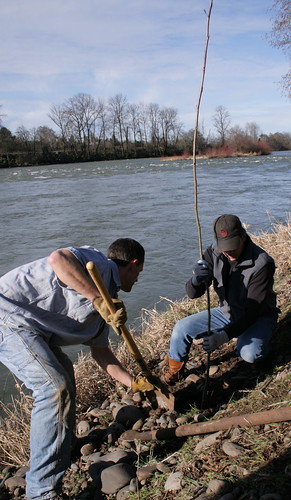
Trout Unlimited Tree Planting

Carmen Smith Hydropower relicensing: Spearheaded by Trout Unlimited’s Kate Miller, our chapter entered into negotiations with EWEB to provide greater environmental protections and enhancement actions while allowing EWEB to continue to operate the Carmen Smith Hydropower Project. The agreement is a positive step for restoring endangered spring chinook salmon and bull trout populations in the Mckenzie basin while allowing EWEB to utilize a clean, non-polluting energy resource.

Green Island restoration: TU 678 teamed up with McKenzie River Trust (MRT) to work on the organization’s ongoing Green Island Project. This island, over 1,000 acres in size is located at the confluence of the McKenzie and Willamette Rivers and was purchased by MRT. Once an active floodplain, the previous owners built up flood control levees around the property to keep flood waters and migrating channels from inundating the agriculture fields. TU 678 helped fund the notching of one of these structures, reconnecting the island to the rivers and improving the riparian habitat for juvenile native salmonids, while removing habitat for invasive warmwater species. The chapter also works to plant trees on the property.
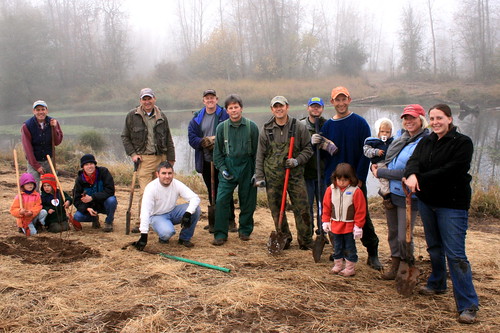
Green Island McKenzie River restoration

Upper Willamette Bull Trout habitat enhancement: In 2006 TU Chapter 678 secured a $10,000 grant from Trout Unlimited to fund habitat restoration in the Upper Willamette watershed to improve spawning habitat for bull trout. The Chapter also worked on the monitoring and follow up to this project. The chapter is currently working to secure more funding for habitat restoration in this area.

McKenzie River Bait Ban Coalition: Would you support a bait ban regulation on the McKenzie River to protect wild trout? TU 678 is participating in a coalition of guides, local businesses and conservation groups are spearheading an effort to get a bait ban for trout on the McKenzie River. This regulation would maintain the current salmon and steelhead bait regulations, while making the entire river artificial flies and lures only for trout.

Stopping the WOPR: As anglers who care deeply about the health of our coastal salmon and steelhead, we can’t sit quietly by as the Bureau of Land Management puts local rivers at risk. The Western Oregon Plan Revision (WOPR) is the BLM’s attempt to ramp up logging and dramatically reduce riparian protections on 2.6 million acres of land in the western part of the state managed by that agency. TU Chapter 678 has lead the charge against this plan, as so many of the rivers in our area would be effected, including the Siuslaw, the Umpqua, the Alsea, the Rogue, and the Smith.

TRIPS:
TU 678 hosts a handful of recreational fishing outings a year, including trips on the Lower McKenzie for the March Brown hatch, wilderness backpacking trips into the Cascade High Lakes, and roadtrips to southern Oregon to fly fish for chinook salmon on the Elk and Sixes Rivers.

FUNDRAISERS:
TU Chapter 678 relies almost entirely on local fundraising efforts. We do not receive operating funds from TU National or the Oregon State Council. We host an annual McKenzie River Two-Fly Tournament (October 10, 2009). We also host an annual auction, bring fly fishing movie events to the Eugene area, and created an Oregon Bull Trout T-shirt to fund upper watershed bull trout habitat restoration (COMING SOON!).

Drift at David Minor Theater in Eugene

MEETINGS:
TU Chapter 678 meets the second Wednesday of the month at 7pm at The Caddis Fly Shop, 168 West 6th Ave., Eugene, OR 97401. Each month we host a conservation speaker/leader from the area. Meetings are open to the public.

OFFICERS AND CONTACTS:
Al Avey, President: 541-431-0328
Todd Mullen, Vice President: 541-343-0695
Karl Mueller, Conservation Officer: 541-915-2411
Matt Stansberry, Outreach: mattstansberry@gmail.com
Brent Ross, Communications: brentross@gmail.com

Hope to see you on Wed. for guest speaker Charley Dewberry.
Posted in Oregon Conservation News, Oregon Fly Fishing Clubs and Events | 4 Comments

March Brown hatch set to blow up next week with warmer temperatures. What flies should you have in your box?

Both the McKenzie and the Willamette drainage’s are in fine shape. We’ve had mixed reports the past couple of days. Some anglers doing well nymphing and swinging March Brown Wets. Others seeing adult March Browns and fish up, devouring them. And even other anglers who made it out during a cold, bright and windy day with little or no activity. Thats Spring fishing for you. The forecast has this coming Thursday at 58 degrees, perfect for a great March Brown day.

March Browns are beginning to hatch, Blue Winged Olives have been out, along with Winter Stones, Skwala Stones and Midges. Hopefully the month of March brings us some better weather and anglers get the time to get on the water. Here is a discussion of the shops favorite  bugs you want to consider stocking your fly box with.

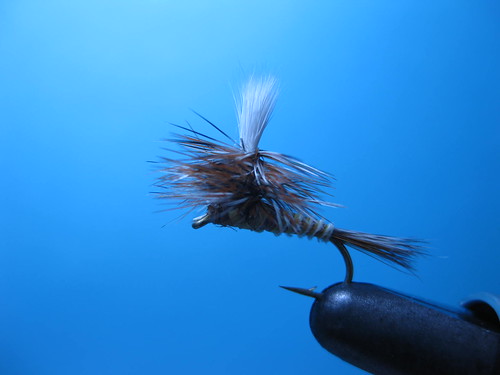
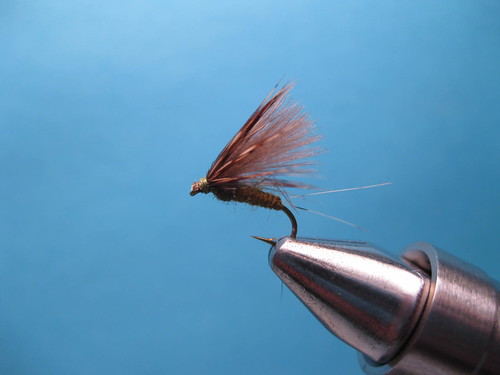
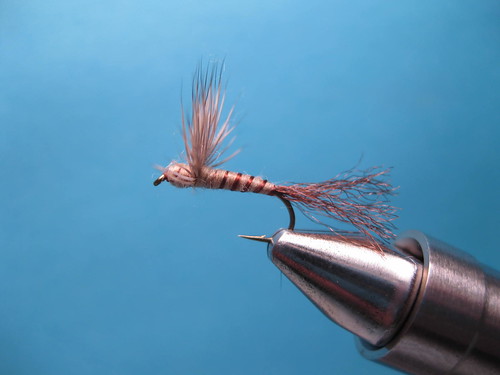
 March Brown Sparkle Dun/March Brown Heavy Hackle Parachute: It is a tough call between the Parachute March Brown and the March Brown Sparkle Dun as to which is the better adult March Brown imitation. During a full blown emergence when fish are up and obviously eating adults the March Brown Sparkle Dun is probably my first choice but if I don’t find success with it, the Parachute is next.

IMG_1086

IMG_1005

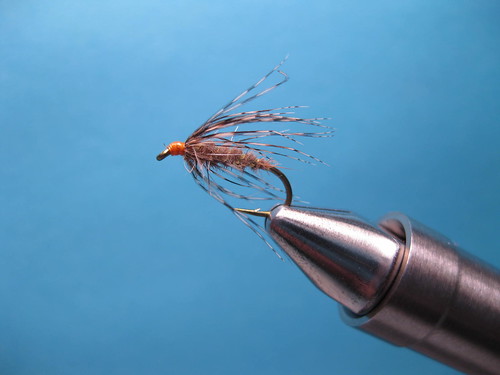
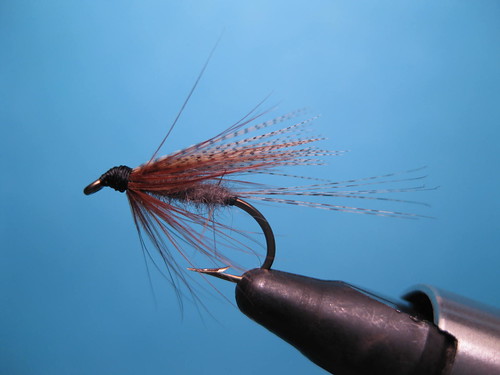
March Brown Soft Hackle: Weather you are pre, during or post hatch the March Brown Soft Hackle is a killer. Especially during ideal March Brown weather, warm cloudy and rainy. March Brown adults struggle to break the surface miniscus and at this highly vulneralble point of their life cycle trout key on them. If you were stuck fishing three flies on the lower Mckenzie this spring the March Brown Soft Hackle would be one of them.

Copy of IMG_1079

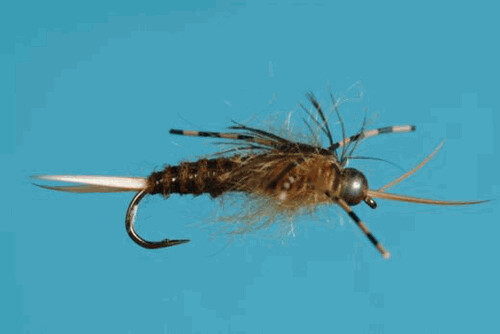
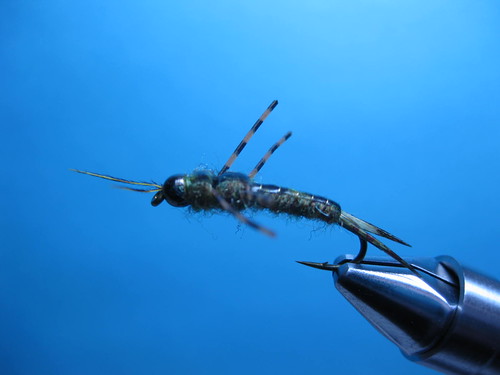
Tungsten Hunchback March Brown Nymph: March Brown nymphs live in shallow, oxygenated riffles. If you find your self fishing prior to the hatch and can’t get fish to come to swung wet flies like the March Brown Soft Hackle of the March Brown flymph, fish the Hunchback by itself with a split shot or coupled with a Possie Bugger or Mega Prince. The Tungsten Bead will get this pattern down were you want it.

IMG_1113

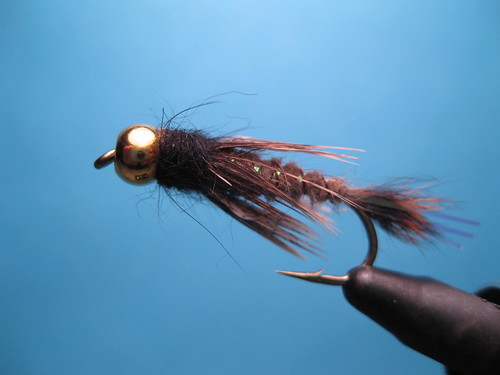
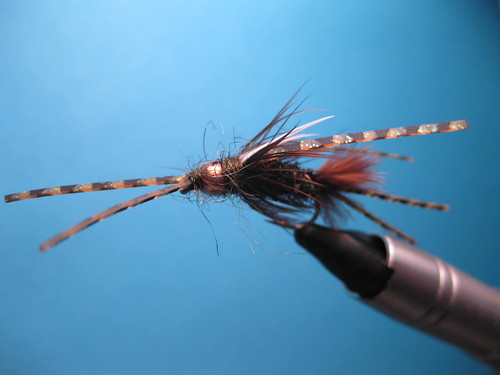
Tungsten Trout Retriever: Both the McKenzie and Willamette have decent populations of stoneflies. The nymphs seem to increase thier activity starting now and will hatch out sporadically throughout the spring. I will use the Trout Retriver series in golden or black to help get other smaller nymphs down to the bottom, pheasant tails, march browns, princes. But you will have those days when the fish really key on the big nymph.

troutretriever

Mega Prince/Possie Bugger: Both hall of fame flies for all of our local waters and beyond. A discussion of spring flies would simply be incomplete without including these two. When the water is up a bit I will swing the Mega Prince with a March Brown Flymph or Wet. You can always dead drift  either fly under an indicator, and as the water drops and clears a touch, the Possie Bugger remains an excellent choice at all levels of the water column.

IMG_0904

IMG_0907

Blue Winged Olive “Drymerger Beatis“: I’ve spent many days on the McKenzie and Willamette with excellent numbers of March Browns on the waters surface. Yet getting a fish to eat my March Brown adult imitation seemed impossible. Switch to a Blue Winged Olive, seemingly microscopic amongst the large March Brown duns and instantly have fish scoop up my smaller bug. While smaller than the March Brown, many days the Blue Winged Olive mayfly is far more numerous, and fish find it far more efficient to eat the plentiful Blue Winged Olives.

Copy of IMG_1087

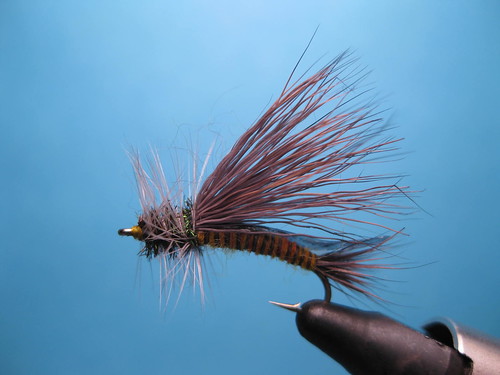
Skwala Stoneflies “Silvey’s Little Olive Stone“: You aren’t going to see huge hatches of the Skwala stones on the McKenzie or Willamette like you would on the Bitterroot out of Missoula, but you will see these medium sized adult stoneflies enough to carry a few in you box. It is basically a slimmed down dark stimulator. You will find these bugs in a variety of waters, not just near the bank like their larger cousins the Golden and Salmon flies. Consider fishing the nymph version as well. The Tungsten Skwala Stonefly nymph is slim and dense, a perfect pattern to help sink a March Brown Nymph in a riffle with moderate depth.

IMG_0891

IMG_1102

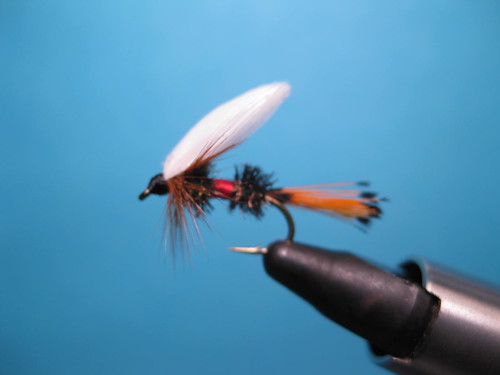
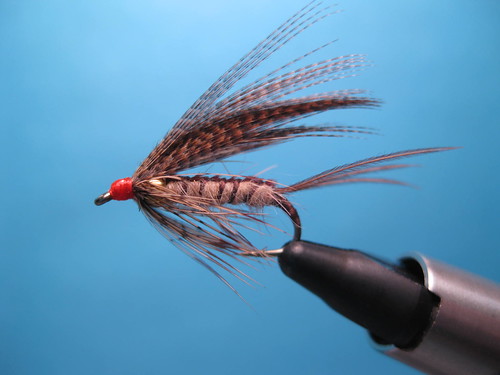
Royal Coachman Wet/Dark Cahill/March Brown Beadhead Emerger: No other time of year do I fish so many wets/emergers. The river is up a bit usually, and covering water with a down and across swing is very effective. Tying one of these behind a dry fly during a hatch is also effective. The Coachman is a great wet fly on the lower McKenzie and Willamette in Spring. It really gets the Cutthroat going with or without a hatch. Try a tandem Cahil and Coachman set up on the lower river, it’s been working for 75 years, tough to argue with success. The March Brown Beadhead Emerger has been our best selling Spring wet the past couple of years. The orange thread head, thorax bead and traditional overwing all contribute to it’s success.

IMG_0943

IMG_0942

IMG_0851

Numerous other patterns work as well, and before you know it things will have warmed up enough for us to start talking about early season caddis.–CD

Posted in Middle Fork Willamette River fishing | 3 Comments

Cognitive dissonance: My obsession with tying huge baitfish

I’ve been tying flies since I was twelve years old, and haven’t gotten much better since.

I started tying as a kid in Ohio at an Orvis shop in the middle of nowhere. It was on the way to my dad’s fishing buddy’s house, and my dad, brother and I stopped in out of curiosity one day.

Soon after, my brother and I started taking fly tying classes at this random fly shop, literally hundreds of miles from any trout stream.

Frank, the old guy who owned the place, had fly fished all over the world, and somehow wound up with a fly shop in Ohio, a german wirehaired pointer, and a huge library of fly fishing books.

A younger guy named John who dressed like an English professor taught the fly tying classes and he smoked a pipe. I still get nostalgic at the smell of dubbing wax, head cement and pipe smoke.

My dad wasn’t much interested in fly fishing, but he took my brother and I to these fly tying classes every week and watched us struggle over wooly worms or big spindly monstrosities that were supposed to be dry flies. I’m sorry to say, my dries pretty much look the same now as they did then.

I don’t remember exactly how it happened, but somewhere during the fly tying lessons the focus shifted to stacked deer hair bass bugs, which surprisingly turned out better than our trout imitations.

At twelve and nine years old, Nate and I were stacking and shaving up passible deer hair divers. My guess is that Larry Dahlberg’s earliest fly fishing for pike videos were what pushed us over the edge. See, my brother and I were destined to tie big bugs.

It’s not that I can’t tie small trout flies at all. I can stock a fly box with passable soft hackles or possie buggers. Or even simple dries, like a deer-hair wing sparkle dun — I can manage them if I stick to the pattern, trying a few dozen over the course of a few nights, and the last six will look slightly pregnant, but fishable.

But when I’m tying big bugs — giant streamers for trips far off in the future for fish that probably don’t care about what they eat , so long as it’s slightly smaller than them and moving — I’m in my element. I’d even say masterful.

I can experiment with materials, techniques and colors, and even my most impressionistic bizarre patterns at least look like something I did on purpose.

But this causes cognitive dissonance. I tie giant streamers because I like them, but should be tying trout flies because I need them.

I’ll spend a week on the vise cranking out purplish perch-shaped baitfish, and someone comes in the shop and says “The BWOs are going off!” and I’ve got a dozen barracuda baits.

Writing this now, I’m coming off a couple weeks at the vise tying trout flies and I’ve got a fly box full of nymphs, inadvertently crippled march browns, green caddis tied by friends, and golden stones tied by kids in Asia. So I’m covered through spring.

But I’m not done tying, so I’m going back to the big baits, experimental shad patterns tied with silvery nutria fur and yak wool. We’ve got plans to fish some Pacific NW tiger muskies in Central Washington, Pike in Idaho this summer — so the bait can at least see a little action.

But I’m still trying to figure out what to do if I decide to follow my gut and keep tying giant baitfish patterns. I mean, how many can I use? Leave me your suggestions in the comments. -MS

Posted in Fly Tying | 5 Comments

Salmon restoration expert Charley Dewberry to speak at next Trout Unlimited meeting

On Wednesday, March 11 at 7:00 at the Caddis Fly Angling Shop in Eugene, Charles Dewberry will be speaking about ongoing salmon restoration efforts in the Siuslaw basin, Tillamook basin and coastwide.  His presentation will also explain the habitat needs of these simultaneously sensitive and tenacious fish and what is being done to improve conditions to ensure they continue to survive and thrive.

One of the most experienced fieldworkers in the Pacific Northwest in the field of salmon and watershed restoration ecology, Charley Dewberry is best known as the chief Architect of the Siuslaw Partnership’s Knowles Creek Restoration project which was a finalist for the prestigious Thiess Riverprize in 2003.

Charley’s work, along with that of many others on this project, uncovered many of the management principles that we take for granted today,  most notably the importance of large woody debris in forming habitat for juvenile salmon and in capturing gravel for spawners amongst other benefits.

The improvements in the Knowles Creek basin have been tremendous.  Strong runs of coho have become stronger, weak runs have improved by 200%-2000%,  cutthroat have increased by 432%, steelhead by 28% and chinook are at historic levels!

The findings from the Knowles Creek basin have been applied to many basins throughout the region and it just might be that if you’ve caught a salmon in Oregon, you have Charley Dewberry to thank for that fish.  Then again, maybe not. . . .  They were there before, there were just fewer of them because their habitat was worse.–KM

Posted in Oregon Conservation News, Oregon Fly Fishing Clubs and Events | 2 Comments

North Umpqua Winter Steelhead heating up

It would seem long in coming but the North Umpqua river is fishing well for wild steelhead. Tony Wratney and Jeff Carr of Summer Run Guide Service had a nice weekend on the North.  Using a Sage 7136-4 Z-Axis Spey Rod a Skagit spey line with sinking tip and a “lowly glowly”the guys caught some great fish. The Umpqua has really come on strong late the past couple of years. It will fish really well all through the month of March. Call the shop to set up a trip or get down there on your own, “it’s happening” now!!–CD

P2270055

Posted in North Umpqua River Fishing Reports | 6 Comments

McKenzie River bait ban coalition underway

First of all, thank you to the first 100 people to sign the McKenzie River Bait Ban petition. Click Here to sign the petition. It was offline a bit this afternoon when we hit the 100-respondent mark. The free software we were using to collect responses only allowed us to have 100 folks, so we upgraded the account and we’re back in business.

We also launched a new site: McKenzie Bait Ban Coalition, and published some of the comments from the petition. We’re currently recruiting business owners, guides and conservation organizations to join the coalition. If you’re intersted in having your business or guide service listed as a supporter of the McKenzie River Bait Ban, please email me.

Posted in McKenzie River, Oregon Conservation News | 4 Comments

McKenzie River Bait Ban Proposal and Petition

UPDATE: OK…. one more time. The issue with the survey/petition is once again resolved.

Would you support a bait ban regulation on the McKenzie River to protect wild trout?

Oregon Fly Fishing Blog, The Caddis Fly and TU Chapter 678 are spearheading an effort to get a bait ban for trout on the McKenzie River. This regulation would maintain the current salmon and steelhead bait regulations, while making the entire river artificial flies and lures only for trout.

The Mckenzie River regulations currently require catch and release of all wild trout to protect native redsides. When low water concentrates native fish into the deep pools of the Mckenzie, bait anglers catch them and are unable to release them unharmed. Numbers are low and need further protection. When an angler using bait catches a wild trout on the Mckenzie and the hook is buried in the gullet of the trout, releasing a fish unharmed is virtually impossible.

The Mckenzie is an incredible resource and sustains a great deal of recreation. The proposed no bait regulation will make the Mckenzie an even better resource. Vibrant wild trout populations would make the Mckenzie River much more of a destination than it already is, bringing more dollars to the state in licence sales as well as tourist dollars.

A large wild rainbow trout “redside” is considered the prize catch on the Mckenzie River, it is why people fish the river day in and day out. We urge you to protect this fish, make the already catch and release of wild trout regulation really mean something.

We need you to fill out this survey, to prove to ODFW we have popular support for such a measure. Thanks for taking the time.

Click Here to take survey

Posted in McKenzie River, Oregon Conservation News | 11 Comments

March fishing conditions looking good

The McKenzie River near Eugene is at a normal level for this time of year and anglers should expect hatches to improve with warmer air temps expected this week.

March Browns, Blue Winged Olives and Skwala Stone flies will be hatching during the mid day. Concentrate your efforts between 11am and 4pm when water temperatures will be peeking. Nymphing with Mega Prince, Possie Buggers, and Golden stones have been, and will continue to be very effective. But look for swung flies like March Brown Beadhead Emergers, Hare’s Ear Soft Hackles, Spectre Soft Hackle, and March Brown Wets to produce better this week. The emerging March Brown Adults will struggle to meet the surface in wet conditions and these emerger patterns will do well.

Winter steelhead fishing conditions are also excellent with fresh rains enticing the final push of fish into Oregon’s coastal streams. With trout and steelhead conditions shaping up simultaneously it is going to be a win, win for local anglers. For steelhead use egg patterns and swung leeches. This weekend some of our coastal streams dropped unexpectedly fast and were low and clear.

IMG_1060

Hopefully a bit more rain and good ocean tides this week will keep the winter fish moving through the system.–CD

Posted in McKenzie River | Leave a comment

Poacher Apparently Pillages Yachats River

On February 18, 2009 a stream survey team found a gillnet hidden in the bushes where Beamer Creek Road intersects the diminutive and inaptly named Yachats River.

Located  south of Newport, the Yachats hosts runs of fall chinook and coho as well as winter steelhead.  Special angling regulations are in place to protect these runs.  Anglers are permitted to keep one chinook per day up to five for the season. The stream is closed to retention of coho or steelhead.  Non-commercial use of nets is never legal in Oregon rivers except to land a legally hooked fish.  Nothing wipes out a run faster than an indiscriminate curtain of death.

Tips should be called in to Senior Trooper Doug Canfield at (541) 265-5354, Ext. 304.

Be safe out there but do your best to report poachers, there is a number on the back of your license.  TURN IN POACHERS BY CALLING: 1-800-452-7888.–KM

Posted in Fishing Porn, Oregon Conservation News | 3 Comments

Setting Up for a Winter Steelhead Bonanza

Few things in winter steelheading are certain.  The only certainty is that following a blowout the rivers drop into perfect shape on a weekday only to  blow out again on Friday before dropping back in on Monday. . . . I know I’m not the only one to ruefully observe this pattern.

Well, if the forecast holds this weekend is going to present winter steelhead conditions as good as a working (hu)man can hope for.  The rivers which have been low and clear blew out over the week and are falling back into shape even as I type this.

Saturday is looking to be a bit high but definitely fishable on the Siuslaw.   The Slaw is forecast to fall from about 8.5 on Saturday to 7 feet Sunday before starting to rise again.  Conditions should be better on the Alsea ,  falling from 5.5 to 5 before edging slightly upward on Sunday.  The Siletz is forecast to fall from 5.2 before bottoming out at 4.8 feet.  Even though the rivers are forecast to start rising again Sunday, the rise is anticipated to be modest and should not take any of these rivers back out.

The Alsea has over 800 fish at the hatchery.  It never ceases to amaze me that any fish survive that gauntlet.  Every coastal river has fish in it and this rain event should have pushed them upward.  I’d highly recommend fishing this weekend and fishing the river that you know best.

Bottom Line: This might be the best weekend forecast of the season. . .   One other thing is certain, you won’t catch ’em on your couch!-KM

Posted in Coastal Steelhead Fishing | 2 Comments

Trout Unlimited’s Willamette Bank Restoration This Saturday

This Saturday, Trout Unlimited members and the public are invited to participate in our riparian vegetation enhancement project in the Whilamut natural area of Alton Baker park on the Willamette River.

What began 2007 as a blackberry thicket has been transformed into an area where native vegetation may again thrive.  As you know, invasive species are insidious and we need to continue our assault.

The site is approximately 10 minutes by foot east of the Autzen footbridge and west of the I-5 bridge on the north bank of the Willamette river.

The work party is scheduled from 9:00 am to 12:00.  Meet at the Stream Team’s tent near our site.  It will be hard to miss.  It isn’t a bad idea to bring your own pair of gloves but Eugene’s Stream Team also provides gloves and tools so you can come as you are.  After working a few hours the plan is to grill under one of the park’s pavilions.  Hot dogs and sausages will be provided free of charge.

This is a great opportunity to enhance conditions on the urban section of the Wllamette and to meet people who care about fish as much as you do.  Hope to see you there!

Posted in Lower Willamette, Oregon Conservation News, Oregon Fly Fishing Clubs and Events | 2 Comments

Adventures in Winter Steelheading

I left Eugene around 5am this past Wednesday with excitement and hope. Hope that torrential rain had moved fresh winter steelhead into many of our coastal rivers, and that one of them would be in shape enough to fish. And excitement to catch a coastal river on the drop with unmolested chrome bright winter steelhead. Moreover I would be fishing with a couple of friends who are seasoned veterans when it comes to winter angling. For that matter these guys fish all year long a couple of times of week somewhere, I knew I would learn something.

Our original plan was dashed with high and muddy water. More driving led us to more high and dirty water. Wheels were turning on the pavement and in our heads. Experience pays and as I said these guys are seasoned vets. We found some clear water! Low by most standards, but very float-able. We gave it a run.

Improved boat landings are really a luxury in winter steelhead adventures.

IMG_1016

We spooked two steelhead, may have seen a couple of others, but did catch 5 or 6 decent Cutthroat.

IMG_1020

We should have brought a chainsaw.

IMG_1021

IMG_1024

IMG_1025

Rain and wind came through and did their part.

IMG_1028

Did I mention we could have used a chainsaw.

IMG_1036

All in all a great day out.–CD

Posted in Coastal Steelhead Fishing | 2 Comments

Fly Fishing Links: Nate’s on the rocks, showdown on the Hoh

Register Guard features fly fishing for rock fish
This week, the Register-Guard’s Mike Stalhberg wrote up an article about fly fishing for bottom fish off the Oregon Coast. The shop’s own Nate Stansberry was quoted saying “We out-fish conventional tackle like three to one,” which guarantees he’ll get skunked his next three trips out.

Speaking of rockfish and ling cod on the fly… Here’s a video of some guys doing it in Neah Bay Washington, set to Hall and Oates:

Protect North Carolina Redfish, enter to win a Redington Titanium CDL Reel
Our Pal Pete at Fishing Jones (who still owes us some bendback bass flies), is getting folks to sign a petition to stop unattended gill net practices. Go on over and sign the petition so they can get 1,000 signatures. Because you never know when we might need the larger fly fishing community to help us out. And who doesn’t want a new reel?

Fly rodder catches and kills 44-inch, 31-lb steelhead on the Hoh…
…and dozens of dudes who weren’t there talk smack about how he handled it. You can check out the strings on iFish and Piscatorial Pursuits. The most sensible response to this whole thing: All of us are sportsmen and we seek these fish for sport, nothing else. None of us need the meat, some release fish some don’t. If there is anything we all have in common it is that we all kill fish, and we all do it for purely selfish reasons. Everyone of us, including myself have negatively impacted every single river we have ever pulled a fish from and to a level far exceeding what you attribute to this one man.

Posted in Oregon fly fishing links | 2 Comments

Winter steelhead feast: Caviar and Cutlets

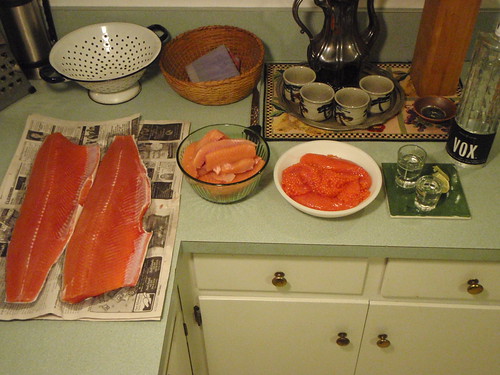
So you finally had a big day on the river and you killed a couple of hatchery hens. It seemed like a great idea at the time, but back home on the fillet table, you end up with a pile of eggs and a set of so-so fillets that you’ll either smoke or give away to your neighbors. Let’s face it: winter hens aren’t the best eating. By late February they’ve put all their body fat into egg production. Even the brightest hens can cut pale, leading to regrets and sometimes waste.

But I have great news for you. With a little effort, you can convert that pile of eggs and fish into a feast fit for a king. No more calling your bait-chucker buddy to come and pick up the eggs. No more smoking fish to make it palatable. No more giving away fillets to people you think won’t know any better. Yes, I’ve done all those things, too. But once you’ve tried these recipes, you’ll have a new appreciation for those amazing egg-wagons known as winter hens.

Rob Russell Steelhead feast

Steelhead Caviar

Most Oregonians aren’t big on caviar. It’s an acquired taste, no doubt. But if you like sushi, chances are you will like fresh caviar. This is not the over-salted sticky stuff you buy in stores, or that is served up as “ikura” in sushi bars. That stuff smells and tastes like Pautzke’s Balls-o-Fire. Fresh caviar is nothing like that. If you’ve never had it fresh–within 2 or three days of being made–you owe it to yourself to seek it out. And of all the caviar available to us here in Oregon, I consider steelhead to be the best of all.

Rob Russell Steelhead feast

What you’ll need:

Smooth cutting board
Spoon
Large mixing bowl
Saucepan
1.5 cups salt (no iodine)
Cheese cloth
Strainer

Before you begin making caviar, you will need to prepare a super-saturated salt solution. Place 2 quarts of water in a saucepan and bring to a boil. Add all the salt and stir until dissolved. Turn off heat and take saucepan outside to cool. This is usually a good time to have a shot of vodka (with friends, of course).

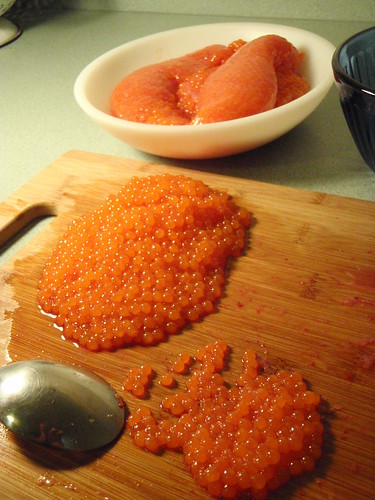
Now for the time consuming work: separating the eggs from the skein. Place a skein egg-side down on a smooth cutting board. Using a spoon held upside down, gently pull two to three eggs at a time away from the connecting tissue. Russians say it takes a woman’s touch, because guys tend to be too rough and impatient. You’ll see why it’s easy to get impatient once you get into it. Picking caviar is a slow, tedious process. As you pull the eggs away from the skein, look closely to make sure the eggs are free of strings–little filaments of tissue that can cling to each egg. Most of the time the eggs will separate without difficulty, with only a few stringy parts left to clean up before salting. Occasionally, though, you will come across a skein that is so stringy, it’s not worth the time it would take to clean it up. Those end up in the bait pile. Stringy caviar tastes fine, but is not as appealing as clean caviar. Plan on spending an hour or more separating the eggs from one steelhead.

Rob Russell Steelhead feast

Once the eggs are all separated, go through them one more time to clean up any missed strings. The cleaner the caviar, the more satisfying. Once you feel good about your eggs, slide them into the large mixing bowl. Go outside and bring in the salt solution. If it is still warm to the touch, put it in the freezer or fridge until it is room-temperature or cooler. Once cooled, pour the saltwater into the bowl full of eggs, leaving any residual salt in the bottom of the saucepan.

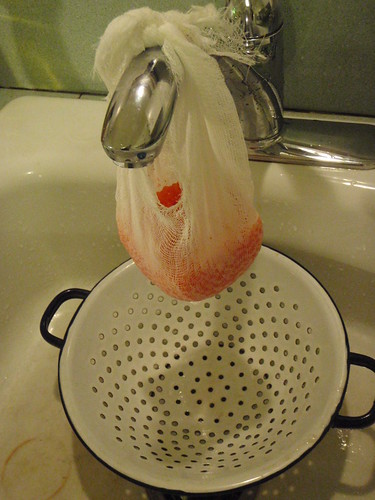
Stir the eggs in the saltwater and take a look at the clock. You will only leave the eggs in the saltwater for 5 minutes–very important!! Take one minute to cut a 12″ square of cheese cloth and lay it down in a strainer. I usually double it up to keep the mesh tight. Stir the eggs a couple more times until the 5 minutes are up. Then, slowly pour the eggs and saltwater into the strainer. Finally, gather the edges of the clothand tie them off lightly so you can hang the bag to drain.

Rob Russell Steelhead feast

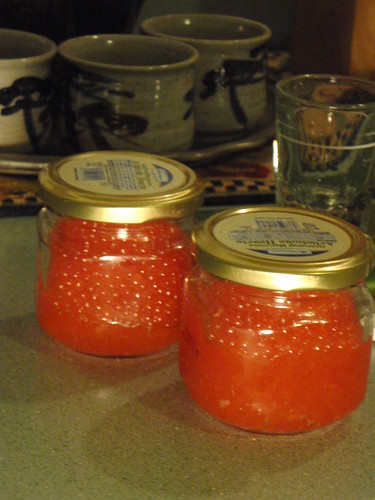
Let drain for 10 minutes, then serve. Serving suggestion: thin-sliced french bread or baguette, a little soft butter, and a healthy scoop of caviar.

Steelhead Cutlets

Caviar is not for everyone, which is fine, because I don’t really like to share. But this recipe is for anyone who likes fish. It is the greatest fish recipe in the world, because it can take even the most pale, unattractive salmon or steelhead fillet and turn it into gold. And if you start with a great fillet of fish, it will be all the better.

You will need:

Meat grinder
One large onion skinned and quartered
Two medium potatoes skinned and quartered
One steelhead, filleted, skinned and cut into chunks
1/2 to 3/4 pound pork fat, cut into chunks
One bunch fresh baby dill
1/2 teaspoon salt
1/2 cup peanut oil
Large frying pan

Grind all ingredients (except dill and salt) into a large mixing bowl, add finely chopped dill and salt and mix thoroughly. Make into patties and fry in peanut oil until browned on both sides and well cooked. Serve with mashed potatoes and a salad, a little lemon-mayo on the side, and a scoop of steelhead caviar! It’s a guaranteed crowd pleaser.
-RR

Posted in Oregon Fly Fishing Tips, Oregon Winter Steelhead Fishing | 12 Comments

March Browns: Fly patterns and fishing tips for the McKenzie and Willamette

Right now you need to get ready for some of the best trout fishing of the year, literally a few miles from downtown Eugene, on the lower Mckenzie River.

Fly fishing really kicks into high gear starting this month with the March Brown hatch. The Lower McKenzie River runs from below Leaburg Dam down to the confluence of the Willamette River, roughly 30 miles of broad glides with a large number of boat ramps and lots of hungry wild trout.

McKenzie River Fly Fishing

The lower McKenzie River isn’t stocked until the fourth Saturday in April, and the river below Hayden Bridge is not stocked at all. The lower fifteen miles of river support all wild fish, which must be released, no kill. Native cutthroat and redsides are the big draw on the lower river. And a good March Brown hatch is your best bet to get some of these 18-20 inch bruisers to take a fly.

Western March brown

The March Brown mayfly: Rhithrogena morrisoni
March browns are the first large mayfly hatch of the year. It can be a frustrating hatch to time, but overcast and 54 degrees is ideal.

march brown

The nymph stage of the March Brown mayfly is effective right before or at the beginning of a hatch, but it isn’t particularly important in the weeks leading up to the event. From the new Dave Hughes’ book, Nymphs for Streams and Stillwaters: Clinger mayfly nymphs live in the very thin layer of slow water caused by friction as fast water rushes over the face of a rock or boulder. If you’ve ever hoisted such a stone from the bottom and tired to pry a clinger nymph away from it for closer inspection, you’ll know why they’re rarely knocked loose by the currents and delivered to waiting trout.

Swinging March Brown Wet Flies and Soft hackles can be particularly effective. When fishing dries, go with size #12’s early and move to #14’s for the later part of the hatch, or when you get a tough fish in softer water use the smaller bug.

March Brown Fly Patterns:
Harop’s CDC Biot Emerger March Brown
Beadhead March Brown Emerger
Sparkle Dun Tan/March Brown
Brook’s Flymph March Brown
Brook’s March Brown Variant
Captive Dun March Brown
Harrop’s CDC March Brown
March Brown Parachute
Heavy Hackle Parachute March Brown
Hogan’s Clinger March Brown
Klinkhammer March Brown
March Brown Cripple
March Brown Wet with Golden Pheasant Tippet
March Brown Soft Hackle
March Brown Western

March Brown Fly Tying Videos:
March Brown Wet, Coachman Style
March Brown Soft Hackle
March Brown Parachute
March Brown Sparkle Dun
CDC March Brown Emerger
March Brown Bead-head nymph

March Brown Weather
From WestFly’s March Brown entomology page:

On the Willamette, McKenzie, and other Oregon rivers, March browns are beloved by local anglers even though the bugs often hatch in godawful weather. Many ardent fly fishers will spend a March afternoon shivering in a driftboat as droplets of cold rain run down the sleeve of their casting arm.

IMG_2189

McKenzie Trip W/ Lou

But the rewards of fishing the March Brown hatch can be great:

Fishing Pics -- Chris Daughters

IMG_2429

Posted in Fishing Reports, Fly Tying, McKenzie River, Middle Fork Willamette River fishing, Oregon Fly Fishing Tips | 1 Comment