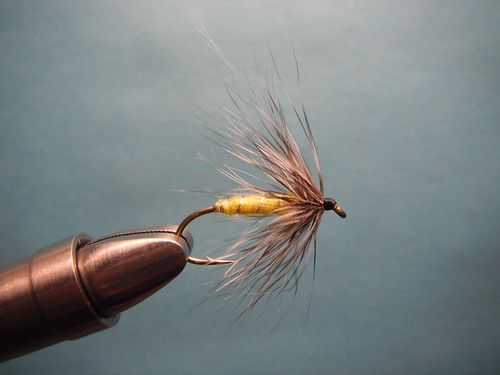
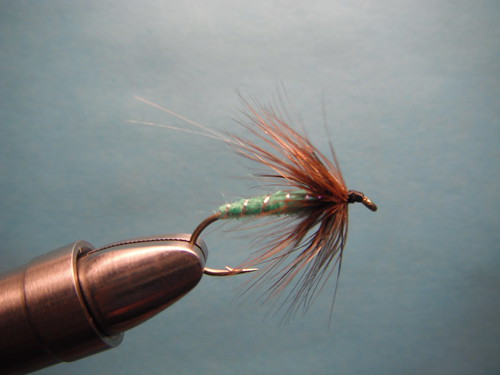
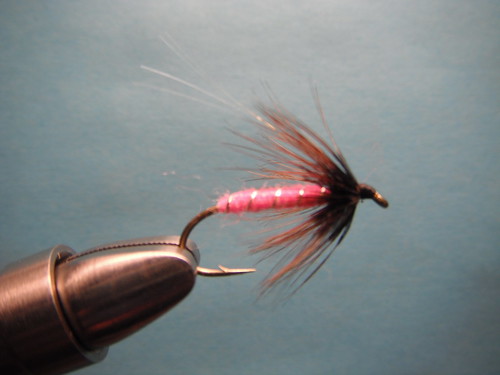
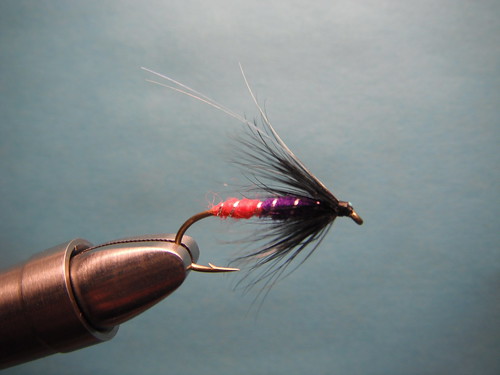
August 28: Sea Run Cutthroat Fishing Class with Jay Nicholas

August 28: Sea Run Cutthroat Fishing Class with Jay Nicholas http://fishingwithjay.wordpress.com/ where virtually all secrets, techniques, and flies will be revealed.

Sea Run Cutthroat

Think that Lou V. is the only guy who chases these elusive fish on the Oregon
Coast? Nope. So why don’t you hear more about fly fishing for Sea Run
Cutthroat? Because fishing for these fish has gone through periodic surges in
popularity, followed by bouts of collective amnesia, when whole generations of
anglers move on to other pursuits, leaving new generations to re-learn what the
old-timers forgot about where, when, how and what flies to fish.

Then too, Sea Run Cutthroat abundance tends to vary considerably from year to
year. These fish that stay close to their home streams, so the ocean conditions
off Oregon can generate strong or weak runs in adjacent years, making it
difficult for anglers to depend on finding good fly fishing for sea run
cutthroat from year to year. The good news is that these anadromous Pacific
salmon are here, right now, in our coastal streams, as you read this.

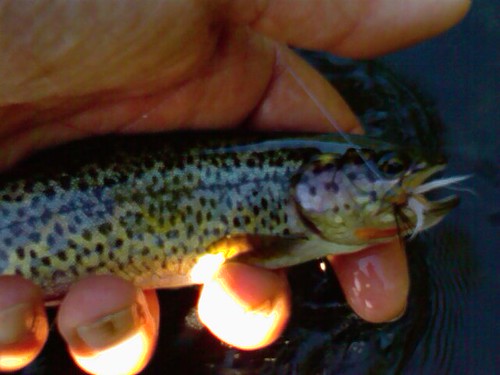
No bull. Lou owned up to catching one, at least. Jay Nicholas found this
honest 17″ fresh-from-the-ocean sea run cutthroat on August 8th. This is one of
the larger blueback he admits to catching in several years, and it was honkin’
fat and feisty. Catching this fish got Jay yammering about fond memories of
the spirit with which these fish take flies. It is way-cool, most excellent,
and truly addicting.

Want to come and brush up on the fish, the science of their life history,
fishing techniques, tackle, where to go, when to fish (like from two weeks ago
through October), flies, and fly tying techniques? Here is your chance.

Caddis Fly Shop, Saturday, August 28, 10 AM – 1 PM. Cost is twenty bucks,
space is limited, so make the call to reserve your seat right quick. We are
going to fill the class this next week or cancel: it: seems like I’m having
some difficulty convincing Jay to stay here in town instead of going blueback
fishing that weekend. Go figure.–CD

Posted in Classes and Instruction | 2 Comments

Trout Unlimited High Lakes Trips Scheduled

TU 678 High Lakes meeting will be held at Mac’s Vets Club on Willamette street Wednesday August 11th at 7pm. This meeting is for those folks interested in participating in the upcoming high lakes fishing trips. If you have not participated in one of these trips they are a great way to get out and enjoy the outdoors.

The first trip is scheduled for this coming weekend Aug 14th . It will be our north west Waldo Lake trip. We plan to access the North West corner of Waldo Lake by boat (canoe, kayak, sailboat, or driftboat). This gets us around 4 miles back into the Waldo Lake Wilderness Area without too much packing effort. We plan to camp near Waldo Lake and then day hike into the various smaller lakes around there (Green lake, Zircon, Sapphire and others). This should be a pretty comfortable trip since more luxurious camp items such as ice chests and chairs can be brought in.

The second trip will take place on Labor Day Weekend September 4th. This trip will be our Island Lakes trip and will be a more traditional backpacking trip. These lakes are located near Gold Lake and Mt. Fuji.

Waders and float tubes will greatly improve your catching opportunities but bank fishing can also be productive. A 3 to 5wt fly rod is recommended although light weight spin cast and bait cast setups also work. Fly selections should include wooly buggers, chironomids, pheasant tails, and mayfly patterns. These are overnight trips so please come prepared with a sleeping bag, food, and bug spray. Hope to see you there.–KM
Posted in Oregon Conservation News, Oregon Fly Fishing Clubs and Events | Leave a comment

Crushing Take and Solid Summer Steelheading on the Town Run

I’m not totally jaded . . . .  On a flyfishing trip for summer steelhead while I’m not completely stoked with one solid grab and a hook-up, I’m not exactly bumming either. Fortunately, I haven’t had to content myself or my clients with one grab or one hook-up too many times this summer.

Strong numbers of steelhead over Willamette Falls, over twenty three thousand, have the town run fishing better than it has since ’04 and I have been watching clients cart fish off to their rigs wistfully wishing for a steelhead to call my own. Recently, I had that chance and fished with Shea, our oldest. I had a lot to do to get ready for the trip, principally, tie a few experimental flies (not recommended to experiment on clients) and squeeze the most recent report out of a friend.   During our conversation my buddy aked if I had checked the levels.

“Going up. Pretty fast”

“$$#@^&(*!!, I guess it’ll have to be a gameday decision.”  But I knew we would go no matter. I wanted to fish with Shea and I wanted to fish this particular fly . . . .

The fly I had in mind is nothing original in terms of color scheme, it mimmicks a nasty jig that gear anglers, myself included use to great success. Nor were the materials original or style unique, a traditional hairwing pattern. I definitely did not invent this thing though I did think of it.

Shea and I put in early and focused on the yum zones without any grabs. I tried to chat her up and keep her sprits high. We saw fish rolling in a tailout but they wanted no part of us or our death machine. The sun hit the water and even my hopes began to wane. Any instant can change everything I kept telling Shea, mostly to bolster my own spirits.  I had forgotten the sunscreen and could feel my neck being coooked in the noon-time sun, Shea’s cheeks were red with sun-burn and I was doing the cost-benefit analysis in my mind. Crap, I’m going to be in BIG trouble if I bring home a sun-baked kid smelling of a steelhead skunking. We really needed a fish to make my mistake palatable.

We swung our flies in a likely tailout and finally Shea’s Thunderhead MOAL Leech got grabbed. She reeled quickly bringing the fish all the way to the boat but when he saw that he got serious and rampaged all over the tailout parting Shea’s fly from her leader.   We continued to swing across the tailout and got grabbed again but this time it didn’t stick. I decided to try Mr. Experimental.  The fly wasn’t in the water ten minutes before it got yanked, hard, and I was into a nice steelhead. The fish was hot, I stopped her in the tail-out and she bolted upriver but eventually rolled over and Shea did yeoman’s work with the net:

Town Run Summer Steelhead

Town Run Summer Steelhead

After the required bleeding we were back in the water.  We were swinging again, my rod with the experimental hairwing was set, the reel under the oarsman seat, the top end over the gunwale when the fly was crushed, annihilated, ravaged and savaged by a steelhead that had a mind toward atomizing the poor thing.  Instantly, my reel which had been stowed beneath the oarsman’s seat landed on the flyline deck where Shea’s quick reaction time saved it from ending up in the river.  Wow.  She handed it back to me and the fish was way in the tailout, I applied the brakes and the fish broke off. 

I sat for a moment trembling on anchor trying to get my mind around what had just happened and deal with the carnage that was formerly my set-up when not thirty seconds after the second fish and I had parted company, “FISH ON!” Shea yelled in a tug of war with another brute that ended up getting the best of her. 

Like I said, I’m not jaded.  One steelhead in the hand and a father-daughter trip neither of us will soon forget.   Who’s complaining?–KM
Posted in Fishing Reports, Lower Willamette, Summer Steelhead | 19 Comments

Fly fishing Oregon’s small streams

Our good pal David Vázquez has spent some time lately fly fishing Oregon’s small streams and wrote up this post for the blog.

Our local small creeks can provide some wonderful fishing for wild rainbows and cutthroats this time of year. Fishing small creeks isn’t necessarily about catching big fish–although large fish are often present. Instead, I like to fish small creeks–and this place in particular–because they force you to slow down. Many of them are pretty rugged, so you have to do a fair amount of boulder hopping to find fishy lies. But even better is the fact that you’re not likely to see another angler all day. So there’s no rush or fuss. It’s simple fishing–just a light rod and a single box of dries.

Dave Vazquez Small Streams Post

This particular stream is one of my favorite places in the world. Not only is it gorgeous, but it has a very unique character–plunge pools, fast pockets, and crystal clear water. It’s not as blue as the Mac, nor as productive as other small creeks, but it’s a special place to me. It was the first place I ever fished in Oregon. I’ve never caught anything huge there, but it’s a wonderful place to spend an afternoon casting dry flies on my three weight.

I pulled up to my favorite hole at about 1:30 pm. It’s a fairly popular stream among the college set, so you will often find swimmers and sunbathers this time of year. I decided that I would stop if there were no cars at the turnout. Lucky for me, no one was there. This particular hole is a deep plunge pool that has high rocky banks along it–kind of like a mini-gorge. So, I didn’t even wader up. I just tied on a royal PMX and went down to the hole. After a few casts the dry didn’t produce, so I switched to an olive bugger. On the first cast a 10-inch cutthroat just annihilated it. Uncharacteristically, this little cuttie took to the air about five times. In fact, I didn’t think it was a cutthroat until I got it to hand. Pretty cool way to start the day.

After that, I drove upstream a bit. I found a nice, semi-shaded bouldery run and spent the next three hours fishing a 1/4 mile stretch. There were fish everywhere they should have been: behind rocks, along foam lines, in back eddies, and in the seams. Everywhere. Usually a cast to a good spot would produce. After about six fish, my PMX came unwound. So I switched to a Royal Wulff. That worked too.

Most of the fish were in the 6-8 inch class, but I did take a few “slabs” of about 10 inches. They were a mix of beautifully colored resident cutts, silvery fluvial cutts, and rainbows. It was probably 70 percent bows. This guy was perhaps the prettiest cutt I’ve ever caught.

Dave Vazquez Small Streams Post

The fish of the day was a 12-inch bow that came out of a long, bouldery run. I had previously worked it downstream, but made a long upstream cast from the bottom of the pool. The take was one of those slow rolls, where a fish casually swims up to your fly and very subtly sucks it under. For such a small fish, this guy put up quite a fight. He actually took line a couple of times and generally gave me a fit on the three weight. He flipped off when I got him to hand, so no picture was in the offing.

I also caught a nice little rainbow of about 10 inches. He didn’t fight like the others, but when I got him to hand I figured out why. He had a semi-digested sculpin that was about 4 inches long sticking out of his craw. How he even got my fly in his mouth (or why) is a total mystery. I helped him out by disgorging his oversized meal, and he was on his way. Suicidal fish can be fun.
I probably took 30-40 fish in about four hours of fishing–typical for some of the creeks in our area. The best part was that they were all on dries. If you’re interested in slowing down and trying something different, get out your map, a copy of the regs, and some attractor dries and hit one of our local creeks. There are a ton of them from Detroit Lake to Cottage Grove.

-DV

Posted in Oregon Fly Fishing Tips | 13 Comments

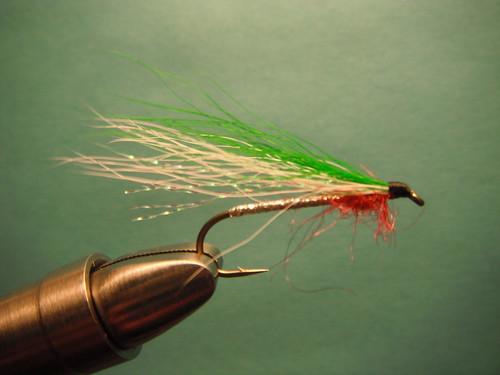
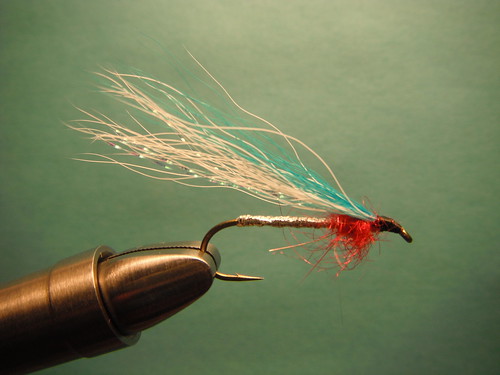
Sea Run Cutthroat Baitfish Fly Pattern

In this video Jay Nicholas demonstrates how to tie a Sea Run Cutthroat baitfish style fly pattern. Sea Run’s are notorious piscavores (fish eaters) and this small baitfish pattern does a great job of imitating the helpless fry Cutthroat love to attack.

Whether you are fishing some of Oregon’s many coastal rivers containing Sea Run Cutthroats or heading to Alaska for big rainbows and Dolly’s tie a few of these simple but effective patterns. More variations are shown.–CD

Baitfish pattern for Sea Run Cutthroat

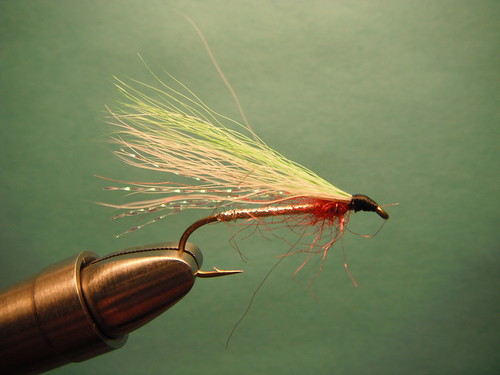
Sea Run Cutthroat Baitfish Fly

Hook:TMC 5262 # 8
Thread: Petitjean Split Second Thread 8/0
Body: Lagartun Mini Braid Silver
Throat: STS Trilobal Dubbing Flame, Red and Gold Ice Dub and Blended
Wing Flash: Smolt Blue Krystal Flash
Wing: Northern Bucktail White and forest Green

Baitfish pattern for Sea Run Cutthroat

Baitfish pattern for Sea Run Cutthroat

Baitfish pattern for Sea Run Cutthroat

Baitfish pattern for Sea Run Cutthroat

Baitfish pattern for Sea Run Cutthroat

Posted in Fly Tying | 1 Comment

Selway River Fishing Report #2

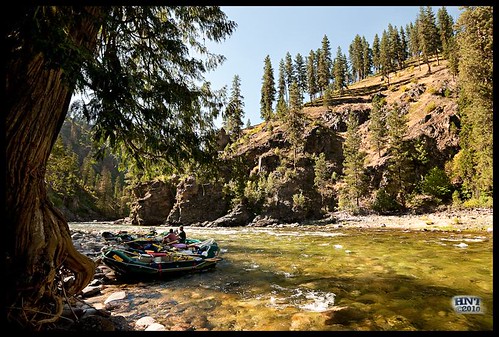
HNT_01

HNT_02

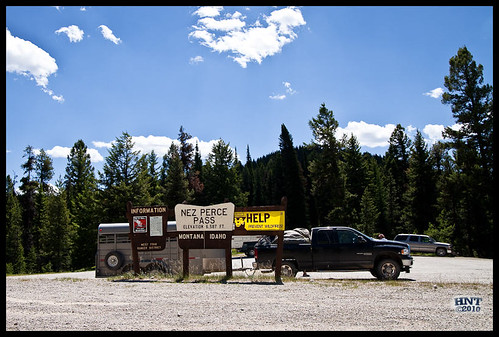
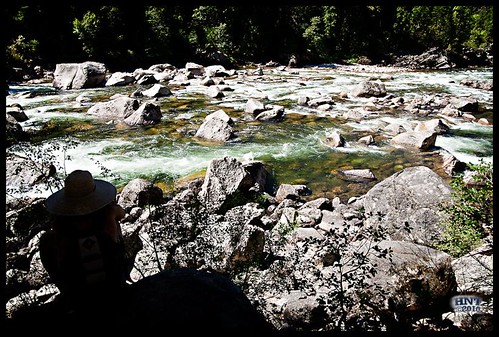
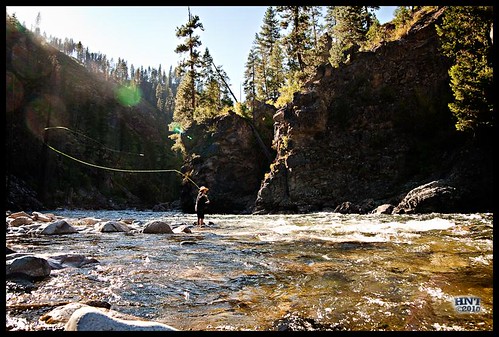
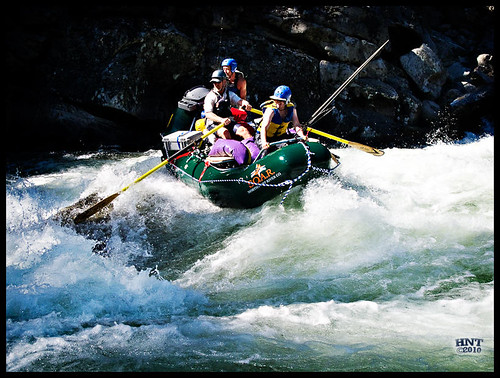
This spring my brother in law Hal Tweto floated the Selway River with some of his pals, you can check out the post previous post at this link: Selway River Photos. He was lucky enough to get another shot at this July. This time with some he was armed with fishing gear and camera. His report follows.–CD

A few months ago I had the opportunity to see the Selway for the first time with SOAR Northwest River Co; the river was stunning, the wildlife was active and abundant, and the weather was really cooperative for a May run through the Bitterroots. Nevertheless, I couldn’t wait to float the stretch without the drysuit and zero degree bag to keep the chill off, and I looked forward to being on the water when the cutthroats were rising for…well, anything, really.

HNT_03

HNT_05

HNT_06

HNT_07

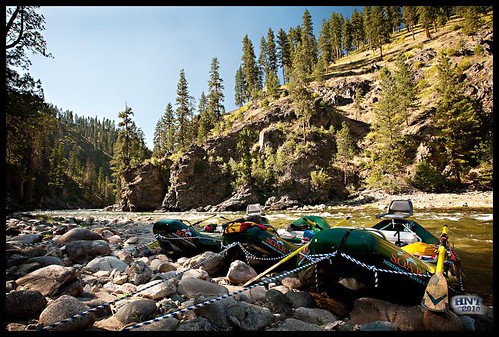
Our July 17 put-in was a completely mellow experience when compared with the three feet of snow and miles of downed timber our shuttle drivers worked through to get to Paradise in May. After a relatively low peak this season, the river was still running at a perfectly respectable one and a half feet, which was only a half a foot lower than the May run. The river felt much lower, however, and rowing with an eye on the channels was the name of the game; it was full-contact in the sense that even the cleanest runs entailed bumps and a little sticking and dragging. Not bad, though…comparable to runs on the North Umpqua in the later days of summer, maybe. And these new boats from Streamtech www.streamtechboats.com were perfect for this situation: light, maneuverable, tough, accommodating, with a great fishing frame. Put my Aire, now for sale, to shame.

HNT_10

HNT_08

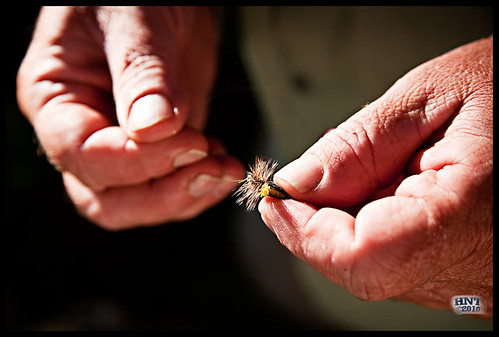
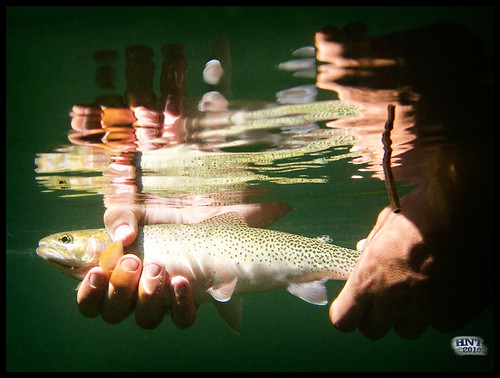
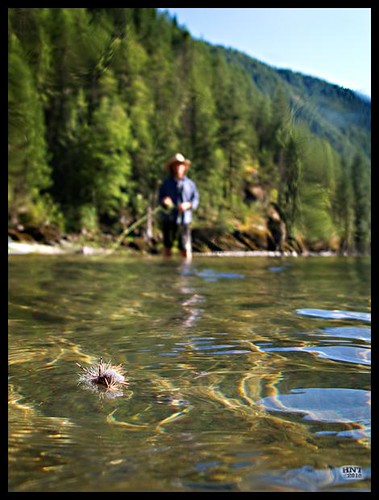
But the fish, you ask, how were the fish? Abundant, although that doesn’t mean we didn’t have to work to find the larger fish. Indiscriminate, although that doesn’t mean certain flies weren’t more interesting to these larger fish. The word was that they would respond to hoppers, generally, and generally this was true, but we also found royal wulffs and the yellow stimulators were tempting, sized around a 12 or so. One dude at the put-in swore that the black fly was the way to go. Again, the issue wasn’t so much about what to offer, because lots of flies worked, but more a matter of bringing out the fish you’d want to bring in. And this we did occasionally enough to make everyone who cared to throw a out some line content that they were doing so. You may not be pulling in the kind of fish that show up in the Bitterroot, or farther downstream in the Clearwater, but with six days in such a beautiful place, it gets pretty hard not to be at least a little content.

HNT_09

HNT_11

HNT_12

HNT_13

Again, I was on this trip with SOAR Northwest River Co, which runs four six-day commercial trips each year from the end of June to the end of July. To book, contact Ari Kotler, guide and owner, at 208-709-8033 or www.northwestriver.com or aridkotler@gmail.com. Or you can try your chances for a private permit using the four rivers lottery system (Middle and Main Salmon, Selway, and Snake). HNT

Posted in Fishing Reports, Fly Fishing Travel | 2 Comments

Third Annual McKenzie River Two-Fly Tournament 9/25

The Caddis Fly Angling Shop presents the Third Annual McKenzie River Two-Fly Tournament, September 24-25. Teams of two anglers will compete for thousands of dollars in prizes, fishing from McKenzie Drift boats rowed by expert guides. This fun competition restricts anglers to fish with only two-flies for the entire day, during some of the McKenzie River’s best fishing of the year.

McKenzie River Two Fly Tournament

The Cause: Native fish habitat restoration on the McKenzie River

Over the past two years we’ve raised nearly $7,000 to restore native coldwater fish habitat at McKenzie River Trust’s Green Island property on the confluence of the McKenzie and Willamette Rivers. The funds helped reconnect an historic side-channel to the river, increasing habitat for Spring Chinook and Cutthroat Trout in the winter, and decreasing habitat for non-native, predatory fish in the summer. We’ve also helped fund the removal of a levee and road along a side-channel in the north portion of the property. The structure was built in the 70’s and restricts natural floodplain activity during flood events. The side channel along this levee has been identified as having much colder water than the mainstem river, and during the summer months this habitat is home to 100% native coldwater fish species. This year we will be funding a channel reconnection at the middle of Green Island (Willamette side channel to McKenzie channel).

Green Island McKenzie River restoration

McKenzie River Two-Fly Tournament

Event details: How does a two-fly tournament work?

Festivities begin Friday night, September 24th at the Caddis Fly Shop in Eugene for beer, wine and appetizers, and a presentation on fly fishing the McKenzie River by Chris Daughters, and a discussion from McKenzie River Trust on the significance of the habitat restoration taking place on the confluence of the McKenzie and Willamette Rivers.

Participants will draw guides that night, pulling names from a hat.

Saturday morning fishing begins, anglers pick two flies at the start of the day which are photographed. If anglers lose their two flies they no longer participate in the tournament, but can fish for fun the rest of the day. This year there is an additional twist: Anglers have an opportunity to buy an extra fly this year for $100 that goes to the cause. Teams of two compete for the three largest fish, measured against official ODFW-standard rulers and photographed with digital cameras in the measuring device.

McKenzie River Two-Fly Tournament

McKenzie River Two-Fly Tournament

The awards banquet is held immediately following the fishing at the Oregon Electric Station.

This year we’re featuring great prizes from Simms, Stonefly Studios and Anglers Book Supply.

Tournament entry fee is $350 per person and includes a full day’s fishing, food and drinks Friday and Saturday. But we have a very limited number of seats due to repeat participation, so if you would like to participate this year, you need to get a check to the Caddis Fly Shop ASAP. Call for details 541-342-7005.

Posted in Fly Fishing Contests, Oregon Conservation News, Oregon Fly Fishing Clubs and Events | 8 Comments

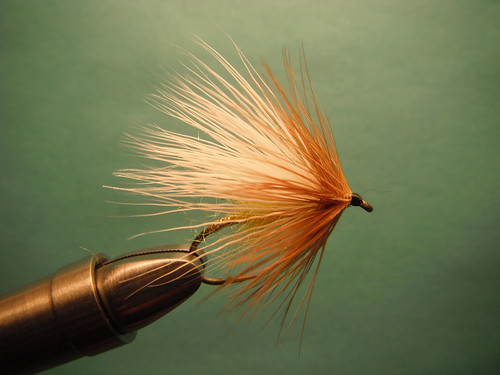
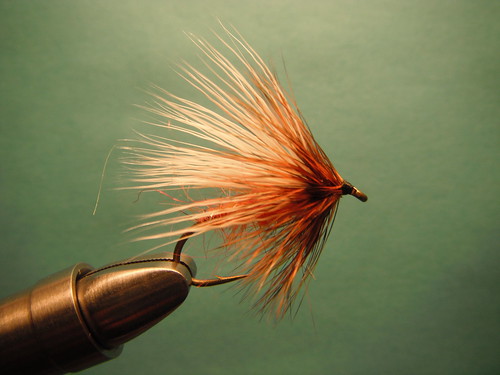
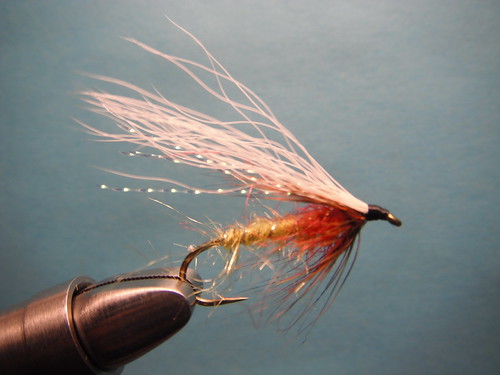
Tying the Reversed Spider Sea Run Cutthroat Fly

In this video Jay Nicholas ties a Harvest Trout or Sea Run Cutthroat fly pattern called the Reversed Spider. This patterns unique hackle wrap gives it wild action in the water. The erratic action of the fly has been found to move fish over 16.5′ feet to the fly. We have heard that this pattern should only be fished after more traditional patterns (see Pete’s Special and the Female Coachman) have already been tried in a give pool. Only then does one resort to the Reversed Spider. Enjoy.–CD

Variations on a Theme

Reversed Spider Sea Run Cutthroat Fly

Reversed Spider Sea Run Cutthroat Fly

Reverse spider cutthroat fly pattern

Reversed Spider

Hook: TMC 3761 or Daiichi 1560 6-10
Thread: Petitjean Split Second Thread 8/0
Rib: Oval Lagartun Silver Tinsel
Body: STS Trilobal Dub Dub Burnt Orange and Gold Ice Dub Blended
Hackle: Grizzly Variant Saddle Dyed Yellow

Posted in Fly Tying | 5 Comments

Rock hopping the Oregon Coast

So how many ways can you catch the same fish on a fly rod? A question I always ask myself when I chase the reef critters that inhabit the Oregon Coast. So far we’ve explored circle hooks, top water, the bay, beyond the bar, and behind the reefs all with relative success(I’m still alive). I have a couple posts left then I’m thinking we let this dead horse take a rest for a while outside of the occasional fish porn update.
DSCN1364
An often asked question is “Do you ever fish off the rocks or beach?” I LOVE to! No boats, less gas, and you are forced to learn an area we’d pass through and fish for only a few minutes. That being said I’m part crab so before you go out and do a swan dive off Cape Arago there are a lot of things you’ll need to do to stay safe and in the game.
DSCN1367
First and foremost… YOU NEED STUDS IN YOUR BOOTS! It doesn’t matter what boots you have and the bigger the studs the better. I have broken bones and several rods by not having proper studs and it is the only way to do this safely.
DSCN1375
Understand the tidal influences of the area you intend to fish
Dual purpose Safety and fish-ability
-Areas may be easier for you and the fish to access during very specific tidal conditions
-Fish activity levels are influenced by tidal fluctuations
-Tidal surge and currents can sweep you off the beach/rocks and make your once solid casting platform whitewater when facing an incoming or strong plus or minus tide
DSCN1373
Rods and other essentials.
Saltwater resistant rods in the 8wt or better class will get you started. Leave the shooting heads at home opting instead for full intermediate or type 3-4 fly lines. These lines will keep you under the surface chop, but out of the rocks. Remember you are stripping into the rocks and not the other way around so if you fancy your flies and rods you’ll learn this very quickly! Leaders should be 9ft long and no stronger than 15lb. This will keep your rods and fly line safe allowing you to break off without too much trouble. The normal flies work… Anything “shrimpy”, “fishlike”, or “crittery” will do. Basically if you do a flats trip and have left over flies you are in…also estuary salmon bugs are a winner. Lastly I’d recommend a stripping basket to help with line management. If you have any questions about some of the finer details give us a call at the shop and we’ll help you out! -NS
DSCN1378
Enjoy the pics!

Posted in Uncategorized | 8 Comments

Tying Traditional Sea Run Cutthroat Trout flies with Jay Nicholas: Pete’s Special and The Female Coachman

The Pete’s Special and The Female Coachman are just two of the many flies we classify as “Traditional” Sea Run Cutthroat Flies. These are proven patterns that fly anglers chasing Bluebacks have utilized for years. In the two videos below Jay Nicholas demonstrates how to tie them. In addition Jay discusses fly fishing tactics for cutthroat, fly tying material selection and fly pattern history. Enjoy–CD

Pete’s Special

Pete's Special

Pete’s Special

Hook: TMC 3761 or Daiichi 1560 #6-10
Thread: Marc Petitjean Split Second Thread
Tail: American Saddle clump hackle fibers Hot Orange
Butt: Medium Chartreuse Chenille
Body: Medium Hot Orange Chenille
Hackle: Hot Orange American Saddle Clump
wing: White Arctic Fox Tail

The Female Coachman

Female Coachman

Hook: TMC 3761 or Daiichi 1560 #6-10
Thread: Marc Petitjean Split Second Thread
Tail: Red Strung Saddle Hackle
wing: White Arctic Fox Tail“>Butt: Olive Chenille Medium
Hackle: Natural Brown 6-7″ Wooly Bugger Saddle Hackle
wing: White Arctic Fox Tail

Posted in Fly Tying | 7 Comments

Sea Run Myth Revealed for 2010

One of the myths my fellow colleagues of chasing sea runs has been; When do sea runs show up in our coastal streams? Members of the Men’s Technical Council (old guys who have fished together for decades) have been jacking me around for many years with this: “It’s all about the 4th of July, Lou.” I fell for this myth many times in my early years of chasing sea runs. ” O” dark thirty departures, casting all morning, bush whacking blackberries, and napping the remainder of the day. Ugh! So, when challenged this July with “they are in!” I held my ground….nope, no way was I going in early July. I went on July 30. Look who showed up:

blog sea run 2

It was not a chromer, he had been in there a while…..maybe since the 4th of July? The conditions were perfect, some drizzle in the early morning hours, followed with a nice low overcast.:

Sea Run 2010 006

Native cuts were abundant, going nuts with a massive midge hatch. It was fun to watch and enjoy the awakening of the sea run season for 2010.

Sea Run 2010 015

Sea Run 2010 009

Our coastal streams should see this special fishery get going as we get some decent cloud cover on the coast range. Hey, I am all for sunny days, but when it’s time for sea runs….things get wacky! The Borden Special was the fly of the day and if your paying attention….Jay is telling/showing you everything else!
LV

I’m very happy with the service and the quality and i recommend your website to my friends whenever i get the chance. ? Many rogue pharmacies are happy to bypass a doctor’s prescription in order to win your business.
Posted in Uncategorized | 3 Comments

Tying Sea Run Cutthroat Flies

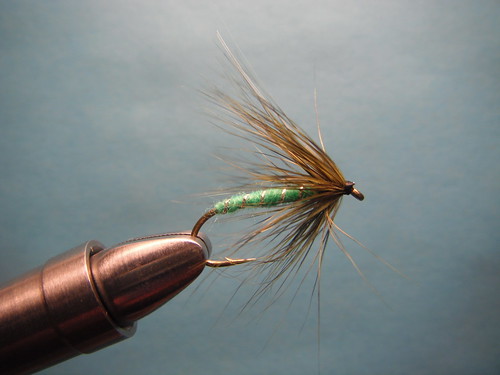
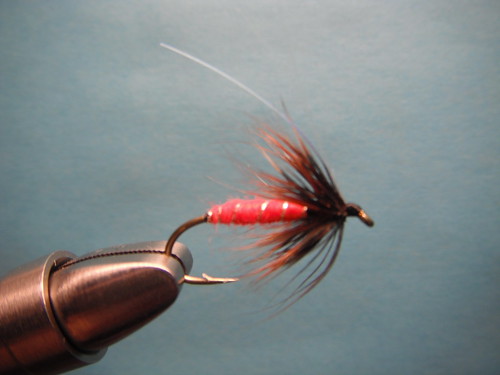
In this video Jay Nicholas sits down and discusses his favorite fly tying materials for Sea Run Cutthroat flies. Check out Jay’s Sea Run Cutthroat Fly Fishing Tips more information on how to fish these old school beauties. Another great reference on Sea Run Cutthroat is Les Johnson’s book: Fly Fishing Coast Cutthroat Trout.–CD

Winging Materials, Pseudo Hair, Calf Tail, Bucktail, Artic Fox, Deer Body Hair, Squirrel Tail, Peacock Feathers, Pheasant Tail, White Deer Belly Hair

Color Selection and Body Materials, STS Trilobal Dubbing, Chenille size small and medium, Uni Yarn, Uni Floss, Lagartun Mini Flat Braid

Feathers and Hackle for tying Sea Run Cutthroat Flies, Dyed Grizzly Variant Saddle Hackle, Dyed Grizzly Saddle Patch, American Saddle Clump

Styles of Sea Run Cutthroat Flies. Jay discusses seven different styles of Sea Run flies including. Traditional patterns, Reversed Spider Style, Baitfish patterns, Uni-Yarn Body Style, Dubbed Body style, Dual Hackle style and Hair wing style. We will be doing a video on each style of fly over the next couple of weeks. Fly Fishing for Harvest Trout, Bluebacks and the now more commonly known Sea Run Cutthroat requires some persistence early in the season. Our own Lou Verdugo has been out on the coast this weekend and found a few fish. Success rates are bound to rise as the Summer moves closer to fall and the Sea Runs move up the estuary and into many of our great Oregon Coastal watersheds.

Posted in Fly Tying, Oregon Fly Fishing Tips | 2 Comments

New Fly Tying Contest: Summer Steelhead Skater patterns

The next subject in the Caddis Fly’s Hareline Dubbin Fly Tying Contest series is the steelhead dry fly or skater patterns.

October caddisish bomber - North Umpqua
Photo by Rick Gersbach

Send your bugs to the Caddis Fly Shop by August 31st to be eligible. Drop off or mail two finished flies at The Caddis Fly Shop, along with paperwork that includes the fly pattern name, material list, your name and address, and either email or phone number for contact. You will not get the flies back — one will go to Hareline and one will go to the shop. Bob Borden and the folks from Hareline Dubbin will be judge of the fly patterns.

Fly Fishing Steelhead with Dry Fly

Your flies will be featured on the blog.

PRIZES

FIRST: A full color run of the new Senyo’s Laser Dub (Interview with creator here)
SECOND: A Stonfo Elite Bobbin
THIRD: A selection of Lagartun Mini Flat Braid (see use here)

Posted in Fly Tying, Summer Steelhead | 4 Comments

Great Fish Porn Video

Our friends at Beaver Hill Productions sent us this gorgeous short film they made for Sage Fly Rod Company.

Check it out by clicking this link. Sage Video

I thought we could use a lighter note.–CD

beaver_hill_logo_250

Posted in Fishing Porn | 1 Comment

Your chance to be heard: Oregon Board of Forestry Meeting Friday

Do you think our state forests offer any value to Oregonians other than timber revenue? Does clean water matter? Do fish, wildlife and recreation matter? Of course they do. That’s why Oregon’s Department of Forestry correctly identifies the “greatest permanent value” of our forests as: “healthy, productive and sustainable forest ecosystems that over time and across landscape provide a full range of social, economic and environmental benefits to the people of Oregon.”

Nehalem_summer2

As I type this post, timber industry insiders and a handful of powerful county commissioners are engaged in a effort to rip off Oregonians. They have convinced Oregon’s Board of Forestry (which is mostly made up of commercial foresters) to consider changing the legal definition of greatest permanent value to this: “timber revenue.” Catchy, huh? Show me the dead trees and the money!

You, your kids, and every other Oregonian are being screwed. The people forcing this effort are taking advantage of the political climate created by our severe recession to pave the way for another era of overharvest. These folks have already made it clear that environmental health always takes a way-back seat to harvest in their small minds. They are attempting to erase two decades of progress toward sustainable forestry in Oregon.

NOW is your chance to tell these people what you think!! Oregon’s Board of Forestry meets in Eugene this Friday at Lane Community College’s Center for Meeting and Learning, 4000 East 30th Avenue. The meeting starts at 8:00AM, and the Greatest Permanent Value discussion is scheduled to run from 9:15AM to 10:15AM.
Please swing by LCC and devote a couple of hours to tell the board what you think. I will bring my Intruder box and hand out flies to the first 10 people who show up.
-RR

Posted in Oregon Fly Fishing Clubs and Events | 15 Comments