Game Day! Beer Duck Gear, and Super Sale Items

Patagonia  Go Ducks!

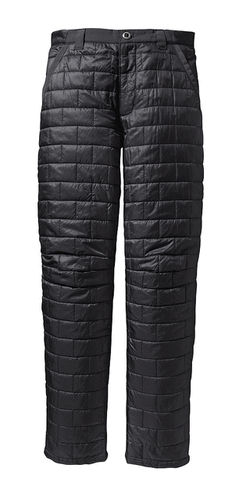
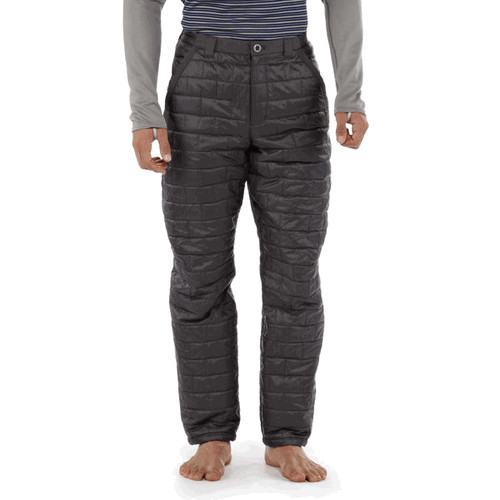
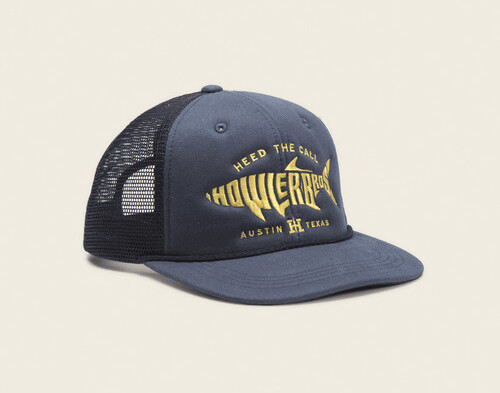
Fall football and fall fishing are upon us. We have a fresh keg of Ninkasi for your “pre-game” stop at The Caddis Fly. New fall sportswear from Patagonia and Howler Brothers has arrived and we have some great deals on Rio, Redington and Sage gear.

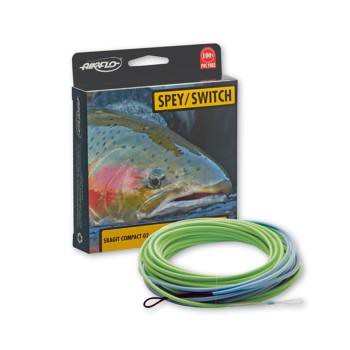
Sale on Sink Tips: Rio MOW Light, MOW Medium, and 10ft Sink Tips on Sale here: SINK TIP SALE

Fantastic Deal on a Redington introduction to fly fishing outfit: PURSUIT OUTFIT DEAL

Sage RESPONSE Rods are nearly half off! : RESPONSE ROD SALE

SAGE GRACE FLY RODS are an outstanding all around western trout rod designed specifically for Women: view the GRACE ROD SALE HERE: GRACE FLY ROD SALE

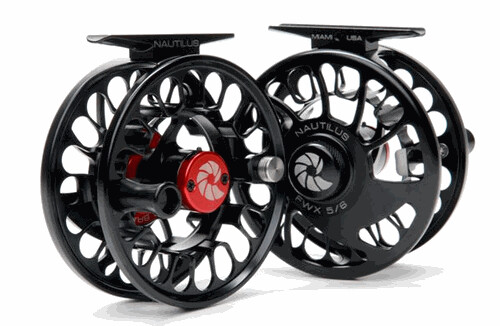
REDINGTON DRIFT FLY REEL SALE: At only $65 this machined reel is a perfect 2 or 3wt reel.

RIO SALMON and STEELHEAD LEADERS- We made a bulk buy on 6ft, 9ft,12ft and 15ft models. These are perfect leaders for fishing for steelhead and salmon and are a steal at only $2.29: RIO SALMON STEELHEAD LEADERS

Almost all of our summer sportswear is on sale 25%-50% off.

Happy Game Day and we look forward to seeing you.

Posted in Shop Sales and Specials | Leave a comment

Oregon Streams Re-Open for Afternoon Fishing

From TU 678: The ban on fishing after 2pm for coldwater species in many of Oregon’s rivers and streams has been lifted.

McKenzie River

Starting yesterday, September 1st, the Oregon Department of Fish and Wildlife resumed normal fishing hours on most streams and rivers throughout the state, including the lower Willamette and Clackamas Rivers.

Read the full release from ODFW here. While we’re thrilled normal fishing hours have been re-established, conditions are still far from ideal with many rivers and streams exhibiting extremely low flows. We urge you to use caution and your good judgement while you fish for trout, steelhead, salmon and sturgeon. Some tips that will go a long way to protecting our native coldwater fish include fishing in the early morning, avoiding water that’s above 70 degrees and releasing fish quickly.

Posted in Oregon Conservation News | Leave a comment

Albacore Off the Beach – Oregon Saltwater Fly Fishing

Dory boats gather near Haystack Rock at 0630, ready to head West for tuna.

Dory boats gather near Haystack Rock at 0630, ready to head West for tuna.

Going to make it short. Went fishing with Ed and Kevin out of Pacific City on August 26th, headed west hunting Albacore.

We had a very good day, with a total of 8 tuna in the boat by the day’s end. All albacore were hooked trolling flies, and all flies featured in SEA FLIES.

Our best flies were tied Clouser style, with 3/0 and 4/0 Gamakatsu Sc 15 hooks – the flies were in the 5″ to 6″ range with white bellies and blue backs.

Our three friends in another dory had live bait aboard; they successfully brought a school of tuna to the surface and caught a bunch of tuna on the cast fly. We did not have live bait and all of our tuna were hooked on the fly, but we were trolling.  We prefer the cast fly to the troll, but when you can’t find tuna on the surface feeding, you can’t figure our where to stop and cast.  Just the way it is. We will  take ’em how we are able to get ’em.

ECHO PRIME at work in Kevin's skilled hands.

ECHO PRIME at work in Kevin’s skilled hands.

Ed shows of a nice hefty tuna on the fly.

Ed shows of a nice hefty tuna on the fly.

Kevin's tuna aboard the dory Last Cast.

Kevin’s tuna aboard the dory Last Cast.

Kevin works another albacore to the boat.

Kevin works another albacore to the boat. (AIRFLO Big Game Depth Finder 400 gr. line)

Jay got one too.

Jay got one too.

That’s about it folks, we were a tad over 20 miles offshore, fish bit our flies intermittently from about 9 AM to 3 PM.  We hit the beach about 5 PM.

Anyone who would like advice regarding tackle, lines, rods, leaders, and so forth, please contact the shop and I or someone will be pleased to help you find a good albacore outfit. Basically, we fish 12 wt rods, strong saltwater reels with 300 yrds of backing, and fast sinking lines with 20 – 25 lb fluorocarbon leaders.

Tuna should be doable for another month if we can get off the beach and make the 20 plus mile run to the albacore grounds.  I’m keeping my fingers crossed for another shot at the beasties soon.

Jay Nicholas, August 28 2015


Posted in Fishing Reports, Oregon Saltwater Fishing | Leave a comment

Trout Spey Lines Defined by George Cook

new rio spey lines

Trout Spey….Micro Spey…”Small Ball” has indeed arrived ! The Spey Angling enthusiast of today has limitless opportunity, be it Trout, Sea Run Cutthroat, Smallmouth Bass, even the various Shad species of both coast. Trout Spey tackle which spans from the 4 and 5 weight Switch Rod Theater down thru the 2 and 3 weight true Trout Spey rods set the stage for some mighty interesting angling adventures. In these pursuits like its bigger cousin Spey Rods, lines are aplenty and with it, a given (expected) level of confusion as to just what is “best”. The line “Conundrum” is our subject today , so take 5 and unspool the mystery as we DEFINE today’s Trout Spey Lines, their selection and use.

Skagit Lines: several choices here and completely dependent on just what the angler’s methodology “Objective” is. On one hand, the “Swinging Streamer” enthusiast will find himself at home with RIO’s Skagit Max Short Head. Here, the 200/225 and 250 Grain Heads sit at a very manageable 17’, while the 275 Grain Head comes in at 20’. Matched up with RIO’s “Light” MOW Family Tips makes for a great SWINGING set up. An Example here would be the 225 Grain 17’ Skagit Max Short teamed up on SAGE’s NEW 2109-4 ONE Trout Spey. The NEW 3110-4 SAGE ONE Trout Spey is killer with the 275 Skagit Max Short , a combo I recently worked Ol’ Bow Bow out with on Alaska’s Middle Kenai River. Again, it is vital to note that the Skagit Max Short will BEST SERVE the Angler looking to ply his game via the SWUNG FLY with small to moderate sized streamers . MOW Light and even MOW Medium tips can and will apply in this “Swinging” theater. I might also note that with the Skagit Max Short the “Transition” from normal Spey rod sizes (12 ½ to 14’) to Trout Spey lengths (10’6 to 12’) is less radical in terms of casting stroke format.

Skagit Trout Max: A NEW and very Specialized Skagit style head sets the stage for the Trout and Smallmouth Angler throughout the country who has set his sights on a STRIPPED STREAMER Approach. Most Lower 48 along with Chilean and Argentine Trout (Both Bow Bow and Brown Town) are largely caught by way of a STRIPPED Streamer Method (VS Say Alaska Rainbows, Dollies and Northwest Sea Run Cuts taken on the Swing). The Skagit Trout Max head employs a very fishy 11’ Head that maximizes one’s ability to really format a Stripping Streamer methodology. Here it can be expected that one shall cast either ¼ Upstream to 90 degrees (straight out) in order to gain a quick drop followed by the classic stripping motion made famous by the legendary Joe Brooks in the 1950’s. By formatting a short 11’ head the Skagit Trout Max ensures maximum “Strip Time-Length” before your attached head to running line gently “Clicks” into your guides queuing one to fire off another one to continue the hunt ! Again, the MOW Light Series as well as the Medium MOW members will employ nicely here. I would be remiss not to mention here that while the whole of Trout/Micro Spey involves a very conscious effort on the part of the caster to “Scale Down” both his overall stroke size and speed of operation (Get SMALL as I call it) the mere 11’ of the Skagit Trout Max dictates a further reduction here, get small, stay compact and ever so smoothly execute the Spey stroke, no big moves, no hurky, no jerky !

Scandi Short Heads: The elegant casting choice has Trout Spey in mind with Short Scandi heads from 180 (28’), 210 (28’) and 240 (29’) grains that play super well. Working with short RIO Versi Leaders, all types Floating thru 7.0 ips (ips=Inches per second related sink rates ) in 6’ & 10’ styles or even a 9’-12’ RIO Trout Leader straight off the looped head these classic Scandi style heads work beautifully with Soft Hackle and other related patterns. Un weighted streamers , classics like the Light and Dark Spruce, Muddler Minnow, Black Dace along with a host of Northwest Sea Run Cutthroat Flies will fly fast and with ease utilizing these Scandi Short style heads. As with their bigger Spey Rod cousins the Scandi game always plays at a lower Grain Weight then the Skagit Weight for the given (Same) rod. An example here would be the New SAGE Trout Spey 2109-4 ONE, while the Skagit Max SHORT (Or Skagit Trout Max) choice sets up at 225 Grains the Scandi Short selection will roll in at 180 Grains.

RIO Switch Chucker Lines: The vaunted Switch Chucker has a definite home in the Trout/Micro Spey Theater ! Now available in a NEW size #2 and #3 Chucker’s these 25’ heads make Spey Casting Transition relatively easy coming down into Trout Spey/Micro Spey Rod sizes and overall expected angling methods. Versatile enough to cover the whole gamut of Trout Spey be it Soft Hackle Swinging (get crafty and use a 10’ Floating Versi leader here!), stripping streamers or swinging meatier choices for bigger grabs the Switch Chucker will prove a most versatile choice. Indicator game will have its day in court here as well. Can be utilized with MOW Light and even Medium MOW selections as well as a host of Versi leaders in 6’ and 10’ feet. The Chucker should be dead on line size targeted, meaning put a 2 Weight on a 2 Rod, 3 on the 3 so on and so forth. To be sure, the RIO Switch Chucker is a great all around choice here.

NEW RIO Single Handed Spey Line : Awe…this one falls into the “Didn’t know such could work but turns out to be a fabulous choice” category. While mega good on the single hand intended usage (Both Spey and shockingly good overhead) the NEW RIO Single Handed Spey Line is a “Sleeper Choice” on Trout/Micro Spey Rods. Based on a 34’ Taper the Single Hand Spey Line on a “3 Bump Rule” works simply wonderful on these small ball Spey rods. 3 Bump Rule will show that in order to hit an “Applicable” grain window one shall select this line 3 line sizes HIGHER than the given rod line size. EXAMPLES: again the NEW SAGE 2109-4 ONE Trout Spey is a 2 weight rod, simply bump 3 sizes up (hence the WF-5-F Single Handed Spey Line) and batta bing, batta boom you have a simply KILLER match up. Just so happens that WF-5-F weighs out at around 227 grains hitting the 2 Weight Spey Grain window perfectly giving it both max propulsion along with an fully integrated fly line to boot. 9’-12’ RIO Trout Leaders will fine tune this choice into a Trout Spey machine !

Posted in Fly Fishing Gear Review | Leave a comment

Luke Bryan Fly Fishing the McKenzie River

luke-bryan-fly-fishing

Country singer Luke Bryan came to town for the Willamette Country Music Festival last week and decided to get in a little fly fishing in prior to his show. Former Caddis Fly employee/guide Chad Montgomery put together a float trip prior to Luke playing. We floated from Helfrich to the lake and caught plenty of rainbows on chubby chernobyls and possie buggers. Luke gave a shout out to the “beautiful McKenzie River” prior to playing his set. We’d love to have you back our way for an extended fishing adventure anytime Luke!

luke-bryan-fly-fishing-mckenzie-river

-CH

Posted in Fishing Reports | Leave a comment

Deschutes River Alliance Portland Patagonia Event

Screen Shot 2015-08-22 at 2.50.07 PM

Want to know the latest about the Deschutes River? How are water temperatures, water levels and dam releases affecting the rivers health and future? Join the Deschutes River Alliance at the Portland downtown Patagonia store: 907 Irving Street on September 10th from 7-10pm for an informative discussion and update.

Screen Shot 2015-08-22 at 2.49.50 PM

Posted in Oregon Conservation News | Leave a comment

A Hint of Fall in the Air: Local Fishing is on the Improve

Mckenzie river August 2015

Dry fly fishing in the morning and evening has been considerable better lately on the McKenzie and Willamette Rivers. The further removed we are from those blistering hot days of July the better the fishing has been. Water levels remain low but fish are looking up. Spent mayflies seem to be the preferred imitation for fish in the morning. Adult mayflies and small caddis are the most productive patterns in the evenings.

Mckenzie river August 2015

Seeking deeper runs and “drop off’s” remains very productive throughout the day with “Hopper Dropper Rigs”. Best patterns include Jigged Possie Buggers and CDC Jigged Pheasant Tails.

Mckenzie river August 2015

Posted in Fishing Reports, McKenzie River, Middle Fork Willamette River fishing | Leave a comment

New ODFW Regulations Part Two

Hale Ovisten’s comment from Bill Bakke is an important one, so I though I would post it in order to stress the importance of commenting about the “simplification” tact that ODFW is using. See the comment below and please do let your voice be heard.

A message from Bill Bakke:

ODFW OPENS KILL FISHERY ON DESCHUTES TROUT
ODFW wants you to kill Deschutes redband trout and steelhead smolts. Stocking of hatchery rainbow trout in the lower Deschutes was terminated in 1978 with the intention of managing the the lower 100 miles exclusively for wild trout. Spawning redband trout average 3 to 4 years of age and 12”-13”. These trout can live up to 10 years. In 1984, at my suggestion, the ODFW Commission and chief of the Fishery Division agreed to a 10” to 13” slot regulation that would protect steelhead smolts and the full age structure of Deschutes wild trout. The purpose of this regulation was to prevent anglers from keeping 3 -4 year old juvenile steelhead or high-grading their catch and killing the larger breeding age redbands. With the slot limit in place, most anglers do not fish for trout in the lower Deschutes for consumption, but prefer to practice catch and release regardless.

Now in the name of “simplified” regulations ODFW is proposing to allow a kill fishery on all trout greater than 8-inches (two trout limit per day). Even though the local biologists would prefer a catch and release fishery on trout, their Salem bosses want more license sales and less conservation. This regressive regulation can be stopped if YOU contact ODFW and redirect their misguided and selfish approach to management.

What could be more “simple” than mandatory catch and release of all trout on the lower Deschutes? Tell the Commission that you want a catch and release fishery on trout in the lower Deschutes River so that this unique and diverse population and the exceptional fishery they support can be protected.

See yesterdays post for details on how to email ODFW and for the full run down of proposed rule changes.

Posted in Oregon Conservation News | 1 Comment

New Fishing Regulations on the Way for the State of Oregon

In an attempt to simplify the rules and regulations around the state of Oregon’s waterways. The Oregon Department of Fish and Wildlife is proposing and most likely finalizing some “inter-agency” regulation changes for the 2016 fishing season. There is a meeting on September 4th, 2015 that will likely approve the proposed regulations in the link below. If you would like to comment please do so before the meeting.

You can view the changes by clicking the link below.

http://www.dfw.state.or.us/agency/commission/minutes/15/08_august/Exhibit_I_Attachment_2_Draft_Regulation_Proposals.pdf

You can comment directly the the ODFW commission by emailing: odfw.commission@state.or.us

Please let them know what you think about the proposed rules.

CD

Posted in Oregon Conservation News, Oregon fly fishing links | 2 Comments

Fly Fishing Gizmo Identified

Nice Hatchery rainbow trout - a reminder of the days when I find the metal leader eyelet on my fly line.

Nice Hatchery rainbow trout – a reminder of the days when I find the metal leader eyelet on my fly line.

Yes folks, as many old timers like myself recognized, this is a barbed metal eyelet that we often used to create a nice junction between fly line and leader.  The barbed point was shoved into the fly line core and the leader tied to the nice metal ring.  Simple and effective, and I do not recall EVER loosing leader with fish when using these devices, but probably used these fishing for trout, not steelhead and big fish.

A HUGE Thank You to all who responded; Don’t think I remember a day with 11 comments in in less than a day – responding to a simple blog post question. Funny how well many people remember these metal leader eyelets, used join leader butt to fly line.

Also interesting the variety of opinions about the gizmos: some folks seemed to have good luck with these, but others have less than fond memories.  Hummmmmm.  I do think I remember the issue of jamming the barbed shaft into a thumb or forefinger – not often but often enough to be very cautious. I also remember the problem of the pointed shaft sticking out of the fly line instead of staying straight in the center of the core, as intended.

Most of the gadget names sound vaguely familiar and most are probably right or close enough.

Leader to fly line eyelet.

Leader to fly line eyelet.

Hope this reminder of our fly fishing roots was a little fun.  The braided loops we can add to our lines plus the factory loops with line labels are sure a step-up from the gear we had back in the 1960s and 70s, but somehow we managed to get by then, catch fish, and have plenty of fun.

Jay Nicholas, August 2015

Posted in Fly Fishing Gear Review | Leave a comment

Anyone old enough to recognize this fly fishing gizmo?

 Jay Nicholas Fly Fishing Gizmo.


Jay Nicholas Fly Fishing Gizmo.

So here we have a “thingy” that was formerly a standard in the fly fishing industry. Anyone care to name it?

Anyone ever use one?

Good or bad?

Successes or failures associated with use?

I’ll follow up shortly with commentary.

Jay Nicholas, 2015

Posted in Fly Fishing Gear Review | 13 Comments

Bass Action is Hot on Oregon Coast

Julie executes a strip-set on a black rockfish.Fishing with RED and JULIE – August 17th

Julie was visiting from Gig Harbor, and was already parked, waiting out in front of Jack’s Fly Shop when “Red” and I pulled in at 6:15. We all helped with introductions. Capt. John warmed up the Johnson 75 outboard while we loaded our gear, into the dory and then it was time to head down to the beach,with the Gold Comet in tow. A truck was stuck in the sand at the bottom of the ramp, so we had a ten minute wait until the ramp was clear. There was only room to launch one dory at a time, way down in the corner near the Toadstool Rocks along the cape, but John roared down the beach and had us in the water with no hesitation.

Jack was standing by to hold the dory and push us out, and we headed along the sheltered side of the Cape with swells that were in the four to five foot range, with a breeze already developing at 7 AM. John started us fishing west of Haystack Rock, over schools of rockfish that were anywhere from twenty to forty feet deep.

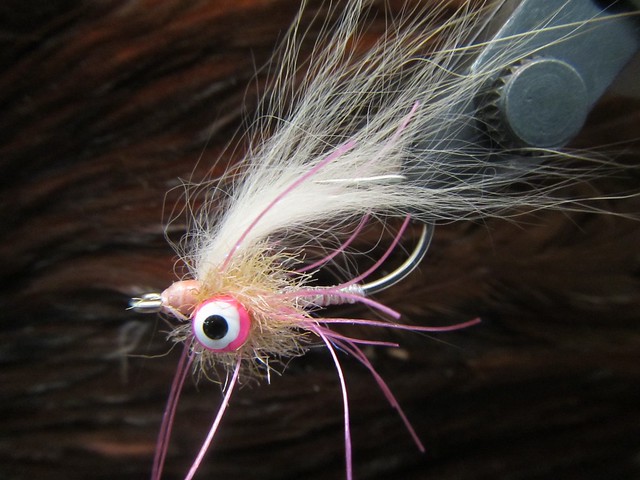
Julie fished a 450 gr SA Streamer Express with a pink Clouser and found fish pretty quickly. I fished a RIO 350 gr Striper Line and found willing bass too. Red took photos while Julie and I fished, and then I traded places with Red, so he could fish while I ran the camera.  Julie fished an 8 wt ECHO PRIME, Red fished the ECHO BASE.

Julie continued to catch fish, Red was having a slow streak, and then – oops – Red’s line got fouled around the prop. That was the end of that fly line.

John pulled the motor, cut the line loose, and then Julie and red went back to fishing, Red with a different rod & line. I shot more photos, and then looked at the fly line head, laying on the deck. Putting the camera away, I tied a loop in the end, about three feet behind the head, and lowered the still-attached fly overboard, holding the loop in my index finger. The head was about 25 ft, the leader about five ft, and I figured that I had about thirty feet of line danging over the side when I leaned over the side of the dory, letting the fly settle, jigging it a little, letting it sink again, and occasionally raising it up three or four feet before letting it settle again. Julie and Red were laughing at me, kidding me about hand-lining, until I hooked my first bass. Two more bass followed my hand lining adventures, unanswered by either of my fishing partners.

John was laughing too, and remarked that maybe the use of rods and reels was over-rated, judging by who was catching the fish. I was having a great time, and was fascinated by the subtle nature of the take I could feel with my fingers, compared to what I could feel working with the line on a rod. I thought that I could feel fish taking my fly far better on the hand line than I ever had before.

John repositioned the boat again, and this school was spread between forty and fifty feet deep, so my hand line technique was no longer effective, being limited to my 30 ft line. My hand-lining experience was fun, I caught fish on the hand line, and it all made me wonder how much better I might be able to feel bass take my fly if I tried hand lining with longer lines on more occasions. I dug out a spare reel and went back to fishing with conventional rod/reel/line, but the possibility of hand lining again has me quite intrigued. Maybe I’ll just give it a try next time I go out into the ocean.

Here are some photos from our day chartered with Pacific City Fly Fishing

Julie & Pacific black rockfish.

Julie & Pacific black rockfish.

.

Jay and Julie with a double on sea bass.

Jay and Julie with a double on sea bass.

IMG_9142

Another fine day on the Pacific.

SAMSUNG CSC

Red (Echo Fly Fishing Blog and Rajeff Sports) with another double.

SAMSUNG CSC

Time to rinse those rods and reels back at Jack and Mary’s.

SAMSUNG CSC

Our day’s haul.

SAMSUNG CSC

Red behind the lens.

SAMSUNG CSC

Julie (left) and Jay (right). As if you didn’t know, ha ha ha.

SAMSUNG CSC

Here’s Red going for the artist angle on the shutter.

SAMSUNG CSC

This was the ONLY time that Red’s bass was bigger than Julie’s – all day long.

SAMSUNG CSC

Wonderful day, great seafood to take home, and most excellent companionship and guide service.  Highly recommended to anyone interested in fly fishing the near shore Pacific.

My best to our readers.

Jay Nicholas, August 18, 2015

Posted in Fishing Porn, Fishing Reports, Oregon Saltwater Fishing | Leave a comment

Caddis Fly Hosted Trips to Cuba July 2016 – Reserve Your Spot Now

becker cuda

We have two separate weeks booked in Cuba this coming July of 2016. Both on “live a board” boats. This past June we found the food and service level to be outstanding on the “live a board”. Over the past 8 years we have seen numerous operations around Cuba fishing with the Avalon Group at different locals, the “live a board” is really an ideal way to fish the rich and largely unspoiled waters around the Cuban mainland. The fishing in Cuba is fantastic and something to be experience sooner rather than later. With travel restrictions eased anglers now have zero worries coming and going from Cuba.

The week of July 2-8 2016 is aboard the Perola Yacht.

This luxury yacht will take you to the most remote and pristine flats and distant waters that collectively surround Isla de la Juventud. The Perola is a beautiful 75-foot luxury live-aboard yacht that is utilized for weekly trips to the most remote areas of the Canarreos Archipelago. Areas that are accessed and fished by the Perola include Cayo Campo, the Cantilles islands and Cayo Rosario, which is renowned for some of the most outstanding flats fishing in all of Cuba. The Perola is a recently refurbished classic wooden yacht, perfect for a group of up to six anglers. There are five comfortable air-conditioned cabins below deck, most of which have a private bath with good showers and plenty of hot water. Anglers will really appreciate the large amount of storage space available in each of the rooms. 

This is an impressive yacht, with polished hardwood floors and teak paneling. Circular stairways take you downstairs to the cabins or upstairs to the dining area atop the open-air deck. The top deck is covered and always remains in the shade, but open to the sea breeze, ensuring guests a very comfortable and insect-free environment. Clear plastic side coverings are utilized if harder winds or inclement weather become an issue. Several comfortable rope hammocks are hung from the ceiling and can be lowered after lunch or dinner for a nap in the breeze or a very relaxed cocktail hour. A full-sized, air-conditioned salon on the main deck level can be utilized as a living and dining area in extremely harsh weather. Fly tiers will like the full tying table in the salon, and sinking into one of the salon’s plush couches with a good drink is the perfect end to a long day on the flats. 


IDJ 1

Cuisine on board the Perola is exceptional. Fresh fish of the day is offered for most meals, either caught by the anglers themselves or brought in by the crew. Lobster and conch are abundant can be enjoyed on a daily basis or upon request. Salads with fresh vegetables and a variety of fruits are always available as well. Other menu items include pork and chicken entrees served throughout the week, fresh sashimi for appetizers and some of the finest frozen Daiquiris in all of Cuba. 

Anglers arriving on Isla de la Juventud will stay aboard the Perola on the first night, anchored at a private marina on the Jucaro River. Early the following morning, anglers will meet their guides, jump in the skiffs, fish, and make their way east to meet up with the Perola that evening in one of the outer anchorages. On the final fishing day, anglers will fish their way back to Gerona, reboard the Perola at the marina with time to take a refreshing shower and pack before departing on the evening flight back to Havana.

cayo-largo-permit

The week of July 8-16 is aboard the Avalon II Yacht.

Avalon II is a brand new, state-of-the-art mothership with 10 staterooms and all the amenities and offerings you would expect from a high-end, private yacht. 

The ship’s overall capacity is 20 passengers and 9 crewmembers, although all trips are limited to groups of between 10 and 16 anglers. The boat offers the perfect balance of substantial exploration capabilities, functional style and total comfort, and offers guests a unique platform for an exclusive voyage through the Jardines de la Reina. 

All staterooms offer plenty of space, private bathrooms, individual air conditioning and heating controls, electricity plugs, and panoramic windows to enjoy the breathtaking view of the Caribbean. 

There is also a spacious and comfortable combination lounge, dining room and bar area on the main deck. This is the ideal option for large groups and families.

gardens-of-the-queens5

Food and Beverages

Dining on board Avalon II is always amazing. The menu typically combines fantastic Continental Italian cuisine, fresh seafood every day, and traditional Cuban favorites like rice and beans, black bean soup and fried plantains. If you are someone who enjoys fresh seafood, then you will be in heaven. Beverages available on board include bottled water, various soft drinks, beer, rum and imported wines. If you prefer liquor other than rum, you can bring this with you.

avalon 1 food

Typical Length of Stay

A typical stay in the Jardines de la Reina area is seven (7) nights / five and a half (5.5) fishing days, starting on Saturday and ending on Friday. A normal week includes five full days of fishing and one or two half days (depending on your schedule and mode of transportation to and from Jucaro). Additional days in Havana or on other parts of the island can easily be arranged and itineraries can be fully customized. Combo trips between the Jardines de la Reina and other fishing areas can also be arranged.

Non-Angling Activities and Options

These are a remote live-aboard operations located in the mangrove wilderness of the Jardines de la Reina. This means that non-angling (and non-diving) activities are limited. If you are interested in diving, Avalon’s dive program is incredible and the Jardines are considered by many to be one of the finest, most pristine dive and snorkel destinations in the entire world. Even anglers can participate in a shallow-water dive program on a few afternoons of their trip. This can be taught after your day of fishing, and can culminate in a trip where you dive with the area’s famous Silky Sharks. Overall this specific destination is best suited for anglers and divers.

Internet/Communications
Wi-Fi via the Avalon Hot Spot is available free of charge to guests on Avalon II. While this satellite internet access is slow and at times spotty, it is available! Guests should bring their own laptop, iPad or other device to access the internet. Keep in mind that U.S. cell phones currently DO NOT work anywhere in Cuba. Also, satellite phones are strictly prohibited in Cuba and will be confiscated at the airport on arrival.

We have some exceptional rates for these trips and welcome any inquiries. Please contact me directly at caddiseug@yahoo.com.

Chris Daughters

Posted in Fly Fishing Travel | 1 Comment

Umpqua Valley Fly Fishers 7th Annual Fly Fishing and Tying Festival

Free admission on September 12th, 2015 to the family friendly fly tying and fishing festival in Glide Oregon. Umpqua Valley Fly Fishers will host 25 fly tiers from around the Pacific Northwest. Casting instruction and fly fishing presenters will be at the event from 8am until 4pm at the Glide Community Center.

Info 2015 01

Info 2015 02

Posted in Classes and Instruction, Oregon Fly Fishing Clubs and Events | 1 Comment

Help Bring Big League Baitball to the West Coast

Success on the baseball diamond comes from doing the little things right: an outfielder’s throw hitting the cutoff man, or a batter laying down a bunt.

Little things are important in the ocean, too. Large swirling “baitballs” of tiny schooling fish – known as forage fish – represent a key indicator of ocean health. These fish provide food for an all-star lineup of marine species along the West Coast, including salmon, tuna, birds, whales, dolphins and many species of finfish. Unfortunately, many of these fish species are not protected in Oregon and California waters.

Learn more via a recent blog by Paul Shively at the Pew Charitable Trusts.

bait_ball_predators

TAKE ACTION – Send a message to Fish and Wildlife Departments in Oregon and California:

Thanks in large part to thousands of people who voiced their support for forage fish protections over the last few years, the Pacific Fishery Management Council reached a landmark decision in March to adopt a forage fish conservation policy in federal waters from three to 200 miles off the U.S. West Coast.

This important decision sets the stage for Oregon and California to move forward with similar safeguards in state waters, from the shore to three miles out (the State of Washington has had a plan in place since 1998). California approved a forage fish policy in 2012 that has not yet been implemented. Oregon is developing a plan to conserve forage fish in state waters, but action is needed this year to ensure consistent management along the West Coast.

By protecting forage fish, Californians and Oregonians will take a critical step towards a healthier ocean with thriving coastal communities. Now it’s our chance to bring Big League Baitball to the West Coast!

Posted in Oregon Conservation News | Leave a comment