Sea Run Cutthroat Baitfish Fly Pattern

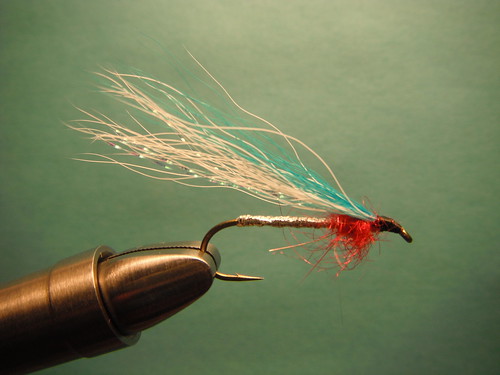
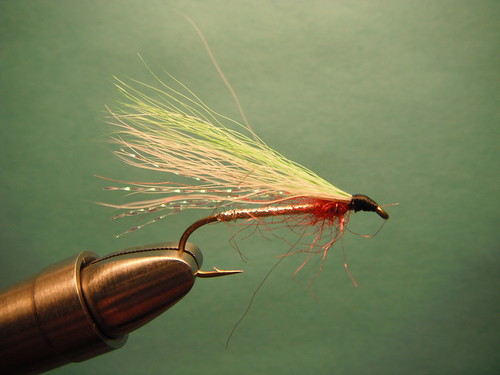
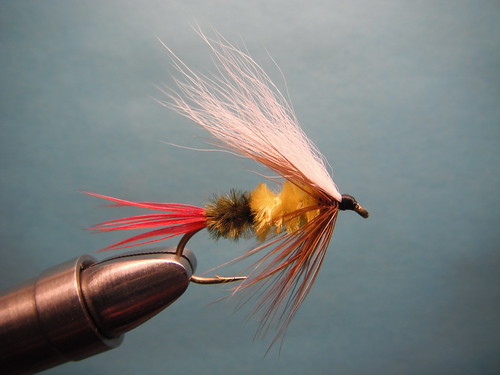
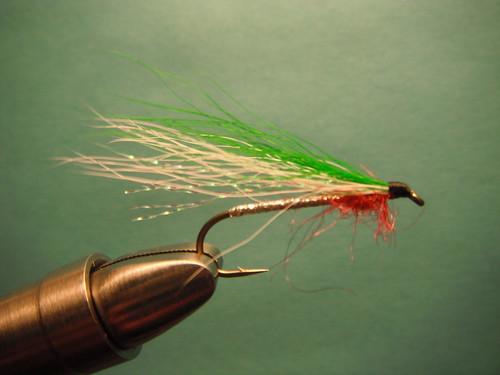
In this video Jay Nicholas demonstrates how to tie a Sea Run Cutthroat baitfish style fly pattern. Sea Run’s are notorious piscavores (fish eaters) and this small baitfish pattern does a great job of imitating the helpless fry Cutthroat love to attack.

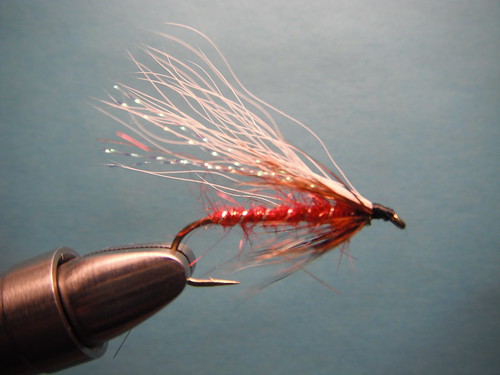
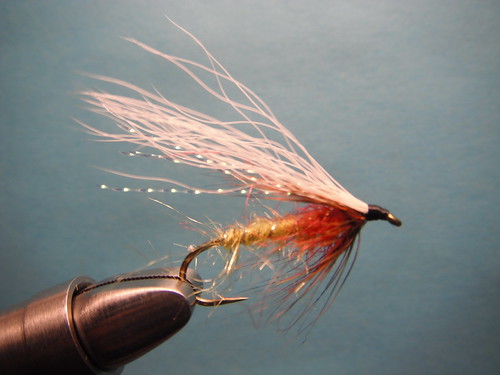
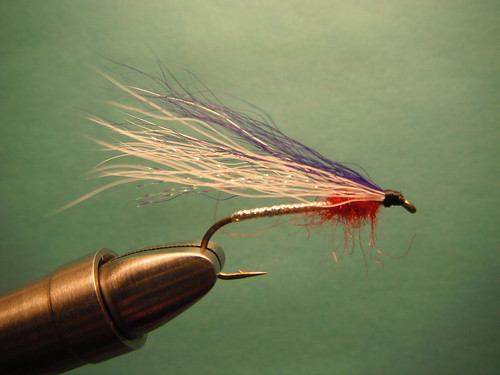
Whether you are fishing some of Oregon’s many coastal rivers containing Sea Run Cutthroats or heading to Alaska for big rainbows and Dolly’s tie a few of these simple but effective patterns. More variations are shown.–CD

Baitfish pattern for Sea Run Cutthroat

Sea Run Cutthroat Baitfish Fly

Hook:TMC 5262 # 8
Thread: Petitjean Split Second Thread 8/0
Body: Lagartun Mini Braid Silver
Throat: STS Trilobal Dubbing Flame, Red and Gold Ice Dub and Blended
Wing Flash: Smolt Blue Krystal Flash
Wing: Northern Bucktail White and forest Green

Baitfish pattern for Sea Run Cutthroat

Baitfish pattern for Sea Run Cutthroat

Baitfish pattern for Sea Run Cutthroat

Baitfish pattern for Sea Run Cutthroat

Baitfish pattern for Sea Run Cutthroat

Posted in Fly Tying | 1 Comment

Selway River Fishing Report #2

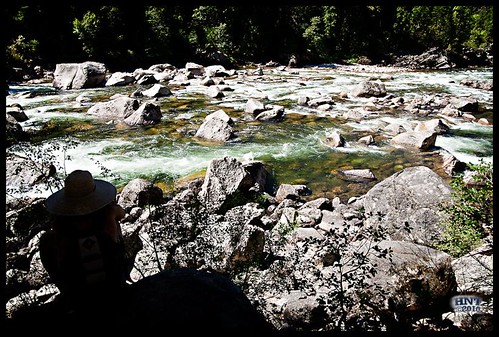
HNT_01

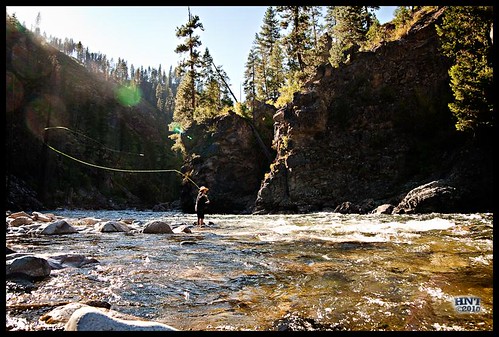
HNT_02

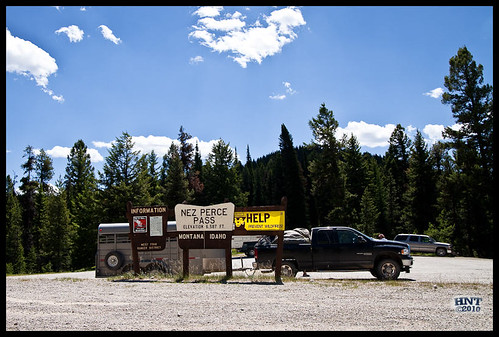
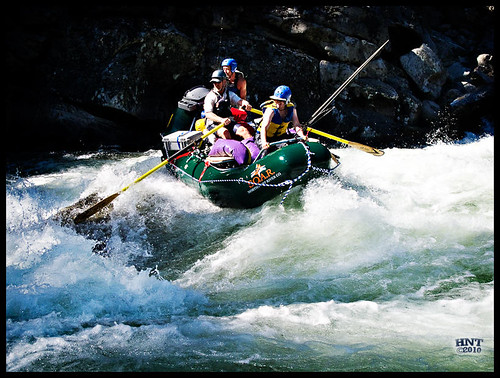
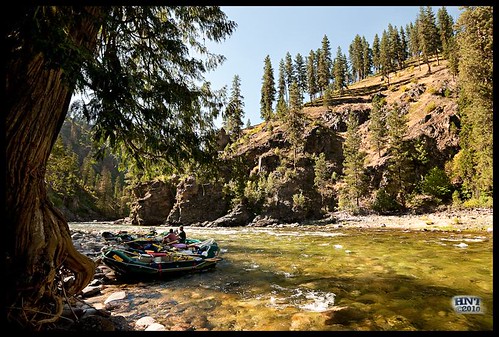
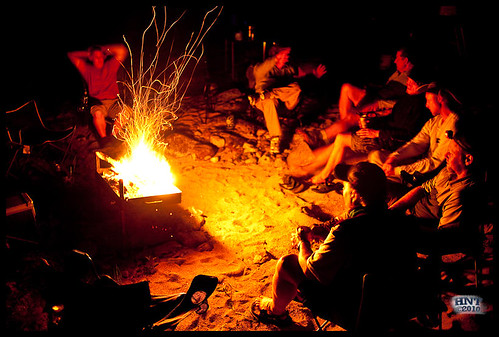
This spring my brother in law Hal Tweto floated the Selway River with some of his pals, you can check out the post previous post at this link: Selway River Photos. He was lucky enough to get another shot at this July. This time with some he was armed with fishing gear and camera. His report follows.–CD

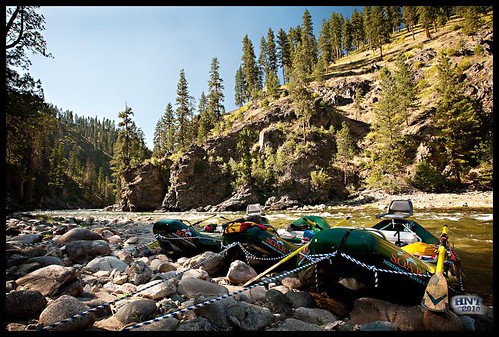
A few months ago I had the opportunity to see the Selway for the first time with SOAR Northwest River Co; the river was stunning, the wildlife was active and abundant, and the weather was really cooperative for a May run through the Bitterroots. Nevertheless, I couldn’t wait to float the stretch without the drysuit and zero degree bag to keep the chill off, and I looked forward to being on the water when the cutthroats were rising for…well, anything, really.

HNT_03

HNT_05

HNT_06

HNT_07

Our July 17 put-in was a completely mellow experience when compared with the three feet of snow and miles of downed timber our shuttle drivers worked through to get to Paradise in May. After a relatively low peak this season, the river was still running at a perfectly respectable one and a half feet, which was only a half a foot lower than the May run. The river felt much lower, however, and rowing with an eye on the channels was the name of the game; it was full-contact in the sense that even the cleanest runs entailed bumps and a little sticking and dragging. Not bad, though…comparable to runs on the North Umpqua in the later days of summer, maybe. And these new boats from Streamtech www.streamtechboats.com were perfect for this situation: light, maneuverable, tough, accommodating, with a great fishing frame. Put my Aire, now for sale, to shame.

HNT_10

HNT_08

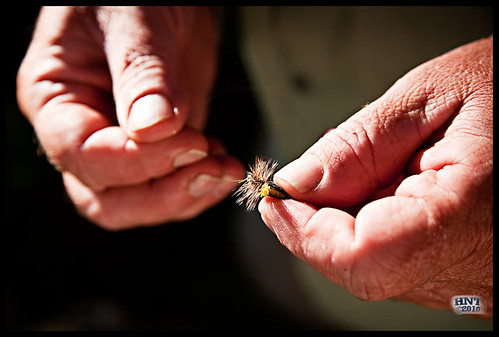
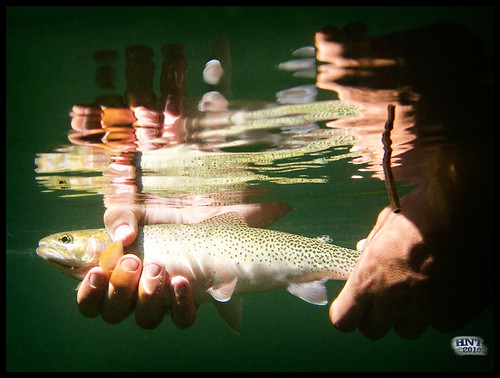
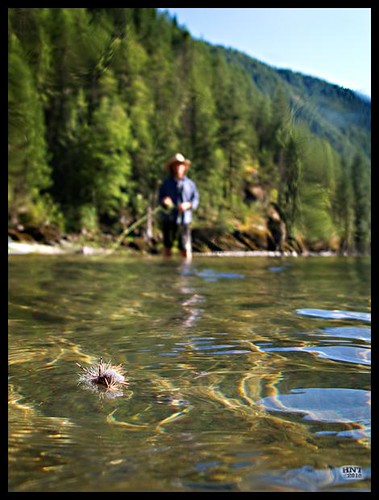
But the fish, you ask, how were the fish? Abundant, although that doesn’t mean we didn’t have to work to find the larger fish. Indiscriminate, although that doesn’t mean certain flies weren’t more interesting to these larger fish. The word was that they would respond to hoppers, generally, and generally this was true, but we also found royal wulffs and the yellow stimulators were tempting, sized around a 12 or so. One dude at the put-in swore that the black fly was the way to go. Again, the issue wasn’t so much about what to offer, because lots of flies worked, but more a matter of bringing out the fish you’d want to bring in. And this we did occasionally enough to make everyone who cared to throw a out some line content that they were doing so. You may not be pulling in the kind of fish that show up in the Bitterroot, or farther downstream in the Clearwater, but with six days in such a beautiful place, it gets pretty hard not to be at least a little content.

HNT_09

HNT_11

HNT_12

HNT_13

Again, I was on this trip with SOAR Northwest River Co, which runs four six-day commercial trips each year from the end of June to the end of July. To book, contact Ari Kotler, guide and owner, at 208-709-8033 or www.northwestriver.com or aridkotler@gmail.com. Or you can try your chances for a private permit using the four rivers lottery system (Middle and Main Salmon, Selway, and Snake). HNT

Posted in Fishing Reports, Fly Fishing Travel | 2 Comments

Third Annual McKenzie River Two-Fly Tournament 9/25

The Caddis Fly Angling Shop presents the Third Annual McKenzie River Two-Fly Tournament, September 24-25. Teams of two anglers will compete for thousands of dollars in prizes, fishing from McKenzie Drift boats rowed by expert guides. This fun competition restricts anglers to fish with only two-flies for the entire day, during some of the McKenzie River’s best fishing of the year.

McKenzie River Two Fly Tournament

The Cause: Native fish habitat restoration on the McKenzie River

Over the past two years we’ve raised nearly $7,000 to restore native coldwater fish habitat at McKenzie River Trust’s Green Island property on the confluence of the McKenzie and Willamette Rivers. The funds helped reconnect an historic side-channel to the river, increasing habitat for Spring Chinook and Cutthroat Trout in the winter, and decreasing habitat for non-native, predatory fish in the summer. We’ve also helped fund the removal of a levee and road along a side-channel in the north portion of the property. The structure was built in the 70’s and restricts natural floodplain activity during flood events. The side channel along this levee has been identified as having much colder water than the mainstem river, and during the summer months this habitat is home to 100% native coldwater fish species. This year we will be funding a channel reconnection at the middle of Green Island (Willamette side channel to McKenzie channel).

Green Island McKenzie River restoration

McKenzie River Two-Fly Tournament

Event details: How does a two-fly tournament work?

Festivities begin Friday night, September 24th at the Caddis Fly Shop in Eugene for beer, wine and appetizers, and a presentation on fly fishing the McKenzie River by Chris Daughters, and a discussion from McKenzie River Trust on the significance of the habitat restoration taking place on the confluence of the McKenzie and Willamette Rivers.

Participants will draw guides that night, pulling names from a hat.

Saturday morning fishing begins, anglers pick two flies at the start of the day which are photographed. If anglers lose their two flies they no longer participate in the tournament, but can fish for fun the rest of the day. This year there is an additional twist: Anglers have an opportunity to buy an extra fly this year for $100 that goes to the cause. Teams of two compete for the three largest fish, measured against official ODFW-standard rulers and photographed with digital cameras in the measuring device.

McKenzie River Two-Fly Tournament

McKenzie River Two-Fly Tournament

The awards banquet is held immediately following the fishing at the Oregon Electric Station.

This year we’re featuring great prizes from Simms, Stonefly Studios and Anglers Book Supply.

Tournament entry fee is $350 per person and includes a full day’s fishing, food and drinks Friday and Saturday. But we have a very limited number of seats due to repeat participation, so if you would like to participate this year, you need to get a check to the Caddis Fly Shop ASAP. Call for details 541-342-7005.

Posted in Fly Fishing Contests, Oregon Conservation News, Oregon Fly Fishing Clubs and Events | 8 Comments

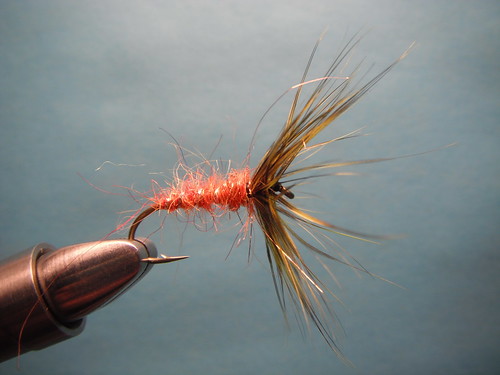
Tying the Reversed Spider Sea Run Cutthroat Fly

In this video Jay Nicholas ties a Harvest Trout or Sea Run Cutthroat fly pattern called the Reversed Spider. This patterns unique hackle wrap gives it wild action in the water. The erratic action of the fly has been found to move fish over 16.5′ feet to the fly. We have heard that this pattern should only be fished after more traditional patterns (see Pete’s Special and the Female Coachman) have already been tried in a give pool. Only then does one resort to the Reversed Spider. Enjoy.–CD

Variations on a Theme

Reversed Spider Sea Run Cutthroat Fly

Reversed Spider Sea Run Cutthroat Fly

Reverse spider cutthroat fly pattern

Reversed Spider

Hook: TMC 3761 or Daiichi 1560 6-10
Thread: Petitjean Split Second Thread 8/0
Rib: Oval Lagartun Silver Tinsel
Body: STS Trilobal Dub Dub Burnt Orange and Gold Ice Dub Blended
Hackle: Grizzly Variant Saddle Dyed Yellow

Posted in Fly Tying | 5 Comments

Rock hopping the Oregon Coast

So how many ways can you catch the same fish on a fly rod? A question I always ask myself when I chase the reef critters that inhabit the Oregon Coast. So far we’ve explored circle hooks, top water, the bay, beyond the bar, and behind the reefs all with relative success(I’m still alive). I have a couple posts left then I’m thinking we let this dead horse take a rest for a while outside of the occasional fish porn update.
DSCN1364
An often asked question is “Do you ever fish off the rocks or beach?” I LOVE to! No boats, less gas, and you are forced to learn an area we’d pass through and fish for only a few minutes. That being said I’m part crab so before you go out and do a swan dive off Cape Arago there are a lot of things you’ll need to do to stay safe and in the game.
DSCN1367
First and foremost… YOU NEED STUDS IN YOUR BOOTS! It doesn’t matter what boots you have and the bigger the studs the better. I have broken bones and several rods by not having proper studs and it is the only way to do this safely.
DSCN1375
Understand the tidal influences of the area you intend to fish
Dual purpose Safety and fish-ability
-Areas may be easier for you and the fish to access during very specific tidal conditions
-Fish activity levels are influenced by tidal fluctuations
-Tidal surge and currents can sweep you off the beach/rocks and make your once solid casting platform whitewater when facing an incoming or strong plus or minus tide
DSCN1373
Rods and other essentials.
Saltwater resistant rods in the 8wt or better class will get you started. Leave the shooting heads at home opting instead for full intermediate or type 3-4 fly lines. These lines will keep you under the surface chop, but out of the rocks. Remember you are stripping into the rocks and not the other way around so if you fancy your flies and rods you’ll learn this very quickly! Leaders should be 9ft long and no stronger than 15lb. This will keep your rods and fly line safe allowing you to break off without too much trouble. The normal flies work… Anything “shrimpy”, “fishlike”, or “crittery” will do. Basically if you do a flats trip and have left over flies you are in…also estuary salmon bugs are a winner. Lastly I’d recommend a stripping basket to help with line management. If you have any questions about some of the finer details give us a call at the shop and we’ll help you out! -NS
DSCN1378
Enjoy the pics!

Posted in Uncategorized | 8 Comments

Tying Traditional Sea Run Cutthroat Trout flies with Jay Nicholas: Pete’s Special and The Female Coachman

The Pete’s Special and The Female Coachman are just two of the many flies we classify as “Traditional” Sea Run Cutthroat Flies. These are proven patterns that fly anglers chasing Bluebacks have utilized for years. In the two videos below Jay Nicholas demonstrates how to tie them. In addition Jay discusses fly fishing tactics for cutthroat, fly tying material selection and fly pattern history. Enjoy–CD

Pete’s Special

Pete's Special

Pete’s Special

Hook: TMC 3761 or Daiichi 1560 #6-10
Thread: Marc Petitjean Split Second Thread
Tail: American Saddle clump hackle fibers Hot Orange
Butt: Medium Chartreuse Chenille
Body: Medium Hot Orange Chenille
Hackle: Hot Orange American Saddle Clump
wing: White Arctic Fox Tail

The Female Coachman

Female Coachman

Hook: TMC 3761 or Daiichi 1560 #6-10
Thread: Marc Petitjean Split Second Thread
Tail: Red Strung Saddle Hackle
wing: White Arctic Fox Tail“>Butt: Olive Chenille Medium
Hackle: Natural Brown 6-7″ Wooly Bugger Saddle Hackle
wing: White Arctic Fox Tail

Posted in Fly Tying | 7 Comments

Sea Run Myth Revealed for 2010

One of the myths my fellow colleagues of chasing sea runs has been; When do sea runs show up in our coastal streams? Members of the Men’s Technical Council (old guys who have fished together for decades) have been jacking me around for many years with this: “It’s all about the 4th of July, Lou.” I fell for this myth many times in my early years of chasing sea runs. ” O” dark thirty departures, casting all morning, bush whacking blackberries, and napping the remainder of the day. Ugh! So, when challenged this July with “they are in!” I held my ground….nope, no way was I going in early July. I went on July 30. Look who showed up:

blog sea run 2

It was not a chromer, he had been in there a while…..maybe since the 4th of July? The conditions were perfect, some drizzle in the early morning hours, followed with a nice low overcast.:

Sea Run 2010 006

Native cuts were abundant, going nuts with a massive midge hatch. It was fun to watch and enjoy the awakening of the sea run season for 2010.

Sea Run 2010 015

Sea Run 2010 009

Our coastal streams should see this special fishery get going as we get some decent cloud cover on the coast range. Hey, I am all for sunny days, but when it’s time for sea runs….things get wacky! The Borden Special was the fly of the day and if your paying attention….Jay is telling/showing you everything else!
LV

I’m very happy with the service and the quality and i recommend your website to my friends whenever i get the chance. ? Many rogue pharmacies are happy to bypass a doctor’s prescription in order to win your business.
Posted in Uncategorized | 3 Comments

Tying Sea Run Cutthroat Flies

In this video Jay Nicholas sits down and discusses his favorite fly tying materials for Sea Run Cutthroat flies. Check out Jay’s Sea Run Cutthroat Fly Fishing Tips more information on how to fish these old school beauties. Another great reference on Sea Run Cutthroat is Les Johnson’s book: Fly Fishing Coast Cutthroat Trout.–CD

Winging Materials, Pseudo Hair, Calf Tail, Bucktail, Artic Fox, Deer Body Hair, Squirrel Tail, Peacock Feathers, Pheasant Tail, White Deer Belly Hair

Color Selection and Body Materials, STS Trilobal Dubbing, Chenille size small and medium, Uni Yarn, Uni Floss, Lagartun Mini Flat Braid

Feathers and Hackle for tying Sea Run Cutthroat Flies, Dyed Grizzly Variant Saddle Hackle, Dyed Grizzly Saddle Patch, American Saddle Clump

Styles of Sea Run Cutthroat Flies. Jay discusses seven different styles of Sea Run flies including. Traditional patterns, Reversed Spider Style, Baitfish patterns, Uni-Yarn Body Style, Dubbed Body style, Dual Hackle style and Hair wing style. We will be doing a video on each style of fly over the next couple of weeks. Fly Fishing for Harvest Trout, Bluebacks and the now more commonly known Sea Run Cutthroat requires some persistence early in the season. Our own Lou Verdugo has been out on the coast this weekend and found a few fish. Success rates are bound to rise as the Summer moves closer to fall and the Sea Runs move up the estuary and into many of our great Oregon Coastal watersheds.

Posted in Fly Tying, Oregon Fly Fishing Tips | 2 Comments

New Fly Tying Contest: Summer Steelhead Skater patterns

The next subject in the Caddis Fly’s Hareline Dubbin Fly Tying Contest series is the steelhead dry fly or skater patterns.

October caddisish bomber - North Umpqua
Photo by Rick Gersbach

Send your bugs to the Caddis Fly Shop by August 31st to be eligible. Drop off or mail two finished flies at The Caddis Fly Shop, along with paperwork that includes the fly pattern name, material list, your name and address, and either email or phone number for contact. You will not get the flies back — one will go to Hareline and one will go to the shop. Bob Borden and the folks from Hareline Dubbin will be judge of the fly patterns.

Fly Fishing Steelhead with Dry Fly

Your flies will be featured on the blog.

PRIZES

FIRST: A full color run of the new Senyo’s Laser Dub (Interview with creator here)
SECOND: A Stonfo Elite Bobbin
THIRD: A selection of Lagartun Mini Flat Braid (see use here)

Posted in Fly Tying, Summer Steelhead | 4 Comments

Great Fish Porn Video

Our friends at Beaver Hill Productions sent us this gorgeous short film they made for Sage Fly Rod Company.

Check it out by clicking this link. Sage Video

I thought we could use a lighter note.–CD

beaver_hill_logo_250

Posted in Fishing Porn | 1 Comment

Your chance to be heard: Oregon Board of Forestry Meeting Friday

Do you think our state forests offer any value to Oregonians other than timber revenue? Does clean water matter? Do fish, wildlife and recreation matter? Of course they do. That’s why Oregon’s Department of Forestry correctly identifies the “greatest permanent value” of our forests as: “healthy, productive and sustainable forest ecosystems that over time and across landscape provide a full range of social, economic and environmental benefits to the people of Oregon.”

Nehalem_summer2

As I type this post, timber industry insiders and a handful of powerful county commissioners are engaged in a effort to rip off Oregonians. They have convinced Oregon’s Board of Forestry (which is mostly made up of commercial foresters) to consider changing the legal definition of greatest permanent value to this: “timber revenue.” Catchy, huh? Show me the dead trees and the money!

You, your kids, and every other Oregonian are being screwed. The people forcing this effort are taking advantage of the political climate created by our severe recession to pave the way for another era of overharvest. These folks have already made it clear that environmental health always takes a way-back seat to harvest in their small minds. They are attempting to erase two decades of progress toward sustainable forestry in Oregon.

NOW is your chance to tell these people what you think!! Oregon’s Board of Forestry meets in Eugene this Friday at Lane Community College’s Center for Meeting and Learning, 4000 East 30th Avenue. The meeting starts at 8:00AM, and the Greatest Permanent Value discussion is scheduled to run from 9:15AM to 10:15AM.

Please swing by LCC and devote a couple of hours to tell the board what you think. I will bring my Intruder box and hand out flies to the first 10 people who show up.
-RR

Posted in Oregon Fly Fishing Clubs and Events | 15 Comments

Wisdom from the Trout Hunter: Rene’ Harrop talks about his new book, Learning from the Water

Ever hear of a trout stream called the Henry’s Fork? It’s a trib of the Snake River that flows through our neighbor-state of Idaho. It’s one of the most challenging trout streams in the world–a large, often glassy spring creek, loaded with huge, highly educated rainbows. If you’ve read John Gierach, you know all about it and the tens of thousands of trouters who flock there every summer. And you’ve undoubtedly heard of a character named Rene’ Harrop, aka “The Trout Hunter.”

Rene’ is among the most innovative fly tyers in the history of American fly-fishing, picking up where Swisher and Richards left off in the 1990s. He was among the first to effectively apply CDC to the job of fooling tricky trout (CDC is the equivalent of using live bait). His incredible book “Trout Hunter” is now a collector’s item, and copies are nearly impossible to acquire.

So imagine our excitement when we saw a NEW book from Rene’ featuring updated wisdom and a big fat bunch of his sexy fly patterns! Learning from the Water, Harrop’s new masterpiece, just arrived in the shop this week. But wait…it gets better! We’ve got autographed copies for a limited time AND, Rene’ was kind enough to grant a short interview with the Oregon Flyfishing Blog.

So check out the interview that follows, and be sure to swing by for your copy of Learning from the Water!

Learning from the water

OR FF Blog: In the first chapter, you explain your fundamental approach to fishing, as a “hunter” and as a devoted scholar. Did you always come to the water with that approach? Or was there a time/person/event that helped you start paying attention to the minute details of fishing?

Harrop: I came to fly fishing at age nine which is fifty one years ago. From the beginning, I wanted to catch big trout and the opportunity to find them near my home was abundant. Learning to catch them with a fly rod, however, was not a quick or easy process. A hunter’s mentality is instinctive to me, and the continuing desire to learn is my nature. My father served as an early example, but meeting and fishing with Doug Swisher and Carl Richards in the late 1960’s was pivotal in helping me to understand the specific connection between trout and their food sources. Mainly, however, my growth as an angler is a product of patient observation and thought.

OR FF Blog: In the second chapter you recognize that modern techno-nymphing is responsible for bringing new anglers into the fold of flyfishing. Can you relate any stories of anglers/friends/clients making the transition from bobbicator fishing to “trout hunting?”

Harrop: Most beginning fly fishers will not progress beyond casual interest if they are not able to catch at least a few fish right away. This applies especially to kids who are eager to try just about anything but will seldom sustain interest if their efforts do not bring a fairly quick result. Fishing one or more nymphs beneath a strike indicator allows early success without the requirement of advanced skill or knowledge. A good river guide is a real asset in bringing understanding to a beginner as to the way this technique works but also by demonstrating and explaining how it can serve as a stepping stone for advancement to techniques that require greater skill and experience. Indicator fishing belongs within the skill set of nearly every trout angler because there are times when it is the best way to gain success. However, it is wrong to condemn those who chose to limit their participation in the sport to this simple but effective method. I certainly acknowledge that my approach to fly fishing is not for everyone.

OR FF Blog: Why this book, and why now?

Harrop: After, TroutHunter, I had little ambition to write another book, and it took awhile for Jay Nichols to convince me that I had more to say. Jay and I became acquainted while he was an editor for Fly Fisherman Magazine before he moved to the business of publishing books. The concept of Learning from the Water evolved over several months of discussion with Jay and my wife Bonnie who provided most of the photographs. Judith Schnell and Amy Lerner of Stackpole played strongly into the decision to go forward with the project.

OR FF Blog: To someone considering which new fly-fishing book to buy themselves this summer, which book would you recommend first and why?

Harrop: While I am not completely familiar with every meaningful book that has been published in recent years, I would recommend titles that are authored by experienced writers who have spent their lives in pursuit of trout. Mike Lawson or Kelly Galloup match this description and I am still waiting for something from George Anderson. Sadly, it’s possible that the best books on the subject of fly fishing for trout will never be written. Death or advanced age have deprived us of the wisdom and knowledge of men like Andre’ Puyans or Al Troth. Selective Trout by Doug Swisher and Carl Richards has been recently revised, and I believe it is still in print. Regardless, I consider this book to be the most influential of anything written on the subject in modern times. Originally published in 1971, Selective Trout continues to be relevant despite the massive changes that have occurred since it first appeared. Tracking down a copy of this historical work will not be wasted effort.

Posted in Fly Fishing Books | Leave a comment

Winston announces new rods for 2010-2011 Season: BIIX model gets discontinued

One of Winston Rod Company’s most successful rod series of all time is being discontinued as four new rods are introduced. The BIIX has been one of our favorite rods available for 7 years now. We have put our remaining stock of BIIX on sale. For now this is all we have on hand, and sale prices apply to only BIIX models in stock only.

Below you will find a short video discussing the upcoming new models from Winston. New rod series include Passport at $199, VSL at $299, GVX at $495 and BIIIX in the $700 range depending upon model. The Caddis Fly will have these rods as soon as they are introduced and welcome you to come cast them or demo a rod anytime.

Posted in Fly Fishing Gear Review | 4 Comments

Native fish restoration and the temperature tradeoff on the Lower Deschutes

The Pelton Round Butte project on the Upper Deschutes is designed to aid fish passage to historic habitat upriver, but it’s also heating up the lower river — according to fisheries biologists, mimicking the historic temperatures our native anadromous fish evolved to handle. The results, according to the Oregonian, are temperatures 70-72 degrees at the mouth of the Deschutes.

PGE restores fish passage at Pelton Round Butte from Portland General Electric on Vimeo.

Deschutes Fish Passage

Some anglers are upset about the warmer temps, and potentially less fish in the lower river. There is an in-depth Q&A by H. Tom Davis and Bill Bakke of the Native Fish Society on how the project started and what is happening on the water.

Here is an excerpt:

If the “natural” temperatures are restored and strays, particularly hatchery strays, are discouraged from entering the Deschutes that would be a big step toward achieving natural runs of wild, native salmonids. In years past when the Columbia has been colder, like 2008, upriver fish did not stop in the Deschutes compared to years when the Deschutes is colder. In the future with the proposed releases, it may be less likely that we see upriver hatchery fish straying into the Deschutes. The increased steelhead, Chinook and reverted sockeye moving into and through the river because of reintroduction above PRB will likely make up for any losses, and probably add more fish to the lower Deschutes.

The hatchery component from upper Columbia River basin streams probably has exceeded 30,000 in some years. We may never have that increase in wild fish, but in the past hatchery strays sometimes comprised up to 65-70% of the spawning fish, affecting productivity and survival of wild fish. Reducing the stray component spawning with wild fish, especially out of basin strays, will benefit wild fish.

-MS

Posted in Central Oregon Fishing Report, Oregon Conservation News | 9 Comments

Major victory for Chetco River salmon and steelhead

According to the Associated Press, the U.S. Forest Service wants to stop new gold mining claims on the Chetco River in southwestern Oregon while Congress considers legislation that would permanently raise the level of protection for wild salmon and steelhead habitat.

Myrtlewood Branches Overhanging the Chetco River (3876) Photo by Rob Robinson

If the Bureau of Land Management approves a ban, a process likely to take two or three months, Congress would have two years to consider legislation filed by Rep. Peter DeFazio, D-Ore., Sen. Ron Wyden, D-Ore., and Sen. Jeff Merkley, D-Ore., making it permanent.

The proposed ban comes a year after California outlawed suction dredge gold mining, a practice in which mining hobbyists use vacuum machines to suck up the riverbed and spew it out into the water in hopes of capturing a few flecks of gold. The California ban is part of a plan to help reverse declining salmon runs on several rivers—but to a bunch of hobbyist gold miners, channeling Yosemite Sam, they’re hopping mad.

The recreational miners are vocal folks. In fact, several miners have commented on this blog that suction dredge mining is actually good for salmon and steelhead.

See this video for the explanation of why that is not true.

The biggest problem with the California ban is that is driving more miners to Oregon rivers. Be sure to thank the Congressional Reps behind the proposed ban, as well as the folks in Trout Unlimited’s Wild Rivers Coast Chapter out of Brookings and Crescent City.

-MS

Posted in Oregon Conservation News | 2 Comments