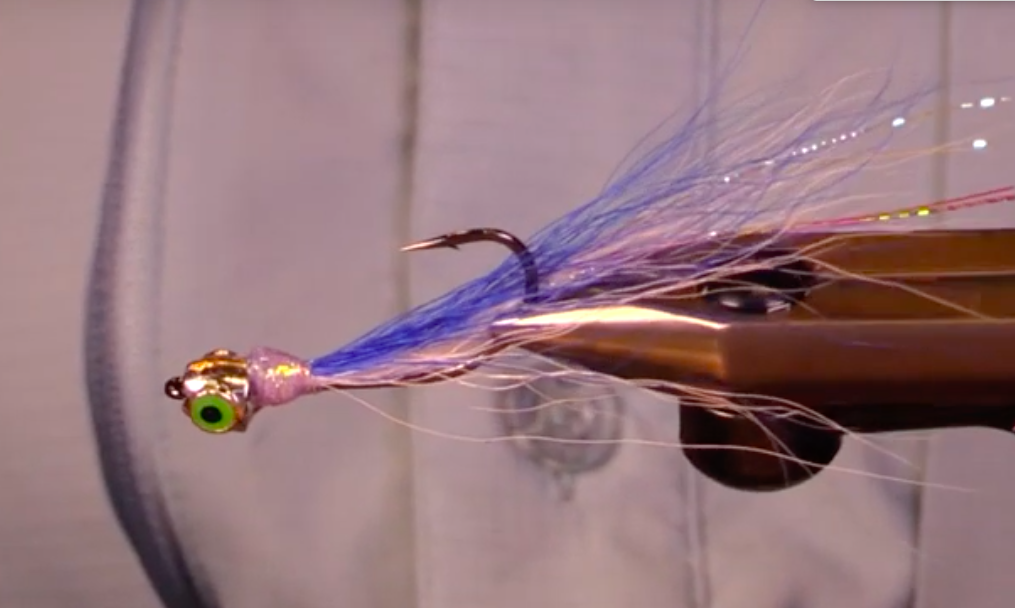
Social Distancing and Fly Fishing

15labash-superJumbo

A Friend Shared this article with me from the New York Times. Enjoy!

My Isolation Breaking Point

I can’t wait for social distancing to end, so I can be alone again.

By Matt Labash
Mr. Labash is the author of “Fly Fishing With Darth Vader.”

In this endless war against Covid-19, I have tried to be a dutiful soldier. I’ve mostly stayed home to binge-watch and binge-eat (bad news and Fig Newtons, respectively). I’ve yet to poleax any octogenarians as they dive-tackle the last pack of Cottonelle. I only sneeze on immediate family. I’m a regular Audie Murphy.

But even we stoical war-hero types have our breaking point, and I’ve reached mine. My governor, Larry Hogan, banned recreational fishing in his recent stay-at-home order, intended to halt the spread of the coronavirus.

As a proud citizen (now, inmate) of Maryland, once un-ironically nicknamed the “Free State,” I’ve always liked Mr. Hogan. He’s stout and feisty, more workhorse than show pony. He hates many of the same things I do, like high taxes and Pennsylvania (whose tributaries pollute our Chesapeake Bay). He’s that filthiest of words in the modern Republican Party — a centrist. I’ve voted for him twice.

But now I’m rethinking my drink. In early days, when Mr. Hogan started closing schools and “nonessential” businesses, we avid fly fishermen thought our biggest problem would be our parks and rivers getting overrun by newbies, many of whom hadn’t seen sunlight in years. Stir-Crazy Nation now had nowhere else to go (including to jobs, now being eliminated at alarming speed).

A clueless dad, out for a walk with the family, skipped rocks across my fishing buddy’s favorite brown-trout hole as he was trying to fish it, unaware of river etiquette. At one of my go-to bass spots, I witnessed a roving band of bored teenagers throwing rocks at geese across the pond. They came nowhere near hitting them — the noodle-armed delinquents probably hadn’t lifted anything heavier than a PlayStation controller since seventh grade. Still, I couldn’t wait for all this “social distancing” to end, so I could be alone again.

But at least we had fishing. Or did. On March 30, the governor issued a confusing edict. While still allowing “outdoor exercise recreation” such as hiking, running and biking, he banned everything but “essential” activities. For most fishermen, fishing regularly is essential for mental health — more useful than therapy, Zoloft and even bourbon whiskey.

With much confusion over whether fishing was banned, Maryland’s Department of Natural Resources offered clarification: Those “who fish as a matter of sustenance” could still fish, but in all cases “catch-and-release fishing is strictly prohibited anywhere in Maryland.”

The coronavirus, apparently, isn’t the only epidemiological disaster. As Yossarian said in “Catch-22,” “Insanity is contagious.”

Never mind that most fly fishers, nearly all catch-and-releasers, need at least 50 feet of space to ply their craft, 7.3 times beyond social-distancing guidelines, unless they want to bury a zug bug in someone’s cornea on the backcast.

Never mind that the Environmental Protection Agency has relaxed enforcement standards during the crisis, so that it is now more lawful in Maryland for a petroleum company to dump pollutants in a river than it is for me to stand in one and catch a fish without killing it.

What made me snap was when the Department of Natural Resources stipulated that charter boats could still go out, as long as they were fishing for food and kept it to fewer than 10 people.

I frequently see these crowded boats zip by me while striper-fishing the jetties of the Chesapeake. And while I don’t begrudge a skipper making a living, just picturing their pink-faced sports floating by on a party barge, listening to bad bro-country while downing Fireball shots, as the boat catches their fish while trolling … well, that was just too much.

So, I did what I always do when the world stops making sense — went fishing.

I grabbed my trusty six-weight and my sentimental-favorite vest, which now has more holes than pockets, though I can’t seem to throw it away. I went to a nearby farm pond, half-scummed over with algae, but which is so tucked away, I drove by it for 15 years without knowing it was there. I brought a makeshift creel (a knapsack lined with a Safeway bag), in case I had to fake a fish homicide if a natural resources officer rolled up on me.

As the sun slipped behind the tree line, while spring peepers tuned up the band, I caught a mess of largemouth and crappie and bluegill, each of them somehow managing to wriggle out of my hand before they made it to the creel. Yet they didn’t have me feeling like an outlaw; they made me feel what they always do: gratitude. Helping me live just a little lighter.

As Jim Harrison wrote: “Fishing does what poet Tom Crawford said about bird watching: It removes the weight of what we’re not.”

While too many of our fellow citizens have perished, while two of my cousins and one of my nephews are in quarantine, while the woman at Safeway courageously bagging my groceries told me she was staying healthy, “but some girl at Giant just died” (she offered this matter-of-factly, a-grocer-turned-grizzled-infantryman), it was good to see old friends. They might just be fish. But they’ll do. Especially with the rest of our friends locked away.

Matt Labash, formerly a national correspondent at The Weekly Standard, is the author of “Fly Fishing with Darth Vader.”

Posted in Fly Fishing Glossary, Fly Fishing Travel | Leave a comment

Jay’s Trout Crawdad Composite Loop Streamer Fly Tying Video

In this video, Jay demonstrates a custom blended dubbing loop using Loon’s D Loop Tweezer to create a fishy crawdad trout streamer. With different color combinations, incorporating weights and sizes this fly could be used for many species of fish besides trout. Give it a try.

IMG_1114

Daiichi D1560 Size 6
Danville 210D Fl. Orange
EP Foxy Brush
Senyo’s Metallic Barred Predator Wrap
Hareline’s Ice Dub UV
Lagartun 74D Fl. Orange
Hareline’s Micro Rabbit Strips

Posted in Fly Tying, Fly Tying Materials and Supplies | Leave a comment

Jay’s Tan Kiptail Bonefish Crazy Charlie Fly

In this video, Jay ties a Tan Kiptail Bonefish Crazy Charlie Fly that was developed in the 1970’s by bonefish guide & angler Charlie Smith at Andros Island.

Whether traveling to the Bahamas or to another bonefish destination, every angler should have a selection of Crazy Charlie’s in their fly box. Try them in different colors, sizes, and weights (The Blind Charlie-no bead chain).

Screen Shot 2019-06-13 at 11.11.34 AM

Hook: TMC 800S #6-8
Thread: Danville 210D Flat Waxed White
Body: Hareline Tan Med. Chenille
Rib (optional): UV Tan Krystal Flash or Silver Round Tinsel
Eyes: Chicone’s Stealth Bead Chain Large Tan
Wing: UV2 Calf Tail Norm Woods
Overwing: UV Pink Krystal Flash
Legs: Chicone’s Barred Legs
Head: Copic Marker Tan
UV Cure: Solarez Ultra Thin

Posted in Fishing Porn, Fly Tying, Fly Tying Materials and Supplies, Uncategorized | Leave a comment

Forked Bling Tail Dorado Fly with Hareline’s New Forked Bling Tails

In this video, Jay Nicholas and Chris Daughters introduce Hareline’s new Forked Bling Tails, Iridescent Black Schlappen, and Just Add H2O’s Flash Blend Bait Brushes and Shiner Flash to tie a Forked Bling Dorado Fly.

Forked Bling Tails come in a variety of of color combinations and add a spinning tail to your flies. You could use them for bass, pike, musky, dorado, tiger fish and other large fish.

Chris used them recently on a Dorado trip to South America and recommends using a swivel in conjunction with your wire leader to reduce twisting of your fly-line.

Screen Shot 2019-10-25 at 11.54.10 AM

Hook: Ahrex PR320
Thread: Veevus GSP 150d or Similar
Eyes: Hareline Barbell Eyes
Tail: Hareline Forked Bling Tails
Craft Fur or Yak Hair
Hareline Iridescent Black Schlappen
Body: Just Add H2O’s Flash Blend Bait Brush (3)
Black 1″
Orange 2″
Black 2″

Zap A Gap Adhesive

forked-bling-tails-10

IMG_5425

Posted in Fly Tying, Fly Tying Materials and Supplies | Tagged | Leave a comment

Dumbbells, Barbells, Hourglass, and Bead Chain Eyes – The Complete Review of Weighted Eyes for Fly Tying

thumbnail
Photo Caption The hand full is something like fifty packs of dumbbells, barbells, and hourglass eyes that Chris sent me to examine and research. Ha ha ha ha ha. I’ve been tying with these puppies for decades, although to be sure some of these products are new within the last three or so years. But I’m no stranger to these beauties.

A knock at the door recently announced the arrival of a USPS Priority mail package from Chris Daughters at the Caddis Fly Angling Shop. Small package, but very heavy for its size. I opened the box carefully, because I knew exactly what I’d find inside.: over five hundred weighted eyes for fly tying. Five hundred, and these represented something like half the eyes that are currently available to fly tyers today.

Chris sent the package with an invitation: he asked me if I was interested in trying to make sense of the madness; if I would be willing to tackle these dumbbells in a series of blog posts.

“Sure,” I said.

A task like this offered to anyone with the slightest hint of OCD is like, well, ………..

thumbnail-1
Photo Caption The wide angle is my at the bench showing just how I felt when I realized the magnitude of Chris’ request. Instead of simply tying flies with these dumbbells, I had to accurately describe them, measure them, compare and contrast them, and transform the analytical data into recognizable information bytes.
Not child’s play, let me tell you.

Img pt 1 a
Photo Caption. This is but a small peek at the array of weighted eyes that I laid out and began weighing and describing for this chapter/post.

Four weeks later, I’m done. Not really done-done; but I’m finished enough to set my figurative pen down, put the scale away for awhile, and report my thinking and observations.

Here is a list of the topics I’ll cover in this chapter.

1. Introduction: Dumbbell, Bead Chain, Barbell, and Hourglass Eyes – weighted Eyes for Fly Tying
2. Hareline Double Pupil Lead (and Brass) Eyes: Complete Review
3. Hareline Lead Eyes: The Economical Choice for Fresh and Saltwater Flies
4. The Weight of Lead Versus Brass Dumbbell Eyes: Is the Difference Significant?
5. Aquaflies Intruder Eyes Versus Hareline Brass Eyes: Complete guide and review
6. Guide to Choosing Weighted Eyes for Hooks, Shanks, and Tubes in Fly Tying
7. Durability of Dumbbell Eyes – Does a “Toughness” rating make sense?
8. Hook Size Guide for Hareline Double Pupil Eyes for Fresh and Saltwater Flies
9. Size Guide for Glue-on Eyes to use with Hareline, Aluminum Sea Eyes and Sunken Brass Eyes
10. Master Chart of Weighted Eyes for Fly Tying

1. Introduction: Dumbbell, Bead Chain, Barbell, and Hourglass Eyes – weighted Eyes for Fly Tying

Most fly tyers these days will refer to dumbbell eyes and apply the same term to eyes that have what I consider very different shapes, This is ok, but the serious tyer is well aware that weighted eyes are not all dumbbells, and holds strong but not necessarily universal personal opinions regarding the proper application of various types of eyes to different hooks, shanks, and tubes.

So, I decided to start by laying out my three categories of weighted fly tying eyes. These are
• Dumbbell
• Bead chain
• Barbell
• Hourglass

Img pt 1 a
Photo Caption. As examples in the photo above, from left to right, I have lined up dumbbell eyes, bead-chain eyes, hourglass eyes, barbell eyes, and Aluminum Sea Eyes.

Img pt 1 b
Photo Caption. Close-up view of dumbbell, barbell, hourglass, eyes, and Aluminum Sea Eyes.

Img pt 1 c
Photo Caption. Close-up view of bead chain eyes (Chicone’s Stealth Bead Chain).

What is the base metal of weighted fly eyes?

Short story here – the vast majority of the eyes we use on our flies are composed of a core that is either lead, brass, stainless steel, titanium, or Aluminum.

Want to know which is which? Here you go, check out the table below.

SS pt 1 a

Why Fish Weighted Eyes on a Fly?

All of these weighted eyes cause a fly to fish and swim in a different manner than a fly tied with lead wire or beads. ‘specifically, weighted eyes are sure to cause a fly to swim with the hook point up, rather than down. In addition. Weighted eyes, when properly sized to the hook, will cause the fly to dip up and down in the water, an enticing action. And finally (ha ha) the upward positioning of the hook attitude simultaneously reduces incidences of shagging rocks logs and leaves, keeps the hook point sharper longer, and increases the percentages of solid hook-ups.

If you’ve never tied flies with weighted eyes and this doesn’t tempt you to give it a try, you must be a fanatic Euro nympher, content with catching hundreds of trout at will. In that case, I wish you well.

2. Hareline Double Pupil Lead (and Brass) Eyes: Complete Review

These eyes are, without a doubt, my dumbbell of choice when tying Clousers on regular and 60-degree jig hooks. There might be times when I’m tying Clousers on larger 2/0 and 3/0 hooks, I often prefer to use nickel plated lead eyes, but only then because I like the shiny nickel for many of the baitfish patterns I fish offshore.

Available Colors:
• There are ten color combinations available.
• All eyes have black pupils.
• Five eyes emphasize black outer eye with contrasting inner eye color.
• The remaining color themes are – Hot orange; Hot pink; Chartreuse; Yellow; Red

Listen up all you fanatic tyers of Clousers, Sculpins, streamers and such forth.

With literally hundreds of weighted eyes on today’s fly tying materials market, the process of figuring out which eye to match with which hook. If you can be patient, I think this blog post and several that will follow will earn a place on your fly bench. In fact, I’ve created tables to summarize my best guidance so you can print it out and lay it close at hand when you are ordering materials and assembling your next creation.

I decided to focus on listing the hooks I prefer to fish and the sizes that match-up with Hareline Double Pupil Lead Eyes. These are, without a doubt, my dumbbell of choice when tying Clousers. The only exception is that when tying Clousers on the larger hooks 2/0 and 3/0, I often prefer to use nickel plated lead eyes.

Img pt 2 a
Photo Caption. Hareline Double Pupil Eyes in lead (chartreuse) and brass (hot pink).

Dumbbell Eye Weight
I weighed ten dumbbells of each size  to arrive at these figures and there was surprising little variation.

Dumbbell Eye Weight (lead)

Lead dumbbell weight observations
XL – 49 gr
L – 21 gr
M – gr
S – 10 gr
XS – 8 gr

Best application.

I tie with these Double Pupil Lead Eyes on hooks, shanks, and tubes. These dumbbell style eyes are superior to Hourglass eyes when tying on tubes or heavy shanks like Waddington Shanks or large shanks that have a return eye that is not tapered. The best use of various shapes of weighted eyes will be discussed further in another section of this post/chapter.

Best hooks and hook sizes for Double Pupil Lead Eyes

SS pt 2 a

 3. Hareline Lead Eyes: The Economical Choice for Fresh and Saltwater Flies

Most versatile and Economical Dumbbell Eyes for Fly Tying
From X Large to Midget these are excellent dumbbells for your fly tying needs.
The most versatile lead eyes ever!
• Economical
• 10 eyes per pack
• Reasonably durable
• Fresh and saltwater applications
• Trout nymphs
• Streamers
• Clousers for all species fresh and salt
• Finish: plain lead, painted black, and nickel plated

Img pt 3 a
Photo caption. The trout nymphs above are tied on TMC 3761 hooks perfectly matched with Hareline Painted Dumbbell Eyes: XS with #6 hook; Mini with #8 hook; Micro with #10 hook; and Midget with #12 hook. These flies are an example that shows showing how nicely the right dumbbell eye fishes on nymphs in sizes that range from #6 to #12.

Img Pt 3 b copy
Photo caption. Double Pupil Lead Dumbbell Eyes matched with the proper size Gamakatsu SC-15 hooks. The XL dumbbell is matched with sizes #2/0 hook and the XS is matched with the #4 hook.

Hook Size Guide for Hareline Lead Eyes
Remembering that these lead eyes are the same shape and weight as the Double Pupil Lead Eyes, the hook size recommendations will be identical – but I wanted to show these two hook size tables in order to –
• Include many hooks that I might not have noted in the size chart for double pupil eyes
• To show hooks appropriate for use with mini, micro, and midget eyes that are not available in the double pupil style of eyes

DB Chapt pt 3a
Photo Caption. Size comparison of Hareline Double Pupil Lead Eyes and Hareline Lead Eyes. Note that the somewhat plainer lead eyes offer three sizes smaller than the double pupil variety.


Hook size guide for Hareline Lead Eyes

SS pt 3 b

The bottom line for Hareline Lead Eyes?
I believe that these are the most versatile and economical dumbbell eyes available today. No fancy colors here, and the fly fanatic might quibble about whether the durability of these eyes is as good as another product. Although own favorite is the Double Pupil variety (I gravitate to the bright colors) but these Hareline Lead Eyes are my front choice for nickel plated saltwater eyes, and these are unmatched when I want to tie trout nymphs using dumbbells rather than beads.

Undoubtedly, these are great dumbbells that think are often overlooked since the new generations of fancy eyes have evolved.

4. Aquaflies Intruder Eyes Versus Hareline Brass Eyes: Complete guide and review

I’ve appreciated these relatively new-to-market Aquaflies Intruder Eyes since I first saw them. Doug Brutocaco was my guest at my family’s Pacific City cabin a few years ago (where does the time go?); he had several product samples with him and graciously offered me some of the first of these eyes that they took to market.

I loved the colors, the finish, and the possibilities for use with hook and straight shank Intruders. It was a year or so before I realized that there were many similarities between the Aquaflies eyes and the Hareline Brass eyes. So this section will lay out what I’ve found about the two products laid side by side.

SS pt 4 a Aqua vs brass

Img pt 4a

Photo Caption. This photo shows all 8 color options of the Aquaflies intruder Eyes.
• Light pink
• Purple
• Dark Blue
• Claret
• Hot pink
• Hot orange
• Yellow Chartreuse
• Light blue

    Shape and color variation

Please note that you may encounter variation in color and eye shape between production lots. This can be rather annoying and you might not notice it unless you are tying many many flies. because the variations tend to occur between production runs at the factory where the eyes are made. One production run of eyes might be 20,000 eyes: enough to fill 1,000 bags. I have seen thousands of packs of these types of dumbbell eyes over the last fifty years I’ve tied flies; the instances of product variation has become less common over the years.

    Application and limitations of “hourglass” eyes.

In my opinion, the Aquaflies and Hareline brass eyes reviewed here are best used on straight shanks and hooks. These eyes tie in nicely on the Aquaflies return eye and round eye shanks because both of these are a slender base for the hourglass shape of the eye to fit over.
These hourglass eyes are not well suited for use on tubes or bulky return eye shanks, because the broad surface of the tube or shank does not allow the narrow waist of the eye to “seat” snugly.

    Size Options.

As noted in the previous table comparing these two products, Hareline Brass Eyes are offered in four rather than three sizes. I prefer to use the three larger sizes for flies like Intruders that are tied on shanks with slender return eyes or straight hook or shank wire. I will tie with the smallest Hareline Brass Eye on micro shanks or smaller hooks and shank wire. This XS size is really quite fine and does not match well with many of the typical shanks and larger hooks (#2 and. up)

Img pt 4b
Photo Caption. Aquaflies intruder Eyes on left and Hareline Brass eyes on right.

This photo shows three Aquaflies Intruder Eyes (Chartreuse) alongside 4 Hareline Brass eyes in hot flame red. This photo s a reminder that Hareline eyes are offered in four versus three sizes as well as the existence in eye color and shape variation.

    Overall conclusion

The table below summarizes our data regarding Aquaflies Intruder Eyes versus Hareline Brass Eyes

SS pt 4 b Aqua vs brass overall

5. Lead Versus Brass Dumbbell Eyes: Is the Weight Difference Significant?

Composition of Weighted Eyes
Before debating the merits of lead versus brass eyes, let’s note that weighted fly tying eyes are predominantly composed of lead, brass, tungsten, aluminum, or stainless streel. The base metal used in the fly tying products that are most in use these days (2020) are listed below.

Lead
Double Pupil Led Eyes
Painted Lead Eyes
Hareline Lead Eyes
Hareline Heavy Lead Eyes

Brass
Double Pupil Brass Eyes Hareline
Brass Eyes
Aquaflies Intruder Eyes
Balz-Eyes
I-Balz
Pseudo Eyes
• Real Eyes Plus
Brass Sunken Barbell Eyes
Bead Chain
Chicone’s Bead Chain
Senyo’s Bead Chain

Tungsten
Tungsten Predator Eyes
Tungsten Hourglass Eyes

Aluminum
Aluminum Hourglass Eyes

Stainless Steel
SS Bead Chain


Is lead significantly heavier than brass?
This is far from a trivial matter to debate. We know that lead is denser (heavier) than brass, but in the world of fly tying eyes, does the difference matter? After weighing these eyes myself and looking at the side-by-side comparison below, I would say – No, the weight difference is so slight that it is unlikely to affect the way a fly fishes, when taken in context with all of the materials that are lashed to the hook.

SS pt 5 wt of lead & brass eyes

6. Guide to Choosing Weighted Eyes for Hooks, Shanks, and Tubes in Fly Tying

Many of us tie flies on Hooks, Shanks, & Tubes, depending on the pattern, our mood, and sometimes because we are trying to expand the reach of our skills.

My opinion regarding weighted eyes is shown in the table below. Dumbbell and barbell eyes are far more versatile than hourglass eyes; Dumbbells and barbells can be used with all hooks and shanks, but hourglass eyes are best suited only for a bare hook or shank.

Shape of Weighted Eyes.
As noted previously, I classify weighted eyes as Dumbbell, Bead Chain, Barbell, and Hourglass shapes.

Application of Weighted Eyes to hooks, shanks, and tubes.
My opinion regarding weighted eyes is shown in the table below.

• Dumbbell and barbell eyes are far more versatile than hourglass eyes;
• Dumbbells and barbells can be used with all hooks and shanks,
• but hourglass eyes are best suited only for a bare hook or shank.

Form and Function.

This table below hows my opinion that Dumbbell and Barbell eyes can be used
with virtually all hooks and shanks; Hourglass eyes, in contrast, are only suitable for bare hook and straight shanks.
SS pt 6 Form & Funct sum


Imh pt 6 a Photo caption. Waddington Shank with dumbbell eye securely lashed on.

 Img 6 b

 Photo caption. Waddington Shank with dumbbell eyes at left and hourglass eyes to right, Clearly, the dumbbell eyes will fit more easily on the wide platform of the shank than hourglass eyes could. securely lashed on.

 Img pt 6 c

 Photo caption. Aquaflies tapered return eye in center left- OPST round eye shank at center right. The dumbbells at far left will fit best on the Aquaflies return shank, and the hourglass eyes at far right will fit better on the OPST round eye shank.


7.  Durability of Dumbbell Eyes – Does a “Toughness” rating make sense?

This is a common question that is shrouded with intrigue, opinion, and personal preference.

With years of experience fishing flies tied with most all of these products I certainly have my favorites. But overall, I think that all of the weighted eyes we tie with in 2020 are sufficiently durable and I use them all without hesitation.

Selecting weighted fly trying eyes for durability.
I tend to select the weighted eyes for the flies I tie based more on my perception of shape, weight, and color – far more so than by a ranking of perceived durability. I have seen fellow anglers fish the most beat-up, paint-worn-off eyes you can imagine –with great fish catching success,

Grueling hours on the water fishing flies tied with weighted eyes will prove that some eyes are a little more durable than others. Hareline Tungsten Predator Eyes are tough, they do not chip, and they have a pleasant modified barbell shape, But these tungsten eyes can break in half and fly off our fly (ha ha) when our fly smacks the side of an aluminum boat on a forward or back-cast.

Other weighted eyes that are painted or plated can lose their coating when they drag through sand and rocks, and all can be ruined by a poorly placed pair of pliers, when we are removing flies from fish mouths.

img pt 7b
Photo Caption. The eyes above were chipped right out of the package. You will see these messed-up eyes on rare occasion, but I’ve never seen this with Hareline Double Pupil Lead or Brass eyes.

When pressed on the subject, I constructed the table below, and present it here with the reminder that all of these weighted fly tying eyes are reasonably durable. Reasonably within the range of products and technologies with which I am aware of today.

IMG pt 7 a
Photo Caption. Double Pupil Lead Dumbbell Eye at right and Hareline nickel plated Lead Eye at left, Under practical fishing conditions, I have seen both of these eyes chipped and bent, but I believe that the Double Pupil eyes are slightly more durable, but not by much,

SS pt 7 a

8. Hook Size Guide for Hareline Double Pupil Eyes for Fresh and Saltwater Flies

Right Sizing Dumbbells. (Why be careful with proper sizing of weighted eyes?)
Of course we can lash many sizes of weighted eyes onto hooks, shanks, and tubes when we are tying flies on all of these platforms. That said, there are benefits and ill consequences that arise from improper size-matching these eyes. Too-small eyes will probably not turn the fly over to swim properly, and oversized eyes will likely interfere with hook-setting.

Img Pt 8 b
Photo Caption. The Clouser at top has eyes too small; the lower fly has eyes that are too large. The top fly might not swim with the hook up, the large eyes on the lower fly might interfere with hook setting.

Hook Size Guide for Hareline Double Pupil Dumbbell Eyes

SS pt 8 a

9. Size Guide for Glue-on Eyes to use with Hareline, Aluminum Sea Eyes and Sunken Brass Eyes

I will suggest the proper size of glue-on eyes for two weighted eyes.
• Hareline Sunken Barbell Eyes
• Hareline Aluminum sea eyes.

Size Guide for use of Glue-on Eyes with Hareline Sunken Barbell Eyes
This size guide will allow anyone to order eyes that will fit properly.

Size Guide for use of Glue-on Eyes with Hareline Sunken Barbell Eyes

SS pt 9a glue eye guide

Img pt 9a
Photo Caption. Hareline Aluminum Sea Eyes shown in the three sizes offered; XL, M, and S.

Img pt 9 b
Photo Caption. XL Hareline Aluminum Sea Eyes shown with 3/8’ super pearl stick on eyes properly seated.

Img pt 9 c
Photo Caption. XL, M, & S Hareline Aluminum Sea Eyes shown with 3/8”, 5/15” and 3/16” stick on eyes properly seated. super pearl stick on eyes properly seated.

10. Master Chart of Weighted Eyes for Fly Tying
This is a stand-alone chart; I recommend that the serious fly tyer execute a “screen-shot” of this table image. All of the most important data, information, and opinion presented in this chapter are summarized here. This printed page can then find a home at your fly tying bench.

SS pt 10 master table

Conclusion.

With somewhere between 600 and a thousand weighted fly tying eyes available at reasonable price, in 2020, there is more than enough potential for confusion and conflicting opinion regarding which dumbbells, barbells, hourglass eyes, and bead-chain are best suited to specific flies.

Still, I hope that any beginning fly tyer will be able to negotiate the ocean of technical detail with the information I’ve provided in this chapter/post.

thumbnail-2
Photo Caption The closeup is the fear in my eyes when I realized how many brain cells the project would burn through.

Enough said. I hope you find enough information to allow your cup of knowledge to runneth over as you browse the Doctoral Thesis herein attached.

My apologies for the not-up-to-my-standards imagery, this is all cell phone stuff and macro images are not the forte of the iPhone. We are at war with the virus, so we do what we can and carry on, as the Queen instructed.

Be safe, have fun, tie them flies, and know what it means when the instructions say – add dumbbells/barbells, or hourglass eyes of choice.

Thank you for your patience, as always, and my best wishes to you all.

Jay Nicholas, April 8 2020

Posted in Fly Tying, Fly Tying Materials and Supplies | 10 Comments

Jay NIcholas’ Fly of the Week #2: Blue Beauty Half-Intruder – Recipe, Tying, & Fishing Notes

The Blue Beauty is what I refer to as a half Intruder in that it has but a single shoulder station, and lacks the butt station and narrow waist we typically expect in an honest to goodness Intruder style fly. At least that’s whatI expect from an Intruder.

Let’s take a look at this fly and check out the recipe and a few notes regarding tying and fishing this fly.

Jay NicholasBlue Beauth Half Intruder

Blue Beauty Half-Intruder

Materials Overview
The finished fly is 2.75 inches.
Thread – To suit. I am currently favoring the Lagartun threads in 95 or 150 D, but Veevus and Danville’s threads are excellent choices as well.
ShankOPST 20 mm Dumbell Shank – One of the Aquaflies shanks in the shorter sizes is an excellent choice as well.
Trailer loop – #30 Fireline or OPST/Senyo wire Hooks OPST Swing #3 or Gamakatsu Hook – Octopus #4 Tail – None
BodySenyo’s Fusion Dub, Pink Lady
CompositeSenyo’s Barred Fl. Blue Predator Wrap Collar – MFC kingfisher blue and purple barred Ostrich
Wing – PSF Marble Fox, Black – Substitute Arctic Fox tail – not body hair. Craft fur is also very nice.
FlashHolographic Flashabou, top & sides Accent – Jungle Cock substitute, optional

Tying Notes
You could tie this fly with a Marble Fox Tail if you wish, and doing so will create a somewhat bolder profile to your finished fly. I’ve used mirage Lateral Scale on the fly pictured here, but you may omit the flash or use a more subtle Holographic Flashabou or even Krystal Flash.The wing will also look spectacular with Finn Raccoon or Arctic Fox tail.

Fishing Notes
Whereas I consider the “Blue Beauty” principally as a winter steelhead fly, this pattern’s color combination is a pattern I consider equally effective throughout all seasons. This is, of course, because the color hues of blue and black have become so universally recognized as appealing to steelhead. I like the hint of pink at the butt to enhance the fly’s overall appearance and try to keep it fairly prominent.

This is a light fly best fished in runs where your tip can put the fly down about 3 feet deep, Steelhead in all but the most frigid will chase this fly down, unless they have been put on the bottom by a dozen anglers low-holing you. but that’s always the risk these days.

I hope you find something in this fly to tickle a smile out of you while we are socially distancing ourselves.

I ache to step into one of my favorite steelhead runs and swing one of the hundreds of flies that are all neatly inventoried in my garage.

Our time of sacrifice is now, our time to fish again will come soon enough.

My best wished for health and companionship is for all of you.

Jay

Posted in Fly Tying, Fly Tying Materials and Supplies | Leave a comment

Native Fish Society – Homewaters: Rise-Up! Online Auction

mail

The Homewaters: Rise-Up! Online Auction begins THIS SATURDAY with the opening of Super Silent bidding. Register now for your chance to bid on some of our best Super Silent and Live Auction Items.

REGISTER HERE

Here’s a breakdown of the timeline:

12:01 am Saturday, April 11th:
Super Silent Bidding is open.

8:00 am on Thursday, April 16th:
Super silent bidding end. The BIG FISH TICKET winner will be announced!

We still have a few of these tickets left, so make sure to GET ‘EM WHILE YOU CAN
for your chance at any ONE Live Auction Item for just $100.
To purchase, call Tracy at 503-344-4218.

8:30 am on Thursday, April 16th:
Bidding for Live Auction Items and Special Appeal begins!

7pm on Saturday, April 18th:
Live Item bidding comes to a close with a 30-min LIVE STREAMED EVENT.

If you weren’t excited enough, here’s a little preview of some of our super awesome, Super Silent items. You can view the whole list here.

mail

FULL DAY UMPQUA

Donors: Capt. Logan Johnson, Feather Flingers Fishing

Details: 2 anglers / 1 guided day

Dates: Mutually agreed upon

mail-1

RAFT WILD SOUTHERN OREGON

Donors: Northwest Rafting Company

Details: 1 guest / 4 days rafting the Rogue or Illinois River

Dates: Mutually agreed upon

bWFpbi9pbWcvcGFnZXMvaG9kc29uLTE5d2ViLmpwZw==

TRAIN YOUR DOG TO DO THE TRUFFLE SHUFFLE

Donors: Doug DeRoy

Details: 3 sessions of truffle hunting lessons for your pup

Dates: Mutually agreed upon

REGISTER HERE

Unsure about how to register? Watch Native Fish Society’s Executive Director Mark Sherwood take you step-by-step through the online auction registration process.

Still need help?
Contact Tracy or Isabelle or call 503.344.4218

Posted in Fly Fishing Travel, Oregon Conservation News, Oregon Fly Fishing Clubs and Events | Leave a comment

Catch Magazine – Going Green – Green Drakes on the Metolius

Brighter days are ahead, Green Drakes on the Metolius and upper McKenzie is definitely something to look forward to.

Posted in Eastern Oregon, Fishing Porn | Leave a comment

Employee Pictures April 2020

Some pictures from our staff at Caddis Fly Shop for your enjoyment.

Chris…

IMG_0877

Patsy’s Monster Golden Dorado at Tsimane Lodge Oct. 2019

IMG_6633

Father & Son Golden Dorado Oct. 2019

IMG_0192

Doubled up at Lago Yelcho, Chile Jan. 2020

6912370c-74ef-4289-8719-b9e61a7535ce

Chilean Perca Caught in Lakes District – Rio Palena Lodge Jan. 2020

C0A618C3-F3E9-4678-8C0B-1BBD353BF98D

Cash getting behind the oars on the upper Mckenzie river Oct. 2019

IMG_4589

Springtime Rainbow on the lower Mckenzie. “Redside” on full display. Spring 2019

IMG_0860

George Cook and Eric Neufeld long time Sage, Rio, Redington, Simms, Winston, Smith factory reps visited us our last Season at Cedar Lodge Feb. 2019

IMG_2380

Hooked up on the Sound Island not far from Cedar Lodge Feb. 2020
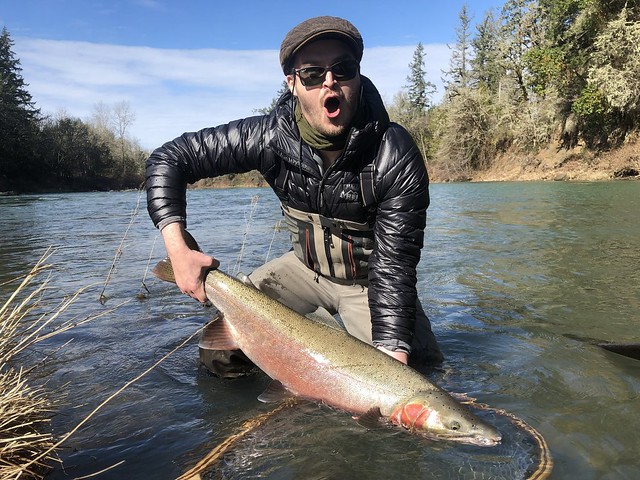
IMG_0088

Cash with a beauty of a brown Rio Palena, Chile Jan. 2020

IMG_4653

Rainbow over Makarora – Cedar Lodge New Zealand Nov. 2019

Bryson…

IMG_1690

Caddis Fly Shop Online March 2020


IMG_1647

Coastal Steelhead Feb. 2020

image0

Dad stocked his farm pond in 2017 with 700 1” trout. Fast forward 2 years, Dad calls me up and says, “Son I was walking by the pond and those trout I stocked are jumping,” so I packed up my Redington Butter Stick Rod and headed out to Noti and caught a few on a small foam dry. Switched to a small bead head prince and caught them on every cast. Wish I knew what strain they are because the markings are very unique and beautiful. Memorable afternoon spent with my pops.

Hayden…

IMG_4908

White Fish

IMG_4905

Redside Beauty

IMG_4907

Lightning Creek, ID 2020

IMG_4904

Release

Lou…

IMG_8018

If you didn’t get out there…the sea run season last year was epic! The fly of choice, as always, the Borden Special.

IMG_8483 (1)

The largest fish to date on my favorite section of the Willamette: Marshall Island to Harrisburg. Caught while Euro Nymphing from my boat.

IMG_7919

Toughest place to pay attention while fishing…too many darn things of beauty either flying or just showing up on the horizon. Love Crane Prairie!

58127724195__DFCE2BCB-E298-4D6C-B924-276E2EFD9DF0

The Beast on the Deschutes launching pad for a multi day trip. The rumors of the river level rising when the Beast entered the water are completely false.

DSCF1407

June 2019 Deschutes,after the hatch…nobody around and plenty of “toads” to be caught!

IMG_7767

Got to fish Lost Lake up on Mt Hood….breath taking during sunset and had a great evening fishing.

Peter…

IMG_2217

Salmon off Vancouver Island

IMG_4168

Cedar Lodge, New Zealand

IMG_2993

Cedar Lodge, New Zealand

IMG_3841

Umpqua Salmon

Greg…

205B810E-37AD-4FFB-874B-B106338F42F5

Rick with his first trout on a fly rod and binoculars always ready to go (Oh Birders).  Nov. 2019

IMG_0898

Productive use of isolation time

IMG_1233

Evan taking me salmon fishing.  Summer 2019

IMG_0647

Dreaming of High Alpine Lakes

IMG_0502

Music by Michael-Grand Ronde River

OLYMPUS DIGITAL CAMERA

Grand Ronde River

Jay…

Pacific City, August 2019. The Deer is going to start chewing on those Simms waders!

The Nicholas’ cabin in Pacific City, August 2019. The Deer is going to start chewing on those Simms waders!

View though Jay's Windshield at the Boat Hole on the Nestucca, June 2019.

View though Jay’s Windshield at the Boat Hole on the Nestucca, June 2019. The salmon will be on their way soon.

Jay's self portrait, October 2019.

Jay’s self portrait, October 2019.

Be Good,
Caddis Fly Shop Staff

IMG_1687

Double Rainbow over Eugene March 2020

stay-home-save-lives-4983843_960_720

Information:
CDC (Centers for Disease Control)
Oregon Health Authority
Lane County Public Health

Posted in Fishing Porn | Tagged , , , , , | Leave a comment

Bob Popovic’s Jiggy Head Fly Tying Video

In this video, Jay Nicholas ties a baitfish pattern using Bob Popovic’s Tungsten Jiggy Heads.

Jiggy Heads add weight to get deep, eyes to look real, and you could use them for albacore flies, steelhead flies, salmon flies, just about anything when weight is needed including trout streamers.

Designed to swing or dead drift, get Jiggy with them in assorted colors and sizes.

Screen Shot 2019-11-08 at 8.55.54 AM

Materials List:

Hook: Gamakatsu B10-S
Head: Bob Popovic’s Tungsten Jiggy Head
Lead Wire-optional
Thread: Mono Thread
Wing/Belly: Bucktail
Lateral Scale
Lagartun Flat Braid Lavender
Glue: Loctite or Hard as Hull

Posted in Fly Tying, Fly Tying Materials and Supplies | Leave a comment

How to capture a screen shot and make a book of fly recipes (and more)

How often have you seen something on your computer and thought

“Gosh it would be nice to have this photo, or recipe, or story  or sketch or …….. in printed form.”

Maybe like this …….Steelhead Tube fly?


how to capture a screen shot IMG_3280


Or this page from a book?

SS Jay NIcholas Chinooik flies 3-24-20

Or this perfect clouser?

Screen Shot 2020-04-04 at 10.03.25 AM


Or this sketch?

Screen Shot 2020-04-04 at 10.05.55 AM

Wouldn’t images like these be a nice addition to the reference books you keep near your fly bench for reference?

Sure they would.

Well, here you go. With us shut in and even after we’re free to fish again, this just might come in handy, and I hope this helps.

Now you can make your own notebook to lay beside you at your fly bench.

My very best to everyone in these surreal, times.

Jay

Instructions for making and printing screenshots are below – you can also consult the Googletronic to obtain more detailed information. ___________________________________

Screen Shot NOTE.  If you know how to capture a screen shot of this image on your computer, you will be able to save the image, and then print it out at home. Of course, a color print will be nicer, but black and white will suffice too. By doing this you will be able to keep your own book of fly recipes, keep them handy at your fly bench, and have a reference source when you tie these or your own version of these flies in the future.

Printing as fit to page or print entire image, you will end up with a series of printed pages to put in a three-ring binder or a folder to lay on your fly bench as reference.

On a Mac

Press Shift, Command and 4 (the number)

A cross hairs will appear, and you move it with your mouse.

Keep the mouse engaged (left side depressed) until you have outlined the image you want to save. In this case, you will create a box just slightly bigger than the page image.

Then release the mouse, and you will see the image on your computer, named Screen Shot)

All of your screen shot images may be saved onto your desktop (mine are) or downloads, or somewhere else. You will be able to re name the image, open it in preview, email it, or print it.

In Windows

To Take a Screenshot of Only One Window

Click on the title bar of the window that you want to capture. Press “Alt + PrtScn”. A screenshot of your currently active window will be copied to the clipboard, just as in the last section. Paste it into your favorite image editor or document editor.

____________________________________


Posted in Fly Fishing Glossary, Fly Tying, Fly Tying Materials and Supplies | Leave a comment

The Dean River for $100 – Native Fish Society Raffle

bWFpbi9pbWcvcGFnZXMvaG9kc29uLTE5d2ViLmpwZw==

Steelheaders, forget your bucket list, this is a shot at the Holy Grail!

Thanks to the remarkable generosity of one Native Fish Lifetime Member, we are raffling off a seven-day adventure for one angler to Hodson’s Dean River Lodge during dry-fly prime time: August 6th – August 13th, 2020. That’s right, this is your only shot at fishing the hallowed waters of the Dean River and supporting wild steelhead conservation across the Pacific Northwest for just $100.

The link to by tickets is here: DEAN FOR $100

Starting today we’re raffling off 250 tickets, each for $100 – with no limit on the number of tickets per person. All ticket sales are first-come, first-served, and when we run out, we’ll pull the lucky winner. Proceeds support Native Fish Society’s work cultivating a groundswell of public support to reviving abundant wild fish across the Pacific Northwest.

Our lucky winner will spend the first three, not-soon-to-be-forgotten days, skating up some of the most powerful and aggressive wild summer steelhead in the world. This is water that fishing travel guru Ken Morrish wrote, “In all fairness, the water surrounding the upper camp may be some of the finest trophy steelhead dry fly water in the world.” Then it gets even better. You’ll chopper downriver and spend the next three days fishing at the lower main Hodson’s lodge, just seven short miles from the salt, above the famous Dean River falls. Be prepared to see your backing on a daily, if not hourly basis.

This once in a lifetime trip includes all meals, guided fishing from Dean River jet boats, a privately chartered flight from Vancouver, B.C. to Bella Coola B.C., and a spectacular helicopter ride over hanging glaciers and snow-capped peaks into the upper Dean River. To cap it all off, Danny Hodson, the Hodson Family, and their guide staff are pioneers of the Dean River fishery. You’ll be spending a whole week fishing some of the most storied water in fly fishing, with some of the most knowledgeable folks in the business.

LINK TO BUY YOUR TICKETS IS HERE: DEAN for $100

Don’t miss your shot at the holy grail of steelhead fly fishing. Get your Dean for $100 tickets while they last!

*Does not include travel to Vancouver B.C., licenses, or gratuity

Raffle tickets on sale: February 24 – April 14, 2020
Drawing: April 15th, 2020, 3pm

Posted in Oregon Conservation News | Leave a comment

Spring Fishing Report April 1, 2020

Resized_20200304_132501

Fishing on the McKenzie and Willamette has been very good the past three weeks. Both the lower and upper sections of both rivers have been fishing well, and with low water levels and some warmer days, dry fly fishing during the March Brown hatches has been very good. Earlier this month, MB hatches were only showing up on hot, sunny days, and the water was still too cold and the wind too strong for fish to be taking adults on the surface. On those challenging dry fly days, nymphs and emergers have been a sure bet until the hottest parts of the day. During the peak of the day, sometime between 1-4pm, using cripple patterns or smaller (size 14 or 16) purple haze and other attractors was very effective when you don’t see fish rising to MB naturals. As we are getting to the end of the MB season, cloudier days have been fishing better, and the hatches have been very impressive with the fish matching the intensity of the bugs with eager surface activity. My favorite MB dry is the Western March Brown; pairing that with a cripple, a sparkle dun, or a MB soft hackle pattern is a surefire recipe for success this time of year!

Resized_20200304_120703(1)

Resized_20200304_121244

While I’ve had a little success on the upper river, the lower section of the rivers have had better hatches, and more willing fish eating on the surface thanks to warmer water temps. Nymphing the upper rivers has still been tons of fun, and there have been fewer anglers to fight with up there as well. Standard springtime patterns have been working well. Mega Prince, Possie Bugger, heavier and larger 20-incher stoneflies on the bottom to get the rig down have been great. Rigging a dropper nymph is great if you can cast it — size 12 pheasant tail jigs, size 16 olive baetis nymphs, size 16 red copper johns, and size 8-12 attractor patterns like lucent jigs and frenchies have all been productive the past couple weeks. Targeting deeper, slower, pools, drop-offs, and shelves will be most productive as water temps are still quite cold.

Resized_20200330_115607

Resized_20200330_115616

The recent developments of the Coronavirus have made for strict social-distancing measures in our state. As you might have heard, the Lower Deschutes is closed to boating, which has stirred some anglers up quite a bit, with some worried about prolonged closures up to the point of the river’s famous salmonfly hatch. I drove up the McKenzie from Armitage to Blue River yesterday, and didn’t see any ramp closures. State parks are closed across Oregon, however, so popular spots on the Willamette no longer are accessible to boaters. Stay-at-home measures mandated by Governor Kate Brown make leaving the house a bit of a guilty pleasure, but keeping a best-practice for social distancing is the key to success. It may happen that Lane County decides to close down parks if things continue as they have, in which case, access to some popular ramps might be limited. I would get out and enjoy our local waters during the spring, when they fish as well as any other waters in the state.

IMG_0733

IMG_0736

This report was brought to you by Alex Worth, tennis professional and avid angler.

An additional notes; I saw yesterday was that USFS access had been shut down as well so be sure to check with local offices to confirm open areas and accesses.

Local rivers have risen with recent rains (dropping back down today) but all of the tactics and fly patterns Alex described will hold throughout April given reasonable water conditions.

Posted in Fishing Reports, Lower Willamette, McKenzie River, Middle Fork Willamette River fishing | 2 Comments

Olive Seeker Jigged Nymph Fly Tying Video

This is the olive-hued jigged nymph in the three-pattern series.  Frankly, the olive hue to be in the eye  of the beholder, but trust that you can adjust the body and bead colors to achieve the colors that suit you and the trout. Taking the time to craft a dozen of each of these nymphs will help stock your boxes with a range of patterns that are sure to be attractive to trout in some of the waters, seasons, and times of day you fish.

The mottled tungsten beads offer something different when you are fishing pressured water and the trout are seeing a lot of shiny bead heads floating past.

Best wishes and good luck on the water. JN

Screen Shot 2019-12-08 at 8.45.16 AM

Materials:

Hook: Gamakatsu J20B Size #16
Thread: Danville Flymaster 6/0 Red
Bead: Mottled Tactical Tungsten Slotted Beads Olive 1/8″
Lead Free Wire – .015
Tail: Coque De Leon
Rib: Ultra Wire Copper Brassie
Body: Whitlock’s SLF Scud Shrimp Olive
Collar: Ice Dub UV Fl. Pink

Posted in Fly Tying, Fly Tying Materials and Supplies | Leave a comment

Got Time on your hands? A Simple Solution to organize and File Fly Samples

Best most practical method for storing fly samples.
As a fly tyer and fly fisher, I have accumulated a fair number of fly samples. These range from giant beasties to very little midge no-see-ems and many have been helpful when I have wanted to go back and remember what flies I was fishing five or ten or twenty or thirty ears ago.

Sadly, I do not have any of the flies I tied and fished, forty, and fifty years ago, because there was a time-out in my fly tying and fishing career. Oh well.

Here’s how simple it can be to keep a collection of your fly samples for future reference.


IMG_3766

First, I purchase a few hundred paper CD cases, the type that have a clear window. The clear window is crucial to be able to see the fly or flies.

From this point on, you have two options.
1. You can cut card stock to insert into the CD case. On this card stock, you might store the fly in a small plastic bag, available in Pharmacies for carrying medication. This little bag can now be taped to the card stock in the center of the area open to the transparent cellophane window. You can also add notes about the fly’s originator, where and when it was fished and so forth.;
2. on the other hand, and this is whatI do when I am pressed for time, which is most of the time, is to throw the fly or flies into the CD envelope, make a few notes on the outside of the envelope, and call it good enough.

After stuffing many hundreds or only a few dozen flies you want to save, you can proceed to throw them in a drawer, stuff them in a cardboard box, or – as I do – file them neatly in a Stackable CD Storage Case.

IMG_3776

Photo Caption. This CD case is stackable and the side drops down for ease in loading, finding flies, and retrieving samples. These case are sturdy and well-built, well worth thee nearly 30 buck price.

The Photo above shows how the low side will fold down to ease access to the envelopes. The lower photo shows how these storage cases stack nicely.

IMG_3778

IMG_3781

The photo above is a cardboard box specifically designed to hold paper CD storage envelopes. These are nice because they have a lid to keep dust out, they stack quite well, but they do not hole nearly as many envelopes as the longer (but more expensive) boxes do.

After showing these images of alternate ways to organize your paper CD envelopes preserving your fly collection, I will show examples of several flies in the pile of fly trivia. 

IMG_3773Yes. Barrett Christensen gave me these flies when we fished side by side on the Sixes in 2004.

IMG_3771

This is the fly that ‘Bob Borden hooked – and lost – a chinook on while fishing the Elk River Estuary standing right beside me in november 2011. No bull.

IMG_3769

This here glorious hand full of flies was given me by my dear friend Stan Davis when I was writing Oregon Chinook Flies in 2015. Some of the finest most original patterns ever.

IMG_3774

Now this is a rare one. Al Brunell, dear friend and retired OSP trooper, tied this fly in 2005, not long before he passed. This is a beautiful purple Comet, in a style I’ve NEVER seen. Tungsten glue-on eyes. Trey Combs #2 Blue Water Hook.Dyed Pheasant Tippett  for the short cocked-up tail.  We all miss Al.

IMG_3772

This here gem of a fly is a comet tied by Don Bergstrom – fished at Clay Banks . Don gave me this fly 2003 while we sat on the gravel bar at about 11 AM below Cannery Riffle on the Rogue River. Don’s advice to me regarding fly fishing for chinook was the most instrumental and probably tipped the sales — allowing me to catch my very first fly -rod king salmon one day after we met.

IMG_3782

Coho Poppers I tied to fish in Tillamook Bay.  These samples have coho teeth scars.

IMG_3783

These are Jad Donaldson Albacore Flies. These flies are difficult to engineer, but they do work, oh yes they do.

I hope this post gives you some ideas and motivation to develop your own way of saving precious fragments of fly fishing and fly tying history.

Meanwhile, blog readers and friends, let’s stay smart, healthy,  and sassy.

Covid-19 is changing our world, and it’s up to each of us to conduct ourselves in ways that build a better future for out community, and. that includes the community of anglers.

Jay Nicholas, 28 March 2020

Posted in Fly Tying, Fly Tying Materials and Supplies | Leave a comment