Next Trout Unlimited Meeting July 11th

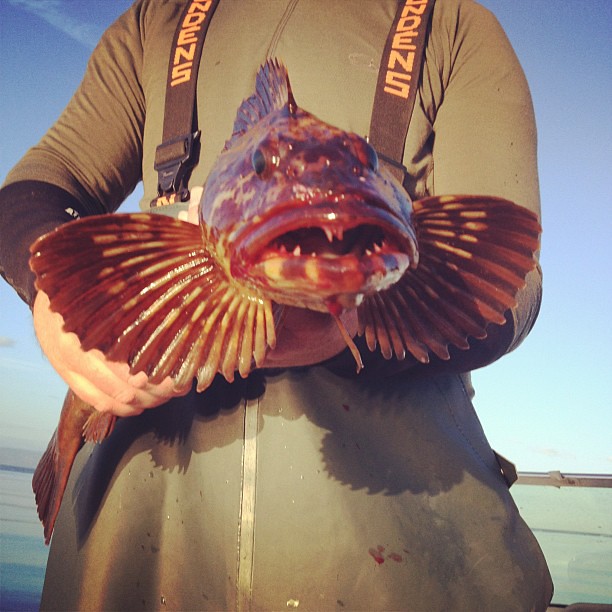
McKenzie River Cutthroat Trout

At our next meeting we’re dispensing with the usual speaker routine.
Instead, we’re going to sponsor a gear/fly swap, followed by a
roundtable discussion about sponsoring a local watershed. Here’s a small
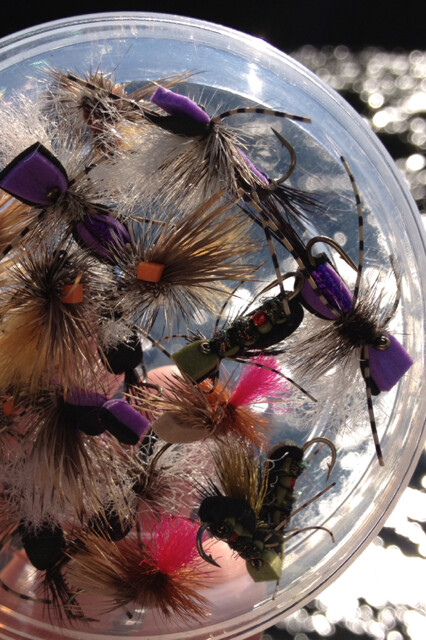
selection of the kinds of things you can get/give at the swap:

Flies of any kind
Flyboxes
Waders/boots
Spey/switch rods
reels
lines
leaders/sink tips
fly tying materials

Basically, bring anything you don’t use or want and turn it into
something else. All swaps will be by mutual agreement of the the owners.
Of course this is also an opportunity to hobnob, share a beer, and swap
stories. Following the swap, we’ll have a 30-minute discussion about
adopting one of our local watersheds. Based on our discussion, we’ll
allocate time and resources to restoring/enhancing the stream we choose.

What: TU 678 Gear/Fly Swap
Where: Vets Club, 1626 Willamette in Eugene
When: Wednesday, 7/11
What to bring: You, a friend, and some gear or flies to swap.

Even if you don’t want or have gear to swap, come and share a beer and
participate in our roundtable.

See you on Wednesday,

TU 678

Posted in Oregon Fly Fishing Clubs and Events | 1 Comment

Steelhead on the 4th of July

willamette river steelhead

The head coach of the Utah Women’s Basketball Team, Anthony Levrets, was in my boat last year on July 5th chasing Steelhead. Both he and his wife Sarah grew up in Oregon, have family in the area, and visit our “Steelhead State” often (sometimes on team business – ha). Both love the outdoors and both love to fish – so much so that they met me at the boat launch at first light (5:30 a.m. to be exact).

As we approached the first productive steelhead pool, Anthony threw out a very early exploratory cast as I was still giving the requisite disclaimers that guides give to manage expectations…. “these are fussy fish, steelhead are unpredictable and we might not get a bump at all today so enjoy the river, enjoy the scenery, enjoy the day – if we are fortunate enough to get a steelhead “on” there is about a 50 / 50 chance that we’ll put that fish in the ….&%$#@”
fish on!!!! Continue reading

Posted in Fishing Reports, Summer Steelhead | 3 Comments

Last Minute Alaska Trip Anyone?

Ak_Float_1-1

Our friend Jon Covich just sent along this note about a 2 for 1 deal on the Kanektok River in Alaska. It’s short notice but just in case someone can get away we wanted to pass it along.

FlyWater Travel just received a call from Mike Trotter, owner of Baranof Wilderness Lodge and Beyond Boundaries. BB runs trips on the Kanektok and they have 2 trips in July that have 2 openings on the July 14th and the July 22nd trips. As both trips are going he would be willing to make a deal for the remaining spots. – 2 for 1. I know it is last minute but if you know anyone it is a great opportunity. I have been on this float on the Kanektok and it is spectacular.

Trip info link: http://flywatertravel.com/destination/Kanektokriver

Posted in Fly Fishing Travel | Leave a comment

Steelhead Spawning in the Elwha

stlhd tag_2 small-thumb-608x414-33425

On the heels of yesterday’s sneak peek of DamNation comes word from the Seattle Times that steelhead have been spotted spawning in the previously inaccessible stretches of the Elwha River above the dam removal site. For the first time in over 100 years, wild steelhead are finding their way up the Elwha and reclaiming their spawning grounds. In an uphill battle to recover the Northwest’s rivers and native anadromous fish runs, this news in nothing short of inspiring.

It’s like Field of Dreams,” (said fish biologist John McMillan). As in, build it, and they will come. Or in this case, un-build it. “Not everyone gives them enough credit,” (McMIllan) said of the wild fish. “I give them a lot of credit.

Cheers, John.

Read the full story here. Thanks to Mitch Baird for the tip.

-KS

Posted in Oregon Conservation News, Oregon fly fishing links, Summer Steelhead | Leave a comment

DamNation trailer from Felt Sole Media

Exciting news from the guys and gals at Felt Sole Media. After coming up with game changing titles like Running Down the Man, Red Gold, and Eastern Rises, the Felt Sole crew has put their magical powers to work telling the tale of dam removal in the Pacific Northwest.

With the removal of the Condit and Elwha dams in the past year, perhaps no issue is more front and center for conservationists and anglers working for free rivers and healthy runs of anadromous fish. “Damnation” provides a look at how the conversation surrounding dam removal has changed in recent times, through interviews with diverse stakeholders from all sides of the issue. Felt Sole has released a preview of the film on their blog, and we couldn’t be more excited for the full release early next year.

DamNation | Trailer from FELT SOUL MEDIA on Vimeo.

-KS

Posted in Oregon Conservation News | 1 Comment

Debbie Dampens Caribbean Fly Fishing Adventure

island of cayo largo

Fifteen of us (11 anglers) traveled to the Isle of Cayo Largo this past June to fly fish for Bonefish, Tarpon and Permit. The small island south of the Cuban mainland is a 35 minute flight from Havana. Two years in the making, I had high hopes that this trip would be off the charts saltwater fly fishing.

Needless to say you can’t control the weather….. Tropical Storm Debbie cut our six day fishing portion of the trip to three days with little sunshine.

water spout develops Continue reading

Posted in Fly Fishing Travel | 2 Comments

Wagons East

In the 1994 film Wagons East, a group of misfit settlers decide they cannot live in their current situation in the west, so they hire a grizzled alcoholic wagon master (John Candy) to take them on a journey back to their hometowns. Candy died on set.

As the clock winds down on my time in Oregon, I’m starting to feel (and unfortunately look) like John Candy. I am that reluctant, grizzled alcoholic wagon master. And my caravan rolls back to Ohio on Wednesday. Hopefully I don’t die on set.

I love this place.

McKenzie River Fly Fishing

Last week, Chris and Ethan and I floated the upper section of the McKenzie River. We caught dozens of big, wild, native trout. We used dry flies the size of ping-pong balls trailing little nymphs. I landed my first McKenzie bull trout, a giant native predatory char that’s hyper-sensitive to water quality. We bounced over the upper section of one of the most beautiful rivers I’ve ever seen, and had it all to ourselves.

This ecosystem is the only place I’ve ever cared enough about to fight for. And I hope the fight to protect this watershed carries on, through the people at Trout Unlimited, the Native Fish Society, and McKenzie River Trust. I know it will carry on through Chris at the shop. And I’ll cheer-lead from the sidelines.

McKenzie River Fly Fishing

McKenzie River Fly Fishing

McKenzie River Fly Fishing

McKenzie River Fly Fishing

Arguably, I’ve been on the sidelines for the last couple years anyway. The pressure cooker of a young family, a wife pursuing a PhD, and a new job really put the brakes on my activism, and fishing.

And when I try to rationalize this move, I tell myself “Hell, with my parents helping out with Paul, and the money I’ll save living in a post-Industrial wasteland, I’ll be fishing in Oregon about as much as I do now anyway!” And while we all know that’s probably not going to happen, I can promise to try.

What I’m trying to say is that I’ll miss all of you, and this place, dearly. I wasn’t born here, but chose this place as my home.

I’m in hock to Chris for a bunch of gear — so I’ll still be writing and taking pictures about fly fishing for this blog for a long time. So don’t get all weepy. And while I’m feeling sorry for myself about the move, I will be reunited with Captain Nate. The Stansberry brothers — together again on their home turf for the first time in over ten years. Talk about a pressure cooker…. stay tuned!

And sincerely, thank you to everyone who reads this.

-MS

Posted in McKenzie River | 13 Comments

Steelhead in Town

Greg Hatten who recently ran his drift boat down the Colorado, yes that’s the one with Lava Falls and giant rafts brings us this local report. You can see more about Greg’s journey down the Colorado here.

Father & son Rick and Mike Drake were in my boat last July at first light one morning with the intent of hooking up with a Steelhead on the fly on the “Town Run”. We fished hard and it was worth it – son Mike hooked, fought, and landed a nice fresh Steelhead hen just a few minutes before noon with the sun beating down from high in sky.

fly fishing for steelhead on the willamette river near eugene oregon

Tuesday this week, the father-son team hit the river again in search of a bright silver early-season fish. An “above average” Steelhead count was “countered” by “above average” river levels on both the Willamette and the McKenzie. Steelhead on a fly would be challenging – we started early in the day.

After an exhausting morning fighting the fast river flow, we had nothing to show for it – not even a curious trout with delusions of grandeur. At about 11 o’clock, Rick caught three trout on successive casts with a fly designed for bigger fish. At just before noon he made a cast and swung the fly close to river structure (next week, when the river drops a foot, this place will be too shallow fish and a week after that, too shallow to float). On this day however, it was the perfect cast to the perfect spot. Just as the fly was reaching the bottom of the swing it got “hammered” by an aggressive buck that was fresh from the Pacific and ready for a fight.

We got it all – a quick jump and a roll, several runs at the boat to make us think we’d lost it and then a couple of reel spinning sprints downstream that made us hold our breaths and hope the knots in our leader would hold.

willamette river summer steelhead

Rich landed the fish just before “noon” about 12 months after his son landed his just a few miles down river. We fished both rivers til dark and got a few more grabs but no “sticks”. It’s gonna be a great year for Steelhead on both the Willamette and the McKenzie.

GH

Posted in Fishing Reports, Lower Willamette, McKenzie River, Middle Fork Willamette River fishing, Summer Steelhead | Leave a comment

Local Steelheading Heating Up

favorite steelhead flies for the willamette

The Willamette and McKenzie Rivers have both dropped into near ideal shape for swinging flies for steelhead. Fish counts over Willamette Falls are off the charts. And new Sage ONE spey rods are beginning to trickle into the shop. The only question remaining is why aren’t you out on the river?

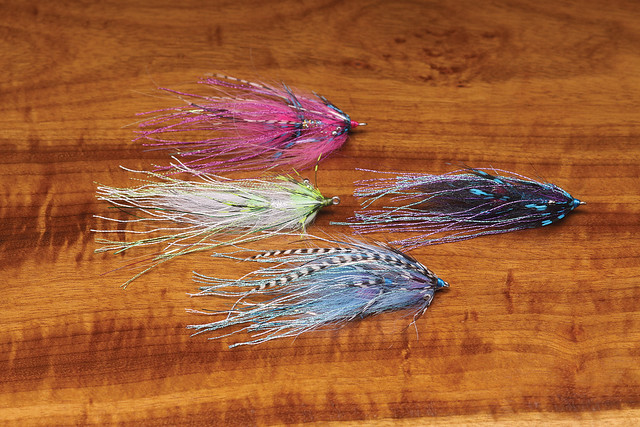
With optimal conditions and lots of fish around, swinging flies is our preferred method for finding chrome. We fish tried and true patterns, but also really enjoy giving new flies a go and have had good results with a number of innovative new creations that have come through the shop. The picture (above) shows seven of our favorite flies for chasing Steelhead on our local waters, clockwise from top left: Deuce Wigalo, Loop Leach, Hartwick’s Hoser, Green Butt Silver Hilton, MOAL Leach, Strung Out Rockstar, and Reverse Marabou Leech.

Fish these flies with a Skagit Compact shooting head, Ridge Running line, a 10′ medium MOW tip, and 4-6′ of 10 or 12lbs. Maxima. Fish brightly colored flies on bright and sunny days, fish dark colored flies on overcast and cloudy days. Fish pink and purple flies everyday.

Posted in Middle Fork Willamette River fishing, Oregon Weekend Fishing Forecast, Summer Steelhead | 1 Comment

New Skagit Master 3 DVD Arrives this Friday

skagit master 3 DVD

The newest in the five-part Skagit Master series, Skagit Master 3, will arrive in our shop THIS FRIDAY. We’ve secured a limited number of copies and they’ll be sure to go fast, so head over to our website and pre-order one today!

Skagit Master 3 features familiar names like Hannah Belford, Tom Larimer, Eric Neufeld, Jeff Hickman, Ed Hepp and of course Scott Howell, Ed Ward, and Jerry French. These steelhead junkies show you their newest and best steelhead fly patterns and provide in depth analysis of how different materials react under various water and light conditions. The Skagit Master crew puts their flies to the test in a flow tank to demonstrate just how fishy these new flies really are.

The Caddis Fly is working on a showing of Skagit Master 3, so stay tuned for details!

Posted in Fly Fishing Gear Review, Oregon Winter Steelhead Fishing, Summer Steelhead | Leave a comment

Where the Yellowstone Goes — Tix on sale now, beer and movie tomorrow

The new film, Where The Yellowstone Goes, will premiere in Eugene tomorrow — June 27 with two shows at the Bijou Art Cinema.

The Caddis Fly Shop is hosting the producers and film makers at 5:30pm on June 27th. Ninkasi is donating a keg we will have a few nibbles. We are also selling tickets to the first screening, 7pm that night at the Bijou.

Where the Yellowstone Goes follows a 30-day drift boat journey down the longest undammed river in the contiguous United States. Intimate portraits of locals in both booming cities and dusty, dwindling towns along the Yellowstone River, illustrate the history and controversies surrounding this enigmatic watershed leading to questions about its future. Connect with colorful characters, get lost in the hypnotic cast of a fly rod, and experience silhouetted moments of fireside stories on this heartfelt river adventure.

Tickets on sale at the shop or online/at the door as well.

bijou

Posted in Oregon Fly Fishing Clubs and Events | 1 Comment

Product Review: Echo King fly rod

Yes folks, the much anticipated Echo King rods are in the shop, handles neatly encased in a shimmering layer of plastique (or is it just shrink wrap?) and are ready for your next trip to the Kanektok, Norway, South America, or the Russian far-east.

These Echo King rods are 13′ two-handers designed to cast HEAVY Skagit head lines, but they also cast integrated shooting head lines overhead and have been very popular with east coast striper fishers casting from beaches and rocky outcroppings.

Two rods are offered in the King series, both at 13′ – 9 and 10 wts. The 9 wt. has a 630 – 720 gr. wt window and the 10 wt has a whopping 720 – 810 gr. line window. These are serious heavy duty lines intended to cut through wind, chuck long heavy tips, and swim big heavy flies deep – or in the case of our striper brothers and sisters – to reach waaaaaay into the blue and entice hog stripers to munch our flies.

Why Thirteen footers? This King Spey rod is a product of the ebb and flow of opinion, experience, and preference that is gradually evolving throughout the two hand fly fishing community: the long rods versus the short rods.  Both ends of the rod-length spectrum offer advantages under different conditions.   Tim Rajeff’s decision to go with a mid-range length of 13′ is based on his personal judgment and years of working with fly anglers that have ranged from the most experienced to the complete first-timer.  The Echo King’s modest length – combined with what Tim describes as a medium fast action – represents a configuration that will allow an angler to handle the heaviest Skagit heads and sink tips (or shooting head type lines) with the least fatigue- providing great flexibility to fish anywhere from open Tundra, beach, and tree/shrub lined rivers.

Cosmetics. These are very well appointed rods.  That isn’t the language that folks typically use when beginning to describe fly rod components, but hey, it fits.  The King rod shafts are a gloss jet black, thread wraps are deep red with metallic red tipping.  The reel seat, like all the components, is top-grade metal, and will accommodate any reel you may choose to line-up for the day’s adventure.

Handle.  We appreciate the cork handle on the Echo King.  The high density cork is shaped with a curvature that allows intuitive hand positioning, and the natural cork handle’s durability is enhanced with cork composite tips on both upper and lower grips.

Rod action. As noted, these are medium-fast, two-hand rods.  For the Spey fisher casting Skagit heads, this means the rod will provide the flex through the butt that will allow the Spey caster to feel the rod load.  For the overhead caster seeking stripers beyond the surf line, this means that you will be able to feel that integrated shooting head straighten out behind you, and then power your cast forward through the wind and salt spray.

Fish Fighting. The action of the Echo King offers an ideal combination of butt strength (lifting power), whole-rod flex, and tip sensitivity that make the process of interacting with a finned beastie a real pleasure.

Echo King Warranty. Like all Echo fly rods, the King offers a lifetime warranty.  In our experience, Echo’s warranty service is unsurpassed in the fly fishing industry.

Likelihood of needing warranty service? Our return rate on Echo fly rods is extremely low.  Tim Rajeff has a talent for designing rods that cast extremely well and that are among the most durable on the market.  His quality control inspections on rods are rigorous.  The result is that the King, like all the Echo fly rods, are meritorious of your trust.  Head out anywhere in the world, Alaska, Norway, Russia,  BC, and Cape Cod – and count on your Echo King to perform under the toughest conditions.  Just don’t stuff it into the Jet Pump Impeller, OK?

Outfit an Echo King rod with a precision fly reel like the Hatch Finatic 11 or the Bauer Mackenzie Xtreme, and line it with one of the Airflo or Rio balanced fly lines, and you are ready to tackle big fish just about anywhere. Tarpon? Honestly, this is an area where you could be a true pioneer, so if you are up to a challenge like this, give it a go.

CD & JN

Posted in Fly Fishing Gear Review | 3 Comments

Oregon Coastal lakes trout fishing


The cool weather we have had this spring has extended the usual season for coastal lakes trout fishing well into June, and it will probably be productive clear through July before warm weather and water send the trout into deeper, cooler water.

Most of the trout in many of Oregon’s coastal lakes are hatchery rainbow, but some lakes (examples include Tenmile Lake, Tahkenitch Lake, Siltcoos Lake, Devils Lake, and Munsel Lake) also contain native cutthroat trout.

Hatchery rainbow are typically stocked by the Oregon Department of Fish and Wildlife in the March through June window, but some trout may be stocked again in the fall when water temperatures cool.

Stocking schedules. Anyone can check on the locations, fish size, and dates where hatchery trout will be stocked in Oregon coastal lakes by looking on the ODFW website
here.

Fish Size. Hatchery trout stocked in coastal lakes are usually in the 8” – 11” range, with a few exceptions. Sometimes jumbo size broodstock rainbow or surplus steelhead will be stocked, and these can range up into the 20” – 30” size.

Best Fishing Methods. This is a fly fishing
oriented blog. Folks fish for these trout with all sorts of gear, spinners, baits and what not. Our experience has been that fly fishing usually out-produces other gear in a ten fold ratio. Be prepared to fish olive and black woolly buggers, lake leeches, chironomids. Traditional flies like dark Cahill and Bucktail Caddis. Spruce flies often work well too.

Getting started. The Caddis Fly Shop offers some complete fly fishing combo outfits and can custom create an outfit for your preferred price range. One example is shown here.

Fly action. Sometimes these fish respond best to a very steady retrieve, sometimes to a jerky retrieve, and sometimes to a dead still presentation under a strike indicator. Experiment and see what is working best on a given day.

Retrieve fishing. When searching for trout, a nice gentle cruise around a lake with a fly dragging behind boat or float tube is a good approach. The best sign that you have found fish is to spot trout rising in the process of surface or sub-surface feeding.

Strike indicator fishing. One extremely effective means of luring hatchery trout to the fly is with a very small thingmabobber – nymph combo. Depending on the lake, time of day, and insect activity, fish could be cruising anywhere from about 3’ to as deep as 10 or 12’ deep. A little experimenting might be necessary to find the right depth. Cooler water usually means fishing nymphs shallower, and warmer water may send the fish deep. In addition to the flies mentioned above, a gold Ribbed Hare’s ear nymph in black, natural, or olive – sizes 12-16 can be monstrously effective once you find the fish and the proper depth.

Dry fly action. Any time of day can find trout rising to dry flies. Light Cahills, Renegades, and Adams are all very general, impressionist style flies that work well. The size can matter more than the fly, though, and be prepared to fish #16s or #18s at times.  If the trout won’t take a sitting still fly, give it a twitch or two and see if that triggers a strike.

Fly lines. Floating lines are usually just fine for a variety of conditions, but short sink tips and intermediate lines could add to the effectiveness of one’s presentations on some days, especially in warmer water.

Float tubes and boats? Bank or dock access can be very limited, so this is especially suited to fly fishing from float tubes, rafts, or boats. This is a place to take kids fishing too – a nice laid-back seeing to learn fly fishing basics, tackle, tactics, casting and psychology. Wildlife viewing is a nice distraction from fishing too. The fishing action can range from very slim to blistering “hot”.

Remember – fishing fun takes many forms, and Oregon’s strikingly beautiful coastal lakes offer some exceptional opportunities to fly fish for hatchery and wild trout. These lakes are relatively close to “civilization”, but give the impression that you are fishing far-off in the outback. This can be a very nice day trip or a several day camping trip because these lakes are often located near campgrounds or perhaps the campgrounds are located near the lakes. You get the point, it can be a nice weekend or week-long outing in the spring and early summer for the lake fishing angler.

Posted in Fishing Reports | Leave a comment

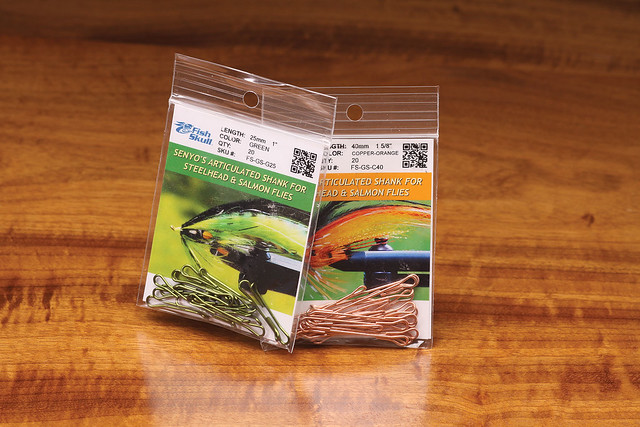
Review: Favorite Tube Fly Hooks


I suppose that this post should note that my Tube hook favorites have evolved over the years, and next year or next week could possibly find me smitten by the bliss of having just discovered some new favorite hook.  But for now, these are my best-of-the-best Tube fly  hooks.

Why straight eye hooks? All of the hooks I suggest for Tube Flies are essentially straight-eye hooks because they fit nicely into the junction tube (Protube calls these Hook Guides).  The slight exception is the Daiichi Boss Fly Hook, and the eye on this hook is so close to straight that it functions perfectly for the tubes.  Tubes with hooks that hang loose behind the Tube may use an up-eye Octopus hook like the Gamakatsu, secured with a double Surgeons or Uni Loop knot.  But this review is focused on straight-eye hooks that are inserted into a hook keeper. I am not familiar with anyone using down-eye hooks for tube flies.

Hook size comparison. Do not for an instant think that the size any of these hook sizes can be compared easily. There may be some science involved in hook sizing between and among hook styles, but holding these hooks in your hand leads one to doubt this proposition.  Five different size #2 hooks can look like they are from different hook designers, and I wonder if they were all falling-down-drunk when they decided how to size these hooks.  The best way to select a size of your own liking is to use this review as a general guide, but then trust your own eye and judgment for application to your flies.

Gamakatsu C14S – Glo Bug Hook. This is a sleeper hook for Tubes.  Sticky sharp, short shank, straight eye make this hook in a #2 one of my dependable.  For smaller tubes, I will fish this hook in sizes 4-8 and it works.  Nickel Black and relatively heavy wire, this hook still penetrates easily.

Gamakatsu Big Game Hook – #2 only. This is a fantastic hook for many uses, and Tube flies are among these.  That said, I am not likely to choose this hook for a freshwater Tube, because the wire is a little heavy for my liking.  And I am deliberately noting the Size 2 here.  Personal preferences rule these choices, but I find the 1/0 in this hook has wire that is too heavy for me; and gosh I think the points are not as sharp as the #2s. I routinely use the 1/0 fishing silvers and kings in the ocean with 10 wt. rods, but I fear that the heavy wire requires a lot more pressure to seat in a fish jaw.  I would never fish a Tube using a 1/0 in this hook on a 7 wt. rod.  Even the #2 is heavier wire than, for example, the TMS 811-S or the Daiichi 2571, so it probably fishes best on 8 wt. rods to assist hook setting.   Final note on the Big Game hook:  this is a tinned (saltwater resistant) hook, and the point is beaked (curved-in).

Gamakatsu B10S Stinger. This is a black nickel, fine wire hook that is sized rather large for my tastes, so I tend to fish this excellent hook in a #4 (comparable to a lot of #2s) or a #6 (comparable to a lot of #2s).  As I mentioned, the hook sizing “party” must have been pretty wild.  This is an elegant, easy penetrating Tube hook that I also use on my Poppers.  last note on this hook, it looks rather unusual in terms of the fly hooks most of us are accustomed to, but it is a winner, so don’t let its looks scare you off.

TMC 811-S. This is my Tube hook of choice if I want to go to a 1/0, because it has finer wire than the Gamakatsu Bug Game hook and a sticky sharp point. This stainless steel hook has a straight point and also fishes very nicely in sizes smaller than 1/0, but I love the graceful curve of the Gamakatsu Big Game hook, Daiichi 2571, or Alec Jackson 1648, or Owner SSW, so I chose the latter over the former in Size 2.

Owner SSW Straight Eye Tube Hook. This is a rock solid performer for larger salmon and steelhead Tubes.  I prefer #2 for my steelhead tubes.  This hook has a black Nickel finish, a cutting-edge beaked point, relatively modest wire diameter, and low barbs that make this a hook that will penetrate with little pressure.

Alec Jackson’s 1648 Tube fly Hook.   This fine-wire nickel hook has a short shank and a slightly offset straight hollow point – it is offered in the off-scale sizes of #3, #5, and #7 that are characteristic of all Alec Jackson hooks.  This is a wonderful tube fly hook for smallish Tubes.    I fish the #3s for my King salmon tubes and the smaller sizes for steelhead and sea runs.  If you freak about the bright nickel shank, use the Daiichi 2571, but if you actually want a touch of extra sparkle, reach for this elegant Tube hook.

Daiichi 2571 – Boss Steelhead Hook. This is a wonderful Tube hook and I fish this one in sizes 2 – 6 depending on the size of my fly.  I do not know why Daiichi created this fly hook with a “slightly turned down eye”, but it is so close to a straight eye that it functions like same, and as such is perfect for tubes.  This is a black hook, and Daiichi classifies it as 2X heavy wire, but to me it seems like light wire and it penetrates very easily.  The hook point is straight, hollow point, and slightly offset.

Hope this Tube fly hook review is useful the next time you wonder which hook might be right for you. These are the Tube hooks that I am most familiar with, and I expect that there are other good options out there that I have not discovered yet, so please let me and our readers know about the Tube fly hooks that you fish and have confidence in.

JN, June 2012

Posted in Fly Fishing Gear Review, Fly Tying, Fly Tying Materials and Supplies | Leave a comment

Take action for Wild Salmon and Steelhead on the Sandy River

From the Native Fish Society: Send a message to ODFW and NMFS that you want to see the Sandy River managed for Wild Salmon and Steelhead.

Save Sandy Salmon Postcard - Front

The deadline for your comments is July 9, 2012. Send the note below by clicking on this link:

I value healthy runs of wild salmon and steelhead and urge NMFS to reject the current Draft Hatchery and Genetic Management Plans (HGMPs) for the Sandy River and require ODFW manage the Sandy based on the best available science for the recovery of its native, wild fish.

Over the past decade, dozens of organizations (including the City of Portland, PGE, Western Rivers Conservancy and The Freshwater Trust) have committed over $100 million toward Sandy River dam removal and habitat restoration for the purpose of recovering wild fish. Continuing to plant over 1 million hatchery fish in the Sandy River constitutes the single greatest threat to the recovery of its wild native fish. The ESA listing of Sandy River salmon and steelhead more than a dozen years ago led to sorting of wild and hatchery fish at the former Marmot Dam site. With the dam gone, and 50 miles of spawning habitat again available to wild fish, it is no longer feasible or desirable to trap and sort fish. Since 2007, ODFW’s continued hatchery plantings have jeopardized the tremendous public investment to recover wild fish in the Sandy Basin.

The Lower Columbia River Salmon and Steelhead Recovery Plan, which includes the Sandy, sets recovery goals that rewrite abundance levels previously labeled as “likely to become endangered” to be “recovery.” The new targets to achieve recovered status are spring Chinook: 1,230, Fall Chinook: 1,031, Late Fall Chinook: 3,561, Winter Steelhead: 1,519, Coho: 5685, Chum: 1,000. These new targets range from 29% (coho) to as low as 4.5% (spring Chinook)
of the modeled historical abundance and three times lower than ODFW’s targets in the Sandy River when Marmot Dam was removed in 2007. The signatories to the Marmot Dam agreement, including NFS, ODFW and NMFS, agreed to the dam removal on the promise of HATCHERY REFORM and recovery targets that now have been abandoned by the agencies. Wild fish in the Sandy River should not be victims of the death by a thousand cuts. Recovery goals should reflect that wild fish abundance is limited by the current condition of habitat and hatchery operations in the Sandy River Basin, not a new and indefensible claim of wild resilience in the face of conditions previously believed to produce extinction.

The spring Chinook draft HGMP allows for the continued release of 300,000 hatchery spring Chinook annually. Data collected by the Forest Service and ODFW in 2010 and 2011 very high stray rates, 78% and 61% respectively, greatly exceeding the 10% stray rate threshold set by ODFW in the Recovery Plan. Despite ODFW efforts to acclimate spring Chinook at the hatchery and in the Bull Run and the operation of weirs on the other tributaries, life history characteristics virtually guarantee that stray rates will remain high and wild fish will experience increased pre-spawn mortality due to handling and holding in traps. Despite Sandy River spring Chinook being derived from wild broodstock, a recent study on the Hood River indicates that domestication of wild broodstock occurs within a single generation. Sustained high stray rates on spring Chinook, currently at a very high risk for extinction, in the Sandy River constitutes a significant and immediate threat to the recovery of ESA listed spring Chinook. NMFS should not allow the continuation of this program under ODFW’s wait and see management.

The summer steelhead draft HGMP allows for 75,000 South Santiam stock (Skamania origin) to be released annually in the Sandy River. These fish are out-of-basin stock, and summer steelhead are not native to the Sandy River. With the removal of the artificial barrier at Marmot Dam, these fish stray into the upper spawning tributaries and reproduce naturally. The history of the Sandy, Clackamas, Molalla, and Hood Rivers make it clear that the presence of non-native hatchery summer steelhead in spawning areas harm wild winter steelhead populations. Evidence from extensive research by ODFW scientists on the Clackamas revealed that even if hatchery summer steelhead and wild winter steelhead do not spawn together, increased competition for juveniles can negatively affect the wild run. These risks are increased by the current recycling of summer steelhead, causing an additional threat that the non-native stock will stray and survive spawning. The science is clear that, if hatchery and wild steelhead cannot be separated by time and space, plantings of hatchery fish must cease to avoid impeding recovery of wild stocks.

The winter steelhead draft HGMP allows for the continued annual release of 160,000 hatchery winter steelhead in the Sandy River. Despite the hatchery winter steelhead’s wild origin, recent science indicates that these wild derived fish domesticate as soon as a single generation. Additionally, hatchery-bred fish do not have segregated run timing and thus are more likely to arrive on spawning grounds with wild fish, stray, and compete with wild steelhead for spawning gravel. Progeny of wild/hatchery salmon are less fit for survival, further degrading odds of recovery for the wild population. The current practice of recycling hatchery winter steelhead increases the threat of straying and subsequent harm to the wild winter steelhead population. Due to the high water events in the spring when winter steelhead are present spawning in the upper tributaries, the HGMPs do not explain how weirs or other artificial barriers could be used to prevent hatchery fish from harming wild fish.

The coho draft HGMP allows for the continued annual release of 500,000 hatchery coho salmon in the Sandy River. Hatchery coho are extremely voracious and will prey on other juvenile fish, including ESA listed wild steelhead and coho. The high stray rates (24%) found in tributaries downstream of the Sandy hatchery demonstrate the continued risk of operating large hatchery programs where hatchery fish stray into spawning tributaries and compete with wild fish.

The draft HGMPs do not respond to the cumulative impacts of the hatchery stocks presented in a scientifically robust fashion. While suggesting that the impacts to wild fish are minor, the draft EA does not specifically quantify this risk nor does the current monitoring and evaluation program exist to determine the entirety of risks posed to wild fish in the Sandy River. Most of the impacts of the proposed HGMPs and the supposed benefits of the mitigation and monitoring programs are “uncertain” or “unknown.”

Hatchery programs pose the single greatest impediment to wild fish recovery in the Sandy Basin. In order for the Sandy to fully realize its potential for wild recovery there must be higher escapement goals and a recovery program that allows existing wild stocks to reach their productive potential within the available habitat without hatchery or harvest impediments. Because operation of the hatchery under the HGMPs will continue to threaten the survival and recovery of wild fish in the Sandy River, we request that NMFS not approve the four HGMPs. Thank you for the opportunity to participate in the public comment process.

Posted in Oregon Conservation News | 3 Comments