Fly fishing the Bitterroot, Rock Creek

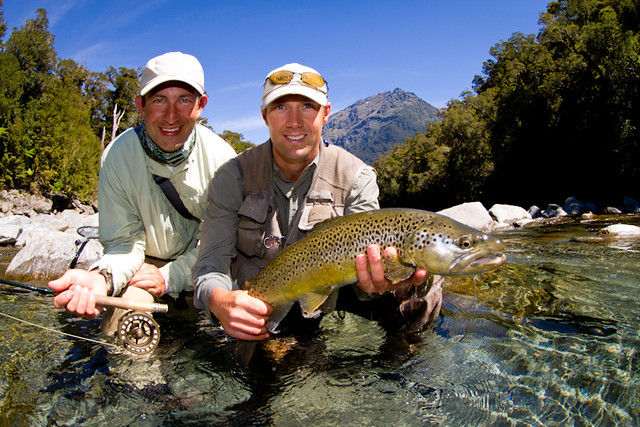
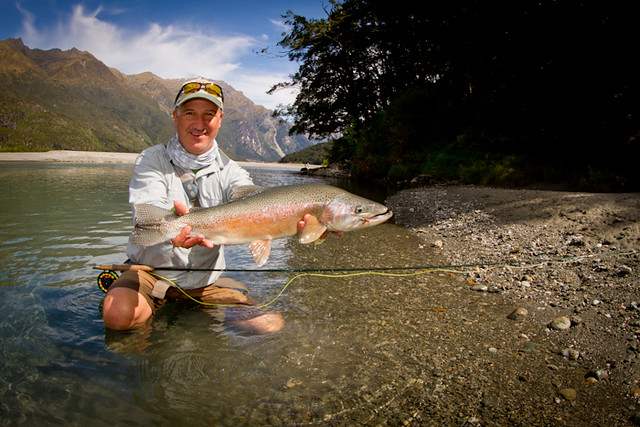
I’d never fly fished Montana. I never saw“The Movie” and I never read the book. But now, I think I’m starting to get it.

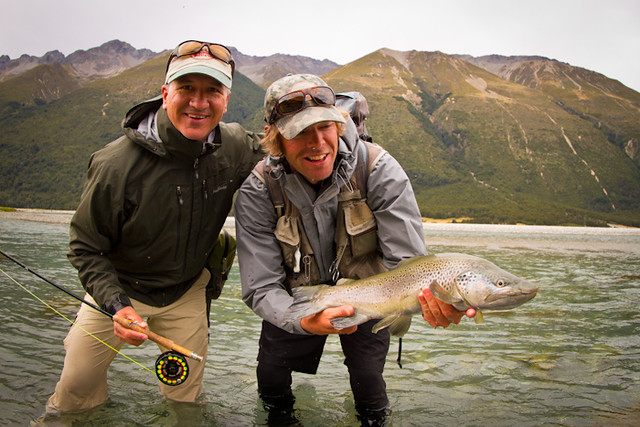
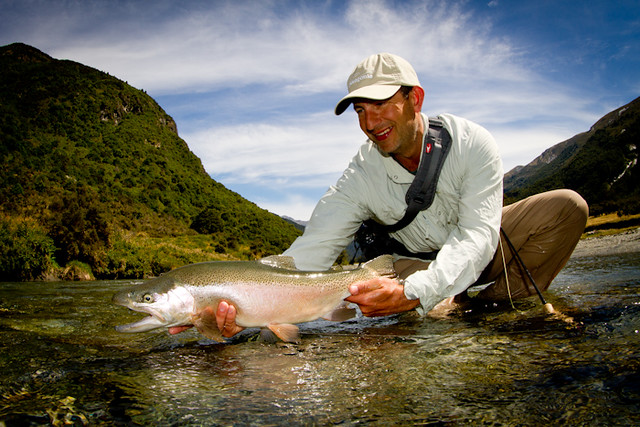
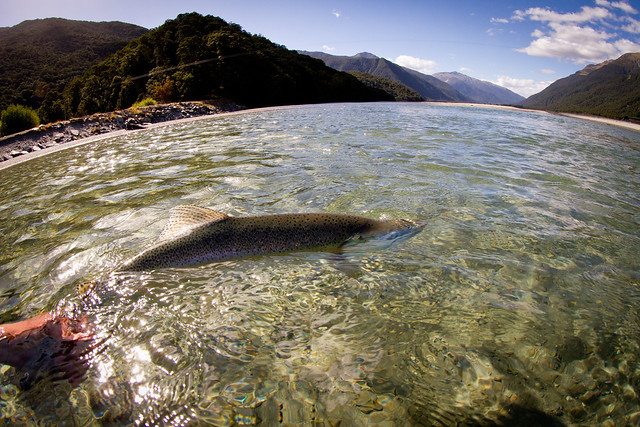
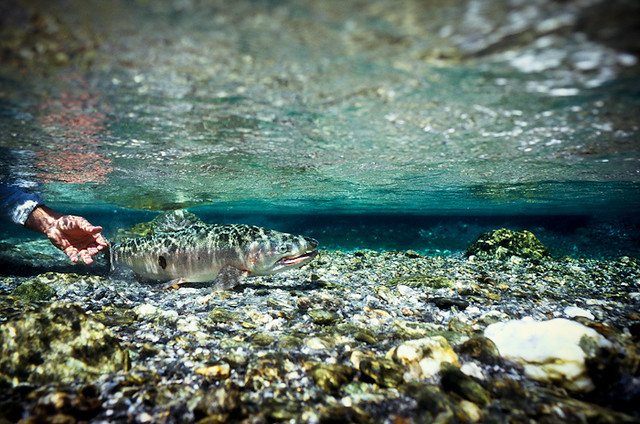
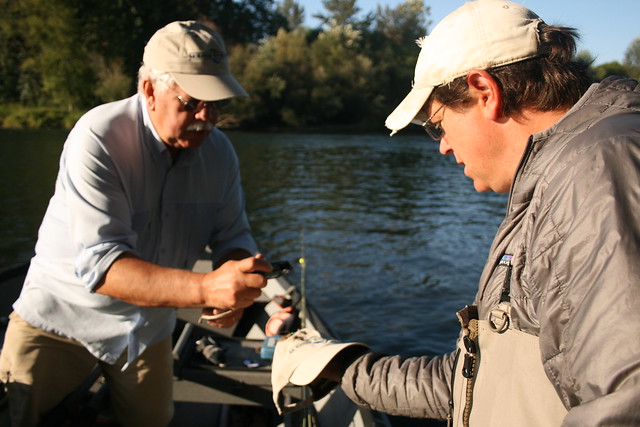
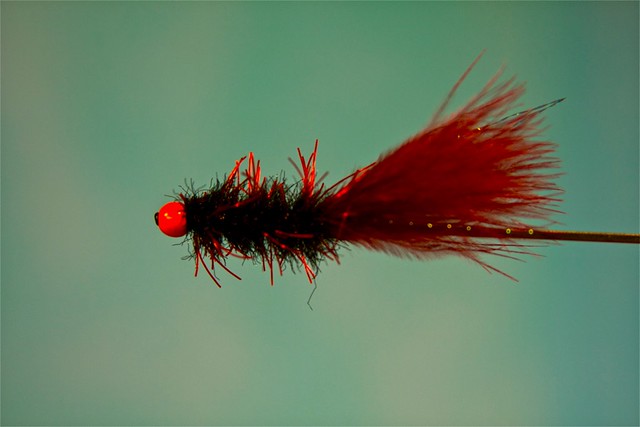
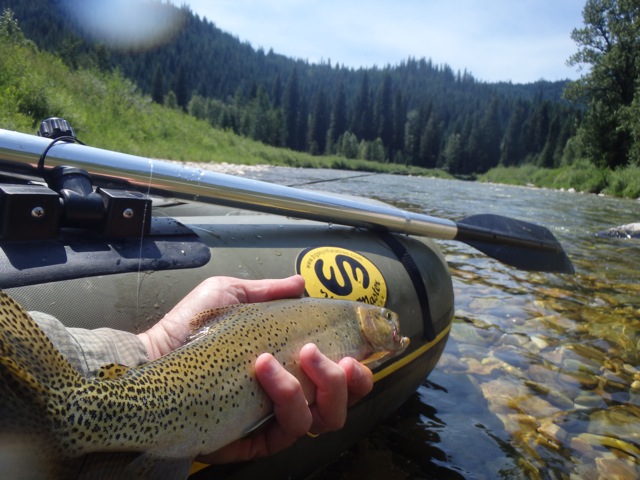
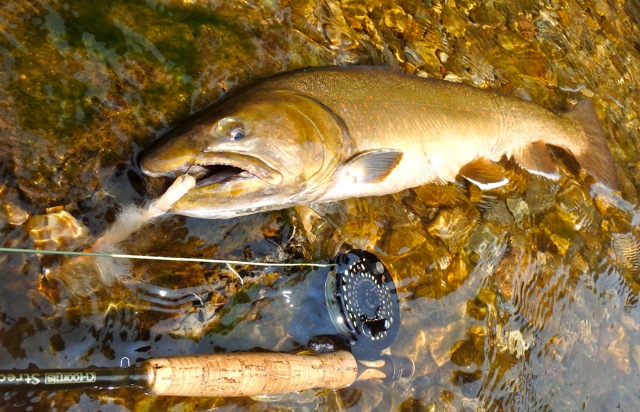
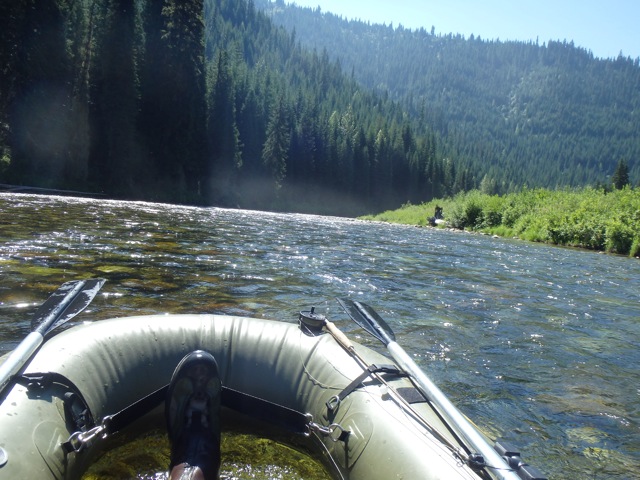
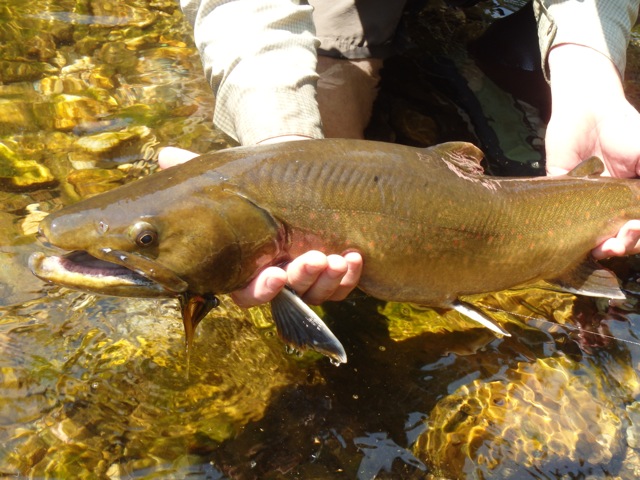
I spent three days wading and floating around Missoula, Montana with swarms of bugs hatching, and big wild trout rising to them. Green drakes, golden stones, PMDs, salmonflies, and medium size caddis came off throughout each day, in waves. And every bend in the river seemed to be boiling with fish.

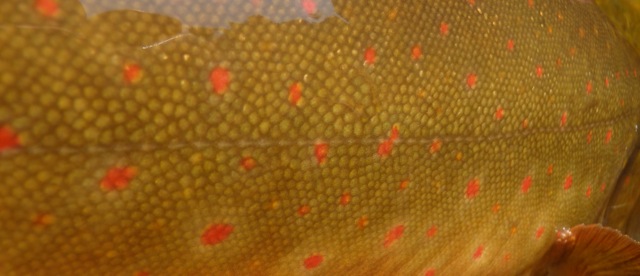
I’ve never seen anything like it. The West Slope Cutthroat trout might be my favorite new fish. Go to Montana now.

West slope cutthroat

upload

upload

upload

Bighorn

upload

Green Drake

upload

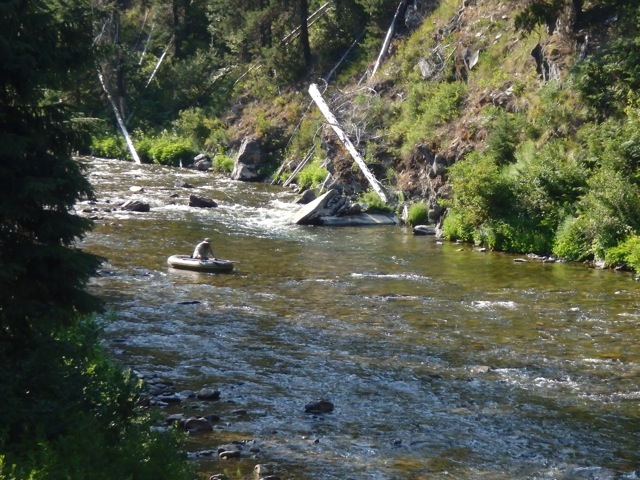
Bitterroot River Montana

-MS

Posted in Fly Fishing Travel | 2 Comments

Postcard from Missoula

Three days fishing around Missoula, Montana this week. Yesterday, we drove up the longest pothole riddled road I’ve ever been on, saw enough warning signs about grizzly bears to get paranoid, found an amazing riffle where a huge hatch was going off and hundreds of rising fish. Caught a few.

2013-06-20 17.54.46

2013-06-20 17.30.17

2013-06-20 16.15.02

2013-06-20 16.11.47

upload

Double trouble

Fishing some bigger water today, and will post and update over the weekend.
-MS

Posted in Fly Fishing Travel | 2 Comments

Wild Reverence: John Larison

New video featuring author John Larison:

River of Hope “The Wild Reverence Sessions” from North Fork Studios on Vimeo.

Posted in Oregon Conservation News | Leave a comment

Fish and wildlife running out of water in Klamath Basin

From Water Watch: Please act now to help the Klamath Basin’s National Wildlife Refuges!

Once again, water supply in the Klamath River Basin is falling short of the excessive demands agricultural development has placed on it.

Unfortunately for the Klamath’s National Wildlife Refuges and the fish and wildlife they support, the U.S. Bureau of Reclamation has now cut off water supply to the Lower Klamath National Wildlife Refuge, causing the refuge’s wetlands to shrink to fraction of the size needed to support waterfowl and fish. Refuge managers expect this refuge’s 30,000 acres of marsh and open water to go completely dry by the end of June.

Walking Wetlands at Tule Lake NWR

Meanwhile, the Reclamation’s current water management plan could allow neighboring Tule Lake National Wildlife Refuge to go completely dry, putting the survival of two species of critically endangered fish at risk.

Wildlife advocates fear a repeat of last spring’s waterfowl die-off on these refuges, sparked by a lack of water, which resulted in the deaths of over 20,000 ducks, geese, and swans confined to small wetland habitats where disease quickly spread.

Astonishingly, some 22,000 acres of land originally set aside for wildlife habitat on both of these refuges is instead routinely leased to commercial agribusiness interests, and irrigators here will get water before any of it flows to wetlands or wildlife. This is an extremely damaging policy that must change.

While too much water has been promised to too many different interests in the Klamath, resulting in a nearly perpetual water crisis in the region, the Obama administration and the Bureau of Reclamation have tools to ensure adequate water is delivered to the Lower Klamath and Tule Lake refuge wetlands. But they need to hear from Oregon’s U.S. Senators that this is a priority.

A key piece of the broader solution is also to urge Oregon’s Senator Ron Wyden to re-introduce bi-partisan legislation he originally crafted in 2002 to buy back water rights from willing sellers in the Klamath Basin and retire them.

Thankfully, Senator Wyden, chairman of the Senate Energy and Natural Resources Committee, is holding a hearing in Washington, D.C. this Thursday, June 20th, to examine the Klamath Basin’s ongoing water crisis. Jim McCarthy, WaterWatch’s Communication Director and Southern Oregon Program Manager, will be there advocating for the kinds of solutions that will bring the Klamath’s water demand back to levels that Mother Nature can actually provide.

Please help WaterWatch get the message across, and take a moment to contact Senator Wyden and Senator Merkley! Please urge them to:

-Ensure that enough water gets to the Klamath Basin National Wildlife Refuges this year to support the wetlands and wildlife they were established to protect.
-Pass legislation this year funding a basin-wide water demand reduction program similar to Sen. Wyden’s 2002 Farm Bill amendment for the Klamath.

Please write Senators Wyden and Merkley today!

Contact Information:
Senator Jeff Merkley
Web Contact Form
(202) 224-3753
313 Hart Senate Office Bldg.
Washington, D.C. 20510

Senator Ron Wyden
Web Contact Form
(202) 224-5244
221 Dirksen Senate Office Bldg.
Washington, D.C. 20510

Thank you for standing up for the Klamath Basin’s National Wildlife Refuges!

The Klamath Basin once contained over 350,000 acres of marshes, wet meadows, and shallow lakes, all threaded together by a network of rivers and streams. These extensive wetlands historically supported what may have been the largest concentration of waterfowl found anywhere in the world. A 1955 report estimated peak numbers of more than seven million waterfowl in Tule Lake and Lower Klamath National Wildlife Refuges alone.

Though approximately 80% of the basin’s wetlands have been drained to provide land for irrigated agriculture, over three quarters of the waterfowl in the Pacific Flyway still funnel through the basin each year during their spring and fall migrations. The wetlands of Lower Klamath and Tule Lake National Wildlife Refuges are especially critical resting and feeding areas for these migrating birds. Tens of thousands of white-fronted, snow, Ross’ and Canada geese, tundra swans, northern pintails, mallards, American wigeon, and other ducks can still be seen during the peak of migration.

To learn more about the challenges facing the Klamath Basin’s spectacular National Wildlife Refuges, and solutions to the crisis, click here.

Posted in Eastern Oregon, Oregon Conservation News | Leave a comment

Matching the squatch hatch

Well, it’s finally happened. We here at The Caddis Fly have decided to come clean about this whole Bigfoot thing, in a new tell-all article in the latest edition of The Flyfish Journal.

Flyfish Journal

Pick up the latest copy and get the real story on the McKenzie River Sasquatch footage, the subsequent fame and fortune, and the curse of the man-ape that still haunts all involved to this day. Plus, some of the best photography and writing in the fly fishing biz.

It’s pretty amazing to share a masthead with John Geirach, but I doubt the feeling is mutual. I shared some pizza and a few beers with him while he was fishing for Chinook with Rob on the North Coast a couple years back. He was a class act.

John, if you happen to read this…. sorry.

-MS

Posted in Oregon Bigfoot | 2 Comments

TU hires Dean Finnerty

We heard from Tom Wolf recently that Trout Unlimited hired Dean Finnerty as the new Southwest Oregon field representative for the Sportsman’s Conservation Project.

finnertys bull trout

Per Dean’s blog: I’ll be working with a wide variety of stakeholders on issues related to high quality habitat for Salmon, Steelhead, Trout, Deer, Elk and other wildlife throughout the region. I’ll be primarily focused on working with groups on the “Copper/Salmon Wilderness area” in the upper Elk River Water Shed as well as the “Elk River Salmon Enhancement Area” (ERSEA) near Port Orford, Oregon. I’ll also be working on the “O&C Lands” issues as that legislation moves forward in the coming months.

Congratulations Dean on the new challenge.
-MS

Posted in Oregon Conservation News | 2 Comments

Happy Father’s Day

OK, so what if Father’s Day is just a ploy to sell ties and was actually signed into law by Richard Nixon. Try to sit back and enjoy a day dedicated to manly pursuits and pleasures. And if you’re really lucky, you’ll spend it with your kids, your dad or both fishing.

Last week, I got to spend a week taking my son on his first dedicated fishing vacation — a short ferry trip to the Lake Erie islands — the Key West of Canada. Three generations of Stansberrys spent the week unhooking thousands of sheephead (freshwater drum), deep frying walleye, and teaching my four-year-old new vocabulary my wife won’t appreciate. Some photos:

upload

At the ferry

Sheephead eye

upload

upload

Ol' Moon Eyes

Put-in Bay

Night heron

2013-06-03 08.00.20

Enjoy the day.
-MS

Posted in Uncategorized | Leave a comment

Coastal Oregon Fishing Report, June 2013

Sunburn. Hail. Wind. did i mention wind? Lonely open waters. Brutally long days on the water. Three days, one grab. Adrenaline and exhaustion. Imagination and hope. Feathers in the dust bunnies. Hooks in all the usual places. Try to quit. Can’t quit. Want it. Need it. Hitch up the Pram and go. Again.  You meet the new Boss.  Same as the Old Boss.
Jay Nicholas, June 2013

Posted in Oregon Salmon fly fishing | 2 Comments

Fly Tying Instruction Video: Tying a Tube McKenzie Special

Jay Nicholas shows how to tie yet another locally effective trout fly on a tube – this time a McKenzie Special Caddis. This is a fly that has been fished in the Willamette Valley for many decades in one form or another, and is one that will often take the largest wild trout on the surface.

Incidentally, we think that this fly or this style of fly could be fished in BC Lakes for big Kamloops trout when giant sedges are hatching after ice-out. Think about a Carey Special tied on a tube too. Hummmm, maybe we will give that one a try soon.

Given that this is an experiment, we think that this tube caddis should float nicely, be fairly durable and catch a bundle of big trout when we catch the hatch this year. June is a great time to fish this hatch, and it usually starts in may so get ready whatever fly style you choose to fish.

Be ready to see the wonders of an October caddis tube trout fly shortly, as well as a green McKenzie caddis emerger too.

Our adventures tying tube trout flies is just beginning, and we are going to enter the bass pike and musky world shortly so hang on folks.

Fly 10

Key materials of this McKenzie Special Tube Trout fly are noted as follows:

Thread – Veevus 10/0 black
Hook – Daiichi Short Shank Straight Eye D1640 #8/10/12
Mandrel – Small Pro Sportfisher Flexi Needle
Tube – Small Classic Pro Sportfisher Tube, black or clear
Rib – red small Ultra wire
Body – Greenish Gray dubbing blend McKenzie Caddis Green
Prosportfisher Hook Guide, green, small size
Wing – Deer Hair
Head – same as body but black may be substituted
Rear Hackle – very narrow grizzly, trimmed off bottom of fly
Head Hackle – slightly wider grizzly hackle

Posted in Fly Tying, Fly Tying Materials and Supplies | 1 Comment

Trout Unlimited meeting tonight, new venue

The Mckenzie-Upper Willamette Chapter of Trout Unlimited will be hosting our monthly membership meeting Wednesday June 12, 2013 at 7:00 pm at the Bier Stein’s new location at 1591 Willamette Street. We will be recapping some the exciting results of our trout trapping study on Marten Creek, and guess what, some of these fish weren’t there for the caddis larvae folks.

We’ll be planning the next stages of that project, getting down to brass tacks on planning our annual Mckenzie Study Section clean-up/ banquet scheduled for this fall, starting to plan the high lakes trip, swapping fishing lies and perhaps, ahem, enjoying a few frosty beverages.

Bier Stein, Eugene, OR
Photo by Tom Borton

If you’ve been wanting to get involved and wanting more abundant native trout, this is a great chance to come out and meet some of the great people who volunteer with TU to conserve our wild fish and find out what they do to help make this a reality …. And a darn good reason to enjoy a cold one. Hope to see you there!

Posted in Oregon Conservation News | Leave a comment

Foam Popper Fly Tying Video

Tony Torrence ties a gurgling and popping Bass/Snook/Tarpon fly pattern. The fly requires numerous steps but is very durable and active on the surface. If you decide to use the pattern in salt water try a saltwater hook like a a S12S Gamakatsu in larger sizes. The techniques for front portion of the fly can be adapted to many of your steelhead skater style patterns.

download-1

Gurgling Snake Foam Popper

Thread: Black Veevus 8/0
Hook: Gamakatsu B10 Size 4-2/0
Weed Guard: 20lb Hard Mono
Tail: Black 2mm Foam, Purple Magnum Rabbit Strip, Hareline Purple Haze Holographic Flash
Abdomen: Black 2mm Foam
Back: Black and Purple 2mm Foam
Thorax: Black and Purple Schlappen; Purple Life Flex

Posted in Fly Tying, Fly Tying Materials and Supplies | Leave a comment

Getting back involved with Bristol Bay

From Dwayne Meadows, TU’s Bristol Bay National Outreach Director in Corvallis:

So the EPA extended the Bristol Bay Comment period till June 30th. What does this mean? It means as fishermen we still have a chance to let our voice be heard. It means if you TAKE ACTION between now and June 30th you can get a chance to win a trip for two to Crystal Creek Lodge in Bristol Bay. Yeah this place, Crystal Creek Lodge .

So why are you not Taking Action? Why are you not Telling Friends? This is just the largest intact salmon and rainbow trout fishery left on the planet. If you do not believe me watch this great video from longtime Bristol Bay guide and Lodge owner Dan Michael’s. He will tell why to protect Bristol Bay.

Posted in Oregon Conservation News | Leave a comment

Fly Tying Instruction Video: Tying a Tube Clark’s Stonefly

Jay Nicholas shows how to tie a trout fly on a tube – featuring a Clark’s Stone, originated by Lee Clark and proved effective wherever golden stoneflies are on the trout menu. This fly style is very effective fished in lakes and many rivers and is often tied on a long shank hook.

As a dry fly, it seems like this little tube should float well and be easier on the little fish we sometimes encounter when fishing the stonefly hatch on our local waters.

Jay discusses the reasons for giving this traditional fly a try on a tube as a break from our usual style. In addition to being easy on the fish, the fly should last a little longer, we hope, because it should slide up the leader and be away from the sharp fish teeth.

Tying tube flies for trout is new to us, but we are having fun experimenting. It seems like some patterns will be more effective on tubes but some other patterns should be kept to the traditional hook shanks. We guess that time will tell the story.

Fly 9

Key materials of Clark’s Stone Tube Trout fly are noted as follows:

Thread – Uni Hot Orange 6/0
Hook – Daiichi Short Shank Straight Eye D1640 #8/10
Mandrel – Small Pro Sportfisher Flexi Needle
Tube – Small Classic Pro Sportfisher Tube, black or clear
Body – Lagartun Mini Flat Braid, Gold
Prosportfisher Hook Guide, Orange, Small size
Underwing – Hareline Polypro McFlylon, gold
Underwing – Hot Orange Krystal Flash
Overwing – Deer Hair
Head – Orange Dubbing
Hackle – very narrow grizzly, trimmed off bottom of fly

Posted in Fly Tying, Fly Tying Materials and Supplies | 1 Comment

McKenzie River Fly Fishing Report

IMG_0022

Water levels have dropped back down close to Summer levels on the McKenzie River. We are likely to see them come down even further with the lack of snow pack in the Cascades. This is going to be a great year for wading anglers on the McKenzie and it’s tributaries, it’s been a few years since water levels have been this low at this time of the year.

Throughout the day yesterday Little Yellow Stones and small caddis emerged, a few larger Golden Stones were present and Pale Morning Dun mayflies hatched and quickly left the stream. There were so many small stones emerging that swallows and crows were actively feeding on them over the water and near shore. Swallows are not surprising but when you get a large crow feeding on emerging insects then you are really looking at some significant numbers of bugs.

What flies and techniques should I use given lower water and bright sunny weather you ask?

Some decent mid-day fishing is still possible. Use mid-sized dries like Half Down Golden Stone and Yellow Stimulator in size 12 and drop a smaller possie bugger, prince nymph or pheasant tail in size #14 off of the dry, a scaled down hopper dropper set up if you will. You may find fish moving into quicker water, during the day. Afternoon and evenings will be solid bets throughout the Summer (it feels like Summer now). There are still some Green McKenzie Caddis around late afternoon and evening. You will be able to count on Little Yellow Stones, Parachute Adams and small soft hackle wets as standard producers over the next few weeks.

Posted in Fishing Reports, McKenzie River | 1 Comment

Fly Tying Instruction Video: Tying a Tube lake Leech Trout Fly

Jay Nicholas shows how to tie a trout fly on a tube – featuring a simple lake leech fly. This fly style is very effective fished in lakes and many rivers and is often tied on a long shank hook.

Tied on a small classic tube by Pro Sportfisher, this style offers the option of fishing with a small short shank hook that will be easier on the fish in addition to being less prone to pulling free given the leverage of a long shank.

In addition to being easy on the fish, the fly should last a little longer, we hope, because it should slide up the leader and be away from the sharp fish teeth.

One possible feature of this fly tied on a tube is the likelihood that it will sink less than a traditional lake leech on a long shank hook. Using a slow sinking fly line and fishing over weed beds keep our flies in the trout zone instead of dragging up seaweed.

Fly 8

Key materials of Brown Lake Leech Lake Tube Trout fly are noted as follows:

Thread – Veevus 6/0 or 10/0, black
Hook – Daiichi Short Shank Straight Eye D1640 #8/10
Mandrel – Small Pro Sportfisher Flexi Needle
Tube – Small Classic Pro Sportfisher Tube, black or clear
Hareline STS Trilobal Dub
Angora Goat
Copper Ice Dub

Posted in Fly Tying, Fly Tying Materials and Supplies | Leave a comment