Columbia River at Deschutes River mouth closes to all fishing beginning Aug. 9, 2018

IMG_1814

From Oregon Department of Fish and Wildlife

Columbia River at Deschutes River mouth closes to all fishing beginning Aug. 9: Action taken to help protect upriver steelhead

Tuesday, Aug. 7, 2018

SALEM — The Columbia River around the mouth of the Deschutes River will close to all fishing, including catch-and-release, beginning at 12:01 a.m. on Thursday, Aug. 9 in order to protect summer steelhead that may be utilizing the cooler water provided by this tributary.

At their Aug. 3 meeting, the Oregon Fish and Wildlife Commission directed ODFW staff to amend fishing regulations for the Columbia River near the Deschutes and in the lower Deschutes from the mouth upstream to Moody Rapids. The direction included closing this area to all fishing until river temperatures have stabilized below 68 F. ODFW staff will continue to monitor river temperatures and run sizes throughout the fall to determine when the area can be reopened. This is unlikely to occur prior to late-September.

The closed areas will be:
All waters south of a straight line projecting from the flashing red USCG light #2 upstream to the lower South Channel Range B marker located approximately 3/4-mile upstream of the mouth of the Deschutes;

The lower Deschutes River from the mouth upstream to markers placed on the downstream end of Moody Rapids.
Concerns about the vulnerability of fish to fishing pressure in the mouths of some tributaries of the Columbia River were sparked by the historically low returns of Snake River-bound summer steelhead in 2017. At that time the states of Oregon and Washington adopted unprecedented restrictions to several fisheries to reduce mortality on these fish.
In June 2018, ODFW staff outlined for the Commission a plan to take a comprehensive look at potential thermal sanctuaries throughout the Columbia River. That review process will include a series of public meetings in the fall of 2018 followed by rulemaking in early 2019.

From The Conservation Angler

For Immediate Release

The Conservation Angler Supports Commission Action Creating Deschutes-Columbia River Cold Water Sanctuary Protecting Columbia River Salmon and Wild Steelhead

The Conservation Angler, a wild fish conservation organization, applauds the Oregon Fish and Wildlife Commission, and supports the Oregon Fish and Wildlife Department (ODFW) in implementing protective angling regulations that will provide a migratory sanctuary for wild salmon and steelhead in the Columbia River and the very lower mile of the Deschutes River.

The Deschutes River plume creates a cold water refugia for wild salmon and steelhead. The fishing closure would remain in force until the Columbia River water temperatures dropped below 68f.
“Very low numbers of several ESA-listed wild salmon and steelhead populations returning to the Columbia and Snake River are facing conditions adverse to their success in reaching their natal rivers.” Said Bill Bakke, Director of Science and Conservation for The Conservation Angler.
“While current regulations require many wild fish to be released unharmed, the lethal and sub-lethal effects of encounters in the fisheries (both indirect and direct) can and does have an impact on their fitness, survival and productivity.” Said David Moskowitz, Executive Director of The Conservation Angler.
“The very low wild summer steelhead run-size and the extreme heat and its effect on water temperatures really make this sanctuary area a critical conservation action for the entire Columbia River above Bonneville Dam.” Said Moskowitz
Upriver Wild steelhead past Bonneville Dam totaled 14,827 fish which is only 28% of the ten-year average. The current 2018 return of wild steelhead is less than 1,000 fish above 2017’s low return which was the second lowest return of wild steelhead since 1999.

Posted in Eastern Oregon, Oregon Conservation News, Summer Steelhead | Leave a comment

Lower South Fork McKenzie River Floodplain Enhancement Project Notice

IMG_4865

From the McKenzie Watershed Council

Phase I of the Lower South Fork McKenzie River Floodplain Enhancement Project is nearing completion. Over the course of the last 10 weeks, the Project has placed over 1,300 pieces of large wood, and redistributed historic berm and fill material from 12.5 acres of floodplain to the incised mainstem South Fork McKenzie River channel. Once complete, the Project will reconnect over 125 acres of floodplain and several miles of relic floodplain channels.

Beginning Monday, August 6, 2018, contractors will begin slowly returning water from a diversion channel to the old mainstem South Fork McKenzie River channel and restored floodplain. The re- watering process will slowly introduce an increasing amount of flow to the project area over a 4-5 day period. This process is designed to allow fine sediment to settle out throughout floodplain surfaces prior to flows reentering the mainstem McKenzie River.
Project managers expect that the re-watering process may cause short-term turbidity impacts to the McKenzie River immediately downstream of the South Fork McKenzie River confluence. For more information please contact either

• Jared Weybright, McKenzie Watershed Council Executive Director, at jared@mckenziewc.org, 458-201-8150 (office), or 541-505-0501(cell); or

• Kate Meyer, USFS McKenzie River Ranger District Fisheries Biologist, kmmeyer@fs.fed.gov, 541- 822-7230 (office).

Posted in McKenzie River, Oregon Conservation News | Leave a comment

Emergency North Umpqua River Closure Begins Monday August 6th, 2018

north umpqua fly fishing caddisflyshop.com

From ODFW

Anglers: 2 p.m. emergency angling closure for North Umpqua River begins Monday
Closure affects fly water area through September 30.

Thursday, August 2, 2018

ROSEBURG, Ore – Beginning Monday, August 6, angling the North Umpqua River fly area is closed from 2 p.m. to one hour before sunrise. The closure extends from the fly area boundary at Deadline Falls to the marker below Soda Springs Dam near the power plant enclosure and is in effect through September 30.

This emergency regulation aims to protect wild summer steelhead in the fly waters of the upper North Umpqua River. Exceptionally low flows and higher water temperatures at this time of year combined with preliminary data indicating the wild summer steelhead run may be below average prompted fishery managers to enact the closure.

An emergency regulation was set last week in the mainstem Umqpua River to protect native fish seeking cooler water at tributaries.

Tips for hot weather angling:

Fish during the cooler early mornings.
Land your fish quickly to help increase survival rates.
Keep your fish in at least six inches of water while releasing it.
Revive the fish before release. Keep the fish upright facing into the current; if the current is slow, move the fish back and forth slowly to help oxygenate the gills.

Posted in North Umpqua River Fishing Reports, Oregon Conservation News | 2 Comments

What Should Our Ocean Flies Look Like?

Hatchery coho to the fly in the waters offshore Pacific City three days ago.

Hatchery coho to the fly in the waters offshore Pacific City three days ago.


So OK, this is a rather simplistic post but still it seems relevant, at least the question is one that i’m constantly asking myself each time I set to sea with fly rod in hand here at Pacific City, and especially when I am fishing for salmon or albacore.

The short answer is shown in the two photos following with all the bet hedging that recognizes day to day and fish to fish differences.

Contents of coho stomach, namely "crab spwwn" AKA baby crabs.

Contents of coho stomach, namely “crab spwwn” AKA baby crabs.

Congtents of chinook stomach from three days ago, namely one gooey partly digested anchovy and one barely digested squid.

Congtents of chinook stomach from three days ago, namely one gooey partly digested anchovy and one barely digested squid.

It is worth noting that the coho took a 4″ white/chartreuse/bleeding mackerel Clouser and the Chinook took a 4″ brown and tan Clouser — pointing to the possibility of opportunistic feeding behavior and quite possibly rendering our best attempts to tie imitative flies rather futile.

Anyway, I hope this is amusing and entertaining. I also hope to be able to poke around in more ocean salmon stomachs soon.

Jay Nicholas
August 1st, 2018

Posted in Oregon Salmon fly fishing, Oregon Saltwater Fishing | 2 Comments

Spruce Streamer Fly Tying Video

In this video, Tony Torrence ties a Spruce Fly. An old fly that’s been a consistent producer for Sea-Run Cutthroat, Rainbows, and Brown Trout. Enjoy!

thumbnail

SPRUCE STREAMER

Thread: Veevus 10/0, Black
Hook: TMC 5262 or TMC 5263, Sizes 2-12
Tail: Peacock Sword
Rib: UTC Silver Wire, Size Brassie
Body: Rear 1/3 Red Danville Floss; Front 2/3 Peacock Herl
Wing: Badger Hackle tips
Collar: Badger Hackle

Posted in Fly Tying, Fly Tying Materials and Supplies | 1 Comment

Emergency Regulations on the Umpqua – July 2018

Effective immediately, an emergency regulation protects wild summer steelhead and early returning fall chinook on the mainstem Umpqua River.

Emergency regulation, Scottsburg Bridge (Hwy. 38) to River Forks Boat Ramp:

Today through September 30, 2018, angling is prohibited within a 200 feet radius of all tributaries in the Umpqua River and in the tributaries themselves from the mouth to 200 feet upstream. This regulation is in effect from Scottsburg Bridge to River Forks Boat Ramp.

This emergency regulation protects wild summer steelhead and fall Chinook salmon that hold in and around tributaries looking for colder water. Currently, the Umpqua River has abnormally low flows and high water temperatures due to drought conditions.

“The Umpqua River at Elkton was 79 degrees this morning, and we know that temperature will be higher in the late afternoons. We believe the closure is needed to help protect our native fish that use these areas of cooler water,” said Greg Huchko, Umpqua District fisheries biologist. “Salmon and steelhead begin to have a tough time when water temperatures reach the upper 60’s, and we aren’t seeing a cooling trend any time in the near future.”

Posted in Coastal Steelhead Fishing, North Umpqua River Fishing Reports, Oregon Conservation News, Oregon Salmon fly fishing | Leave a comment

Dragon Tail Gurgler Fly Tying Video

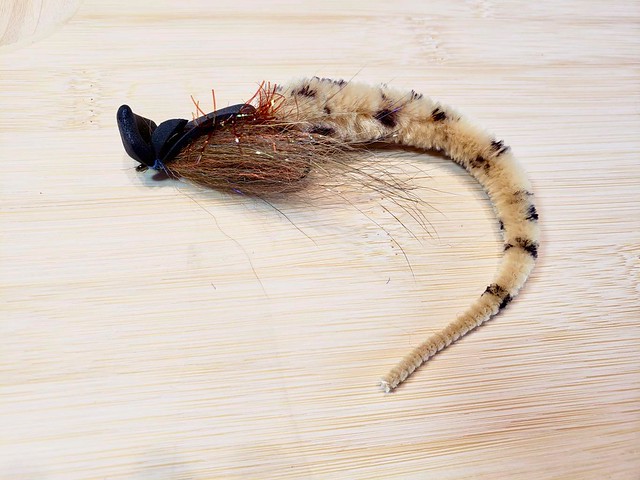
In this video, Jay ties a “Dragon Tail Gurgler” using Mangum’s UV2 Dragon Tails from Hareline Dubbin. This is a good pattern to be used to fish for Bass, Pike, Musky, Brown Trout, Peacock Bass, Snook, and more. Using a piece of foam on the head will push water as you strip in creating a disturbance on the surface.

dragon-tail-gurgler-magnum

dragon-tail-gurgler

Dragon Tail Gurgler

Hook: B10s 1/0
Thread: Danville’s 210D Flat Waxed
Tail: Mangum’s UV2 Dragon Tail Tan
Cement: Loc-Tite Brush On
Foam: Black Foam
Body: Chocklett’s Filler Flash
EP Brush:Med- Olive/Orange
Sharpie for spots

Posted in Fly Tying, Fly Tying Materials and Supplies | Leave a comment

Ties That Bind – Cedar Lodge Article – Alberto Rey – 2018

Screen Shot 2018-07-24 at 7.44.57 AM

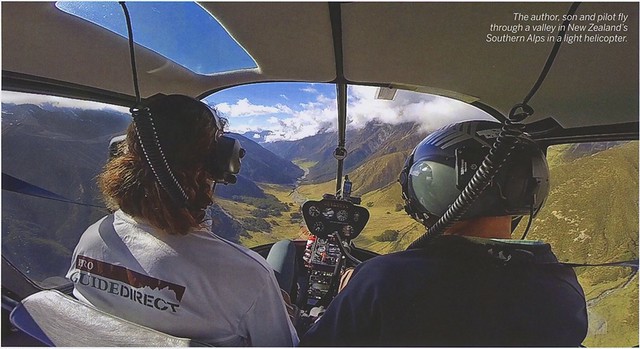
Check out this fun article on our South Island operation. Alberto and his son were a blast to fish with at Cedar Lodge.

Click on this link and the click on the article to make is larger.

CD

Posted in Fly Fishing Travel | Leave a comment

Cascade Lakes Report: July, 2018

Untitled

With the warmer weather coming into the valley, it was time to head to the cooler air of the Cascades. Sneaked into Hosmer one night to catch a few trout stripping a callibaetis nymph. and a nice sunset. The paddle boarders were out in force and the fish seem to be indifferent to the traffic. The next day we headed out to East Lake.

East Lake was no disappointment. After catching several nice trout near the ramp, headed out to the slide area and managed to land a nice Brownie. We saw several large browns cruising within inches of the shoreline, but no interest in our emerging callibaetis.
Brownie

With the warmer weather continuing for at least the coming week, the Oregon’s Cascade Lakes provide a cool escape for everybody. Get out there and enjoy some of Oregon’s greater places to visit….and fish!

Tron 1

Lou V.

Posted in Central Oregon Fishing Report, Fishing Reports | Leave a comment

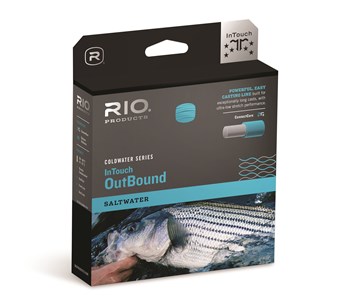
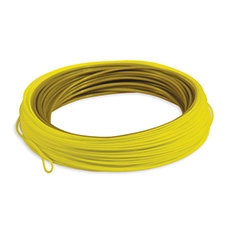
Fly Line Reviews: the family of RIO Outbound fly lines

RIO Outbound fly lines

RIO Outbound fly lines

I have been partial to fishing RIO’s Outbound fly lines since 2005 and have seen these lines evolve and improve over time. Wait. The fact remains that my head tells me the lines have improved, but for practical purposes, I had no complaints regarding the performance of the lines back in 2005, so, with the exception of adding the loops and the line labels and the low stretch core, I guess my satisfaction regarding the performance of the lines has remained strong over the decade I’ve fished Outbounds. Most of the lines I fish are Intermediate sink rate lines but I will occasionally fish full floaters and sink 3 or sink 6 lines.

The purpose of this blog post is to distinguish the various outbound lines RIO offers and hopefully clarify the key differences among lines that all have “Outbound” in their title.

Note that I’ve included the Coastal Quickshooter fly lines and the Direct Core Flats Pro line because as far as I’m concerned these are very similar variants of the Outbound.

Note also that these are all lines that I consider “integrated shooting head” fly lines.

General features of RIO Outbound fly lines
* Lines come with welded loop – front and rear.
* Most of the Intermediate lines are stated as having a 1.5 – 2.5 IPS sink rate. I find it practically * impossible to differentiate among any of these sink rates.
* Mono Core lines (clear tips or heads) are not practically weldable by the consumer.
* Lines with a multifilament core may be weldable.
* Multifilament core lines are low stretch (4-6%)
* Specified Outbound fly lines will be named as suitable for cold/temperate or tropical conditions.
* Generally, the different line core and fly line coatings sufficiently different that a tropical line will not perform well in cold climates (too stiff) and a cold line will not perform well in the tropics (sticky).
Connect core lines have a multifilament core with very low have very low stretch (4-5%).

A general feature of the Outbound fly line family is that these WF (weight forward) fly lines have an “aggressive” head taper design that allows one to load fast action rods easily and cast bulky flies into the breeze. That said, some of the Outbound lines are heavier and have different head lengths than other models.

I suggest that the line purchaser check out the head weight of each line to choose the proper weight for their casting style. As an example, the WF 8I Coastal QuickShooter XP has a 330 gr

The majority of my casting in estuaries is in the 50 to 80 ft range (most often about 70 ft), but my angling companions routinely demonstrate that these lines can be cast considerably further than I do.

Rio Coastal Quickshooter

Rio Coastal Quickshooter

Rio Coastal QuickShooter Fly Line
* Cold and temperate climate line
* Clear head
* Mono core
* 30 lb core
* 35 ft head
* 250 gr head (WF 8I)
* Intermediate running line
* Stated sink rate – 1.5 IPS
* less aggressive taper than Coastal QuckShooter XP

RIo Coastal Qulickshooter XP fly line.

RIo Coastal Qulickshooter XP fly line.

Rio C0astal Quickshooter XP
* Cold and temperate climate line
* Clear head
* Mono core
* 35 lb core
* 32 ft head
* 330 gr head (WF 8I)
* Intermediate running line
* Stated sink rate – 1.5 IPS
* More aggressive taper than Coastal QuckShooter

RIO direct core flats pro stealth fly line

RIO direct core flats pro stealth fly line

Rio Direct Core Flats Pro Stealth Tip
* Advertised as a tropical climate line, I fished this line in 50-60 degree F climate and loved it
* Clear 6 ft intermediate tip
* Mono core – exceptionally low stretch, low memory, and lays out very straight
* 35 lb mono core
* 38 ft head
*240 gr in first 30 ft (WF 8F/I)
* Full floater except for Intermediate tip
* Stated sink rate of tip is 1.5 IPS
* This line lays out so straight I was amazed; the floating line floats and the clear tip is a true intermediate
* The relatively long head allows more precise and softer presentations than more aggressive head designs
* I consider this to be an “all climate“ line that is perfectly suited to fishing flies close to the surface.
* This line is the least like the other Outbound family of RIO lines but I wanted to include it because of its excellent performance.

Rio Outbound fly line

Rio Outbound fly line

Rio Intouch Outbound
* Cold and temperate climate line
* 37.5 ft head
* Clear head
* Multifilament core – low stretch
* 20 lb core
* 330 gr head (WF 8F/I)
* Floating running line
* Stated Intermediate sink rate – 1.5-2 IPS-
* This is the longest head in the outbound line family and will allow somewhat gentler presentations than the shorter head lines.
* Offered in floating and intermediate head lines
* Running lines are floaters
* ______

Rio Outbound short fly line

Rio Outbound short fly line

Rio Intouch Outbound Short
* Cold and temperate climate line
* Clear head
* Multifilament core – low stretch
* 20 lb core
* 30 ft head
* 330 gr head (WF 8I)
* Intermediate running line
* Stated intermediate sink rate – 1.5-2 IPS
* Available with many sink options:(WF8F, WF8F/I, WF8I, WF8I/S3, WF8I/S6)

RIO InTouch Hover Fly Line

RIO InTouch Hover Fly Line

Rio InTouch Hover
* Cold and temperate climate line
* Pale olive head
* Multifilament core – low stretch
* 20 lb core
* 30 ft head
* 280 gr head (WF 8S1)
* Intermediate sink 1 running line
* Stated sink rate – 1.0 IPS
* This line genuinely sinks slower than the other Outbound Intermediate lines at s1
* This line is only offered in WF 5 to WF 8.I and only has a loop at front end of line

I hope these details and observations are useful.

Jay Nicholas
2018

Posted in Fly Fishing Gear Review | 2 Comments

Jay’s Trout Clouser Jig (Golden Crawdad) Fly Tying Video

In this video, Jay shows us how to tie a Trout Clouser Jig (Golden Crawdad). You can jig it. You can swing it. You can jig it under an indicator or swing it under an indicator. It’s a really good fish catcher and a fun color combination. Give this pattern a try!

thumbnail

Jay’s Trout Clouser Jig (Golden Crawdad)

Gamakatsu 60 Degree Jig Hook #2 or #4 or
Umpqua S506H Jig #4
Danville’s 210D black
Eyes: Double Pupil Lead Eyes Orange
Cement: Loc Tite Brush on
Tail: Spirit River UV2 Orange Bucktail
Wing: Orange Bucktail
Flash: Copper and Gold Ice Wing
Lagartun Carded Flatbraid Holographic Gold
Senyo’s Chromatic Brush Midnite
Micro Grizzly Legs

Posted in Fly Tying, Fly Tying Materials and Supplies | 1 Comment

Native Fish Society – Homewaters Roundup on August 19th

homewaters-roundup-nfs

A Guaranteed Good Time for A Good Cause!

Join the Native Fish Society Thursday, July 19th, 2018 at the Miracle Barn in Bend, OR for a great evening of fellowship, festivities, and a live auction benefitting Oregon’s native fish and wild rivers. Admission includes a delicious dinner from Tate & Tate Catering, local craft brews, a speciality cocktail and the finest Willamette Valley wines from Lange Estate Winery & Vineyard, A to Z Winery, and Yamhill Valley Vineyards.

Don’t miss this great Native Fish Society gathering in Central Oregon!

To purchase tickets call Native Fish Society HQ at 503.344.4218 or click this link to purchase tickets online: Homewaters Roundup

Thursday, July 19th 2018 5:00pm – Thursday, July 19th 2018 9:00pm

Posted in Oregon Conservation News | Leave a comment

Jay’s Ultralicious Steelhead Tube Purple/Orange Fly Tying Video

In this video, Jay ties an Ultralicious Steelhead Tube Fly using a Purple and Orange color variation. This fly can be cast, stripped, and swung for Summer and Winter Steelhead.

Jay's Ultralicious Steelhead Tube (Purple and Orange)

Jay’s Ultralicious Steelhead Tube Purple/Orange

Tube: Pro Sportfisher Classic Tube Medium blue
Hook Guide: 40/40 Tube
Thread: Veevus 8/0 Orange
Cement: Loc-Tite Brush On
Eyes: Hareline Double Pupil Lead Eyes Black with Fl. Chartreuse and Black
Body: Lagartun Carded Flatbraid Fl. Blue
Bump: Wire Free Synthetic Fox Brush Black
Strip: Black Barred Purple Rabbit Strip
Flash: Ice Wing Baitfish
Collar: EP Senyo’s Chromatic Brush Midnight
Collar: UV2 Marabou Hot Orange
Hook: Owner #2
Hook: OPST #2

Posted in Fly Tying, Fly Tying Materials and Supplies | Leave a comment

New Hollow Fly Tool – Nicholas’ Review and test run

The JAWN Hollow Fly tool.

The JAWN Hollow Fly tool.

I guess I’s say it is a blessing and a curse (just a little curse) that there are so many new fly tying products entering the market these days. I watched a very good Ted Talk recently that noted something close to 200 varieties of salad dressing available at the local grocery store. This huge selection is in some respects good and in some respects not so good because it can lead to indecision and paralysis.

Count me in.

During a recent conversation with Chris, he asked if I had yet tried the new JAWN tool.

“Nope,” I said.

“Let me know what you think of it if you do,” he said, “it’s supposed to help tying hollow flies”

Two days later, I sat at my bench with a pile of bucktail and flat wing saddles at my side, tying my first hollow fly ever.

First three flies were pretty darn good looking, then things went downhill, then got better, then got worse, then – – – – –

As we know, this is the normal process anything we begin tying an unfamiliar fly style, especially a style that requires new skills, proportions, materials and so forth.

Of course I am quite familiar with bucktail where Clousers are concerned, but I had never tied with bucktail in the lengths and methods involved with hollow flies, and flatwing style streamers were also new to me.

Coincidentally, I had been struggling recently, in a fly tying sense, trying to find a fly that I wanted to tie and tie and tie. Given that my Clouser boxes are full, my summer steelhead wet fly box is full, and I have more than a few steelhead Intruders stashed around the den, I wandered, looking for inspiration.

Well, thanks to the new JAWN tool, I found the new fly inspiration.

JAWN tubes in hand.

JAWN tubes in hand.

JAWN tool review.
* I like it and it works as intended.
* The tool set has thee sizes of plastic tube, each tube has a different size opening at each end yielding six size options.
* This tool replaces the pen tube and is used to push back the material (often bucktail or craft fur) during the process of tying a hollow fly.
* Can you just use a pen cap? Of course you can.
* But the JAWN offers sizes that are difficult to find in pen caps, and it has a slot along each tube that allows its use with jig hooks, something not possible with pen caps.
* The opening of each end of each tube has serrations that allow the tyer to re-distribute the material before tying a thread dam to prop the material at each stage of the fly.
* This tool is suitable to tie on relatively small (steelhead size) to giant (Musky and Pike) size flies. I have only used the second smallest size so far, but the variety of size applications is great.
* I have only used this tool with bucktail so far, but I know it works with Craft Fur and should work with a wide variety of materials.

JAWN tool instructions.

JAWN tool instructions.

Hollow fly fresh from vise.

Hollow fly fresh from vise.

Big fly, yes?

Big fly, yes?

Here is what a Hollow Fly looks like when fresh from the vise.

Run it under hot water in the sink and hang it to dry.

Run it under hot water in the sink and hang it to dry.

Here is what the fly looks like after soaking under hot water.

Now I hang the wet fly to dry.

Two of my early attempt to tie Flatwing Hollow Flies.

Two of my early attempt to tie Flatwing Hollow Flies.

Here are two finished Hollow Flies that I am looking forward to fishing in less than a week.

And yes, I found my inspiration.

I will be following with a video as soon as possible, but I wanted to share these ideas as soon as I could.

This tool is very useful, but the reader tyer should be advised that this tying style will test your ability to work with bucktail, and it will require patience and practice to select the best bucktail and correct proportions. I am having a grand time working with these flies. I can see possibilities fishing the estuary for chinook, the ocean for albacore and salmon, and those are only my personal starting points. Hollow flies are super effective fishing for fresh and saltwater species around the world – so I’m told – and the next few months are likely to find me building new boxes stuffed with various sizes and; color combinations of flies tied in this manner—with and without flatwing saddles.

Jay Nicholas – July 2018

Posted in Fly Tying Materials and Supplies | 2 Comments

Spend a week on the Babine River this fall for just $100!

native-fish-society

BABINE FOR A BENJAMIN

Spend a week on the Babine River this fall for just $100!

The one and only Babine Steelhead Lodge has generously donated a week of steelhead fishing on the Babine River for 1 angler to support the Native Fish Society’s work protecting and restoring wild, native fish across the Pacific Northwest.

Keep in mind there are more 20+ pound wild steelhead on the Babine River than any other river in the world! That’s right, more than any other river in the whole darn WORLD!

Dates: August 31 – September 7, 2018

How does it work? Native Fish Society is selling tickets for $100 each. NFS will draw the lucky winner on July 10th and they’ll get ready for the time of their life!

To buy your tickets call 503.344.4218 or fill out the form at this link: https://nativefishsociety.org/events/babine-for-a-benjamin

Posted in Oregon Conservation News | Leave a comment