Making sense of Integrated Shooting Head Fly Lines

fly lines review

I probably fish a wider variety of fly lines than the average fly fisher—in fact—some of my friends call me a fly line freak.

The range of high quality fly lines available these days is STAGGERING. As an industry associate I never-the-less find myself dazed and confused at times where the entire range of fly lines is concerned.

This blog is my blunt attempt to inject a little clarity regarding what I call integrated shooting head fly lines.

Here is how I would define an “integrated head” fly line: Remembering that a shooting head is usually a short heavy head of approximately 30 ft that we loop onto a slender running line. An integrated head line lacks the loop-to-loop connection between the short head and the running line—these are full fly lines usually of 90 to 110 ft long. Integrated head lines are generally referred to as Weight Forward lines, meaning only that they are heavier in the front portion of the line in contrast to a double taper fly line that is symmetrical in it’s profile.

I distinguish integrated shooting-head fly lines from other weight forward (WF) lines by the relatively short, relatively heavy weight of the front section of these fly lines.

First I’ll compare head length of these lines listing them shortest to longest:

20 ft
Wulff Ambush float and intermediate

26 ft
*Cortland compact float and intermediate

30 ft
* Outbound Short Hover

32 ft
* Airflo Beach   (33 ft)
* Airflo Spey Switch Float
* Rio Coastal Quickshooter XP

37.5 – 38 ft
*Rio Outbound
*Airflo sniper
*Rio Direct Core Flats Pro Stealth

Now I will distinguish the fly lines with clear heads or tips:
* Rio Coastal Quickshooter and Quickshooter XP
* Rio Direct Core Flats Pro Stealth (6 ft clear tip)
* Wulff Ambush Intermediate
* Cortland Compact Intermediate
* Airflo Beach lines have some clear head alternatives

Ability to deliver heavy flies in wind versus ability to deliver a fly precisely and delicately. Please note that this comparison is based on my opinion and far from expert casting ability.
* I found that the Outbound Short and coastal Quickshooter seemed best lines in wind and casting large flies.
* The Wulff Ambush excelled at casting poppers and streamers with the fewest back-casts at modest range.
* The Rio outbound, Airflo Sniper, Airflo Beach, Airflo Spey Switch Float, and Rio Direct core Flats Pro Stealth line seemed superior at
delivering flies precisely and softly.

Float comparison of these fly lines: All the floaters actually do so, noting that I fish estuarine waters that range from full saltwater to full freshwater.

Sink rates of the intermediate lines: All clear intermediate heads and tips sink at roughly 1,5-2.0 IPS and I could not discern a difference across the brands of lines I fished.

The exception is the slower sink rate of the RIO Outbound Hover fly line, making this a superior line if you want to fish sub surface but rather shallow.


Here are some key features of individual fly lines to consider when choosing an Integrated Shooting Head fly line. Each of the lines listed here are  fly lines I fish and recommend highly. As is usually the case these days, I’m expect that other good lines exist that I am not yet familiar with.


Rio Outbound fy line

RIO OUTBOUND:
37.5 ft head; 330 gr (WF8F/I); tip is not clear; suited to cold & temperate climate; about 1.5 IPS sink


rio-in-touch-fresh-outbound-sh-8

RIO OUTBOUND Hover:

30 ft head; 280 gr (WF8H); head is not clear; suited to cold & temperate climate; very slow Intermediate sink rate

RIO COASTAL QUICKSHOOTER:
32 ft head; 250 gr (WF8I): head is clear: suited to cold & temperate climate; about 1.5 IPS sink
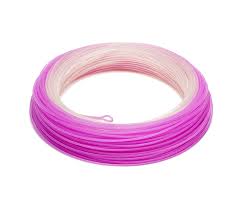
RIo Coastal Qulickshooter XP fly line.rio quickshooter XPRIO COASTAL QUICKSHOOTER XP:

32 ft head; 330 gr (WF8I): tip is clear; suited to cold & temperate climate; about 1.5 IPS sink

Rio Direct Core Flats Pro Stealth fly line.

Rio Direct Core Flats Pro Stealth fly line.

line-profile-directcore-flats-pro-stealthtipRIO DIRECT CORE FLATS PRO STEALTH:

38 ft head; 240 gr first 30 ft (WF8F); 6 ft of tip is clear intermediate; suited to tropical to temperate climate;


Airflo Sniper Intermediate fly line.

AIRFLO SNIPER Intermediate:
37.5 ft; 330 gr (WF8F/I); head is not clear: suited to cold & temperate climate; about 1.5 IPS sink

Airflo Spey Switch Fly Line


AIRFLO SPEY SWITCH float:
32 ft head; 250 gr (WF8I) AIRFLO SUPER-DRI 40+; Full Floater; head is not clear (I add clear polyleader): suited to cold & temperate climate


airflo beach fly line

AIRFLO BEACH:
32 ft head; 250 gr (WF8I); head is not clear; suited to cold & temperate climate


Wulff ambush short fly line.

WULFF AMBUSH:

20 ft head; 290 gr (WF8F); floating head is not clear; suited to cold & temperate climate


Wulff Ambush Intermediate fly line.

WULFF AMBUSH INTERMEDIATE:

20 ft head; 290 gr (WF8F); Intermediate head is clear; suited to cold & temperate climate


Cortland Tropic Plus Compact fly line.CORTLAND COMPACT FLOAT:

26 ft head; 290 gr (WF8F); floating head is not clear; suited to cold & temperate climate

Blitz_LightblueClearCORTLAND COMPACT INTERMEDIATE:

26 ft head; 290 gr (WF8F); Intermediate head is clear; suited to cold & temperate climate

SCIENTIFIC ANGLERS SONAR TITAN CLEAR TIP:
33.5 ft head; 280 gr (WF8F/I); head is clear; running line floats; suited to cold & temperate climate


I hope you find something of interest here.

Jay Nicholas 2018
Posted in Fly Fishing Gear Review | Leave a comment

Jay’s Bull Trout Jig Crawdad Fly tying Video

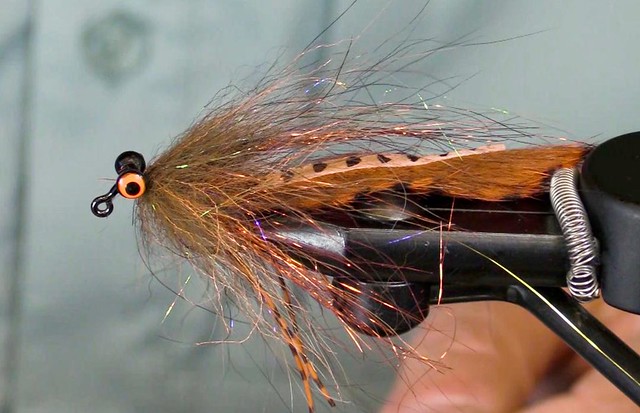
In this video, Jay ties a Bull Trout Jig fly in a Crawdad color variation. This is a great fly to use with a trout spey setup, swinging near a fallen log or boulder garden.

bull-trout-jig-crawdad

Jay’s Bull Trout Jig Crawdad

Hook: Umpqua #4 S506H Jig
Thread: Danville’s 210D Black
Eyes: Double Pupil Lead Eyes Large Black/Chartreuse
Cement: Loc-Tite Brush On
Tail: Black Barred Rabbit Strip Orange Variant
Brush: EP Foxy 3” Black/Orange
Legs: Barred Grizzly Legs Orange/Black
Flash: Copper Angel Hair
Brush: Senyo’s Chromatic Brush Olive/Sand

Posted in Fly Tying, Fly Tying Materials and Supplies | Leave a comment

Protect the Yellowstone River Permenantly

Check out this beautiful film from SAGE Fly Fishing.

Posted in Fishing Porn, Fly Fishing Travel | Leave a comment

Urgent: Tell ODFW to Protect our Metolius River wild fish!

mail

From the Native Fish Society

Dear Members and Supporters,

The Metolius River in Central Oregon is the crown jewel of the upper Deschutes Basin and a place of exemplary ecological value in the state of Oregon. It is also ground zero for an exhaustive wild Chinook, sockeye, and steelhead recovery effort. These fish swim hundreds of miles up the Columbia and the Deschutes to reach the Metolius where plentiful spawning and rearing habitat await them. These struggling anadromous populations remind us that we are duty-bound to act on their behalf to restore sustainable runs. Long story short, the Metolius is just too special to not receive all of the protection that we can reasonably and sensibly provide it.

But existing angling regulations are leaving our Metolius wild fish vulnerable. They are difficult for the public to interpret, contribute to ongoing ecological damage, and are detrimental to the health of our wild fish. The Native Fish Society is urging the Oregon Department of Fish and Wildlife to make changes to the 2019 angling regulations to protect the Metolius, our wild fish, and the communities that depend on this special river.

Please join us in sending an email to the ODFW Director and Commission that oversees the Department. Tell them to amend Oregon’s recreational angling regulations to extend the fly fishing only boundaries, require the use of single, barbless hooks, and ban the use of external lead weights.

The Metolius should be the shining example of how we manage our most cherished and ecologically significant river systems. Do your part today and send your letter of support to the ODFW Commission and Director Melcher. Simply follow the link, fill in your pertinent contact info, click the “Submit” button, and your message will be sent. Please send your message by 5 p.m. Pacific time on July 12, 2018. Feel free to customize the letter.

Thank you for your continued support of the Metolius and our wild fish!

Here is that link again: PROTECT THE METOLIUS

Adam Bronstein, NFS Metolius River Steward
Jennifer Fairbrother, NFS Campaign & Columbia Regional Director

Posted in Oregon Conservation News | Leave a comment

Jay’s Trout Tube Streamer (w/ Pine Squirrel) Fly Tying Video

In this video, Jay ties us a Trout Tube Streamer using Pine Squirrel and a Sommerlatte’s Foxy Brush. This is a fun fly that is easy to cast and won’t hold a lot of water. But it will also get down to the right depth because of the drop weight. This fly works great in running water and although Jay hasn’t tried yet he thinks this might fish well in still water as well.

thumbnail

Jay’s Trout Tube Streamer (w/ Pine Squirrel)

Tube: Nanotube Sink
Guide: Pro Hook Guide Medium
Pro Drop Weight Sm Black
Thread: 10/0 Veevus Black
Cement: Loc-Tite Brush on
Polar Chenille Medium UV Copper
Ice Wing Gold
Micro Pine Squirrel (Crawdad Orange)
Sommerlatte’s Foxy Brush Root Beer/Orange
Cone X-sm Black/Red
Hook: Size 2 or 4 depending on fish size!

Posted in Fly Tying, Fly Tying Materials and Supplies | 1 Comment

Ahrex Fw 581 Wet Fly Hook – Barbless – Review

Several wet flies tied for sea run cutthroat and summer steelhead on  AFW 581 Barbless Wet Fly hooks.

Several wet flies tied for sea run cutthroat and summer steelhead on
AFW 581 Barbless Wet Fly hooks.

This is another Ahrex fly tying hook that I have been working with for several months tying and fishing wet flies.

Available in sizes that span the range from 4 to 10, I appreciate the wire, the barbless feature, the very slightly downturned eye, the finish, the curve the hook, and the overall proportion that enhances the finished flies I tie on this hook.

Very nice indeed.

Jay Nicholas – 2018

Posted in Fly Tying | Leave a comment

Ahrex NS150 Nordic Salt Curved Shrimp Hook Review

Nicholas Shrimp Flies tied on Ahrex NS150 Nordic Salt Curved Shrimp Hooks.

Nicholas Shrimp Flies tied on Ahrex NS150 Nordic Salt Curved Shrimp Hooks.

I have been tying and fishing one of my shrimp patterns on the NS150 Nordic Salt Curved Shrimp Hook for several months and am quite impressed with the hook’s overall performance as well as the esthetics of the hook and the fly I can tie on it.

The wire is the proper diameter, the point super sharp, the barb low and easily smushable, and the finish is salt water resistant. Sizes 4 to 10 cover all the bases I’m focused on.

Great Hook!

Jay Nicholas – 2018
Posted in Fly Tying | Leave a comment

Ahrex NS 115 Nordic Salt Deep Streamer Hook Review

Summer Steelhead fly  tied on NS115 by Jay Nicholas.

Summer Steelhead fly tied on NS115 by Jay Nicholas.

I have been tying and fishing a hook that is new to me but well established in Northern Europe for some time.  While there are many styles of Ahrex fly tying hooks that we can provide — from tiny dry fly and scud patterns to tube fly hooks, wet fly, nymph and streamer hooks in the mix.

Overall, I am very enthused with the hook styles, finish, point sharpness, small barbs, barbless styles, and so forth that the Ahrex fly tying hook portfolio brings to the fly bench.

My basic approach to Ahrex – like any other fly tying hook – is to focus my tying on specific hooks to explore with flies that I enjoy tying and evaluate how the product shapes up. This post is on the Ahrex NS115 Nordic Salt Deep Streamer Hook — one of the first Ahrex hooks I have been tying on.

Regarding the NS115, I give it very high marks, and this in some respects is related to my sadness over the absence of the TMC 700 hook from the production line. The TMC 700 is a down eye, limerick bend hook with a slightly long shank and a very sharp point.

The NS115 has an eye that is so very slightly downturned, is black nickel finish, and is properly hefty to ensure that my wet flies swim true.

Jay Nicholas Summer Steelhead flies tied on Ahrex NS115 hooks

I’ll close by saying that I have a very high opinion of Ahrex fly tying hooks and consider many of the models I have tested to be on par generally with Gamakatsu, TMC, and Daiichi  hooks.

Jay Nicholas – 2018


Posted in Fly Tying | Leave a comment

Gamagatsu SL12S Wide Gap Big Game Hook Just got better

Top row: Gamakatsu SL12S 1X Short Big Game . Bottom row:  SL12S.

Top row: Gamakatsu SL12S 1X Short Big Game .
Bottom row: SL12S. Sizes from left start with #1/0 and extend to# 6

Fact is, I couldn’t imagine an improvement on the trusted Gammie SL12S Wide Gap hook. This hook, in sizes # 2, 1/0, and 2/0 has ben my number one choice for salmon clouser hooks for over a decade or so. The bend is perfect, the barb is perfect, the point is sharp, the wire is just right, and the eye is right sized too.

So what fly tying hook  could be better than my old standby?

The same hook in a slightly shorter, slightly heavier wire, with the addition of a few sizes!

Yes, we now have access to the Gamakatsu SL12S 1X Short Big Game Wide Gap Hook in NS Black finish.

This hook is
* slightly shorter
* slightly heavier wire
* nickle silver black
* same eye
* same bend
* same small barb
* same proven hook and hold ability

AND — this hook series adds sizes 4 and 6 to the list of available sizes.

I’m pleased to see this hook available in stouter wire, and smaller sizes, especially for saltwater fly applications. This new heavy version of an already great hook will be especially effective on baitfish patterns that must swim true when retrieved at moderate to fast speeds. The heavier weight will keel the fly better than the lighter wire version of this hook style.

These are available on our drop down menu at the Caddis Fly Shop. 

And yes, these hooks swim flies true and perform well in the water.


JN – summer 2018

Posted in Fly Tying | Leave a comment

Hook Style Matters – Really

TMC 7999 top center. Daiichi 1530 lower left. Ahrex NS110 lower right. All of these hooks are size 4.

TMC 7999 top center. Daiichi 1530 lower left. Ahrex NS115 lower right. All of these hooks are size 4.

Yup. Contrary to what a person might think, different hook styles and manufacturers exhibit characteristics that are quite different, and these differences have a HUGE influence on the appearance of a finished fly tied on each specific hook.

The flies above, all superior summer steelhead enticers, are tied on different hooks. I prefer one over the other two (but only by s small margin that is based on appearance rather than performance. Which hook I prefer is irrelevant, what counts most is deciding which hook you might prefer. All of these will perform nicely—and please excuse the matter of my forgetting to pinch the barb.

Saying that a fly is tied on a #4 ho0k is not very helpful without knowing what hook model is preferred. Take a look at the row of #4 hooks pictured below and imagine how different a Silver Hilton or Comet would look and possibly (perform) if tied on each of the hook styles below.

Features that can vary considerably between hook models include at least the following—and it is best to become familiar with these hook properties and how your finished fly will function when it is tied on the end of your tippet:
hook shank length
barb height
length of the point forward of barb
wire diameter
shape of the point
shape of the wire (round vs forged)
shape of the eye (up, straight, or down eye and blind — versus tapered return)
shape of the bend

These are all size 4 fly hooks. Well imagine that!

These are all size 4 fly hooks. Well imagine that!

The size 4 hooks pictured above are as listed below (left to right):

Daiichi 530
TMC 777 SP
Gamakatsu SL 12S 1X Short Big Game
Gamakatsu B 10-S
Gamakatsu SC 15
Ahrex NS 110 Nordic Salt Streamer
Ahrex NS 115 Nordic Salt Deep Streamer
Gamakatsu SL 11-3H
Gamakatsu 11S-3H
TMC 7999

I will follow with future blog posts that feature some of the hooks I have discovered recently and the flies tied on same.

My best to you all:

Jay Nicholas – mid-2018

Posted in Fly Tying | Leave a comment

Postcards from Gui Allen in Baja 2018

My friends Gui Allen and Jim Buckley just returned from their annual venture to La Ventana at Gary Bulla Saltwater Adventures in Baja. I still hope to return there either later this season or next year, but for now, I’d like to share a few photos from Gui’s camera. A very good time was experienced by all and the sardinas are back?

OLYMPUS DIGITAL CAMERA

OLYMPUS DIGITAL CAMERA

OLYMPUS DIGITAL CAMERA

OLYMPUS DIGITAL CAMERA

OLYMPUS DIGITAL CAMERA

OLYMPUS DIGITAL CAMERA

We are standing by at the Caddis Fly Shop to fill any of your tackle, fly, and accessory needs if yu are heading out on any destination fishing adventure.

Best Regards

Jay Nicholas June 2018


Posted in Fly Fishing Travel | Leave a comment

John Day Smallmouth Trip 2018

IMG_9631

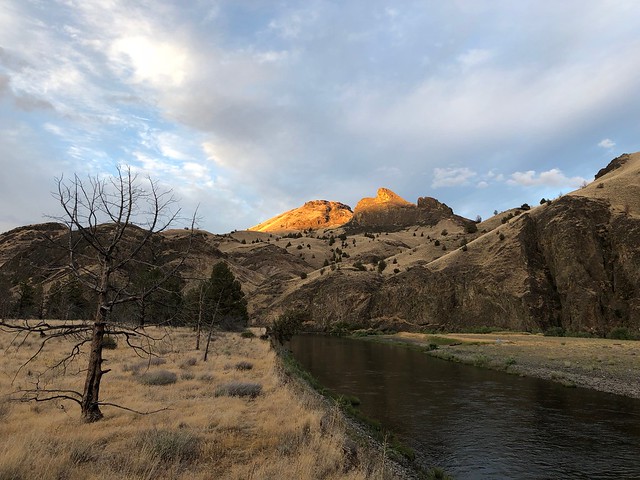
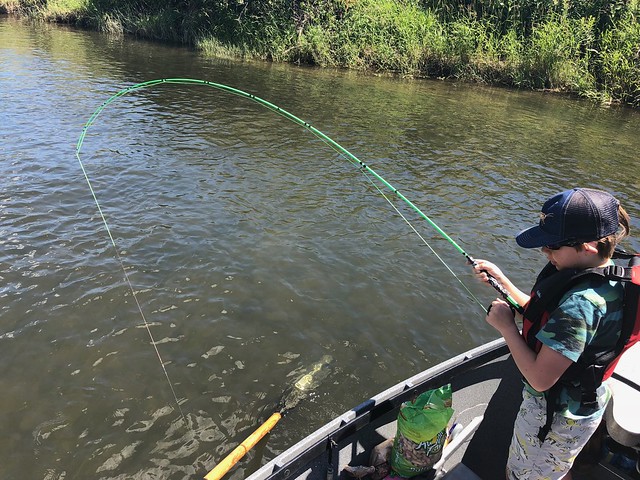
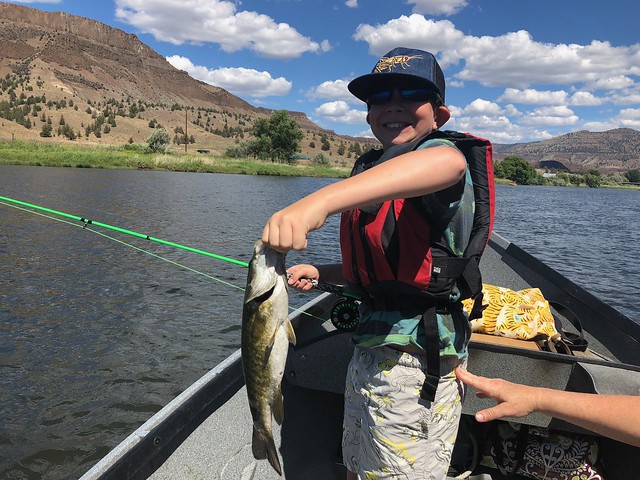
The river was a bit busier, the weather was a bit cooler, but the floating, camping and fishing were still a blast. The John Day from Twickenham to Clarno is an easy family friendly float trip.

IMG_1129

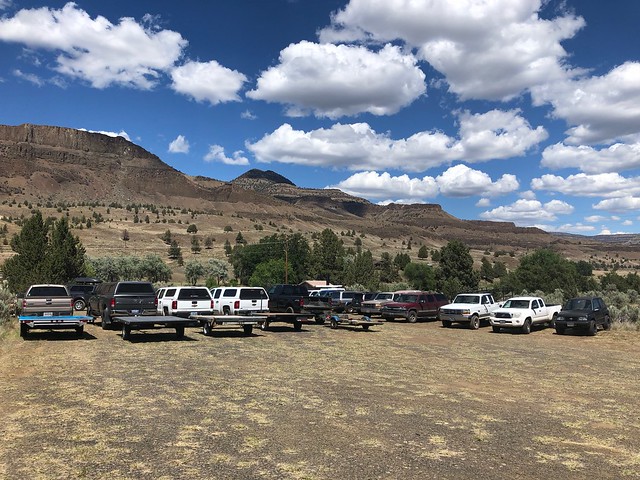
Busy Fathers day weekend

IMG_5226

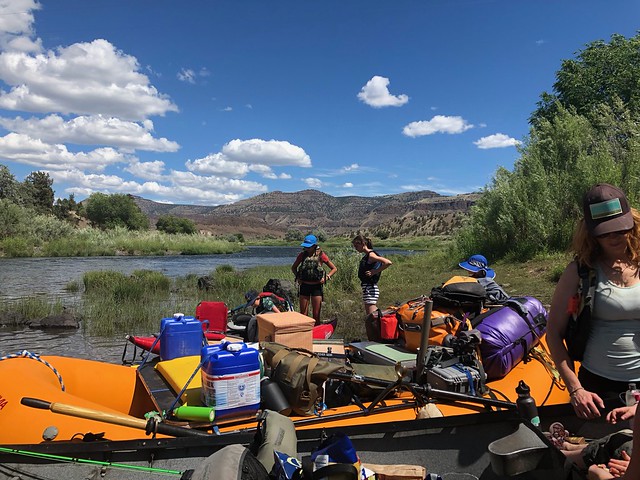
Geared up

IMG_7401

Early morning bass action

IMG_3114

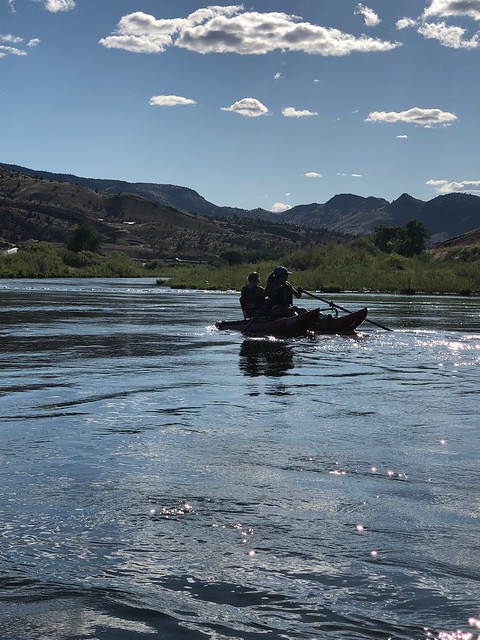
Modified Outcast for two

IMG_9875

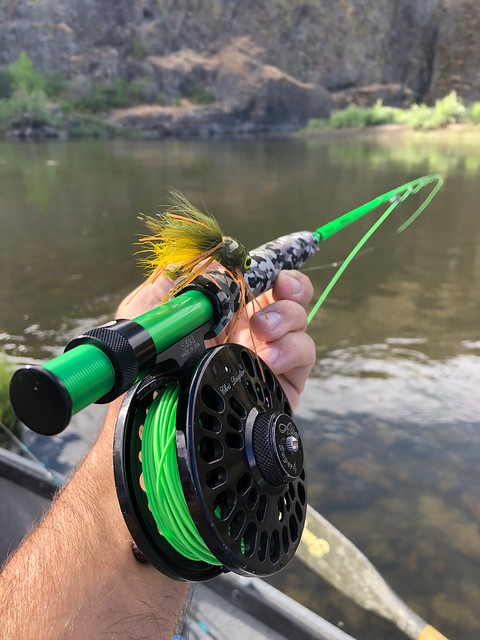
Redington Minnow rod getting a work out

IMG_3761

Decent smally

IMG_8900

IMG_7764

All poppers all the time

IMG_8472

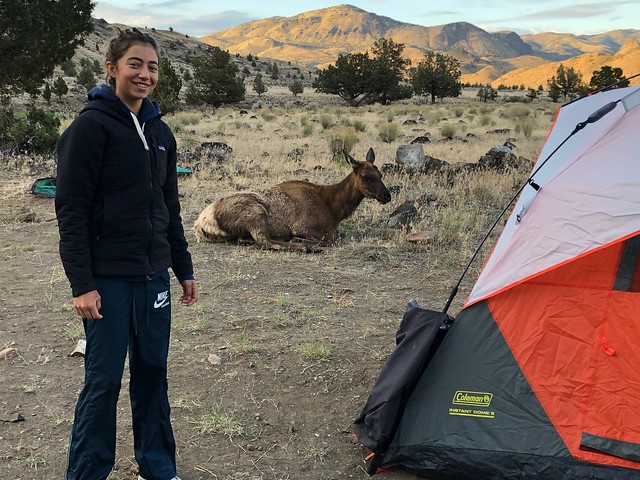
Morning visitor. She just rolled into camp and took a seat. Then proceeded to knock over a few chairs, get pet and lay down for a nap.

IMG_5031

IMG_4914

IMG_0865

IMG_1080

More camp visitors

IMG_3977

IMG_7048

Posted in Oregon Conservation News, Oregon Fly Fishing Tips, Oregon Warmwater Fly Fishing, Oregon Weekend Fishing Forecast | 1 Comment

Nicholas’ Hook Torture Test – Gamakatsu, TMC, Daiichi, and Ahrex

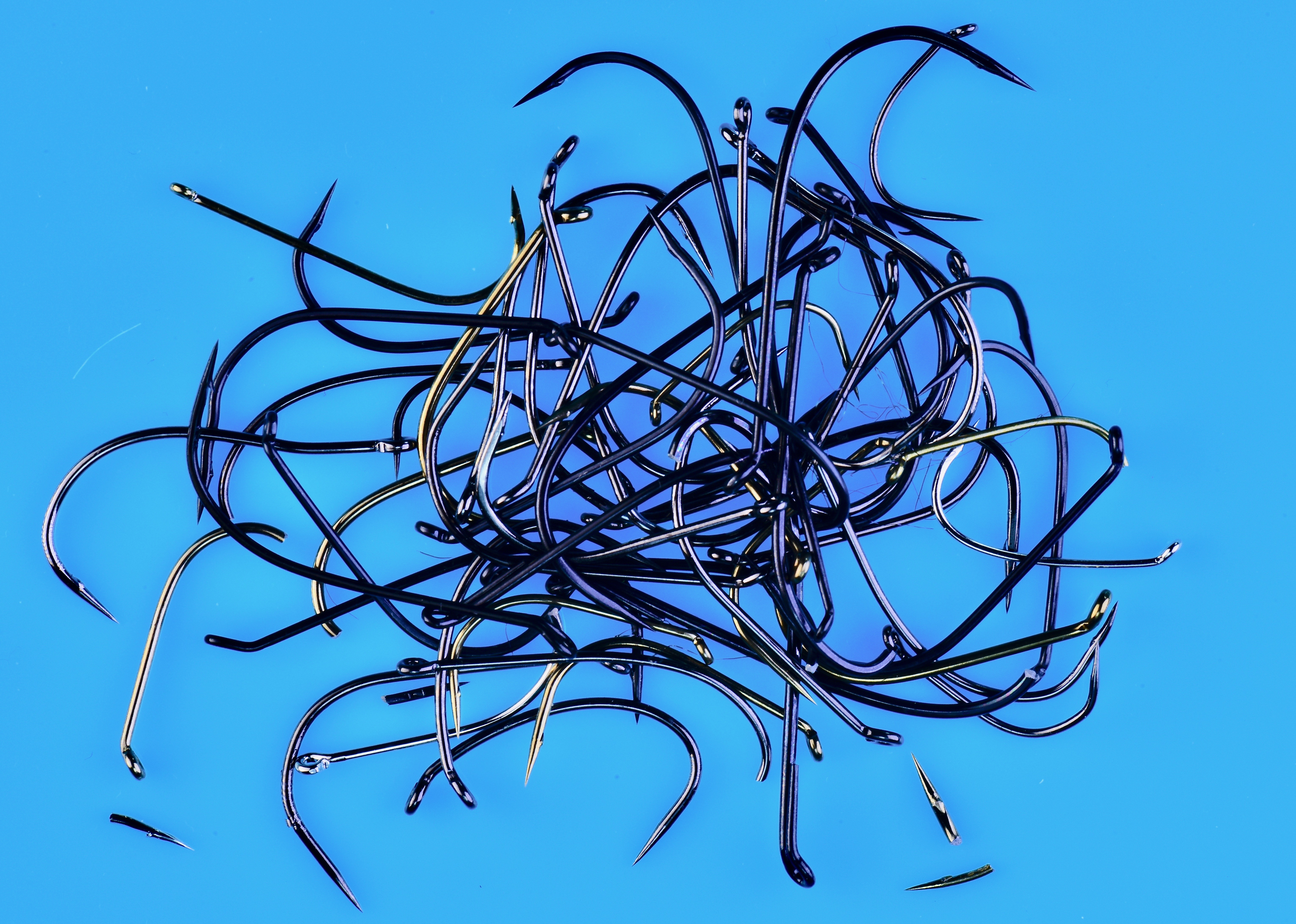
This is the result of the Nicholas Hook Torture Test administered on a variety of Gamakatsu, Daiichi, and Ahrex fly tying hooks.

This is the result of the Nicholas Hook Torture Test administered on a variety of Gamakatsu, Daiichi, TMC, and Ahrex fly tying hooks.

The picture tells the story I think.

No, this is not science, this is a pile of hooks that is the aftermath of sitting down at my fly bench, placing a series of my hook boxes on the desk, grabbing my needle nose pliers, and proceeding to torture the hooks. What I mean is that I held the shank between my left thumb and forefinger, and grasped the point in the jaws of the pliers. I then proceeded to bend the hook open – with the intent of testing whether or not the wire would break or bend. I tested a fair variety of the hook styles that I routinely tie with  – manufactured by Gamakatsu, TMC, Daiichi, and Ahrex.

Here is what I found.

1. There was no difference in the break rate between all hook brands I tested.
2. All hook brands had a few individual hooks that broke.
3. Some hook models had no breakage.
4. No hook manufacturer or hook model had more than an occasional hook break.

My intent of conducting this test was very simple, to determine if any particular brand or brands of hooks were more likely to fail by breaking when placed under stress while fishing. I am not implying that my plier torture test has much to do with the actual stress associated with fishing. Still, I was curious about what my spur of the moment test might reveal.

This was particularly related to the fact that I began tying with Ahrex hooks this year, after many years of experience with Gamakatsu, TMC, and Daiichi hooks.

To my satisfaction, the Ahrex hooks performed on par with all of my usual hook manufacturers.

While this test is far from highly thought-out, I found it comforting and I offer my opinions for your consideration.

Jay Nicholas – 2018

Posted in Fly Tying | Leave a comment

McKenzie River Paddle & Pull

Join McKenzie River Trust in caring for a special property between Hendricks Bridge and Hayden Bridge on the McKenzie River!

Saturday, June 23rd, volunteer to help care for McKenzie Oxbow, a 20-acre conservation area just downstream of Hendrick’s Bridge Boat Landing.

Setting off from Hendricks Bridge at 9am, volunteers and staff will paddle to the conserved property to remove invasive species and trash. Taking a lunch break together on the gravel bar, we’ll have time to learn more about this special area and the fish and wildlife the oxbow supports. The afternoon will be spent paddling downstream, passing nearly 200-acres of protected lands before taking out at Hayden Bridge. McKenzie River Trust will provide a shuttle for drivers from the take out back to Hendricks Bridge.

IMG_3038

Volunteers must be over the age of 18, provide their own river appropriate watercraft, life-jacket/PFD, and be confident paddling in Class II rapids.

McKenzie Oxbow is a Trust-owned floodplain property, located on river mile 19 of the McKenzie River. Composed of 20 acres of oxbow slough, gravel bar, and riparian habitat, it is a typical river floodplain feature that is rapidly disappearing in the lower McKenzie watershed. The conservation of McKenzie Oxbow allows for unfettered river movement and natural hydrological processes across the island, and permanently protects the current riparian and wetland conservation values of the property.

Posted in Oregon Conservation News | Leave a comment

Lower South Fork McKenzie River Floodplain Enhancement Project Phase I

Screen Shot 2018-06-14 at 5.56.39 AM

Phase I of the Lower South Fork McKenzie River Floodplain Enhancement Project is underway. The Project will enhance habitat conditions within the lower mile of the river and restore connections to over 200 acres of floodplain. Contractors are currently collecting large wood for placement later this summer and preparing for floodplain reconnection.

Prior to the start of in-stream activities, the Project will temporarily reroute the lower mile of the South Fork McKenzie River into a floodplain side channel. Project managers plan to begin the diversion in the late afternoon or early evening of June 26, 2018. Project activities, including the diversion, will continue until August 15, 2018.

Project managers expect that the diversion may cause short-term turbidity impacts to the McKenzie River immediately downstream of the South Fork McKenzie River confluence. The Project will take several steps to minimize downstream turbidity impacts prior to the diversion. The U.S. Army Corps of Engineers will reduce flows in the South Fork McKenzie River to at least 275 cfs. Contractors will place large wood throughout the diversion side channel with helicopter in order to minimize disturbance to existing natural conditions. Large wood will slow flows and help reduce erosion. The diversion will take place over a period of several days in order to avoid scouring the floodplain side channel. The slow draw down will also allow for fish escapement prior to fish salvage operations within the current mainstem South Fork McKenzie River channel. Fish salvage operations will occur over a 3-4 day period and done in coordination with ODFW. Fish and other aquatic organisms will be re-located to locations outside of the project area. If you are interested in assisting with fish salvage operations please contact the McKenzie Watershed Council, (see contact info below).

For more information, please contact project managers, Jared Weybright, McKenzie Watershed Council Executive Director, atjared@mckenziewc.org, 458-201-8150 (office), 541-505-0501(cell); or Kate Meyer, USFS McKenzie River Ranger District Fisheries Biologist,kmmeyer@fs.fed.gov, 541-822-7230 (office).

Posted in McKenzie River, Oregon Conservation News | Leave a comment