

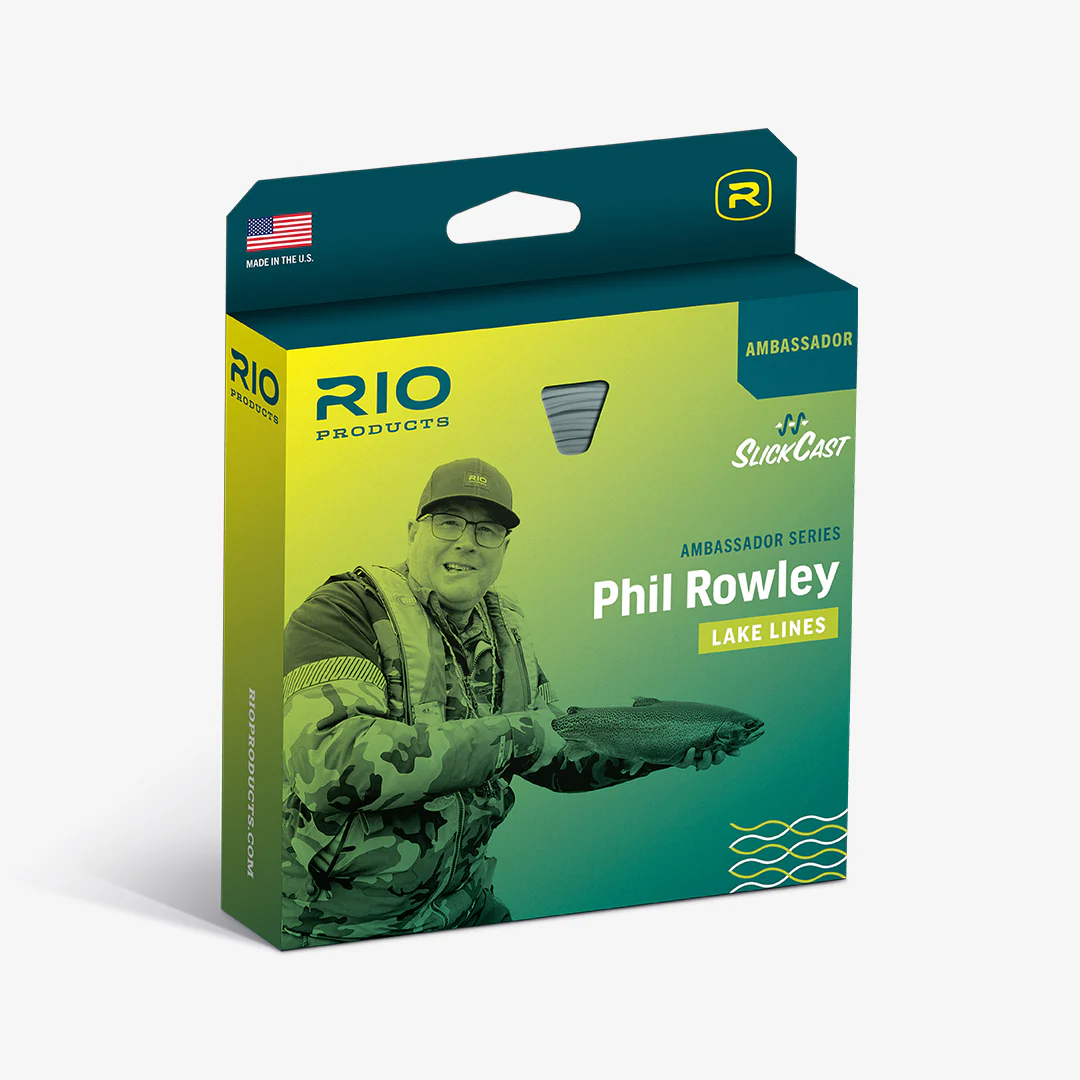
A few weeks ago friend of the shop, and stillwater guide, Adison Rook and I set off for East Lake to both fish and test a plethora of different products for review. One product that was essential to our success up at East Lake was the Midge Tip Long, specifically the Phil Rowley Ambassador Series of the line.

Adison is really the master here, I just tagged along with camera equipment and a good attitude. With his guidance I’ve seen how, especially when the wind picks up, this line can be a day saver. More on that below, and Adison will share his thoughts on the line below as well.
Phil’s Midge Tip Long is a floating line with a clear 6 ft intermediate head sinking at 1.5 ips (inches per second). The standard Midge Tip is the same configuration, but has a 3 ft intermediate section. Phil’s Midge Tip comes in a hover version as well, which features a 1 ips sink rate for fishing higher in the water column. As our high lakes callibaetis hatch really ramps up, the hover version will be an equally important line to have in your boat. All Phil Rowley Ambassador Series Midge Tip Lines have a sighter portion to let you know as you approach your intermediate tip.
Both lines feature a tippet ring instead of a standard welded loop. In fact, this is consistent across all of the Phil’s Ambassador Series Lines, which also come in an Aqualux configuration, a Standard Floater, and both the standard Midge Tip and the Hover version which comes in standard and long. Both lines feature a sighter that lets you know when you are approaching the clear sinking section.

The ring is a key component of these lines for the stillwater aficionado. Typically, you run extremely long leaders when stillwater fishing. This is all great until you are fighting a fish at the boat and your welded loop and leader is catching on the tip of your rod and guides. Phil’s Ambassador Series of Lines, with their built in rings instead of welded loops, effortlessly slide through your guides meaning no panicking with a massive fish boat side.
Phil’s integrated tippet ring also allows you to swap lines quickly. For example, if fish start feeding more in the upper water column, you may want to switch to a Midge Tip Hover. Before swapping spools, you can reel your line all the way in until the leader is just outside of your reel. You can snip your leader off, swap lines, retie your rig on, and then cast the swapped line through your guides. This is much faster as you don’t have to remove flies or indicators to run a loop to loop connection. For float tube guys with limited space this is huge.
The Midge Tip Long also has a fantastic coating from Rio called SlickCast which allows these lines to fly through guides. At one point mid day, Adison and I saw just how far we were able to shoot the line. After a few casts, we both were able to shoot our backing through the first few guides casting the entire line. This allows you to cover more water easier, being such an easy line to cast. The taper loads rods quickly and turns over rigs with ease.
These lines are meant to be fished by stripping flies at a variety of retrieve rates. Given the lighter sink rate, typically, you are fishing these lines with a very slow retrieve, emulating the slow darting movement of aquatic insects and crustaceans like scuds. Typically you are employing a slow figure 8 strip adding pauses and experimenting until you find a retrieve rate that fish like. You may use a slower consistent retrieve when fishing chironomids and Callibaetis nymphs. Fishing scuds and damsels may require more erratic short darting strips. These lines can certainly accommodate fishing small streamers as well, in fact fishing a beachhead streamer in tandem is a fantastic way to help get your smaller fly down.
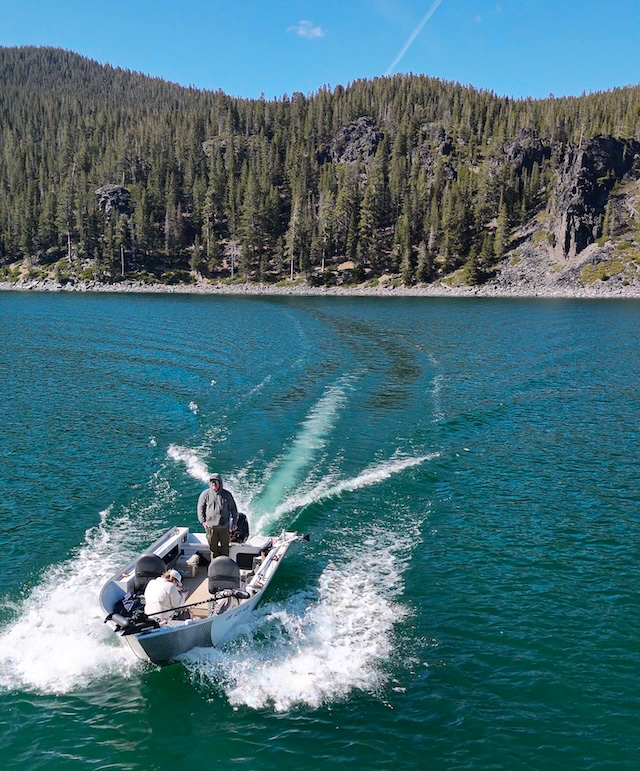
Here in Oregon, we are blessed with so many high lakes that we even have a dedicated highway that runs along some of the best: The Cascade Lakes Highway. There are plenty of other lakes on the Cascade Crest and East, but they all experience an uptick of afternoon wind. Adison’s solution to the wind that can make indicator nymphing and dry fishing difficult is fishing Loch Style with Rio’s Midge Tip from Phil.
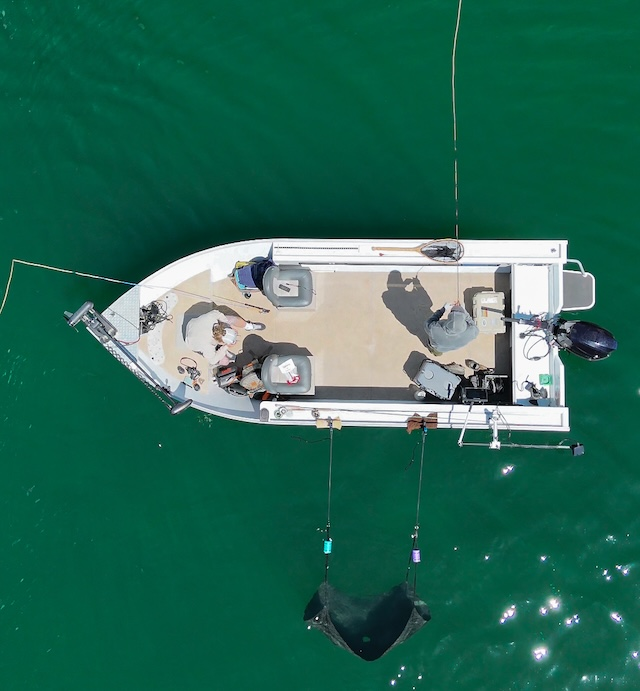
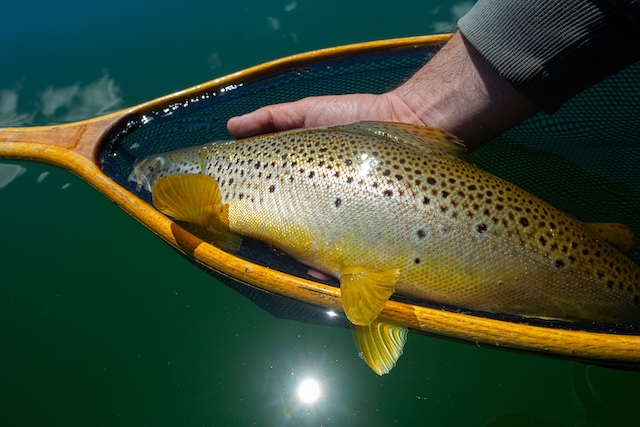
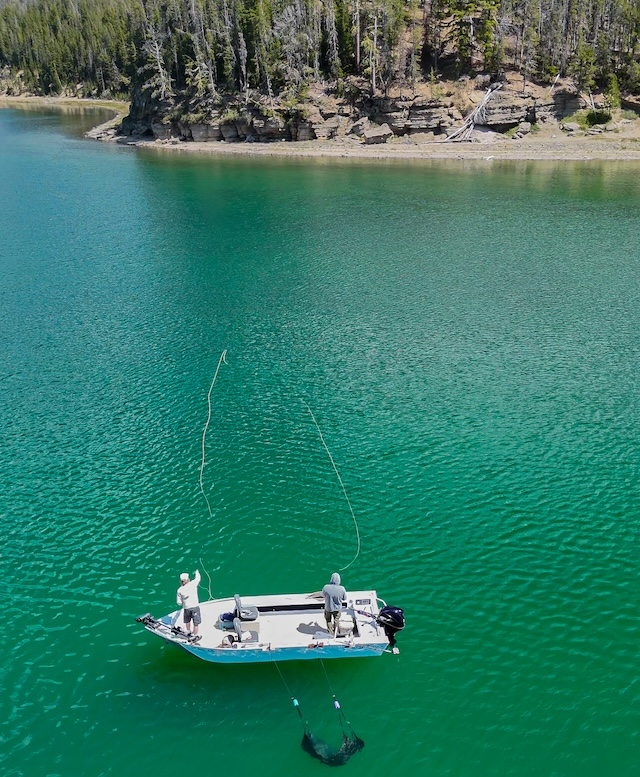
This involved deploying drogue or wind anchor which slows the winds affect blowing broadside on the boat. Using the midge tip with the help of the wind at our backs, we presented Chironomids and Callibaetis nymphs 70-90 feet ahead of where the boat was drifting. This method also allows us to drift over the lake and present our flies to fish that we haven’t drifted over yet. Using a slow strip and figure 8 retrieve, we hammered browns and rainbows using this method. The Midge Tip Long is Adison’s ace up his sleeve when the wind becomes unbearable.
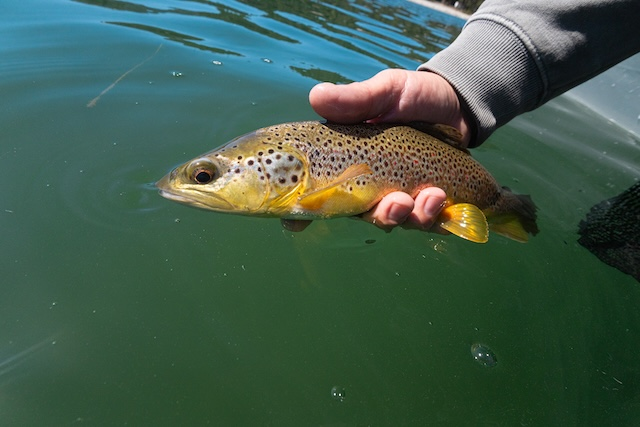
We also fished the line when anchored up and caught plenty of fish. East lake is a venue that is easily fished from shore, and this line would be fantastic for bank anglers as well.
Thoughts from Stillwater Guide Adison Rook
“I’ve been fishing the Phil Rowley Ambassador Series Midge Tip Long personally and with clients and it is an amazing line. The line has a short head that makes multiple fly rigs easy to cast. The line has very low memory so it doesn’t coil like a full intermediate will, and the low stretch core that rio lines are known for really shines when hooking fish at distance, or detecting light takes.
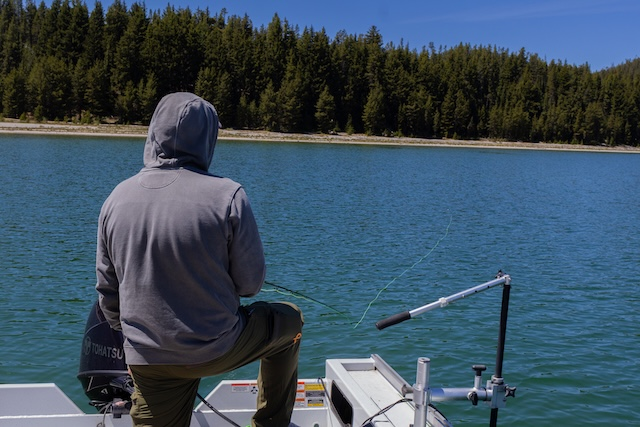
Adjusting the point fly of your rig and leader length helps determine the depth of water your flies will target. For instance, if you run a fly with a tungsten bead your rig will achieve greater depth. If you wanted to fish higher in the water column you can run a weightless or even boyant fly such as a booby or fab to bring things up in the water column. This makes the line effective at a wide variety of depths.
One thing that really stands out to me about this line is your ability to fish small nymphs and chironomids at precise depths SLOWLY, giving me a natural presentation. Traditional faster sinking lines, in the type 3 and faster range can get to depth but when using slow retrieves for small flies the sink rate over powers retrieve speed and your flies continue to plummet. With the midge tip the floating running line doesn’t allow the rig to sink after your flies achieve the desired depth and you can CRAWL them back to the boat, even with pauses and they stay at a desired depth once you’ve figured out your leader and fly set up.
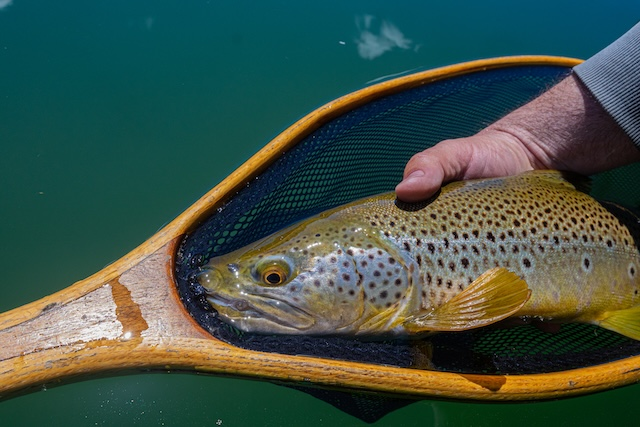
The only con I can think of at the moment is the built in hang marker. The hang marker doesn’t have a good contrast against the running line making it difficult to see it approach the rod tip. I cannot speak to the longevity of the line, as this is the first season I’ve implemented them in my arsenal, but so far I am amazed at how effective and versatile this line is.”
-Adison Rook
High lakes this year above all others will be a refuge of cold water. With our subpar winter, our rivers are already experiencing unseasonably warm water. Our high elevation premier stillwater venues will be getting a lot of love this summer, and this was fantastic year to learn if you’re new to it. We have a variety of float tubes in the shop that unlock heaps of new venues and done take up too much space at home.
If you are a summer stillwater angler, and haven’t tried any of Phil’s Ambassador Series Lines, you are missing out on lines that revolutionize stillwater angling. The Midge Tip Long, especially is a line that should have a home somewhere on your boat.
-Simon
Caddis Fly Shop
168 W 6th Ave
Eugene, or 97401
Phone: (541) 342-7005
Email: Support@caddisflyshop.com
Stay up to date with additional links below
Follow us on Instagram
Caddis Fly Shop: @Caddisflyshop
Oregon Fly Fishing Blog: @OregonFlyFishingBlog
Caddis Fly Travel: @Caddis_Fly_Travel
Subscribe to our Youtube channel
Shop Online from all over the World
Well, a fine report full of good information. Thank you both. As our lakes get low, a midge tip with a slow presentation will be even more important.
All the best, Stevie in Bend
PS. remember the 10 mph speed limit in effect for almost all the Cascade Lakes