Pacific City Dory fishing report – August 2nd 2016

Dory fly fishing can be a family adventure off Pacific City.

Dory fly fishing can be a family adventure off Pacific City.

The fly fishing for black rockfish and an occasional coho (not many of the silvers yet this season) has been good, and the crab pots are usually full these days. Capt John Harrell reports that the sea bass are occasionally difficult to tempt, but that the flies are tending to produce better than conventional gear in 20 to 40 feet of water off the beach near Kape Kiwanda.

Jack Harrell and I are developing a few experimental flies that we hope will turn the trick on days when the bass seem to be reluctant, but most days are seeing good catches for expert and beginner anglers fly fishing offshore.

Trips can be booked for individuals and groups by calling 503-812-9716.


jay nicholas pc dory fishing a

This is a fishing venture that is fun for everyone and that usually sends several great meals home too.

Hope to see you aboard sometime soon.

Jay Nicholas, August 2nd, 2016

Posted in Fishing Reports | 1 Comment

Postcards from Davis Lake 2106

fly-fishing-davis-lake

fly-fishing-for-bass-davis-lake

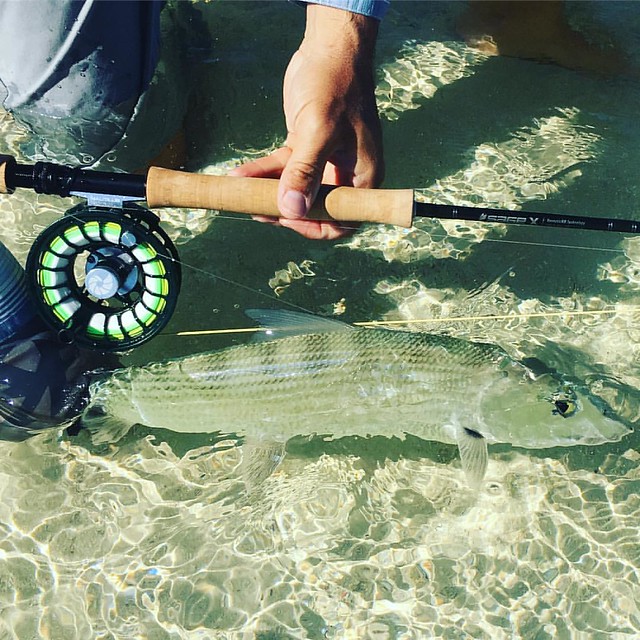
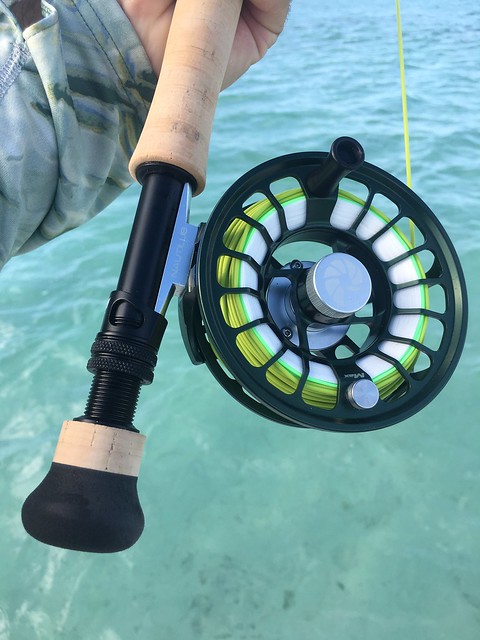
I didn’t think my first fish on the new SAGE X would be a bass! They too eat size 16 callibeatis nymphs.

davis-lake

After paddling and floating down Odell Creek the kids were ready for a snack.

Davis lake trip

I hadn’t camped at Davis for years, the lake was low but water temperatures in Odell Creek and the lake “channel” remained cool.

Davis lake trip

Despite the algae bloom trout were in really good shape. There were midges in the early morning, callibaetis and caddis from 8am. A small Jigged Thin Mint was my best fly.

davis-lake-frog

davis-lake-camping-trip

swimming-davis

Davis lake trip

Davis lake trip

Posted in Eastern Oregon, Fishing Reports, Oregon High Lakes | 2 Comments

No wild Coho season in coastal bays and estuaries this fall due to weak run

From ODFW 2016 News Releases

August 2, 2016

SALEM, Ore.—As a precautionary measure, ODFW will not propose any coastal freshwater fisheries on wild Coho this fall due to concerns over poor ocean survival and adequate spawning escapement to coastal rivers this year.

The Fish and Wildlife Commission was scheduled to consider a limited fishery in the Coos, Coquille and Umpqua rivers and Tenmile Lake at its meeting in Salem this Friday, but ODFW has decided to not move forward with the proposal.

“ODFW had already decided earlier this year to not propose coastal freshwater fisheries on wild Coho on the north and central coast,” said ODFW Ocean Salmon Technical Resources Manager Christine Mallette. “Today’s decision to also not propose any coastal freshwater fisheries in the SW Zone is responsive to concerns that the wild Coho run may be lower than anticipated.”

Wild Coho seasons in Siltcoos and Tahkenitch lakes as well as federally authorized ocean fisheries are not impacted by this decision.

Ocean Salmon and Columbia River Program
Oregon Department of Fish and Wildlife

2011 Tillamook Bay Wild Coho.

2011 Tillamook Bay Wild Coho.

Post Script: Not surprised at this situation. One of my friends is a commercial salmon troller who fishes anywhere from Port Orford to the Washington coast. He put in quite a few days this chinook season and remarked to me on several occasions that the rarity of his encounters with coho (when lowering and retrieving his gear from the depths that he fishes for kings) was “scary.” He has usually encountered silvers quite regularly, but only rarely did this season. He told me that he was concerned that ODFW’s coho prediction might have been on the” optimistic side” this year.

We all hope the runs will not be as poor as they were during the depths of the 1990s, but only time will tell now. By March 2017, we will have a solid idea what the wild run in 16/17 is like.

Me? If my commerial fisher friends are worried, I’m worried too.

JN

Save

Posted in Oregon Salmon fly fishing, Oregon Saltwater Fishing | Leave a comment

Modern Steelhead/Chinook Boss Fly Tying Video

Jay Nicholas demonstrates how to tie a version of a classic salmon and steelhead Boss fly. The pattern is simple and “old school” but works very well in summer, fall, and winter in rivers and estuaries.

Jay video flies may 2016

Modern Boss Fly

Thread: Veevus 6/0 Black
Hook: Daiichi 1530 # 6
Tail: Cascade Crest Grizzly Hair Fiber
Eyes: Senyodelic Medium
Body: Senyo’s Fusion Dub Midnight
hackle: Metz Soft hackle Orange
Glue: Zap a Gap Brush On

Posted in Fly Tying, Fly Tying Materials and Supplies | Leave a comment

Postcards from Pacific City July 2016

This is what we call a beach rig, a rusty but trusty old jeep.

This is what we call a beach rig, a rusty but trusty old jeep.

Joe likes these bass just fine!

Joe likes these bass just fine!


Now here's s triple for Joe, Ed, and Josh!  Did I have one too?

Now here’s s triple for Joe, Ed, and Josh! Did I have one too? Can’t remember……

I was hoping for albacore but no - a little Mackerel was my best for the day.

I was hoping for albacore but no – a little Mackerel was my best for the day.

four rods, a full day, and one tuna.  I napped dreamed of better days on the ocean. The boat sent me home with the solitary albacore for Chris' family, a 20 pound fish.

Four anglers, 7 rods, a full day, and one tuna. I napped dreamed of better days on the ocean. The boat sent me home with the solitary albacore for Chris’ family, a 20 pound fish.

Jack Harrell (center) met my dear old friends Mark and Ken from ODFW days past.

Jack Harrell (center) met my dear old friends Mark and Ken from ODFW days past.

Guido caught a two tailed springer this season.

Guido caught a two tailed springer this season.

Yeah, it is nice to have spares . . . . . . .

Yeah, it is nice to have spares . . . . . . .

A few sea runs are being caught, this an honest 13"

A few sea runs are being caught, this an honest 13″

I'm working on a new book, this title will be on Sea-run cutthroat flyfishing and flies. Here is a "bee" fly from the draft.

I’m working on a new book, this title will be on Sea-run cutthroat flyfishing and flies. Here is a “bee” fly from the draft.

My best to you all. May your days be good and the fish willing to take your flies/bait/lures.

Jay Nicholas, July 29th, 2016.

Posted in Fishing Reports | Leave a comment

Take Action today: Tell WDFW to Designate Skagit as a Wild Steelhead Gene Bank

From the Native Fish Society: In 2008, Washington Department of Fish and Wildlife (WDFW) committed to identify wild stock gene banks (WSGB) in Puget Sound to protect threatened wild steelhead from hatchery steelhead. In summer 2015 WDFW asked for public comment on which Puget Sound watersheds to protect, and the response overwhelmingly identified the Skagit, Snoqualmie, Puyallup/Carbon, and the Elwha watersheds. 869 individuals out of 959 respondents (91%) strongly supported the Skagit watershed as a WSGB.

Skagit

Eight years since WDFW’s commitment, still not a single Puget Sound WSGB has been designated. Meanwhile, we have fewer than 3% of the historical abundance of Puget Sound steelhead and 12 of 20 Puget Sound steelhead populations are at high risk of extinction. If this trend isn’t reversed, Puget Sound steelhead will undoubtedly be listed as endangered under the ESA.

Please join us in sending an email to WDFW and the Wildlife Commission that oversees the Department. Tell them Puget Sound’s Wild Steelhead Can’t Wait. The Department of Fish and Wildlife is OVERDUE to designate the entire Skagit as a wild steelhead gene bank.

Simply fill in your pertinent contact info, click the “Submit” button, and your message will be sent to the recipients listed below. Please send your message by 5p.m. Pacific time on July 29, 2016. Feel free to customize the letter.

Thank you for your continued support of Washington’s wild steelhead!

Click here to send a message.

Posted in Oregon Conservation News | Leave a comment

Klamath Baitfish Fly Tying Video

Jay Nicholas demonstrates how to tie a slender baitfish pattern for use in fresh and saltwater. The bucktail pattern is super old school in it’s style but uses the new Pro Sportfisher Pro Tabbed Eyes to give it a great target for fish to attack. The Tabbed Eyes are tough and easy to use.

Jay video flies may 2016

Klamath Baitfish

Hook: TMC 3761 # 6
Thread: Danville 210 white/chartreuse/blue
Body: Lagartun Carded Flat Braid
Wing: Bucktail White/Lime Green/Navy Blue
Lateral Line: Lateral Scale
Eyes: 5mm Pro Sportfisher Tabbed Eyes

Posted in Fly Tying, Fly Tying Materials and Supplies | 2 Comments

Dog Days of Summer? – Plenty of Fly Fishing in Oregon

mckenzie river trout

A mild three weeks of July is finally giving way to a hot week of weather, but fishing opportunities are still immense in the great state of Oregon.

Locally the McKenzie and Willamette are maintaining cold water temperatures. While the best of our early season hatches have certainly come and gone some good morning and evening opportunities still exist. Pale Morning Duns, Little Yellow Stones and smaller caddis are excellent patterns to fish on the surface during the low light hours. Get deeper when the sun is at it’s highest with Possie Buggers, Copper Johns and Jigged Pheasant Tails. Steelhead fishing remains solid with the Willamette producing most consistently.

More opportunities around the state

Smallmouth Bass – Both the Umpqua and John Day rivers get lower and warmer but the bass fishing remains great. Poppers early in the day and buggers and clousers subsurface catch fish consistently throughout the summer.

Steelhead – The North Umpqua and North Santiam are excellent spots to check out this time of year. The North Umpqua is it’s usual tough self. The North Santiam is a bit of a sleeper with quite a few fish and less pressure in the upper reaches. The mouth of the Deschutes is getting some fish sneaking up the river as well.

Trout – This is a forgotten time on the Deschutes. If you have time to get over and fish the lower river for trout you may find very few folks and plenty of willing fish in the eddies. All of the smaller waters in the Willamette Valley are worth a look, the Middle Fork above Hills Creek Reservoir, the South Fork of the McKenzie above Cougar Reservoir, bring your “attractor” patterns, wet wading gear, a 3wt, and have a blast.

Oregon Coast – Tuna are offshore between 25-45 miles, Black Rock Bass are in close if you haven’t tried this prolific fishery give Pacific City Fly Fishing a call and give it a shot.

High Lakes – Crane Prairie Reservoir is on and off with some beautiful fish being take on chironomids and slender leech patterns. East Lake is in the midst of it’s prolific callibaetis emergence and we have heard some good reports about Davis Lake as well.

The days are already getting shorter and it will be fall before you know it. Get out there and enjoy some summer fishing!

Posted in Fishing Reports | Leave a comment

Freshwater Trust, Fishing on the Deschutes

The folks at Freshwater Trust recently published a new video, featuring the staff’s philosophy and connection to fly fishing and conservation. Worth a watch:

It’s The River That Binds Us: A Staff Story from The Freshwater Trust on Vimeo.

Posted in Oregon Conservation News | Leave a comment

Silvenator Fly Tying Video

Tony Torrence demonstrates how to tie one of our very favorite summer steelhead flies. The Silvenator is a versatile tube fly pattern that sinks when you need it to, but swings beautifully as well. Black and blue combos, black and orange as well as others are very effective summer and winter steelhead flies.

Purple Silvanator 2016

Purple Silvenator

Tube: Prosportfisher Clear Micro Tube and Pro Hook Guide, Or HMH 3/32 Small Rigid tube
Thread: Uni-thread 6/0, Purple
Bead: 1/4” Spirit River Hot Bead, Fl. Salmon Pink
Wing: Hareline Purple Zonker Rabbit Strip, and Purple Ostrich Herl
Flash: Angel Hair, Purple Ice
Hackle: Hareline Chinese Strung Saddle Hackle, Purple

Posted in Fly Tying, Fly Tying Materials and Supplies | Leave a comment

Fly Cup Recycle Gets you 15% Off Fly Purchases This Week

fly cups blog post oregonflyfishingblog.com

Bring in your old fly cups and stock up for the Summer fly fishing season. When you return one or more of our plastic fly cups you will get 15% off of your fly purchase this week. July 18-24, 2016. Offer does not apply to other items.

possie buggers caddisflyshop.com

This is an excellent opportunity to stock up on the basics and fill in gaps you may need for the Summer season. Golden Stones, little yellow stones, green drakes, soft Hackles, possie buggers, princes, small caddis, and parachute adams are flies that consistently catch fish throughout the summer. If you are headed to the high lakes we have you covered with callibaetis patterns, damsels, dragons, leeches and buggers. New steelhead patterns have just arrived including Aqua Flies, Moal Leeches, and “sparser” patterns for the low water we are having on the Willamette system.

CD

Posted in Shop Sales and Specials | Leave a comment

Lingcod Clouser with EP Craft Fur Brush Fly Tying Video

Jay Nicholas demonstrates how to tie a large and durable clouser pattern utilizing EP Craft Fur Brushes. Craft Fur is one of the very best streamer fibers available. Now woven on a wire brush the fiber is even easier to use!

Jay video flies may 2016

Lingcod Clouser

Thread: Danville 210D Chartreuse
Hook: Gamakatsu SC15 3/0
Belly: Farrar’s Blend UV White
Flash: Lateral Scale
Wing Brush: EP Craft Fur Brush Hot Pink/Purple
Lateral Line: SF Blend Fl. Chartreuse
Back: SF Blend Bleeding Mackerel
Glue: Zap a Gap Brush
Eyes: XL Plated Lead Eyes

Posted in Fly Tying, Fly Tying Materials and Supplies | 1 Comment

Duo Slamo – Isla de la Juventud

fly-fishing-cuba

This years Caddis Fly Shop hosted Cuba trip was on the Isle of Youth aboard Georgiana Yacht. We again utilized Avalon Fishing and Fly Fishing Caribe for our booking.

georgiana-idj-dining

We originally booked the smaller Perola craft but due to a water pump issue our group was moved to the larger 100ft Georgiana yacht.

monkey-island-idj

The Island of Youth is located on the South Side of the Cuban mainland and was the subject of Robert Louis Stevenson’s novel Treasure Island. The sleepy but large fishing and agriculture focused island is not a tourist hot spot by any means.

pigs-monkey-island

swimming-pig

pig-in-a-boat

Getting there

We woke at on July 2nd, way to early but limited flights and wanting to fish as early as possible this is the best option. We were transported via bus from our downtown Havana hotel “Parque Central” to the Jose Marti national airport; from there we flew to the island around 6am. A short bus ride to a marina on the east side of the island and we arrived at our boat.

georgiana-idj

tarpon-jump

The Georgiana is indeed large but is in no way a luxury yacht. In fact it needs a bit of work and has maintenance is scheduled this off-season. The boat’s size does allow for guests to have there own single accommodation. The staff is friendly and accommodating. Our food was good; lobster was served virtually every meal, fresh fish, fresh fruit, beans and rice, excellent soups all were standard fare.

georgiana-foods

Day one is a scheduled half-day of fishing while the boat moves out of the marina to an anchorage on one of the innumerable cays between the Island of Youth and Cayo Largo. Like all of Avalon Fishing’s locations around Cuba the truly amazing and unique aspect of the fishing location is that you will see virtually no other anglers during your stay. Our group of 5 anglers had what seemed like 100 square miles of reefs, cays, channels and other ideal fish habitat alone. The price of a fishing trip to Cuba is expensive but as long as this solitude can be maintained to some degree it’s well worth the price of admission.

jack-idj

The rest of our fishing days were great. I loved the program of, fish from 8am to 1pm, eat a nice lunch and go out between 3-4pm, and fish until 8pm. On the last day we had to be back at the dock by 5pm and our day shifted to an 8-5pm day with a shorter lunch break.

patsy-cash-snook

The fishing area surround the Island of Youth is know more as a tarpon fishing zone than most other areas of Cuba. The nearby reefs and channels provide a steady stream of moving tarpon anglers can target depending upon weather and tidal conditions. There are bonefish and a couple of zones during our stay had flats the guides felt were suited for permit fishing.

cash-tarpon

Our group had good fishing. Tarpon and bonefish were caught every day and we were fortunate enough to catch two permit as well. The Permit were caught on consecutive mornings and both led to “Grand Slams”. We caught many more “baby” tarpon than larger fish but we certainly had our opportunities. Our weather was fantastic; minimal winds for the most part, mostly sunny conditions.

tarpon-release

The guides that were assigned to our group were very good, in particular “Landy” the guide Shauna, the kids and I shared had superb English and a great “handle” on were to be when. Landy guided us into the Permit and stuck with it until the slam was complete.

permit-shauna

shauna-bonefish

shauna-tarpon

We have led quite a few excursions to Cuba since 2001 and now feel we have an excellent understanding of the great variety of fishing available through Avalon Fishing Charters. This year’s trip was a reminder of the benefits of a live aboard boat fishing program. Travel in Cuba is generally problematic and while it looks like more American carriers are going to fly into more locations around the country of Cuba, there are very limited “in country flights”. Getting to your fishing destination can require some long days, some serious “hurry up and wait” situations and some flexibility/patience when required.

cd-permit

beach-tarpon

We consider the to trips below as the very best. There are others of course and I am happy to help with what to expect on both the land based operations and other “floating hotel” and live a board options that we have experienced in Cuba.

working-old-cars

havana-centro

Best land based operation – Cayo Largo see our article here: Cayo Largo here.

Best Boat experience – Avalon I – See our article on Cayo Cruz aboard Avalon I here.

Next years trip is aboard the Avalon I in the Jardines de la Reina we really feel this is the ideal mix of tremendous variety and deluxe accommodation. We still have a few spots available on this Cuban Fly Fishing Adventure. Give me a call or email if you would like to inquire further. Dates June 23-July 1, 2017. Cost $6900.

Chris Daughters

caddiseug@yahoo.com

box-fish-release

snook-idj

Posted in Fishing Reports, Fly Fishing Travel | Leave a comment

Introduction and Interview with Doug Brutaco of Aqua Flies

DSC_3797

Aqua Flies. New Kid on the block. Impressive flies. Very nice. Very tasty. I purchased several patterns and am busily trying to adapt my own flies with the new inspiration I’ve found in these beauties.

Doug Brutocao. Doug is the man who runs Aqua Flies. Doug’s introduction to fly fishing was a lot like mine, except he was a few years over me, 15 versus 13, and he started with a Fenwick while iIstarted with a Japanese bamboo rod. We both started with Pfluger fly reels though. We both read books and had help along the way. My help was from people like Audrey Joy and Lloyd Byerly of Portland Oregon Doug watched Grant King at work, along with people like Bill Schaadt, Hal Jansen, Bob Nauheim and other California fly angler/tyers.

Doug has traveled and fished more destinations than I have too. Places like Alaska, BC, New Brunswick and Russia have been on his itinerary, but BC has been my only out of country venture for sea run fish.

While I was tying for a few retailers, Doug founded Doug’s Bugs at the age of 18 — my semi-commercial tying was as a grad student at OSU and then in my spare time while working full time as a fish biologist.

Doug tells me that he formed Aqua Flies to take the state of commercially produced steelhead and salmon flies to a new level. I look at his bugs and think he has achieved just that. Nice job Doug.

The Caddis Fly Shop is pleased to offer Aquaflies online – after our in-store clients welcomed these patterns with enthusiasm.

Here is a brief Interview with Doug agreed to let me use to help introduce his product line.

____________________________________________________

Aqua Flies Q/A (July 2016)

Jay: How did you decide on the traditional steelhead and salmon fly patterns you would carry?

Doug: We noticed that the traditional steelhead fly we know 25 years ago was becoming increasingly difficult to find.  It was easy to find a Green Butt Skunk, but many of the other patterns were simply disappearing from the view of fly shop buyers and consumers. The flies you would find were not up to par, except for those flies that were being tied by regional commercial fly tiers. The quality that was on the market was very poor from the use of inferior quality hooks, bad proportions and incorrect color schemes.  We wanted to show shops that we could produce a quality fly that is tied correctly, a good way to do that is with old school patterns with a little bit of glitz.

Jay: How did you meet and decide to work with people like Greg Senyo and Brett Jensen as two examples of your signature flies?

Doug:  Not only do we respect tradition, but we want to be cutting edge.  Greg is well known for developing new fly tying materials and incorporating those new materials into his innovative patterns.  Our lineup of flies was lacking the style of fly that the swing guys in the Great Lakes like to use.  Shops in the Great Lakes were telling us that our patterns looked great, but not exactly what they like to use.  So we fumbled around with a few things until Greg came to us and offered us two patterns as a trial.  As soon as Greg saw the quality and our ability to tie his fly almost exactly as it had come off of his vise, he opened up his box and gave us more patterns to tie.

I had fished on and off  with Brett for many years.  His flies always impressed me, he had good proportions, good color selections, neatly tied and they caught fish.  A few years ago I had a chance to fish with Brett on the Klamath.  We were all having success that day.  I asked Brett what he was using and he showed me his Klamath Caddis, I had seen the fly a number of years ago in his box, but never saw the fly in action.  HE gave me a few to use along with his Obie Skater.  I asked if he would mind if we produced the flies, thinking they would be popular only in Northern California.  He was excited at the opportunity and suggested that he submit some other patterns.  From the get go, his patterns have sold very well, with sales from BC to California.

Jay: I think I see some hooks that are different from those I am accustomed to fishing. Can you share a little information about these hooks and why you selected them for your flies?

Doug: We use Gamakatsu Octopus hooks for our trailer hooks on most of our flies.  The little trailer hooks that are ring eye are out of Korea called Iseama.  The traditional flies are tied on Maruto out of Japan.  Tubes are rigged with the Iseama hooks also. I chose the very best hooks I could find considering sharpness, durability, shape, and wire diameter at each size.

Jay: Could you note a few of the new fly patterns you plan on releasing in the autumn of 2016?

Doug:  We have the honor to be working with Jerry French on his patterns.  Being the father of the Intruder and an innovator in tying using the composite loops, we were thrilled.  IT is very challenging for your tiers to switch gears when tying Jerry’s flies, but they are tuning out very well.  This is a project that has taken over a year to develop, but we feel that there is nothing like Jerry’s flies on the market.   In addition to his Intruders, we will be tying the Dirty Hoh, Summer Sculpin and Jerry’s Waker Maker.

Stu Foxall has also submitted some very nice patterns for release this fall.  He has a PrawnTruder tube fly.  This fly is a little different in that the rubber legs are tied underneath the fly to represent the legs of the prawn.  When looking at the fly from behind, it looks just like a prawn with the eyes, feelers and fluttering legs.  Small brass eyes are tied on the bottom of the tube so the fly rides with legs hanging down.  Very cool pattern.

We will also be introducing a line of marabou tube flies  that incorporate the Pro Sport Fisher Ultra Sonic discs.


________________________

End  of Jay’s Interview with Doug

Post Script: 

The Caddis Fly Shop is pleased to announce that our stock of Aquaflies is sufficient to list most patterns we carry online.

My photography is less than optimum, but these flies are the best examples of commercially tied flies that I would be confident fishing myself. kThe following photos are representative of patterns we will stock with more to come by the likes of Greg Senyo and Jerry French and maybe, possibly, a few flies by Jay Nicholas in 2017.

Here are some quick links to the flies we currently stock, absent the riffle hitch skaters we now have in the shop but I just have not placed the link here yet. My bad.

Aqua Flies incite me to swing other people’s flies — and I bet you will feel the same when you see them in person.

Brett’s Obie Skaters

Brett’s Klamath Skaters.

Stu’s Mini Intruders

Brett’s Klamath Intruders

Scorpion Stingers

Stu’s Barred Ostrich Intruders

Senyo’s Predator Scandi


Senyo’s OCD


DSC_3781 DSC_3782 DSC_3783

Jay Nicholas Aquaflies d

Brett’s Obie Skaters and Klamath Skaters.

DSC_3793 DSC_3801 DSC_3792

Stu’s Mini Intruders

DSC_3797

Scorpion Stingers

DSC_3803 DSC_3787

Brett’s Klamath Intruders

DSC_3791 DSC_3790 DSC_3800

Stu’s Mini Intruders

DSC_3797

Stu’s Barred Ostrich Intruders

DSC_3799

Senyo’s Predator Scandi

DSC_3804

Senyo’s OCD

DSC_3805

Jay Nicholas – July 2016

Posted in Fly Fishing Gear Review, Fly Tying, Fly Tying Materials and Supplies, Uncategorized | Leave a comment

Support Recovering America’s Wildlife Act!

A bill was introduced last week in Congress to provide $1.3 billion annually for wildlife conservation across the United States. The proposed legislation, called the Recovering America’s Wildlife Act (H.R. 5650), was authored by Reps. Debbie Dingell (D-Mich.) and Don Young (R-Alaska). It would use royalties from energy and mineral development on federal lands and waters to fund the Wildlife Conservation Restoration Program.

Streaked Horned Lark

The bill was inspired by a report released last spring by the Blue Ribbon Panel on Sustaining America’s Diverse Fish and Wildlife Resources:

Our generation has been blessed with abundant elk, wild turkeys and a diversity of sport fish—but this has not always been the case. A century ago, most game species were imperiled and our nation was facing a fish and wildlife crisis. Fortunately hunters, anglers and the shooting sports and fishing industries rose to the occasion and secured funding so the states could do the important work of restoring and managing fish and wildlife. This remarkable partnership led to one of the greatest conservation success stories the world has known. Yet what is hidden from most Americans is another impending fish and wildlife crisis.

For every game species that is thriving, hundreds of nongame species are in decline. Unlike the conservation finance system that was created for game and sport fish, there is no comparable funding mechanism to manage the majority of fish and wildlife under state stewardship. As a result, thousands of species of birds, frogs, turtles and even the iconic monarch butterfly are slipping through the cracks and could become endangered in the future.

The next step is to secure bipartisan co-sponsors of the bill. Let your representatives know you support this important legislation.

Posted in Oregon Conservation News | Leave a comment