Random Review of Fly Tying tools, materials and gear – August 2017

Random selection of fly tying tools and gear that I regularly use and endorse.

Random selection of fly tying tools and gear that I regularly use and endorse.

For the record, I’ve been thinking about reviewing a bunch of fly fishing related items for quite some time.  I wanted to share my appreciation for a wide variety of products that I use on a regular basis.

I will say more about some of these products than about others. My point here is simply to list several of the products and say a little (or a little more) about each.

Are the products I use better than others currently available?

Although a few might be, more likely, these are simply decent products that I have found agreeable to my personal tying skill and experience. I am fortunate to be able to tie with a very wide assortment of tools, materials, and hooks. Some of these please me greatly, some do not.

I decided to simply browse my tying bench, grab a fair number of items I have been using lately, lay them out on the floor, take a photo, and get on with my review, providing links to the products so that the reader currently unfamiliar with each could easily check them out in the catalog.

Please excuse the madness of this post. Best I can do today. Now here goes.

I will make my way generally from upper Left to lower right.

1. Craft Fur Brushes
2. Steve Farrar’s blend
3. opal mirage lateral scale
4. Zap A Gap
5. Gamakatsu SL 12S
6. Loon UC Clear Fly Finish Thick
7. Fluorocarbon tippet by Hatch and Rio
8. Regal fly tying vise, with magnum jaws
9. ProSportfisher Classic tube
10. Hareline Alaska Brass Cones
11. Petitjean Long Loop TRr Scissors
12. OPST Dubbing Twister
13. Loon Ergo Bodkin
14. Loon razor scissors 4″
15. C&F rotary hackle Pliers
16. NorVise Clutch Bobbin

1. EP craft fur brushes: With a stainless steel wire core, these brushes are available in a dizzying number of colors. I use the white/white for baitfish bellies. You can use these brushes to create baitfish bodies, finishing collars, wet fly hackles, and more. The Craft fur brushes may be the easiest to use, but it is well worth the time of all tyers who craft large fresh and saltwater flies to check these out. Brushes are composed of natural and synthetic materials and incorporate various amounts of flash.

2. Farrar’s Flash Blend and Farrar’s UV blend. This material is the most delightful and frustrating I regularly use for tying baitfish wings. The delight comes from a great array of color choices, the blending of several colors (e.g., bleeding mackerel, bleeding black), and the incorporation of flash into the materials. Some of these colors make the most spectacular baitfish style flies in my box.

The frustration I have with these materials involves the fact that the basic texture varies depending on the color and over time. For example, the texture of Fl chartreuse Farrar’s blend has varied over time. The material I purchased two weeks ago is head and shoulders “better” than it was a year ago. Color is better, texture is better, and the flies I tie are better. My assertion that the material is now better is of course a subjective evaluation

3. Lateral Scale: This is my favorite flash material for everything from steelhead flies, salmon clousers, to saltwater flies.

4. Zap A Gap: simple and dependable glue. Super tough. Helps make your flies super durable. Be careful how you use this stuff.

5. Gamakatsu SL 12S hooks: my favorite all round saltwater and estuary fly hook, I will be reviewing these in a separate post. From #2 to #8/0 these are a very nice balance of hook wire diameter, sharp points, saltwater safe finish, and strength in a fly hook.

6. Loon UC Clear Fly Finish (Thick): Now that Cure Goo is out of the picture, I have considerable experience with this new Loon UV cure and really like it. The Thick version has a consistency that is easy to work with when making heads on large saltwater fly heads.

7. Fluorocarbon tippet by Hatch and Rio: I find myself fishing fluorocarbon leaders more often than not. I fish both Hatch and Rio Fluorocarbon material and find both brands are entirely reliable, tough leaders.

8. Regal fly tying vise, with magnum jaws: withoug goint into detail, I tie on two vises, the NORVISE and the REGAL. I prefer the REGAL when tying large saltwater flies, because I like the way I can slowly rotate the head of the regal vise while forming UV cure heads on big flies. I need the Magnum jaws for my very large hooks on heavy wire.Regal vises are absolutely dependable, hold hooks well, and I’m confident that the REGAL and the NORVISE will perform for every tyer.

9. ProSportfisher Classic tube: I use this tube when tying tube Intruders because it is PERFECTLY suited to rigging hooks on a mono loop. I tie my fly on the tube (note that I can cut my tube to any length I wish) and then to rig the hook, I slip it into a mono loop and pull the loop knot into the rear of the tube to secure it. This tube material will not crack in cold temperatures, can be cut to any length, and does not require a separate hook holder. This tube is available in different colors and diameters from a micro to a magnum.

10. Hareline Alaska Brass Cones: These are big and bad heavy cones. These are the ONLY cones I have found that I can use on both tubes and hooks. The cone is PERFECT for use on the PRO SPORTFISHER Classic Tubes. It is also perfect to slip over most of the heavy saltwater hooks I tie on.

11. Petitjean Long Loop Trim Scissors: These are absolutely fantastic specialty scissors that I would not like to be without. There are so many situations where I need a long straight scissor blades. This includes working with tying Intruders, trimming saltwater materials and so forth.

12. OPST Dubbing Twister: heavy duty and dependable. I love mine. Bet you will love yours too.

13. Loon Ergo Bodkin: I once thought that bodkins were all alike. Not so. I LOVE the handle on this bodkin. I can hold this tool while I am winding on a composite dubbing loop.

14. Loon razor scissors 4“: I have tied with Dr. Slick razor scissors for years. I have recently tied with these Loon razor scissors and LOVE them. I like the yellow rubber finger loops. It is POSSIBLE that these Loon scissors are sharper and hold an edge better than the DR.slick scissors. I am not sure. This is possible, I think they are but dang this is a close call. At present I think I like these are a tiny bit better, and think it is worth your while to check these LOON scissors. Just sayin’.

15. C&F Hackle Pliers: I have written about this product before, but I am still so enamored with the ability of these pliers to hold everything from hackles to dubbing loops to marabou, to craft fur brushes – that I felt motivated to mention them again. Great product.

16. NorVise Clutch Bobbin: Great automatic bobbin, if you have not used one of these gizmos you should try it. One thing you will need to get used to is making sure the thread does not retract into the tube when you finish your fly and cut the thread. This will require you to re-thread the bobbin and it quite irritating. If you are tying with NORVISE you will just secure your thread/bobbin on the thread post, but if you are tying on another vise you will just need to strip out 12″ or so of thread before setting the bobbin down on your bench. It took me a few days to get accustomed to this process but when I did, this bobbin revolutionized my tying.

I hope these ideas help you find the tools, materials, and gear you most prefer from the Fly Tying industry.

Jay Nicholas August, 2017

Posted in Fly Tying, Fly Tying Materials and Supplies | Leave a comment

Wild Willamette Steelhead in Peril

From the Conservation Angler

For Immediate Release: Monday, August 7, 2017 David Moskowitz, Executive Director, The Conservation Angler 971-235-8953
Bill M. Bakke, Conservation Director, The Conservation Angler

The Conservation Angler shares the conservation concerns about wild Willamette River Winter Steelhead: ODFW must address more than sea lions
While seals and sea lions at Willamette Falls and Bonneville Dam are a serious concern and warrant action, ODFW is ignoring a multiplicity of other impacts to wild steelhead in Willamette and throughout the lower Columbia River.

The Conservation Angler believes that actions to reduce predation by sea lions and
seals at man-made obstacles like the fish ladder at Willamette Falls are warranted given the huge regional investments in salmon and watershed recovery in the Willamette.
However, there are a many other factors that are within the authority of ODFW to address right now, without waiting for Congress to act.
ODFW releases hundreds of thousands of non-native hatchery summer steelhead into Willamette River tributaries. Hatchery smolts are large when released and many thousands never migrate out of the rivers. These residualized river smolt prey heavily on juvenile spring chinook and winter steelhead.

ODFW releases tens of thousands of hatchery trout into reservoirs over which they are also re-introducing spring chinook and winter steelhead to help the native fish access historic spawning and rearing habitat. These “catchable trout also prey on the out- migrating spring chinook and winter steelhead.
ODFW permits angling on the hatchery summer steelhead and spring salmon using bait and barbed hooks during the time when winter steelhead are staging and spawning. ODFW cannot calculate the catch and release mortality on wild winter fish encountered in the hatchery summer steelhead fishery.

ODFW authorizes winter and spring gillnet seasons that target spring chinook, but which take place without monitors to help evaluate the handle and mortality on winter steelhead in the lower Columbia River.

All of the above factors have contributed to the decline and prevented true recovery of these ESA-listed fish.
The Conservation Angler would like ODFW to take Dr. Clements’ statement to heart across the range of responsibility the agency has to protect native and fish and wildlife. He said “We are at a point where any more delays in the Willamette may condemn this run to extinction,” Clements said. “We need to act now or extinction may be our legacy.”

The Conservation Angler could not agree more. ###
Background: Willamette Winter Steelhead Trends and Abundance
The trends for wild winter steelhead in the lower Columbia and Willamette River have been somewhat steady over the past ten years, though the overall trend is down.

The previous low return was 1996 when only 1,800 wild winter steelhead passed over Willamette Falls. It is unknown how many wild fish were produced in the Willamette historically.
The most recent ten-year average has been 5,618 wild winter steelhead over the Falls. The most recent five-year average is 5,639 wild winter steelhead.
The Willamette Falls fish count of winter steelhead for the 2016-2017 run year totaled
822 winter steelhead over the Willamette Falls Fishway between November 1 and May 31. There may be hatchery winter steelhead that pass through the fish ladder and that may be why ODFW reports that there were only 512 wild winter steelhead that passed over Willamette Falls.
Steelhead and spring chinook can also ascend Willamette Falls without using the Fishway. The fact that some hatchery winter fish may be part of the fish ladder count, and that both wild and hatchery fish may ascend the Falls without being counted, makes it difficult to use these passage numbers as completely accurate measures of population health and abundance.
When Upper Willamette River wild winter steelhead received an ESA listing in 1999, almost 7,000 fish crossed over the Falls.

ODFW’s website reports in 2014 that wild winter steelhead over Willamette Falls averaged over 6,000 fish for the previous ten years. During that period, they ranged from a low of 2,813 fish to a high of 7,616 wild winter fish.

The number of winter steelhead returning to the Willamette was quite high in the 1960s through the 1980s, though there were also hatchery winter steelhead mixed in with those returns.

What seems clear is that the numbers of wild winter steelhead have been declining as the number of hatchery summer steelhead grew, particularly from 1990 to the present.
The link below is for Willamette Falls Annual Fish Passage Counts from 1946 to 2016.
http://www.dfw.state.or.us/fish/fish_counts/willamette/annual_counts_1946_2016.pdf

The Take Home Points:

1. ODFW has contributed to the decline of threatened winter steelhead by running a revenue fetching fishing program for non- native hatchery steelhead rather than recovery for endangered native steelhead. Irresponsible.

2. ODFW releases so many hatchery summer steelhead that cause competition and predation for threatened winter steelhead they have asked anglers to fish for hatchery steelhead smolts, a fishery that also kills wild winter steelhead smolts.

3. Seal and Sea Lions were not solely responsible for the low 2017 return. Predation on salmon and steelhead by marine mammals reaches a critical impact when the return is as low as counted and the number of marine mammals is high. The
question is how did the Willamette Winter Steelhead population drop from over 5,778 in 2016 to less than 900 in 2017? Again the low return in 2017 was not caused solely nor principally by marine mammals. By lumping all the negatives on sea lion predation ODFW has found a cover up for their own incompetence.

4. Federal enforcement of the Endangered Species Act recovery of threatened winter steelhead has purposely failed, giving ODFW the green light to promote the extinction of winter steelhead rather than their recovery. Shameful and illegal.

5. The Conservation Angler supports marine mammal management to prevent the serious depletion of ESA-listed wild salmon and steelhead at human-caused bottlenecks, but this action must be accompanied by addressing ALL causes of decline.

Posted in Coastal Steelhead Fishing, Oregon Conservation News, Oregon fly fishing links, Oregon Salmon fly fishing | 2 Comments

Willamette steelhead on verge of extinction due to increasing sea lion presence at Willamette Falls

Willamette Falls

sealion_gobbeling_salmon

From the Oregon Department of Fish and Wildlife

Monday, August 7, 2017
SALEM, Ore. – One of Oregon and the Pacific Northwest’s iconic fish, native steelhead trout, have been migrating over Willamette Falls in Portland to spawn in Cascade Mountain rivers for millennia. They are now at high risk of going extinct, based on a new analysis by Oregon Department of Fish and Wildlife.
Listed for protection under the federal Endangered Species Act (ESA) in 1999 due primarily to the impacts of federal dams and habitat loss, wild native Willamette steelhead have now slipped to high risk of extinction. Willamette steelhead now face a new and growing threat from male sea lions that have learned to exploit the fish as they congregate below Willamette Falls before navigating upriver to spawn.
Continuing a decade-long downward trend, the number of wild steelhead returning to the upper Willamette this year was the lowest on record, with only 512 fish passing above the Willamette Falls. ODFW scientists found that sea lions consumed at least one quarter of the wild steelhead run and warned that if sea lion predation continues at these levels, there is an up to 90 percent probability that at least one wild steelhead population will go extinct as a direct result of the predation. The near-term risk of wild steelhead extinction can be significantly reduced or avoided by limiting sea lion access to Willamette Falls.
“We know what the problem is and have seen this coming for about a decade, we just couldn’t take action to prevent it,” said Dr. Shaun Clements from ODFW.
California sea lions have expanded along the West Coast over the past four decades to a population of nearly 300,000 animals coast-wide today. As numbers increased, a small proportion of sea lions – all males – have expanded their range into freshwater areas where migrating salmon and steelhead are especially vulnerable, including in places such as Ballard Locks in Washington, Bonneville Dam, and at the Willamette Falls, where fish tend to congregate before moving upstream. At these locations, predation by sea lions is especially high and adversely impacts salmon, steelhead, and sturgeon. In the 1980s, sea lion predation on winter steelhead at Ballard Locks in Seattle effectively destroyed the Lake Washington stock.
“Removal of a few problem individuals will have no impact on the overall sea lion population but can significantly benefit ESA-listed fish,” said Robin Brown, lead scientist for ODFW’s marine mammal program.
Any solution to address the threats to wild fish populations will have to strike a balance between the recovery of imperiled salmon and steelhead populations and the ongoing conservation of sea lions. Also at stake are significant regional investmentments in recovery efforts, such as improvements in fish passage at dams, restoration of fish habitat, and implementation of fishing regulations that prohibit anglers from harvesting wild fish. ODFW scientists have determined that curtailing the immediate impact created by sea lion predation is essential to saving the steelhead from extinction to support the success of long-term recovery efforts.
Sea lions are protected under the federal Marine Mammal Protection Act (MMPA). TheMMPA, unlike the ESA, has fewer tools for managers to use to balance the conservation of predators and prey and prevent these situations in locations where fish are most vulnerable. Sections of the MMPA were revised in 1994 to allow limited management of sea lions for the purpose of protecting ESA-listed salmon and steelhead.Unfortunately, the revisions do not allow for proactive management and cannot address emergencies like that occurring at Willamette Falls.
“We are in on-going discussions with state and tribal fishery managers and several stakeholder groups,” said Dr. Clements, “Given the situation at Willamette Falls, everyone is united in their call for swift action, and ODFW stands ready to provide expertise to the Northwest congressional delegation on a bipartisan, compromise bill to revise the MMPA to address these emergency situations without undermining the strength and importance of this law.” Bills in the House and Senate; H.R. 2083, sponsored by Rep. Jamie Herrera Beutler (R-Wash.) and Rep. Kurt Schrader (D-Ore.), and S 1702, sponsored by Sen. James Risch (R-Idaho), represent the first steps toward that goal.
“We are at a point where any more delays in the Willamette may condemn this run toextinction,” Clements said. “We need to act now or extinction may be our legacy.”
Upper Willamette wild steelhead have been listed as “threatened” under the federal ESA since March 1999. ODFW has not allowed harvest of these fish for more than 20 years. California sea lion populations are robust, and the animals are not listed under the Endangered Species Act, but are protected under the federal Marine Mammal Protection Act.

Contact:
Dr. Shaun Clements, (541) 223-8437
Rick Swart, (971) 673-6038

Posted in Coastal Steelhead Fishing | Leave a comment

EP Brushes Help Make Super Baitfish Bellies


Jay Nicholas Coho Bucktail with EP Brush .

Coho Bucktail with EP Brush forming the belly of the fly.

Many fly tyers have realized that various material brushes can be great time-savers when creating a belly on baitfish & streamer flies. I have been using these materials for several years and have found several brushes that all work very well for the flies I am tying.

I thought it might help folks who have not used this technique much to note four of the brushes that I use on a routine basis – I will show images of two of these.

The four brushes I use most often for white bait fish bellies are:

EP Craft Fur Brush white/white
EP Foxy Brush white white
Ep Sparkle Brush Pearl Magic
EP Senyo’s Chromatic Brush Live Bait


Jay Nicholas EP Craft Fur Brush white/white.

Jay Nicholas EP Craft Fur Brush white/white.

The EP Brush pictured above is the Craft Fur brush in white/white. This brush is my favorite for most of the flies I tie. It has the longest flowing fibers and a dense middle portion.


EP Brush  Sparkle Brush Pearl Magic.

EP Brush Sparkle Brush Pearl Magic.

The EP Brush pictured above is the Sparkle brush in pearl magic. I reach for this brush when I want maximum sparkle and shine. It is not as full and bushy so I need to take more turns to full out the belly, and it is not as long or as flowy as the other three brushes, but is is very nice, especially for shorter streamers.

Step 1 creating baitfish belly with EP Brush.

Step 1 creating baitfish belly with EP Brush.


Step 2 creating baitfish belly with EP Brush.

Step 2 creating baitfish belly with EP Brush. I have tied the wire core to the hook shank in prparation for winding it like a hackle around the shank.

Step 3 creating baitfish belly with EP Brush.

Step 3 creating baitfish belly with EP Brush. This image shows the brush after I wound it around the hook shank. This probably represents 5 or 6 full turns.

Finished Coho Bucktail.

Finished Coho Bucktail. I added a top wing, lateral scale on the sides of the fly, placed eyes at the head of the fly, and finished it with UV cure.


Coho and albacore flies with EP brush bellies

Coho and albacore flies with EP brush bellies – I hope to put all of these beauties to work in the next several weeks, depending on ocean conditions.

I highly recommend the use of various brushes when tying a wide range of baitfish patterns for fresh and saltwater flies.

Jay Nicholas – August 2017


Posted in Fly Tying, Fly Tying Materials and Supplies | Leave a comment

Hot Weather and Higher Flows on the McKenzie

IMG_0409

Fishing was surprisingly good yesterday on the upper McKenzie. Higher flows out of Cougar Reservoir and Blue River seemed to spurn activity despite the heat. 100 degrees plus heat meant mid day hatches were zero but fishing a mid sized (#10) Gold Chubby Chernobyl and a Mega Prince dropper was very effective.

IMG_0398

The entire river is likely to benefit from the higher and cooler sustained flows we will see from the corps early summer release of water.

IMG_0399

Posted in McKenzie River | Leave a comment

Coho Fly Fishing Report at Pacific City July 28 2017

The dory is ready to roll at the cabin.

The dory is ready to roll at the cabin.

It was a busy day on the beach at Pacific City while we were launching in the morning.

It was a busy day on the beach at Pacific City while we were launching in the morning.

I had the opportunity to troll bucktail flies out of Pacific City with friends a few days ago.

We fished from about 0630 to 1300 hrs – hooking 9 silvers, and brought 3 to hand. Two were wild fish released from barbless hooks, one was a hatchery fish put in the box by friend Ed Bowles.

Headed to the salmon grounds.

Headed to the salmon grounds.

It was my turn to get a fly line destroyed in the prop. Last week it was Rob Perkin’s misfortune. Oh well that’s how it goes.

Rob Perkin is ready for a coho to grab with the sun rising in the east.

Rob Perkin is ready for a coho to grab with the sun rising in the east.

overall we had a very nice day. By the way the bass were there but not on the bite to the extent we usually find them. Still, we managed to catch a few to finish out the day.

Crab Spawn from the stomach of a hatchery coho caught in the ocean off Pacific City in July 2017.

Crab Spawn from the stomach of a hatchery coho caught in the ocean off Pacific City in July 2017.

Our one hatchery coho had been feeding on “crab spawn.”

Enjoying the aftermath of a good fishing day and safe landing on the beach at Cape Kiwanda.

Enjoying the aftermath of a good fishing day and safe landing on the beach at Cape Kiwanda.

Jay Nicholas, July 2017

Posted in Fishing Reports, Oregon Salmon fly fishing, Oregon Saltwater Fishing | 2 Comments

Cascade Lake Report : July 2017

crane 5

Had to get my lake on, got one of the Technical Men’s Council (old dawgs who have fished together for decades) and headed off to Craine Prairie last week.   The lake is about 85% full and based upon our results, the fish were scattered. Needless to say, the weather was outstanding!
crane 2

We fished for two days.  Day one was very good with Chironomid and bobber.  The snow cone Chironomid was the key fly for the day.

crane 4

Day two brought provided an event, we had not seen for some time, a blue damsel hatch. Fish were leaping out of the water to pursue these blue darts. Our boat became a sanctuary from consumption! The dry blue damsel fly, was the key. The hatch lasted a few hours until the familiar winds of Craine kicked up late in the afternoon.

crane 1

We are continuing to see great weather and good fishing all over our area. Time to get out there and enjoy the Northwest at its finest! Oh, headed back next week….!

LV

Posted in Central Oregon Fishing Report, Fishing Porn | Leave a comment

Pacific City Albacore update – – – the Dory Fleet Connected!

IMG_6329
Yes the Albacore were offshore Pacific City on the 21st and the dory fleet was able to find fish willing to grab.

IMG_6327

The two dory boats with fly anglers managed to find enough tuna that everyone aboard hooked and landed fish. These fish ranged from about 15 pounds to a solid 25 pounds. The most productive flies had blue over white color themes and were about 6″ long.

The fly bite was slow until noon, with plugs and irons producing the most fish early in the day. Flies were apparently more appealing to the tuna in the afternoon, and my friends all returned to the beach tired but happy.

Since their day began about 4 AM preparing to launch and ended close to 8 PM with clean-up in my yard, they were all pretty much done for the day, and tuna processing occurred the next day, with fish packed securely on ice overnight.

The tuna were found roughly between 25 and 50 miles offshore. Long day and a lot of gas burned by the fleet.

My yard was crowded with cars and dory boats.

The wind is howling now, so it will be some time before anyone heads out from the beach to tuna fish here at Pacific City.

My best to you all in the meantime.

Jay Nicholas July 26 2017

Posted in Fishing Reports, Oregon Saltwater Fishing | Leave a comment

Your Input Needed on the McKenzie

Screen Shot 2017-07-23 at 12.41.57 PM

Homepage_Promo_McKenzieCamp

From the McKenzie River Trust

As many of you know, In 2016 McKenzie River Trust purchased 278 acres from Roseboro Lumber Company including the Finn Rock Boat Landing on the McKenzie River. As we work towards developing our conservation management plan for the area, we are seeking public input specifically regarding the boat landing, to help inform our plans.

This input will help us to plan, and seek to fund improvements to the landing and be sure that our next moves are guided by the businesses and community who utilize this free launch site. We would deeply appreciate your input!

To fill out the survey online visit www.mckenzieriver.org/recsurvey

Posted in McKenzie River, Oregon Conservation News | Leave a comment

Great Albacore Flies will be put to the test on July 21st!

A selection of my best Albacore flies to fish offshore Oregon.

A selection of my best Albacore flies to fish offshore Oregon.

But not by me.

My friends will be charging out into the ocean offshore Pacific City at about 0445 hours this morning. I will have wished them all well, anxiously awaiting the return of the tuna fleet late in the afternoon.

This is a very quick post to show the type of flies that we have proved effective, and to show the general color themes and relative size of the flies my friends will be fishing.

Color themes: most have a blue back, but we have had success fishing flies with a purple and bronze too.

Size: these flies are as small as 3″ and as long as 7″Size: these flies are as small as 3″ and as long as 7″

Weighted vs unweighted: all are weighted except for the second and third flies from the left.

Troll vs cast flies: the two flies on the right are our trolling flies, the rest are our casting flies.

Reports indicate that the albacore are (at present) 25-35 miles offshore of Pacific City as I type, based on satellite imaging that reveals surface sea temperatures and chlorophyll densities. The tuna guys look at the images and set their course to the coordinates they think are most likely to be hospitable to the tuna.

Several dorys fishing out of Pacific City caught albacore recently, and ocean conditions look even better for the 21st.

Best wishes to you all — I hope to venture forth in pursuit of albacore very soon.

Jay Nicholas – July 20, 2017


Posted in Fly Tying, Oregon Saltwater Fishing | Leave a comment

Summer Water Conditions in the Willamette Valley

Summer on the McKenzie

Water levels have dropped, hatches have diminished and there are more folks out fishing than almost anytime of year. Sound like a great recipe for tough fishing? Well, it can be. High sun in the afternoon can be tough, trout tend to stay down and hide in the shade of big boulders in deep water. Even with deep nymphing tactics it seems that they have a period where they are “turning off” a bit. Your best bet is to fish early and late and look for the faster oxygenated runs. Despite a drop off in hatches there are still some smaller caddis and Pale Morning duns out. Try size 14-16 high floating caddis patterns in fast or shaded water during the day and look for better hatches in lower light conditions. You will still catch fish during the day with “hopper dropper” rigs and again look for that faster water where fish can get cover and food. If you do go deep use slimmer jigged patterns that descend quickly into the fast water. Enjoy the beautiful weather!

Posted in Fishing Reports, McKenzie River, Middle Fork Willamette River fishing | Leave a comment

Smallmouth Bass Clouser with EP Craft Fur Brush

Most people who are regular visitors to Youtube and the Oregon fly Fishing Blog probably recognize that the Clouser is one of my best, most favorite, gotta have some fly patterns.

I’ll tie them with different materials, in different proportions, and in different color combinations to fish in rivers, lakes, estuaries and the open ocean.

This fly represents an opportunity to tie yet another Clouser – this fly in colors intended to be attractive to Smallies, with a hint of orange to imply a crawfish. The photo shows more orange and downplays the gray and brown hues present in the fly.

The EP Craft Fur Brushes are a fantastic way to finish off any clouser. At least that’s my story and I’m sticking to it.

July 2016, and the lower Umpqua  is teeming with smallmouth bass. This fly will attract the beasties if you give it a chance. John Day? Yes indeed. Willamette? Probably.

My best to you –

Jay Nicholas

Jay video flies may 2016

Smallmouth Bass Craft Fur Brush Clouser

Thread: Danville 210D White
Hook: Gamakatsu SL12s #2
Eyes: Tungsten Predator Eyes Med
Flash: Mirage Lateral Scale
Belly: Steve Farrar’s SF Blend Bleeding Grey
Wing Brush: EP Craft Brush Black/Orange
Wing Back: SF Blend Bronze Back
Glue: Zap a Gap Brush

Posted in Fly Tying, Fly Tying Materials and Supplies | Leave a comment

Jay’s Baja Fishing Gear Check-List

Jay Nicholas Skipjack

This list might help folks prepare for a week-long venture to Gary Bullla’s destination fishing camp in Baja. It pretty much captures what I felt that I needed after reviewing my week long fishing trip in late May 2017.  So for what it is worth, here is the list I will review when embarking on my next trip. My thanks to Jim and Gui for helping me prepare for this trip.

Jay’s Baja trip list.

Personal documents: Passport, one credit card (notify issuer of your trip), cash for host, captain’s daily tips, bait boat daily tips, cook tip at end of week, maid tip at end of week, fee for transportation to/from airport to destination, cash for incidentals (clothing, drinks, etc). You will need to pay for carry on luggage at the flight check-in and a credit card works well for any items at the airport. I should remind folks that Airport food is expensive and (hummmmmmm) interesting.

Luggage:
Roller bag (checked luggage)
Rod tube for 4 rods (carry on if allowed)
Sling pack (carry on)

Tackle:
Rods: 8, 9, 10, & 12 wt rods (three anglers broke rods on this trip)
Good choices:
* Sage Salt,
*
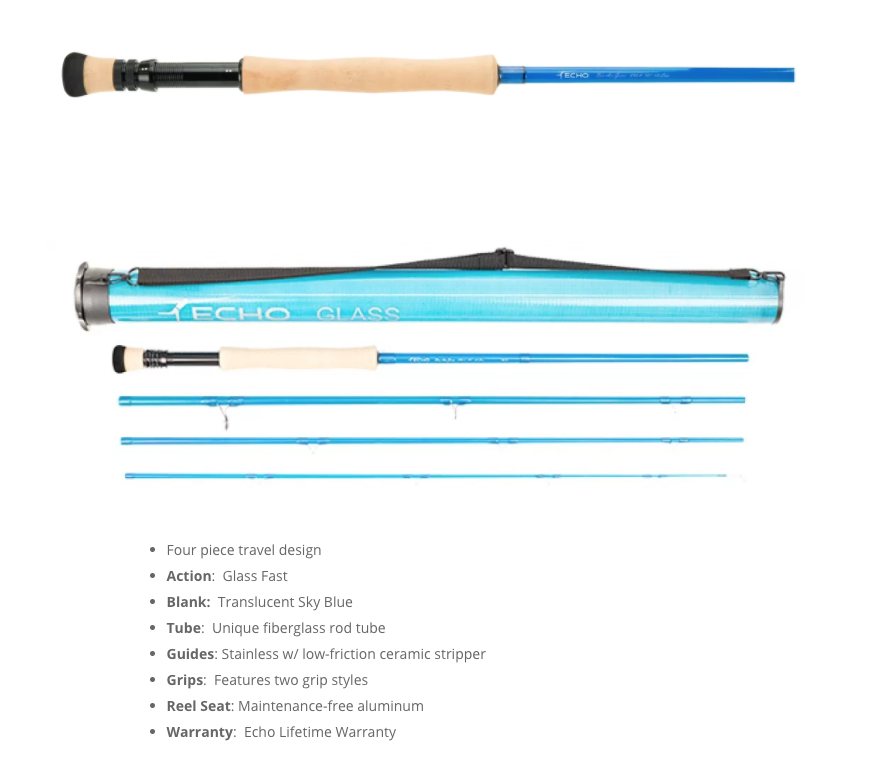
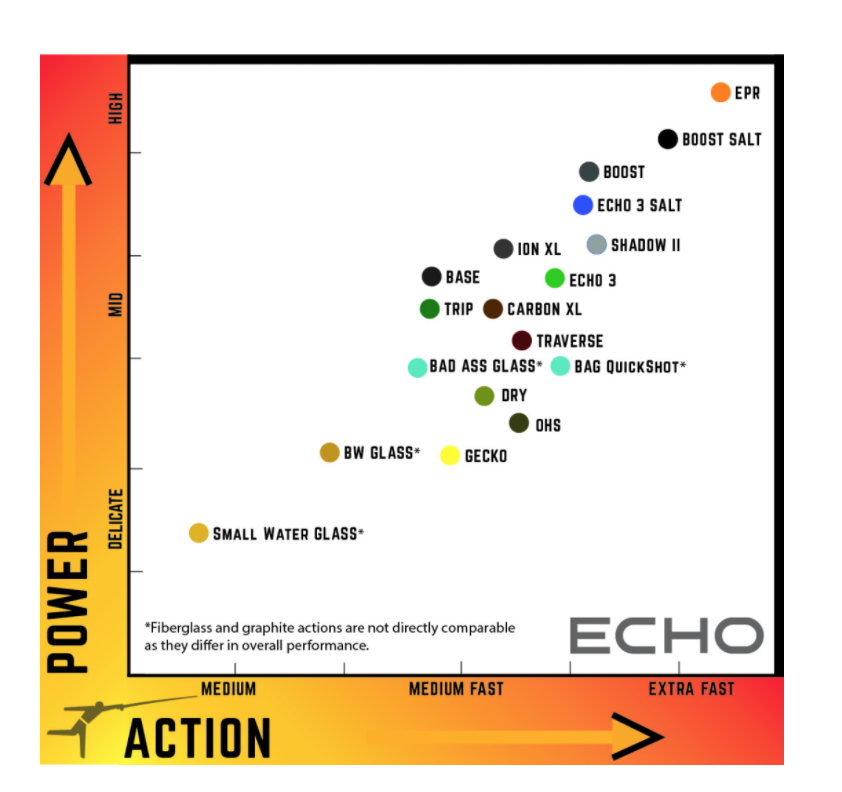
Echo EPR,
* Echo 3 SW,
* Winston Saltwater B 3 X,
* Scott Meridian,
* Beulah Opal SW,

Reels: 4 each with at least 200 – 300 yds backing
Good reel choices:
* Hatch Finatic 9 – 11,
* Nautilus Monster,
* Bauer,
* Tibor

Spare fly lines (I broke two fly lines in a week and several other anglers broke or damaged fly lines also); this is a vital need because you can not count on purchasing fly lines locally):
* spare sinkers (two lines – one 450 gr and one 500 gr),
* spare floaters (two lines – one 9 wt and one 10 wt),
* spare intermediates (two lines – one 9 wt and one 10 wt).

Spare backing. Yes, although it is unlikely you will need this, there is none for sale at the destination, so be prepared just in case. Cortland Rio and Hatch are convenient options and you should have a good 300 yards with you.

How to load your lines on your rods:
* 12 wt rod: I initially lined my 12 wt rod with a 450 gr sinking line. I had a fish run into a cave in the reef and cut off about five feet (plus leader) of one sink tip. For the rest of this day I tied on my leader using a figure 8 knot just like when I was a teenager trout fishing. Our panga captain inspected my knot carefully, shrugged his shoulders, and let it pass. Back at Baja Joe’s, I spooled on one of my spare sinking lines for the next day.

*10wt rod: I lined this rod with a 10 wt intermediate tip fly line. When this line broke during the trip, I replaced it with another Intermediate line.

*9 wt rod: I lined this on alternate days with a floater and an intermediate line, in an effort to see if one was more successful than the other. I thought it was a toss-up but conditions changed so much from day to day that I was not sure.

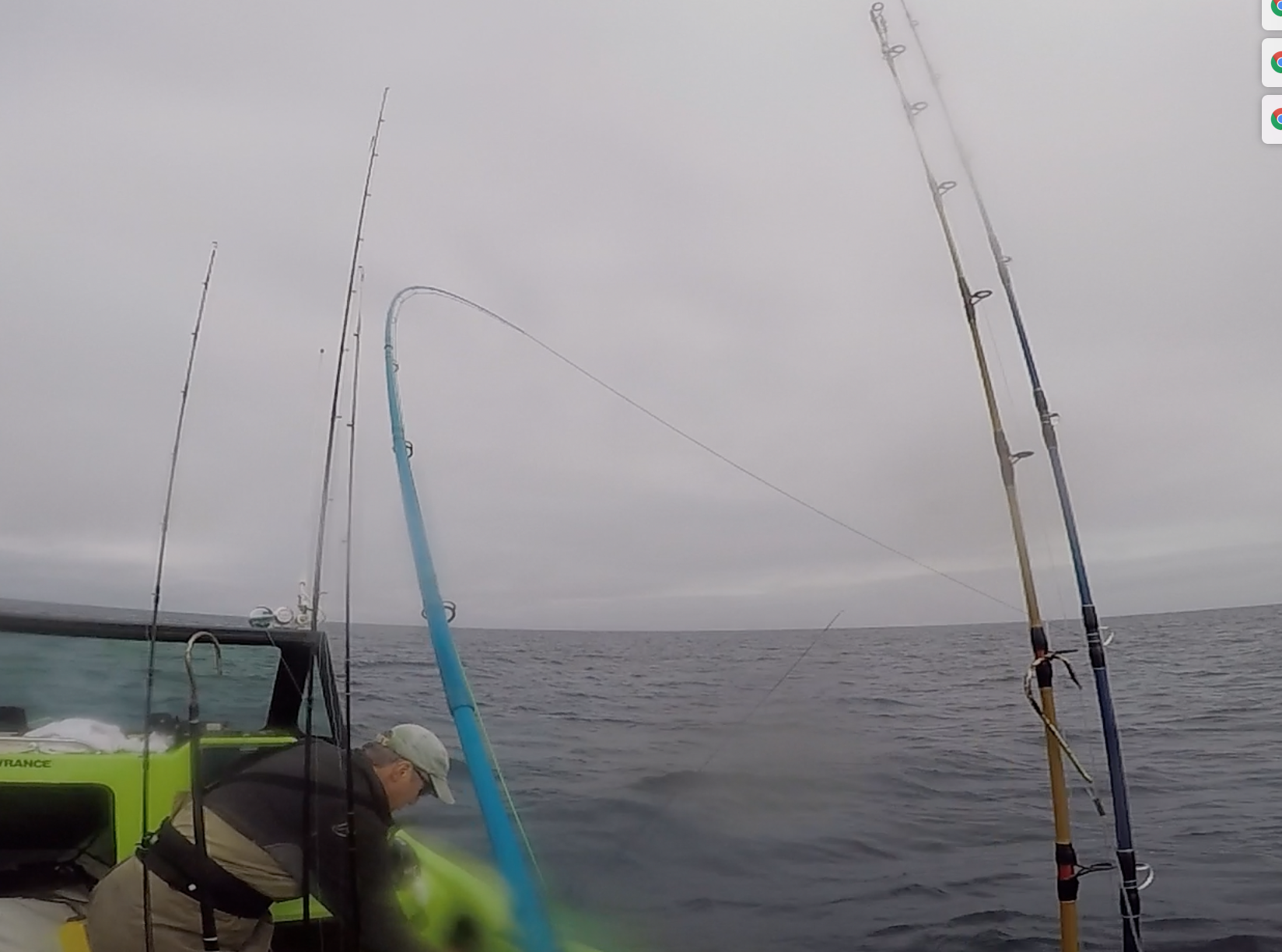
*8 wt rod: I lined this with a floater equivalent to a 9 wt. I found that slightly overloading this Echo EPR rod was entirely effective for my casting style and the need to make casts from close quarters to long bombs with minimum false casting and wind.

Although I took an 8 wt rod with me, I did not load any 8 wt lines on reels and I did not take 8 wt lines as spares either. Sounds weird, perhaps, but I fished my 8 wt with a 9 wt line. All of my spare floating and intermediate lines were 9 and 10 wts.

Good line choices: Rio Tropical Outbound short; Airflo Bruce Chard; Hatch; Cortland Precision Compact, Scientific Anglers Sonar Sink warm water and Airflo big game depth finder.

Remember, you can over-line a rod but don’t count on underlining a rod and still being able to cast. The sinking line option is essential at certain times of the day depending on the fish behavior. Floating and Intermediate fly lines may be interchangeable most days.

Leaders: 9- 12 ft fluorocarbon leaders typically 50 lb, 35 lb, 25 lb. Be prepared to tie tippets of 20 and 30 lb.
Spare leader spools: 50, 35, 30, 25, 20 – all fluorocarbon material by Hatch or Rio.
Wire – 30 – 40 lb bite wire

Flies and/or fly tying materials: try to have an assortment and be prepared to tie something new to adapt for local conditions. Alternately, you may be able to purchase flies before you depart or purchase flies at your destination. Best figure this one out before you head to the airport!

Accessories:
* pliers on holster;
* Polaroid glasses; spare glasses; sunscreen;
* Buff gear
*  Buff gloves;
* small hip pack for wade fishing or to carry gear in boat;
* Omni spools for all spare fly lines;
* fly line lube and cleaner;
* Camera with spare memory cards;

Clothing (wear one pair pants, shirt, shoes etc)
* Tropical pants long (2)
* Tropical sun hoodie (1)
* Ball cap (1)
* Underwear/socks: one per day
* Nice shirt for evening after fishing wear (1-2)
* Nylon belt for pants and pliers holster (1)
* Flats booties (1) in case you wade fish
8 Deck shoes (1) for airport, casual, and boat

Miscellaneous:
* waterproof tape for line cuts and blisters;
* sunscreen;
* ibuprofen;
* personal medications;
* cell phone; charger, ear-buds (you can plug in your charger in Baja, and you will want a cable and earbuds to recharge and listen to music or watch movies aboard the plane.
* There is weak internet at Baja Joe’s to get email.
*I kept my phone of airplane mode all the time I was in Mexico, because I was told my phone would work but I would be charged huge fees by the minute for calls and cellular data use.
* personal toiletries;
* passport,
* ballpoint pen for filling out customs forms.

Camera, charger, spare memory card(s).

Special notes:
1. Mexico generally will NOT allow more than 3-4 fly rods and reels into the country without paying a fee.
2. The allowed number of rods and reels should be 4 but we were questioned about exceeding 3!
3. Fishing pliers, spools of flurocarbon leader, spools of wire, and saltwater hooks, flies, and fly tying tools are NOT ALLOWED in carry-on luggage. These must be packed on your checked baggage.
4. International medical evacuation insurance costs about 120$ for a week and is a good idea.
5. You can probably purchase additional tropical T-Shirts, Technical sun hoodies, and ball caps at your destination lodge.
6. You will NOT be able to carry rods on the plane when flying from Mexico to the US. Be prepared.

I hope this helps, the staff at the Caddis Fly Shop (and I) would be happy to answer any questions you may have.

Jay Nicholas Baja Gear List

Jay Nicholas – late spring & early summer 2017

Posted in Fly Fishing Gear Review | 4 Comments

Review of Two Great Saltwater Fly Reels: Hatch and Nautilus

Here is one of my Hatch Finatic 11 Plus fly reels in action offshore La Ventana, Baja.

Here is my Hatch Finatic 11 Plus fly reel in action offshore La Ventana, Baja. A large dorado is on the end of my line.

Having just returned from a fine week fly fishing Baja, I wanted to say a little, and I really mean a little, about the two fly reels that I fish most often these days. These are fly reels that I have great confidence in and highly recommend to anyone seeking to fish the highest quality, most reliable fly reels.

Note please, that there are certainly other very fine fly reels available these days, and I have fished several of these in the past. At present, however, the only fly reels I fish in the salt are the Hatch and the Nautilus. I consider these reels interchangeable in quality, durability, and appearance, and functionality.

I will also note (with surprise) that I just discovered an “old” review I wrote on Hatch fly reels for the Oregon Fly Fishing Blog some years ago. Oh well, the story isn’t significantly different now.

Ask me to choose one brand of fly reel over the other and I would stall and change the subject. Fact is that I have fished both fly reels for years and found both to be trusted companions. I suppose if I had started off fishing different high-end fly reels I might feel the same about some other fly reel — but it didn’t happen that way, so here I sit with my stash of Hatch and Nautilus — and perfectly satisfied.

Hatch fly reels I fish at present:

Hatch Finatic 5.
* this is my trout fly reel, and I fish this for sea run cutthroat, half pounder steelhead, and even silvers in the ocean
* a superior fly reel at its size class
* I can fish summer steelhead with 5X tippets and depend on the drag of this reel to be super smooth and so light as to not overrun or strain the tippet – no small feat for sure

Hatch Finatic 7.
* now we are getting into the realm of the offshore saltwater species like silvers and pacific black rockfish
* a great fly reel for floating and fast sinking fly lines
* plenty of heft to fish spring chinook in the estuary

Hatch Finatic 9.
* this reel bridges the span between my estuary chinook fishing and the ocean albacore game
* plenty of backing especially the Hatch premium backing) to carry 300 yards plus a fly line

Hatch Finatic 11.
* now we are in the territory of the offshore species game and I fish albacore, and recently dorado and skipjack on this reel
* plenty of room for 500 yards of 30 lb dacron, or 80 lb power pro – plus a fly line
* this is my favorite fly reel for both estuary chinook (even though it is far larger than I need) and offshore saltwater environs

The Nautilus fly reels I am fishing at present include:

Here is one of my Nautilus fly reels in action offshore Baja recently - with skipjack on the end of my line.

Here is one of my Nautilus fly reels in action offshore Baja recently – with skipjack on the end of my line.

Nautilus Silver King CCFX2
* This is a very large diameter and narrower spool than you would usually expect to see, especially for example compared to a reel like the Hatch 11 fly reel
* the large diameter provides super fast line pick up on the retrieve

Nautilus NV eleven-twelve and ten-eleven
* I’m afraid these models may not be in production any longer, but they are trusted companions and will always be so

In conclusion, I fish both Nautilus and Hatch fly reels nearly exclusively. Ok, the exception is that I fish clicker Hardy fly reels when I’m swinging flies for steelhead. These fly reels are relatively inexpensive and have a nice screech when a steelhead makes a run. I fish these reels when a disc drag is not an essential part of the equation. When dealing with saltwater species – and decent size kings in estuaries – I stick with my Hatch and Nautilus.

For full disclosure, I was overtaken with nostalgia one year and fished Pfluger Medalist 1498 fl reels that were roughly 60 years old. I fished them a full salmon season. I never lost a chinook due to reel failure. That said, after that one season, I wen back to my modern fly reels with modern drag mechanisms.

May your days be filled with dreams of agreeable fish.

Jay Nicholas July 2017

Posted in Fly Fishing Gear Review | Leave a comment

Middle Fork of the Willamette Water Levels Plummet

Screen Shot 2017-07-13 at 6.31.48 AM

Wading anglers will be pleased about yesterdays significant water level reduction out of Hills Creek Dam. Fishing was good all day subsurface with Jigged Mega Prince nymphs. We caught a few fish on Golden Stone adults as well. Small brown caddis and pale morning duns were hatching mid morning. With the bright sun the best dry fly fishing will be in the evening hours. Enjoy the lower water!

IMG_6849

IMG_9866

IMG_3777

Posted in Fishing Reports, Middle Fork Willamette River fishing | Leave a comment