Jig Bomb PCP Fly Tying Video

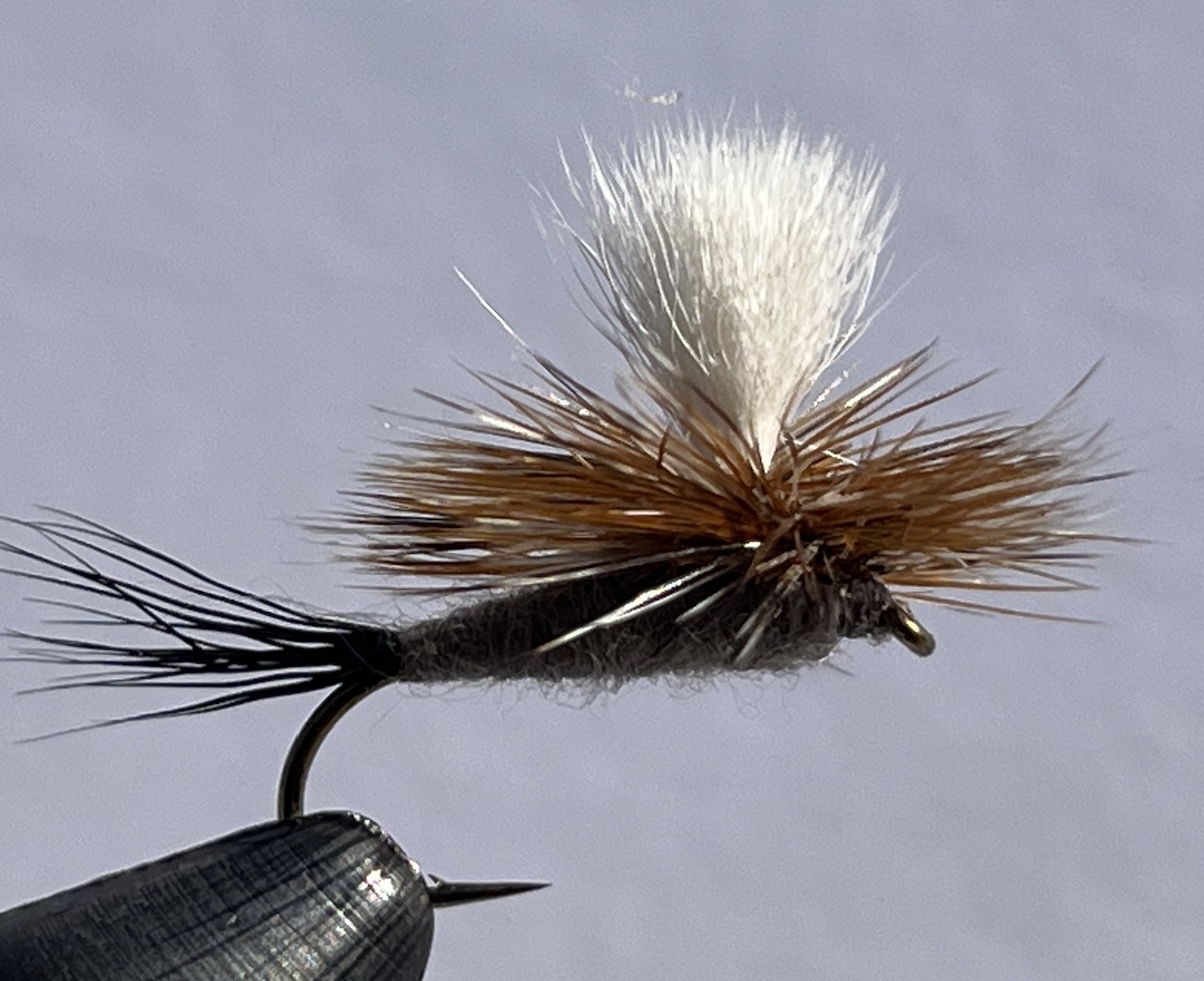
The PCP. If you haven’t fished it, you should. Justin walks us through this fly with Umpqua’s Insta Jig tungsten bead. These beads are designed to carry most of the weight up front, keeping the sharp end of your hook off the bottom.

Tie it up. Fish it. Let us know how it works out.

Materials are available at https://www.caddisflyshop.com/​

PCP

Jig Bomb PCP Pattern
Hook: X Series XC400BL – 14
Bead: Tungsten Jig Bomb – 3.5
Body: Lead Wire – .015
Thread: 70D – Pink
Body: Peacock
Rib: Small Soft Wire – Copper
Rib: Mirage Flashabou – Opal
Tail: Coq De Leon
Zap A Gap

Posted in Fly Tying, Fly Tying Materials and Supplies | Leave a comment

Andrew Grillos Heavy Metal Worm Fly Tying Video

Greg sits down and ties up the heavy metal worm, only this time with a black bead rather than red. Fish it for carp. Fish for trout. Just fish it, you’ll like what happens.

Let us know how it works out for you.

worm

Andrew Grillos Heavy Metal Worm Materials:
Thread: 70D – Red
Hook: Daichii 1120 – 10
Bead: Cyclops Bead – 5/32
Body: Ultra Wire Medium – Red
Legs: Life Flex – Red
Throat: Ice Dub – Red

Posted in Fly Tying, Fly Tying Materials and Supplies | Leave a comment

Last Minute Gifts & Stocking Stuffer Ideas

It’s that wonderful time of the year where we either wait until the last minute for holiday shopping or we just need a few more things for that fly fisher in your life.

In this video, George goes over what we have plenty of stock in. So, come visit us in Eugene or get your online orders in now at Caddisflyshop.com

What we are recommending:
Lamson Reels
Fishpond Redband Emerger Net
Fishpond PIO Pod
Fish Hunter Marabou – Hot Orange
Sage Rod Case
Hareline Fly Tying Material Kit
Loon Fly Tying Tool Kit
Costa Sunglasses
Patagonia Wader Work Station
MFC Boat Box

As always, give a shout if you have any questions!

Posted in Fly Fishing Gear Review | Leave a comment

Winter Trout Fishing Still Productive December 2021

IMG_2437

Bryson didn’t find big numbers of fish yesterday but the ones he did find were nice fish. The clear winner in terms of flies was a black rubber legged stone fly nymph, jigged or standard basic black rubber legs.

Pat’s Rubber Legs
Lex’s Improved Rubber Leg Stone
Jigged Girdle Bug

Posted in Fishing Reports, Lower Willamette, McKenzie River, Middle Fork Willamette River fishing | Leave a comment

Carp’N Crunch Fly Tying Video

Greg sits down in the shop and shows us how to tie up a very productive carp fly. Cool story on how he got introduced to the fly and at the end he shares some techniques for landing a carp on the fly.

Into carp fishing? Try this one and let us know.

carp

Carp’N Crunch Material List:
Hook: Gamakatsu J20B – 12
Bead: Hareline Insta Jig – 5/32 in Fl. Orange
Thread: 70D – Burnt Orange
Tail: Fish Hunter Marabou – Hot Orange
Tail: Krystal Flash – Orange
Body: Ice Dub – Minnow Belly
Legs: Oranges
Zap-a-Gap

Posted in Fly Tying, Fly Tying Materials and Supplies | Leave a comment

Louisiana Redfish Report – 2022

IMG_1021

Alex Schwartz snuck in a late season trip for big Redfish in Louisiana and was not disappointed despite some cold weather.

We start our journey around midnight on December 3rd. I landed in Springfield Missouri and we made the 12 hour trek to Hopedale Louisiana.

IMG_0990

IMG_0994

IMG_0993

We pull into the “Dudenhefer’s” RV rentals around 3pm. We learned if your not commercial fishing or personal fishing you will find yourself in a world where fishing is a way of life for the people.

IMG_0992

IMG_1012

IMG_1029

IMG_0999

IMG_2282

The weather made things tough for us the locate fish. Every salt water fishermen loves a cold front…..not! Luckily redfish are very aggressive and have no shame to crush your fly if it is in their kill zone.

IMG_1008

IMG_1002

IMG_1018

IMG_1032

IMG_1057

With great friends and great memories we have already planned next years trip. We will utilize all of the information we gathered on this trip. All things considered we caught fish everyday, grilled fresh fish each night and had a blast.

IMG_0991

Posted in Fishing Porn, Fishing Reports, Fly Fishing Travel | Leave a comment

A Letter to My Fellow Anglers: Don’t hang it up. Stand Up.

bWFpbi9pbWcvcGFnZXMvNjRkOWU4M2UtODQ0MC00ZWZlLWFiYTAtMjc2N2ExOTAyODQ1XzFfMTA1X2MtMTYzOTA5Mjg3NS5qcGVn

NFS Southern Oregon Regional Manager Kirk Blaine’s open letter to fellow anglers below articulates the need for a cautious approach to management of Oregon’s South Coast Rivers. We have one more chance to let ODFW know how we feel about protecting wild fish, I urge you to get involved in the decision by commenting, attending the virtual meeting or signing the NFS Action Alert.

Dear Fellow Angler,

As anglers, it’s difficult to fully understand the impacts caused while sport fishing in the modern world. Compared to the ’80s, when fishing gear was limited and there weren’t as many people out on the water, today’s anglers are more successful at connecting and catching a higher percentage of fish in a population.

This increased efficiency raises the question: what are the impacts we anglers cause to the fishery and how is that affecting the future of our Salmon and Steelhead populations in the Pacific Northwest?

This question isn’t an easy one to answer, but there is an overwhelming amount of scientific evidence showing anglers cause impact. We anglers are damn good at catching fish. Angling causes mortality at differing levels depending on the methods and tackle being used to catch fish and whether we kill/harvest the fish or not. It’s why data about the methods we use to angle, how often we angle, and how successful we are is necessary for fisheries managers to collect and utilize to ensure that the impacts we anglers do have can be sustained by a population.

With the issues of wild Steelhead harvest on Oregon’s Rogue and south coast rivers about to be decided, it’s critical that we anglers understand the impact of our interactions with these fish and what the state needs in order to ensure that we have sustainable, abundant populations of wild Steelhead in southwest Oregon for years to come.

Who’s Taking A Cut

Let’s start by discussing some of the different types of “take,” or mortality, in any population of fish. These include:

Direct harvest for recreational and commercial fisheries: When it comes to Steelhead in the Rogue and south coast region, there is no inland commercial fishing harvest but Steelhead do end up as bycatch (the term used when a species is unintentionally caught while fishing for another species or population) by salmon fishermen offshore. Across their native range, there are twelve rivers in the lower 48 states and Canada where recreational anglers can still legally harvest wild Steelhead. All twelve of these rivers are in Oregon, and nine of those rivers will be governed by the state’s upcoming decisions on the Rogue & South Coast Plan.

Collection of fish for broodstock in hatcheries: ODFW collects wild Winter Steelhead broodstock in the Rogue and Chetco Rivers of southern Oregon in an attempt to create a “wilder” type of hatchery fish. But wild broodstock programs come with a multitude of impacts on wild fish populations beyond just removing wild fish from the rivers where they would otherwise naturally reproduce (spawn).

Predation: Sea lions, other marine mammals, and even other fish such as Pikeminnow! Pikeminnow are native to some waters in Oregon but are invasive in the Rogue River Basin. These non-native species put quite a damper on the populations of salmon and Steelhead juveniles that rear and migrate to the ocean.

Catch & release angling: This is a big one that often goes unrecognized by the public and fisheries managers. As anglers, we try our best to care for these fish. The reality is, any encounter causes some degree of impact that can reduce the chance that a fish successfully spawns. It is important that we account for this impact when seeking to manage populations in a sustainable way. When populations are trending towards trouble, it can be necessary to limit or curtail catch and release angling as the impacts can become too great for a diminished population to sustain.

These four areas of mortality are not the only mortality occurring in these watersheds, but they are the four that all fisheries managers must take into consideration when attempting to manage any population sustainably. Without acknowledging each and every one, there will be critical gaps in data collection that will affect the long-term health of a population.

What’s Happening in Southwest Oregon

Now that we have discussed numerous types of “take,” or mortality, occurring in any fishery, I want to compare these harmful effects to the management in the Rogue and south coast waters of southern Oregon with a specific understanding of how fisheries managers are evaluating harvest and catch and release mortality. These numbers are used to evaluate a harvest rate, or the number of wild Winter Steelhead that are removed from the spawning population by anglers.

In the waters of southern Oregon, wild winter Steelhead harvest is allowed in nine different rivers. These watersheds can be separated into two different areas, the Rogue Basin and streams along the south coast (rivers south of the Rogue down to the California border).

Fisheries managers do not have accurate adult population estimates for wild Winter Steelhead in any of the nine streams where harvest of wild Steelhead will continue if the proposed management plan is adopted. Along with a lack of adult fish data, fisheries managers don’t have accurate data for how many wild Winter Steelhead are caught and released or killed/harvested each year. Harvest cards are available, but there is no requirement that anglers return them. As you can imagine, the Department of Fish and Wildlife doesn’t receive many harvest cards back each year, leaving fisheries managers guessing about how many fish were harvested.

Managing the Unknown

This lack of data is a huge red flag in the department’s proposed plan. If we don’t have an accurate population estimate, and we don’t have an accurate harvest or kill number, we cannot calculate a harvest rate. It is a simple math equation; if you don’t have two of the three variables, you can’t solve the equation. In this case we don’t have any of the three variables necessary to draw a conclusion that can guide management towards the goal of sustaining populations.

untitled-drawing-(2)

And ODFW fisheries managers fail to acknowledge any other mortality besides harvest or direct kill of wild Winter Steelhead in the watersheds of the Rogue and south coast. They have no current data supporting what is currently being harvested or killed. Why would a managing agency take so much risk without knowing what is currently happening?

Managing Without All the Puzzle Pieces

In addition, ODFW has not factored catch and release mortality into total population mortality. This is one thing many anglers fail to consider when angling for wild Winter Steelhead or other species. Every other state besides Oregon observes a catch and release mortality rate for wild Steelhead fisheries. These rates have been evaluated based on the best available science and the allowed methods for fishing in the specific watershed. For example, if you can use bait (shown to cause more impactful hooking injury) mortality rates are higher. To make things simple, I will share an example from Washington and how they manage catch and release mortality in their fisheries.

Washington utilizes an10% catch and release mortality rate for managing wild Steelhead fisheries. This is supported by the best available science and the regulations allowed in the fisheries. They then use population estimates coupled with creel surveys (surveys taken on boat ramps and in popular fishing areas, asking folks simple questions such as: How many fish did you catch? Wild fish or hatchery fish? Did you keep any? etc.). Utilizing these data points, WDFW can estimate how many fish were caught and released by anglers, how many hatchery fish were harvested (wild harvest is no longer allowed in Washington), and how many fish escaped the fishery (did not get caught or harvested or perished before spawning). Based on the information gathered in the creel surveys, they can take the number of fish caught and assume that 10% of those fish will die before spawning, giving them a catch and release mortality (CnR Mortality). Here is an example:

untitled-drawing-(3)

This example shows that without harvesting/killing one wild Winter Steelhead in the sport fishery, anglers are likely killing 10% of the total run. That means approximately 10% of the population is dying before reproducing. In fact, in the Olympic Peninsula, creel surveys show that 140% of the run is being caught in some watersheds. This shows that every fish is being caught one time and some are being caught twice! Damn, we’re good at catching fish!

This is not to say we recreational anglers shouldn’t be fishing. It does mean we must be aware and cautious of our impact on whatever populations we encounter. When that impact becomes too great for a population to sustain, as it did in many rivers this past year including the Umpqua, just one basin north of the Rogue River, we must step back. At the same time, some rivers such as the Chetco and the Rogue are receiving more and more angling pressure every year. We are likely catching close to 100% of the fish that are returning to these rivers. Using Washington’s management mortality rate means that catch and release angling is taking 10% of the fish returning to spawn. Add the 15% harvest cap for wild Steelhead angler harvest and we are mining out 25% of the run every year! Converting to just catch and release angling will still have an impact. 10 fish out of every 100 will be killed in the Rogue River catch and release fishery alone. Compare this to the 25 out of every 100 fish that will be removed from the population if wild Steelhead harvest continues as proposed under the plan (again, hatchery Steelhead harvest will still be allowed and this rate doesn’t account for mortality from other sources including broodstock collection, predation, and bycatch impacts in commercial fisheries).

Join the Groundswell

If there is one thing I ask you to take from this article, it’s that anglers do have an impact on a fishery. No; the answer isn’t to hang it up and walk away. I am an angler myself and lost access to my homewaters of the North Umpqua this summer where the river saw the lowest population of Summer Steelhead ever recorded. It is heartbreaking. It’s in times like this when it would be easier to just turn it in and turn our attention elsewhere. But this is the moment that we, as anglers, need to put our passion for these fish into becoming their greatest advocates, both on and off the water.

The answer is to help folks understand anglers and managers must use caution when managing with so much uncertainty in order to conserve our fisheries. A step in the right direction for the Rogue and south coast would be to eliminate wild Steelhead harvest (kill/harvest of hatchery fish would still be allowed) and proceed with catch and release regulations for wild fish until adequate harvest numbers, population estimates, and harvest rates are available. This will allow everyone to keep fishing while minimizing the impact of angling.

I encourage you to stand up and share your voice for wild Steelhead. We anglers are always looking for our next chance to go fishing, hit the water, and possibly encounter a wild fish. And now, it’s our chance to stand up and help protect that experience and thrill. It is our chance to give back to the fish we love so much.

On Thursday, December 16th, ODFW Commissioners will be taking public testimony on the Rogue South Coast Multi-Species Conservation Management Plan. This is the most important moment yet for us to show up as the overwhelming groundswell of anglers and non-anglers alike that want to see the state do the best thing for the future of these fish.

Here are the ways you can join the groundswell:

Testify: Show up virtually on December 16th and ask ODFW to adopt catch and release regulations for wild Winter Steelhead. Register at this link by Monday, December 13. Testimony is limited to two minutes. It doesn’t have to be fancy or full of factoids; just let your love for these fish guide you.

Submit written comments: If you are busy that day and cannot make the meeting, please send in written comments. They can be as simple or complex as you would like. Send those comments to the ODFW Commissioners at ODFW.Commission@odfw.oregon.gov.

Sign the Action Alert: And if you are really busy and only have 30 seconds, please consider following this link to the one-click Action Alert to help share your voice.

Working together we will ensure that southwest Oregon has abundant wild fish, free-flowing rivers, and thriving local communities. It is more critical now than ever that we let our voices be heard and continue to grow the true groundswell of public support reviving abundant wild fish!

If you have any questions or concerns please reach out to Native Fish Society Southern Oregon Regional Coordinator Kirk Blaine today at kirk@nativefishsociety.org. Kirk is more than happy to assist with crafting testimony or any advice that may be necessary to help lend your voice to wild native fish.

Posted in Coastal Steelhead Fishing, Oregon Conservation News, Oregon Winter Steelhead Fishing, Southern Oregon | Leave a comment

2022 Intro to Fly Fishing Classes

39621040112_10c16f66e1_z

No greater gift for a new angler or one who wishes to have a refresh on fly angling or casting than signing up for a Intro to Fly Fishing Class!

We have been introducing anglers to basic casting skills for almost 30 years. Inspired by the original casting classes held by Les Eichorn, Bob Guard, Lefty Krieg, Jeff Carr and Mel Krieger this 6 hour class will have interested anglers on their way to fly casting mastery. Basic tackle discussions, casting, knots, entomology and fly presentation will be covered. All tackle, textbook is included and we maintain a one instructor to 5 student ratio. (15 students max per class)

Four hours of the course will be on water casting. Cost is $65, all equipment is provided, sign up at the shop or call 541-342-7005 to sign up.

Class Schedule for 2022 : Classes on two dates are Friday evening (6-8PM) at the shop and Saturday at Alton Baker Park (9am-12:30pm).

2022 Schedule

March 18,19, or 25,26   Due to popular demand two classes this month!

April 15,16 or ,22,23      Due to popular demand two classes this month!

May 13,14

June 17,18

July 15,16

August 19,20

September 23,24

October 28,29

Classes will be held per latest COVID guidelines set by Caddis Fly Shop owners.

Posted in Classes and Instruction, Oregon fly fishing links | 4 Comments

McKenzie River Still Fishing Well in December

IMG_2460

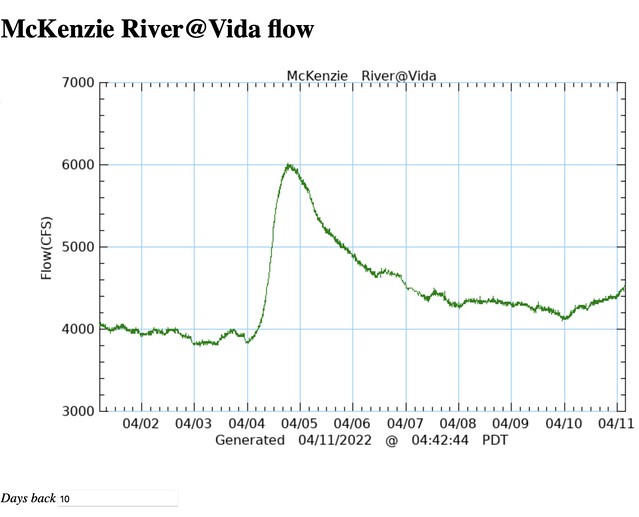
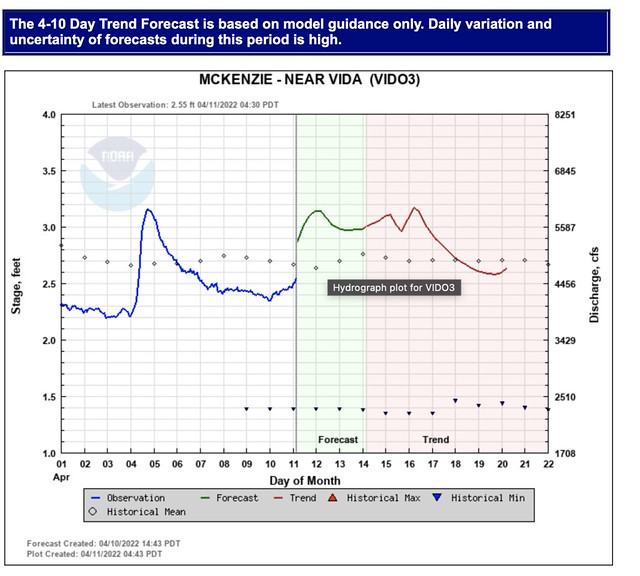
The McKenzie has been holding steady with water levels down near summer flows. Nymphing tactics have been producing some really good fishing. Get out there before the next rains bump the river up again.

Best Patterns including the following:

Hot Spot Girdle Bug
Mega Prince
Jigged Perdigon Patterns
Jigged Hustler
Split Case BWO

Posted in Fishing Reports, Lower Willamette, McKenzie River | Leave a comment

One Last Chance to Protect Wild Steelhead

Screen Shot 2021-11-21 at 7.01.35 AM

From Native Fish Society

Next week, ODFW Commissioners will be making a monumental decision on the future of wild winter steelhead regulations in southern Oregon. Commissioners will decide to either adopt fishing regulations that will require the catch and release of all wild winter steelhead. or allow the continued kill of these fish for the foreseeable future.

We need your help. Even if you have commented, testified, and shared your voice earlier this year, we ask that you do so again one final time. It is critical that we all stand up and speak out for the catch and release regulations that are necessary to sustainably manage steelhead populations in the Rogue and south coast rivers. Here are four ways you can help that will ensure ODFW Commissioners know you support catch and release regulations for wild winter steelhead in southern Oregon!

Testify virtually to the ODFW commission on December 16th. We need as many advocates at this meeting raising their voices in support of catch and release regulations as possible! It will only take a few minutes out of your day, but will have a lasting impact on our wild steelhead.

In addition to testifying, or if you cannot make it to verbally testify, you can send a personal message asking for catch and release regulations for wild winter steelhead in the Rogue South Coast Conservation Management Plan. Send this email to commissioners at the following address: ODFW.Commission@odfw.oregon.gov

If you are short on time, feel free to follow this link to the Action Alert posted on our website. This takes less than 30 seconds, and the more people we reach, the better!

The last thing you can do is spread the word! Ask two or three people to join you to testify, send in comments, or both! The more people we have, the better. It’s going to take a true groundswell to help commissioners make the right decision.
Wild Steelhead of southern Oregon need your help. These fish are struggling throughout their native range. We as advocates must step up and encourage fisheries managers to use a precautionary approach to best assure that we have abundant, wild steelhead returning to southern Oregon’s rivers for decades to come.

If you have any questions or concerns, please contact me today!

For the Wild,
Kirk Blaine
Southern Oregon Regional Coordinator

Posted in Coastal Steelhead Fishing, Oregon Conservation News, Oregon Winter Steelhead Fishing, Southern Oregon | Leave a comment

Discounted Saltwater Trip to Cuba – One Spot Available

IMG_0525

Our pal Jon Covich of Cuba Fishing Outfitters has a sweet deal that he is willing to discount even further.

We have just 1 spot open for this trip. The price is very reasonable at $4470 per person. We may also add some days at the beginning or end of the trip for those guests interested in experiencing cultural aspects of Cuba, and understanding more about the Cuban way of life.

Dates: January 22-29, 2022

Price: $4470 pp double occupancy and skiff

Check out the details here: Cuba Trip

contact Jon to discuss the details and discount here: http://www.cubafishingoutfitters.com/contact

Posted in Fly Fishing Travel | Leave a comment

Mullet Man Fly Tying Video

Back again with Alex Swartz, Alex ties us up a fly that he calls the Mullet Man. Tied on the Gamakatsu B10S Stinger, this fly handles steelhead, bass, pike and more. Toss this simple tie and let us know what you think! Don’t be afraid to switch up the colors, too.

Materials are available at https://www.caddisflyshop.com/​

mullet-man

Four Eyed Fly Pattern
Hook: Gamakatsu B10S – 1/0
Thread: Lagartun X Strong – 150D in White
Tail: Select Medium Sized Bucktails – White
Body: Hareline Extra Select Craft Fur – White
Body: UV Polar Chenille – Regular in White
Head: EP Craft Fur Brush – Olive

Posted in Fly Tying, Fly Tying Materials and Supplies | Leave a comment

Tell ODOT to Remove Kellogg Dam

bWFpbi9pbWcvcGFnZXMva2VsbG9nZ2RhbS5qcGVn

From Native Fish Society

Now is the time to remove the aging and dangerous Kellogg Dam! The Oregon Department of Transportation will be receiving a windfall in the form of an extra $1.2 billion thanks to the Infrastructure Investment and Jobs Act (IIJA). ODOT is requesting public input for how those extra dollars are spent, so make your voice heard to help wild fish!

What: Oregon Transportation Commission will be hosting a zoom meeting to provide information about the IIJA and will be taking public input on how that money should be spent.

When: Next Tuesday, December 7 from 9:00 to 10:30 am

Where: Sign up to testify by emailing Chloe Craft (Chloe.CRAFT@odot.state.or.us) or submit written testimony here.

Background and Talking Points:

Kellogg Dam in Milwaukie has been identified as the #1 fish passage barrier in the state of Oregon that is owned by ODOT but hasn’t yet been removed because of the high cost.

Kellogg Dam predates statehood (built in 1858, it has served no purpose since the 1890s), but blocks passage to habitat vital for all salmon, steelhead, and lamprey.

Kellogg Creek is an important thermal refugia for anadromous fish migrating through the Willamette River. If Kellogg Dam is removed, migrating fish would once again be able to take advantage of the relatively cool water in Kellogg Creek when temperatures in the Willamette are too high.

Dam removal would allow for wetland restoration to take place, increasing habitat for numerous species, as well as increasing flood storage capacity.

The highway 99E bridge that rests on the dam is 89 years old and earthquake vulnerable.

The removal of Kellogg Dam would allow for bicycle and pedestrian passage under 99E, making it safer for Milwaukie residents to access the Willamette River, Milwaukie Bay Park/Trolley Trail, and MAX station.

For more information or help preparing your testimony, please contact Northern Oregon Regional Coordinator Liz Perkin (liz@nativefishsociety.org).

Posted in Lower Willamette, Middle Fork Willamette River fishing, Oregon Conservation News | Leave a comment

Bird of Prey October Caddis Fly Tying Video

Jim Sens is back with us at Caddis Fly Shop to tie up a deadly fall nymph pattern, the Bird of Prey October Caddis. We love it for a local waters, especially on the McKenzie but we know this fly works anywhere.

Give it a shot and let us know how it goes.

october

Bird of Prey October Caddis
Hook: Daiichi 1120 – 10
Bead: Tungsten – 1/8 in Black
Thread: 16/0 – Black
Ribbing: Flashabou
Ribbing: Ultra Wire – Brassi in Amber
Body: Ice Dub – UV Shrimp Pink
Throat: Ice Dub – UV Callibaetis
Hackle: Natural Hungarian Partridge Skins
Collar: Micro Fine Dry Fly – Mahogany Dun

Posted in Fly Tying, Fly Tying Materials and Supplies | Leave a comment

Fly Fishing Apparel – Fall & Winter – Great Holiday Gifts!

Lots of new apparel here at Caddis Fly! Great pieces for fall and winter street wear, and for your colder weather fishing pursuits. Also have lots of options for those in warmer regions or those traveling to warmer regions.

Give us a call, shop on the website or visit us at the shop in Eugene.

Some of our favorites:
Howler Brothers Crosscut Deluxe Long Sleeve Shirt
Howler Harker’s Flannel
Howler Brothers Shoalwater Tech Pants
Patagonia River Salt Wading Jacket
Rep Your Water Squatch and Release Hoody
Tight Loops Squatch Eco Hoody
Powder Town Beanie

Posted in Fly Fishing Gear Review | Leave a comment