Mckenzie and Willamette Rivers water levels higher than normal

In preparation for fall rains the Army corps of engineers has been releasing plenty water from our local impoundments. Water released from Hills Creek Reservoir and Dexter Reservoir has both the Middle Fork and main-stem of the Willamette higher than historical averages. While higher water is excellent for the long term health of the river and it’s fish, it can make wading a bit tougher. The same story goes for the Mckenzie drainage where Cougar Reservoir and Blue River Reservoir have the Mckenzie running very high when compared to the past 10 years and beyond. What does this mean in regards to local fishing opportunities?

If you have a boat and can fish the lower reaches of the Mckenzie and Willamette you will do fine. Blue Winged Olives, Brown Caddis, Mahogany Duns and October Caddis  hatches have been very good. Pressure from predators and other anglers is extremely  low. Larger fish will move into slower, shallower edges to feed. Wading anglers will do fine in similar water it’s just going to be a bit tougher to out to your favorite spot.

 If you are wading and like smaller water I would look to get above the aforementioned reservoirs. On the Willamette system fish the Middle Fork above Hills Creek Reservoir, Salmon Creek, The North Fork of the Middle Fork and Salt Creek. The tributaries will all be very low and mid day fishing will be good. On the Mckenzie system look above Cougar Reservoir on the South Fork of the Mckenzie.  On the main Mckenzie fish above where the Blue River and the South Fork enter the river. The Mckenzie near Belknap is under 800 CFS, compared to the river at Vida at over 4000 cubic feet per second.

 Weather and water conditions holding on nicely. We are very lucky to have such a long season on our local streams. Late October can be great, few anglers, good hatches and some very nice fish to be had.-CD

Posted in Fishing Reports, Lower Willamette, McKenzie River, Middle Fork Willamette River fishing | 1 Comment

Pleasant Fall weather continues, trout fishing holding up on the Mckenzie River and Middle Fork of the Willamette

Hatches of October Caddis, Blue Winged Olives, Mahogany Duns and “brownish orange” caddisflies size # 14-16 are present on our local rivers. We’ve had some warmer days and nights recently and trout have responded nicely.

P1030268

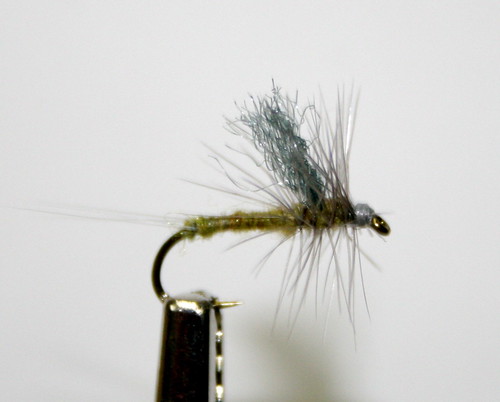
As the season winds down Mckenzie and Willamette trout become opportunistic feeders. Attractors like Royal Wulffs and Stimulators as well as imitators like CDC Orange Elk Hair Caddis, standard Orange Elk hair caddis, Hackle Stacker flag Dun Adams and Mahogany Duns will take fish. With fewer nymphs in the drift and more insects near shore due to the colder evenings, fish seem to be hanging near the banks and in slower water.

P1030258

P1030262

Generally speaking you will see more Caddisflies on warmer bright days and more Mayflies during the cloudy and rainy days. We are looking at some fine weather and fishing conditions for the next week. Get out and enjoy and good Luck-CD

Posted in Fishing Reports, McKenzie River, Middle Fork Willamette River fishing | Leave a comment

Bahamas Bonefish trip preview

November is nearly upon us and while Oregon offers some incredible fall fishing, warmer climates beckon.  Bonefish are the quarry and Abaco in the Bahamas the destination. Caddis Fly employees and customers have been travelling to Abaco to bonefish for years. If you can avoid hurricanes, fishing can be fantastic. Hot summer weather has kept traffic on the flats light and fish are eager to take the well placed shrimp or crab imitation.

IMG_2694

IMG_2847

IMG_2842

Stay tuned to the blog for onsite updates “from the flats” late October through the first week of November. We will be testing tackle from Bauer, Rio, Loop, Sage and Scientific Anglers. Hopefully fishing will be excellent and numerous fly patterns can be put to the test as well.

IMG_2685

IMG_2726

Regardless of how the fishing is, how can one complain, cold beer, warm water flats, beautiful sunsets and good times.-CD

Posted in Fly Fishing Travel | Leave a comment

Lowly Glowly pounding steelhead on the Middle Fork Willamette

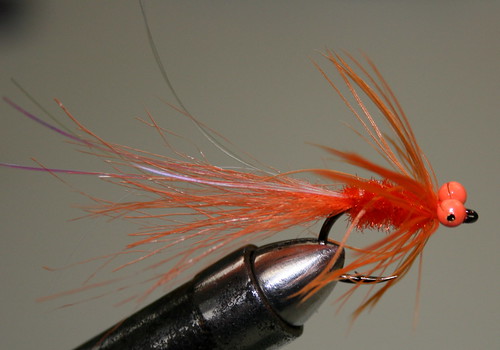
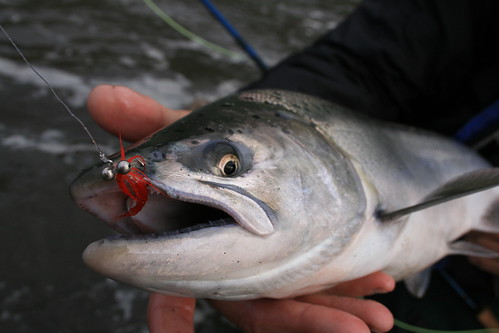
Caddis fly customer and fly-rod steelhead convert Austin Arrowood has been putting the hurt on steelhead in the Willamette River near Dexter Reservoir on the Lowly Glowly.

steelheadpic

“The Lowly Glowly is a definite getter. With a few slight changes in color/way of tying , I banked 2 bucks & 1 hen within 3 hours. Check out the lowly glowly’s in there homes. My first steelheads on a fly pole. The only time I will pick up my baitcaster again will be too trade it in for more fly gear from the Caddis Fly Shop. My ambitions have been replaced with a fun upgrade” Arrowood wrote in an email.

steelheadpic2

“These steelhead were pulled out next to an army of baitfisherman, I was the 1 fly fisherman, killin it just as hard, if not harder. The next day I went out, I couragesly squeezed into an crack between fishless baitfisherman, I landed another on the day’s very first cast. I give special thanks to you for showing me this indicator setup. This lowly glowly pattern KILLS IT, I’ve seem to have most success with the orange mcfly foam, orange estaz, & GOLD dumbell eyes. This pattern has hooked at least 10 fish in the last 3 days, & landed 5. It’s almost too easy, I might have to go for the swing now, & taste something harder & different.”

Posted in Middle Fork Willamette River fishing, Summer Steelhead | 1 Comment

Last chance for Linton Lake brown trout

What would drive a man to drag his pregnant wife out into the Three Sisters Wilderness through ankle deep snow last weekend?

Linton Lake Hike

I’d heard rumors of giant brown trout in Linton Lake, fish with heads large enough to look like they belong on a golden retriever. I was told I’d see them finning in the shallows, just waiting for an unsuspecting black wooly bugger to try to sneak past them. So I packed up my float tube, a few wooly buggers and a sinking line and convinced my wife it would be a nice hike. And it probably would have been, without the snow.

Linton Lake Hike

That said, if I’d caught a 10lb brown trout, you’d have seen the photo already. The brown trout were crusing the shallow eastern edge of the lake and they did take wooly buggers, but I didn’t not see any of the mythical monster fish.

Linton Lake Hike

Linton Lake Hike

Posted in Oregon High Lakes | 5 Comments

Willamette Spring Chinook Recovery Gains Momentum

Upper Willamette Spring Chinook were listed as a threatened species in 1999.  Finally, in 2008 the United States Army Corps of Engineers has come up with a proposal to mitigate harm caused by the operation dams in the Willamette basin (Cougar, Blue River, Dexter, Lookout Point, Detroit, Big Cliff, etc.).  The agency was spurred to action after dragging its heels for over 7 years by Willamette Riverkeeper and the Northwest Environmental Defense Center who filed a 60 day notice of intent to sue under the Endangered Species Act.  Shortly thereafter, the Corps released its plan.  Go figure.  It  shouldn’t take a lawsuit for a federal agency to follow the law but apparently it does. The fact that they were able to turn a plan around such a short time after finding out a lawsuit was pending is indicative of bad faith in my opinion.

Historically, over 300,000 wild chinook returned to rivers such as the Santiam, Mckenzie, Clackamas and Middle Fork Willamette.  In the 1920’s fish were still at near historic numbers but industrial development on the Willamette and its tributaries as well as the construction of dams beginning in the 1940’s led to a sharp and consistent decline in wild fish populations.  Despite a small up tick this decade wild fish runs average approximately 10,000 per year (1/30th of historic numbers) approximately half of which return to the Mckenzie.

Now, the Corps is calling for a myriad of expensive techno-fixes at these dams which include improved trap and haul facilities, the construction of downstream passage facilities at some of the dams and potentially temperature control towers.

The crisis on the Willamette is less contentious than the battles over the Columbia and the Governor’s office is working closely with the agency and restoration plans appear to be moving forward provided funding is made available.  Unfortunately, the plan appears to rely on untested technologies or technologies that do not yet exist to improve conditions.  One option not being considered is to lower the the height of certain dams (Cougar comes to mind) in the basin allowing volitional fish passage.  Even a lowered dam could provide nearly equivalent amounts of flood control.  When we are most likely to experience flooding events, the dams are approaching full pool and only have the storage capacity of a smaller dam  so operators have to open the floodgates like in 1996.

In my opinion, the plan does not go far enough.  Nonetheless, this plan is a step forward and we can be grateful for that. –KM

Posted in Oregon Conservation News | Leave a comment

McKenzie River Two-Fly tournament participants have a blast, fund salmon habitat improvement

On Friday, October 3rd, the first annual McKenzie River Two-Fly tournament officially kicked off at the welcome reception at the Oregon Electric Station with guides, participants, and Trout Unlimited members enjoying appetizers, beer and wine.

McKenzie River two-fly tournament reception

This inaugural event raised $2500 to help McKenzie River Trust improve spring chinook spawning habitat at the confluence of the McKenzie and Willamette Rivers. Chris Vogel, director of the Green Island Project at McKenzie River Trust gave a presentation on the organization’s upcoming stream restoration project.

McKenzie River two-fly tournament reception

How is the money being spent?
The proceeeds from this year’s tournament went to McKenzie River Trust’s project at Green Island. This island, over 1,000 acres in size is located just west of the town of Coburg and is formed by the confluence of the McKenzie and Willamette Rivers. It was purchased from the Green Family by MRT in 2003. (The following slides are from MRT’s Chris Vogel)

McKenzie River Trust Green Island Project

McKenzie River Trust Green Island Project

Green Island’s side channels are home to Spring Chinook Salmon and Bull Trout. In winter, juvenile fish use the flooded backwaters on Green Island to escape the high water conditions. In one particular section, the backchannel flooded and was dammed with sediment, creating Crescent Lake.

McKenzie River Trust Green Island Project

McKenzie River Trust Green Island Project

Crescent Lake is home to threatened, native salmonids, but now it is also home to invasive warmwater species. On the reccomendation of Oregon State University fisheries biologists, MRT plans to notch Crescent Lake, reconnecting it to the mainstem Willamette River. Reconnecting this backchannel will increase habitat for salmonids in the winter, and decrease habitat for non-native, predatory fish in the summer.

McKenzie River Trust Green Island Project

McKenzie River Trust Green Island Project

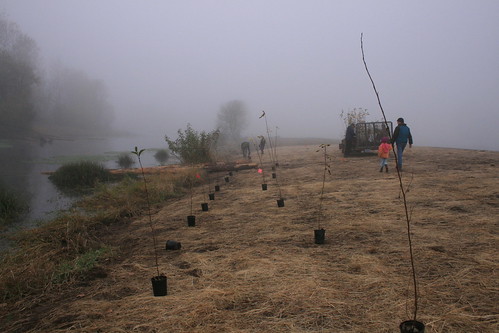
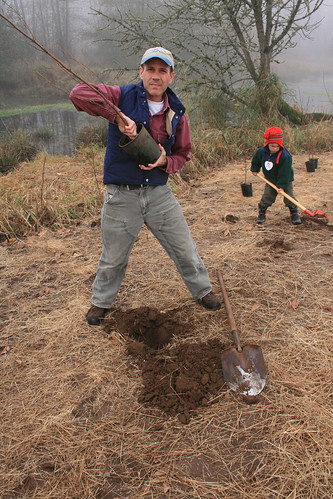
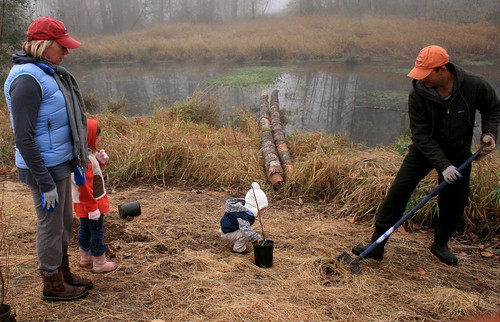
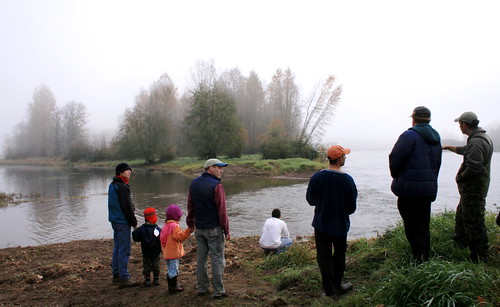
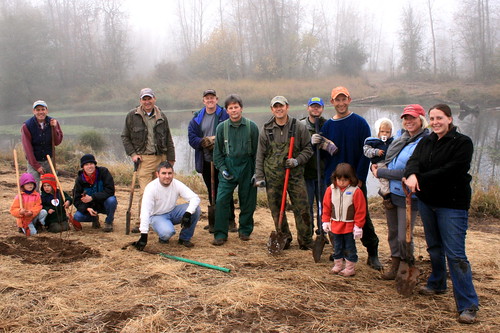
If you would like to get more involved with MRT and Green Island, check out the tree planting, October 25.

Tournament participants and sponsors
Special thanks to all the guides who rowed, donating time and hard work for the benefit of the McKenzie River: Chris Daughters, Karl Mueller, Mike Reardon and Lou Verdugo. They all did a great job keeping the participants safe and on top of fish.

We’d also like to thank the participants: Alex Richardson, TJ Matteri, Rick McCreery, Joan McCreery, Todd Mullen, Julian Kudritzki, Greg Hatten and Clifton Molatore. We couldn’t have done it without you.

Lastly, we’d like to thank Al Coppola of the Okonite Company. Al’s donation to the cause in the tournament was key to the the event’s success.

Fly fishing tournament results
Saturday, October 4 the rain poured down as contestants lined up at the Blue River boat ramp. Guides and participants selected each boat’s flies for the day.

McKenzie River Two-Fly

Each team had a different strategy on fly selection:
Team Daughters: Morrish October Caddis, two Possie Buggers and a Mega Prince.
Team Reardon: Half-down golden stone, some sort of prince nymph girdle bug hybrid, an awesome October Caddis pupae derrivation, and an orange stimulator.

Mike's two-fly selection

Team Verdugo: Morrish October Caddis, Small prince nymph, Mega Prince and a CDC Possie Bugger.
Team Mule: Black Stonefly nymph, Giant orange Madam X, possie bugger and mega prince.

McKenzie River Two-Fly

McKenzie River two-fly tournament contestants

After a long day on the water, the contestants piled into Ike’s Pizza for the awards ceremony. The teams were cagey before the final tally of the lenght of each team’s three largest fish. When the measurements were announced, Team Beast (Lou Verdugo, Clifton Molatore and Greg Hatten — photo below) was the clear winner, and second place was a three way tie. The tie was broken by largest individual fish length and second place went to Team Mule (Karl Mueller, Todd Mullen and Julian Kudritzki) thanks to Mullen’s monster native trout, caught on a dry fly in the final hour of the tournament.

Team Beast: McKenzie two-fly champs

Here are the some comments from the participants:

Lou Verdugo: My team worked very hard. It was a lot of fun. The elements were against us. Our nymphing techniques were good. The highlights included chasing down a fine redside and Greg climbing up into a tree to retrieve a fly. We almost lost one entire set up 100 yards from the put in.

Mike Reardon: We caught quite a few fish, some planters and natives. Our bugs lasted most of the day, but we lost three flies. We fished for eight hours straight, two rods going non stop. I almost went for a swim for a possie bugger. Rationing four bugs for eight hours is a different strategy, but it’s fun. All of the participants’ fish came within a couple inches, so one fish puts you over the top for an $1800 prize.

Clifton Molatore: Mega Prince worked well for me when I got a good sized split shot on it. We didn’t go as far as everybody else, so we worked the holes pretty good and when we did, we seemed to bring up some big fish. This was the first time I’ve ever fished competitively. It was a little weird, caring about how long the each fish was. You didn’t fish real tight to the banks, and if it was shallow, we pulled up.

Karl Mueller: The highlight was definitely the big fish that made a sound like a carp taking a cheese puff on top. Fishing competitively makes you a little more serious. It could have gone any which way, you never know how it will turn out.

Todd Mullen: The big fish came up and didn’t take the fly very hard, so it was difficult to set it. I knew it was a big fish when it was on. It was back underneath some alders. I lost my first fly in the first hour, but I used my dry fly most of the day.

Julian, modeling the official Two-Fly T-shirt

Chris Daughters: At Cooks Rapids we hooked a big fish, lost it, and then made a backcast — hooking two flies into a whitewater raft. We chased the raft down, but no one in the raft could speak English, and they kept yelling “Go Ducks” while we followed them down the river. Eventually we got the flies out of the raft and only lost a half mile of productive water.

Get ready for next year folks. October 10, 2009 is the date for the second annual McKenzie River Two-Fly Tournament. Thanks again to all of the participants, sponsors and guides.

Posted in McKenzie River, Oregon Conservation News, Oregon Fly Fishing Clubs and Events | 1 Comment

Sleep in? Crisp fall weather is upon us and activity peaks mid-day

IMG_2972

IMG_2977

The past few days our weather has shifted, and cooler nights are upon us. Water conditions are still excellent but water temperatures are heading downward. The one to three degrees of upward movement on the thermometer are making a big difference during the day. Activity is far better between the hours of 11am and 4pm.

IMG_2988

IMG_2979

IMG_3004

IMG_2999

Fly patterns to have in the box currently include, Orange Madam X, Foam October Caddis, Elk Hair Caddis Orange and Brown, Blue Winged Olives, Mahogany Duns, Prince Nymphs, Possie Buggers and Parachute Adams-CD

Posted in Fishing Reports, Lower Willamette, McKenzie River, Middle Fork Willamette River fishing | Leave a comment

Oregon anglers makes a trip to Montana

Eugene angler Pat Banks made a trip to Montana recently he gave us the following report.

Go East Old Man, Go East

Our trip east was to be combination fishing for me, quilt shop stops for my wife and a return to my family’s roots in South Dakota. First up was a jaunt to Idaho’s panhandle for a few days visit with Uncle Larry and Aunt Bea. Uncle Larry will soon be 90, and I believe his secret to longevity can be assigned to daily consumption of Crown Royal.  Who am I to argue with that kind of success?

We left late in the day and drove to Umatilla. We spent the night at the Umatilla RV Park and Marina. Walleye are the fish to catch in that area.  And a note to the hardware and bait people: there seem to be some good salmon fishing action where the Deschutes meets the Columbia. Not much fly fishing action that first day.

The second day on the road and I found some real hot action. It was tasting samples of hot sauces at a roadside stand out of Pasco. I was invited to sample because one of the tasters was unable to attend. All I had to do was dribble some sauce on a tortilla chip and give my opinion of the heat. After tasting the first sample and having the paramedics pour a half gallon of milk and a six pack of Bud down me, I was ready for the second sample: Da’Bomb. I should have read the warning label, “Consume one drop at a time and keep out of reach of children” this gourmet delight was only 119,700 scoville units. I say this only because the first two (of ten) samples were at the low end of the scale. I had always heard that a near death experience was peaceful and without pain…not so in this case. My hot sauce tasting days were over. In fact my tasting anything days had come to a fiery end.

Next stop would be for a few days in Idaho and hopefully fish catching. By the time we left Idaho the quilt shops were way ahead of my fly-fishing. The one fly shop I found had many major fly-fishing manufacturing signs posted on the windows but no products.  The only stream I found to fish was just beyond Beyond Hope. Yes, there is such a place. It’s just down the road from Hope and East Hope. The stream was really beyond hope, low and hardly any holding pockets.

pat banks blog photo1

Finally after those fruitless days of foaming Idaho’s Pend Oreville country, the fly fishing god grinned while fishing Montana’s Yellowstone River (Paradise Valley section). I say grinned and not smiled because although the day and float was gorgeous, the trout were not willing to anger the quilt god that day.

We put in at Pine Creek and floated to Carters Bridge. In the morning slow and steady slurping ahead of us would give us a target to aim for with a para hopper and caddis pupa dropper, but as the sun moved higher in the cloudless blue sky and the temperature rose, the action was all hoppers on top. Ty had tied some hoppers the night before and I had some that I had meticulous crafted during the winter months. After flaying the water for some time I came to the conclusion that on that day, Montana brown trout were not in tune with Oregon tied hoppers. So I begged Ty for one of his. Just the ticket. We would focus on any obstructions lying in the river or where any undercut banks happen to be found. A BWO hatch took place so I tried a couple patterns but the fish wanted a big meaty meal so once again I put aside my ego and switched back to Ty’s hopper.

patbanksphoto4

The brown were dainty eaters for the most part that day and to set the hook we had to use the tired and true quick set method. We either yanked the fly out of their mouth or set the hook. More fish were left with a fleeting taste of sponge rubber or feathers rather than cold steel. Except for some early morning action the rainbows found other activities to entertain themselves.

patbanksphoto3

patbanksphoto7

patbanksphoto5

If you have the urge to fish Yellowstone this time of year be sure to stock up on hoppers, BWO, a dark caddis and a parachute Adams. As far as a wet any caddis emerger should work for you. The biggest fish were taken on top. If you want spectacular scenery the Paradise section can’t be beat but be aware it is also the most heavily fished. For a less heavily fished float try Otter access to Pelican.

Posted in Fishing Reports, Fly Fishing Travel | Leave a comment

Chrome salmon on the Umpqua

Note to self: get set up with a shooting head system.

I tried fishing my fly rod with a extra fast sinking tip, heavily weighted clouser and a couple pieces of split shot but after nearly bouncing the fly off the back of my head a couple times decided it wasn’t worth the risk.  I switched over to a spinner as we slowly trolled upstream pitching at the banks and retriving.  It seems there are a ton of native coho around this year and though I was hoping for one for the barbecue it was awesome to do battle with natives this bright.  We caught three fish total and they all looked like this:

Oregon Coho salmon (aka Silver)

There were fish everywhere between Bunch bar and Sawyer’s rapids and reports indicate that coho and chinook are spread throughout the Umpqua system. The recent rain event brought rivers up enough to empty out tidewater and bring fish into the river proper and the dry spell following the rain has rivers at ideal levels for pursuing salmon with a fly rod. Both the Umpqua and Siuslaw are good bets for getting in to one of these chrome bruisers. Remember, the Siuslaw/Lake creek system is closed at the forks and above. If you can shirk work, do it!–KM

Posted in Fishing Porn, Fishing Reports | 4 Comments

Middle Fork Monster Tamed

Matt Siegmund sent us a photo of this pig caught on the Middle Fork of the Willamette this past Sunday afternoon. The fish was taken on a Fergus BW Bug size  #16. The Middle Fork is in great shape, mid day hatches of Blue Winged Olives, a few PMD’s, small dark caddis and October Caddis have been present. Fall fishing is on fire get out and enjoy.-CD

Trough 004

Posted in Middle Fork Willamette River fishing | 9 Comments

Oregon: The Best Year Round Fly Fishing in the United States

I’ll admit it. I’m an Oregon partisan but I believe that Oregon offers the best year round fishing of any state in the United States. Vacation isn’t even an option because as the plane lifts off and I see what I’m leaving behind, depression sets in. The fact is that there isn’t a month of the year that somewhere in the state of Oregon you can’t catch a sea run salmonid on a fly. Throw in the year round trout fishing, warmwater opportunities  and ocean fishing and you have yourself one seriously underrated fishing destination. Now, I’m not saying that we have the best fishing for any particular species but nowhere beats the combination of high quality fishing, species diversity, spectacular scenery and year round angling opportunities.

January: There is good fishing to be had. I’ve caught plenty of trout on nymphs over the years in January in Cascade Mountain rivers, central Oregon rivers and coastal rivers. More importantly, the winter steelhead run is really beginning to hit its stride on the rivers that drain the west slope of the Coast Range. Sea-run cutthroat are often encountered and incidentally hooked while fishing for steelhead. Finally, there are a couple of rivers that with luck can yield up a late run fall/winter chinook while steelheading.

February: The steelhead run is in full force on the coast. Every one of the couple or so dozen great rivers on the Oregon coast offers good to excellent fishing for steelhead. Here, Matt plays a fly hooked winter steelhead that he landed last February, one of many on that trip:

Matt-Backcountry Steelhead Battle

Oregon winter steelhead fishing

The trout fishing can also be quite good. This nice rainbow ate a Stonefly nymph in mid-February in a Cascade Mountains river:

Upper Willamette Rainbow

March: The biggest, baddest and meanest winter steelhead of the season enter our coastal rivers and fishing for these monsters can be off the charts. This fish ate a deeply drifted weighted egg pattern:

Caddis Fly Steelhead Trip

Also in March, the Mckenzie and Middle Fork Willamette rivers really start to heat up. Prolific hatches of March Brown mayflies get the fish looking up and their nymphs and wet flies also do damage. Additionally, the trout scarf stonefly nymph patterns with abandon. This fish couldn’t resist a sparkle dun:

IMG_2003

Incidentally, summer steelhead begin to show in the Mckenzie and Willamette Rivers in March.

April: Here’s a picture from last April, enough said:

Middle Fork Rainbow Trout

May: Trout fishing continues to be excellent. Good catches are made on stonefly nymphs, the March Brown hatch is normally tapering off but typically the Mckenzie River Green Caddis shows and drives the trout absolutely insane. Big trout gobble naturals and imitations with abandon. Check out this bruiser:

IMG_2316

Also, there is a good shot of hooking a summer steelhead in Oregon rivers in May:

IMG_2396

If weather patterns are favorable you can even catch a spring chinook on a fly in a couple of coastal rivers.

June: Stoneflies and Salmonflies. Salmonflies on the Deschutes. Salmonflies everywhere.  Trout love ’em. Besides stoneflies and salmonflies, by this time, mayflies and caddis are hatching prolifically and trout fishing is excellent. Summer steelhead are running thick in the Willamette and Mckenzie and they and spring chinook are really starting to show in big numbers in rivers such as the Wilson, Trask and Siletz as well.

IMG_2526

Trout fishing is off the charts:

Upper McKenzie River Trip 2008

July: Fly fishing for trout remains excellent. This picture from July is of the strain of rainbow indigenous to the Mckenzie River known locally as redsides:

Mckenzie Redside Rainbow

August: The dog days of summer still offer up good fishing. Trout remain active in the morning and evening hours. Summer steelhead are present in good numbers and remain vulnerable to a well presented fly.  Sea run cutthroat begin to show in coastal estuaries, are relatively easy to catch and averaging 14″-20″ are excellent sport on a fly rod:

Coastal Cutthroat Trout

Coastal Cutthroat Trout

Fall chinook and coho also begin to move in and out of our estuaries.

September: The October Caddis are out in force and big trout go absolutely insane:

FlyFishingshiz005

Cooling river temperatures and spawning spring chinook salmon have summer steelhead feeling frisky.  A couple of nearby rivers have excellent runs of coho that are not averse to eating flies.

Did somebody say Tuna? On a fly? Sure enough:

Lee Daniel Tuna Trip

October: After the first big rain event, Fall chinook are literally begging for a well presented egg pattern–make it chartreuse and fish it deep.   Trout are eating October caddis and coho will chase down and devour clouser or comet type patterns amongst others:

Upmqua River Coho

November: Fishing remains excellent for fall chinook.  Several south coast river chinook runs are peaking:

King salmon

Trout fishing tapers off somewhat. The first big rain around Thanksgiving brings the first push of early winter steelhead into a couple of smaller coastal rivers.

December: Steelhead runs are beginning to pick up and fish are in many rivers in catchable numbers.  South coast rivers remain a good bet for chinook.

January: Do it all over again. Sweet!

I haven’t even touched on the smallmouth bass fisheries on the Umpqua, John Day and Grande Ronde or the year round bass fisheries on Oregon’s coastal lakes:

IMG_2705

No mention has been made of fly fishing near the jetties or nearshore for lingcod and rockfish and greenling:

Oregon Fishing Bottomfish

If striper are your thing we have those too. Walleye? Yep. Brown trout? Kokanee? Lake trout? Landlocked Atlantic Salmon?  Bull trout? Perch? Bluegill?  Shad? We’ve got it all.  I didn’t come close to listing all the fishing opportunities in Oregon.   Basically, Oregon offers an embarrassment of fishing riches.

Situated at the confluence of the Mckenzie and Willamette rivers an hour from the coast and an hour from the Cascade crest, Eugene, Oregon is poised to show you the best year round fishing the United States has to offer.–KM

Posted in Fishing Porn, Oregon Fly Fishing Tips | 8 Comments

Q&A with Jim Van Loan, Steamboat Inn North Umpqua River

Jim Van Loan, proprietor of the Steamboat Inn on the North Umpqua likes his steelhead wild and wary, not brainless bruisers dispensed from an ODFW fillet factory.

Van Loan has been arguing at ODFW hearings, championing habitat over hatcheries and fighting for no-kill on wild steelhead. He served as a wildlife commissioner from 1987 to 1995 and has been involved with the Oregon Salmon and Trout Enhancement Program (STEP).

Van Loan adheres to the Lichatowich principle, summarized below:

For the past 150 years, fisheries managers have used hatchery production in an effort to replaced spawning and rearing habitat for wild salmonids. Rivers became simple conduits to the sea for juvenile salmon produced in fish factories. This led to the belief that habitat could be traded for hatcheries. It minimized the importance of wild salmon populations and allowed a century of habitat degradation. Trading salmon habitat for fish factories might have been justified if it had worked, if artificial propagation had maintained the supply of salmon. It didn’t. Salmon and steelhead are extinct in over 40% of their historical range and salmon in most of the rest of their range in the Pacific Northwest are protected under the Endangered Species Act. A management system based on hatcheries is difficult to change, even after it is clear that it cannot maintain the supply of salmon and that it makes the problems worse.
— James Lichatowich, from the Introduction to Salmon Without Rivers

Below is an excerpt of a recent conversation with Van Loan.

Tell me about the conservation ethic on the North Umpqua:
Jim Van Loan: If you hang out around here and you’re going to meet a lot of conservationists, people that put their money where their mouth is — not cocktail conservationists. What I hope to see is someway to get everybody into the same tent so that 100 years from now you can go out and fish for steelhead and have a chance at catching one.

We need timber industry, agriculture, and everybody else on the same page. You talk to the local folks in the timber industry — they think they’ve been regulated to death. Agriculture people are suspicious of anything that has to do with government. But a lot of them belong to the 1000 friends of Oregon, because they don’t want to see their land cut up into subdivisions any more than anyone else.

There’s a strong perception around this state that the people in Portland are out to get them. I think the people in Portland are just oblivious to the problems that rural people have. They come down here for one week a year and they want to see this river stay the way it is. They join the Steamboaters, Oregon Trout, and The North Umpqua Foundation. They do most of their work with a fountain pen. The local people are the ones who are out keeping an eye on things, trying to cooperate with agencies that want to cooperate.

What’s the biggest problem facing our native fish stocks?
It’s that tired old hackneyed phrase, death from a thousand cuts. People want to live on the river. We have 100,000 people who live in Douglas County, virtually every one of them lives on or near running water. The biggest problem that we have is places where the sewage isn’t treated. It’s not an attractive topic, literally thousands of septic tanks leaching into the river.

Soon after we bought this place, I discovered that I was the proud owner of an inoperative septic sank. I started to look into what we could do other than go bankrupt. Orenco Systems Inc. built a system that pumps effluent up the mountain, 400 vertical feet, ¼ mile away. For a while it was the 8th wonder of the world. If you Google me, that’s what you’ll find I’m famous for. Because ODOT and the Forest Service cooperated in removing an outdated wastewater treatment plant we have a similar system in place across the river from The Inn. We don’t have volatile chemicals or heavy metals going into the North Umpqua anymore.

Why is it so important to protect wild steelhead on the North Umpqua?
The healthiest stocks of fish we have in the North Umpqua are the wild winter steelhead. That’s why we have to fight the argument to kill wild winter steelhead — because some folks think we can always supplement with hatchery fish. A guide is at the mercy of his clients. Two clients, two fish each, pretty soon you’ve got an awful lot of take on wild fish.

The regulation has been saved –we’ll now have a five year no kill model to look at in four years — the result of lobbying by guides and the conservation community to retain the no kill rule in Forest Grove on the 19th of September.

Hatchery programs degrade the wild stocks and are incredibly expensive. If that same money could be put into habitat it’d be a wonder. We think if they just don’t kill wild winter steelhead, we’d all have more fish.

What are some other steps we could take?
ODFW depends on fish counts at Winchester dam and they do creel census every once in a while, but I don’t think it’s a very effective method. I’d like to see every guide keeps a log book — all steelhead tags will be turned in and failure to turn in results in a failure to purchase a license next year. A lot of people are out just one or two days, pay 12 dollars and their catch is not recorded. This should be corrected.

I’d also like to see all hatchery-reared salmonids marked, by clipping the adipose fin. Some people involved with the STEP program are opposed to that. They cite mortality as a reason. Mortality is somewhere around 3-4% for fin clipping, but I can’t think of a responsible reason not to mark all reared fish.

What is the distribution of hatchery fish on the Umpqua system now?
The STEP program largely releases fish on the South Umpqua. The Steamboaters have made it clear they don’t want hatchery fish released above Rock Creek. That makes the fishing as challenging as it’s ever been. When we first came here in 1975, there was a return of 22,000 summer steelhead and of those, about 20,000 were hatchery fish. Anybody could go out here and catch a fish. It’s a lot more difficult now.

You go up and visit Lee Spencer who keeps track of every fish in the pool. He sees usually two or three fin clipped steelhead in the pool at most. So for whatever reason, hatchery fish reared at Rock Creek and below tend not to come up here. We hope we have a pretty pure gene pool in Steamboat and Canton Creek. But I think there are a lot of fish that spawn in the Mainstem Umpqua and we don’t have much information about them.

What are some of the projects that the North Umpqua Foundation has been working on?
The North Umpqua Foundation is working on trying to implement some of Lickatowitch’s ideas, gearing up to hire some specialists who will study the problems we’re facing.

We also give grants to the Forest Service, which may seem strange, but the USFS doesn’t have the money to spend rehabilitating steelhead streams. Some of our members say the government was responsible for selling the timber, letting it go to hell, but that isn’t going to happen. Blame won’t get us anywhere.

One other thing the North Umpqua foundation has done is raise funds for a camera system throughout this area. The system is widely dispersed throughout the Umpqua watershed and can be running almost anywhere. For example, one camera is focused on the fish ladder or the pool, another is focusing on a likely spot a car would be parked. The cameras work as a very effective deterrent.

Where do you fish other than the North Umpqua?
I’ve been able to fish Argentina, Chile, Iceland, Russia, Belize, Christmas Island, Mexico, Honduras and a few other places. I have a forgiving spouse.

I’ve fished the Sustut River in British Columbia for 22 years. The river looks a lot like the North Umpqua. It’s got great geology and probably the biggest steelhead in the world, they average 15 lbs. The year before last, nine of us landed 132 fish. Last year, nine of us landed seven fish. The glaciers can melt, the rivers turn muddy — it’s a crap shoot. This Fall we did a quite bit better.

Posted in Fly Fishing Profiles, North Umpqua River Fishing Reports, Oregon Conservation News | Leave a comment

Upper Mckenzie River fall fishing outstanding

Perfect water, warm overcast and tons of bugs. Sometimes you have those days when things are on fire all day long. I had one of those days with an excellent angler in the front of the boat. What ensued was ridiculous at times.

IMG_0255

IMG_0266

IMG_0268

IMG_0246

IMG_0251

October Caddis were the trick. The Possie Bugger did it’s usual damage. Smaller caddis were also working well. There were very few mayflies.

IMG_0237

IMG_0239

With overcast and rainy weather in the forecast look for Gray Drakes, Mahogany Duns and Blue Winged Olives to become more important. One thing to count on this time of year is the big October Caddis. Imitations include Orange Stimulators, Morish Foam October Caddis, CDC Mckenzie Cadids Orange and standard Orange Elk Hair Caddis will all work.-CD

Posted in McKenzie River | 1 Comment

Fish News: Bass in Blue River Res., Cutthroat steelhead hybrids?

Bass in Blue River Reservoir
According to ODFW, largemouth bass were introduced into Blue River Reservoir, illegally probably sometime in the mid to late 1990’s. ODFW has been observing large bass in the reservoir since 2004 and many have reached the 3-5 pound range. Largemouth bass are not well suited to live in the McKenzie or most of its backwaters, however, it is too early to tell what impact these fish will have on the system in the end. Although, they should not be as problematic as smallmouth that do seem to thrive better in streams and cooler waters, ODFW would prefer they were not there and that the trout community was more intact. The largemouth will likely alter many management options ODFW might have had for Blue River Reservoir (such as reintroduction of spring Chinook salmon).

Oregon Carp-Man endorses Sage VT2
John Montana, Oregon Carp on the fly guru says the 9 ft 6 inch 7 wt. Sage VT2 is the perfect rod for serious carping. “Simply put, it’s an ideal carp rod. The tip is fast enough that you can shorten your casting stroke and punch into the wind, or you can open it up a bit and feel the rod flex into the butt section. I generally prefer slower rods, and this is a really nice mix.”

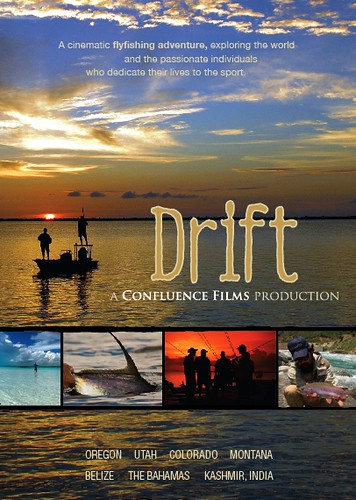
Completely awesome: Drift fly fishing film
Pete at Fishing Jones somehow managed to review a new fly fishing DVD called Drift, from Confluence Films. Based on the trailer and Pete’s review, this is the most exciting fishing movie I’ve seen since Running Down The Man.

Muskie on the fly
Also via Fishing Jones, a review of the new Wild River Press book Muskie on the Fly. “Muskie on the Fly falls in line with other books from Wild River Press in that it is obsessive, compulsive, and encyclopedic in its depth of coverage. And that it is packaged as an expensive glossy hardcover. Reading this book will shorten your dues-paying casts from 10,000 down to about 8,000.”

Muskie excerpt on Midcurrent. My brother and I bought it this week, and it does not disappoint. There are some really great fly tying ideas, tactics for big streamer patterns that I plan to apply to my saltwater game.

Monster Black Rockfish on the Oregon Coast
Speaking of saltwater fly fishing, check this pig out: 7lb, 22-inch black rockfish off the Oregon Coast that my brother caught last Sunday.

Monster Oregon Blackfish

Sea-run cutthroat, Steelhead hybrid in Puget Sound
From Buster Wants to Fish “Enter the steelhead/coastal cutt hybrid; big, fast and badasss. Sultan of the Sound, Czar of Sloughs, Scourge of Sculpins, Do Not Test the mighty steelthroatcutthead!” Photo evidence.

Bull Trout Segment on Oregon Field Guide:
Testing a feature of the OPB Website… click below for an online video segment on Bull Trout in Oregon.

Lamprey decline bodes poorly for salmon
From the Seattle PI: Once hundreds of thousands of lamprey, weighing many tons, supported commercial harvests at Willamette Falls near Oregon City. Bonneville Dam counts bounced around 400,000 in the 1960s, compared with the 14,000 counted this year. In a roundabout way, the lamprey’s decline may hold a high cost for salmon. Young salmon are thought to feed on juvenile lamprey, benefiting from the lamprey’s high fat content.

Oregon Senate Race could bring up breaching Snake River Dams
From Rocky Barker at the Idaho Statesman: “Incumbent Republican Gordon Smith has made protecting the four lower Snake dams on the Snake River in Washington a foundation of his own energy policy, following the roadmap of President George Bush in 2004 and Democrat Maria Cantwell in 2006. His Democratic challenger, Oregon Speaker of the House Jeff Merkley, has not endorsed dam breaching. But he has said the magic words that please salmon advocates, he’s keeping his options open.”

Posted in Oregon fly fishing links | Leave a comment