Steamboaters comment on ODFW Coastal Management Plan

ODFW is currently seeking public comment on the Coastal Multi-Species Conservation and Management Plan. The commentary below was sent to us by Joe Ferguson of the Steamboaters on the North Umpqua.
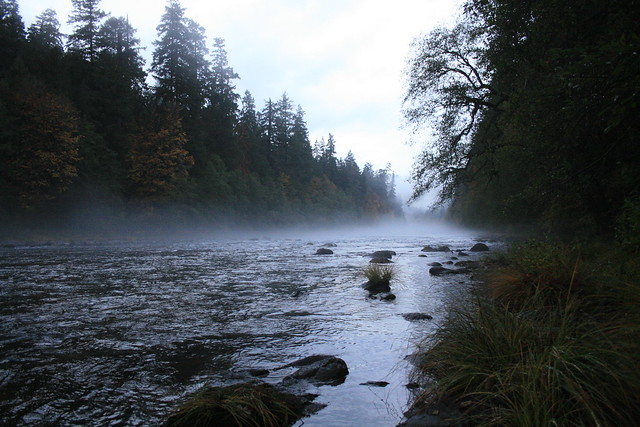
North Umpqua

The draft Coastal salmonid Management Plan (CMP) is available for comment until February 10. The CMP was developed by ODFW staff with limited public input, and is primarily a hatchery and harvest plan that is designed to continue most of the current management practices. It is scientifically suspect, and represents a high risk for wild fish on much of the Oregon coast. A more detailed article will appear in the Osprey soon.

A series of public meetings on the coast begins in late January.To review the CMP, the 25-page Executive Summary, the schedule of public meetings, and the IMST report discussed below, go to: http://www.dfw.state.or.us/fish/CRP/coastal_multispecies.asp

Comments can be emailed to ODFW at: ODFW.CoastalPlan@state.or.us

I will acknowledge here that ODFW is under considerable pressure from elected officials and a large segment of the sport fishing population to provide fish for consumption and not to focus on protection and recovery of wild fish. I also recognize that hatcheries are absolutely necessary; we’re not going to return to conditions that existed 200 years ago.

However at some point Oregon must move towards protection/recovery of wild fish, and the draft CMP fails in this regard. The draft CMP was reviewed by two separate scientific groups, with parallel findings: The Independent Multi-Disciplinary Scientific Team (IMST), authorized by the Oregon Plan for Salmon and Watersheds (15 pages, available on ODFW’s CMP website); and a separate Panel assembled by Steamboaters and the Native Fish Society consisting of Steven Cramer & Associates, Chuck Huntington, and Dr. Chris Frissel (30 pages, key points are itemized on pp 3 & 4). NFS will post on their website shortly, or email me at J-FergusonPLS@comcast.net for a copy.

From the IMST report (p 1): “However, we have major concerns that the CMP places excess faith in hatcheries, makes multiple assumptions with minimal data if any, (and) limits discussion to the pressures that ODFW can regulate thereby omitting major land use and socioeconomic pressures….”

Key issues with the plan:

1) There is no comprehensive plan designed to benefit wild fish.

2) Hatchery impacts are not considered a primary or secondary limiting factor for wild fish populations. Hatchery planting increases from 6 million to 6.3 million.

3) Impacts to wild fish habitat from climate change (both freshwater and ocean), O&C legislation, and human population increases on the coast are ignored.

4) There is no plan for habitat protection or improvement. Impacts to habitat are not defined; habitat improvement is left for others to accomplish with little guidance.

5) The monitoring plan lacks both specificity and the necessary funding.

6) Chum salmon and spring chinook are at risk, and anadromous cutthroat populations are depressed. The CMP devotes minimal effort to their recovery.

I urge you to read these scientific reviews and contact the department and the Commission with your concerns.

Posted in Oregon Conservation News | 1 Comment

Victory for Wild Fish on the Sandy River

From the Native Fish Society: “It is undisputed that hatchery operations can pose a host of risks to wild fish…it is clear that the Sandy River Basin is of particular importance to the recovery of the four [Endangered Species Act] listed species and is an ecologically critical area” wrote federal Circuit Court Judge Ancer Haggerty in his ruling yesterday that the National Marine Fisheries Service violated the Endangered Species Act and the National Environmental Policies Act when it approved the State of Oregon’s management of the Sandy River Hatchery.

Grant's Outdoor Tip of the Week: Sandy River Hatchery

Native Fish Society, an Oregon City-based conservation group working to recover self sustaining populations of wild fish throughout the Northwest, along with Eugene-based McKenzie Fly Fishers, sued NMFS in a last ditch effort to prevent the extinction of Chinook, steelhead and coho in the Sandy River. The populations had declined to less than 1000 wild steelhead and coho and only 1300 wild spring Chinook. The State of Oregon had received NMFS’ blessing under the Endangered Species Act to continue to drown the river with over a million hatchery fish.

The judge found fault with NMFS because it “treats the success of the [hatchery] programs as a given, an issue called into doubt by ODFW’s miserable track record of containing stray rates.”

“The science is irrefutable. The law is irrefutable. And, Judge Haggerty affirmed this. It is the most significant decision benefiting wild fish in Oregon in over a decade,” said Mike Moody, Executive Director of Native Fish Society after hearing the ruling. “Hatchery fish cause significant ecological and reproductive problems for wild fish. There is no evidence that hatcheries have been effective in the recovery of wild populations. In fact, the evidence shows they foster a slow march toward hatchery induced extinction. The Oregon Department of Fish and Wildlife cannot claim ignorance of this when some of the most significant studies were authored by past and current employees.” Moody added, “The actions brought by Native Fish Society focus solely on the hatchery on the Sandy River. Its objective is the recovery of native, wild fish on the Sandy River. Native
Fish Society is not trying to close down fishing of any kind, but rather to ensure recovery of wild fish.”

Bill Bakke, Director of Science and Conservation for Native Fish Society said, “As a grassroots advocacy organization, we see it as our responsibility to ensure that laws such as the Endangered Species Act are followed. We have spent the 17 years of this organization’s existence working with ODFW to restore wild fish runs to sustainable, harvestable levels in the Sandy River. Instead, our efforts were met with plummeting fish populations while ODFW and NMFS pumped out hatchery fish and papered over the problem. Someone had to step up and say we are not going to allow you to push these fish into extinction.”

The Native Fish Society and McKenzie Fly Fishers argued that NMFS should have analyzed a broad range of alternatives and prepared an Environmental Impact Statement under the National Environmental Policy Act. The groups also argued that the agency allowed too many hatchery fish to interbreed with the wild fish, and that weirs and acclimation ponds man made structures in the river that were supposed to prevent the interbreeding were not likely to succeed so NMFS was wrong to approve them under the Endangered Species Act. JudgeHaggerty agreed.

“Today is a great day to be a wild fish in the Sandy River” said Bakke.

“As anglers and as citizens, we take the long term view that the top priority of fishery managers should be to preserve and enhance our native fish populations so they remain available to future generations. The science is clear that this goal won’t be achieved using current hatchery practices. We are gratified that the court agreed that business as usual is not only unacceptable, but as we maintained, in this case violated the law,” said Arlen Thomason, Conservation Chair for the McKenzie Flyfishers.

Native Fish Society and McKenzie Flyfishers are represented in this case by Portland lawyer Dave Becker and Pete Frost of the Western Environmental Law Center in Eugene.

NFS Fact Sheet
Native Fish Society launched the “Save Sandy Salmon” campaign in 2011 and asserts:
• Historically, runs of native fish in the Sandy River basin once ranged as high as 20,000 winter Steelhead, 10,000 spring Chinook, 15,000 Coho, and 10,000 fall Chinook.
• Today, the numbers of wild native fish in this system have declined precipitously. Wild winter steelhead average less than 970 spawners annually, wild spring Chinook now average less than 1,300, and wild Coho now average approximately 900. The runs of fish returning to the Sandy River basin are now dominated by artificially bred fish produced by the hatchery.
• Hatchery bred fish cause significant ecological and reproductive problems for wild fish. Hatchery fish occupy habitat and compete for food needed for wild fish to survive and to spawn, they attract predators and prey on smaller wild fish (both of the same species and of other species), transmit diseases, and compete for spawning grounds.
• Also, when hatchery fish interbreed with wild fish it reduces the genetic fitness of the wild fish for generations afterwards. Steelhead born of hatchery parents in the wild might produce only one eighth to one third of the offspring that two breeding wild fish would produce.
• Programs at the Sandy hatchery are not conservation programs, but rather are harvest programs used to 1) mitigate loss of fishing and harvest opportunities due to loss of habitat and migration blockage resulting from the Columbia Basin hydropower system, and 2) augment fishing and harvest opportunities on the Sandy River.
• The goal of the hatchery program is to produce artificially bred fish that will contribute to commercial and sport fisheries in the Columbia River Basin and Sandy River. In no instance has a salmon hatchery restored a depressed wild population to the point where it is self sustaining.

Posted in Oregon Conservation News | Leave a comment

Pacific Rockfish Fly Pattern: Purple Surf Candy, Fish Scale and Cure Goo

The Purple Rockfish Candy is another Pacific Saltwater fly inspired by the Bob Popovics’ Surf Candy fly style.  Our Pacific Bottom-fish, including Black Rockfish, have teeth and a chomping ability that can wreak havoc with our flies.

The Use of Fishient Fish Scale synthetic material makes it relatively straightforward to create a slim, shimmery baitfish profile with this fly.  I prefer Tack Free Cure Goo versus Thick, because I like a very slim profile fly.  This color combination is but one of several I have fished successfully for Black Rockfish off Oregon.  This is a relatively subtle color combination and the fly is relatively long.

Jay Nicholas

Fly 2

Purple Surf Candy

Overall Length = 3”
Thread:  Fine mono
Hook:  #2 Mustad 3407
Body:  Purple over Olive over White Fishient Fish Scale
Eyes: 5/32” Adhesive Holographic Super Pearl
Cure Goo:  Hydro and Tack Free

Posted in Fly Tying, Fly Tying Materials and Supplies, Oregon Saltwater Fishing | 1 Comment

Puget Sound and Saltwater Cutthroat Fly Tying Video – Pink Shimmer Fringe Surf Candy

This is the first video in Jay Nicholas’s series on Saltwater Fly Tying.

The Cutthroat Shimmer Fringe Surf Candy is inspired by the Bob Popovics’ Surf Candy fly style. Whereas Bob created his original Surf Candy to enhance the durability factor of flies he was fishing in the salt, my use of the fly style is principally intended to offer a very slim, transparent baitfish profile to West Coast species including Sea Run Cutthroat, Black Rockfish, and Coho salmon.

The Use of Ice Dub Shimmer Fringe makes it relatively simple to create a slim, shimmery baitfish profile with this fly. I tend to prefer Tack Free Cure Goo over the Thick Goo, only because I like a very slim profile fly. If you want a thick body, I definitely suggest using Thick or Thick Fleck Goo.

Jay Nicholas

Fly 1

Pink Shimmer Surf Candy

Overall Length = 2”
Thread: Fine mono
Hook: #4 Mustad 3407
Upper Body: Hot Pink/Shell Pink Shimmer Fringe Minnow Back
Belly: Chartreuse Ice Dub Shimmer Fringe
Eyes: 5/32” Adhesive Holographic Super Pearl
Cure Goo: Hydro and Tack Free

Posted in Fly Tying, Fly Tying Materials and Supplies, Oregon Saltwater Fishing | 1 Comment

Cedar Lodge New Zealand – Summer Season Underway

Christmas break brought wet weather day after day on the South Island. Most of the rivers we frequently fish from Cedar Lodge were out of shape until the second week of January. Instead of fishing and camping we stayed around the lodge and continued with lodge and property improvements.

Recently the weather has come around and the rivers are looking very good. We have managed a few reconnaissance missions. A few photos follow.

IMG_1358

IMG_1406

IMG_1387

IMG_1403

IMG_1385

IMG_1326

IMG_1309

IMG_1317

IMG_1321

IMG_1300

IMG_1285

IMG_1287

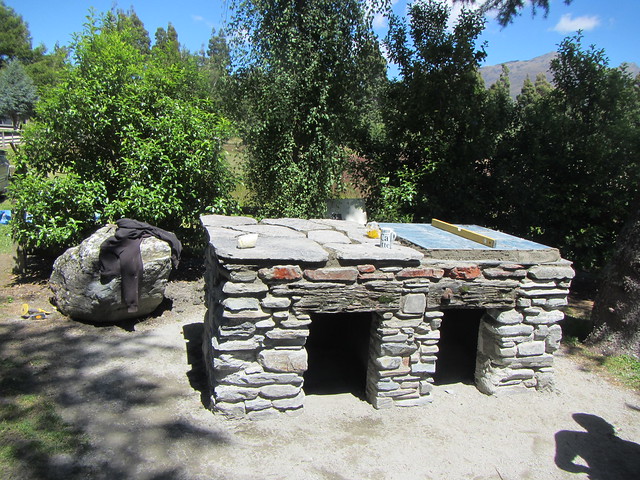
Cedar Lodge pizza oven has arrived

Posted in Fishing Porn, Fly Fishing Travel | 1 Comment

Jim Lichatowich on OPB

Great interview with salmon biologist Jim Lichatowich on OPB:

By relying more and more on hatcheries we’re creating a charade of sorts where the river that can’t support a salmon becomes a stage prop where fishermen and fish play out their respective roles, reenacting something, an important part of our past, that now is sort of a hollow empty memory of it.

Posted in Oregon Conservation News | Leave a comment

Steelhead patterns page updated

We’ve updated our best steelhead fly patterns. These links take you to a page with a YouTube fly tying videos demonstrating how to tie the fly, a high resolution image of the finished steelhead fly, and a fly pattern recipe. Click on the steelhead fly pattern link (not the photo!). We’re closing in on about 100 here.

download-3

Posted in Coastal Steelhead Fishing, Fly Tying, Oregon Winter Steelhead Fishing, Summer Steelhead | 1 Comment

Coastal Stream Report 2014: It’s Raining!

Pic 2

With the sound of rain on the roof Tuesday night it was time cure some cabin fever. We left the beast behind and did some bush whacking and wading on the lower section of a well known coastal stream. Much to our surprise, Marc (member of the men’s technical conference) nailed a Silver. It was in surprisingly good shape as we released it.

2014-01-08 12.31.43

I followed up later with a nice hatchery hen. Egg patterns continue to work well and my Sage 99, with indicator line, continues to make me very happy with its performance on coastal streams.

Pic 3

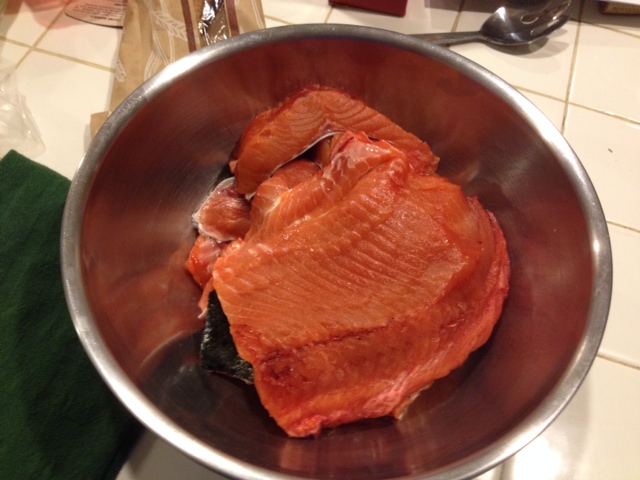
It appears we have a series of storms approaching and perhaps they will give us some badly needed rain and get the fish moving. Lastly, the final steps for all hatchery fish; fillet and then the BBQ!

Pic 1

LV

Posted in Coastal Steelhead Fishing, Fishing Reports | 3 Comments

ODFW seeks comment on plan for six coastal salmon and trout species

Some of you may recognize the plan outlined below, in an article we ran five years ago. Well, it’s coming to fruition, and now is your chance to comment.

Via ODFW: The Oregon Department of Fish and Wildlife will host six public open houses in January to solicit public comment on a draft management plan for six coastal salmon and trout species.

chrome steelhead

The draft Coastal Multi-Species Conservation and Management Plan describes the conservation status of these species and outlines a suite of actions related to harvest and hatchery programs, predators, and habitat to sustain these species and improve overall fishing. The goal is to better balance risks to wild fish populations by being conservative in some areas while also increasing fishing and harvest opportunities in others.

The species and area for the plan include spring and fall chinook, chum salmon, winter and summer steelhead, and coastal cutthroat trout along much of the Oregon coast (from Cape Blanco to Seaside).

The draft plan was developed with input, compromise and consensus from four stakeholder teams distributed along the coast whose members represented recreational and commercial fishing interests, local watershed councils, conservation groups, resource producers, local government and Native American tribes.

In addition, the department conducted an opinion survey of anglers and non-anglers about their general views regarding fishing in Oregon and wild fish conservation, and received informal feedback from other individuals and groups, such as independent scientists and volunteer groups from the Salmon and Trout Enhancement Program.

According to Tom Stahl, ODFW’s Conservation and Recovery Program Manager, all of this input was used to help develop the draft plan and the Department is now seeking additional input from the public before finalizing recommendations to the Oregon Fish and Wildlife Commission later this spring.

The dates, locations and times for the public open houses are:

January 16 – Salem – ODFW Headquarters, 4034 Fairview Industrial Drive SE, Salem, 6-9 p.m.
January 21 – Tillamook – Tillamook County Library Meeting Room, 1716 3rd St., Tillamook, 6-9 p.m.
January 23 – Newport – Best Western Plus Agate Beach Inn, 3019 N. Coast Hwy., Newport, 6-9 p.m.
January 27 – Roseburg – Douglas County Library Meeting Room, 1409 NE Diamond Lake Blvd., Roseburg, 6-9 p.m.
January 28 – North Bend/Coos Bay – North Bend Community Center, 2222 Broadway St., North Bend, 6-9 p.m.
January 29 – Reedsport – Reedsport Community Center, 451 Winchester Ave., Reedsport, 6 -9 p.m.

“The Coastal Multi-Species Plan is the agency’s first attempt to create a management plan for multiple species that are not listed under the Federal Endangered Species Act and for which the State of Oregon has a fair amount of management flexibility due to the relative good health of the populations,” Stahl said.

The Plan takes a portfolio approach where, for example, a hatchery program change on one stream to protect wild fish could be balanced by an expanded hatchery program on a nearby stream.

“We realize it’s unrealistic to expect that every river will be everything to everybody,” Stahl said. “So instead we are trying to create a portfolio of varied management actions throughout the Coastal planning area, balancing reduced conservation risk to wild fish with increased fishing opportunity in different locations.”

Some key elements of the draft plan include:

-Increases fishing opportunities – for example, total hatchery releases will increase 5 percent.
-Provides more protection to wild fish by clearly identifying areas that will not have hatchery programs.
-Proposes harvest opportunities for wild steehead in three new areas among the 19 basins with steelhead.
-Proposes two new spring chinook hatchery programs in Yaquina and Coos bays.
-Proposes managing wild coho, chinook, and spring chinook harvest on a sliding scale that increases or decreases the number of fish that can be retained based on anticipated returns.
-Calls for anglers and guides to provide more data for use in management through the mandatory return of harvest tags and a pilot program asking guides to keep logbooks of harvest.
-Identifies actions to address the threat that marine mammal, bird and non-native fish predators pose to wild and hatchery salmon and trout, as well as the overall fishing experience.
-Provides guidance on how to prioritize habitat restoration and protection efforts, but relies on local groups to continue working under the Oregon Plan for Salmon and Watersheds to identify the necessary projects and best areas to work in their local basins.

Members of the public will find the draft plan on the ODFW website at: http://www.dfw.state.or.us/fish/CRP/coastal_multispecies.asp, and can comment on the plan at a public open house, or by sending written comments to ODFW.CoastalPlan@state.or.us by February 10, 2014.

There will be additional opportunity for public comment when the Oregon Fish and Wildlife Commission considers the plan at two future meetings: March 7 in Tigard and April 25 in North Bend.

Posted in Oregon Conservation News | 2 Comments

Founding Flies

Mike Valla’s Founding Flies book “will no doubt be considered a definitive history for the flies of the 20th century. He’s dug out stories never before heard, interviewed tiers or people who new them and photographed the places where all-time classic patterns were created”. Founding flies discusses the history, background and creators of the flies that were archetypes for every fly that has come since. Founding flies contains 300 fly patterns and sells for $39.95. We offer free shipping and no sales tax on Founding Flies to most destinations.

Adobe Photoshop PDF

Posted in Fly Fishing Books, Fly Fishing Gear Review, Shop Sales and Specials | Leave a comment

Lamprey hatcheries coming to the Northwest?

Via ODFW: The Pacific Lamprey is an old, old fish—one that dates back 500 million years, and while biologists will be the first to tell you what they don’t know about the prehistoric fish, what they do know is fascinating.

Pacific Lamprey

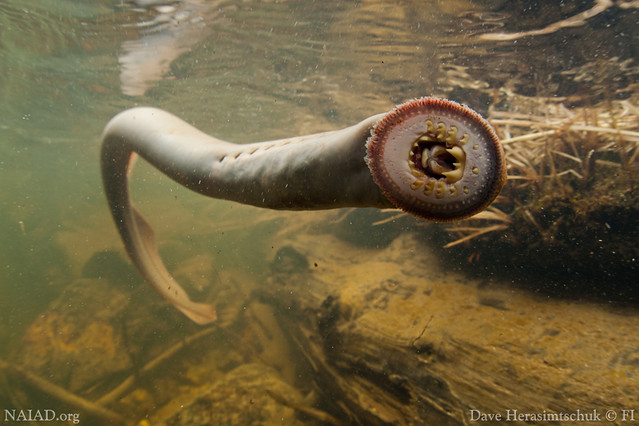
An Oregon native, the Pacific lamprey, is long and eel-like. It is classified as a fish but has no jaws or fins. Its disk-shaped mouth is dominated by three large and many smaller teeth, and its life history is jam-packed with more intriguing events than a soap opera.
Pacific Lamprey life stages

It hatches from an egg in two to three weeks as larvae, called ammocoete. For the next three to seven—yes seven!—years, it lives burrowed in the muck of stream and river beds. During one summer, the ammocoete goes through a slow metamorphosis and becomes a juvenile lamprey, developing eyes and a mouth. On winter flows, it migrates to the ocean, becoming an adult. Once in the ocean, and after years of feeding on algae, it cuts its new teeth by becoming parasitic to larger fish. After a couple of years, it leaves the ocean and returns to freshwater. Then, there is nest building, courtship, spawning and death. What’s not to find fascinating?

Pacific lamprey populations are in serious decline. A new effort to rebuild Pacific Lamprey stocks is underway, but creating them through hatchery means is proving difficult. An article details the project here.

Posted in Oregon Conservation News | Leave a comment

McKenzie River Fly Patterns page updated

We’ve updated the McKenzie-Willamette River Fly Pattern page with tons of great new trout patterns by Tony Torrence and Jay. There are some old standbys with new twists, some repeats by new tyers with different perspectives on the craft and fishing of these flies, and just new crazy stuff hot off the vise in 2013. New patterns are added to the top of each section on the page. Enjoy and get tying!

Fall Flies for trout McKenzie River

Posted in Fly Tying, Fly Tying Materials and Supplies, McKenzie River, Middle Fork Willamette River fishing | 1 Comment

Recycle your Christmas Trees

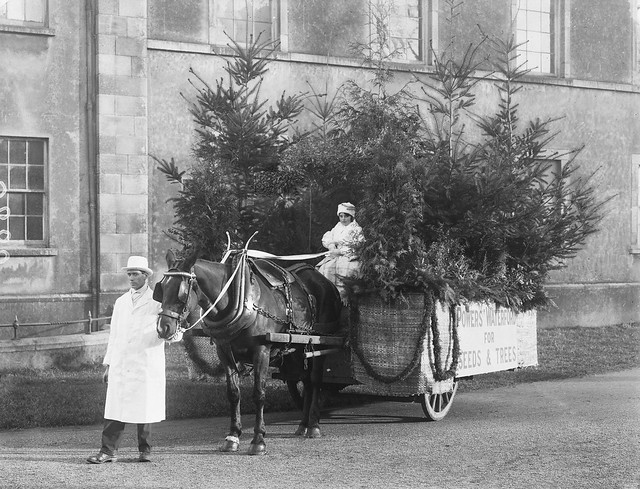
From TU Oregon Council Chair Tom Wolf: The Tualatin chapter of TU is in the third year of collecting discarded Christmas trees to be placed in the Necanicum River as woody debris in salmon rearing areas. The Bill Monroe article does a nice job in describing the program. Check out the article here.

Is she old enough to drive that thing?

So please thing about donating your tree on Jan. 4, 11 or 18 at the donation locations mentioned in the article. And more volunteers are needed to staff the donation sites on the fore mentioned dates. If you are interested and available, contact Mike Ellis at flyfishmde@gmail.com.

Posted in Oregon Conservation News | Leave a comment

Oregon Fly Fishing Blog: Best of 2013

Another great year in the books. As ORFFB approaches the six-year mark, it’s nice to look back at some highlights from the last year’s posts.

Cedar Lodge, New Zealand
Chris and Shauna recently took ownership of a fly fishing lodge in New Zealand. Cedar Lodge is on the South Island of New Zealand and offers all-inclusive heli fly out fishing to amazing rivers with big trout.

The Daughters have been posting fishing reports and lodge projects throughout the year and you can read the posts here:

Helicopter fly fishing in New Zealand
Lodge Ownership Chapter 1
Cedar Lodge Adventure Update
Low Water on New Zealand’s South Island

Jay tackles saltwater fly fishing

For those of you who know Jay, you know he tends to get obsessed. This year, the obsession was saltwater fly fishing. He wrote a comprehensive introduction to the evolution of his saltwater fly tying. But the real treasure is the series of reports from the Oregon Coast.

July 19, 2013: Fish were as deep as 70 ft and as shallow as 10 ft, but most of our grabs came in the 30 – 40 ft depth range. Cast, let ‘er sink, feed line as the Dory drifts away from the fly, and then strip the fly back up through the schools of cooperative fish. No salmon this date, but tomorrow, who knows?

July 22, 2013: Ocean current was strong but we were able to get our flies down with careful line management; fish were more in the 30 – 40 ft depth range, more scattered, and more difficult to find. We found enough fish to hit doubles whenever we did find the fish and we found full crab pots too.

July 31, 2013: Calm ocean. Warmer water moving onshore. TONS of baitfish. Silvers on the surface in the morning. Black Rockfish at 15 ft all day long. Rockfish on the surface in the evening. None of it is easy. All of it is fun.

August 18, 2013: We cast the fly to Tuna, caught just enough to make our hearts full and open our minds to the possibilities out there west of our usual trout, salmon, steelhead, and carp haunts here in Oregon.

August 19, 2013: Tim spent a fair amount of time teasing a big Blue Shark at the boat, while we watched and cheered the shark as it repeatedly teased him right back with slow drive-bys and last-second rejections.

September 6, 2013: Silvers will often respond well to a trolled bucktail fly, right in the prop wash, but it is also a ton of fun to find the occasional salmon casting and stripping flies in the open ocean.

Speaking of saltwater fly fishing…
Captain Nate, former Oregon Saltwater fly fishing guide, had his bachelor party in the Texas surf late last fall.

The full moon rose over the Gulf. We drove three hours, land crabs scuttling across the headlights – eyes lighting up on the beams. We’d waited for the tide to go out to open up the beach, drinking hot rum in the Texas sun for eight hours before the trip even started…

Great fishing on our home waters
Let’s face it… the wild trout on the McKenzie and Willamette Rivers are so fantastic. The big flashy silver guys are cool, and the fish in far-flung locations are exciting. But our native trout provide some of the best fishing experiences around the Northwest.

Check out some reports from throughout the year:

Chris and Jay on the Lower McKenzie in Spring
Bull Trout on the Dry Fly in May
Fly fishing the upper sections in the Fall

Native trout conservation continues
Earlier this year, The Fly Fish Journal ran an article on the McKenzie River Hatchery Trout, bringing the plight of the McKenzie River Redside to a national audience. Also, Native Trout advocates launched a new Website to publish the latest information on the ongoing population and telemetry studies. Last, but certainly not least, we raised another $5,000 for habitat restoration on the McKenzie River with the help of some special guides and great anglers. That brings the grand total to $30,000 raised for McKenzie River Trust since the McKenzie River Two-Fly Tournament launched just a few years ago. And the McKenzie Flyfishers filed suit to reduce/remove hatchery spring chinook salmon from the McKenzie River! A good year for native fish on a wild river.

Fly fishing with Jimmy Carter for Mongolian Taimen

Another excellent writeup from Matt Ramsey on Mongolian Taimen. Some of the best writing and photos of the year, plus presidential cred.

For any fly fishing guide, there are special experiences that remind you why you are lucky to have chosen this path. The week with the Carters was just such a time. I got to stand shoulder to shoulder and thigh deep in the river with President Carter for the entire week. And one thing I learned is that you don’t get to be President of the United States by being a wuss. This guy just turned 89 on October 1st, and I am not exaggerating when I say that he out-fished and out-efforted every other client at the Lower Camp this year. He would fish the entire nine-hour day, fish or no fish, with a grit and determination that were frankly intimidating. And while others in the party would grouse about the slow fishing, he truly relished the process and punishment of hard-core taimen fishing.

Grand Slams in Cayo Largo

Fly fishing for tarpon, bonefish and permit is challenging. Catching all three species in one day, the vaunted “Grand Slam” is even more difficult. When opportunity arises to chase a slam it creates an exciting intensity to fly fishing like no other I have experienced. On our trip my wife Shauna and I had one of the most memorable and exciting fishing days our lives.

More trip report here.

Gratuitous 2013 winter steelhead fish porn

Missing Oregon
Settling into my second year in Ohio… looking back at all of the great posts this year is a little melancholy. Here are a couple love notes to my old home and friends. Looking forward to the next time I get back.

Painting my way back to the Northwest
First trip back to Oregon

Wishing you and yours a happy 2014 from the Caddis Fly Shop and Oregon Fly Fishing Blog. And thank you for contributing, reading, and just being a part of this project for the last six years.

-Matt Stansberry

Posted in Fishing Porn, Fishing Reports, Fly Fishing Travel | 1 Comment

New Redington Rods Get a Work Out Down Under

It’s Christmas break at Cedar Lodge and we don’t have guests for another week or so. It’s time for us to get some projects done around the lodge and do a little fishing.

I brought down some new gear to try out this season including the new “Vapen Red”, and “Butterstick” fly rods from Redington.

The Vapen Red 9ft 5wt is a perfect stick for New Zealand fly fishing.

I have tried a couple of different lines on it and have found that over-lining the rod is best for easy casting. A standard Rio Gold 5wt did not load the rod very well in normal trout fishing distances (20-40 feet). On the other hand a Rio Grand or SA Mastery GPX 5wt or even a 6wt loaded the rod much better, and allowed the rod to maintain excellent line speed. Casting in wind and with multiple fly rigs was achieved easier in my experience with the heavier line.

The Vapen Red is most notable for it’s Winn Grip handle configuration. The Winn Grip is a comfortable “red polymer” synthetic grip that is utilized in the golf industry. The grip is indeed very comfortable and “grippy” the no slip claim is very true. The softer than cork grip also reduces the “death grip” tendency some anglers get when they are in deep concentration mode while casting.

There are several line weights available in the new fiberglass Butter Stick fly rod from Redington. I chose the 7.5ft 4wt version. It’s most likely a bit light for much of the fishing in New Zealand but it’s not my everyday go to rod ( 590-4 Sage ONE). I figured I would use the Butter Stick in smaller streams, backwaters, and windless evenings around the lodge. The rod is a blast to fish with, and is surprisingly effective in delivering medium to large dry flies at reasonable distances. The Butter Stick is fantastic with a fish on as it’s fiberglass construction gives you a fully loaded/bent rod with fish of any size on the line.

I have been using the Butter Stick as my instruction rod with the kids. At six and nine they are starting to really get interested in casting. The slow action of the Butter Stick makes the caster slow down and concentrate on that hard stop at the top of the stroke and smooth finish at the end of the front cast. I wouldn’t say the rod is overly forgiving on the lawn practice casting. It takes good timing and a good back cast to make things go without the “water load” one gets on a lake or river.

Overall both the Vapen Red and the Butter Stick Fly Rod models are excellent and some of the best work Redington has done in some time in my opinion.

CD

Posted in Fishing Reports, Fly Fishing Gear Review, Fly Fishing Travel | Leave a comment