Spring in Full Bloom on the Upper McKenzie

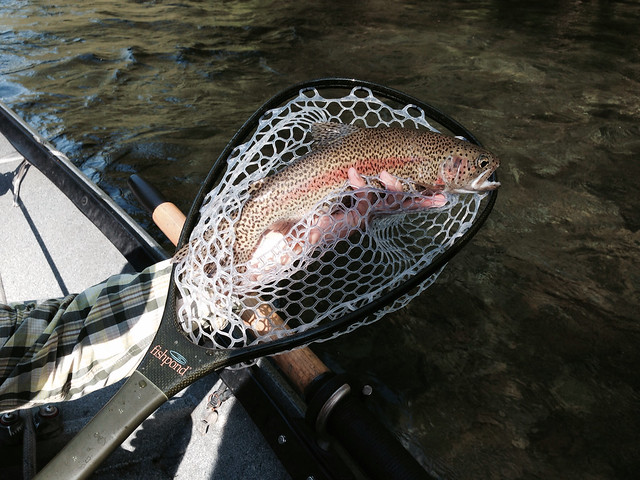
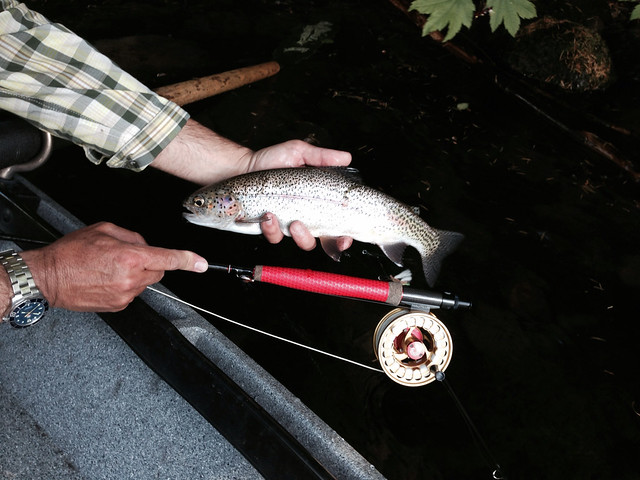
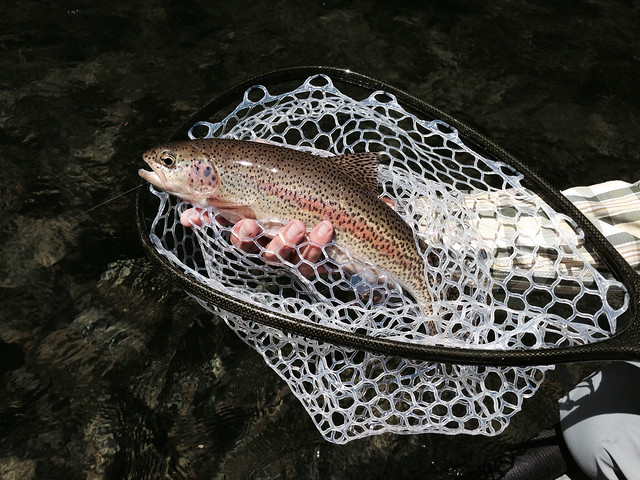
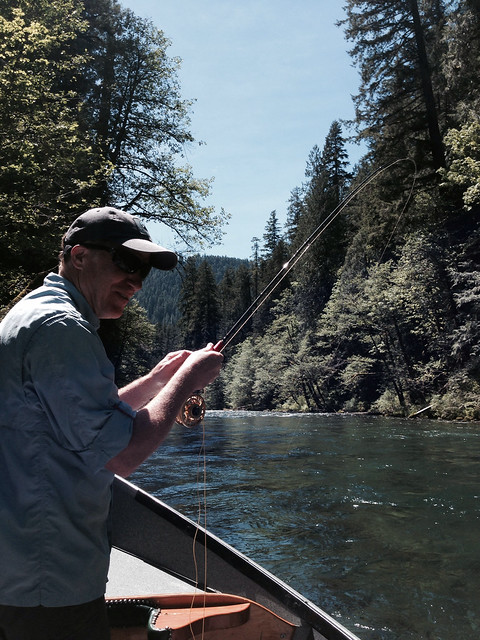
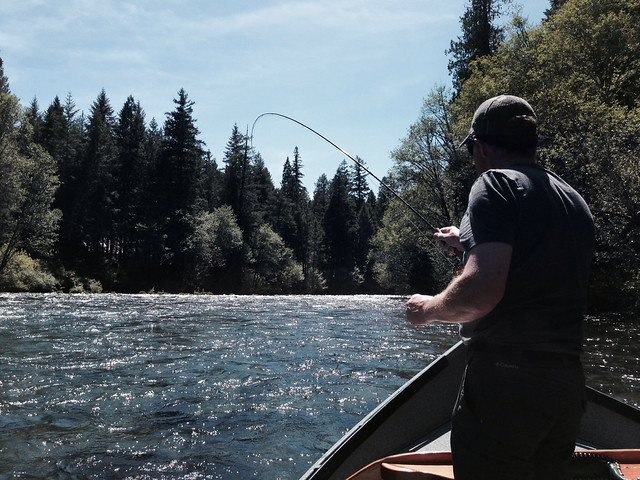
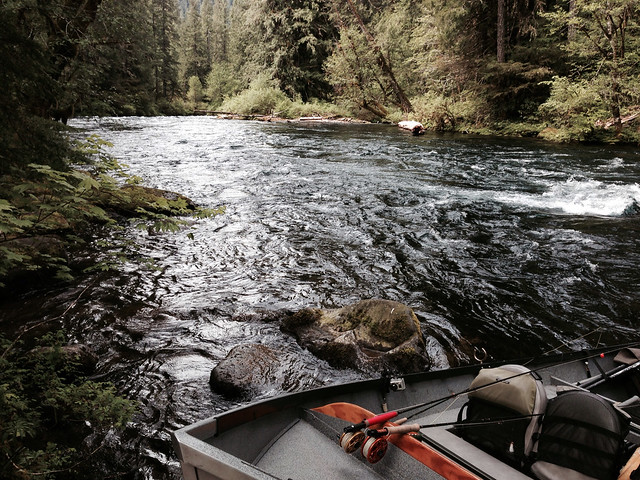
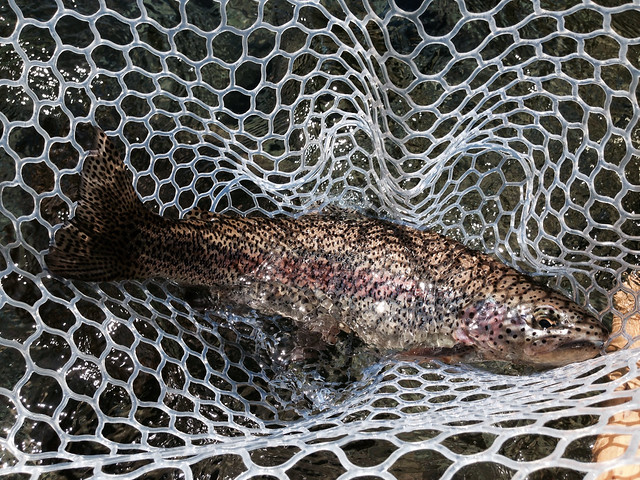
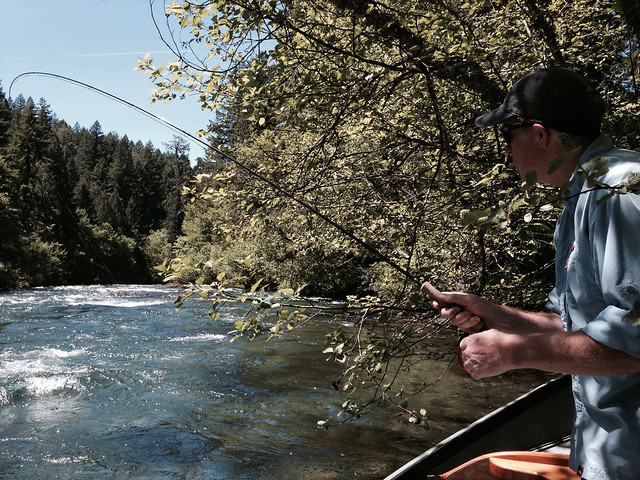
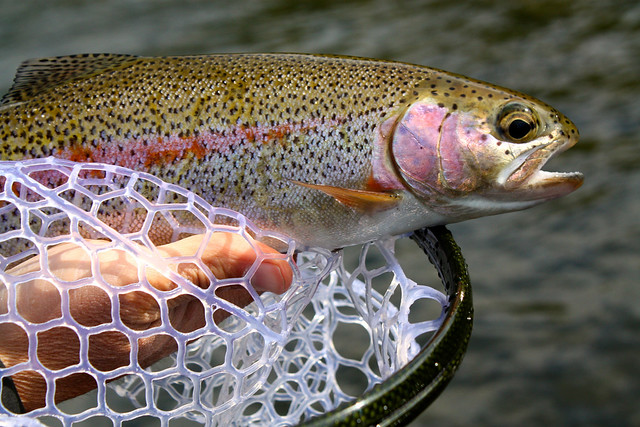
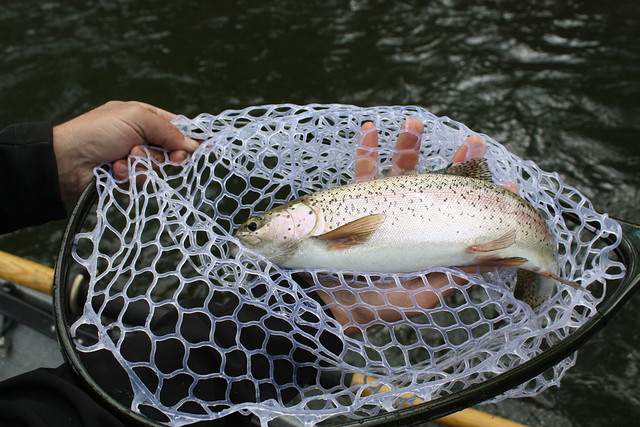
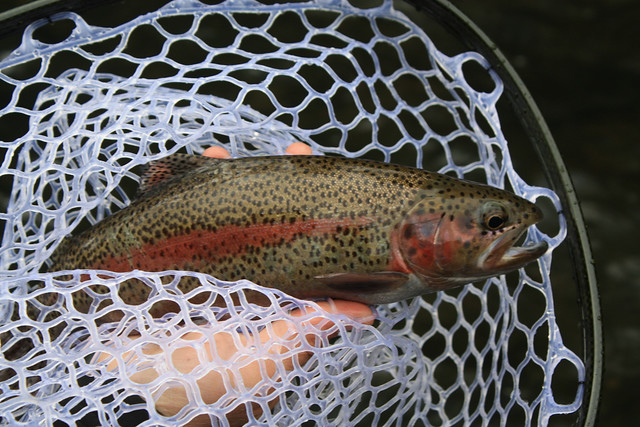
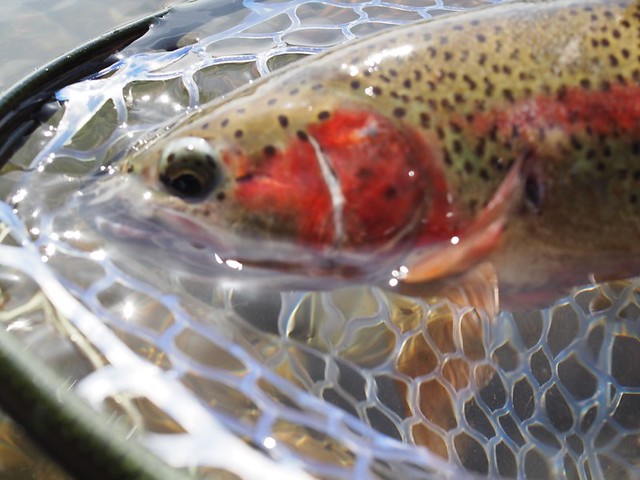
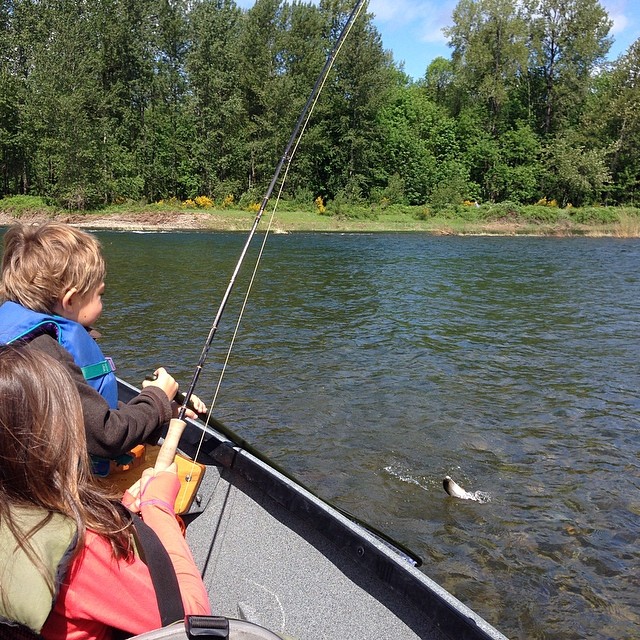
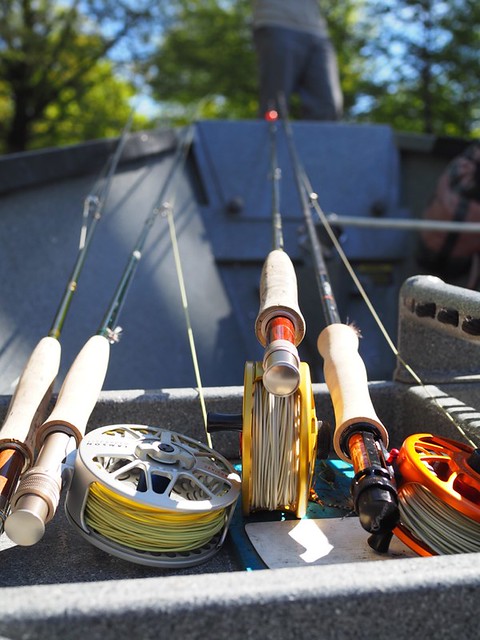
Dogwoods, Alders, Ash, Cedars and many more trees are in full “bloom” along the sides of the gorgeous upper McKenzie River. I love the upper river as Spring moves to Summer. Every day is a bit different. Insect hatches, fish behavior and fishing vary day to day as the water drops and temperatures warm. What remains the same however is the incredibly vibrant green in the trees, and the gorgeous colors of the wild rainbow trout.

image

mckenzie river trout

vapen red trout fishing

mckenzie river wild trout

image

image

image

image

image

image

Posted in Fishing Reports, McKenzie River | 1 Comment

Return To Malheur Field Station

2014-05-16 11.04.42

With binoculars in hand, we returned to Malheur Field Station to enjoy the feathered side of Mother Nature. Malheur Lake was full of birds and carp! It appears these fresh water bone fish have propagated to become so numerous they are everywhere to be seen.

2014-05-17 16.23.58

The wild flowers were just starting to bloom and the skies were clear and the air was crisp as we set out each day.

2014-05-17 08.54.55

Home of the Red Band Trout the Blitzen and Malheur Lake are being utilized for a study to help determine the impact of the Caspian Tern feeding on trout and other native fish.

2014-05-17 09.38.47

You may recall a 2012 project was created to help move the Caspian Terns from the mouth of the Columbia to an island constructed on Malheur Lake. The Malheur Lake project is a collaborative effort between the Corps’ Portland District, the USFWS’s Region 1 and the Malheur National Wildlife Refuge. The main focus of the project was to get the terns to eat the baby carp. The good news, the terns are eating the carp! The bad, the number of carp appear to be multiplying at greater rate than the terns can eat!

2014-05-18 09.59.04

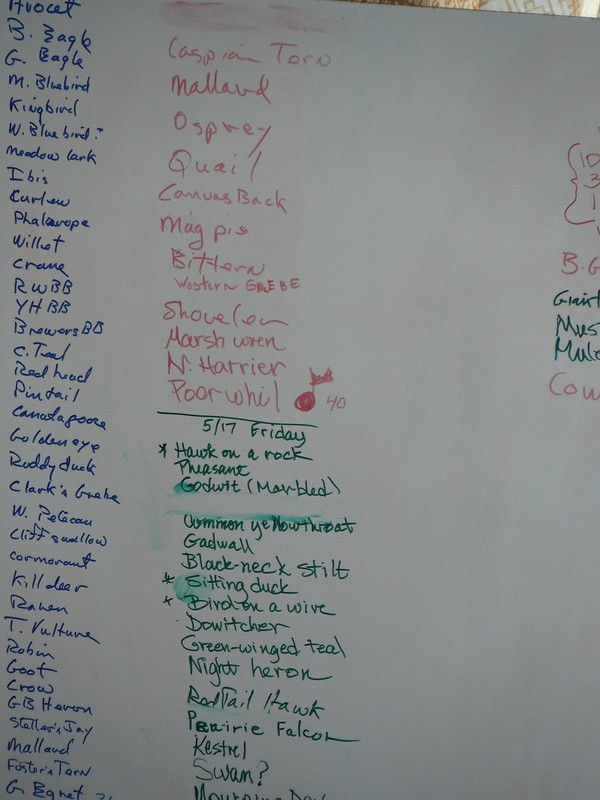
This trip the group recorded over 80 species of birds.

Mal 123

Our host for one day was Station Director, Duncan Evered. If you ever wished to learn about the birds of Malheur Lake and birds in general, Duncan is the guy!

Mal 1234

No fishing this trip but certainly a great time in Eastern Oregon. The Malheur Field Station is a great place to stay if your fishing in the area. The accommodations are clean and the rates are very reasonable. Yes, its a long drive to get there and maybe that is a good thing?

LV

Posted in Eastern Oregon, Oregon Conservation News | 1 Comment

McKenzie River Trout Study Letter

Dear Oregon Department of Fish and Wildlife and Jeff Ziller:

I am writing today to thank you very much for your participation in the McKenzie River Trout Study. Your efforts along with volunteer anglers have improved a section of river immensely in just four seasons. The McKenzie River from Hendricks Park to Belinger Boat landing has been the site of the study. Four years ago that section of river was a sliver of what it is today. Fish populations and fish size have improved mightily!

Thanks Very Much ODFW and Jeff Ziller!

mckenzie river wild trout

What caused this improvement in fishing and fish population in the section of river? Two key management policies that were implemented by our local biologist Jeff Ziller. The removal of stocked trout in the section and the elimination of bait fishing. How do we know the management has been successful? There is a breadth of evidence on the McKenzie River Trout Study website and I have seen the 2013 data (soon to be released). The data is convincing and the angling in this section is now some of the best on the lower McKenzie.

Here is a preliminary statement from Dave Thomas one of the key data analysts on the population study.

Recalling that there haven’t been any previous longitudinal studies of wild trout population numbers in response to removal of hatchery trout competitors; at least we can’t find anything like this in the published literature. So given that caveat, I was pleased and a little surprised and pleased that our estimates of the population in the study section showed a >50% increase in 4 years. Generally, population estimates in moving waters are pretty imprecise but an increase of this size, and particularly where the increases were persistent over 4 years is unlikely to be caused by sampling error. The next question is what does this mean for anglers? We’ve looked at this very closely and found that the catch per trip or per hour of angling on the study section has about doubled (e.g. increased a 100%). If there are a lot more fish in the water this is what you might expect, but it’s gratifying to see that the fishing can improve this quickly. Finally, we asked the question of whether this “improvement of conditions” could be explained by the angling participants just getting better at extracting wild trout from the river rather than their being more trout to catch? To answer this question we segmented the results of anglers with substantial experience in fishing the study section and those with less. The results were that both groups showed increased productivity across the years, so we conclude that the study results can not be explained by increasing skill levels of the participating anglers.

rainbow trout fly fishing on the mckenzie river

More thanks go to Jeff and ODFW for new stocking protocol on The Middle Fork of the Willamette River above Hills Creek for the 2014 season. This year the MFW above Hills Creek will not be stocked. Instead hatchery fish will be stocked in Hills Creek Reservoir. Moving these fish to more accessible water for more anglers is a great move in my opinion. Additionally fishing will be restricted to flies and lures in the Middle Fork above Hills Creek. If you are in favor of the policies mentioned above it never hurts to let our local ODFW office know they are moving in the right direction.

Springfield Field Office
3150 E Main Street
Springfield, OR 97478-5800
Tel: 541-726-3515 Fax: 541-726-2505

fly fishing for trout on the mckenzie river

CD

Posted in Oregon Conservation News | 9 Comments

Saltwater Fly Tying Video: Using Cure Goo to attach small baitfish eyes on a cutthroat & Coho Fly

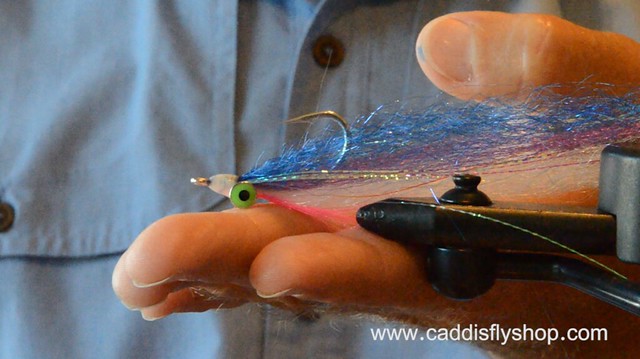
This is a fly we have seen before; the point of this video is simply to review the simplicity of using Cure Goo to finish off the fly and secure very small Holographic Eyes.

The streamer fly is tied with Ice Dub Shimmer Fringe, but the technique involved in applying Cure Goo and securing the eyes is applicable to most other fine natural and synthetics that are tied on the hook shank with fine mono thread.

The sparseness of this fly allows use of the tiniest amount of Hydro Goo and but a few drops of Tack Free Goo to form the head, securing the eyes.

Using larger eyes on larger flies usually means that there will be more substantial spaces to be filled between the eyes. For that task, I still often find that the Tack Free Goo is sufficient, but on occasion, and for the largest eyes and gaps, I will use the Thick Goo.

Best advice: give it a whirl and develop your own favorite techniques.

Jay Nicholas

Overall Length = 2”
Thread: Fine Mono
Hook: #6 Daiichi X-Point Saltwater
Body: Ice Dub Shimmer Fringe Minnow Pearl Mix
Upper body: Shimmer Fringe UV Blue
Eyes: 5/32” Adhesive Holographic Super Pearl
Cure Goo: Hydro and Tack Free

Posted in Fly Tying, Fly Tying Materials and Supplies | Leave a comment

The Lost Rod

Paul and I left the lodge at 7am, the plan was to arrive at the pick up point by 9am. Dion and three guests would fly to the remote South Island West Coast River, if they left around 8:20, they would arrive at the river around 9am. Dion and the chopper would then come get Paul and I and drop us with the guests for the day.

IMG_4991

In September of 2013 a huge slip at Diana Falls on State HWY 6 ( the only road from Wanaka area to the West Coast) caused night time road closures. The lost rod day occurs in February so the road is only open from 7am to about 6pm. The plan is to finish our fishing day around 5pm, and drive/race back to the lodge just as the gate shuts on HWY 6. The anglers would fly back to the lodge after we were dropped at the car.

Untitled

After a fine day of fishing, Paul and I are the first load first out. We landed near the car and Paul yells over the whop-whop of the chopper blades, “grab a rod in case we get stuck on this side”. I grab the first available rod and reel in the heli-pod and walk to our vehicle. We take off wet boots and socks and hop in the car for the race to beat the gate closure at 6pm. Once we are through the gate we have another 50 minutes or so to the lodge.

We make it through and return in time for dinner at the lodge. It’s not our normal day at Cedar but it works out at times that a long drive saves fishing and flying time when we travel further a field.

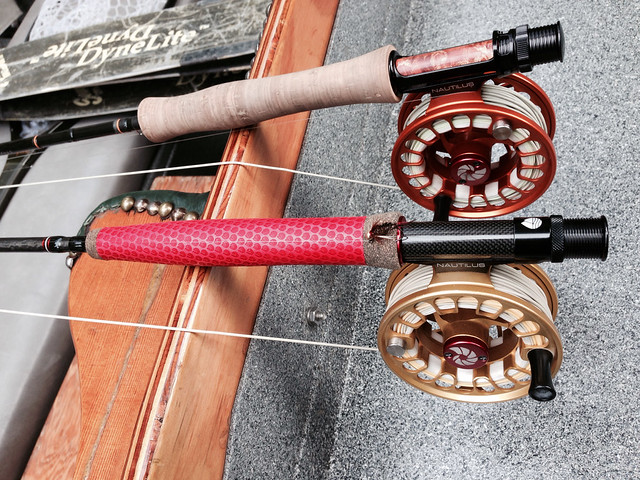
The next morning Dick Matteri asks me for the rod he’d been fishing during his stay, the same one I had grabbed from the chopper. I say sure I will grab it out of the car. I go to look. No rod! I search the guide shack, no rod, I search the car again, no rod. After more frantic searching it begins to dawn on me that I have left it near the car where we were dropped off. In a hurry to make the road I left the Sage Z-Axis and Bauer Rogue Reel next to the bloody car! The next morning we phone a friend/pilot in the area of the lost rod and ask him to have a look. No such luck.

A couple of weeks go by and by absolute chance I glance at the comments on OregonFlyFishingBlog.com. On one of my New Zealand/Cedar Lodge fishing blog reports I see an interesting comment.

“Wanted to let you know I found a new Sage fly rod outfit on a remote West Coast river and that it has gone to a good new home”.

What? I rack my brain for clues on how this guy finds OregonFlyFishingblog.com and leaves a comment. Turns out the small elastic straps (Fishing Butlers) securing the four sections of the rod were logo’d with the Caddis Fly info and the guy must have “Googled” the shop and found the blog.

Now when folks leave a comment on the blog they also leave their email address. So I quickly write the guy and let him know I am just over the hill from him and suggest that I would be happy to give him a reward for the rod, A day or two more passes and we get a difficult to decipher voice mail one evening. In not so kind alcohol induced garble the message “why don’t you just come get the rod with our helicopter”. OK, fine we are open to whatever is needed to collect the rod. I reach out to him several more times with no results and finally get him on the phone nearly a month after I left the rod on the side of the road/river.

During our phone call it’s clear he is stalling and has no concern for his own “fishing Karma”. I’d like to think that most anglers would happily return found gear especially in such a remote location. During our phone call he weaves an elaborate story about how because I had left the rod it was no longer mine and that he had traded some friends the rod for saltwater casting gear. I offer a $100 reward; he suggests he has $400 in the trade with his pals. I now offer to let the police handle it, he offers to “take it out fishing and lose it”. Nice guy right?

I file a police report. The police dispatch agrees with me that the rod is now stolen. I am able to give them the phone number, email, address of the person in question. Weeks go by, I return home to Eugene and then get an email from a police officer letting me know she had located the rod and I needed to provide proof of ownership.

IMG_2705

I scan the warranty card, photo of the rod, purchase receipt, and email it to the officer. A few days later I get an email letting me know the rod is now in the possession of the police and that they are happy to deliver it to the closest police station to me. Paul is in Albert Town so the Wanaka Station is nearest. I just spoke to Paul and he has picked the rod up. Two months removed from leaving it, the rod and reel are recovered.

A special thanks to Georgina from the Westport Police for sticking with it and recovering the rod.

Posted in Fly Fishing Travel | 2 Comments

Frank Moore and “Mending the Line” at McKenzie Fly Fishers Meeting Monday Night May 19th

This Monday night the McKenzie Flyfishers meeting will feature Frank Moore and a showing of a “short” 20 minute version of “Mending the Line”

The film tells a story about much more than flyfishing. It is a war story, a story of tragedy and healing, and at it’s heart, is a love story. The true tale of the love between Frank and Jeanne Moore and how flyfishing is woven into their lives. The McKenzie Flyfishers have permission to show a 20 minute version of the documentary film chronicling Frank’s recent return to France as he visits the Normandy beach he stormed on D Day. Frank will introduce “Mending the Line” and, weather permitting, do some casting during the Wet Fly hour.

Frank Moore is a recent inductee of the Fresh Water Fishing Hall of Fame, the builder of the famous Steamboat Inn on the North Umpqua and was awarded the Chevalier of the French Legion of Honor. He is an ardent conservationist, friend to many, and at the age of 90 can still cast a mile.

To see a trailer of “Mending the Line”, click this link:

http://www.uncagethesoul.com/events/mending-the-line/

The meeting will be at Lewis & Clark catering on Monday May 19. Meetings start with the Wet Fly hour at 5:30 followed by a buffett dinner, fishing reports, a raffle and club business. The program usually starts around 7:45 pm.

Meetings are free and open to the public.

Posted in North Umpqua River Fishing Reports, Oregon Fly Fishing Clubs and Events, Oregon fly fishing links | Leave a comment

Spring postcard from the Upper-Midwest

Well folks, it’s been quite a while since I’ve dropped an update on the family and fishing out here in Ohio. I hope everyone and everything is fantastic for everybody out West. I’m still heartsick two years after moving out of Oregon, but making the most of it on our Great Lakes. Warmwater fishing is heating up, and starting to get interesting. I’ve picked up a technique the locals use, sinking lines with floating flies — I’m using spun deerhair to keep flies off the bottom, suspending big streamers a couple feet below the surface. It’s deadly on bass, and I highly recommend trying it for any predatory critters you might be chasing. The bird migration is full blown around Lake Erie and the spring wildflowers are fantastic. Kids are getting the better of the local panfish populations. I’m working on a trip back this summer, so let’s grab a few Ninkasi’s in July.
-MS

P4180731

IMG_3552

upload

upload

IMG_3452

IMG_3168

IMG_3041

IMG_2977

IMG_2952

P5030107

P5030100

P4260060

P4260035

P4260018

P4260011

P4260005

Squirrel-corn

Redback Salamander

080

P4190788

photo 1-4

210

P4130675

P4130652

P4120622

P3300444

P3300453

P4030497

2014-04-06 00.03.33

Posted in Fly Fishing Travel | 2 Comments

Saltwater Clouser Fly Tying Video for Pacific Albacore with Steve Farrar’s Blend

I don’t recall reading much about fishing Clousers for Pacific Albacore. Why not? Personal experience taught me that our Albacore do indeed take these flies and I recommend that anyone who ventures out to the deep blue carry at least a few Clousers to toss at the beasties. Our offshore Oregon tuna will take Clousers when trolled, on the drop, and on a fast-strip retrieve. On occasion, they will also not take Clousers, just like they will ignore plenty of other flies. So as usual, fish your flies with a seasoned, reasoned confidence that acknowledges the possibility our finest offerings could be spurned. Or not.

Jay Nicholas

Albacore Clouser Minnow

7

Overall Length = 3.5”
Thread: Danvile’s 210 D White
Hook: #3/0 Gamakatsu SC 15
Belly: Steve Farrar’s Blend – UV White
Top: Steve Farrar’s Blend – Bleeding Purple/Herring Back
Lateral Line: Lateral Flash
Eyes: Hareline Painted Lead Eyes – Large Nickel Plated Lead
Cure Goo: Hydro

Posted in Fly Tying, Fly Tying Materials and Supplies | Leave a comment

Lower Deschutes River Macroinvertebrate Hatch Activity Survey Results

From the Deschutes River Alliance: Fishing guides on the lower 100 miles of the Deschutes River have observed a number of changes since the Pelton Round Butte Dam started mixing surface and bottom water for release beginning in 2010, and raised concerns about what effect the new water management program may be having on the health of the river ecosystem.

Deschutes River Fly Fishing

Observed changes include declines in major insect hatches, changes in insect hatch timing, the absence of insect feeding birds such as swallows, changes in fish movement and behavior, increased summer turbidity, and changes in the type and extent of benthic algal growth.

In order to address these concerns, and engage Portland General Electric (PGE) and the appropriate agencies in open discussion about them, local guides and other concerned anglers formed the Deschutes River Alliance (DRA).

The DRA, through meetings with PGE and agency personnel, has completed a monitoring plan for 2014 that includes an assessment of water quality (temperature, DO, pH, conductivity), algal biomass and species composition, and aquatic insect hatch activity.

One of the first steps taken by DRA in 2013 was to more systematically gather guide observations about insect hatch activity. To this end a field data form was created for guides to fill out while on the river. This report describes the results of the guides observations collected from May through October 2013.

Posted in Central Oregon Fishing Report, Oregon Conservation News | 2 Comments

Deschutes Report May 2014

Andrew 1

No adjustment of your screen is necessary. Yes, the Caddis Fly Shop has a fine selection of dry stone fly’s, but not quite as realistic as those captured above. A few of the Caddis staff escaped for a quick trip down the Deschutes last week and found the “the bugs” already in the bushes. I have to admit, something has changed. I can not recall ever seeing this many bugs hatched and beginning to fly around this early. Although not aggressively attacking our Chubby Chernobyl’s we found enough fish coming up and blasting our flies.

2014-05-06 16.27.06

Is was Zach’s (shop Iowan) first trip down the Deschutes and he did well Nymphing (yes, the mega prince!) for his first Deschutes native red side.

2014-05-06 16.12.05

2014-05-07 10.26.20

Andrew and Clayton came along and found success among the lower hanging bushes with chubby’s and big bodied foam salmon flies.

Andrew 2

Clayton 1

We often had to remind Zach to stop shaking the “the bugs” from the limbs of trees? Ok, at least that’s what he said he was trying to do.

2014-05-06 13.12.14

I got to try out my new Simms G3 Felt Guide Boot with the new mid cushion sole. I added the hard bite studs. They were light weight and very comfortable. Check out the video on the link. Highly recommended!

Short timeframe for a trip, but plenty of memories and enough fish to go around. A good time was had by all. Anxious to get back for a few more days on the next trip!

2014-05-07 13.44.34

LV

Posted in Central Oregon Fishing Report, Fishing Reports | 2 Comments

Rain NOT Putting a Damper on Local Fishing

Bryson broke in the Butter stick today

We “snuck” out of the shop yesterday to fish the lower McKenzie. Bryson took his new Butter Stick 7.5ft # 4, I had the new Scott Radian five and Andrew fished the Sage Circa five weight. We ended up swinging wets for most of the afternoon. The softer actions of the Circa and Butter Stick were sweet when fishing the traditional style March Brown wets down and across.

We ran into another boat or two one of which had landed a chrome bright spring Steelhead on a dry caddis! It’s going to be wet Friday and Saturday but don’t let it bother you!

Do be careful of water levels though we have just had a look at Armitage and Clearwater on the Willamette and the river has come up with color. Have a look higher in the drainage’s for cleaner water.

CD

Posted in Fishing Reports, McKenzie River | Leave a comment

McKenzie Fishing Great in May

wild mckenzie river rainbow trout

Effective fly patterns include Green McKenzie Caddis dries and wets, March Browns, Soft Hackles, Pale Morning Dun patterns, Chubby Chernobyl’s in Golden Colors, Prince Nymphs even a strange green comet that my son tied on a saltwater hook.

upload

wild rainbow trout fly fishing on the lower mckenzie river

A huge variety of insects are emerging, the river is in fine shape and warming. It’s the perfect storm for superb trout fishing in May. Swinging basic wet flies is a really effective method at present. Get out there and enjoy, it’s really good!

upload

lower mckenzie river fly fishing

IMG_0157

IMG_0159

CD

Posted in Fishing Reports, McKenzie River | 3 Comments

Found – SAGE fly rod & reel in Town Lake


Fishing with my friend Jack Harrell in the Town Lake recently, Jack noticed something barely visible about three feet underwater. It was shiny and looked suspiciously like the tip-top guide on a fly rod. We maneuvered around and pretty soon Jack reached deep over the side and retrieved a SAGE rod, reel, line and fly. This is certainly a rod someone lost this year, and it would be great to get this outfit back to its owner. An e-mail to the Caddis fly can put the owner in touch with me, a comment to this post will get the job done, too, or you could contact Jack through Pacific City Fly Fishing also. Just identify the rod you lost and the reunion will be arranged promptly. I wonder if this rod fell off a float tube, raft or went out of a boat, but I’m sure the owner has been weeping over loosing this rod.


Speaking of coastal trout fishing, I have had a lot of fun on Lake Hebo, where there are some regular size catchable trout plus some linkers to spice things up. A wide variety of dry flies, soft hackles, buggers, damsels, chironomids, and bead-head nymphs have been productive at times. This fishery is challenging at times and consistent at others. Light tippets and experimentation with flies, locations around the lake, and presentation tactics has paid off on most days. One can see Osprey and a Bald Eagle, otter, and rising trout on days that range from calm and warm to blustery/rainy.


Lakes like Hebo are sprinkled across the coast range and some offer the extra spice of wild cutthroat and bass too – I’m pretty sure the possibilities are huge for coastal still waters fly anglers.

I have been fishing the Echo Glass 5 wt and loving it. The glass is ideal to make a soft presentation to raising trout thirty feet from the boat, and a ten-incher puts quite a bend in the rod, and I’ve been remembering how much fun I had fishing Cascade lakes for brook trout when I was between 8th grade and high school. Seeing those trout faces come up to look at my fly is as much fun as it was fifty years ago.

We would appreciate help find the owner of the fly rod we found – and in the meantime – there is some fun fishing all over Oregon, all you have to do is head out the door.

JN -May 2 2014

Posted in Fishing Reports | 1 Comment

Pacific City Dory Sight-Fishing Report May 1st 2014


The surf has been rough for a long time, but yesterday it laid down and I had a chance to fish with one my my dory owner friends and oh my goodness it was an AMAZING day! The ocean was flat and ranged from dead calm to a slight breeze. We caught a few ling cod and had a MONSTER ling take a swipe at a 3 pound black rockfish right at the boat. It was so big it looked like a shark at first. Not that I’ve ever been known to let a little adrenaline cause me to over-state a fish’s size, but anyone would have been impressed with the size of the beastie.


The lingcod we managed to hook were barely legal and we released them along with a cabezon and a beautiful orange sea trout.


There was barely any current and – get this – we were able to SIGHT-FISH for black rockfish! That’s a first for me, but the ocean is a place where i’ve found that new experiences are more common than same-old-same-old.

About mid-morning, the perfect glass surface plus clear water, plus sun angle on the water combined perfectly and I spotted a big black about thirty feet from the boat, about 8-10 ft deep. I cast to the fish, watching my fly, teasing the fish, and pretty soon there were two fish playing with it, then sometimes 3, 4 or 5 fish circling the fly. I would give it a twitch now and then, they would circle and approach and almost but not quite nip at it and this would go on fir or minutes until one of them would swoop in and inhale the Clouser.


We were able to sight fish for close to two hours until sun angle and a riffle on the water closed us down and the fish moved deeper into the water too. I found myself talking to the fish, not unusual for me. there were ten minute periods when every cast brought a quick take, and then the fish would get reluctant and it would require extraordinary patience and teasing to finally trigger a take. It was fantastic to be able to see the different ways the sea bass would take the fly. Some would raise up and engulf the entire fly as it sank without any action whatsoever. Some would follow and nip the fly repeatedly before taking it viscously on the turn. Some would slide up behind the fly, take it half-way into their mouth and just sit there, motionless. Being able to see so many fish interact with the fly was a blessing and gave me deeper understanding of what is going on underwater the 99% of the time when I can not see my fly and the fish’s reactions.

A wide variety of flies worked for us, but the smaller Clousers got more solid hook-ups than the monster flies. Water temps were over 54, and I’m really looking forward to a spectacular year in the ocean for 2014.

Hope to be able to send another report soon, I heard the first few springers are being caught in the Tillamook and Nestucca, so here we go! Let the madness commence.

JN May 2014

Posted in Fishing Reports, Oregon Saltwater Fishing | 2 Comments

The Fly Floatant Test-A Test/Review of Several of the Top Floatants

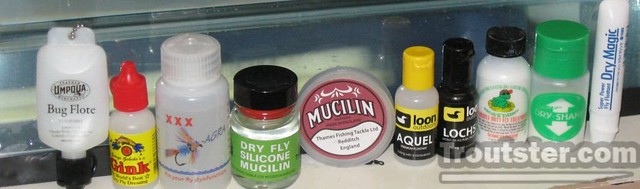
floatants-1024x302

Finding the best floatant is a common desire for the trout angler. The team at Troutster.com really did a phenomenal job with it’s analysis of numerous products. Below is just a part of the test. Read the entire post here: http://troutster.com/fly-floatant-test/

I will start by giving you an overview of what I hope to accomplish with this post, so if you wish you can get an idea of what is going to take place and then skip to the results.

The Testing Procedure

I will be putting a huge lineup of fly floatants through various tests to determine what type will float your flies best. Are some of the floatants that cost 2x and even 3x the price of inexpensive competitor products worth the price? Will they in fact make your flies float better and longer? Or will they just cost more and deliver similar floating ability. Keep in mind that I do not work for any of the companies who make these products, nor am I being paid by any of them. What tests will we use? The short answer is we are going to run these floatants through the mill! We will test the following properties of these products Their ability to continue to float after being subjected to “fish slime” (which we all know destroys a flies ability to float.) We will determine how much weight our flies can hold up using all of these different products, think “hopper dropper rig“ We will try to measure the amount of “oil slick” on the surface of the water from each type of floatant Also taken into consideration will be how easy is this particular product to apply and what type of effect do extreme temperatures have on its consistency and viscosity. My original plan included a test of how long a fly will float using each product in completely still water, however they all stay up for a very long time. It turned out to be a very time consuming test to measure. I also began testing using humpy flies. I decided that these flies could have different levels of buoyancy, due to possibly different amounts of deer hair on the base of each individual fly. I opted for a fly without any deer hair (or any heavily floating hair on the body)for the test, the parachute Adams. The Results I spent a lot of money on every floatant I could find at Backcountry.com I also bought a couple from Amazon as well. The floatants included in the test are: Gehrkes Gink Loon Aquel Mucilin (non silicone red can) Mucilin silicone liquid Loon Lochsa Umpqua Bug Flote Umpqua Dry Magic Fly-Agra Umpqua Shimazaki Frogs Fanny

Read the rest of the test at: http://troutster.com/fly-floatant-test/

Posted in Fly Fishing Gear Review | 2 Comments