

Despite our subpar winter, we have made it through several popular weekends without any serious local fire flare ups. We have our fingers crossed that we can make it through this holiday weekend without any new fires. Fishing has been great despite the lack of water recharging our aquifers this winter and spring. The water is low all over the state so fish are feeling the late summer squeeze earlier than normal. This year above all others is a great year to seek out colder water in the form of high lakes and small streams

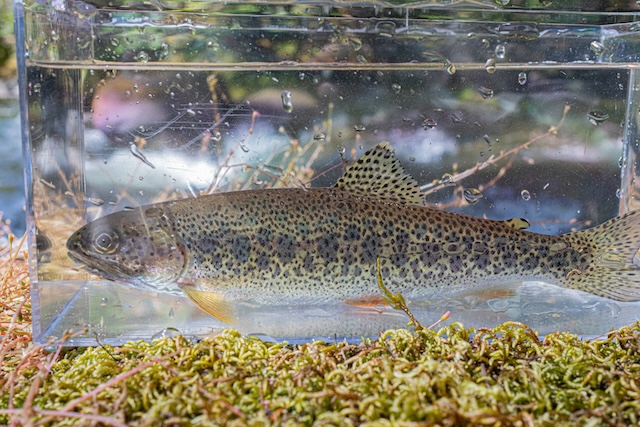
Given the hot weather we’ve had and lower water, our small streams are a fantastic option. Many of our valley tributaries are fed by cold water springs. These smaller tributaries are narrower than the larger mainstream rivers, so the thick riparian canopy casts a favorable shadow on many of these streams. This helps keep these streams cooler, large fish know this and are known to seek refuge in the cold water that these streams hold. These smaller systems offer fantastic dry fly fishing for medium to small trout with the occasional fish pushing 16-20. A shorter 3-4 wt makes fishing these a blast, especially if you can fool the large fish in the run. These smaller systems also contain some of the most beautiful fish the state has to offer, not to mention the gorgeous scenery of a cascading small stream.
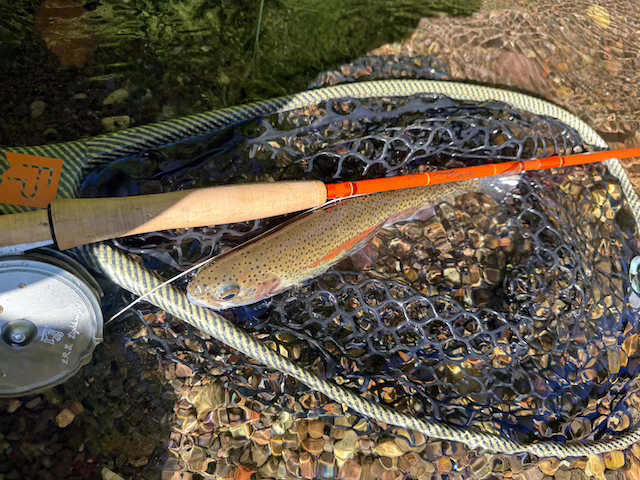
I’ve been fishing a few different small stream rods. The other day I broke out my Scott F2 Series 7’2″ 3wt glass and had a blast fishing small dries to willing fish. My Winston Air 2 8″6″ 4 wt is my go to setup for dry dropper fishing on smaller systems. On even tighter streams I particularly like the Air 2 8″6′ 3wt for both dries and even lighter dry dropper rigs. All of these rods I run click and pawl reels from Hardy or Iwana. This makes playing fish more fun and levels the playing field a bit.
Hot weather and trout behavior do not mix well at all. The gradual warming of spring is something that trout love. It kicks off our favorite hatches, and gets trout’s metabolism moving so they are more wiling to eat. When things get too hot trout get lethargic. Warm water does not hold dissolved oxygen as well, so trout become lazy. They will push to the head of pools and into riffles where there is a higher dissolved oxygen content. Knowing this can help you locate trout when you are fishing perfect looking water without yielding much interest in your flies.

As anglers we have a responsibility to look out for trout. Fly anglers heed this call to action in multiple ways, in the summer it is in the form of taking water temperatures with a thermometer. We have a variety of options here, but our favorite is the Fishpond River keeper Digital Thermometer. Fishing for trout in too warm of water can be deadly to fish. Fighting them in hot water is a seriously physical feat for them adjacent to asking you to run a mile while breathing through a straw. The lower dissolved oxygen content from the summer heat poses a serious physical risk to trout especially as the water gets very warm. Temperatures exceeding 67/8 °F are just too hot for trout, it also impacts their feeding, so the fishing won’t be good anyways if you stick around. Typically I begin moving before then, one for the fish’s wellbeing, and two because the fishing will be subpar with the heat. Finding shaded sections of river, quick plunge pools and riffles are where there will be more optimal conditions for trout, and likely hold the larger, more seasoned fish
Bugs & Fly Selections
Summer time boats a serious buffet for trout often with several species hatching alongside one another. The star player are Pale Morning and Evening Duns (PMDs and PEDs); these are small cream colored mayflies that offer consistent hatches through the summer. There is a consistent PMD spinner fall that happens every evening that offers great fishing post work. The second most important bug is the mighty Golden Stonefly. In the early afternoon you will see these bugs fluttering up or down stream, and as evening approaches you will find females ovipositing. There is a smaller more yellow colored stonefly called the Yellow Sally. These bugs make a fantastic searching pattern, especially mid day or on small streams. In the upper sections of our rivers and tributaries, we are seeing great afternoon hatches of Green Drakes. These along with the PMD hatches will be even better on an overcast day. Lastly for aquatic insects, the is plethora of summer caddis species active on the rivers. Searching with a tried and true elk hair always works, especially on small streams they shed water quickly and can withstand catching many fish before needing to be retreated with floatant. With the mild spring terrestrials are already out in full force, beetles, ants, hoppers, and crickets are all fair game now. These are all even more important on smaller streams with abundant stream side vegetation.
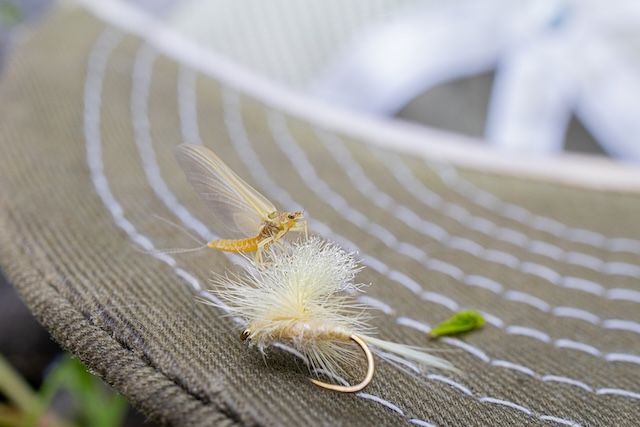
Our seasonal table in the shop is loaded up with all of our favorite patterns for fishing locally. Many of these patterns are representative of key bugs hatching across the west if you are traveling. Our favorite PMD duns follow: Tactical Light Cahill Parachute, Tilt Wing PMD, or a Quill Body Parachute PMD. PMD cripples and emerges are very important when there are lots of bugs coming off; here are some favorites: Sparkle Flag Fly, CDC Biot Dun, Quigley’s Film Critic PMD, or a Galloups OG Bent Cripple. PMD’s have one of the best spinner falls of all mayflies, here are some you want in your box: Rusty Spinner or a Hi-Vis Spinner. Standard issue caddis patterns in tan, brown, and cinnamon are key to have during the summer. Here are some must haves: Croston’s Mass Attack, Rubber Legged Elk Hair Caddis, Elk Hair Caddis Brown, Peacock Caddis, or a King’s Splitsville Caddis.
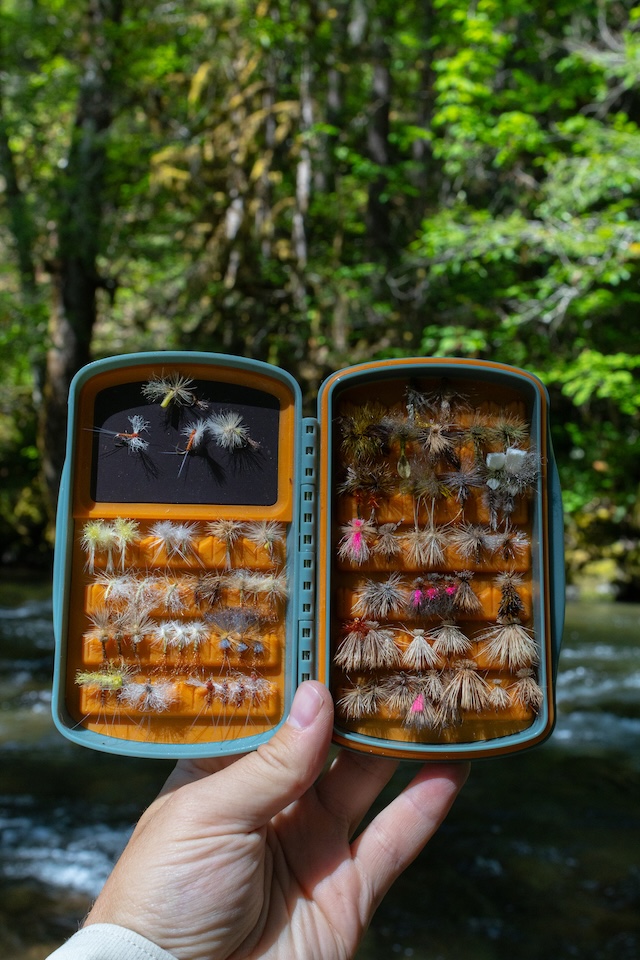
For searching with gold stones there are two routes you can go. For a more delicate, realistic offering try these: Clarks Stone, Gould’s Half Down Golden, or a Parachute MadamX. Sometimes a single delicate Gold Stone is the ticket to fooling a big fish. If you want to run a more buoyant Gold Stone with a dropper below, here are some options: Burkus Bearback Rider Stone Fly, Morrish Fluttering Stone, Double Stack Chubby Chernobyl Fly, Chubby Chernobyl, or a Double Stack Chubby Chernobyl Fly for extra heavy droppers. Yellow Sallies are smaller and less buoyant, if you want to fish them in tandem, a trailing caddis or PMD emerged are great options. Here are some shop favorite Sallies: J’s Hi-Tie Sally, Goldie Hawn, Tim’s Levitator Fly, or a Parachute Headlight Yellow Sally.
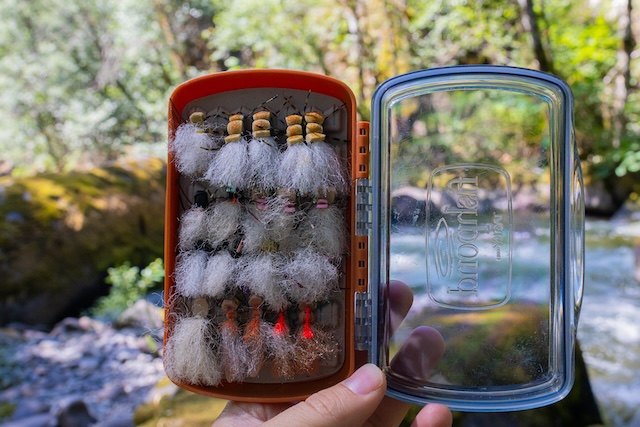
Terrestrials are going to be even more important this year with the mild winter that we had. These have been essential to bringing up finicky trout and searching on smaller streams and our high lakes. Some of our favorite hoppers follow: Rio’s Blade Runner Hopper, Henneberry Hopper, or a Morrish’s Hopper. Here are some ants and beetles that we like, these work great ran as a trailing dry: Deer Hair Ant, Mason’s Bant, Mason’s Wingman Ant, Ground Beetle, of a Splitzville Beetle. Don’t worry if they start to sink, they work even better in the film as a trailer. Other miscellaneous terrestrials we like are: Fat Angie, Stubby Chubby, Hi-Vis Micro Chubby Chernobyl, or a Bubba’s Foam Assassin. Terrestrials will only become more important as things warm up; these flies will get use into early fall.

Running a dry dropper is a great way to search promising water. You can learn a lot by running this type of rig through good looking water. The beauty of this rig is that is gives you information both on the surface and below. For dries we like to run big buoyant chubby Chernobyl flies on our larger rivers. Any of the buoyant Gold Stone patterns listed above make great options. For smaller streams any of the buoyant foam terrestrials make a great top fly in your dry dropper rig. Some droppers we like follow: Weiss’ BP Dark Heavyweight Perdigon, Miller’s Victim Jig Fly, Jigged Sassi’s Solution, or a Tungsten Jig TNT Nymph.
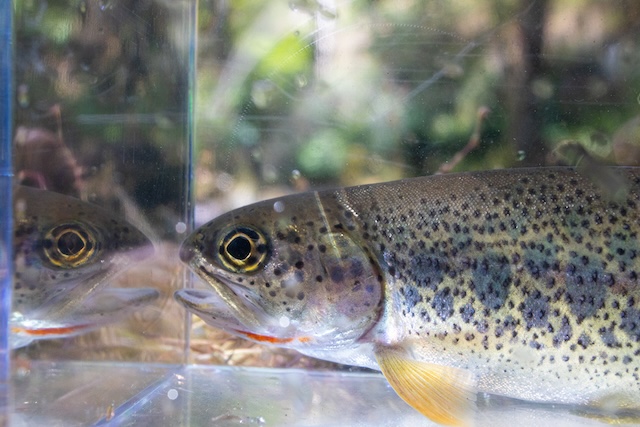
It is not uncommon to have a serious mid-day lull as things get warmer. One way to get around this outside of stopping for lunch, or for a nap is to nymph your way through the warmer parts of the day. Setting up a double nymph indicator rig is common practice during the hot parts of summer. We are particularly fond of Oros Indicators for this. Running one large fly to aid in getting down with a smaller offering in tandem often works well. Pairing one flashy and one natural option is also another good way to help decide what is working. Some larger options follow: Bubba’s In The Zone Stonefly Nymph, Jigged Mega Prince, T.J Hooker Nymph, Double Bead Epoxyback Peacock, or a Montana Fly Company Jig Hot Spot Girdle Bug. Outside of Gold Stones, many of the insects hatching have smaller nymphs sized 24-18, so here are some smaller offerings:
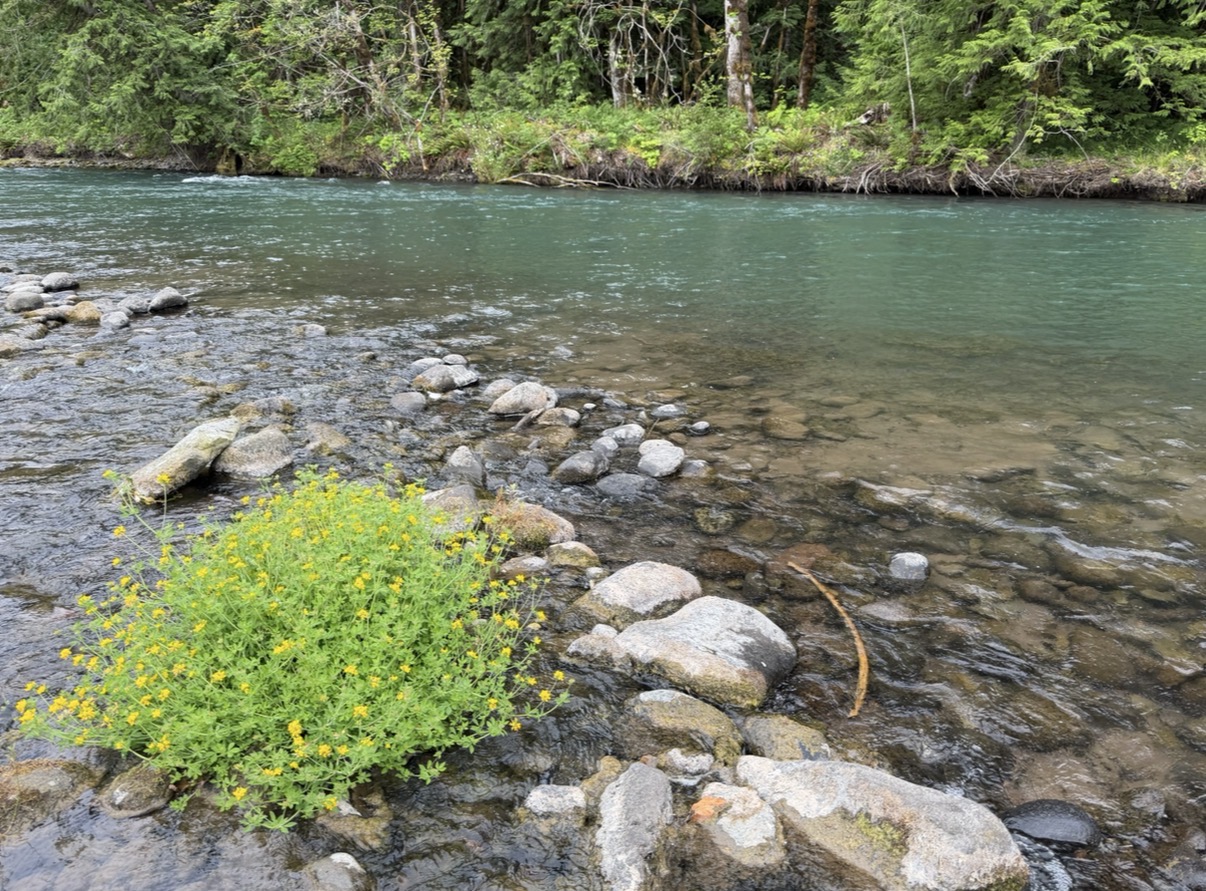
Our high lakes offer a cold water safe haven when our lower rivers in the valley can get warm. Fishing stillwater can be a refreshing change of pace., and many of the smaller lakes fish well from the bank if you don’t have a boat. Float tubes are small inflatable watercrafts that are light enough to be packed into hike in lakes. Float tubes are a great way to open the door to exploring tons of different lakes, we have a variety of them in the shop and available online here. Many of our high Cascade lakes are seeing fantastic summer hatches of Callibaetis mayflies. Here are some of our favorite Callibaetis dries: Smith’s Emerger Callibaetis, Parachute Extended Body Callibaetis, Tilt Wing Dun, CDC Thorax Callibaetis, or a Epoxyback Emerger. Slowly stripping Callibaetis nymphs can be deadly too, here are some that we like: Epoxy Back Emerging Callibaetis Nymph, Foisset’s UV Callibaetis, Mercer’s Epoxyback Emerger Callibaetis, or a Callibaetis Pandemic May. We like to fish these on intermediate lines, especially Phil Rowley’s Midge Tip Long. With the help of our friend and stillwater guide, Adison Rook, we wrote an intensive review of the line here. Running a slip strike indicator rig with Chironimids is a foolproof way to prospect water on a lake. Here are some Chironomid options from the shop: Chironomid Bomber, Rio’s Hangin’ w/ My Chromies, Chironocones, Buzzer, Kelly’s Ice Cream Cone, or a Croston’s Bung Buzzer. Any of the above terrestrials listed above will work great on all of our lakes this summer as fish work the banks looking for clumsy insects that end up un the water.
If you have any questions, give the shop a ring, or even better swing by and ask our knowledgeable, friendly staff questions. We are happy to help get you dialed in to have a great day wherever you go. We hope everyone has a safe and fun holiday weekend. Remember how dry it is and be careful out there. It’s dry fly season, don’t forget your floatant!
-Simon
Caddis Fly Shop
168 W 6th Ave
Eugene, or 97401
Phone: (541) 342-7005
Email: Support@caddisflyshop.com
Stay up to date with additional links below
Follow us on Instagram
Caddis Fly Shop: @Caddisflyshop
Oregon Fly Fishing Blog: @OregonFlyFishingBlog
Caddis Fly Travel: @Caddis_Fly_Travel
Subscribe to our Youtube channel
Shop Online from all over the World
Great article. Just found the blog and will be following along. Just started fly fishing a year ago, seeing how I love along the Noth Umpqua river…. God bless, and when I get up to Eugene, I’ll stop on in for sure!
David,
Glad you stumbled along the blog, even better that you found it early in your fly fishing journey. The blog has been running for a long time so there is a wealth of information on it. If you’re ever in Eugene on the 3rd Tuesday of the month, we do a monthly event at a brewery in town. There’s lots of folks who are newer and some who are experts. We have a few people who fish the north often, so it would be a good chance to meet them and find some folks to hit the river with. We also pump out loads of content on our YouTube and instagram page. See you in the shop when you’re up in Eugene!