The McKenzie and Willamette river remain high but water temps are moving up and a variety of hatches are occurring daily. Fish are keen to eat stonefly nymphs, March Brown Nymphs, Pheasant Tail Nymphs and more. Getting your fly down in the “slower” zones is the key. Yesterday there were a good number of salmon fly adults emerging and we had quite a few fish take a look at the large Chubby Chernobyl dry. Grannom Caddis, March Browns and Blue Winged Olives were also visible most of the day.
This summer steelhead raced up above Leaburg dam and ate a size #12 jigged pheasant tail dropper nymph yesterday.
The water is big and super cold, there is a lot woody debris in the river due to the Holiday Farm fire, be careful out there.
In this video Simon demonstrates how to tie an effective golden stonefly nymph. This pattern does not employ a heavy bead, rather it’s on the “lighter” side by design. Lighter facilitates the “tumble” stonefly nymphs often go through in high water and as they make their way towards shore in order to become adults. The pattern uses a really stout new hook from Ahrex, the HR416 Anadromous Nymph Hook is perfect for trout nymphs, trout streamers, bass flies, steelhead nymphs and more. It has a nice shank length, heavy wire and lethal sharpness. Dirty bug yarn and Straggle String from Semper Fli help create a realistic and easy to form body and thorax. Enjoy!
In this video, Greg ties a Morris May BWO emerger fly pattern using CDC as a wing instead of deer or elk hair which makes the fly pattern ride lower in the water where fish are more likely to strike.
Anglers have limited options for clear water in the Willamette Valley at present. It seems that low level snow and the past 3 months of rain are draining out into the rivers and tributaries, causing water levels to rise in a big way. Anglers will want to focus on the Middle Fork of the Willamette as it leaves Hills Creek Dam and before the North Forth of the Middle Fork enters. March Brown hatches have been consistent between 12:30 and 2pm. Nymphing with rubber legged stoneflies with smaller nymphs like Hogan’s Clinger, Weiss Possum Anchor, and Croston’s Full Metal Jacket.
As temperatures warm anglers will see more caddis and stonefly adults so it’s a good idea to have some Brown Elk Hair Caddis, Golden Stone Adults, and even a few Green Caddis.
According to the Deschutes Steelhead Fishery Framework that ODFW developed last year, the summer steelhead season will open on the Deschutes because the number of wild adult steelhead passing Sherars Falls was over 625 fish. However, because there is expected to be fewer than 9,900 wild fish over Bonneville between July 1–July 31, the season will likely close on August 15. It is also expected that fewer than 23,100 wild steelhead passing Bonneville between July 1–August 31, so it is unlikely the season will re-open once it’s closed.
The John Day fishing framework uses the number of only wild A-index summer steelhead passing Bonneville as a guideline to open the season or not. Under this framework, if fewer than 20,000 wild A-index fish pass Bonneville, the season on the John Day won’t open. Given this requirement and the poor outlook, it is unlikely there will be any summer steelhead season on the John Day this year.
Acting as responsible stewards
Currently, the state of summer steelhead in the mid-Columbia River is looking dire. Returns have been down since 2016 (see graph below). We question the wisdom of the current Deschutes framework defaulting to an open season if the previous year’s run was high enough. Last year’s run was just large enough to allow angling, but was by no means the “return” to abundance as some advertised. ODFW’s argument is that few anglers tend to target steelhead early in the season, so they expect the effects of having a season that starts open to be minimal. But if anglers know that it is highly likely the season will close on August 15, isn’t it possible that some may change their habits to take advantage of the time it is open? In addition, the highest temperatures in the Deschutes are typically in June, July, and August. During those months, the max temperatures at Moody often surpass 68F, a point when mortality from catch and release angling greatly increases for steelhead.
Hopefully, the forecast will turn out to be low and we’ll see decent numbers of summer steelhead returning to the Deschutes and John Day this year. But until we have a better idea of what the run is going to look like, we hope that anglers will refrain from targeting steelhead, even if the season is open. And if the run is better than expected, we urge anglers to pay attention to water temperature, and not fish when it’s over 68F.
Looking to the future
So how do we move forward from where we are now to a place of greater abundance? The first thing we need to do is look at what is driving the current dismal returns. Given the patterns of steelhead declines throughout their range, and understanding where they move in the ocean, it is highly likely that climate change, primarily through increasing ocean temperatures, is the biggest factor driving declines. Anyone who is serious about protecting steelhead has to be pushing for major action to be taken on climate change. Contact your representatives and tell them this is a major issue for you. Reduce the flights you take. Here are other steps you can take to reduce your personal carbon footprint.
There are some steps we can take to offset the effects of climate change in freshwater ecosystems. Summer steelhead in basins with relatively intact, high quality habitat are still doing fairly well. We are partnering with Trout Unlimited in the lower Deschutes to locate restoration sites in the mainstem and key tributaries that are likely to provide the greatest return on investment to increase steelhead numbers. The Confederated Tribes of Warm Springs has been carrying out habitat restoration throughout the John Day basin, but we also need to push for increased environmental flows. Extreme low flows in late summer have unfortunately come to characterize the John Day and are a likely driver behind the “overshoot”–the tendency of John Day steelhead to keep swimming upstream past the McNary Dam–that reduces the number of steelhead surviving to spawn in the John Day.
We wish the news for Columbia River summer steelhead was better, but we’re committed to work hard with our supporters and our partners to bring these amazing fish back to sustainable numbers.
Kara Anlauf-Dunn of ODFW will be giving a presentation of her work examining native fish response to heat. It should be a good way to prepare yourself for responsible angling as we enter the summer trout season and increasing temperatures.
Where: Ninkasi’s Better Living Room, 155 Blair Blvd, Eugene, OR 97402
In this video, Greg ties a Peacock CDC Caddis fly pattern that is a variation of an elk hair caddis. The use of peacock and CDC gives this fly movement and shine that’ll catch the fish’s attention. Fish them as a traditional dry fly up current or skate them across and down current. A deadly pattern that can be tied in different sizes and colors (elk hair, thread, wire).
In this video, Simon ties a small stonefly nymph that utilizes Hareline Tungsten Stout Bodies to create an inverted “almost jigged” style fly without the use of a jig style hook. If you have a bunch of standard nymph hooks and want to create an inverted fly that rides hook up this video demonstrates how.
Former Caddis Fly Angling Shop employee and Oregon Fly Fishing Blog contributor, Gregory Nespor will be guiding again this season in Yosemite National Park.
This June marks Gregory’s 20th anniversary in the park. For the first eight seasons he worked as a ranger-naturalist in Yosemite Valley where he led guided walks and moonlight tram tours and answered visitor’s questions. During this time he also got involved with bear management, search and rescue, and mentoring Student Conservation Association interns. He considers Yosemite Valley one of his most favorite places.
Later Gregory worked as a wilderness ranger in Yosemite’s high country, based out of Tuolumne Meadows, patrolling the park’s 800+ miles of trail, helping visitors, and protecting resources. It was during the Tuolumne days that he and his best friend Rob would fly fish every day along the Dana Fork of the Tuolumne River, literally outside their front door.
In 2015 Gregory was approached by David Gregory, owner of Yosemite Outfitters, about becoming a guide. After a brief meeting and a day on the water, Gregory accepted the job of guiding visitors on his days off from rangering, and thanks David for changing his life.
In 2021, with the encouragement of family and friends, Gregory started guiding full time. His work at Rajeff Sports in 2018 and the Caddis Fly Shop in 2018-2021 and being a lifelong student of all things wild have inspired Gregory to share the love of fly fishing with others.
His mentors include the Caddis Fly Shop crew, especially Bryson & Justin, Chris Daughters, Tim Rajeff, Katherine Hart, Randall & Mary Kaufmann, Rob Hrabik, David Gregory, Evan Burck, James Lemon, Corey Domings, Creg Phares, and many more.
Be sure to follow Gregory at Gregorynesporflyfishing.com for his latest adventures, Yosemite information, and details about guided trips.
In this video, Greg ties Lance Egan’s Rainbow Perdigon fly pattern.
Different size hooks and beads can be used depending on water depth and speed. Do not be afraid to oversize the bead on a size 18 hook. You need to get down to the zone asap.
You’re Invited to Native Fish Society’s 27th Annual Homewaters Benefit Auction + Wild Fish Celebration
Guided by the best available science, Native Fish Society advocates for the recovery and protection of wild, native fish and the stewardship of the habitats that sustain us all.
In-person: Saturday, April 22, 2023 | The Loft At 8th Avenue, Portland, OR
Virtually: Bidding for the Virtual Silent Auction opens for all Sunday, April 16th, and closes Saturday, April 22nd at 12pm PST | Anywhere you have wifi!
For Friends Of Free-Flowing Rivers + Abundant Wild Fish! Revenue from this event provides one-third of Native Fish Society’s annual budget and helps continue their work as the Northwest’s leading conservation group dedicated to cultivating a groundswell of public support needed to revive abundant wild, native fish in Oregon, Washington, and Northern California.
Until all our northwest communities enjoy healthy homewaters with wild fish, NFS will be advancing science-based solutions to the root challenges facing native fish. Here are a few highlights:
We made major progress on the Willamette River. Our ReWild the Willamette campaign instigated 16 major changes at 8 Willamette dams improving fish passage, water quality, and flows for spring chinook and winter steelhead!
We created the largest collection of rivers managed for wild fish and helped secure substantial new monitoring to safeguard wild steelhead along the Oregon coast.
Our signature River Steward Program supports 67 grassroots volunteers who protect and heal 4,000 river miles of watersheds across the Pacific Northwest.
We hope to see you there!
Click here: Native Fish Auction for more information, auction catalog, and registration.
Great prizes will be available including items below.
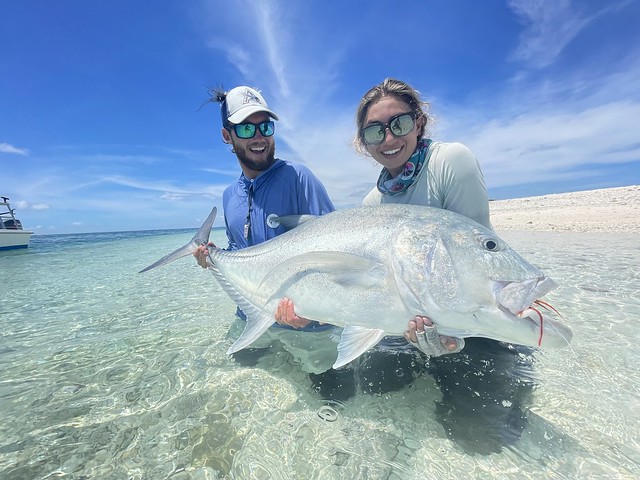
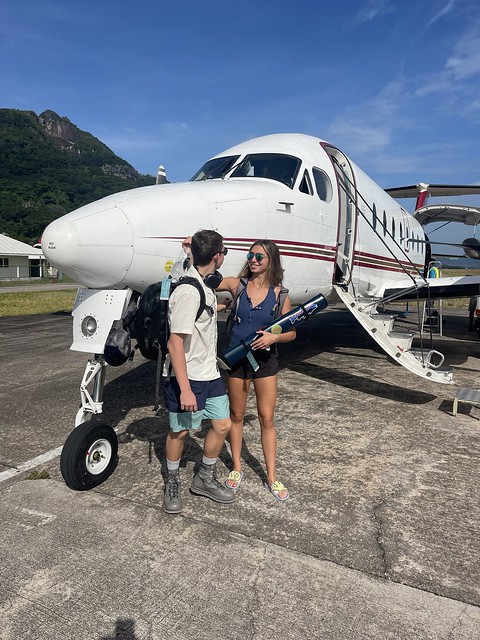
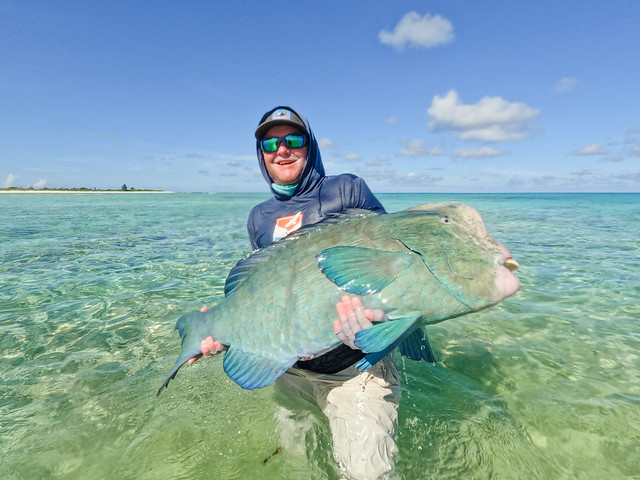
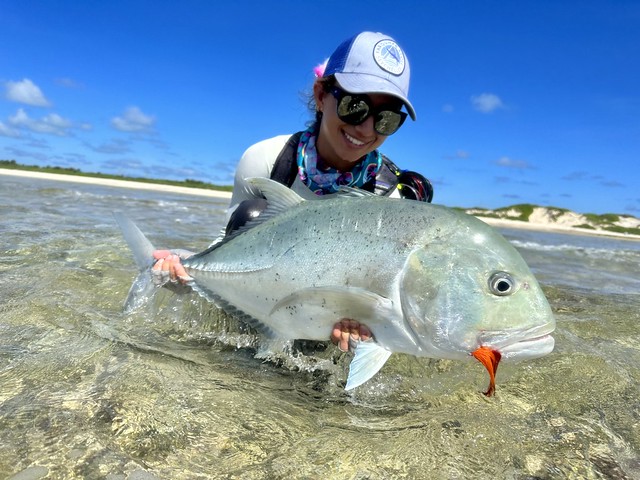
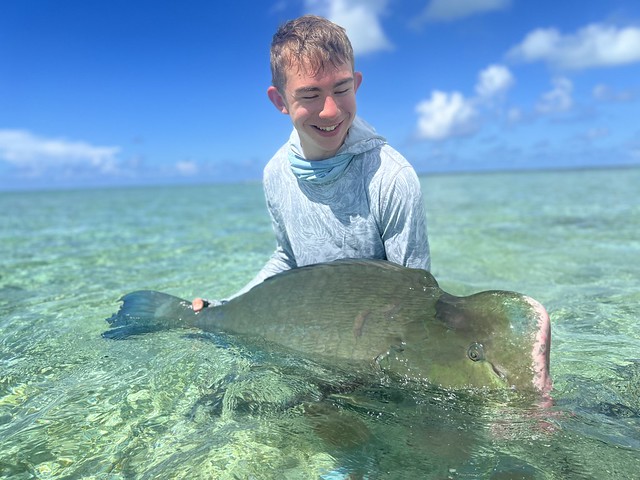
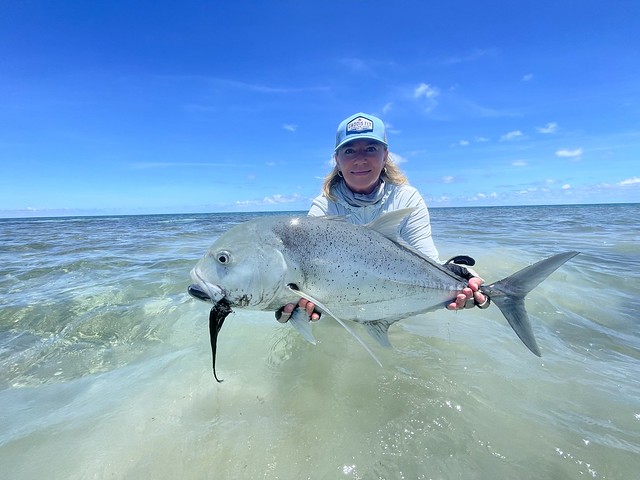
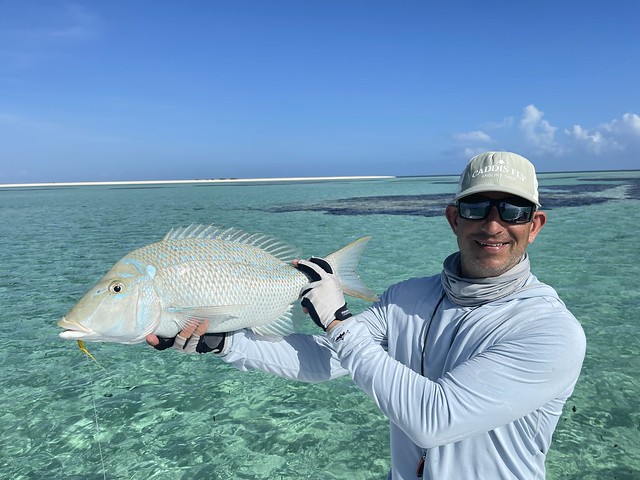
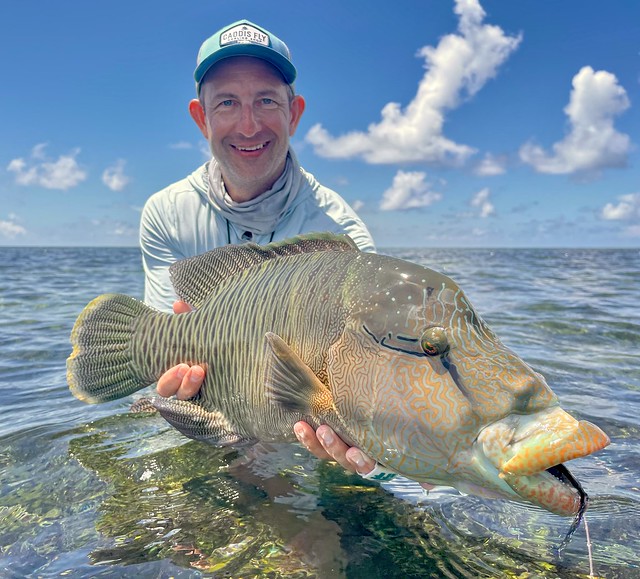
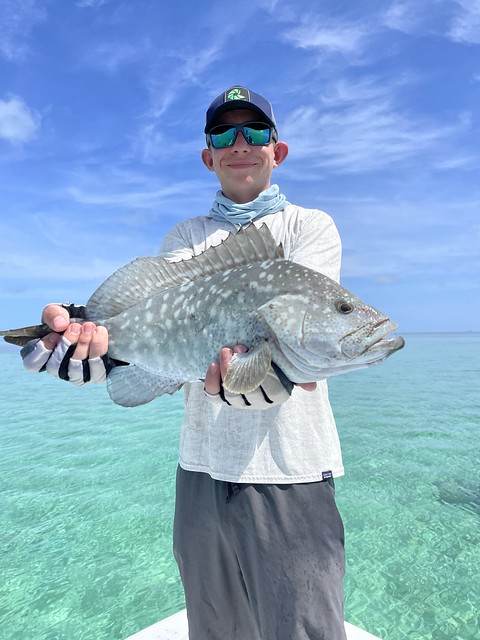
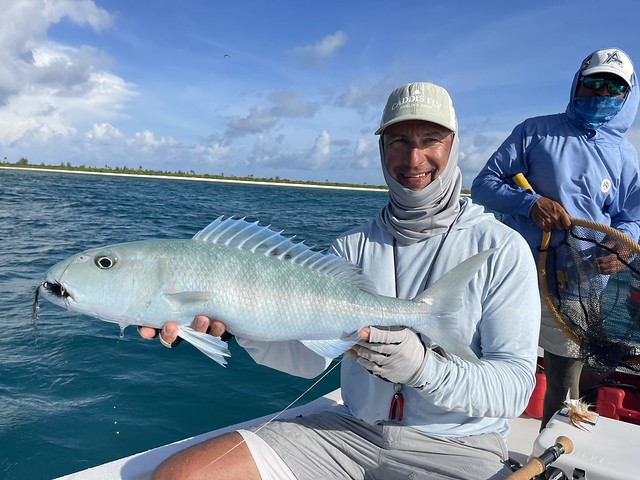
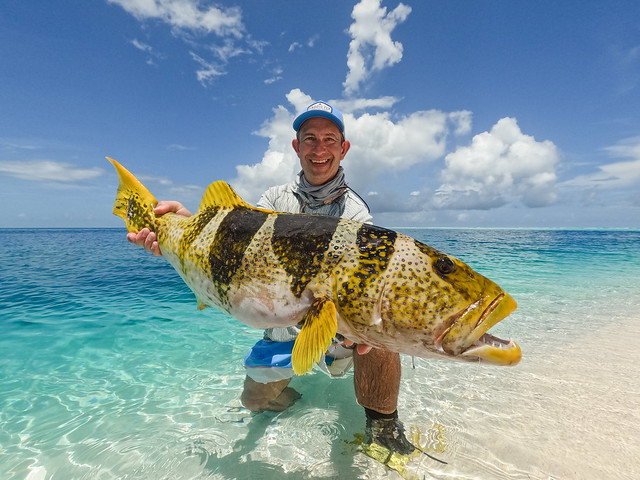
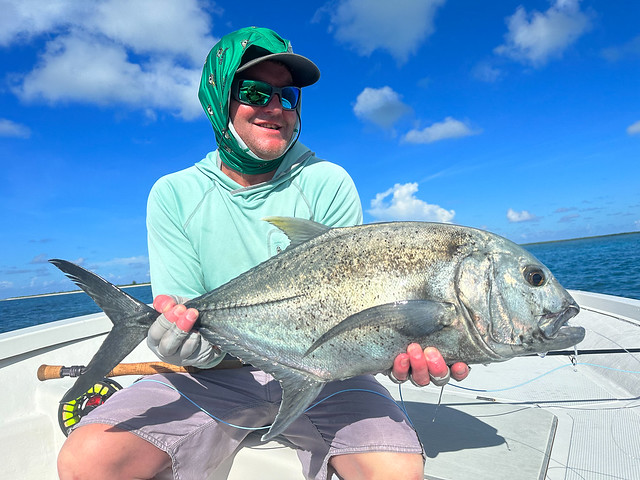
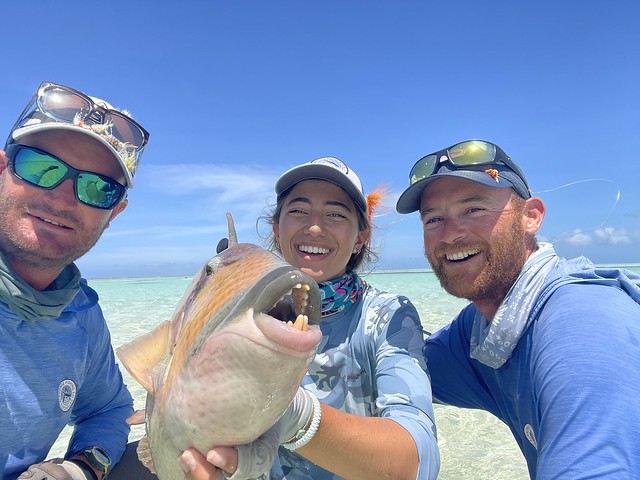
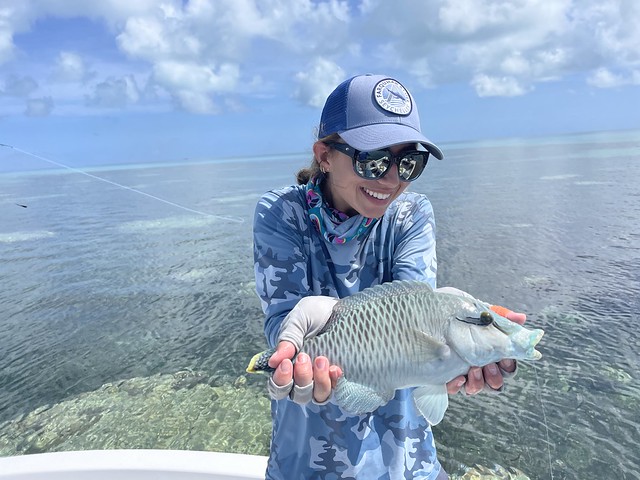
The Caddis Fly Shop led a group of anglers to the Seychelles Farquhar Atoll March of 2023. The incredible variety of fish and stunningly clear water make Farquhar an incredible saltwater fly fishing paradise.
115cm GT Mahe to Farquhar FlightMain Dining and Bar Peacock GrouperBump-head Parrot Fish83cm GTCamouflage GrouperBumpy73cm GTBumpy with mondo TeethEmperor FishAfrican Marbled GrouperSurf Walking for BumpheadsNapoleon WrasseYellow Margin Trigger Fish111cm GT70cm GT“White Splotch” GrouperGreen Job FishBlue Fin TrevallyYour front yard for the weekSaddleback GrouperGTGTComing and GoingTropical ParadiseMustache TriggerBumpyBohar SnapperGTNapoleon WrasseAMG
Ah, fly fishing. The peaceful art of standing in the middle of a stream with nothing but the sound of the water rushing around you and the occasional plop of a fish jumping out of the water. It’s a sport that’s been around for centuries, and it is just as charming as you can imagine.
Fly fishing is a unique kind of fishing because you aren’t just throwing a line in the water with a hook and some smelly bait on the end, waiting for a fish to swallow it. Instead, you’re carefully mimicking the natural movement of the insects and fish that fish feed on. It takes a lot of practice and skill to get it just right, but once you do, it’s like magic.
The Caddis Fly Shop in Eugene, Oregon is a great place to ignite your passion. We offer a Beginner’s Fly Fishing class where you can learn the basics of knot tying and casting, including a roll cast, a pick up and lay down, and an overhead cast, the combination of which is enough to get you started on the right track. We also offer guided trips from boats to help you catch a dozen or more fish in one day. Plus, the guides will tell you what to use and even rig your fly rods up for you to be the most productive.
Between the beginner’s lesson and the guided trip, though, there isn’t much to fill the gap. Insert our Intermediate Fly Fishing Course. We want to teach you how to fish more effectively on your own, the Intermediate Fly Fishing Lesson to helps fill this gap. The Intermediate lesson will be held out at a spot on the river where we will start by covering advanced leader setups and rigs. For example, we will discuss how to tie and effectively cast a dry fly, a dry-dropper, and an indicator rig with various techniques. This intermediate lesson will also help to hone your basic casts in a more active section of water, then it will cover advanced techniques like water-loading, line management, and more. Throughout this lesson, we will also discuss how to approach different types of water, and how to read currents in order to locate fish. This type of class is a lot of fun and provides the capacity to thrive by preventing years of bad habits right from the start. We are getting into the best time of the year to fly fish, so let’s get out there!
—————
Call the Caddis Fly Angling Shop at 541-342-7005 to book! Three hour Intermediate Lessons will be $300 for 1 or 2 people. Flies, leaders, waders, rods and reels can be included for those who do not have their own, but feel free to bring what you have.
Deschutes River Alliance presents a rare opportunity to learn from four northwest fly fishing icons. This is an amazing opportunity to learn from four guys who are truly northwest fly fishing gurus. Read more about this event here: DRA ICONS
PORTLAND, Ore.— Resolving multiyear litigation over the harms of logging to coho salmon, conservation groups reached an agreement today with the Oregon Department of Forestry to greatly expand stream buffers across more than half a million acres of the Tillamook and Clatsop state forests. (View the full settlement agreement here).
The Center for Biological Diversity, Cascadia Wildlands and Native Fish Society brought the suit, which asserted that for years the Department had been harming threatened coho salmon — in violation of the Endangered Species Act — by hauling timber on roads hydraulically connected to streams and by logging steep slopes, which causes landslides. Both activities choke streams with fine sediments that smother coho spawning and rearing habitat and degrade water quality for people.
“For too long the timber industry has treated our state forests like cash cows, without enough protection for fish or water quality,” said Amy Atwood, senior counsel at the Center. “The protections provided by today’s agreement aren’t everything we want, but they’ll go a long way toward recovering coho salmon on Oregon’s North Coast.”
Under the agreement, no-cut stream buffers will be expanded from as little as 25 feet to 120 feet and will include many non-fish bearing and seasonal reaches that previously received little to no protection. The Department will also now buffer some upland sites where landslides start, as well as the seasonal stream channels that carry landslide debris into fish habitat, with devastating consequences.
“Logging the exceedingly steep slopes of the Tillamook and Clatsop state forests has real consequences for our beloved and iconic salmon,” said Jennifer Fairbrother, conservation director for the Native Fish Society. “While there is more to be done to improve the management of our state forests, there’s no question that these new protections will help restore fish as well as soil health, water quality and even our climate.”
The agreement also requires the Department to inventory the extensive road network on the state forests within five years to identify problems and estimate the cost to fix them. Built almost entirely for the benefit of the timber industry, there are currently more than four miles of road per square mile of state forest. These include many areas where roads are blocking fish passage, unstable, or contributing sediments directly to streams. The cost of fixing these problems likely extends into the hundreds of millions of dollars and will almost certainly fall to the public to cover.
“The current model of logging state forests to pay for essential county services and Department expenses and provide Big Timber a subsidized source of logs is archaic and unsustainable,” said Josh Laughlin, executive director of Cascadia Wildlands. “Besides not providing a stable source of county funding, the model utterly fails to protect salmon and wildlife, water quality, soil health or our climate. It is past time Oregon leaders sever the tie between clearcutting state forests and county funding and devise a more contemporary strategy to pay for critical services.”
The protections in the agreement are also proposed as part of a “habitat conservation plan.” Under the Endangered Species Act this would allow the Department to cause some harm to coho salmon, as well as marbled murrelets, spotted owls and other imperiled species, in exchange for protecting portions of the state forests from logging and roads. The Department first developed a conservation plan in 1997 but has continuously failed to finalize one. The current plan is expected to be completed this year but is facing stiff opposition from the timber industry and some county officials.
The Center for Biological Diversity, Cascadia Wildlands, and Native Fish Society were represented by Center attorney Amy Atwood and Oliver Stiefel and Maura Fahey of Crag Law Center.
The Center for Biological Diversity is a national, nonprofit conservation organization with more than 1.7 million members and online activists dedicated to the protection of endangered species and wild places.
Cascadia Wildlands defends and restores Cascadia’s wild ecosystems in the forests, in the courts, and in the streets. We envision vast old-growth forests, rivers full of wild salmon, wolves howling in the backcountry, a stable climate, and vibrant communities sustained by the unique landscapes of the Cascadia bioregion.
The Native Fish Society is a nonprofit conservation organization with a mission to restore abundant wild fish, free-flowing rivers, and thriving local communities across Oregon and the Pacific Northwest.