Composite Dubbing Loop Steelhead Fly – Part II

Winter (summer) steelhead fly tied with composite dubbing loop.

Winter (summer) steelhead fly tied with composite dubbing loop.

First thing I’d like to do is thank folks for your encouragement on our recent post on composite dubbing loops. Second thing is to note that I had a nice conversation with Ben Paull of OPST and thanked him for the great YouTube videos produced by him and his mates, especially Jerry French. Many of us who are tying Intruder style flies and fishing  using Skagit style casts owe these fellows a debt of gratitude for paving the path many of us take for granted now.

Composite loops have always been a mixed bag for me—Jerry French’s vast experience has ben an inspiration as well as a huge help—I’m still far from catching up to his skill level and probably never will. What’s most important  is for each of us to learn fun and useful new techniques, and this is precisely why I’m creating these posts—to inspire others like me who are struggling with composite loops.

What I’m about to do is lay out the process of tying a steelhead fly that will fish for winter and summer fish, using a single composite dubbing loop—starting with the recipe.

Shank: OPST 32 mm dumbbell eye shank

Wire: OPST Trailer wire

Hook: #4 Gammie or OPST Swing Hook

Eyes: Hareline Double Pupil eyes – small

Thread: Danville’s 210 D white

Wing: navy blue rabbit strip

Trigger point dubbing: STS Dub Fl. Pink and Ice Dub UV Purple

Substrate: UV Ice Dub Lavender

Motion first stage: Senyo’s Barred Predator Wrap(trim to 1.5 inch)

Flash accent: Ice Dub Steelie blue

Motion second stage: OPST Barred Ostrich Drab (trim to 2.0 inch)

Scrim topping: Ice Dub UV Purple

The two materials shown here will form the first stage of our dubbing loop - a brightly colored trigger point at the butt of the fly.  I’ve used two materials, the STS and the Ice Dub, because they make a very sparkly sheen and I’m a fan of blending dubbing colors to make unique color shades.

The two materials shown here will form the first stage of our dubbing loop – a brightly colored trigger point at the butt of the fly. I’ve used two materials, the STS and the Ice Dub, because they make a very sparkly sheen and I’m a fan of blending dubbing colors to make unique color shades.

In this photo, the two dubbings are roughly laid together on a 3x5 index card.

In this photo, the two dubbings are roughly laid together on a 3×5 index card.

•In this photo, the two dubbings are neatly aligned at the top of the card, acting as a guide for composing the loop.

• In this photo, the two dubbings are neatly aligned at the top of the card, acting as a guide for composing the loop.

This is a section of Senyo's Barred Predator Wrap ready to trim to 2.0 inches.

This is a section of Senyo’s Barred Predator Wrap ready to trim to 2.0 inches.

Trim to 1.5 inches.

Trim to 1.5 inches.

Lay down a scrim layer of UV Lavender Ice Dub—make it about one inch long.

Lay down a scrim layer of UV Lavender Ice Dub—make it about one inch long.

The Senyo's Predator Wrap fibers are neatly laid on the base (scrim) with 80%/20% relation to the centerline.

The Senyo’s Predator Wrap fibers are neatly laid on the base (scrim) with 80%/20% relation to the centerline. This photo shows a dab of Steelie Blue Ice Dub ready to place on top of the Predator Wrap. This will serve to add blue flash to the composite.


The Steelie Blue Ice Dub is placed on the Predator  Wrap.

The Steelie Blue Ice Dub is placed on the Predator Wrap.

Now it is time to lengthen the base layer (scrim) of the loop by adding a one inch section of UV Lavender Ice Dub.

Now it is time to lengthen the base layer (scrim) of the loop by adding a one inch section of UV Lavender Ice Dub.

Trim a section of OPST Barred Ostrich Plume from the stem, probably 2.0 inches, then trim the loose material to a length of 2.0 inch.

Trim a section of OPST Barred Ostrich Plume from the stem, probably 2.0 inches, then trim the loose material to a length of 2.0 inch.

Lay the ostrich plume fibers on the Ice Dub layer neatly with the same 80%/20% relationship to the centerline.

Lay the ostrich plume fibers on the Ice Dub layer neatly with the same 80%/20% relationship to the centerline.

This is a pinch of UV Purple Ice Dub that I will place on top of the Predator  Wrap and ostrich Plume sections of the composite.

This is a pinch of UV Purple Ice Dub that I will place on top of the Predator
Wrap and ostrich Plume sections of the composite.

The Purple UV Ice Dub is laid on top and will act as a binder to keep the Predator  Wrap and Ostrich fibers from falling off when I pick this material up and place it in a waxed loop.

The Purple UV Ice Dub is laid on top and will act as a binder to keep the Predator
Wrap and Ostrich fibers from falling off when I pick this material up and place it in a waxed loop.

This is a 32mm OPST Dumbell shank, in a regal vise. When available (soon) the OPST shank Chuck will make this even more secure. I've used Danvilles 210 D white thread to lash down OPST Intruder Wire and super-glued the material after doubling it back.

This is a 32mm OPST Dumbell shank, in a regal vise. When available (soon) the OPST shank Chuck will make this even more secure. I’ve used Danvilles 210 D white thread to lash down OPST Intruder Wire and super-glued the material after doubling it back.

Lash on the Double Pupil Dumbell Eyes on the underside of the shank. Use a figure 8 and wrap around the base of the criss-cross wraps and add super glue at this stage.

Lash on the Double Pupil Dumbell Eyes on the underside of the shank. Use a figure 8 and wrap around the base of the criss-cross wraps and add super glue at this stage.

Form a dubbing loop at the rear of the shank, I agree with Jerry French's recommendation of a 5 inch loop.

Form a dubbing loop at the rear of the shank, I agree with Jerry French’s recommendation of a 5 inch loop.

I pick up the trigger point portion of the dubbing and slip it into the loop, the wax will hold it in place. I also prefer to use an OPST Dubbing Tool because it is heavier and makes the spinning process more reliable.

I pick up the trigger point portion of the dubbing and slip it into the loop, the wax will hold it in place. I also prefer to use an OPST Dubbing Tool because it is heavier and makes the spinning process more reliable.

Holding the loop open with my right hand, and the dubbing tool hooked onto the thread, I pick up the rest of the loop in my left hand and insert it into the loop.

Holding the loop open with my right hand, and the dubbing tool hooked onto the thread, I pick up the rest of the loop in my left hand and insert it into the loop.

This is how my loop looks when I first spin it. Jerry's loops look much nicer. I will gently pick this out and release the long fibers with a bodkin or the point of a whip finish tool.

This is how my loop looks when I first spin it. Jerry’s loops look much nicer. I will gently pick this out and release the long fibers with a bodkin or the point of a whip finish tool.

Much nicer now that I have picked the long fivers loose. Next step will be to fold the material before winding it around the shank.

Much nicer now that I have picked the long fivers loose. Next step will be to fold the material before winding it around the shank.

I keep a small bowl of water   at hand and wet my fingertips to help fold the material prior to winding it like a hackle.

I keep a small bowl of water at hand and wet my fingertips to help fold the material prior to winding it like a hackle.

I'm starting to wind the composite and have just about finished wrapping on the trigger point in this photo.

I’m starting to wind the composite and have just about finished wrapping on the trigger point in this photo.

I have finished wrapping the composite and it looks like heck, all wadded up, but I will gently pick it out in the next step to free the long fibers.

I have finished wrapping the composite and it looks like heck, all wadded up, but I will gently pick it out in the next step to free the long fibers.

Much better—now that I've picked the loose fibers free to flow.

Much better—now that I’ve picked the loose fibers free to flow.

Here is my rabbit strip wing, placed loose on top of the fly just to measure before tying it in. I will shift from white thread to Fl. blue to match the rabbit strip now. and lash about 1/8 inch of the tip of the strip on top of the dumbbell eyes.

Here is my rabbit strip wing, placed loose on top of the fly just to measure before tying it in. I will shift from white thread to Fl. blue to match the rabbit strip now. and lash about 1/8 inch of the tip of the strip on top of the dumbbell eyes.

The rabbit strip is tied in and super glued with blue thread. Note that I rigged the hook point up but it can be rigged down also.

The rabbit strip is tied in and super glued with blue thread. Note that I rigged the hook point up but it can be rigged down also.

Here is a view of the fly as it will swim. The rabbit strip will wiggle and flow in the current but must not be long enough to foul the up-turned hook. Rigging the hook down would allow me to use a slightly longer rabbit strip.

Here is a view of the fly as it will swim. The rabbit strip will wiggle and flow in the current but must not be long enough to foul the up-turned hook. Rigging the hook down would allow me to use a slightly longer rabbit strip.

I hope these step by step photos help. These flies swim nicely and wiggle enticingly. The steelhead approve too; I’ve hooked two fish on this fly so far (three days on the water) but have yet to bring one close for a photo.

This is a modest sized fly tied on a very short shank, and I will next tie a larger Intruder style fly on a longer shank. Can these composite loops be used on tubes?  You bet they can. More to follow, and thanks for your interest, support, and patience.

Jay Nicholas January 2016
Posted in Fly Tying | 10 Comments

Time to book your Travel for 2016. How about Cuba?

becker cuda

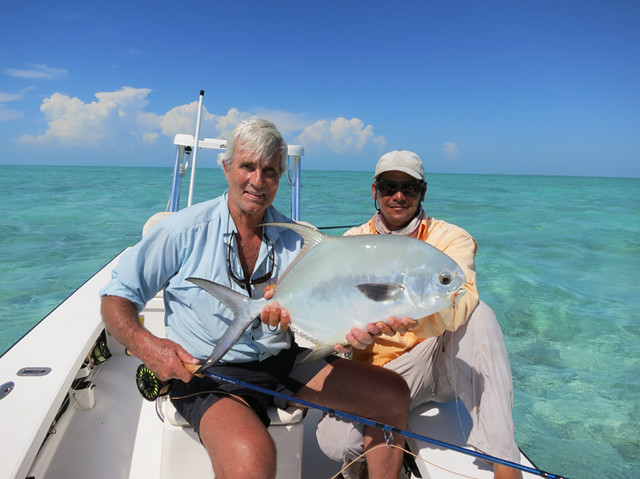
We have two separate weeks booked in Cuba this coming July of 2016. Both on “live a board” boats. This past June we found the food and service level to be outstanding on the “live a board”. Over the past 8 years we have seen numerous operations around Cuba fishing with the Avalon Group at different locals, the “live a board” is really an ideal way to fish the rich and largely unspoiled waters around the Cuban mainland. The fishing in Cuba is fantastic and something to be experience sooner rather than later. With travel restrictions eased anglers now have zero worries coming and going from Cuba.

The week of July 2-8 2016 is aboard the Perola Yacht.

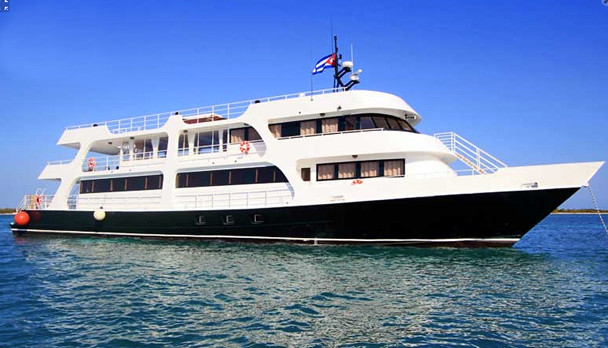
This luxury yacht will take you to the most remote and pristine flats and distant waters that collectively surround Isla de la Juventud. The Perola is a beautiful 75-foot luxury live-aboard yacht that is utilized for weekly trips to the most remote areas of the Canarreos Archipelago. Areas that are accessed and fished by the Perola include Cayo Campo, the Cantilles islands and Cayo Rosario, which is renowned for some of the most outstanding flats fishing in all of Cuba. The Perola is a recently refurbished classic wooden yacht, perfect for a group of up to six anglers. There are five comfortable air-conditioned cabins below deck, most of which have a private bath with good showers and plenty of hot water. Anglers will really appreciate the large amount of storage space available in each of the rooms. 

This is an impressive yacht, with polished hardwood floors and teak paneling. Circular stairways take you downstairs to the cabins or upstairs to the dining area atop the open-air deck. The top deck is covered and always remains in the shade, but open to the sea breeze, ensuring guests a very comfortable and insect-free environment. Clear plastic side coverings are utilized if harder winds or inclement weather become an issue. Several comfortable rope hammocks are hung from the ceiling and can be lowered after lunch or dinner for a nap in the breeze or a very relaxed cocktail hour. A full-sized, air-conditioned salon on the main deck level can be utilized as a living and dining area in extremely harsh weather. Fly tiers will like the full tying table in the salon, and sinking into one of the salon’s plush couches with a good drink is the perfect end to a long day on the flats. 


IDJ 1

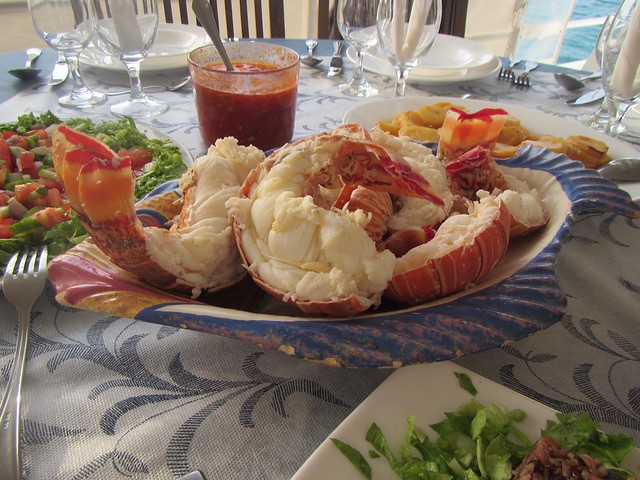
Cuisine on board the Perola is exceptional. Fresh fish of the day is offered for most meals, either caught by the anglers themselves or brought in by the crew. Lobster and conch are abundant can be enjoyed on a daily basis or upon request. Salads with fresh vegetables and a variety of fruits are always available as well. Other menu items include pork and chicken entrees served throughout the week, fresh sashimi for appetizers and some of the finest frozen Daiquiris in all of Cuba. 

Anglers arriving on Isla de la Juventud will stay aboard the Perola on the first night, anchored at a private marina on the Jucaro River. Early the following morning, anglers will meet their guides, jump in the skiffs, fish, and make their way east to meet up with the Perola that evening in one of the outer anchorages. On the final fishing day, anglers will fish their way back to Gerona, reboard the Perola at the marina with time to take a refreshing shower and pack before departing on the evening flight back to Havana.

cayo-largo-permit

The week of July 8-16 is aboard the Avalon II Yacht.

Avalon II is a brand new, state-of-the-art mothership with 10 staterooms and all the amenities and offerings you would expect from a high-end, private yacht. 

The ship’s overall capacity is 20 passengers and 9 crewmembers, although all trips are limited to groups of between 10 and 16 anglers. The boat offers the perfect balance of substantial exploration capabilities, functional style and total comfort, and offers guests a unique platform for an exclusive voyage through the Jardines de la Reina. 

All staterooms offer plenty of space, private bathrooms, individual air conditioning and heating controls, electricity plugs, and panoramic windows to enjoy the breathtaking view of the Caribbean. 

There is also a spacious and comfortable combination lounge, dining room and bar area on the main deck. This is the ideal option for large groups and families.

gardens-of-the-queens5

Food and Beverages

Dining on board Avalon II is always amazing. The menu typically combines fantastic Continental Italian cuisine, fresh seafood every day, and traditional Cuban favorites like rice and beans, black bean soup and fried plantains. If you are someone who enjoys fresh seafood, then you will be in heaven. Beverages available on board include bottled water, various soft drinks, beer, rum and imported wines. If you prefer liquor other than rum, you can bring this with you.

avalon 1 food

Typical Length of Stay

A typical stay in the Jardines de la Reina area is seven (7) nights / five and a half (5.5) fishing days, starting on Saturday and ending on Friday. A normal week includes five full days of fishing and one or two half days (depending on your schedule and mode of transportation to and from Jucaro). Additional days in Havana or on other parts of the island can easily be arranged and itineraries can be fully customized. Combo trips between the Jardines de la Reina and other fishing areas can also be arranged.

Non-Angling Activities and Options

These are a remote live-aboard operations located in the mangrove wilderness of the Jardines de la Reina. This means that non-angling (and non-diving) activities are limited. If you are interested in diving, Avalon’s dive program is incredible and the Jardines are considered by many to be one of the finest, most pristine dive and snorkel destinations in the entire world. Even anglers can participate in a shallow-water dive program on a few afternoons of their trip. This can be taught after your day of fishing, and can culminate in a trip where you dive with the area’s famous Silky Sharks. Overall this specific destination is best suited for anglers and divers.

Internet/Communications
Wi-Fi via the Avalon Hot Spot is available free of charge to guests on Avalon II. While this satellite internet access is slow and at times spotty, it is available! Guests should bring their own laptop, iPad or other device to access the internet. Keep in mind that U.S. cell phones currently DO NOT work anywhere in Cuba. Also, satellite phones are strictly prohibited in Cuba and will be confiscated at the airport on arrival.

We have some exceptional rates for these trips and welcome any inquiries. Please contact me directly at caddiseug@yahoo.com.

Chris Daughters

Posted in Fly Fishing Travel | 1 Comment

2016 Fishing Regulaitions

Happy New Year to all Anglers!

Reg 3

An old dude, named Socrates, once said “The secret of change is to focus all of your energy, not on fighting the old, but on building the new.” With this quote in mind, our beloved ODFW bring us the new regs for 2016.   These regs were not an easy task by any means.  ODFW is attempting to make our fishing regs more simplified.  I have to admit, they did a very good job under a lot of pressure and input.   For certain, you should get or read a copy of the 2016 fishing regs.  Its professionally  done and packed with change.  Here are few excerpts to get you going to read them and hopefully, embrace the new!

Reg 2

Yes, Warm Springs to Trout Creek is now open ALL YEAR ROUND!

Reg 1

This reg is testing my embrace of change for certain.   However, it is what it is, and let’s get  on to 2016, tight lines to everyone for a safe and fish filled year!

LV


Posted in Central Oregon Fishing Report, Fishing Reports | 1 Comment

2016 Carp Update: Malheur Wildlife Refuge

In case you have not seen the news or read about it…there is a lot of activity at the Malheur Wildlife Refuge these days. However, all you carp anglers should be aware of this article from the Eugene newspaper last week. Having spent time at the Refuge the last few years, I can assure you the carp are very plentiful. Could this be the answer to the carp problem?

From the Register-Guard: BURNS, Ore. — Biologists hope commercial fishing will end a carp invasion at Malheur Wildlife Refuge, years after the bottom-feeding fish completed a takeover of Malheur Lake.

Carp

The carp have created an ecosystem that no longer supports the plants and insect life that birds rely upon for food and habitat.

Managers of the migratory bird sanctuary south of Burns have tried dynamite, poison, putting screens across the waterways and suffocating the fish by draining water from lakes and ponds.

“Every time, it would be two, three, maybe four years before they’d repopulate,” refuge manager Chad Karges said. “They’re the perfect invasive species. There’s very little that will kill them.”

Now they’re going to try fishing the carp out of there, with help from the Oregon Wildlife Heritage Foundation and Tualatin-based Pacific Foods, best known for boxed soup and soymilk.

A five-year contract began this year, but drought kept lake waters too low to start fishing. But by spring 2016, the team hopes to begin removing thousands of fish from the water each day.

As many as 4 million pounds of carp could come out of the lake next year. The meat, which most Americans won’t eat, will be used to fertilize Chuck Eggert’s crops.

Eggert, who owns Pacific Foods, has formed a side company, Silver Sage Fisheries, to deal with the castaway carp. Once taken from the lake, the fish will be trucked to Burns for processing before being spread across alfalfa fields that feed Eggert’s dairy cows.

“It’s been enjoyable to get a broader partnership going to address what has become a longstanding issue, while putting the waste to use,” said Tim Greseth, the executive director of Oregon Wildlife Heritage Foundation, who worked with Eggert to develop the fertilizer concept.

Unlike past carp control efforts, the goal this time isn’t to eradicate the fish. Instead, workers hope to remove enough carp to trigger an “ecological tipping point,” loosening their stranglehold so plants and insects can rebound and then provide enough food for the millions of birds that historically have rested here during their migrations.

Organizers hope a few years of intensive fishing will do the job. In subsequent years, lighter maintenance fishing should keep the fish at bay.

“We’re trying for a more sustainable carp control, instead of the shotgun approach,” said Linda Beck, the refuge’s fish biologist.

LV

___

Information from: The Oregonian, http://www.oregonlive.com

Posted in Eastern Oregon | 2 Comments

Composite Dubbing Loops on Steelhead Flies – Part I

Here we go, laying down a composite dubbing loop at the fly bench.

Here we go, laying down a composite dubbing loop at the fly bench.

Salmon season is past me and it’s time to shift gears into winter steelhead fishing. Eeeeeek!

What to do?  Fish last year’s hot steelhead fly?  Why do that when I can dive into something different and challenge myself by developing this year’s hot fly.  Ok, here we go. Deep breath—just start writing about what I’ve been tying and it will be alright. For the heck of it, I tried to figure out when I shot videos featuring composite dubbing loop on Intruder-style flies. I thought I had referred to one of the flies as the Last Shadow, a ripoff from Avatar, and googled it.

Oh my gosh, it was six (count ’em) SIX YEARS ago! the 2010 winter steelhead season was a time when I tied a lot—one of the  videos at least featured building a composite dubbing loop using a Petitjean Magic Tool Clip set.

Well, this is 2016, and this first post of the year will ramble a little on a complex subject—namely—composite dubbing loops. Back in 2010 I was barely getting started constructing composite loops, and I still consider myself a raw novice compared to the likes of Jerry French. His Youtube videos are excellent and have helped me improve on my technique. Jerry’s loops are so good that I’ve been reluctant to write a post or shoot any video on this topic, but decided that my notes and observations might help add to the thoughts that Jerry shares in his videos.

First, Ill mention some of the basic tools and materials I’ve found useful.

OPST Dubbing Spinner; OPST Dumbell Shanks; OPST Swing Hooks, OPST trailer wire; OPST Barred Ostrich; Senyo’s Predator Wrap; Ice DUB; Danville 210 D thread; Double pupil lead eyes; Steve Farrar SF Blend; EP Craft Fur Brush; EP Game Change Blend.

Thread: I had been using the Danville 210 D thread all season on my Clousers and Jerry seems to like it for his loops also. I’ve not broken this thread, suppose it is possible, and other threads probably work well too, but this one is definitely good.

Cement: I have shifted gears back to Super Glue Brush on in many stages of my Intruders and find that it is great if I am careful with it. My alternative is a standard pentrator head cement.

Dubbing Wax: I use the softest, stickiest wax available, usually The Wapsi  formula or a similar provided by Hareline.

Shanks: I tie with the Senyo’s Shanks and the OPST Dumbell Shanks, depending on whim. Both are great and quite different. I suggest you try both and see what you prefer on individual flies.

Terminology: I apologize but this will not be the definitive source of nomenclature. It would be impossible for me to do more than abscond with the terminology that Jerry French uses with ease as he ties exquisite composite dubbing loops to form bodies, butts, shoulders, hackles and so forth.

In subsequent posts (if any) I’m likely to use terms like substrate, substance, poof,  motion, filler, buggy, less is more, 50/50, 60/40, presence, translucence, and so forth.

Laying down a base for the loop: Jerry recommends Ice Dub and I concur although you may find other materials as well. A ver light base layer about 1/2 to 3/4 inch wide will suffice.

Adding buggy materials: I’ve been liking the look of Senyo’s barred predator wrap, and adding Lady Amherst to the mix also. Not too much. Jerry brushes his materials often, and  when I have done so myself I like the effect because it helps separate and tame the materials as I place them on the pile.

Creating loft: I found that adding a light layer of materials like the Steve Farrar Blend or EP Game Changer UV blend significantly enhances the stiffness of the composite loop. These fibers in the right amount act much like polar bear guard hairs and help keep the light materials like ostrich and predator wrap from collapsing around the hook.

Flash in the mix: I like Ice dub like steelie blue and copper ICE DUB here. These are long flashy fibers. You could just add flashabou or krystal flash also, but I like the solid ICE DUB materials better.

Scrim: Jerry uses this term (I think) to denote both the base and finish layer of just a little dubbing that helps bind the longer fibers. Jerry uses Turkey Tail fibers too but to date I’ve only used Lady Amherst.

I’m about to crawl out of my skin sitting here writing, knowing that I want to go fishing today. So—knowing full well that this is not the end of the story, Im going to throw in a series of photos of complex dubbing loops I’ve used recently, with finished flies too.

I hope to follow up with more on this topic, but suffice for now, the flies tied with these materais look and swim very nicely.

Tying on tubes?  Yep. These flies swim very well tied on tubes also.

Six dang years?  Where did the time go?

Three composite loops laid out on desk.

Four composite loops laid out on desk.

Pink color hue composite materials.

Pink color hue composite materials.

Green and black color hues in this composite blend.

Green and black color hues in this composite blend.

Got the spin thing going, the OPST Dubbing tool is really nice.

Got the spin thing going, the OPST Dubbing tool is really nice.

Got a fold going here to manage while winding.

Got a fold going here to manage while winding.

All wound and picked out on OPST Dumbell shank.

All wound and picked out on OPST Dumbell shank.

Never overlook the power of the Bunny Strip.

Never overlook the power of the Bunny Strip.

Tasty.

Tasty.

This fly features Tungsten Predator eyes and black topping.

This fly features Tungsten Predator eyes and black topping.

Pink?

Pink?

Olive is a most under-appreciated winter steelhead fly color.

Olive is a most under-appreciated winter steelhead fly color.

That is about all I can muster folks, got to hit the water. Wish me luck please.

Jay Nicholas, January 2016
PS: many tyers are more experienced than I am at this process. My loops are rough and I am getting better slowly. One of my main themes in creating this post is to encourage beginning tiers to give this process a try. I thank Jerry and Ben and Ed and Trevor for the tips they have provided through OPST in their many videos. Fact is, these guys are really good at wiring with these composite dubbing loops. I on the other hand, am struggling, and I invite everyone who is so inclined to join in the fray because the results are good even when executed in less than expert manner.

Now I gotta go swing some flies!

Final note: swung the pink fly pictured above for two hours on January 6th, and got a grab! Six seconds of exhilaration and then—gone. It’s all good. I’ll be back at it shortly.


Posted in Fly Tying | 8 Comments

Middle Fork of the Willamette Winter Trout Fishing 2016

Thanks very much to Sam Parker for sharing his report on the Middle Fork of the Willamette River.

winter-trout-fishing-lane-county

My daily commute to work of late has been laced with a bit of depression as I glimpsed the Willy Wonkish river flows we’ve all been experiencing on the upper Willamette and McKenzie Rivers. The amount of December rain has been staggering to say the least. While many of our fishing brethren have been distracted by chrome, Rick Bocko and myself continue to pine over winter trout fishing.

Unbeknown to each other, Rick and I were very closely monitoring the Middle Fork of the Willamette this last week with the very same intention. You see, there is an unnamed dam that will often punch through 5K cfs to the Middle Fork which will force lakers, often very large lakers, to their new, turbulent and probably unwelcome home. A couple years ago in the dead of winter, Rick pulled a 20 inch laker under those same conditions. How old memories drive current desires.

oarkridge-winter-fly-fishing

About mid week, I texted Rick to plant the Middle Fork seed as river flows suddenly dropped to 2k cfs. We both set our sites on Saturday as the day we dust off the thermals and rig up our bobber gear. Side note: the new screw down bobber thingy worked wonderfully…buy it, buy it now!

Saturday couldn’t come quickly enough as now the river flow was down to 700 cfs. This spot fishes well between 400 and 1000. Anything over 1000 pushes you to the river’s edge unless you have a death wish. We arrived stream side and proceeded to pour our bloated Holiday bodies into our crusty waders and boots. I literally had to stop breathing just to tie my laces. Rick quickly posted up with his orange bead headed Gusbugger, a streamer-like fly tied from his dead Samoyed dog, Gus. Gus has become a storied fly. It has been absolutely deadly when fished in every river that Rick has fished. Nothing else working? Where the hell is Gus?

eugene-winter-fly-fishing

oakridge-fly-fishing

Within 5 minutes, Gus caught his first of many on the day. I walked up river with my more traditional fly rig consisting of Mega Prince and a size 20 black Zebra midge. On a nice slow run, I hooked into my first trout, a 14 inch laker. Rick eventually headed up stream after having 3 under his belt to see me land a 16 inch native on the Zebra. This was a very nice start to a very cold day. Other than keeping frostbite from invading our fingertips, frozen guides and reels were the only challenges of the day.

I decided to head down river beyond a bridge and just upstream of an unnamed tributary. Still fishing Mega and Zebra, I landed 4 more in about an hour. Not bad for winter, I suppose. Eventually, Rick was making his way down stream from the other side of the river, a route certainly less traveled. I screamed at him a sentence that was eventually reduced to, “How many!!??”

fly-fishing-near-oakridge

13!!

Dammit.

Gusbugger!!

Figures.

I cut my rig and grabbed the only Gusbugger in my possession. While tying it on, my near numb fingers performed some weird spastic twitch and Gus was now sitting in fast, elbow deep water. With my now soaked right arm, I almost immediately hooked the first of the remainder of my 20 fish day including a 19-1/2 inch native bow…the biggest I’ve caught on the Middle Fork, ever. Rick nailed 25 mostly using Gus, but also some kokonee eggs left over from the Metolius run at bulls almost 2 months ago.

On our way home, we were absolutely reinvigorated. Despite the cold temps the fishing was unbelievably hot. Today was proof positive that Oregon is the place to be for 4 season fishing. Get out there, get cold, get invigorated.

winter-trout-fishing-willamette-river

Posted in Fishing Reports, Middle Fork Willamette River fishing | 2 Comments

OSU, NOAA Study: Warm-water years are tough on juvenile salmon

From OSU: A new analysis of juvenile Chinook salmon in the Pacific Ocean documents a dramatic difference in their foraging habits and overall health between years of warm water and those when the water is colder.

salmon

The study found that when the water is warmer than average – by only two degrees Celsius – young salmon consume 30 percent more food than during cold-water regimes. Yet they are smaller and skinnier during those warm-water years, likely because they have to work harder to secure food and the prey they consume has less caloric energy.

Results of the research, conducted by researchers from Oregon State University and the National Oceanic and Atmospheric Administration, are being published this week in the journal PLOS One.

“When young salmon come out to sea and the water is warm, they need more food to keep their metabolic rate up, yet there is less available food and they have to work harder,” said Elizabeth Daly, an Oregon State senior faculty research assistant with the Cooperative Institute for Marine Resources Studies, a joint program of OSU and NOA.

More here.

Posted in Oregon Conservation News | Leave a comment

Pro Sportfisher Tube Fly System Videos

Our sales rep for Pro Tube/Pro Sportfisher, Bruce Berry stopped in to discuss the many options for tube fly tying. In the following two videos Bruce discusses all the tubes offered by Pro Tube or Pro Sportfisher. Pro Sportfisher’s tube fly system is the best we have found. The wide array of options for tubes, weights, cones and much more gives the fly tier innumerable options for creating flies for all species. We will follow up with more informative videos on tube needles and flies created with the system in the coming days.

Posted in Fly Tying, Fly Tying Materials and Supplies | Leave a comment

Coastal Steelhead Fly Fishing

swinging flies for winter steelhead

Well, the rains have finally subsided, at least for now, and the time to go fishing is drawing near. For all of the steelheaders who have had “cabin fever” along with myself, it’s time to get out there and try and put some coastal fish on the reel. It’s time to take all of those flies you’ve been tying and take em for a long anticipated swim.
Be prepared for some of your favorite runs to be different and for some new ones to have formed. There are plenty of new changes to the rivers, and more than a few trees have come down. The high winds and rains have moved things in the river as well as onto the roads.

oregon coastal steelhead streams

Fly choices can vary from river to river depending on the size of the waterway. I tend to like bigger flies on bigger rivers and smaller flies on smaller rivers. A few good winter fly colors are: black n blue, pink n white/purple and orange/shell pink which could represent coastal shrimp.If you are not into tying flies, we have plenty of coastal patterns here at the shop including: Scott Howells Squidro , Silveynator and the “good ol” fashioned Signature Intruder all in a variety of colors.
Keep in mind that there are probably a lot of anglers like yourself just waiting to fish their favorite coastal water and a little courtesy on a busy river can go a long way. Everyone is out there to have a good time whether you are a fly fisherman or otherwise. I have met some of my best fishing partners and made numerous friendships by just saying “hi” and striking up a conversation. A few simple etiquette rules can dissolve an otherwise awkward situation. Here are some basic rules that I think best describe fishing etiquette. Courtesy of The Fly Fishing Shop in Redding CA.

Fly Fishing Etiquette

This is by no means set in stone, these are the rules I was taught and the ones I live by.

Rule #1: Do unto other anglers (fly fishing or otherwise) what you would like done unto yourself.
Treat all on the river with respect and dignity whether they are fishing, swimming, or just floating the same stretch of water you happen to be on. Our rivers are there for all to enjoy and, as such, we should allow the same respect that we deserve.

Rule #2: Don’t be a hole monger.
I understand when you find a run that is producing fish, it might be tempting to just park yourself on that stretch and to just fish it until your arms grow tired. But chances are there are several people on the river that would like a chance at that stretch also and they are waiting for you to fish through. If it happens that no other anglers are fishing that day (rare in today’s society) then have at it until another angler shows up. If there are other anglers, then fish through, and then let someone else fish.

Rule #3: Give other anglers their space.
When I go fishing I’m looking to get away from the grind of the world, and to relax. I have no problem greeting other anglers, but I usually do so quietly and respectfully as to not disturb their solitude. I don’t go bumbling up to them sloshing through their water yelling out “HELLO!” If you approach someone on the water and they do not respond, it means they would like to be left alone. Be quiet and soft with your steps!

Rule #4: Communication.
Talking to other anglers can stop conflict before it happens. If you think somebody has done something erroneous that affected your fishing, don’t curse at them, flip them the bird, or start an argument. It’s pretty good odds that they didn’t do it on purpose. Politely explain it to them, and then move on by saying “just wanted you to know, and no biggie,” they’ll be more informed, you’ll feel better, and maybe they will pass that example on to others.

Rule #5: First Come, First Serve.
Whether you are second or tenth to the river, you must wait your turn or find somewhere else to fish. Even if the guy fishing the run doesn’t want to share, leave!

Rule #6: Don’t cut the other guy off.
Never get into a run ahead of an angler who is fishing. Some anglers can cover a lot of water in a hurry. Ask if you can follow or go to the next run. You should yield a complete run in front of another angler, especially when that angler is on the move.

Rule #7: Leave the river better than when you got there.
When I was growing up on the banks of the Salmon River near Brightwood Oregon, my Dad taught me to always leave the river cleaner than it was when you got there. These rivers and streams are gifts from nature and are the homes of many species of wildlife. You wouldn’t want someone coming over to your house and dumping a bunch of trash in your yard or living room!

TE

Posted in Coastal Steelhead Fishing, Fishing Reports | 2 Comments

2016 Scientific Anglers Fly Lines Review

Sharkwave a

The Caddis Fly Angling Shop can provide any SA fly line, leader or product on request, even if it is not featured in our online catalog. Just shoot us an email and we will let you know the latest details on availability and time to deliver. As usual, most items will ship within the US with no shipping and no sales tax.

The following review only covers the SA products I have personal experience with or feel comfortable speaking about based on friends who fish the lines. You might notice that I am not reviewing the extensive array of SA Spey fly lines. There are only just so many hours in the day and I have not had an opportunity to test these lines.

The main purpose of this post is to announce that we here at the Caddis Fly Angling Shop fish SA lines, have many favorites in the SA product line, and invite any of our clients to share our confidence and give these lines a thorough field test, if you have not already done so. The post is short on details but long on links to our catalog where you may see more details about each of these  – and more – SA fly lines.

Here goes:

Sharkwave fly lines ________________________________

GPX Sharkwave. The best most advanced SA fly line for fast action rods easily and is super for wind resistant flies and aggressive deliveries. Sharkskin tip with Mastery Textured rear head and running lines provide the best combination of the most advanced SA fly line technologies.

Ultimate Trout Sharkwave. Ultimate SA fly line technologies with Sharkskin tip and Mastery textured rear head and running line. This is a fantastic trout fly line for general conditions.

Anadro Sharkwave. Not my favorite fly line name but a great option for any angler fishing for anadromous fish like steelhead, sea-run browns, Atlantic Salmon, and the like. This floating fly line casts like a charm and is the peak of SA’s traditional fly lines to fish lightly weighted, damp, and floating flies for salmon and steelhead around the world.

Saltwater Titan Sharkwave. This is a tropical rated fly line with a high strength core designed to cast big flies, cast far, load saltwater fly lines, and contains all the features of the highest level of SA technology.

Saltwater Taper Sharkwave. The generalist’s choice for applying sharkwave technology to the most all around effective saltwater fly line for temperate and warm waters.

Wavelength fly line series. Mastery texturing on all lines in this series. ____________________________________________________

Wavelength MPX. Improved GPX taper designed to load fast action rods quickly. Mastery texture on the entire line. agressive and determined presentations at all distances.

Wavelength Trout. The universally functional trout taper that incorporates the Mastery texture to the entire fly line.

Wavelength Nymph/Indicator. The name says it all. If you fish nymphs, eggs, or beads under indicators, this is a great fly line for you.

Wavelength Grand Slam. If you are chasing after Permit, Tarpon, and Bonefish on the same day, this is a fly line you can fish dawn to dark. Moderate to tropic water temperatures, a full wt over line ratings to load your rod quickly up close and deliver flies at all distances, this is a fantastic fly line.

Wavelength Tarpon. If you are heading out to fish laid-up tarpon this is your line. This line has a more moderate taper than the Grand Slam and will perform flawlessly – and yes – it has a higher strength core to take the stress of heavier leaders.

Mastery Series fly lines. _______________________________________

Mastery MPX. This is an upgraded revised version of the old GPX taper. half size heavier to load fast action fly rods quickly and cast heavy wind resistant flies at close and long range.

Mastery Trout. The name nails it perfectly – trout trout trout.

Mastery Anadro. Again, I wish they had used a different name but for the Mastery series, this is your excellent fly line for dry and damp salmon, steelhead, and sea-trout fly presentation.

Mastery Expert Distance. Again, the name says it all, if you want to cast long, this is your line.

Mastery Double Taper. The double taper fly line still has many loyal clients, and this is a very nice line with very modern features of the Mastery series that you will love to fish, especially in small waters. Offered in line wts from 2 -6, this is your small stream light rod trout line to make your heart sing.

Mastery Grand Slam. Excuse the lackluster box, this is a great line for the angler seeking the tarpon, bonefish, and permit on one rod in a single day.

Mastery Redfish Warm. One half size heavy, short taper, looped both ends, this is a great moderate and hot water redfish fly line.

Mastery Redfish Cold. Same features as the warm water redfish fly line but this line coating is best if you will fish cooler water.

Mastery Bonefish. Read the label – if you fish bonefish this is a great line.

Mastery Saltwater. The generalist’s fly line in the Mastery series.

Mastery Tarpon. Again, the box makes me snooze. But this is the SA dependable all around tarpon fly line in the Mastery series.

SA Heritage Ultra Presentation fly line. This is something of a collector’s line or a traditionalists’s line, but will perform on any glass, cane, or graphite rod you own. This is a trout fly line a full floater that will make you smile.

Sonar Sink fly lines_____________________________________

Sonar series fly lines. SA has many winning sink tip fly lines in this series although I’m not at all pleased with the naming conventions their marketing folks chose for these lines.

Sonar Sink 25 Cold. these were our Mastery Wet Tip Express lines prior to 2016. Great fly lines that I fish often especially in saltwater for anything from rockfish, lingcod, silvers and albacore. there are six line wt options from 150 gr to 450 gr and these sink at rates of 4.0 – 8.0 inches per second depending on the line wt. I fish the 350 and 450 offshore almost every time I go out in the dory from the beach at Pacific City.

Sonar Sink 30 Warm. These were the Mastery Streamer Express lines prior to 2016. These are very similar to the 25 ft version of the Sonar Sink, just with a 30 ft sink tip instead of 25 ft. Although rated for warm, I fish these here in Oregon all seasons, because we have temperate as opposed to near freezing temperatures. If you are in Canada or the Great Lakes region fishing pike or musky in the snow, I would avoid this line, but otherwise, it fishes for salmon and albacore quite nicely here in Oregon. The same six line wt options make these lines suitable for any sinking fly presentation from five to 12 wt rods. My favorite saltwater line in this series is the 450 gr line.

Sonar sink 30 clear. This is an intermediate sink rate fly line, with clear tip. This fly line is analogous to the Rio Outbound clear intermediate fly line and both make excellent estuary fly lines for west coast fishing for sea run cutthroat and salmon. My personal favorite is the 300 gr clear tip line and find it especially useful fishing for salmon in Oregon estuaries.

Sonar Sink Tip. with a 10-12 ft tip, these are wonderful fly lines for any species from trout, steelhead, salmon, and you name it – bass too.

Sonar Titan Big Water Intermediate. This line has a 100 Lb core and is intended for tropical settings where you will fish the heaviest leaders and pull the hardest on big fish. Sink rates of a little over one inch per second.

Sonar Titan Big Water Max Sink. 100 Lb core fir monster fish, sink rates of roughly 6 inches per second, this is a tropical fly line that will stand up to the harshest conditions. If you’ll fish heavy tippets and pull hard on tough fish, this a great fast sinking line (roughly 6 inches per second).

Shooting Tapers. The SA line up of shooting heads offers five densities, compared to three offered by most manufacturers. These shooting heads are all 30 ft long and although they have a loop at one end I prefer to add my own braided loop at both ends of the head. As an estuary angler, I obsess about sink rates in my fly lines. The SA offering includes Intermediate, Sink 2, Sink 3, Sink 4, and Sink 6 heads. Depending on the tide, the location, and the fish’s behavior at any moment of the day, I might reach for any of these five shooting tapers to loop onto my running (shooting) line. SA rates these heads at line weights 6, 7, 8, 9, and 10 in all sink rates, and offers an 11 wt lie in sink 4 and sink 6. the core on these heads ranges from roughly 35 lbs to 40 lbs. I think you would find that a 10 wt SA head is lighter than a 10 wt Rio Head. I have fished SA shooting heads alongside my Rio heads for over ten years and found both brands absolutely reliable. If you are looking for a shooting head at a very reasonable price, the SA is a line that will perform very well.

Shooting lines. SA offers many shooting line options including a unique product, the floating Dragon Tail Shooting Line. This is a 120 ft line, 25 Lb core, with 15 ft of larger diameter handling line where the shooting head loops onto the shooting line. This larger diameter section makes it easier on the caster and is a real plus. Other SA shooting lines include textured and non textured; fresh and saltwater, floating and intermediate sink; and more. If you fish shooting head lines and want a shooting/running line, SA has an option for you.

Deep Water Express. At 30 ft and weights of 400 , 550, 700, and 850 gr – this is the bad boy that you can use to put your fly deep and dependably so. Comes with a loop on the front end and may be cut for use in any length from two feet to the full 30 ft, this is a specialty fly line worth your consideration.

Closing thoughts:

Product competition. This is as prevalent in the fly fishing industry as it is with tennis shoes (remember Converse tennis shoes and how popular they were back in the 1960s?) and car sales. I’m affiliated with the Pro Team at Rajeff Sports. I’ve helped Rio with field testing various fly lines. As an angler, I fish fly lines by Airflo, Rio. SA, Wulff, and Cortland. I fish lines by all the manufacturers that I consider either favorites or equals for different purposes. As to my expertise, I consider myself very representative of the average enthusiastic fly fishier – by far I am not a fly line expert. I throw on a line and go fishing. I fish a wide variety of single and two hand fly rods and am likely to throw on a line that is lighter or heavier than the recommended rating for the rod. I fish and see if it works or not.

Least attractive packaging award for 2016. I suppose that some marketing genius told SA that these new fly line boxes were the way to go, but personally, the new fly line packaging introduced for 2016 would turn me away from any SA fly line if it were not for the fact that I’ve already fished these lines for many decades and I have come to depend on many SA lines for river, stillwater, estuary and ocean fishing. Don’t let the packaging put you off, these are very good fly lines and I recommend them highly. Perhaps next time SA will consult me regarding their packaging options. I have yet to meet anyone who likes the new fly line boxes.

Thanks for your patience and support. Frankly, you can find excellent fly lines offered by SA, Rio, Airflo, and many others. We live in an era where we are blessed with many options and choices. We all have favorites. Let us provide your next fly line, of any brand or style, and check out our customer service and full product offerings.

JN & CD

Posted in Fly Fishing Gear Review | 4 Comments

Holiday Wishes from the South Island

It’s been a windy spring here on the South Island at Cedar Lodge. Summer has arrived just in time for Christmas, it will be in the 80s for our ham and pizza oven holiday meals. I hear it’s been a very wet start to the Winter in the Pacific Northwest, hopefully rivers will be in shape shortly and winter steelhead will be arriving in droves.

The Caddis Fly will be open until at least 3pm on Christmas Eve, stop in and see Bryson, Lou and Tim for last minute gifts and libations. It’s never to late to purchase a gift card!

Best Holiday Wishes to all from the Daughters Family!

Here are a few photos from the last week or so at Cedar Lodge.

south island brown trout

fishing for trout in New Zealand

new zealand fly fishing lodges

Brown Trout in net NZ

Cedar Lodge New Zealand Heli Fishing

fly fishing in new Zealand

rainbow trout fishing in New Zealand

rainbow trout

stalking brown trout in NZ

sighted brown trout in NZ

cash casting in NZ

Posted in Fly Fishing Travel, Shop Sales and Specials | Leave a comment

World record fly rod muskie in Minnesota

From the Bozeman Daily Chronicle The muskie Hawkins brought to boat was beyond belief – a 57-inch fish with a 26.5-inch girth, good for an estimated 52.5 pounds. That would put the Hawkins muskie in a class with the top 100 ever caught. Pending submission of paperwork to the National Freshwater Fishing Hall of Fame in Hayward, Wisconsin, the fish is expected to be the world record muskie taken on a fly.

Posted in Fishing Porn | Leave a comment

Reminder – Dec 19th fishing videos and fly demo at Caddis Fly

Julie Cyr fights black rockfish while Capt John Harrell looks on.

Julie Cyr fights black rockfish while Capt John Harrell looks on.

Quick reminder that I’ll be at the shop from 10-4 on Saturday to show ocean fishing videos and tie flies while signing books. I’ll be teaching a saltwater fly fishing class on February 6th too. Ill be sharing details on the class shortly. Hope to see you Saturday.

Jay Nicholas

Posted in Fishing Porn, Fly Fishing Books, Fly Tying | Leave a comment

Party Reminder: Caddis Fly Christmas Party December 17th, 2015 4-8pm

waterfall creek

Please join us for our annual Christmas party at the shop on December 17th from 4-8ish. Special discounts on select merchandise will be offered exclusively at the party.

Food, beverage, cheer and last minute gift specials will be served up at the shop. Please stop by and let us say thanks to you for your patronage over the years.

Posted in Shop Sales and Specials | Leave a comment

December 2015: Steelhead are coming!

Winter 3

It’s winter steelhead time! The winter rituals of “cabin fever”, watching river levels, reviewing weather forecasts, fact or fiction fishing reports, getting your winter gear ready, and false hope has begun. The current weather forecast is “big rain coming”(weather forecasts). With certainty (cabin fever), those chrome bright steelhead will be coming in (reviewing river levels, false hope?), ok, it’s just time to get ready.

The Caddis Fly Shop is ready with plenty of winter patterns, lines, reels, and rods for winter steelhead. The shop has a nice December fly selection available. Also, for those anglers wishing to pursue trout…we have various nymphs patters.

Eggs

If part of your “getting ready” is tying up some egg patterns please check out our videos for the infamous “lowly glowly”. This pattern with a trailing egg pattern or simply alone, has been a steady producer (hope?).

WInter 2

LV

Posted in Coastal Steelhead Fishing, Fly Tying Materials and Supplies | Leave a comment