Coastal Oregon Lake Trout Fishing

OLYMPUS DIGITAL CAMERA

Winter steelhead season may be winding down but there are many fine opportunities to trout fish in Oregon Coastal lakes in the late winter and early spring. Some lakes offer wild trout, some only hatchery fish, and some offer both.

OLYMPUS DIGITAL CAMERA

I’m fresh off three days fly fishing nearby coastal lakes and have this report.

Town Lake: just stocked, plenty of trout, but a disappointment this spring so far — the hatchery trout are very small and though numerous, show the signs of poor water conditions in the hatchery last summer. Still, this is a great place to launch small prams, kayaks, and float tubes near Pacific City and there are plenty of trout here.

OLYMPUS DIGITAL CAMERA

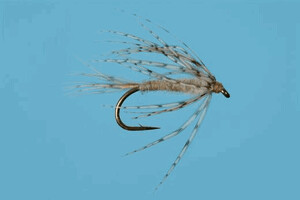
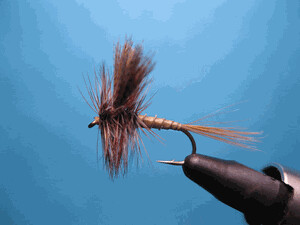
Hebo Lake. Currently, this is my recommendation over my usual favorite lake. As of this week, the gate to the lake is still locked, but it is freshly stocked with nice chunky trout that  are eager to take all manner of flies, especially a #12 gold ribbed Hare’s Ear under a tiny strike indicator.  Jack Harrell and I took a short walk (150 yards) from the locked gate in to the lake last week and proceeded to have fun like kids catching and releasing trout at a fast pace. When I was  less than ten years old, I would fish six or eight hours, casting Mepps or Super Duper lures, hoping to catch a stocked trout. Those were days when I often did not catch anything for my effort, or would catch but one trout a day. I NEVER – EVER experienced fast paced catching like I now know is possible. Other people fishing lures and power bait caught fish too, but the small nymph under a strike indicator was by far the most effective.

OLYMPUS DIGITAL CAMERA

Hebo Lake is very small and there are several fishing platforms and semi-open areas where one may roll cast and reach the hatchery trout. A float tube or raft would put you in range of every trout in the lake. This is a nice place close by where you may take a young angler fishing with reasonable expectation of catching fish – or a couple of  old guys can remember what it was like to be a kid, but this time actually catch trout instead of just wishing. The hatchery trout in HEBO LAKE seemed larger and in better condition than the trout in the Town Lake, and this is why I’m recommending this option at present.

OLYMPUS DIGITAL CAMERA

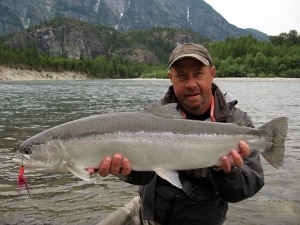
Devils Lake. Located right in the suburbs of Lincoln City, this is a larger lake and a long shot but offers the very real potential of hooking large trout and wild trout. All un-clipped fish must be released, but my reliable sources assure me that regulars on this lake catch wild and hatchery trout between 14 inches to over 20 inches. You may catch cutthroat, coho salmon, steelhead, and hatchery rainbow in this lake. I fished here one day for about four hours and only caught one 11 inch cutthroat, but friends have caught many species of larger size this time of year. Apparently, the fishery will extend at least into July, with the months of April through June being prime time.  Fish olive and black buggers on the strip. Trail buggers behind the boat as you row or drift with the wind (avoid very windy days). Fish chironomids just off the bottom on strike indicators. Fish Gold Ribbed Hare’s ears. Strip scuds. Fish Spruce flies and sculpin patterns. Move around and explore to find the fish and you will be rewarded. That’s my plan.

These are but three examples of trout fishing opportunities on the coast. This is a fishery pursued by a dedicated few, and the potential is huge for the avid trout angler fishing nymphs, streamers, and even dry flies as the spring progresses.

Tackle recommendations. If you already fish the lakes from docks, boats, or float tubes, you know what to fish. If this is new fishing to you, I would recommend any trout rod, reel and line. Floating lines are required when fishing strike indicators, and full slow sinking lines are the best option when fishing buggers and sculpin patterns. The #12-#8 bugger in olive, black, or brown are superior flies. The Gold Ribber Hare’s Ear is a winner for stepping and fishing under an indicator. Select the smallest indicator for this fishing. When the water is 8 ft deep, fish your flies at 5-7 ft depths.

Tactics. Pick a place to fish. Fish. If you get no grabs of take downs in five or ten minutes, move on. Troll your flies on sinking lines. When you hook a fish or get a bite, give the area  more serious attention. The schools of trout in these lakes are often concentrated and there is no point fishing where the trout are thin or absent.

If the steelhead are not your game, or if you’re burnt out swinging and looking for a chance to actually catch fish, coastal lakes trout are waiting for your knock at the door.

My best to you all, and have fun whenever you fish or tie flies.

Jay Nicholas March 2016

Posted in Fishing Reports, Oregon Weekend Fishing Forecast | 1 Comment

Postcard from Ohio: Cuyahoga Steel and Lake Erie Burbot

Here are a couple new articles by our blog founder Matt Stansberry, featuring strange tales of the wild fish of the Great Lakes. Also, check out the artwork by David Wilson.

Wild Steelhead of the Burning River:
The Cuyahoga River, the one that caught fire and spurred the Clean Water Act, is home to a small but scrappy run of wild steelhead. Previous generations had tried to kill this river and had failed. But to paraphrase David James Duncan, when you fail to poison a creek quite to death, you can get visitors from distant realms. The Ohio EPA has documented wild steelhead reproduction in all eight of the Cuyahoga’s tributaries. In lower water years where there is less silt in the system, steelhead are spawning in the stormwater sluiceways, reproducing in whatever liquid washes off the streets of the Cleveland suburbs. This essay explores what it means to be native in a place written-off as dead, and overrun by non-native species.

Cuyahoga

burbot

The burbot whisperer:
The burbot, also known as an eelpout, cusk, or lawyer, is one of the most bizarre animals to roam the Great Lakes region.They’re a freshwater cod with a single dangling barbel or whisker hanging off their bottom lip, like some horrible soul patch. Burbot mate in the dead of winter under the ice when water temperatures are between 32º and 40º F, forming spawning balls. They live in the deepest corners of lakes and rivers, and on Lake Erie they’re only reachable by the average angler in the middle of winter at night. This is the tale of the strange people who chase them.

Posted in Oregon fly fishing links | 1 Comment

TU takes over Eugene April 1-2

Trout Unlimited will be taking over Eugene on April 1-2 for the Western Regional Meeting being held this year at Valley River Inn.

Trout Unlimited, the nation’s largest coldwater fisheries conservation nonprofit, holds regional meetings around the US and this year’s Western Regional is right here in our backyard, with over 100 TU volunteers from across the West descending on Eugene for two days of workshops, presentation, conversations, and networking opportunities.

TroutUnlimited

While regional meetings are designed for current TU volunteers, they’re also an excellent opportunity for folks interested in learning more about the work Trout Unlimited does to preserve, reconnect, restore, and sustain North America’s coldwater fisheries. Whether you’re a seasoned TU veteran or someone who just enjoys trout, salmon, or steelhead and want to know more about ways to get involved with conservation efforts happening across the US, this meeting is not to be missed. You can catch the full agenda here, and registration is live here. Cost to attend is $165 including meals Friday and Saturday, or just $10 if you’d prefer to skip meals and come for breakout sessions.

The agenda is jam packed with a plenary address from ODFW Director Curt Melcher, and breakout sessions on a wide range of topics including leadership development training for TU volunteers, updates from Wild Steelheaders United, a showing of Freshwater Illustrated’s UPRIVER, and Chad Brown discussing his work with veterans and youth through Soul River Runs Wild. On top of two days of enlightening work sessions, we’ve also put together some evening entertainment that will benefit local fisheries and provide networking time for TU volunteers from across the West to talk shop and get to know some new friends.

Friday night, the Oregon Council of Trout Unlimited will be hosting a fundraiser at Ninkasi Brewing’s headquarters (195 Blair Blvd.- NOT the tasting room on Van Buren) with a silent auction and raffle items from some of Oregon’s most trout-friendly businesses. The Caddis Fly has generously donated a guided McKenzie fishing trip and a $250 gift certificate for whatever new gear is on your list. Other prizes include a Dean Finnerty North Umpqua Flywater guided trip, TU-branded Sawyer PoleCat Oars with V-Lam blades, Korkers wading boots, fly rods from TFO and Cortland, wading gear from AQUAZ, a 6-month subscription to Postfly Box, trips on the Deschutes and Madison Rivers, and much, much more! Space for this fundraiser is extremely limited, so register today if you’d like a chance at any of these items! Tickets for Friday night’s fundraiser are $55 and include attendance at Friday’s work sessions along with dinner from Mucho Gusto and complimentary beverages from Ninkasi. To signup, click here and select “Meeting Only Registration” and check the “Friday Dinner Only” checkbox.

Saturday night, the crew from Pig Farm Ink will be at Falling Sky Pour House and Deli raising a ruckus with an Iron Fly tying night, complete with mystery fly tying ingredients and prizes for the night’s best fish-catching creations. This event is free and open to the public, but space is limited so show up early to make sure you find a seat and/or a vice if you’re so inclined!

Flyer Here

Many thanks to all those who made this year’s Western Regional come together, and a big thanks to The Caddis Fly Shop for their TU Business Gold-Level support!

Kyle Smith, Membership Engagement Manager at TU

Posted in Oregon Conservation News | Leave a comment

March Brown Update

MB

Getting tired of the rain or gray days? Cabin fever from high river levels? For those anglers with twisted minds: Its time for the March Brown hatch! Gray days, predicted warming air temps, and occasional showers create this annual spring ritual for fly anglers.

MB live

Mixed reports have been coming to the shop. The bugs are hatching, not many, but bugs are out. Some streams are seeing more than others. Of course, Nymphing is always a go prior to and after the warmest hours of the day. The essentials and proven winners as always are the Possie bugger and mega prince. Also, do not hesitate to use nymphs with a trailing soft hackle. The shop has a great selection of patterns both dry and wet to choose.

MB soft hackle

Soft hackles are a good bet when the hatch is still not very strong.

MB Western

One of the favorites for dries is the Western March Brown. The shop is loaded with other dries to choose from as well.

MB boats1

This weekend looks like a good time or least on this day…a few boats were out for the March Brown hatch. Get out there and enjoy the day!

LV

Posted in Fishing Reports | Leave a comment

Drink Coffee for the River!

FullSizeRender-e1457113945150

$1 of each beverage sold on Tuesday, March 15th is donated to the McKenzie River Trust

Full City Coffee Roasters is raising money to protect one of the top ingredients in their product: clean water! When you bring your friends, co-workers, and family to either Full City location on March 15th, $1 from each drink you buy will help keep our rivers clean. So go ahead, make that coffee date.

Donor Relations Manager, Brandi Ferguson, will be at the Pearl Street location for an afternoon coffee break starting at 2pm. Join her and drink coffee for the river together while getting to know us a little more.

More info here.

Posted in Oregon Conservation News | Leave a comment

In Pursuit of Understanding All Fly LInes

a spey-shooting-head

This image is simply a teaser to let the reader know we are going to be talking about fly lines. Several of these fly lines are now obsolete. Where we once had our double taper and weight forward lines that never changed for a decade, now it seems that fly lines are morphing ever few years, with new lines being introduced every year in some cases.

I received a note recently from a friend who is a very experienced a fly fisher/tyer. I pass it on as an introduction to my brief response. The fact that an experienced fly angler is growing more confused as time goes on is a fair representation of what is happening to many of us. Me included. Each year it seems that fly lines become more complex. I make a point of understanding fly lines and fishing as many as I can so that I may provide customer service and help people select proper rod/line combinations. Each year, I find the process a little more daunting.

This is not a new dilemma.

I found a detailed post from 2011 linked here on fly lines – this post will be yet more proof that we, as fly fishers, continue to be baffled by many aspects of fly lines.

First the enquiry.

___________________

Jay: As a noted scientist, author, and fly fisher maybe you could pen a few notes on the “amazing world of fly lines” or “how to match a line/s to a rod/s”. It is a bewildering world indeed. Rio, Airflo, SA et al all have line recommendations for most of the fly rods available. They all have different grain weight recommendations, of course, and few of which actually match those suggested by the rod manufacturers themselves. At least Airflo has the good sense to print the line type/size on the line. Rio goes as far as separating out good and bad caster recommendations. You got your skagit, scandi and switch lines. You got your full length, compact and short heads. Scandi gets even worse with polyleaders. Things used to be so simple when we had a few rods with a few lines. I have a hard time even keeping an accurate inventory of lines on a spread sheet, let alone knowing which storage container they are in, or on which spool, or on which reel. This whole mess has come to the forefront once again as I try to match up scandi lines, etc with the rods I already own in “fat chance” anticipation of making a trip to Nova Scotia or Gaspe Peninsula for some salmon fishing before I get too old. Damn Henrik Mortensen videos…

Take Care,
An experienced fly angler
Anytown

________________________________________

I checked our online catalog just now.

We offer 62 RIO fly lines,  43 AIRFLO fly lines; 57 Scientific Anglers SA fly lines;  plus fly lines by Wulff, Hatch, Cortland, Beulah, Sage, and so forth. I have researched many of these fly lines and should be an expert. I’m not. I do know some cool facts like relative core strengths of several fly lines, which lines do and don’t have loops at front and rear line ends, whether the lines are labeled as to rod weight or head grain wt, and some general taper features.

I can’t begin to cover the entire scope of fly lines here so I’ll grab a few nuggets and hope that these help.

I’d also add this note: sometimes we hurt ourselves by over-thinking fly lines. We may be prone to believe that there is a perfect line taper or weight that is the ONLY line for each rod.

In my world, this just isn’t so. I’m no expert caster, I string up a line on a rod and go fishing. I’m surprised when I meet customers who obsess over very small differenced in the weight of their fly lines. These hyper-sensitive casters are tying to find a line that will allow their rod to balance (whatever that means) in their hand when casting. While I listen I’m thinking:

1.  Will you have 30 ft; 45 ft; or 60 ft of line out of the guides when you want the rod to balance?

2. How much does the fly weigh?

3. How much does your reel weigh?

4.  Do you have 100, 150, or 200 yards of backing on your reel – and how much does this backing add to the reel.

5.  Where on the handle is your reel located (distance from the butt)?

6. What is the overall length of the rod handle?

7. Where exactly will you grasp the handle along it’s length.

By the time I get down to Number 7 I’ve decided that all of these (and other) factors introduce so many variables that I’d best just throw on a fly line and go fish it, because it’s probably going to work just fine.

As far as I’m concerned, it is difficult to find poor fly lines these days. I fish fly lines by RIO, AIRFLO, Scientific Anglers (SA), and Wulff. I have friends who fish VISION fly lines and Beulah fly lines. SAGE and ORVIS offer  good fly lines too. And many of these brands offer leaders too.

OMG – I have completely lost track of any point I wanted to make in this post.

Line storage and organization: I recommend the OMNISPOOL Switch Box storage system as a simple to use means of keeping fly lines twist free and labeled.

Line match guidance: The RIO 2016 Spey line chart is great. So is the AIRFLO line chart that offers recommendations for all ECHO rods.

Note that RIO manufacturers their spey lines in 25 gr increments, but AIRFLO uses 30 gr increments. In my opinion they should get their act together and use one increment or the other, and I think it makes a more confusing process of line comparison for us as angler consumers when these folks fail to align their wt graduation system.

Grain window concept. If you look at many line vs. rod charts, especially for spey and switch rods, you will generally see that the manufacturers say that you can cast the rod with at least three line classes. Some rods will say they match with a 480 gr, 510 gr, and 540 gr Skagit lines. This is a reminder that our single hand rods will fish just fine with at least three line wts too.  You may be fishing a five wt nine foot trout rod and it will cast satisfactorily with lines labeled from 4 to 7, especially if it is a fast action rod. Note: my standards for casting well are far more forgiving than expressed by some fly casters. I have found that I can cast well enough with a wide range of lines that are a little lighter or a lot heavier than the exact wt of the rod’s recommended line weight.

I mention the forgiving nature of the rod’s grain weight window as a way of saying – relax – throw on a line and go fishing, it will probably work out just fine.

Is it possible to fine-tune a line to a rod? Absolutely yes. With the opportunity to cast several fly lines on a rod, you can figure out which feels right for your style, normal casting distance, flies fished, and so forth. I’d never suggest that any old fly line will be perfectly matched with your favorite fly rod. All I’m suggesting is that it is possible to go fishing and have a good time – casting adequately – with a wide range of fly lines.  Whether you decide to zero-in and find the fly line that will be “best” for the particular rod is up to you.

How to figure it out? Good question.

I look at line charts, and I ask the experts working at fly shops too. Not every person working in a fly shop will be able to recommend the best line for every rod. Ask if the person can help. Ask if they have experience with the specific rod and line. If necessary, talk to your friends and see if you can borrow some fly lines to try out on the rod you are tying to match with a line.

Fly line trends.

1. Labeling all fly lines as to gr weight or rod wt size. This is very good and helps us all figure out what we have on a reel or in our hand.

2. Low stretch cores. FANTASTIC for detecting strikes. RIO seems to be leading the pack in this product feature

3. Species-specific fly lines. You have your bonefish line, redfish line, striper line, brown trout line, tarpon line and sea run cutthroat line. When I research the taper of each line and its core and such forth I often wonder how different these lines really are. This strikes me a little as over-kill but I suppose many consumers find it simpler to ask for a Redfish fly line if they are headed out the door to fish with a guide for redfish for the first time. Heaven help us if someone catches a bonefish on a permit line. Decide what you will, this is a common trend.

4. Lines with super strong cores.If you are going to fish for big fish with heavy leaders you need stronger fly line cores, now you can select these and be on target. This is a super nice feature and one that is worth your time to look into.

5. Shorter heads on many lines. Skagit Spey heads are getting shorter and shorter, and the OPST Commando is the latest example of this trend. Expect more line manufacturers to follow this trend. The OPST Commando Skagit head is a prime example that other brands are likely to follow shortly.

6. Heavier heads on many lines. These lines make it easier for the average skill level angler to cast at short range. I like this trend. Back in the 1960s, Wayne Doughton taught me to fish a 7 wt Cortland Type III sinking line on my five and six wt fly rods when we were chasing sea run cutthroat. Lining up with heaver lines allowed us to minimize back casting and maximizing the time our fly was fishing.

7. Loops on one or both ends of the line. Great idea – BUT – the front end loop will often be cut into by the leader loop. Sometimes I just cut off the loop and nail knot a short heavy butt to the fly line to resolve this issue.

8. Tougher front-end loops are being made that are far tougher and will not be cut by the leader. Thank you for this.

The Caddis Fly Shop stocks a wide range of fly lines for single hand, switch rods, and spey rods. We offer every fly line you can imagine through our internet catalog. If you want it, we can probably provide it to you promptly.

If you are not sure what line you need, shoot us a call or email and we will do our best to make a decent recommendation for the fly line that will meet your individual and situational expectations.

Final thoughts on brand preference in fly lines. Every of the big three (RIO, AIRFLO, SA) produce very good fly lines. Our shop and guide staff sometimes prefer certain brands for certain line configurations, and we may have more expertise with some lines than others. If you are a RIO flyfisher and just prefer RIO lines, I’m pretty confident that we will be able to recommend a RIO line that will be superior performer for your.

The same is most likely true if you self-identify as an AIRFLO flyfisher, or an SA flyfisher. So relax, dip your toes into the waters of modern fly lines, and allow us to help make recommendations if you think it might help.

Thanks always for your interest, support, and good spirits on the water.

Jay Nicholas – March, 2016

PS: I know this post did not explain every line in the universe, but – along with the 2011 linked post, I hope it helps take the anxiety edge off many of our readers.


Posted in Fly Fishing Gear Review | 3 Comments

Spey Demo Update

Sage 2

Approximately 21 brave souls were greeted by George Cook last Saturday for the free Spey Demo day.

Sage1

Spey 2

As you can see from the above pictures, we all enjoyed the best instruction from George Cook and were able to huck away the very best from Sage and Redington.

MB1

The Caddis Fly Shop is not done with demos. Chris D. has arranged for our Winston/Echo/Airflo representative Eric to bring the very best of both Winston and Echo to the shop for yet, another, on the water, FREE Demo Day in April. “But wait”!

Chris is also working to have our Patagonia representative Bruce be here at the same time….AND with all this activity: FREE Beers and “brauts”!….hey, your crazy if you don’t come and join in on the fun in April. Look for additional information on the blog as we approach April.

Posted in Classes and Instruction | 1 Comment

Travel Install #4: Tsimane Lodge, Bolivia

tstmane bolivia fly fishing

In terms of the all around ultimate fly fishing adventure, Tsimane, more than most any other place, has it all. Located in a remote indigenous territory of Bolivia where the Andes meet the upper Amazon, the freestone rivers of the region are both familiar and foreign to the well traveled angler. Each season hundreds of thousands of baitfish migrate up the greater Secure system and with them come thousands of large, aggressively feeding dorado. Here it is common to see packs of fierce dorado herding baitfish into the shallows and mercilessly ripping through them. From a great distance you can see the frothing commotion as the bait leaps into the air in a desperate effort to escape. From a quarter mile away the raining down of eight inch baitfish sounds like a dump truck dropping 20 yards of gravel. Here, anglers wet wade a jade green river and cast six inch flies on wire leaders through an endless array of pristine water types. Their reward; consistent catches of pugnacious, aerial dorado in the 8 – 35 pound class as well as additional jungle species like the fickle pacu and the elusive surubi.

bolivia fly fishing

Tsimane is operated by an Argentine outfitter with exclusive rights to the region. They offer two separate programs, the Secure/Agua Negra combination trip and Pluma Lodge. Both trips will begin with an overnight in Santa Cruz followed by a charter flight to a remote jungle airstrip. The hardest part of planning the trip is deciding which of the two options to select as they are both highly desirable and productive. The main lodges for both programs feature cabins made from hand hewn local timber, rooms with private bathrooms and hot showers, satellite telephone and internet as well as fine cuisine. While anglers access the rivers by boat, considerable walking and wading is essential to success. This trip into the heart of the Bolivian jungle is best suited to adventuresome, fit travelers. The rewards include incredible flora and fauna, the opportunity to interact with indigenous people and what we consider to be one of the ultimate fly fishing experiences.

bolivia fly fishing

golden dorado bolivia fly fishing

Location:
Tsimane Lodge is located in the Amazonian headwaters of Bolivia, 1.5 hours northwest of Santa Cruz by small plane.

We suggest the combo trip below.

Secure/Agua Negra Combo Trip:
This is a remarkable and diverse fishing trip where anglers will fish out of two newly constructed jungle safari camps during the course of their week. Both camps have handsome hardwood main lodge buildings where meals are served. At both camps anglers have double accommodation safari tents. Each week four anglers will begin at the Agua Negra Camp and a separate charter flight of four anglers will head into the Secure Camp. On the morning of the third fishing day, all anglers will pack their gear into motorized boats and fish their way to the other lodge for the remainder of their trip. Both lodges offer a primitive overnight out-camp option that can take two anglers. The Secure is a beautiful mid-sized system with significant bedrock structure. It is a very productive system that has countless water types. The Agua Negra is much smaller and offers not only big dorado but the region’s most forgiving terrain as well as the greatest diversity of species including large pacu, pira pita and the elusive striped catfish known as surubi. This combination trip is as good as it gets and a natural for parties of four keen on seeing a wide range of what the region has to offer.

bolivia fly fishing

For more info on this trip please click here: More info about Bolivia fly fishing

Fishing Program:
Anglers participating in the Secure/Agua Negra program will fish two main river systems as well as optional tributaries accessing more than 35 km of pristine water out of two base camps. On Saturday morning eight anglers will depart San Jose by charter flight with four flying into Secure Camp and four flying into Agua Negra Camp. Secure anglers will fish two anglers per motorized dugout with an Argentine fly fishing guide as well as one or two native boatmen. They will fish beats both up and downstream of the lodge. Agua Negra anglers will also fish two anglers per Argentine guide. On days when they fish the main Secure by motorized dugout they will also be accompanied by a native boatman. On the days that they 4×4 up the primitive jungle road that parallels the Agua Negra they will often just be with an Argentine guide. After driving into the area of their specific beat they will leave the vehicle for the day and hike through the jungle until reaching the river. The rest of the day will be spent walk and wade fishing. In addition to the main-stem Agua Negra guests can also fish the smaller Chimoro Creek that has a strong population of yatorana and smaller dorado that respond well to natural drifted dry flies on 4-5 wt outfits.

bolivia fly fishing

All Tsimane anglers will spend a portion of their time blind casting and a portion of their time sight casting. Although boats are used to motor up through the longer pools most of the travel and angling is done while wading the freestone terrain. Due to the overall distances that need to be covered and the hot weather, this trip is best suited for reasonably fit anglers who are comfortable with multiple stream crossings and semi-rocky terrain.

Accommodations and Meals:
The Secure/Agua Negra program has two newly built main lodges. Both locations have been carved out of the jungle and built using a combination of site-milled hardwood and material shipped up the river. The lodges are in spectacular settings and are best described as both rustic and elegant. Each has a main lodge where anglers enjoy meals and cocktails and at each camp guests will share a double occupancy safari style tent with a comfortable beds, full linens and private bathrooms with showers. The lodges are also equipped with generator power with battery back-up, on demand hot water, and wireless internet service. Both lodges have chefs from Argentina who serve a variety of local and Argentine meals prepared with a wonderful flair.

Secure/Agua Negra Lodge Sample Itinerary:
Day 1: Depart Home.
Day 2: Arrive Santa Cruz, Bolivia. In Bolivia you will be met by a member of the Tsimane team and transferred to your hotel.
Day 3: Charter flight to Tsimane’s Tsimane’s Secure Lodge landing strip. At landing strip you will be met by your guides who will transfer you to Seceure Lodge or Agua Negra Lodge. At the lodge you will be shown to your tents and get ready for the next week of fishing.
Days 4 – 9: 6 days of guided fishing at Secure Lodge and Agua Negra Camp. Mid-week you will transfer between locations.
Day 10: In the morning, guest will pack up and transfer to air strip where you will meet your charter flight back to Santa Cruz. In Santa Cruz you will be met by a member of the Tsimane staff who will take you to your hotel (included in package).
Day 11: Depart for Home.

bolivia fly fishing

For more information booking this incredible trip click: Book Bolivia Fly Fishing

You can also email me at caddiseug@yahoo.com. We are excited to be going to Bolivia this September!

Posted in Fishing Porn, Fly Fishing Travel | Leave a comment

NORVISE Review – What to Purchase and Why

This is how the email usually begins:

Hello: I’m considering purchasing a NORVISE and would appreciate it if you if you could tell me a little about the vise.

1.  Is it really useful as a working vise?

2.  Is it mostly a toy?

3.  What can a NORVISE do for me that any other vise can’t?

4.  I have tied flies for several years and own several vises already, but I’m intrigued with the NORVISE.

5.  What can you tell me that might convince me that the NORVISE is a serious fly tyng tool versus a magician’s prop?

Those are   generalized examples of many emails I receive through the Caddis Fly Shop, all referred to me to provide customer guidance. Here is what I told the most recent customer who made a similar inquiry.

I wrote a rather long answer to a customer a few weeks ago and posted it on my own blog fishingwithjay. You may want to see the long version or you may be satisfied with the short version that follows.

Here is the short version of my reply to the generic questions about the NORVISE.

First,  I can positively and unreservedly recommend the NORVISE. It is far from a toy or a magician’s prop. The NORVISE is a hard working, well thought-out fly vise that holds hooks of nearly all sizes securely and allows me to save time and increase the symmetry of my flies. I’ve tied at least a thousand dozen flies on my NORVISE over the years, and the vise has earned a permanent place on my fly bench.

I’ll cut to the bottom line and recommend that you purchase the following:

NORVISE with standard inline jaws and thread post. The bamboo mounting board is a separate item.

NORVISE with standard inline jaws and thread post. The bamboo mounting board is a separate item.

NORVISE with standard straight inline jaws and thread post, shown above on the mounting board.

travel case with mounting board included. No materials  though, you must add your own.

travel case with mounting board included. No materials though, you must add your own.

The travel case, shown above, that includes the bamoon mounting base but no materials – you have to supply your own.

Bobbin kit with three spare spools and gizmo that lets you spool thread onto these.

Bobbin kit with three spare spools and gizmo that lets you spool thread onto these.

One clutch bobbin kit (three spare spools)

NORVISE clutch bobbin.

NORVISE clutch bobbin.

One clutch bobbin (no spare spools)

This is what the lamp and built-in magnifying glass look like.

This is what the lamp and built-in magnifying glass look like.

The tying lamp that mounts on the thread post (light and magnifying glass in center)

This will get you going on solid footing. I have tied flies from #18 to 2/0 on the standard inline jaws.

Fine point jaws for NORVISE.

Fine point jaws for NORVISE.

At some time in the future you may consider the fine point conversion jaws for very small flies or the tube conversion for tube flies, but for most purposes the list i provided above is about right.

I considered the NORVISE to be some sort of gimmick until I finally purchased one and began using it over a decade ago. I have found it an AMAZING asset on my bench and believe you will also. Spinning dubbing for bodies, winding on chenille bodies, palmering hackles on stimulators, winding dry fly hackles, crafting buggers—and so many tasks—are an order of magnitude easier and the results more pleasing with this vise.

While I do not always use the rotation feature of the vise for all elements of every fly, it is unique and a valuable asset.

And yes, The Caddis Fly Shop will be able to provide any of Norm’s products to you even if they are not all listed in our online catalog. A simple email or phone call to the shop will get the job done promptly.

Questions? Please let me know. This is more than a toy, the NORVISE is a dependable and durable vise that will take a little getting accustomed to—but this vise will deliver great performance and enhance the quality of your flies.

Best Regards
Jay Nicholas

Posted in Fly Tying, Fly Tying Materials and Supplies | 2 Comments

Reminder: Sage Spey Demo Day March 5th 9am-12

George spey

Please join us at Armitage Park on March 5 from 9-12 for a FREE Sage Spey/switch casting day. Our host for the day is the infamous Sage/Rio Representative George Cook (guy in the pic). George will be in town to answer questions and demonstrate the latest rod and line innovations in the industry.

George will have Spey/Switch rods strung up with the latest lines from Rio and you are invited to pick one up and huck it! This is an excellent time for us to cast and ask. Many times fly lines and rods for different applications can be confusing. Here is an opportunity to get all of your questions answered from one of most knowledgeable, and greatest casters in the fly fishing industry.

If you plan to participate and not just observe, you should bring boots and waders. Again, we will be at Armitage Park, March 5, from 9am-12 noon, under the I-5 Bridge. Hope to see you there!
Posted in Classes and Instruction | Leave a comment

Fly-fishing guides enter the spotted frog case

Good article in the Bend Bulletin:

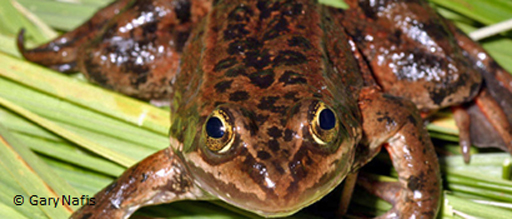
WaterWatch of Oregon, which, along with the Center for Biological Diversity, filed a federal lawsuit against the Bureau of Reclamation and the Arnold, Central Oregon, Tumalo, Lone Pine and North Unit irrigation districts. The issue is the Oregon spotted frog, since 2014 listed as a threatened species under the Endangered Species Act.

OR.SpottedFrogGaryNafisCalHerps

The environmental groups want Deschutes River stream flows, which vary greatly depending on the season, restored to save the frog. Farmers and others who rely on Deschutes River irrigation water say their livelihood is imperiled if the court interrupts the flow of water.

But anglers say it’s not just the spotted frog that needs a consistently flowing river.

Perin, in a court filing, wrote that low winter flows in the river kill thousands of fish. When the irrigation season ends in October and the bureau begins storing water in Crescent Lake and Crane Prairie and Wickiup reservoirs, the reduced amount of water flowing in the river leaves fish stranded and dying in isolated pools. During spring and summer when more water gets released for irrigation, he’s had to cancel guided fishing trips due to high water levels, he wrote.

“I would say with absolute certainty that the majority of the fly-fishing community, including my colleagues that own fly shops and guide the rivers and lakes of the region, would agree that something needs to be done to protect a resource that brings us income,” Perin said Wednesday “It’s our economy, too.”

Posted in Central Oregon Fishing Report, Oregon Conservation News | Leave a comment

Pro Sportfisher Tube Fly Needle Tutorial

Bruce Berry discusses the finer points of the three styles of tube needles offered from Pro Sportfisher. Additionally, he goes into depth regarding sizes of tubes and sizes of needles.

Posted in Fly Tying, Fly Tying Materials and Supplies | Leave a comment

FREE! Sage Spey Demo Day March 5th 9am-12

George spey

Please join us at Armitage Park on March 5 from 9-12 for a FREE Sage Spey/switch casting day. Our host for the day is the infamous Sage/Rio Representative George Cook (guy in the pic). George will be in town to answer questions and demonstrate the latest rod and line innovations in the industry.

George will have Spey/Switch rods strung up with the latest lines from Rio and you are invited to pick one up and huck it! This is an excellent time for us to cast and ask. Many times fly lines and rods for different applications can be confusing. Here is an opportunity to get all of your questions answered from one of most knowledgeable, and greatest casters in the fly fishing industry.

If you plan to participate and not just observe, you should bring boots and waders. Again, we will be at Armitage Park, March 5, from 9am-12 noon, under the I-5 Bridge. Hope to see you there!

Posted in Classes and Instruction, Fly Fishing Gear Review, Oregon Fly Fishing Clubs and Events, Shop Sales and Specials | Leave a comment

A few thoughts on Guinea & Feather Collars

Here are the contents of three different packets of Guinea feathers, all the same distributor and price.

Here are the contents of three different packets of Guinea feathers, all the same distributor and price.

In starting this review of guinea feathers I’d like to share my frequent reminder that it it normal to find a lot of variation in the contents of a package of feathers. Far as I know, guinea feathers are strung (sewn) after being organized in size from the short to the longest feathers. When the distributor gets these long strings of sewn feathers, maybe four feet long, they proceed to cut these into sections of roughly 3-4 inches long to package individually. So the packages will contain a nice chunk of the sewn together feathers, but they each package will not contain the shortest to the longest feathers.

Nope. Each package will contain the length of feathers that were found at a certain point along the string, of course there will be a few longer feathers at the short end of the string and a few shorter feathers at the long end of the strihg, but overall, each package will have a characteristic feather size. The photo above shows what I would consider a package of short feathers (lower left), medium feathers (lower right), and the largest feathers (upper row in photo).

Now I’m a guy who prefers the largest feathers for my big Intruders, but now and then I get on  kick tying summer steelhead flies and want the small feathers for these. Be advised that the best way to get the feathers you want is to pick them off the rack at your local fly shop.

Waste ratio. This is a very odd material in the realm of natural feathers that I purchase, in the sense that the vast majority of the feathers in each package will be of the highest quality. I took note yesterday when I was preparing a bunch of guinea feathers and found that I often was able to find roughly 50 feathers per package. I found my self usually discarding only 10% of the feathers in a package. Far as I’m concerned, this is great.

Twisty feathers. Ok, so most of the feathers looked good, but not all functioned as well. Some seemed to twist as I would them on tube or shank, and some have thicker stems than others, and some are nearly symmetrical while others are more lop-sided and more difficult to tie with. This is normal and you should pick and choose the feathers that perform the best for your tying needs.

If an individual feather fails to cooperate – toss it out. I find I will give up on one feather in five because I just can not get it to behave.

Feather marking. Guinea feathers have different markings as shown here and I like the look of both.

Two characteristic guinea feather patterns.

Two characteristic guinea feather patterns.

Stem thickness. It is difficult to discern the difference, but the stem on the left above is thicker than the stem on the right feather.

A relatively slender stem.

A relatively slender stem.

A relatively thick stem.

A relatively thick stem.

I find it difficult to wind individual feathers if the stems are too unruly or thick, so I will strip the barbules off one side of the feather. I always tie these feathers in by the tip.

Here are two feathers ready to wind with barbules removed from one side of both.

Here are two feathers ready to wind with barbules removed from one side of both.

Although guinea feathers are more of a challenge to wind than saddles or schlappen, the effect is well worth the effort.

This is the butt section of a tube intruder in process.

This is the butt section of a tube intruder in process.

This is one of my micro Intruders tied on  PSF Sink-4 Nanotube.

This is one of my micro Intruders tied on PSF Sink-4 Nanotube.

You will see the effect of both guinea and wood duck feathers in micro Intruder.

I hope some of these thoughts give you reassurance and confidence to tie with guinea – if you have resisted to date.

My best to everyone.

Jay Nicholas, February 2016

Posted in Fly Tying, Fly Tying Materials and Supplies | 1 Comment

Travel Install #3: CUBA GEORGIANA Yacht Isla de la Juventud

Georgiana Yacht Island of Youth

We have the week of June 10-18, 2016 reserved for a group of 6 anglers. This “prime time” date is available for a very special rate. If you want to see Cuba before it’s more like Florida than Cuba, make your plans sooner than later. Our trips on “live aboards” have been really enjoyable with excellent food and shorter runs to fishing. Tarpon, permit, bonefish and other species are available everyday. This saltwater fly fishing paradise is not to be missed!

Georgiana Yacht Island of Youth

GEORGIANA yacht, one of the latest additions on Avalon family, is a brand new yacht designed to take you to the most remote and pristine parts of the Island of the Youth. The Georgiana is 100 feet long with comfortable cabins and private bathrooms used for weekly trips inside the Marine Park of the Canarreos Archipelago, the world famous chain of islands that runs eighty miles from the Island of the Youth to Cayo Largo in Southern Cuba. It can accommodate groups of 6 anglers, in 6 deluxe cabins with air conditioning, hot water, private bathroom and wide storage space.

Georgiana Yacht Island of Youth

Georgiana Yacht Island of Youth

Rates include
Reception in Havana. 2-night accommodation in a 5* Hotel in Havana. Airticket Havana/Nueva Gerona/Havana. 6-night accommodation in the Georgiana yacht full board. 5 full and 2 half fishing days with guide and skiff. Fishing license.
Rates do not include:
International Airticket. Cuba visa voucher, personal health insurance, extras in Havana, fishing equipment and flies, staff and guide gratuities.

For more info on this trip shoot me an email at: caddiseug@yahoo.com

Posted in Fly Fishing Travel | Leave a comment