Fall Fishing on the McKenzie October 2019

McKenzie fall2020

FullSizeRender

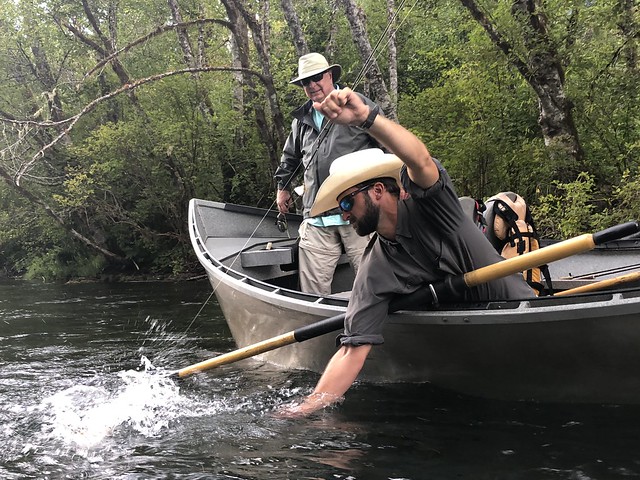
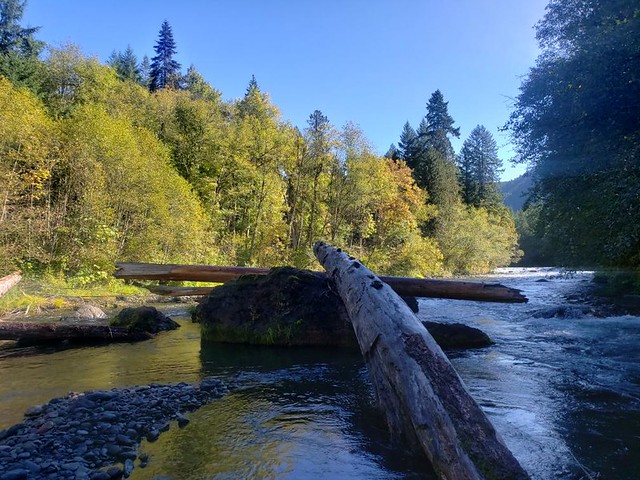
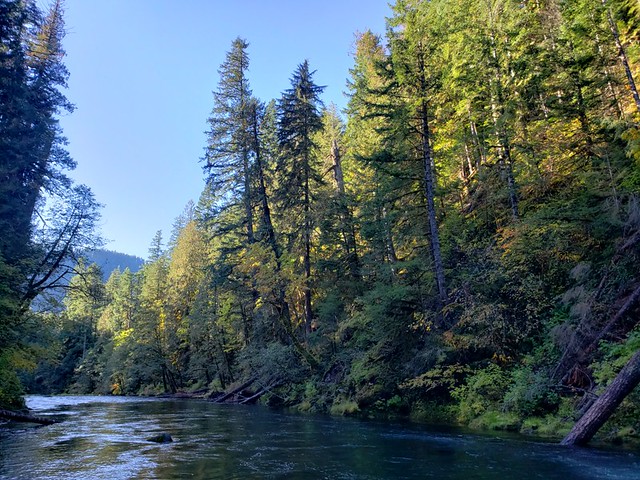
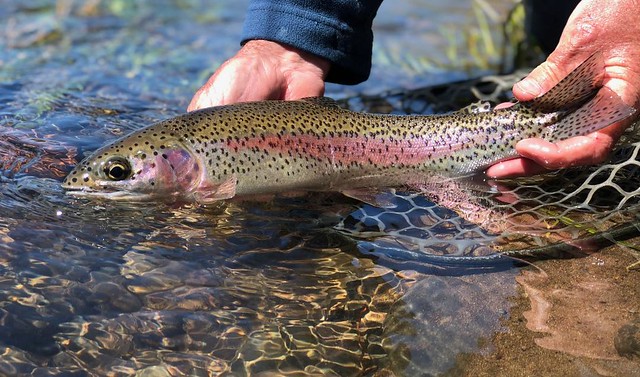
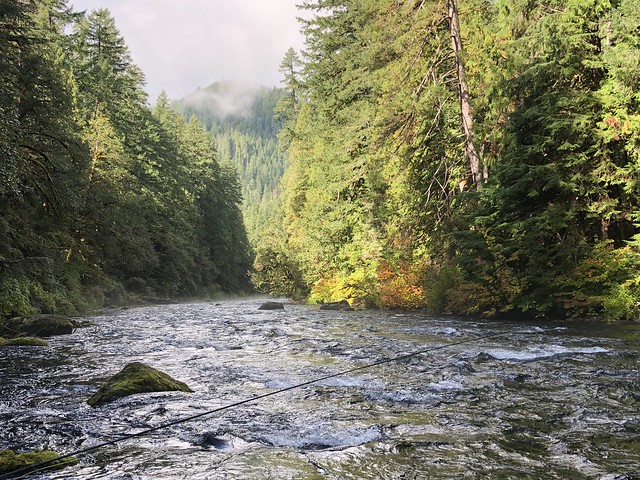
Cooler temperatures over the weekend kept the larger October Caddis and Short Winged Stoneflies from being overly active, but Blue Winged Olive hatches have been occurring daily. The warmest parts of the day have been the most productive on the Mckenzie and Willamette Rivers. Swinging flies on the lower McKenzie has picked up and the upper river hopper dropper program remains solid. This week looks really good for weather, get out and enjoy the fall.

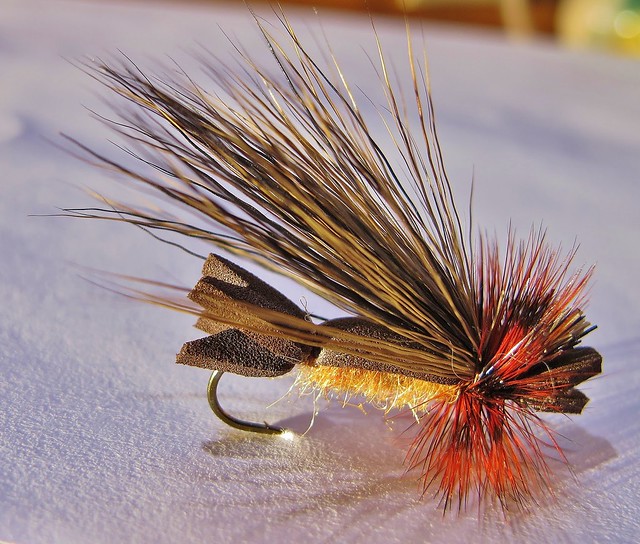
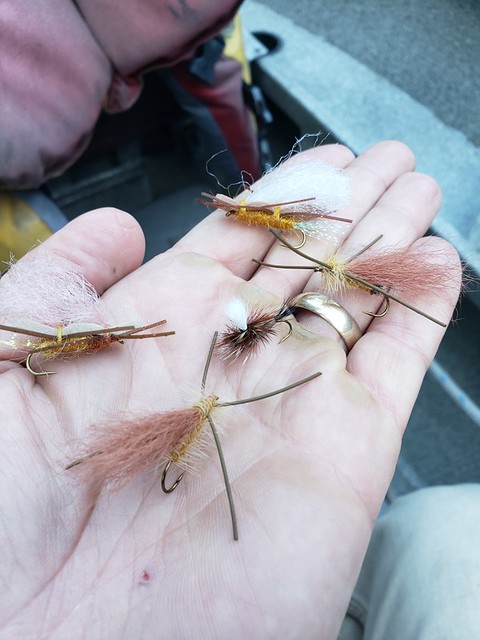
Best flies:

Parachute Blue Winged Olives
Carlson’s Olive Haze
Mercer’s Missing Link
Parachute Adams
Hi Vis Parachute Adams
Goulds Half Down Golden
Orange Elk Hair Caddis
Assorted Soft Hackle Wets

McKenzie fall2020

IMG_4802

Posted in Fishing Reports, McKenzie River, Middle Fork Willamette River fishing | Leave a comment

Video: Fly Fishing for Deschutes River Steelhead in “Desert Dries”

From Catch Magazine:

“Steelhead are NEVER known for being easy to catch. In fact, the more difficult they are to catch, the more valuable each fish becomes. There is a certain satisfaction in catching a steelhead on a skated dry fly. It feels like a big accomplishment to catch one of these fish in the most pure and sportive method possible. That challenge is the very reason angler Jeff Hickman began fly fishing in the fist place. It was not to catch fish easily. He wanted to learn how to catch fish in the most challenging ways possible. In this video, angler Jeff Hickman uses his jet boat to access the roadless Lower Deschutes River with his guide and friend Barrett Ames. These desert steelhead, most of them just straying out of the mighty Columbia River, are very tuned into the surface and will aggressively rise to a skated dry fly.

As a videographer and an angler, I know that some of my favorite times on the river have been spent with Jeff Hickman, owner of Fish the Swing. In fact, no matter the weather or the location, Jeff has the magic ability to find fish, tell a story worth sharing, or do both simultaneously. Last fall, “Desert Dries” came together just as I’d hoped. It tells the real story of steelhead fishing, where most of the time spent on the river is in pondering life questions while waiting for the steelhead to hit. Here Jeff fished the Burkheimer 6128, Scientific Anglers Deliverance Spey with floating tip and Bauer RX6 Classic Spey Reel in conditions that were typical of the Upper Deschutes in the fall. Revealing the remains of Columbia River Gorge’s tremendous and devastating wildfires, the charred and barren landscape made for interesting hiking and challenging filming.Thanks to Bauer Fly Reels, Fish The Swing, Eddie Bauer and Scientific Anglers for their generous support of Catch Magazine.”

To check out more from Todd Moen and Catch Magazine, please click here.

Posted in Eastern Oregon, Summer Steelhead | 1 Comment

New Fly Tying Materials and Tools from Hareline Dubbin

IMG_6571

Jay and I spent Saturday working with some of the new materials and tools now available from Hareline Dubbin. Most of them are listed on this page. We created some videos highlighting many of these new materials we will post soon. There are some really cool items like all new innovative Loon tying tools, flashy dubbing brushes, storage options, Bling Rabbit and Forked Bling Tails.(pictured above) and much more.

Posted in Fly Tying, Fly Tying Materials and Supplies | Leave a comment

Olive Soft Hackle Fly Tying Video

IMG_1435

Orange Soft Hackle

In this video, fly tier and author Jay Nicholas ties a simple Olive Soft Hackle using new hen capes from Hareline.

Many new materials including Hareline Hen Capes and more at Caddisflyshop.com

Thank you for watching!

Materials are available at https://www.caddisflyshop.com/

Hook: TMC 3761, or 3769 or Ahrex NS115
Thread: 6/0 Danville or Veevus Black
Body: Whitlock’s SLF Dubbing Golden Stone
Rib: Copper Wire
Hackle: Hareline Hen Cape

Posted in Fly Tying, Fly Tying Materials and Supplies | Leave a comment

Protect Oregon Coast Springers

mail

From: the Native Fish Society

Dear Friends and Supporters,

Yesterday, alongside Umpqua Watersheds and the Center For Biological Diversity, Native Fish Society submitted a petition to the National Marine Fisheries Service to protect Oregon’s coastal spring Chinook under the Federal Endangered Species Act. The delivery of the eighty-seven-page document was the culmination of yearlong effort by NFS Staff, River Stewards, Native Fish Fellows, and our partners to build a sound argument on behalf of spring Chinook that is grounded in the best available science. However significant, it is not so much an achievement as a step toward curtailing the habitat destruction, human exploitation, disease and predation, increasingly diminished stream flows, and weak regulations that have driven the native spring Chinook of the Oregon Coast to the brink of extinction.

Though the Oregon Coast’s wild runs of spring Chinook have been in decline since the fifties, NMFS rejected a listing petition in 1994. The agency acknowledged the springer’s peculiar life history and unique habitat needs, but contemporary genetic data seemed to suggest that spring and fall Chinook could be managed as a single species. If spring runs disappeared, the agency reasoned, fall Chinook would simply replace them. In 2017, a University of California, Davis study proved otherwise. We know now that the spring life history in Chinook salmon is caused by a mutation in a single gene. If lost, it will not re-evolve.

Spring Chinook were once present in every Oregon Coast stream with a major estuary. We hope this petition will be remembered as a significant stepping stone in a process that not only protected the remaining wild spring Chinook of the Oregon Coast, but also restored their natural abundance. The story is already gaining traction with media outlets. Oregon Public Broadcasting, KATU, and Courthouse News have all run stories on the plight of the springer and the fight to save them.

Having taken an important step toward protecting Oregon Coast spring Chinook, I want to thank our partners at Umpqua Watersheds and the Center For Biological Diversity, NFS Fellowship Program Director Conrad Gowell, NFS River Steward Program Director Jake Crawford, the NFS River Stewards on the Oregon Coast, and our members for their sustained effort and continued support.

Now we need need your help. Share your stories and photos of wild Oregon Coast spring Chinook with us; send our press release to your local City Council, County Commissioners, Watershed Council, and members of the media; become an NFS Member or make a donation to Native Fish Society on behalf of Oregon Coast spring Chinook.

Sincerely,

Mark Sherwood, Executive Director

Posted in Oregon Conservation News, Oregon Salmon fly fishing | Leave a comment

12th Annual Two Fly Kicks off October 4th – Spots Still Available

IMG_4416

We still have a boat available for this year’s Two Fly Tourney October 4th eve and 5th day. Register here: TWO FLY BOAT

This is the 12th annual event to raise funds for the great work the McKenzie River Trust is doing for your river. Over the years the tournament has raised over $100,0000 for the trust.

This year we have some fantastic sponsorships from Patagonia, Richardson Caps, North Fork Public House and Koffler Boats. We have had prizes donated by Echo Rods and Tim Keller Nets.

Each boat will be looking for the best three fish total length score of rainbow and cutthroat trout. Each angler is allowed to score with two flies.

If you have questions regarding further details of the event reach out to me at caddiseug@yahoo.com.

CD

Posted in Fly Fishing Contests, Oregon Conservation News, Oregon Fly Fishing Clubs and Events | Leave a comment

Fly Fishing Gear for Albacore Tuna

Jay Nicholas Albacore Fly 2019

Of course this is only one example of the gear I have been fishing offshore Pacific City in 2019.

The last 6 seasons have provided an opportunity to fish many rods and reels for albacore. In a future post I will list several rods and reels that have performed well, but for the present, I’d like to list only one example by noting the outfit that caught most of the tuna that bit my trolled fly a few days ago.

Fishing with Ed Bowles and Jack Harrell, in the dory Last Cast, we were less than 20 miles offshore, fishing 64 degree blue water, trolling 3″ bucktails.

Our tuna numbers were on the low side, but we had a most enjoyable day and found enough cooperative albacore to make the day pleasant, especially considering that we were – for a time early in the morning – adrift, with life jackets snugged tight, me with a fire extinguisher in hand, Jack coaching Ed, and Ed couched near the transom with tools in hand and the stench of gasoline in the air.

It turns out that the problem wasn’t the fuel filter. It was a gas line pinched under the floorboards but only when Ed shifted his weight to the exact position.

We arrived on the tuna grounds well after the other dorys, but considering the dilemma of the morning our day was most successful.

Here is but one example of an albacore fly fishing tackle rig that has performed very well for me.

Ultra Dependable Tuna Gear
(Just one example)

Rod: Echo Bad Ass Glass 12 wt.
Reel: Hatch Fly Reels (9 and 11)
Fly Line: Airflo Depth Finder Big Game 400-600 gr
Leader: Hatch Fluorocarbon #20 – #25

Meanwhile, have a wonderful time on the water and at the fly bench.

Jay Nicholas
September 2019

Posted in Oregon Saltwater Fishing | Leave a comment

Beautiful Fall Weather on the McKenzie and Willamette – A great week of fishing ahead

IMG_9788

It’s been a strangely damp fall thus far, but the future cast is looking pretty sweet. The McKenzie and Willamette Rivers are fishing really well. The Middle Fork of the Willamette is down to 453 CFS below Hills Creek giving wading anglers unique access to the river. The McKenzie bounced up but has come back down. Hatches are still good with daily emergences of Grey Drakes, Blue Winged Olives, October Caddis and Short Winged Stones. Fishing has been superb with tungsten jigged patterns mid day when the bulk of the insect hatches are going strong. Early in the day the fish seem to remember the larger stones and October caddis and evening brings on the smaller mayflies.

Have fun out there!

IMG_4423

Posted in Fishing Reports, McKenzie River, Middle Fork Willamette River fishing | 1 Comment

Jay’s Carp It Bomb Fly

In this video, Jay ties an effective warm water carp fly. Designed to ride hook up to reduce snags & fouls this fly could be used for bass, crappie, and of course carp.

Using two new tools, Loon’s D Loop Tweezer and Hareline’s Finger Dubbing Brush, Jay creates custom brushes using many different materials and fibers to give the fly motion and liveliness.

IMG_1111

TMC 800S Size 8
Chicone’s Stealth Chain
Hareline Fine Black Barred Marabou Feathers
Chicone’s Crusher Legs
Cohen’s Carp Dubbing Olive/Orange
Grizzly Micro Legs
Whitlock’s SLF Dubbing Sculpin Olive

Posted in Fly Tying, Fly Tying Materials and Supplies, Uncategorized | Leave a comment

Fair Flies Trailer Rigs Fly Tying Video Demonstration

In this video Jay shows us how to utilize the new Fair Flies Trailer Rig Kits. These are super solid for both fresh and saltwater.

Posted in Fly Tying, Fly Tying Materials and Supplies | Leave a comment

October Caddis Season is already here!

IMG_7849

I know it’s early but this fall fishing season is upon us. The weather has changed considerably, salmon are spawning early, Grey Drakes, Blue Winged Olives and even October Caddis have been seen on the McKenzie and Willamette Rivers.

oc caddis dry 007 copy

It’s time to start thinking about fall caddis patterns. While there are many species of caddis that emerge throughout the fall, none are more important and more exciting to fish than the October Caddis.

Below is a list of patterns to stock up on this fall.

Dries

Morrish Foam October Caddis – A favorite foam pattern, sits low floats great.
Bird’s Octoberfest Caddis – A new super floater, great for hanging mid sized droppers from.
CDC Orange Caddis – smaller caddis pattern with great action on the water.
J’s Hi Tie October Caddis – Hi Vis triple winged foam body caddis pattern.

Nymphs

October Phat Ass – Heavy Pupae pattern great for steelhead and trout.
Anderson’s Bird of Prey – A favorite pattern over the past few seasons.
Carnazzo’s Stick Caddis – Super cool lighter pattern that will fish near shore.
Bead Head October Caddis – the classic October Caddis pupae, fish it deep or swung.

Posted in Fishing Reports, McKenzie River, Middle Fork Willamette River fishing, Oregon Fly Fishing Tips | 1 Comment

Images of a few albacore flies from Pacific City

Nothing fancy here, I wanted to post images of some of the flies that we have fished successfully for Pacific albacore in the 2019 season. I am hoping for many more tuna days to follow, but with the challenges of launching a dory off the beach at Pacific City coupled with the variable and oftentimes challenging offshore weather and sea conditions, we can not count on  the future of this or any season.

Jay Nicholas albacore flies from early August 2019

Anyway, here follows photos of the flies I have fished this season.

Jay Nicholas albacore flies from mid August 2019

Jay Nicholas Albacore flies from late August 2019


Jay Nicholas the smallest hot tuna fly of 20-19

Some of these flies  are or will be described in our fly tying videos, and some can be appreciated by examining the photos for general color, conformation, and size.

Thank you for your patience and may you have many safe and enjoyable days on the water.

JN

August 2019

Posted in Fly Tying, Oregon Saltwater Fishing | Leave a comment

McKenzie River Fishing Report September 2019

IMG_5592 2

Fall weather has kicked in and trout fishing on the McKenzie is fantastic.

IMG_7352 2

Best patterns are: Parachute Adams, Half Down Golden, Purple Para Rooster, Grey Drakes, Possie Buggers, Pheasant Tails, and Blue Winged Olives.

IMG_8085 2

The Lower McKenzie has plenty of water to run. Hendricks to Hayden is largely clear of snags, left channels are passable. The upper river is a perfect height and insect activity is increasing daily.

IMG_4088 2

Enjoy the fall!

Posted in Fishing Reports, McKenzie River, Oregon Fly Fishing Tips | Leave a comment

Jay Nicholas’ Olive Glass Bead Damsel Fly

Author and fly tyer, Jay Nicholas stopped by the shop to tie an Olive Glass Bead Damsel Fly.

In the spring and summer when the lakes fish best, damsel flies can be a rich and plentiful food source for trout and other still water species. In different colors such as olive, blue, and green you can easily adapt this fly to match your specific hatch.

Much like a Wooly Bugger, this fly uses a palmered hackle and a counter wrapped wire. Using a glass bead instead of brass or tungsten allows the fly to sink slower giving you more control in shallower depths (4-6ft.) where you’d most likely be fishing these flies.

DSC_0025

Hook: TMC 5262 Size 8
Thread: Lagartun 150 Green
LocTite
Tail: Olive Wooly Bugger Marabou Shortened
Body: UW Fine Cooper Wire
SLF Dubbing Olive
Hareline Ice Dub Olive
Hackle: Grizzly Hackle Chartreuse-Palmered

Posted in Fly Tying, Fly Tying Materials and Supplies | Leave a comment

Tuna Madness in Pacific City

Tuna Madness

That’s the best way I know of to describe the mood that sets in here in Pacific City when ocean conditions seem on the cusp of opening a window to the tuna grounds offshore.

The ice machines all over town and at the Pizza Parlor are suddenly empty. There are dorys backed up to get fuel at the Shell station in PC – and the gas station at Sand Lake is backed up filling 5 gallon tanks of non-ethanol fuel for spares that will be hauled offshore on dory boats.

The town is a-buz with talk of tuna. What are the coordinates of the temperature break? Where are the chlorophyll breaks? How did the charters out of Depoe Bay do yesterday? Does anyone know how far offshore the commercial boats are fishing. Will the birds be working bait to advertise the presence of albacore underneath? Will there be jumpers? Will it be clones or jigs?

Who’s going out tomorrow? Who will be partnering and what VHF channel will buddy boats use? Will we need to run 20 miles or 30, 4-0, or 50? Has anyone found bigger tuna in green water, short of the blue water.

Heads spinning, men (mostly) are loading boats with ice, kill bags, bait, rods, and freshly tuned tackle.

Times of morning rendezvous are established.

Most of the tuna fishers are awake early, and some hardly sleep at all. Tension runs high when the possibility of tuna is ripe.

Jay Nicholas The Beach on a Tuna day

Some dory boats wait in the parking lot at the Pelican to wait for partner boats. Many run straight down the ramp and position to launch in the dark. Depending on the forecast, there may be trailers parked clear up to the south end of the ramp, but if it looks like it will be an especially rough day, there may be two dozen boats willing to brave the seas offshore in 20-22 ft boats – many of which may be nearly fifty years old and constructed of plywood powered by outboards in the 75-90 hp range.

Jay Nicholas Dory Staging on a Tuna day

The launch executed, dorys inch forward, usually to rendezvous with partners north of the Rock or the Buoy. With radio checks executed and partners accounted for, each small fleet revs up and heads east, or south east, or north east – on track to their pre-determined coordinates, hoping to find eager tuna on the bite.

I have asked several of my dory friends – what percentage of all dory owners fish albacore? The answers I get are usually around 10%. This confirms my opinion that few people have the – whatever it takes – to commit to the tuna game. It takes more of everything to pursue this fishery. More expense. More ice. More gas. Different tackle. Longer runs to the fishing grounds. More danger from adverse seas, and more rusk of collisions with giant sunfish, whales, and who knows what when running in the dark. More risk that the motor or boat will break down. More exhaustion at the end of a twelve-hour day on the water. More work to clean up and process fish after a successful day.

Everyone recognizes that this is a demanding fishery, and the rewards are spectacular on the good days. But interspersed between no fish days, three fish days, and one fish days, there can be fifteen fish days, twenty two fish days, or even higher numbers.

Jay Nicholas a tuna day at noon on the beach

Jay Nicholas run to the tuna grounds

Good weather and eager tuna aside, there are risks back at the beach too. High tide with a steep beach poses its own risk, and boats have been sunk by a swell that fills the boat after pushing it sideways on the beach. Beach tourists wander in front and behind beach rigs towing dories, headed for the ramp, ignoring horn honking, hand waving, and shouted warnings. Parents neglect to keep children out of harms way. Sometimes, it seems like children run toward the path of the dory-towing trucks lumbering toward the ramp.

The danger is never past until the dory is parked at its destination and the tuna, packed in ice, are unloaded.

I don’t own a dory. Never will. I’m past the point of my life when I could handle the challenges myself, but I am blessed and grateful for friends who allow me to fish with them. These are the men who shoulder the risk, the worry, and the investment of time and expense of participation in the albacore fishery.

Jay Nicholas cleaning gear after a tuna day

Jay Nicholas freshly rinsed tackle after a tuna day

Jay Nicholas the fruits of dory fishing at Pacific City

I’ll close with one story from my last tuna fishing trip with my friend Kevin. The bite had eased in early afternoon, and we were trolling west toward PC. We had 4 fly rods out and the tuna were not responding. I fished changed one of my flies from a Mexican Flag Tube to a 3” green/blue over white tied on a shank with a #1 Gammie octopus stinger. Kevin was driving and I was sitting to his left. I looked over at my forward rod for a moment, and saw it give a jerk. “Hey Kevin, a tuna just grabbed my fly.”

We were both watching with anticipation, and I was moving to reach for my rod. But before I could get my hand on the rod, a tuna took my fly violently. The rod bent flat, the rod holder jerked aft from straight out to essentially straight asters, with the reel’s screech audible above the outboards hum. I wrestled to free the rod with backing melting off the reel, one of Kevin’s rods hooked up, and we were both working tuna.

A wonderful end to our day.

Jay Nicholas
August 23019

Posted in Oregon Saltwater Fishing | 2 Comments