Deschutes Report: July 2020

DSCF1527

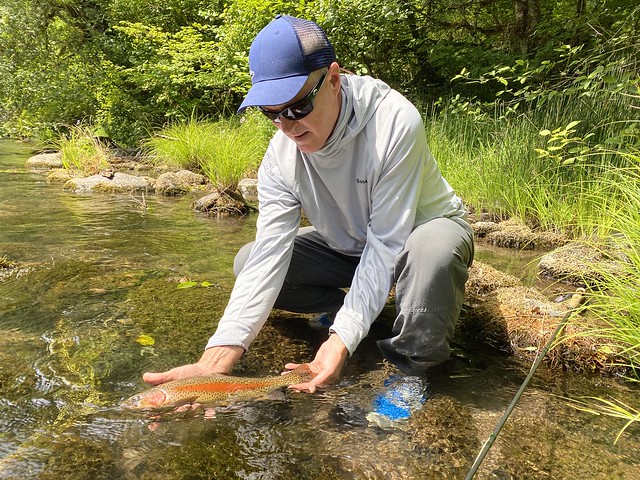
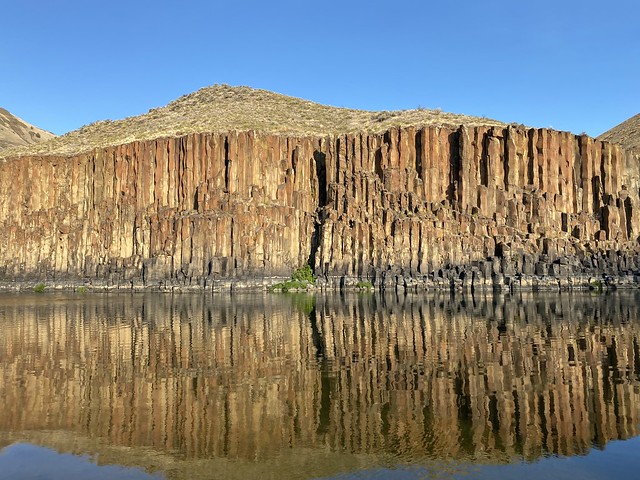
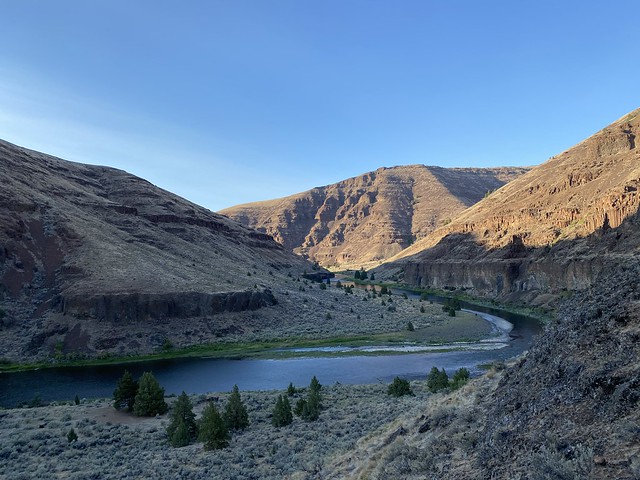
Hearing rumors the famous July caddis hatch had returned I assembled a few of the Technical Men’s Conference members and headed out to find where the truth lies. The river level was 3670cfs which meant nymphing would be ideal, the early morning or late evenings could allow a nice platform for a caddis hatch, and Whitehorse rapid would expose every rock to avoid. We were not disappointed.

DSCF1509

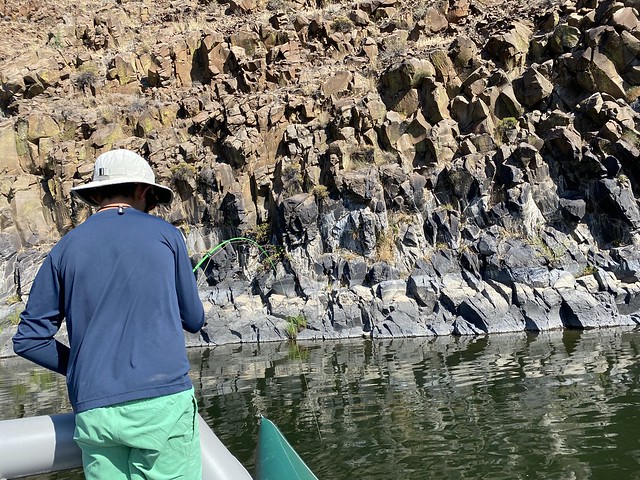
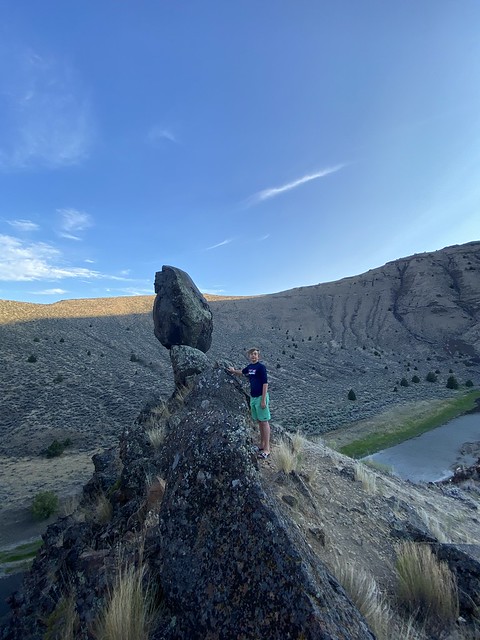
With the Covid 19 restrictions in operation, masks, separate tents, and a host of various disinfectants, wipes, sprays were well utilized. Social distancing was not a problem around camp and easily maintained while fishing.

DSCF1505

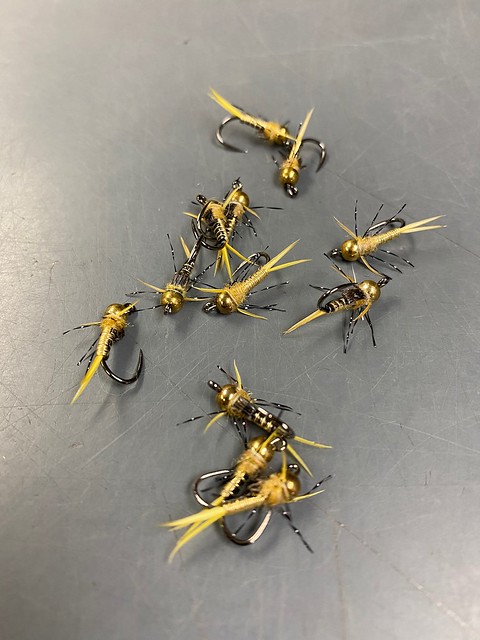
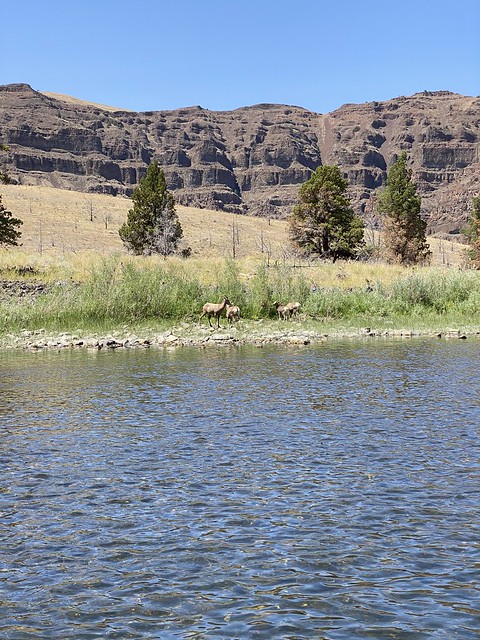
Nymphing during mid day hours was very good. Euro nymphing gave consistent results. A pleasant surprise was the catch rate on the 20 Incher nymph. This fly has proven to be quite productive on the Mckenzie, Metolius and Deschutes.


DSCF1523

The old standbys for Deschutes caddis were proven winners once again: green rock worm, deep sparkle pupa, and X Caddis (tan)

DSCF1520

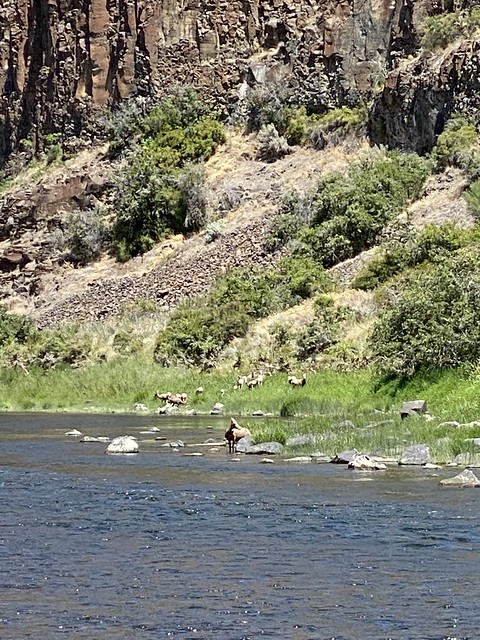
The Deschutes caddis hatch indeed was there, was it as strong as past years….not sure? We had very strong winds on Tuesday afternoon and night which placed the bugs somewhere near Klamath Falls. The wind pushed the fish down the next day (my excuse for catching fewer fish) but fishing picked up the last few days.

The Deschutes, for certain, is undergoing change with regards to water quality and insect life. Years past, trips in July for Caddis were as regular as the stone fly hatch trips. Since the controversial installation of “the tower” in Pelton many things have changed. It is important all Deschutes anglers become aware of issues facing the Deschutes. The folks a the Deschutes Alliance are “fighting the good fight” to bring the Deschutes back to a better place. Get informed and get out there….it’s a great river!

Lou V.

Posted in Eastern Oregon, Fishing Porn, Fishing Reports | 2 Comments

Bravo to Nautilus!

Nautilus-Donald-Trump-White-House-Reels

From: Angling Trade Magazine

Reel manufacturer recognized by The White House… and they brought custom “No Pebble Mine” and “Captains for Clean Water” reels with them.

Here’s the release from Nautilus:

On July 2, 2020, Nautilus Reels was honored by President Trump at the White House at the Spirit of America Showcase. Among eight companies recognized by the President, Nautilus was honored to receive this recognition.

The Spirit of America Showcase is an event that brings attention to industry-leading companies that manufacture in the United States. From the beginning, Nautilus Reels has made all of their reels in the U.S. while also supporting U.S. companies. In addition to designing and manufacturing their reels in Miami, aluminum and major components for the reels are sourced from across the U.S., and some parts are outsourced to machine shops in Ohio and Massachusetts. The anodization work is done in Florida, Rhode Island, and Pennsylvania, and all reels are assembled on U.S. manufactured CNC machines in their Miami factory. Additionally, Nautilus Reels is also known for supporting local fly fishing shops across the United States and worldwide by only allowing sales to take place through those small businesses and their websites.

At the White House, Kristen Mustad and Charlotte Gonzalez of Nautilus Reels showcased several Nautilus reels and also spoke to President Trump. For Nautilus, it was rewarding to be recognized by a sitting president while also having the opportunity to bring important issues to light.

“Nautilus is well known for being outspoken about important environmental issues, and we could not pass up on an opportunity to bring concerns about key issues to the White House,” states Kristen Mustad of Nautilus Reels. “In addition to a White House reel, we brought a customized No Pebble Mine and a Captains for Clean Water reel to display and show the President. We also made clear in our statement that we all have a responsibility to protect the environment, and conservation and preservation are core values of Nautilus Reels.”

For Charlotte Gonzalez, the recognition from the White House is a testament to years of hard work and unwavering values at Nautilus. “It was an honor and privilege to have been the company selected among others in our industry,” she states. “It reassures us that Nautilus continues to be the top fly fishing reel manufacturer while maintaining our values.”

Nautilus reels are proudly made in the U.S.A. by a multicultural and diverse group of people. As an equal opportunity employer, Nautilus is strengthened by its diversity.

1253886126

Posted in Fly Fishing Gear Review, Oregon Conservation News | Leave a comment

Warm Temperatures and Low Flows – Summer Tactics for Fishing in the Willamette Valley – July 2020
IMG_2454

The McKenzie and Willamette Rivers have settled into summer low water stages and mid day fishing has slowed a bit. Fishing has remained solid morning and evening with a variety of bugs and tactics. As the sun moves directly over the river fish go deeper and Euro Nymphing tactics have been best.

png

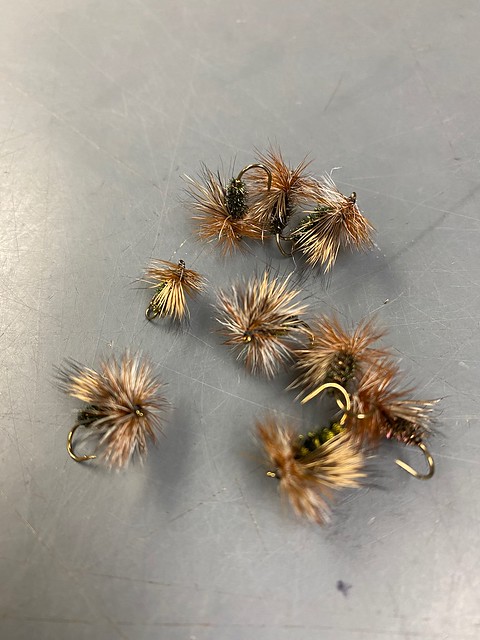
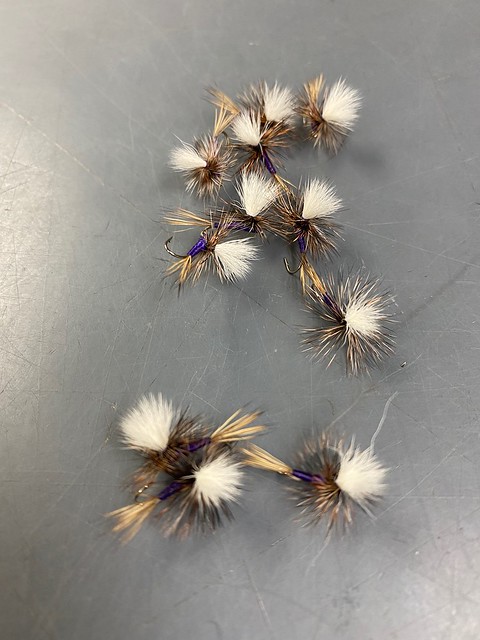
Water temps are still cool and one can still find fish on the surface early and late. Best dry fly patterns for the McKenzie and Willamette include Tan Caddis #14 and #16, Parachute Purple Rooster #14 and 16, Parachute Adams in #14 and #16, Little Yellow Stone Fly Patterns in #16, Elk Hair Caddis Yellow in #16. For mid day tactics use a smaller Chubby #10, with a smaller dropper nymph #14 as your searching tactic. Focus on drop offs and fast oxygenated water.

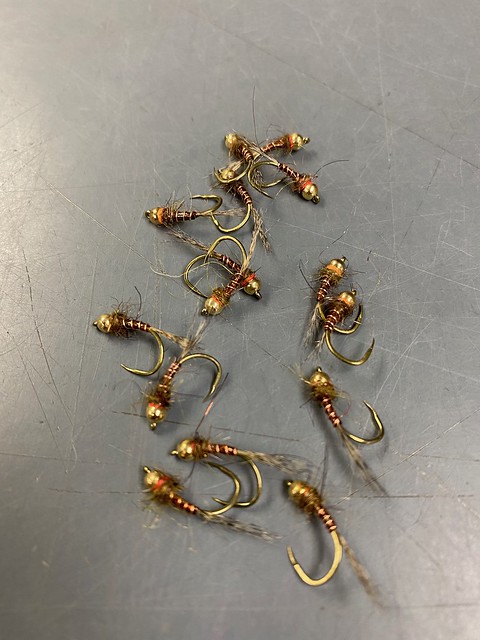
For Euro tactics look for “deeeeep water” with a fast walking speed and bedrock slots that offer fish protection from sun and birds. Make sure you are using 5x tippet to your last fly. Keeping everything from your sighter tippet down in the 4x and 5x range will facilitate sink rate and stealth. Try Jigged 20 Inchers, and slender jigged flies like Loren’s Stud, Hindmarsh’s Pleaboi and Dally’s Tailwater Jig.

png-1

At only 480 CFS most of the boat traffic is off of the Middle Fork of the Willamette between Hills Creek Dam and Lookout Point Reservoir. Wading access is way easier at this flow and anglers can even cross the river in places. Fishing above Hills Creek is also worth a look. Similar patterns as the McKenzie are working well on the Middle Fork.

Posted in Fishing Reports, McKenzie River, Middle Fork Willamette River fishing | Leave a comment

Jay’s River Muddler Steelhead Fly

In this video, Jay Nicholas ties a summer fly effective for swinging, skating, and fishing for summer steelhead.

The river muddler is a fly effective on western rivers such as the Umpqua, Rogue, and the D. Watching this fly get taken down by a steelhead may change your life forever and set you on a quest chasing these beast for a life-time. Tight Lines!

Screen Shot 2019-06-09 at 8.18.13 AM

Hook: Gamakatsu B10 Sizes 2,4,6
Thread: Veevus GSP 150D or Danville 210D
Glue: Loc Tite Brush On
Body: Senyo’s Fusion Dub & SLF Dub
Collar: EP Invader Brush 2.5″
Wing/Head: Premo Deer Hair Natural

Tying Tools:
Dr. Slick Curved Scissors
Stonfo Hair Packer
Stonfo Razor Blade Holder

Posted in Fly Tying, Fly Tying Materials and Supplies | Leave a comment

Restoring a Wild and Free Klamath River

Screen Shot 2020-07-11 at 5.22.31 AM

From the Native Fish Society

Take Action to encourage the Federal Energy Regulatory Commission to approve the transfer of dam surrender to Klamath River Renewal Corporation. This is the final step to start the process and preliminary projects to remove the four dams on the lower Klamath River.

Over the past four decades, advocates, conservationists, and tribal nations have set forth to restore a free-flowing Klamath River. Winding its way from south-central Oregon through northern California, the Klamath River has been impeded by hydropower dams since 1903. These dams have had undeniable negative impacts on the entire Klamath ecosystem—including fish, habitats, and communities. It’s time now that we all support and speak up sharing our voice to remove the harmful dams on the Klamath River.

At present, the four lower dams on the Klamath are scheduled for removal. Klamath River Renewal Corporation, a private non-profit created to oversee and organize the removal of the dams, submitted their final budget to the Federal Energy Regulatory Commission on February 28. Budget approval and an overview of the plan from a private board of consultants marked the final steps necessary for dam surrender applications. The dam-removal project now lies in the hands of FERC to approve and move forward.

Drawdown of the dams will start in 2022, with preliminary projects starting this summer. Native Fish Society strongly supports the immediate removal of the four lower dams and advocates for the project timeline to continue on track.

The current plan to restore the Klamath River includes rebuilding the hatchery infrastructure at Fall Creek Hatchery near Yreka, California. Under this plan, hatchery operations will continue for eight years after dam removal.

Native Fish Society and others are advocating to ensure other options are presented for the future of the Klamath. A no-hatchery alternative would benefit the ecosystem and write a completely new chapter in river and wild fish restoration history.

This prized river needs our help. Regardless of your homewaters, please visit Reconnect the Klamath and take action. At this website, you can follow a step by step process to submit comments to the Federal Energy Regulatory Commission to support dam removal. Although FERC requires more steps than usual to submit a letter of support, it is not as cumbersome as it may look. It will take five minutes or less to complete.

Please consider advocating for the restoration of the Klamath River. We fully support all non-government organizations, tribal nations, and agencies working to move this project forward creating wild healthy fish, a free-flowing river, and thriving local communities.

Please visit the Wild & Free Klamath River Campaign page to learn more. For any questions please email Kirk Blaine at kirk@nativefishsociety.org

Check out Kirk Blaine’s blog report on the Klamath Basin here: Klamath Basin

Posted in Oregon Conservation News, Southern Oregon | Leave a comment

San Juan Worm – Beginning Fly Tying Series

In this video, Greg ties a simple San Juan Worm fly pattern with information for beginning tyers.

Effective for trout throughout the West, this controversial fly is great for beginning fly tyers to practice their techniques with pinch-wraps and uniformed thread foundations.

The San Juan Worm has many options such as beads for weight, colors, sizes, lengths, and much more. Use it nymphing or suspended under a dry fly for better luck.

Thanks for watching.


Hook: Daiichi 1120 Size 14
Bead: Optional Size to Match
Thread: Uni-Thread 6/0 Color to Match
Body: Micro (Thin) Chenille Color to Match
Head Cement/Lighter

Posted in Classes and Instruction, Fishing Porn, Fly Tying, Fly Tying Materials and Supplies, Uncategorized | Leave a comment

Squirmy Wormie Fly Tying Video – Beginning Fly Tying Series

In this video, Greg ties the effective, deadly, and controversial Squirmy Wormie Fly.

Used in competition with jig hooks, tungsten beads, different colors & sizes the Squirmy Wormie Fly has proven its effectiveness throughout the world.

The material does require some practice to get it down and you should not use head cements, because the material will dissolve. UV glues would be better as they will not settle into the material.

Screen Shot 2019-06-26 at 2.22.07 PM

Hook: Daiichi 1120 Size 14
Bead: Opitional
Thread: Uni-Thread 6/0 color to match
Body: Squirmy Wormie color to match

Posted in Classes and Instruction, Fishing Porn, Fly Tying, Fly Tying Materials and Supplies, Uncategorized | Leave a comment

Tips on How to Care for a Fly LIne – Plus Tips on Dying Fly LInes

Tips on How to Dye and Maintain a Fly Line

These fly lines were the subject of my best efforts to impress a different color than the manufacturer intended. Some are SA lines. Some are Airflo Lines. My dye of choice was and will always be Rit All Purpose  Dye.

These fly lines were the subject of my best efforts to impress a different color than the manufacturer intended. Some are SA lines. Some are Airflo Lines. My dye of choice was and will always be Rit All Purpose Dye.

We receive many questions from clients regarding how to take care of their fly lines and these questions include people asking how to dye them.

One of our Caddis Fly clients emailed recently to ask a question. The question was simple but complicated at the same time, as are many of the most insightful issues in fly fishing.

“I’ve heard that you have some experience with this,” he said, and wondered if I would be willing to share my thoughts.

Of course, I stalled, knowing it would be days (weeks before I had time to give the topic a solid answer. So rather belatedly, here is my answer.

Why would anyone want to dye a perfectly good fly line?
One might assume that the fly line manufacturers design and construct fly line color schemes with a solid science-based formula to guide them. From what I have understood, this is only partly true.


Theis 444 Cortland Floating Peach Fly Line by Cortland was my constant companion on the Deschutes during the 1970s and 80s.

Theis 444 Cortland Floating Peach Fly Line by Cortland was my constant companion on the Deschutes during the 1970s and 80s.

I remember when fly lines were yellow, orange, peach, brown, green, & white.

Not white, actually, but ivory. My first fly line in about 1962 was actually a woven orange silk line of my father’s purchased in about 1940, before he re-enlisted in the US Army. This line was dressed with an oily coating. The line floated a little. The line was a hand me down from my father’s pre-WW II collection from Montana. My first store-bought fly line by Scientific Anglers in about 1963 was from an East Side Portland Sporting Goods store (the name is on the edge of my memory) where gallon jars of Okie drifters lined the shelves behind the counters and Paulson’s Flies were sold in little hard plastic hinged boxes.

These were SA Air Cell fly lines, and they were simple brown double tapers, with no loops and no size labels. We tied on backing with an Albright or nail knot (with a nail). We used a figure 8 knot to attach a leader with a pre-tied perfection loop.

I graduated up-scale in perhaps 1965 to a Scientific Anglers Air Cell Supreme, an Ivory floating fly line rated DT6. This line was for my 6 ft 6 wt Phillipson two-piece rod purchased at Norm Thompson’s in Portland.

Why would anyone want to dye a fly line? Here are the key reasons I’m aware of.
1. They dislike the native color of the line they have purchased.
2. They want to disguise the type of line they are fishing from other anglers nearby.
3. They believe a certain line color will be stealthier.
Let’s look at each of these points.

If you dislike the native color of your fly line, don’t feel like you’re alone. Some fly line colors are what they are simply because the manufacturer had to use a distinct color to identify the differences between fly line models. If one fly line is tan with olive, the next model can’t be the same, so how about pale yellow and green? No? Because another line model is already that color, so I guess we will use bright yellow and brown. So, the fact that every model must have different color patterns will inevitably leave us, as angler/consumers, with a fly line or two or three that we don’t like color-wise.

This is a fly line that is objectively bright yellow and green, buit oddly i do like these colors.

This is a fly line that is objectively bright yellow and green, buit oddly i do like these colors.

If you are trying to disguise the color of your fly line, you might be a west-coast salmon fisher. Or you might be a still-water steelhead angler, or a lake-nymph trouter. These classes of flyfishers tend to be secretive to the extent of being funny, except the secrecy and paranoia is real. So these anglers are likely to dye any fly line that could be identified by its native color pattern – in order to confuse nearby anglers regarding the sink rates and depths they are fishing.

If you believe that a particular fly line is spooking fish, you might want to dye it a different color. You can turn light colors dark but the number of colors that you can impart into a fly line is limited to a few olives, greens, maybe greys, and brown to varying degrees. Personally, I am not sure what I think about line color spooking or not-spooking fish.

I know that fish are able to detect the presence of our fly lines. I say this out of decades of experience rather than scientific experiments. There are exceptions of course. A river dry fly angler, making upstream presentations with light long tippets must execute the cast so that no fly line lands or crosses the trout’s field ov view. The case might even need to lay the leader outside the feeding lane.

But the lake and river trout fisher’s world is different from the angler throwing hollow flies to feeding stripers or two-inch anchovy flies to albies. Salmon and steelhead anglers encounter a wide variety of scenarios too, and some allow us to present only fly to the fish while other situations make it such that the fish will certainly see our fly line as well as the fly.

I’ll summarize my thoughts regarding fly line color here.
1. Ultimately, I try to present the fly to the fish first, rather than showing my fly line first.
2. Even though I’ve been reminded by the experts that all fly lines look the same to a fish that is laying under the line (they all look dark against the bright sky above the water).
3. I do not like bright fluorescent colors. These would be OK with me if I was fishing at night, but daytime fishing with these bright-line colors seems offensive to me.
4. The note regarding fluorescent colors does not apply to shooting lines or saltwater environments, but overall, I will shy away from the bright colors if I can.

This is a Scientific Anglers Sonar Sink fly line. The dark front taper of the line gets close to the fish, the rear red portion does not. And anyway, I do not think my Rit Dye would effectively penetrate the red portion of this line. Just a guess, but why would I try.

This is a Scientific Anglers Sonar Sink fly line. The dark front taper of the line gets close to the fish, the rear red portion does not. And anyway, I do not think my Rit Dye would effectively penetrate the red portion of this line. Just a guess, but why would I try.

How can a fly line be dyed if you want to?
Here is the full extent of my limited experience.
1. I’ll first note that you might not be able to dye all fly lines. All of the older traditional line coatings would absorb dye, but many of the new lines might not.
2. Whatever dye you choose must not damage the line coating or core.
3. Light colors have the potential of being dyed to a darker shade, but dark shades can never be rendered light without compromising the line or core.
4. Veniard dyes were once very popular with fly tyers dying feathers and fur. I suppose fly lines could be included as potential targets for soaking and color transformation.
5. My best and most consistent result dying fly lines was with Rit Dye.
6. The link to the Rit Website and how to dye instructions is here.
7. Rather than follow the official instructions, I always just dissolved some Rit Dye in water and threw my coiled fly line in the liquid.
8. My vessel of choice was usually a large ceramic or Pyrex bowl.
9. On a few occasions, I have poured a packet of Rit Dye powder into a clean toilet bowl and soaked my coiled fly in the toilet, literally.

My favorite target to dye was the Scientific Anglers Sink I Shooting Taper. This fly line is a pale blue that can be recognized clear across the estuary. When I was younger and more foolish than I am today, I would always dye my T-I SA heads dark green (T-III) or gray (T-IV and T-V).
I have long abandoned dying any of my lines. Too complicated for an uncertain outcome.

This is an OPST Commando Smooth Fly Line. The super bright portion of this fly line is way too bright for my personal preference, but I realize that it is not even close to the fish i am targeting, so I do not care to dye this line.

This is an OPST Commando Smooth Fly Line. The super-bright portion of this fly line is way too bright for my personal preference, but I realize that it is not even close to the fish I am targeting, so I do not care to dye this line.

What about transparent fly lines?
When given the option, I always prefer a clear tip, unless the tip is too thick, and then I prefer a thin dark tip over a thick clear tip.

Tips on caring for your fly line

These are all common-sense admonitions we have all l heard but few of us execute. Here are the reminders for anyone who wants fly lines to last longer and perform better. Some of the issues I will mention are repetitive. Please excuse me, but all of these reminders aren’t any help at all if not accomplished.


  • Clean your fly line. I have been told that I should wipe and wash down my fly line after each use. When I was younger, I did my own version of daily, or at the very least weekly cleaning and re-spooling. As my stamina has declined in the last few years, the attention that I have given to routine fly line maintenance has declined markedly, but anyone who can do so should heed this advice. Floating lines will float better, sinking lines will sink better. Every fly line will cast farther and last longer if they are kept clean.
  • It is OK to leave lines on the reel if they are first cleaned, stripped off, allowed to un-twist, and then re-wound under very light pressure.
  • Backing should be inspected, replaced if necessary, allowed to dry, and re-spooled neatly. Reels fished in saltwater should be thoroughly soaked to get salt dissolved before storing for the next season.
  • Un-spooled lines should be stored in Zip-Lok baggies of the freezer variety, but only after they are fully dry and labeled if necessary.
  • Lines can be stored on Omni-Spools when not in use, and to keep reels in service, but they should be reeled onto the Omni-spool lightly and after cleaning, un-twisting, and drying.
  • Make sure your line is dry before you bag it.
  • Label your line if necessary
  • Get the twist out before you store your line


Inspect your line for damage.

Aside from cleaning your line and storing it properly, it is essential to inspect your fly line for nicks, cuts, scrapes, and so forth. These could be superficial, but they could be the sign of a fly line that is about to fail at a crucial point in an extended battle with the fish of a lifetime. This might be a little of an overstatement if you are inspecting a 3-weight line that will be fished in a high mountain creek, but for an 8-weight fished in estuaries, the matter is serious.

I hope that these notes about dying fly lines help, or entertain, or both – and wish you all well.

Jay Nicholas
July 2020
Posted in Classes and Instruction, Fly Tying Materials and Supplies | 2 Comments

Jay Nicholas Revised Tips on Tying a Short Hollow Deceiver Fly

In this video Jay ties a short “Hollow Style” deceiver pattern.

Here he ties a Hollow fly which is much smaller and shares his years of experience tying these beautiful flies. A universal fly for bass, pike, musky, salmon, just about anything. Tie them in different colors. Strip em, drag em, dip em.

Screen Shot 2019-07-19 at 11.15.44 AM

Hook: Ahrex PR320 Predator Stinger (Jay prefers a longer shank)
Thread: Veevus GSP 150D
Lateral Scale: As preferred Krystal Flash, Flashabou, Etc.
Wing: Bucktail (slight crinkle, longer vs. shorter)
Cement: Hard as Hull, Zap a Gap, Loctite
Head Cement: Solarez Bone Dry
Eyes: Hareline Real Fake Jungle Cock
Tool: Jawn

Posted in Fly Fishing Gear Review, Fly Tying, Fly Tying Materials and Supplies | Leave a comment

Tips on Tying Hollow Flies with Jay Nicholas

In this video, Jay discusses materials such as buck-tail, hackle, and hook selection to tie beautiful hollow flies for big fish.

Discussions include building stations on the hook, tying & selecting buck-tail, hackle incorporation, and much more.

This fly is for salmon and albacore. Get out the big rods!!!

Screen Shot 2019-06-18 at 12.52.55 PM

Hook: Ahrex NS156
Thread: Veevus GSP 150D-200D
Adhesive: Loc Tight Brush On
Tail/Body: Bucktail
Flashabou
Eyes: Pro Tab Eyes
Head: Copic Marker
Solarez Bone Dry

Posted in Fishing Porn, Fly Tying, Fly Tying Materials and Supplies, Oregon Salmon fly fishing, Oregon Saltwater Fishing | Leave a comment

Patagonia Swiftcurrent Waders – Product Review

IMG_5043 2

Unaware to most of us, Tim, our spey casting guru had been field testing these waders for almost a year now. These new waders are the best designed wader on the market. They have excelled at comfort, durability, and fit. Listed below are the features of the most innovative designed waders from Patagonia.

Recycled Materials
Construction with Patagonia proprietary innovative 4-layers fabrics, the Swiftcurrents are the most durable, puncture-resistant and comfortable waders they have ever made – and new, every wader in the Swiftcurrent line is transitioning to 100% recycled face fabrics.
Single-Seam Construction
Unique patterning create a more durable, tapered, athletic fit that moves better in and out of the water.
Gusseted Crotch
Enhances fit, movement and durability by eliminating complex seam taping.
H2No® Performance Standard
All fabrics have been passed Patagonia’s rigorous H2No® Performance Standard and durability, waterproofness and breathability.
Advanced Features Sets
Features include Lightweight Black Hole fabric scuff guards and trims, updated EZ-Lock suspender systems and Patagonia Secure Stretch wading belt. New wading belt with better fit and hold multi tools better, also front belt loops
Innovative Booties
Anatomical booties on the expedition and midweight Swiftcurrents have a sock like fit, resist compaction and are poly grid-lined for warmth.
All front pockets can close, so no catching while rowing or casting.
at adjust for custom fit.

New Models include:

SwitftCurrent “Standard” Model
SwiftCurrent Packable
SwiftCurrent Expedition Zip
SwiftCurrent Expedition
SwiftCurrent Pant Wader

Swift 1

Pat 9

Pat 1

Pat 4

Pat 15

If you have the opportunity, come to shop and see them or give us a call at 541 342 7005 if you have any questions.

Posted in Fly Fishing Gear Review | Leave a comment

Adhesive Eyes for Fly Tying – Nicholas’ Guide to Matching Hook and Eyes Sizes

Eyes for fly tying. Big eyes. little eyes. All colors you can imagine. Here is your single source of how to select the proper eye based on hook and fly size.

Eyes for fly tying. Big eyes. little eyes. All colors you can imagine. Here is your single source of how to select the proper eye based on hook and fly size.

Welcome to the World of Adhesive Eyes for Fly Tying
This blog post is created to serve as a guide for fly tyers who need recommendations for matching the size of adhesive eyes to hooks, deciding what length of fly might look right with different eye sizes, and pairing Fish Skull Fish Masks with hook and eye sizes. I’ll also provide tables to convert inches to mm and mm to inches.

The fly shops and catalogs are stuffed to overflowing with adhesive eyes. We have size options, color options, pupil options, and the combination of choices that are so complex that it can be difficult to make decisions. What size eye will fit on corresponding hook size. Do I want a round pupil? What about a horizontal pupil? Should I try the asymmetric elongated horizontal pupil eyes? Are yellow eyes better than red or silver or pearl?

Are there too many choices in adhesive eyes?
Of course not. We are, after all, creative artists when we sit at the fly tying bench, and the availability of different sizes, colors, and shapes of eyes only provides us with a wider range of options for how we may adorn our flies, and it also allows us more choices when it comes to imitating specific baitfish, on the presumption that our target fish species are feeding selectively.

Here’s what you will find in the remainder of this post.
1. Inches to mm Conversion
2. mm to Inches Conversion
3. Recommendations for Hook size – Fly Length & Eye Size in Inches
4. Recommendations for Hook size – Fly Length & Eye Size in mm
5. General considerations regarding adhesive eyes for fly tying
• Does the glue, epoxy, or UV cure matter?
• Saltwater vs. freshwater hooks
• Are labeled sizes accurate?
• Are the adhesives sufficient to secure the eyes on a fly?
• Is pupil shape crucial to fly effectiveness?
• Does eye color make a difference to fly effectiveness?
• Can Fish-Skull Fish-Masks be used with different eyes?

First, Let’s run through the metrics of converting inches to mm, and metric to English measurements, in the following two tables.

Inches to mm Conversion

Inches to mm Conversion Screen Shot 2020-06-13 at 9.30.36 AM


mm to Inches Conversion Screen Shot 2020-06-13 at 9.34.35 AM

Now, let’s review my recommendations for deciding what size eyes are best for different hook sizes.

Recommendations for Hook size &
Fly Length & Eye Size in Inches

inches eye recommendations fly tying Screen Shot 2020-06-13 at 9.37.07 AM

General considerations regarding adhesive eyes for fly tying.
There is more to the process of tying flies with adhesive eyes that merely getting sizes matched. Here are some of the questions most tyers ask about using these eyes.

Does the glue, epoxy, or UV cure matter?
Yes. This is a crucial factor, and the best advice I can offer is that the smaller eyes require a thinner consistency of UV cure and the application of less cure to the fly. Application of Fish-Skull Fish Masks generally requires some sort of superglue, like Zap or Lock Tite. I tie more with eyes secured to my streamer with a big head formed of UV cure, usually Solarez. These UV resins can be made thinker by placing the bottle in a bowl of warm water and being careful that the bottle does not tip over in the bowl.

Saltwater vs. freshwater hooks
The hook-size recommendations I have made here are based entirely on saltwater hooks, or on the largest of freshwater hooks that might be used on a giant pike, alligator, and musky flies.

Are labeled sizes accurate?
This is a quality control issue. My opinion in this regard is that, yes, the sizes are accurate within a batch of eyes produced in a specific product run. These might be a hundred thousand cards with a dozen eyes on each card, and I doubt that the size varies at all within this product run. As with most products of low value and big number, the size of eyes from one production run to another might vary. On the whole, however, the advertised size is probably pretty darn accurately labeled.

Are the adhesives sufficient to secure the eyes on a fly?
No. The adhesives on the back of these fly tying eyes are adequate to hold them on a paper backing, but they might slip off a plastic sheet. I find the adhesive is usually OK to lightly hold the eye in place while I add some other glue or UV cure to make a more permanent bond on the head of the fly.

Is pupil shape crucial to fly effectiveness?
Honestly, I do not know. I usually fish the round-pupil eyes, but will tie with any eyes I have handy on my fly bench. I do not like to tie a set of a dozen flies with three different styles or sizes of eyes, but that is my OCD squeaking-out, rather than knowledge of how the fish will react. My advice here is to consider your intuition as well as whether or not you are trying to imitate a particular baitfish when making this choice.

Does eye color make a difference to fly effectiveness?
My opinion is that eye-color is more important to the angler than to the tyer, but some of my friends claim that some eye-colors induce more strikes than others. I leave this one in your hands to decide. Yellow eyes are common on some baitfish, and red colors could imply an injured prey. The palate of colors we have at hand in the fly shops is worth taking advantage of in you have any interest whatsoever.

fish-masks-70.png

Fish-Skull Fish-Mask Size V. Hook Size V. Eye Size

Fish-Skull Fish-Mask Size Screen Shot 2020-06-13 at 9.42.41 AM

Can Fish-Skull Fish-Masks be used with different eyes?
Sure, but finding a good match is tricky, so unless you have several packs of eyes laying around that you can experiment with, I recommend ordering the Fish-Skull Living Eyes so there is no chance of getting an imperfect fit.
________________________

My Best Wishes to all, and my hopes that the information in this post is useful.

Jay Nicholas, June 2020
Posted in Fly Tying | 2 Comments

Bonefishing at Davis Lake Oregon

IMG_9465

Strip, strip, strip, strip, stop, strip, he sees it, wait, you got him! No need to get on an airplane to chase cruising fish in shallow water in the Caribbean, you can simply drive up to Davis Lake.

IMG_5622

The Lake is super low. I had to walk my boat through the Odell Creek Channel in spots. Calm mornings give anglers opportunities to spot cruising fish, cast super long leaders and catch really nice rainbows in challenging conditions.

IMG_1451

IMG_1463

Using a floating line an 18ft leader tapered to 5x fluorocarbon tippet, we cast small caddis pupae and small mayfly nymphs to cruising and rising fish from 7am to around 1:30pm. Once the sun go high the fishing seemed to really slow. Could be the sun angle beating down on the fish mid day.

Good patterns to have:
Bead Head Ascending Caddis
Epoxy Back Callibaetis

IMG_1430
Alain’s BH Swimming Baetis

IMG_1433

Posted in Fishing Reports | Leave a comment

McKenzie River Hopper Dropper June 2020

In this video, Hayden chases down a beautiful McKenzie River redside trout using a hopper-dropper setup.

June has proven to be an excellent month for fishing the McKenzie. Early June started cloudy with rainy days here and there, but the hatches were wonderful and continue to be.

As the days get hotter, early morning and afternoons are the ticket for the surface action!

Dry Flies:
Chubby Chernobyl Gold, Purple, Brown Sizes 6-10
Parachute Adams Sizes 14-16
Elk Hair Caddis Brown Sizes 14-18
Purple Haze Sizes 10-14

Nymphs:
Mega Prince Sizes 6-10
Possie Bugger Sizes 8-12
Sen’s Improved Jigged Twenty-Incher Jig Fly Sizes 10-12
Jigged Frenchie Sizes 12-14

How To Rig A Hopper-Dropper System

Posted in Fishing Reports, McKenzie River | Leave a comment

New RIO Fly Lines with SlickCast – Product Review

Screen Shot 2020-06-23 at 7.33.48 PM

I have had the opportunity to test RIO’s new RIO GOLD Elite and Premier RIO GOLD lines with SlickCast. The new SlickCast technology is a difference maker in slickness that you can feel from the very first cast. The coating has withstood being ground into the powered coated diamond plate floor of my drift boat better than any line before. After approximately 70 hours of fishing time with the line there is no noticeable reduction in slickness, cracking or any sort of wear. The lines I have fished have floated beautifully and cast even better. For full disclosure I have had The Elite GOLD 5wt on my Winston Air, Echo Trout and Sage X. All of the rods cast the lines great.

I have noticed a couple of fishing situations where the SlickCast has really made a difference. The first is the lines “shootability” from short with a hopper dropper rig, to getting longer quickly with one false cast. The extremely low friction created by SlickCast really does the trick when you want to go from 15ft to 40ft on a bank on a dime. The other situation is fishing a lake with lots of floating algae. The SlickCast lines performed like a new line for the entire time I had in on the lake despite no cleaning. The line remained slick as hell and flew through the guides.

Screen Shot 2020-06-23 at 7.34.10 PM

Screen Shot 2020-06-23 at 7.34.47 PM

Screen Shot 2020-06-23 at 7.34.36 PM

There are eight new fly lines from RIO with SlickCast technology. All are existing proven tapers anglers have come to know and love.

The eight are further divided into two series, Elite and Premier. The key difference between the Elite and the Premier series is Elite lines have low stretch ConnectCore Plus. “ConnectCore Plus provides a radical increase in line durability, coating smoothness and overall performance. ConnectCore Plus stretches 30% less than standard cores, and gives anglers all the benefit of a low-stretch core–enhance sensitivity, less wasted energy and faster hook sets–with a significantly long lifespan.”

SlickCast coated lines are the slickest lines that have ever been on the market. In addition SlickCast continuously releases “slickening” agents that migrate to the lines surface. “This ensures that the line remains as slick as the day it was made–giving anglers many years of high performance and easy distance.”

Additional features to new SlickCast lines are MaxFloat Tip, Surefire triple color marking system, front and back welded loops, DUALTONE and Easy ID.

Elite_RIO Gold_Box

The Elite RIO GOLD is the “gold standard” for trout tapers. Add SlickCast and and ConnectCore Plus and you have the best all around trout line you can buy.

Elite_RIO Grand_Box

The Elite RIO GRAND line is one full line size heavy and perfect for the fast action rods of the day.

Elite_Technical Trout_Box

The Elite Technical Trout line is the ultimate presentation line. Small dries, lengthy casts and perfect presentations call for the Elite Technical Trout.

Elite_RIO Perception_Box

The Elite Perception line is a fantastic easy loading line for a wide range of fly sizes in mid to small sized waters.

Premier_RIO Gold_Box

The Premier GOLD line has the same great taper and SlickCast without ConnectCore.

Premier_RIO Grand_Box

The Premier RIO GRAND is a line size heavy and will cast great on stiffer fast action rods.

Premier_Technical Trout_Box

The Premier Technical Trout is the ultimate presentation line for picky feeders at distance.

Premier_RIO Perception_Box

The Premier Perception line is an easy loading line for a wide range of fly sizes on small to mid sized waters.

Posted in Fly Fishing Gear Review | Leave a comment