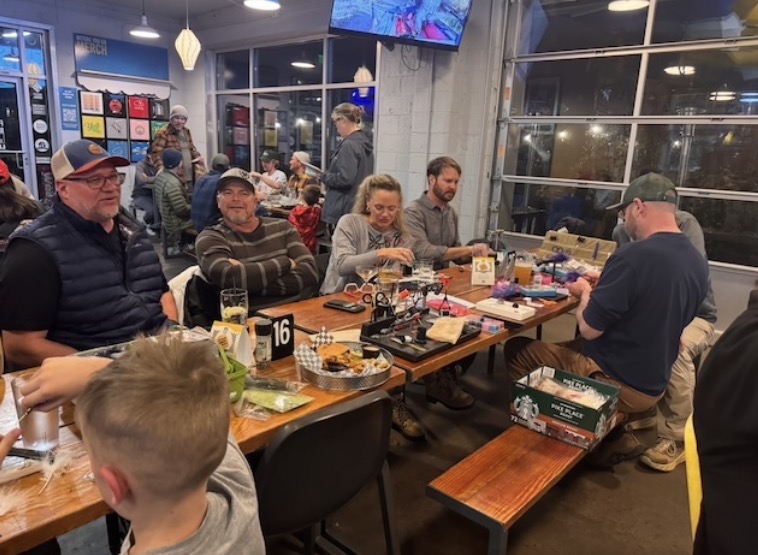
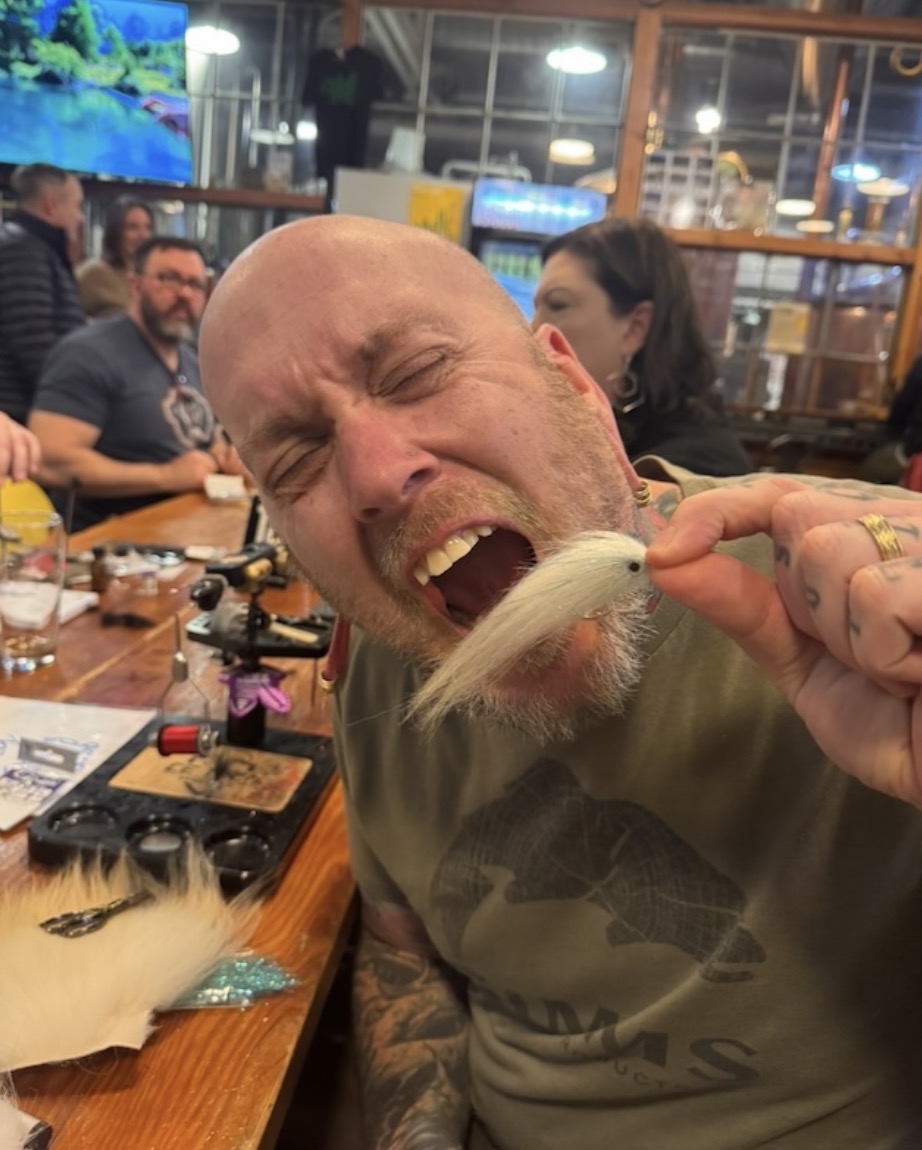
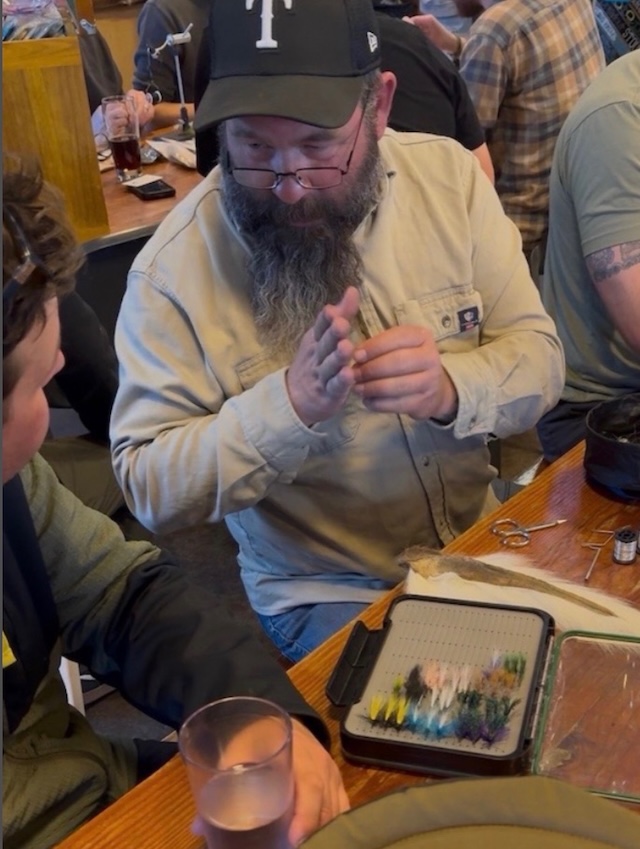
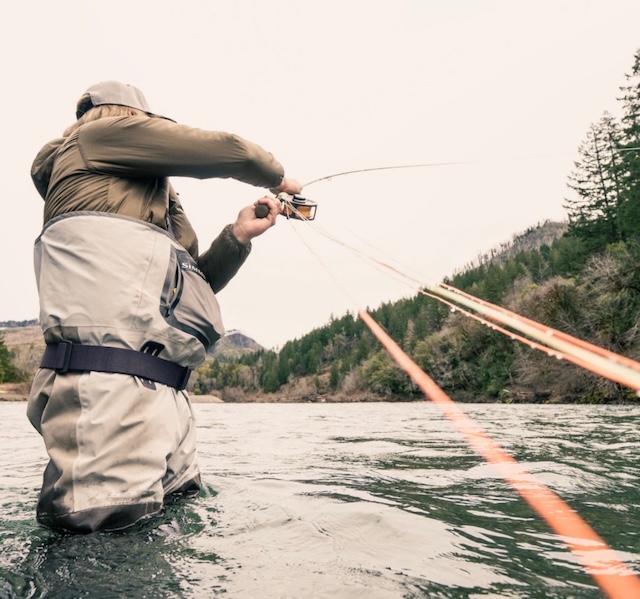
This coming Tuesday the 19th is our monthly Fly Fishing Community Night. Every month, our local community looks forward to gathering at our favorite brewery which has hosted us for over a year: Falling Sky Brewing. Beginners and experts alike are found in the crowd, there are also new faces each month as well as the veterans that have been attending since the monthly event’s inception.
Where: Falling Sky Brewing [1334 Oak Alley Eugene, OR 9740]
When: Tuesday, May 19th at 6:00
What: Fly tying, new friends, prizes, great food, great beer, fly swap, fly tying lessons (must reserve your spot), and connecting with the community.
This past month, our friend Alan Eubanks gave complimentary fly tying lessons to beginners. Again, this month Alan will be hosting an intro to fly tying class sponsored by Caddis Fly Shop. There are limited seats so message our Instagram to reserve your spot, stop by the shop and get your name on the list, or give the shop a ring (541) 342-7005. Alan has been tying flies for decades and is excited to share his wealth of knowledge with eager students. This month he will be pairing down the class size and scope of the class, and will be teaching beginners how to tie a Pheasant Tail Nymph. There are also a plethora of other experienced tiers who show up each month who will be more than willing to lend a hand as well. Again, please reserve your spot if you are interested; we only have limited supplies and for those who want to learn
If you haven’t been to a Community Night, you’re missing out, and we’d love to see you there. It is a great excuse to get together and talk about fly fishing, tie flies, meet new people in the community, usher in newbies, etc. See the bottom of this post for the full schedule for 2026.
Tiers are encouraged to bring their vise and materials and tie flies if they choose. We will still continue with the monthly fly swap for tiers who participate. If you aren’t planning on tying, but want to bring a hand tied fly, you are welcome to bring one from home.
We have gotten in some gifts from our friends at Fulling Mill & Trout Unlimited that we will parcel out to those participating in the fly swap. We won’t give everything out this month, as we will stretch the prizes over the next few months but if you participate in the fly swap, you will have a chance to win something.
Falling Sky has great beer and some very talented chefs working hard in the back. Their burgers and sandwiches are fantastic, if you choose either of those you have to try the truffle fries. They also have a fantastic bacon loaded truffle Mac and Cheese. Stephen, the owner, has been generous enough to host us monthly for a year and a half. He is a fly angler himself and always makes his rounds. Be sure to extend your gratitude to the man who has made this happen every month for well over a year.
We can always expect our regulars to show up monthly. We also encourage new people to swing by. We have had a massive influx of new faces and new anglers, so it is a great time to stop by if you’ve been hesitant. Whether you’re a veteran to community night or brand new, we are looking forward to seeing you Tuesday!
Help spread the word, the more the merrier!
-Simon
2026 Schedule
Community Nights will typically land on the third Tuesday of each month for 2026. Some dates are subject to change, so keep a close eye for updates.
Tuesday January 20th at 6:00
Tuesday February 17th at 6:00
Tuesday March 24th at 6:00 (Initial date of the 17th changed Due to St. Patricks)
There are a handful of destinations around the world that everyone who travels to fish has either visited or is planning to visit. This is one of those places. Luxury meets rustic as you fish your way through 150 miles of named runs while staying at two different lodges during a week’s stay. The main lodge boasts a spectacular, modern post-and-beam facility and offers single-occupancy cabins for up to 12 guests per week (private bathrooms with heated floors).
Morice River
Each guest fishes 3 days (2 nights) out of the Morice River Lodge. We are the only guided fishing operation on the entire Morice River. The Morice River embodies what a wild steelhead system should look like and is laid out as if designed for a spey rod and a dry fly.
Bulkley River
The other 4 days are spent fishing the Bulkley canyons, which arguably have the hottest steelhead on the entire Skeena system. Our specialized logistics and attention to detail make it effortless to fish all this incredible water with ease in one week. Our main lodge matches the highest level of luxury of any fishing operation in the world, while the other gives you that rustic, riverside, campfire vibe you have been craving. Together, over one week, they fulfill every steelheader’s wildest concept of a dream vacation.
Terms and Conditions: Travel to Canada, Insurance, Licenses, and Gratuity not included
Spey Casting guru, fishing guide, Sage and Rio ambassador Jon Hazlett will be instructing two sessions of two handed casting lessons on June 20th. Jon Hazlett is a big name in the scene in general, and especially in Southern Oregon where he calls home.
He will be doing a spey casting clinic on June 20th Locally in the Southern Willamette Valley with two distinct skill classes with two time slots. If you’ve wanted to get in Jon’s books f, but the distance has deterred you, this is a fantastic opportunity.
The morning from 9-12 is an introductory spey class. Great if you’re a beginner or have never even picked up a two handed rod before. The afternoon is an intermediate/advanced class where Jon will help tune up your cast and teach more advanced techniques/theory.
A max of 6 casters, or 6 spots in each class will be available. All equipment will be provided. Anglers are welcome to bring their own rods if they would like. Casting instruction will be on the water at a location to be announced. Space is LIMITED so that Jon can give time and attention to each participant, small classes are Jon’s best way to share his expertise with you.
Class #1: June 20th, 9am-12 Spey Fundamentals ($95) – Spey class for beginners, with the focus being on basic fundamentals, and the introduction of the Double Spey and Snap-T
Class #2: June 20th, 1pm-4pm Intermediate/Advanced Spey ($95) – Spey casters who want to refine their technique, such as the finer points of the D-Loop Stroke, the Single Spey and Snake Roll.
Each class will include hands on instruction, discussion of moderns spey lines, tactics and techniques. John Hazlett has been in and around the two handed rod game since the late 1990s and is an excellent instructor and fly fishing guide. Classes aim to introduce and improve your spey casting skills.
Swing by the shop, or call The Caddis Fly Shop to sign up: 541 342 7005 – Space is limited to 6 casters per session.
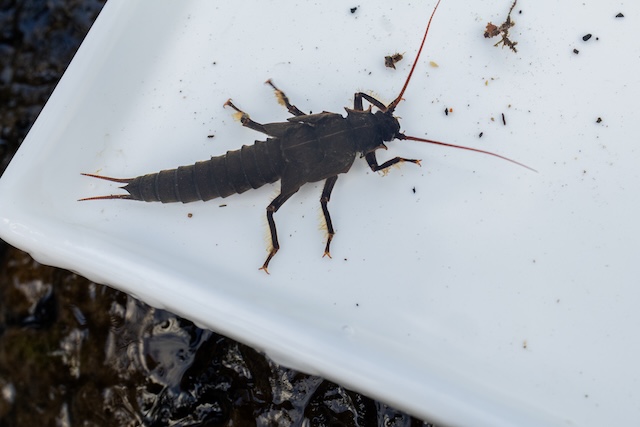
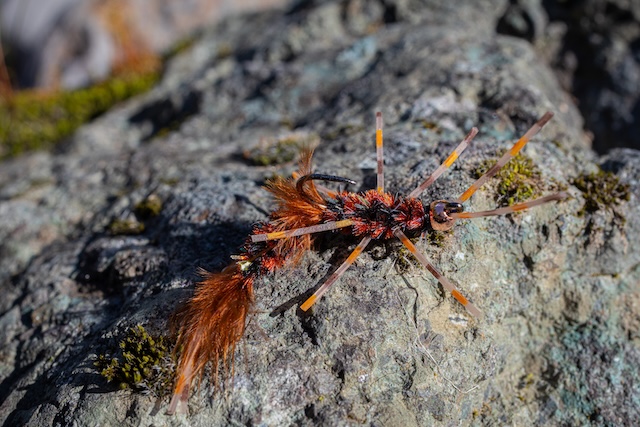
Every spring, giant insects make their emergence from our rivers that they called home for the last 3-4 years. Many know these insects for their winged adult form, which brings fantastic dry fly fishing each spring. This hatch typically kicks off dry fly fishing for the year. The winged adult form of the salmonfly makes up a tiny fraction of the insects lifecycle and what is available to trout to feed on. Salmonfly nymphs are slow growers, taking 3-4 years to fully emerge. That is 3-4 years to get eaten by a trout vs the few weeks that makes up the seasonal hatch of the adults. Therefore, fishing a salmon fly nymph is arguably a greater asset in your box and more effective in terms of timeframe available for trout to feed on compared to a large salmonfly dry. Even during the height of the famed salmon fly hatch, fish are still keyed in on the large nymphs. Large salmonfly nymphs make fantastic searching patterns year round and often move large opportunistic trout.
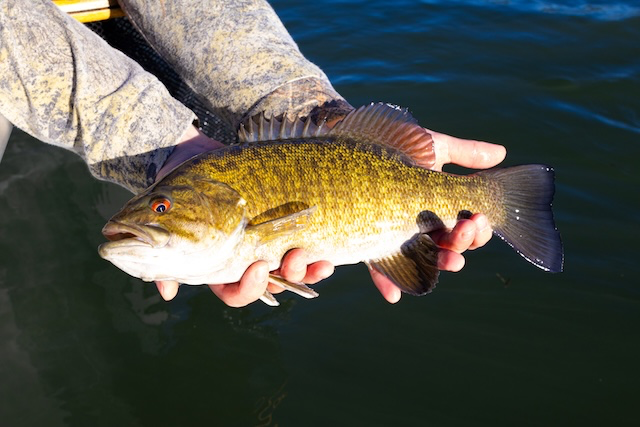
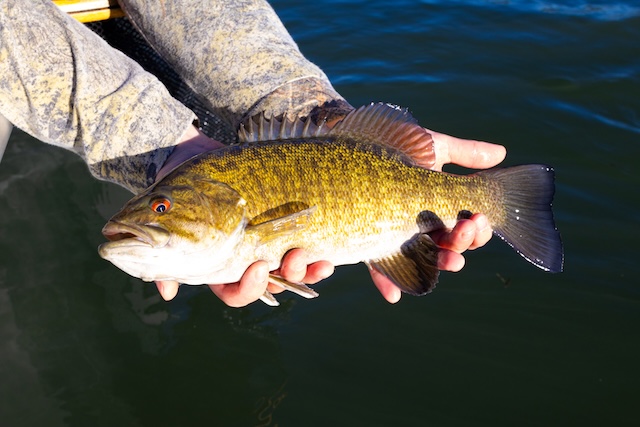
When someone in the Wilamette Valley mentions smallmouth fishing, most people assume that the South Umpqua is the destination. For those a little more daring, the John Day may come to mind, but it is a bit of a drive. Many local anglers overlook the smallmouth that make our valley reservoirs home. These venues are closer and can produce as many fish as the Umpqua and the John day. Believe it or not, the average size of fish can often be better close to home as well.
There is no one who knows these venues more intimately than our local stillwater guide, Adison Rook. Adison is a master of stillwater angling both in the valley, and in our high Cascade lakes. He has put years in to learning the stillwater game and it shows with his deep understanding of lake geography, Entomology, fish behavior, angling techniques, etc. It is no wonder that Adison feels at home at many of the famed bass and trout stillwater venues across the Northwest.
I’ve spent a number of days in Adison’s boat, and being largely a river/small stream angler, I am always out of my element floating on a lake. Adison’s deep understanding of stillwater dynamics reminds me, every time, just how in the dark I am when it comes to fishing lakes. This year, we are really leaning into Adison’s expertise to share his deep knowledge of stillwater angling with all of you across the blog here, and our social media platforms.
I grew up in the Midwest primarily fishing lakes and ponds, so naturally I gravitate to moving water as it is something different. Switching gears and fishing the valley lakes more this spring has opened my eyes to just how lucky we are having these reservoirs close to home.
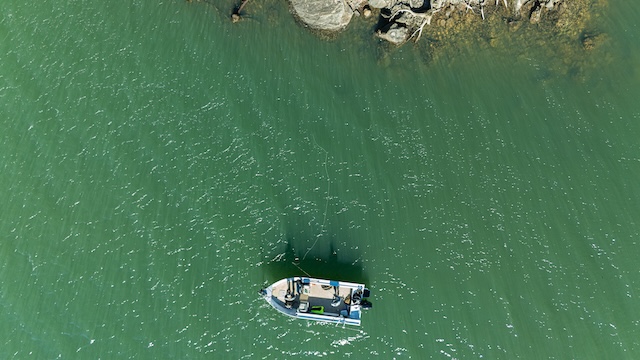
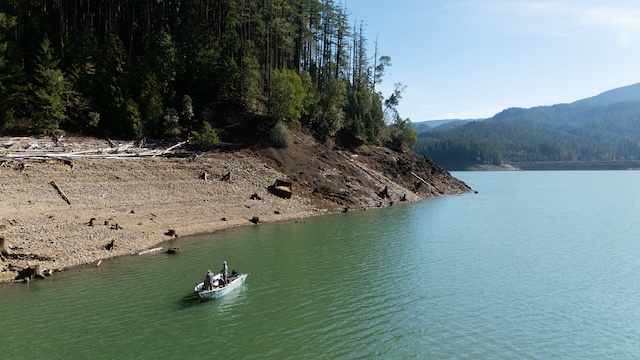
Note the proximity to the bank
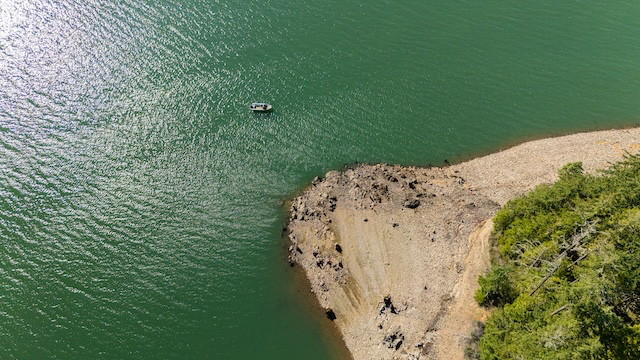
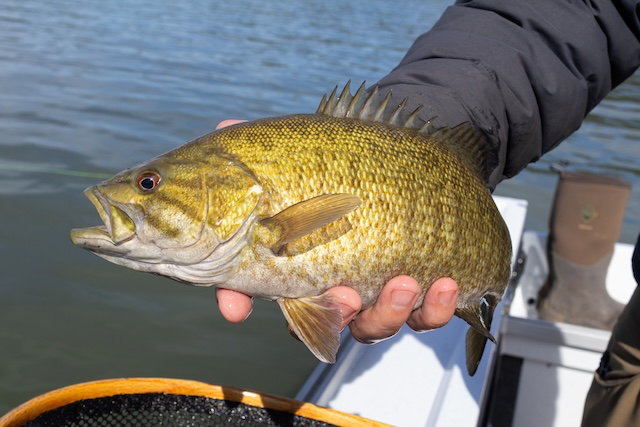
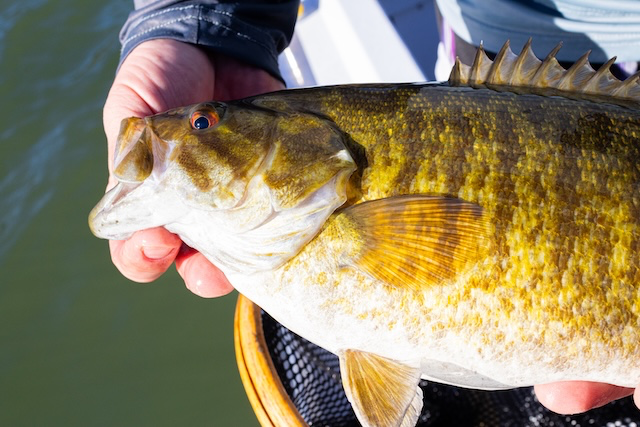
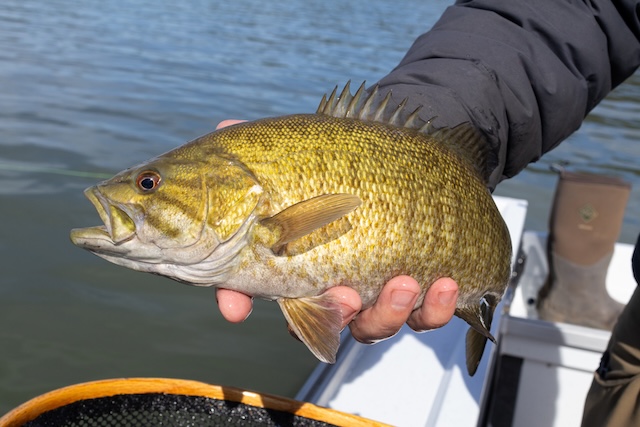
For someone like me, who primarily fishes rivers, the spring smallmouth scene is ideal, because it does not require you to be in a boat. Fish stage close to the bank as things warm up each spring, making angling from the bank not only viable, but extremely productive. Typically, Adison had us working the bank from the boat in a proximity entirely reachable for bank anglers. Working drop-off structure, submerged stumps, points and more, bass obliterated our flies all day. These smallmouth are like small John Deere tractors and will tear you up digging deep and pulling drag. If you’ve never experienced the athleticism of a smallmouth bass, I highly recommend you try chasing them on the fly.
Adison wrote a fantastic article last year HERE which explains things in better detail than I can. The absolute best line you can be running for this is a Scientific Anglers Textured Anadro Indicator. The taper of the Anadro is makes turning over cumbersome bobber rigs effortless. Whether it is a big roll cast, or you are picking the whole head out of the water, this line does it all. The textured line floats high, so it is easy to pick up, and shoots far when needed. It has quickly become one of my favorite lines from SA. Stay tuned on more about this line down the road.
Fishing for smallies will still be good for some time now. Get geared up at the shop and get out there. If you don’t want to fish on foot from the bank, reach out to the shop to book a guided trip with Adison in his boat.
Keep your eyes peeled on our Instagram account and YouTube for additional stillwater content featuring Adison throughout the seasons at various venues. He is an untapped well of knowledge in the stillwater game, and we are excited to be showing you all a whole lot more.
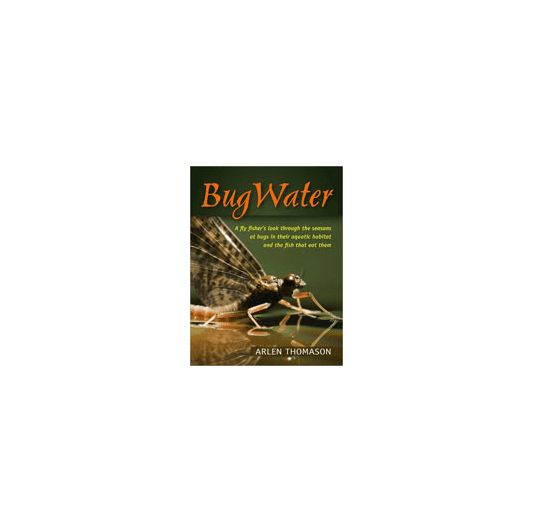
Author of “Bugwater“, long time shop customer, and member of Mckenzie River Fly Fishers, Arlen Thomason, wrote a fantastic update on one of his favorite hatches: The McKenzie Green Caddis.
“For those who might not have noticed, one of my favorite hatches is underway on the McKenzie.
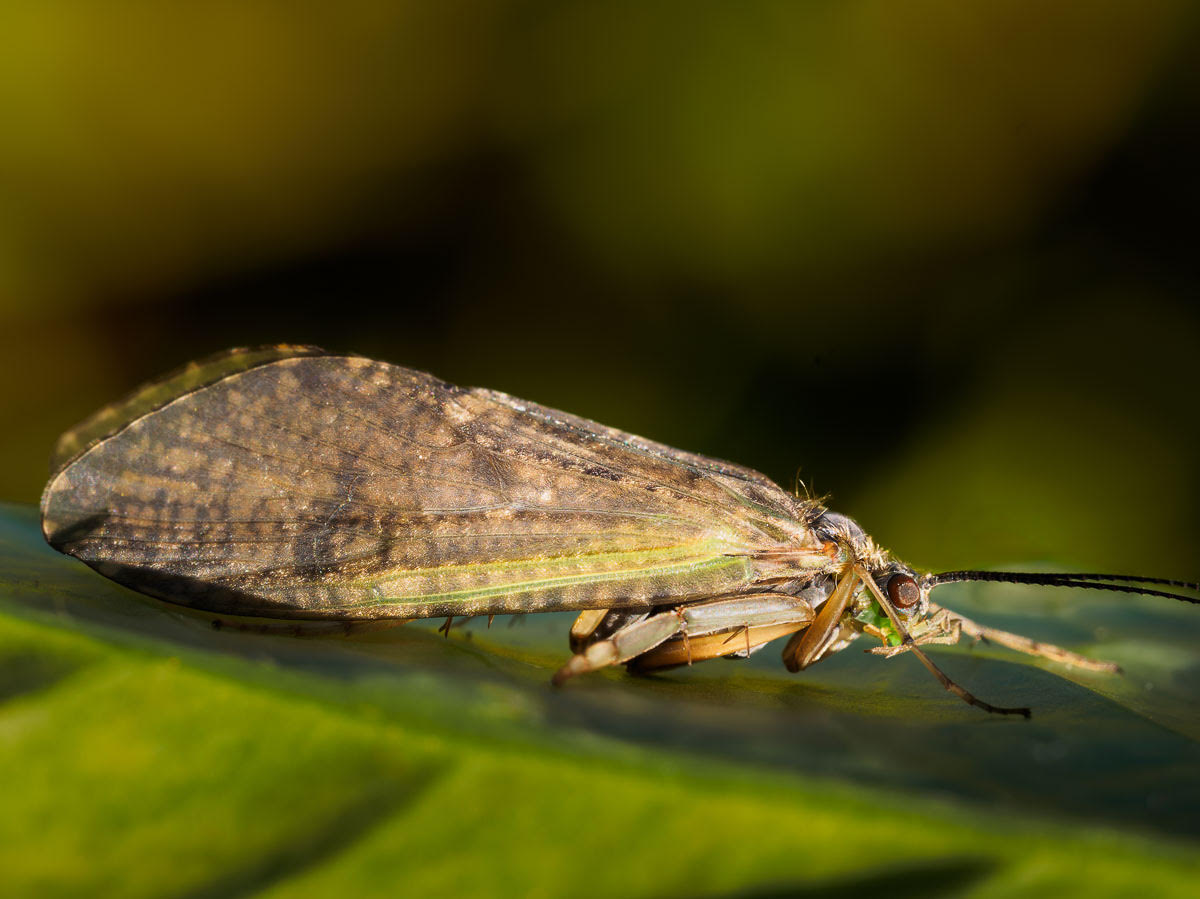
McKenzie Green Caddis (Arctopsyche grandis)
The big green McKenzie Caddis–second in size only to fall’s October Caddis–is now hatching sporadically from mid-afternoon to near dark. Look for them in or just below riffles and fast water. Even if you don’t see any, it’s worth fishing a good imitation. Trout know they are around.
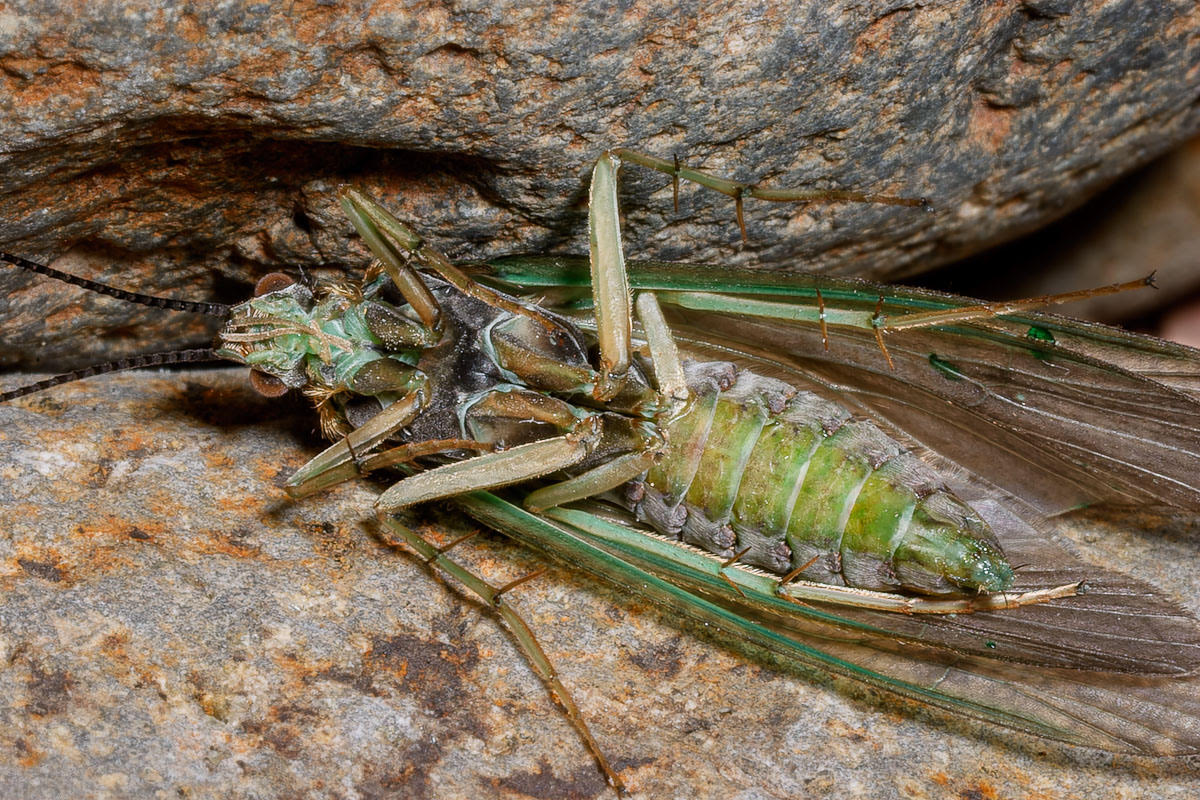
Though they only show a trace of green when seen from above, from a fish’s position it’s a different story.
Ventral view
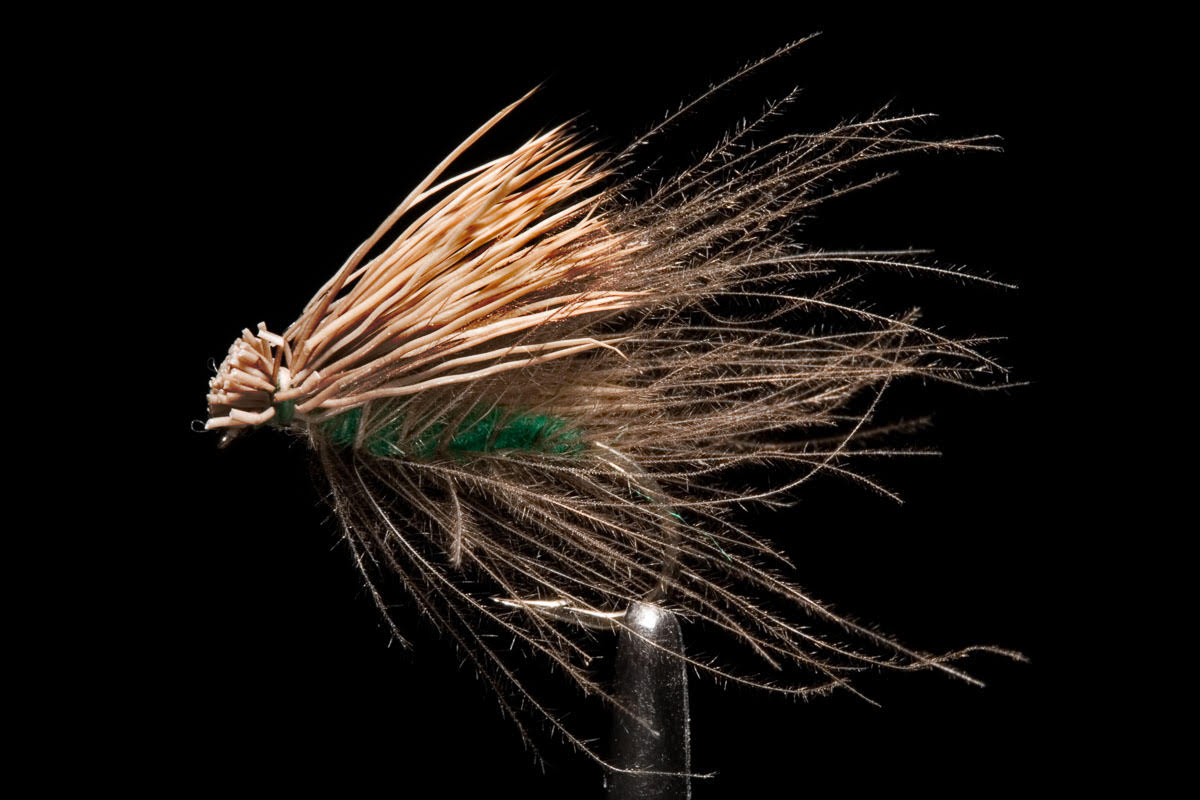
My favorite fly for this hatch is a CDC elk hair caddis. The CDC, though somewhat of a chore to keep powdered and not waterlogged, consistently adds enough movement to provide a good dose of realism.
CDC elk hair caddis, size 10
I give them a drag-free drift or two over likely holding water, and if that doesn’t draw attention, I start twitching them a little. These bugs tend to jump around on the surface a bit before they get airborne. Drives the fish crazy sometimes. Those of you who have fished with Bill Laing, or heard Mike Starr talk about it at Bill’s recent memorial, will be reminded of his dogged dedication to twitching dry flies. He had the technique perfected.
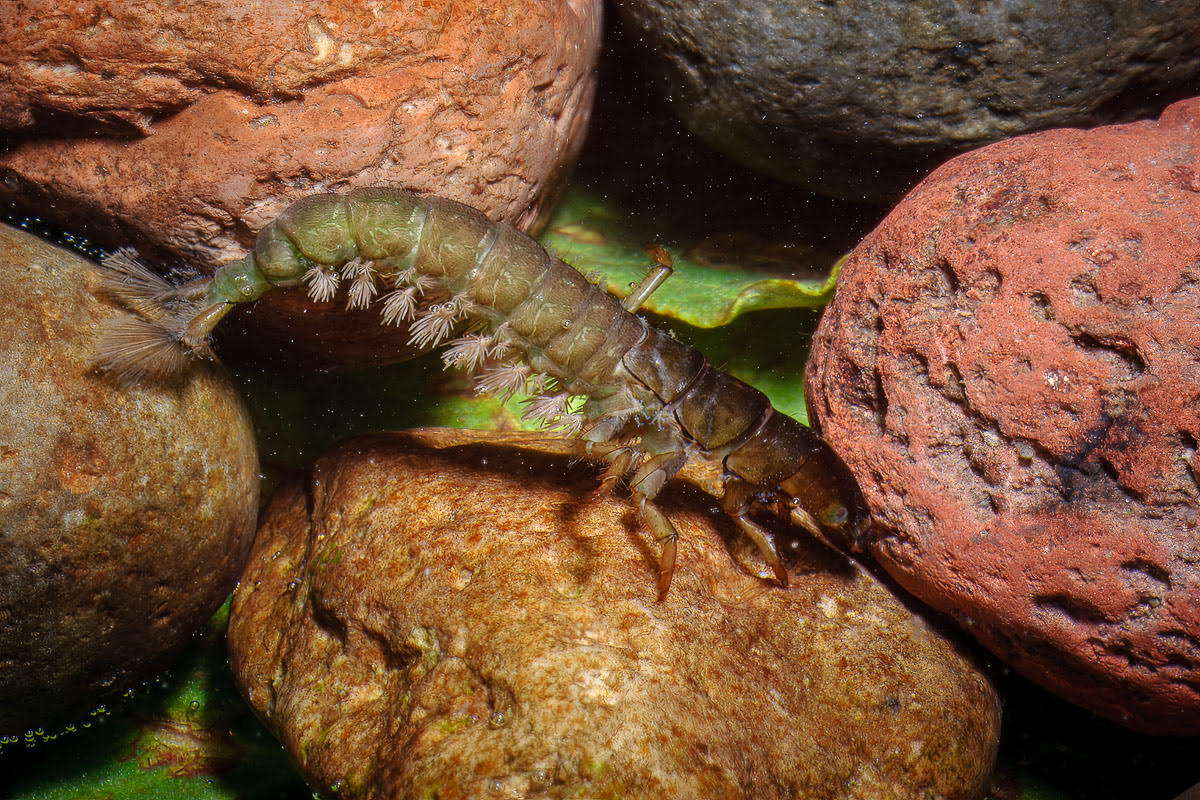
If you’re one of my tribe who turns over river rocks to see what dwells there, you might have encountered juvenile McKenzie caddis. These bugs are net spinners, building webs in rock crevices to catch whatever is drifting by and might be edible.
McKenzie Caddis larva
But neither you nor the fish are likely see these during hatch season. The larvae will have built and sealed themselves inside pebble cases that they attached to large rocks some time ago. After metamorphing into adults, they will break out of the cases, make their way to the surface and try to get airborne as soon as possible.”
– Arlen Thomason
Bugwater is our number one favorite insect book regarding our local entomology in the valley. The photos are unmatched and Arlen provides readers with phenomenal photos as references, fly choices, and a wealth of information regarding each insect’s behavior. It is available in the shop and online for those interested.
We have a variety of Mckenzie Green Caddis in the shop. Swing by and ask the shop staff their favorite patterns for the hatch and get loaded up. This is one of our favorite hatches of the year and one of the two prolific large caddis hatches you can experience on our local rivers. If you miss this one you’ll have to wait until fall.
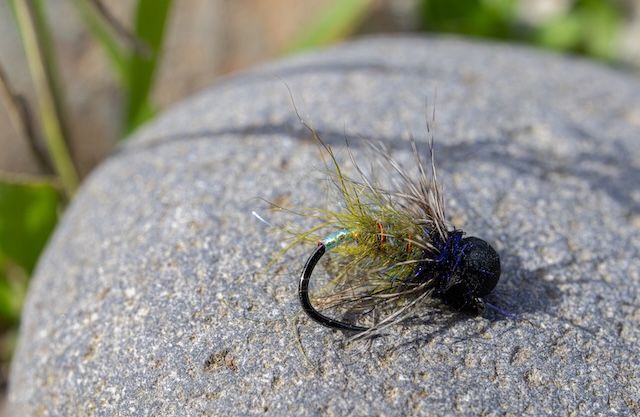
In this video, Simon ties a productive Jigged Grannom Caddis pattern. This fly will work fantastic on a euro rig, indicator rig, or a dry dropper setup under a large chubby. The Grannom or Mother’s Day Caddis hatch can be notoriously difficult to convince trout to rise to your fly. During this hatch, trout gorge subsurface and fill up on ascending pupa. With enough food beneath the surface, trout have no need to expose themselves to predation and rise to the adults. As a result, running caddis pupa subsurface can be a more productive approach. This fly can also be swung like a soft hackle. The beauty of its heavy bead, is that it can be dead drifted for the majority of the drift and swung at the end. Often fish will pick up the swung pupa as they swing and ascend through the water column. The flashy target point helps fish find this fly, its buggy, realistic body looks close enough to a true pupa to get eaten. This pattern can certainly be sized up or down, and colors shifted to match what caddis species are making their emergence.
Our long strange winter has come to pass and things are feeling a bit more on time. Flows are stabilizing, insects are hatching, flowers & trees are blooming, and trout are rising once again. Despite a seriously low tide in terms of snowpack this year, we remain optimistic that the great fishing that we are currently experiencing will continue through summer. Later this summer, especially, we likely will have to monitor river temps, levels, and flows as it gets real warm. For now, our entire Willamatte Valley drainage is coming alive and it is a fantastic time to get out.
Prespawn smallies are a blast close to home
Springtime can be almost as overwhelming in terms of choices as the fall can be.
Do I float or wade the mainstream Mckenzie or Wilamettte? Tromp my way up a small tributary looking for dry fly eaters? Look for Morels? Chase Turkeys? Visit one of our valley Stillwater venues? Go to the jetty for prespawn Lings and Rockfish? Chase Surfperch from the beach? Drive to a high lake? Or make a drive somewhere out of the valley for something entirely different?
That is at least what goes through my mind, and it can paralyze you leaving you in a drunken stupor, unable to decide what to do on your day off. The good news is whether you’re on a lake, small stream, or large river, the fishing is fantastic with good weather to match.
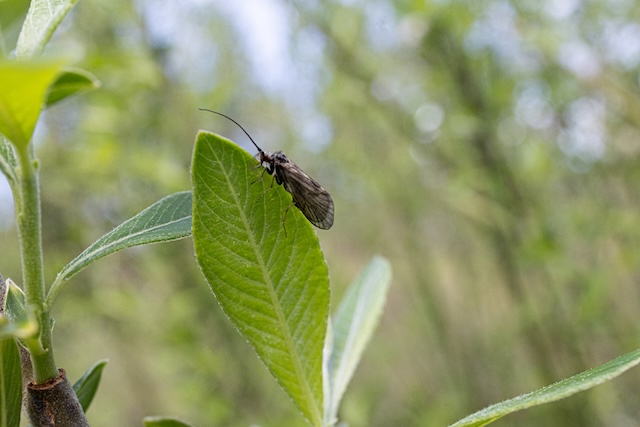
Check stream side vegetation and you’ll likely find hundreds of Grannom Caddis
Insects on the Menu Currently
There is a serious buffet of insects hatching currently, and often trout key in on one bug in particular. On especially overcast days we are seeing great hatches of Baetis sp. or Blue Winged Olives. Great BWO hatches are often accompanied by blanket hatches of March Browns this time of year. In riparian vegetation and moss Winter Stones are found in abundance. On warmer days, we are seeing mega hatches of Grannom or Mothers Day Caddis. On these warm days, you may see ovipositing female Salmonflies and Skwalas over the water. Otherwise, you will find both males and females in stream side vegetation sharing the habitat with hundreds of Grannom Caddis. This has been an especially prolific year for Skwalas, I’ve seen more this year in the valley than ever before. As the warm weather continues, Pale Morning/Evening Duns PMDs and Gold Stones will be a daily sight. We have already seen a few of them starting along with Yellow/Lime Sallies.
Rainy days can yield some fantastic Baetis hatches
For salmon flies I’d fish the following with a trailing mayfly, caddis, or jigged dropper if the fly is foam: Burkus Bearback Rider Salmon Fly, Emma’s Stone, Clarks Stone, Chubby Chernobyl or a Double Stack Chubby Chernobyl Fly in orange larger #6-8 sizes. Fishing a Skwala is the same, but smaller. Try a Bullet Head Skwala or a Chubby Chernobyl or a Double Stack Chubby Chernobyl Fly in darker smaller #10-12 sizes. We are also seeing heavy hatches of Grannom or “Mother’s Day” Caddis, but having a fish rise to your fly during these large hatches can be frustrating. I’ve found that when this hatch is in full swing, fish are more cooperative taking swung pupa. See the section below for more. If you can catch a large egg laying event where spent caddis fall into the river, it can be ridiculous fishing dries. Here are some of my favorite dries for the spring caddis hatch: Jonny King’s Splitsville Caddis is by far my favorite as it mimics a struggling/spent caddis on the surface, J’s Black Hi-Tie Caddis, Peacock Caddis, Dusty Old Bat Caddis. Trailing a soft hackle listed below can increase your odds of fish choosing your fly. In addition to the soft hackles listed below, here are some trailing caddis patterns that work for me during the spring: X2 Caddis, Harrops CDC Caddis Emerger, or a Sparkle Pupa Caddis.
Salmonflies out and about
Dry dropper rigs are starting to become effective. As things warm up even more, your surface fly will continue to get more love. For now, it is a fantastic way to stare at something other than an indicator, that sometimes will get eaten. See the foam flies listed in the section above for options for your foam top fly. Running 3-5 feet of 4x Absolute Trout Fluorocarbon Tippet to any of the jigged nymphs listed below is a fantastic rig that will get plenty of attention from feeding trout.
Skwalas offer opportunistic trout a larger meal than the mayflies and caddis currently coming off
Nymphing
Nymphing remains one of the most effective methods to employ on the river still, however that may be changing with the abundance of spring insects hatching. I had a day a week or so ago where, no matter what nymph I ran, I got no love on the nymph rig all day. I’m not complaining, as I picked up large fish all afternoon feeding on trailing March Brown cripples. Eventually as things warm up, fish tend to look upwards for their food instead of in front of them. Fish aren’t entirely looking up quite yet, which makes nymphing extremely effective still on most days. Typically, I like to run a larger nymph with something small. I also like to mix one natural nymph with more of an attractor style pattern. Probing the water using these two criteria, I can narrow down what fish are taking then double up on the style that is getting eaten the most. I also like mixing large and small because I can use the larger flies as “utility flies” to get my smaller offerings down that are getting eaten. Typically I do everything in my power to avoid having to run split shot.
Our reservoirs in the valley offer fantastic prespawn smallmouth and spotted bass fishing which is accessible to anyone from the bank. Our local Stillwater guru and shop guide knows his way around these venues better than anyone else. He wrote a fantastic guide here that covers flies, gear, rigs, etc. for anyone wanting to try it from the shore. If you want a trip in a boat from Adison himself contact the shop to get in his books. Some flies we like for banking it for bass follow: Blonde Leech Balanced, Level Headed Bugger, Montana Fly Company Balanced Squirrel Leech, Montana Fly Company Rowley’s Balanced Leech, Svend Diesel’s Balanced Bou Leech. You will need likely some sort of slip strike indicator which breaks free as you retrieve fish such as: Slip and Strike Tapered Indicators or a Jaydacator. Swing by the shop we can get you geared up to crush our local stillwater venues or connect you with Adison.
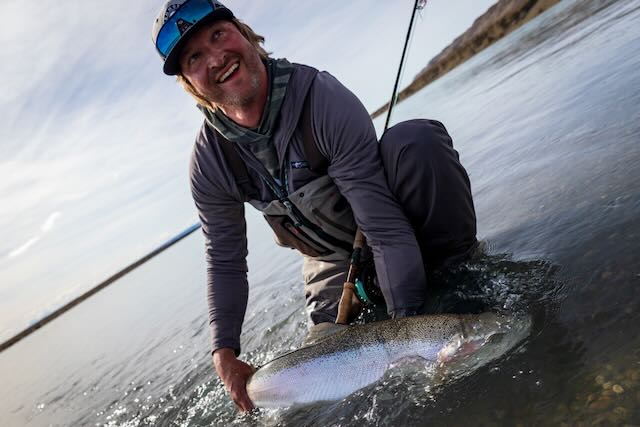
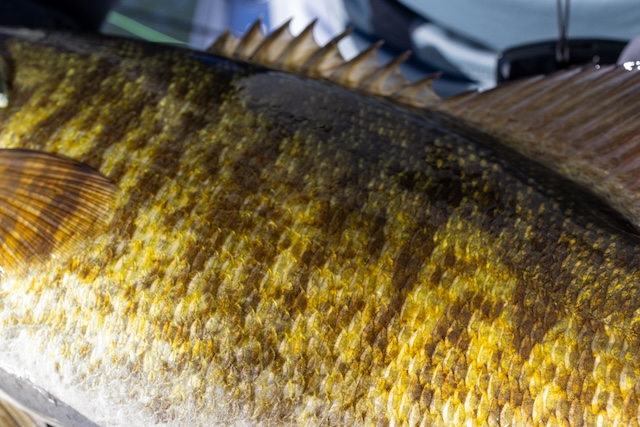
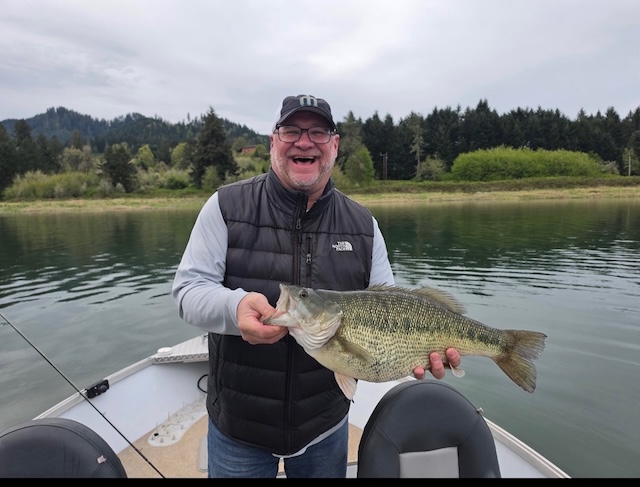
These are the giants that are close to the bank right now. Here is Stephen of Falling Sky Brewing, who hosts our monthly community fly fishing night, with a monster.
There is a lot to choose from, if you are having trouble deciding where to spend your day off swing by the shop and pick our brains. Spring is one of our favorite times of year that revitalizes us after our winter slumber. Fantastic dry fly fishing and long days are right around the corner. Have fun out there!
We also have a monthly Community Night where we meet in town at Falling Sky Brew every third Tuesday of the Month. See more HERE.
-Simon
If you’re on instagram, follow us there and on our YouTube for more up to date content:
@Caddisflyshop
@Oregonflyfishingblog
@caddis_ Fly_Travel
* We are also always open to suggestions on what you all want to read on the blog for future articles. The same goes for our instagram and Youtube. Please comment your thoughts below to let us know and we’ll get on it!
We are still seeing phenomenal hatches of March Browns into April, which isn’t too uncommon. On especially overcast days, March Brown Duns can be found emerging in longer pools with fish sipping them in the tailouts. When these hatches are heavy, trailing a crippled or stillborn emerger off the back of your parachute dun is crucial to success. Fish get selective and deliberately choose to expound energy rising to meals that have little to no chance of getting away. This fly aims to capture the chaos of a failed emergence: wings tattered, shuck stuck to the dun, slightly sinking, etc. A flash spot of Hareline/ Hedron Magnum Flashabou: Pearl offers the fish a target point to pursue. Tie some up while the hatch is still going strong. This fly will be eaten in the weeks following the hatch as it tapers off as well. Fish have been keyed in so long on March Browns that they typically rise to cripples for a short window following the hatch.
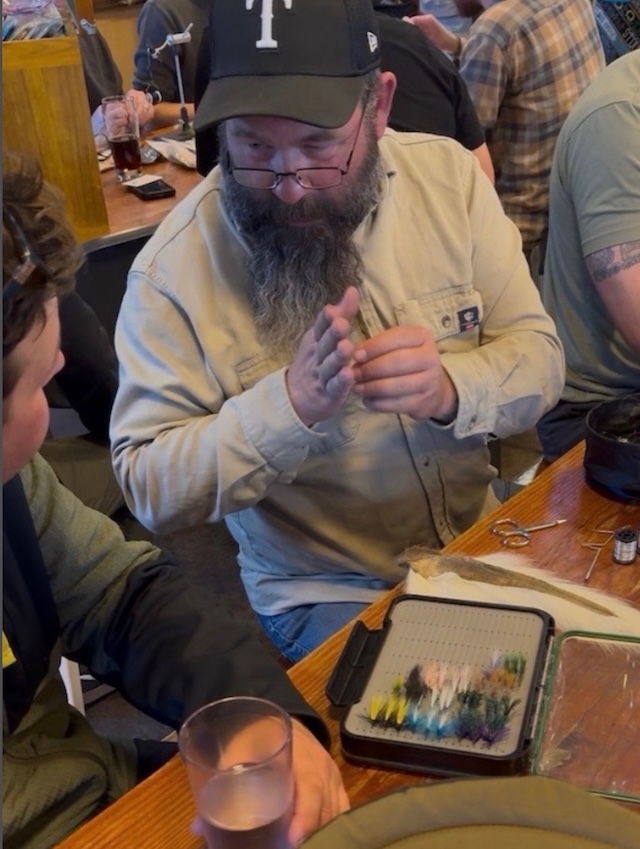
Alan Eubanks, who will be teaching the complimentary tying classes this month
This coming Tuesday the 21st is our monthly Fly Fishing Community Night. Every month, our local community looks forward to gathering at our favorite brewery which has hosted us for over a year: Falling Sky Brewing. Beginners and experts alike are found in the crowd, there are also new faces each month as well as the veterans that have been attending since the monthly event’s inception.
Where: Falling Sky Brewing [1334 Oak Alley Eugene, OR 9740]
When: Tuesday, April 21st at 6:00
What: Fly tying, new friends, prizes, great food, great beer, fly swap, fly tying lessons (must reserve your spot), and connecting with the community.
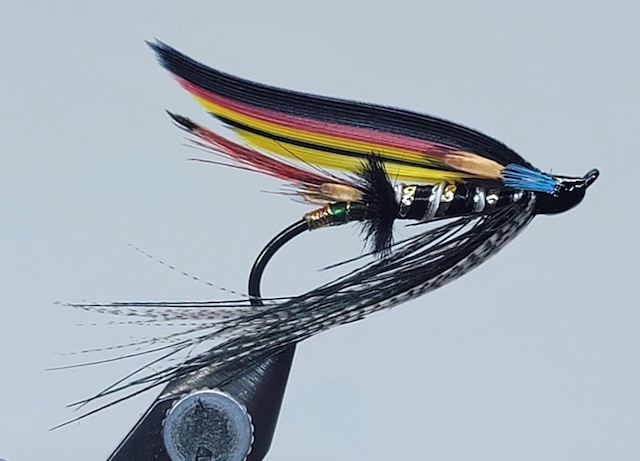
An example of some of Alan’s fine work on the vise
This month our friend Alan Eubanks will be hosting an intro to fly tying class sponsored by Caddis Fly Shop. There are limited seats so message our Instagram to reserve your spot, stop by the shop and get your name on the list, or give the shop a ring (541) 342-7005. Alan has been tying flies for decades and is excited to share his wealth of knowledge with eager students. He will be teaching a variety of beginner flies to those interested. There are also a plethora of other experienced tiers who show up each month who will be more than willing to lend a hand as well. Again, please reserve your spot if you are interested; we only have limited supplies for those who want to learn.
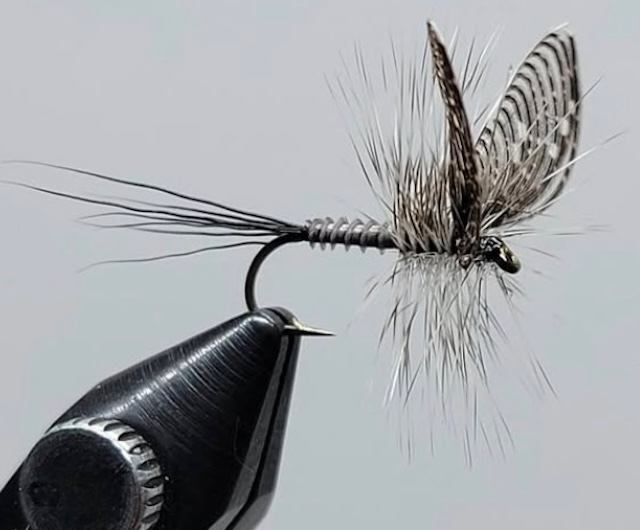
More of Alan’s exquisite work
If you haven’t been to a Community Night, we’d love to see you there. It is a great excuse to get together and talk about fly fishing, tie flies, meet new people in the community, usher in newbies, etc. See the bottom of this post for the full schedule for 2026.
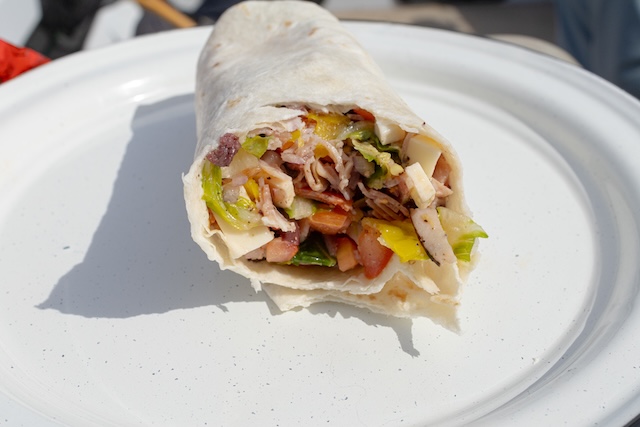
Falling Sky has some fantastic food. Their rueben is delicious, and their truffle fries make an appearance at every community night
Tiers are encouraged to bring their vise and materials and tie flies if they choose. We will still continue with the monthly fly swap for tiers who participate. If you aren’t planning on tying, but want to bring a hand tied fly, you are welcome to bring one from home.
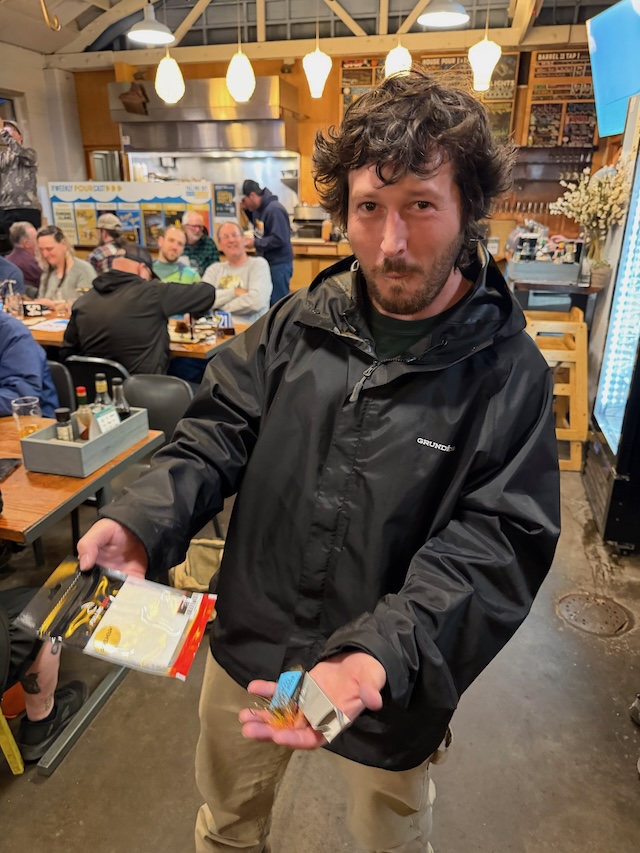
Micah with some goodies from Trout Unlimited and Fulling Mill
We have gotten in some gifts from our friends at Fulling Mill & Trout Unlimited that we will parcel out to those participating in the fly swap. We won’t give everything out this month, as we will stretch the prizes over the next few months but if you participate in the fly swap, you will have a chance to win something.
Mark and Andrew with their Trout Unlimited hats they just won
Falling Sky has great beer and some very talented chefs working hard in the back. Their burgers and sandwiches are fantastic, if you choose either of those you have to try the truffle fries. They also have a fantastic bacon loaded truffle Mac and Cheese. Stephen, the owner, has been generous enough to host us monthly for a year and a half. He is a fly angler himself and always makes his rounds. Be sure to extend your gratitude to the man who has made this happen every month for well over a year.
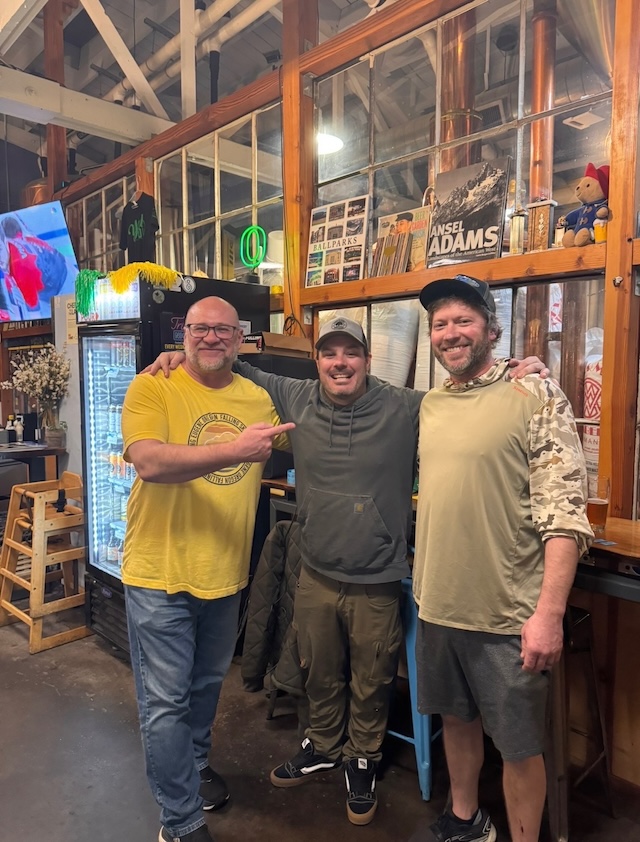
Stephen (on the left) is the owner of Falling Sky, and is the reason we can meet each month. Make sure to thank him when you see him!
We can always expect our regulars to show up monthly. We also encourage new people to swing by. We have had a massive influx of new faces and new anglers, so it is a great time to stop by if you’ve been hesitant. Whether you’re a veteran to community night or brand new, we are looking forward to seeing you Tuesday!
Adison and Rick, two stillwater gurus, talk chironomids
Help spread the word!
-Simon
2026 Schedule
Community Nights will typically land on the third Tuesday of each month for 2026. Some dates are subject to change, so keep a close eye for updates.
Tuesday January 20th at 6:00
Tuesday February 17th at 6:00
Tuesday March 24th at 6:00 (Initial date of the 17th changed Due to St. Patricks)
Why: Learn about one of Oregon’s most iconic rivers, and an organization that advocates for it.
The Steamboaters is a 501(c)(3) nonprofit organization focused on the conservation and protection of the North Umpqua River. Located in southern Oregon the North Umpqua is one of the most iconic steelhead rivers in North America. It is as beautiful and challenging as they come, and has captured the souls of countless anglers, drawing many of them back year after year to test their skills against one of the most difficult and rewarding runs of wild steelhead in the world.
For over 60 years, the Steamboaters have been tireless advocates for the North Umpqua River and its wild fish. Their work has focused especially on the river’s summer steelhead, a rare wild population found in only a handful of watersheds worldwide. Steamboaters are dedicated to restoring wild fish populations throughout the North Umpqua River while protecting, preserving, and improving the habitat that sustains them.
Our primary focus is the conservation of the North Umpqua River and its unique wild fish and public education regarding threats to the river system. Current efforts include advancing accountability for the privately owned Winchester Dam and advocating for the removal of this 130-year old deadbeat dam; identifying, supporting, and implementing habitat restoration projects throughout the North Umpqua watershed; and coordinating with partner organizations to represent the interests of the river, its wild fish, and local communities in agency and legislative decision-making, including before the Oregon Fish and Wildlife Commission and the Oregon State Legislature.
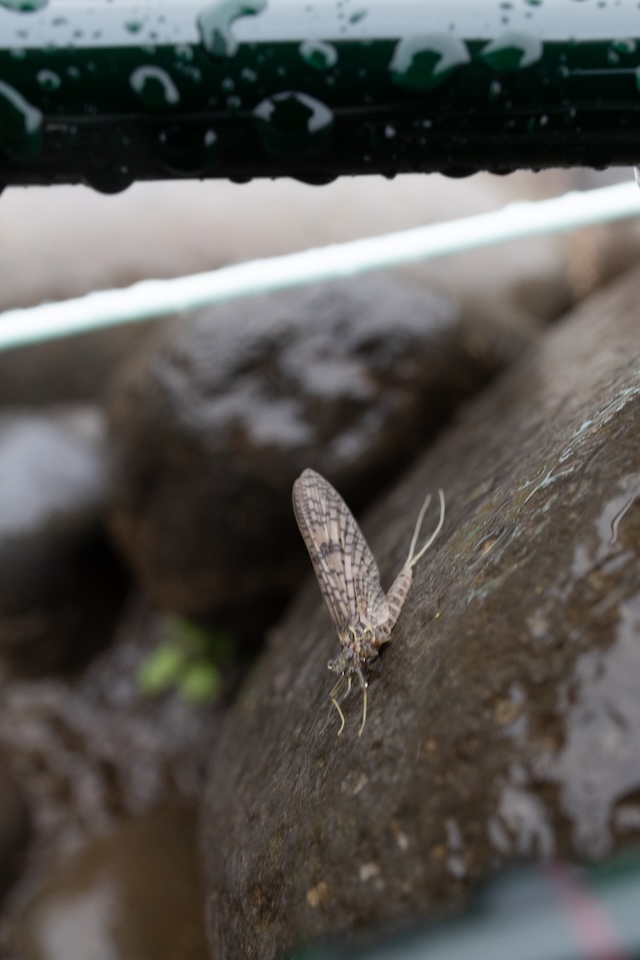
The March Brown hatch is known around the whole world, anglers and trout alike want patiently for the first large insect hatch of the year. Locally, in our Willamette Valley, that hatch can be prolific with fish carefully choosing which naturals are worth rising for.
One of my all time favorite patterns for the hatch is a pattern from our friends at Fulling Mill: Tactical Western March Brown Parachute. The delicate design of this fly effectively mimics the silhouette of naturals on the water. It is tied on their Ultimate Dry Fly Hook, which is barbless. I know the fish prefer barbless hooks, but I do to as I believe they have better penetration, and level the playing field a bit.
Often commercial flies are suggestive of naturals on the water, but are not tied sparse enough. This fly does a fantastic job of capturing the silhouette of a March Brown without the extra bulk. The large parachute suspends the dainty fly effectively in glides of more calm water where fish often are sipping duns. The parachute is constructed from their Ultra Dry Yarn which is extremely buoyant and visible. The body is dubbed sparsely with their Tactical Dry Fly Dubbing, which is equally buoyant and compliments the parachute.
Overall, I love this fly because of its ability to closely mimic a natural on the water, while remaining buoyant and visible on the water. When fish are choosy, I find this fly gets picked. If it doesn’t, it goes by under the radar and doesn’t seem to disrupt feeding fish, that is if you are casting well and mending your drift effectively.
My favorite way to fish this fly is with a trailing cripple or emerger. I will run about 18-22in of tippet one “x” below what is attached to the Tactical Western March Brown Parachute. I will trail one of my March Brown emerger/cripple patterns or a soft hackle behind. This mimics a vulnerable insect, and often those ride lower in the film. The parachute serves as a reference point and if a fish eats, it allows you to see.
I have fooled many large fish with this pattern. These fish are especially choosy, and the fact that they repeatedly pick the Tactical Western March Brown Parachute should tell you something. We are stocked up in the shop and online with them. To purchase them online and have them shipped right to your door, click here.
For additional fishing tips, reviews, updates, and content, follow our instagram: @caddisflyshop
Swing by the shop and get geared up while the hatch is in full bloom.
Our weird winter and correspondingly strange spring have thrown our hatches off big time. We are full swing in the March Brown hatch; strange enough, the bugs seem a little late to the party. A few days ago, I was fishing and along side a very heavy hatch of March Browns, Yellow/Lime Sallies, PMDs, Skwalas, Winter Stones, Beatis (BWO) could be seen hatching. It seems like some bugs are showing up early, and others late.
Several new materials from Montana Fly Co were used to craft this flat body “dinner plate” March Brown. March Browns belong to the clinger family of mayflies and have an extremely uniquely shaped abdomen. It is wide and flat allowing them to cling to rocks in fast currents. This allows them to inhabit and feed in areas where other mayflies are not suited to do so. The new Gen 2 Medallion Sheeting from Montana Fly Co makes a fantastic shimmery natural color to mimic a March Brown Nymph beginning to fill with gas to emerge. Two new dubbings from MFC create a fantastic thorax section that will only get buggier as it gets chewed on: Montana Fly Co Special Sauce Dubbing & Montana Fly Co Spicy Squirrel Dubbing
Due to a March Brown’s nymphal profile, fish will get keyed in on this extremely unique shape; sometimes they will exclusively feed on them. This is where the Dinnerplate March Brown excels by casting the correct silhouette for the most active nymphs in the water column. Tie some up while the hatch is in full swing!
Please see the three photos below, taken yesterday (March 31). The southernmost channel (left) is passable, but the low water makes for a bumpy ride. The middle channel is runnable, but only for experienced oarsmen. The northernmost channel (right) is open, though it contains significant debris.
This is a very dynamic area of the lower McKenzie, please be cautious as things change rapidly.
The mighty March Brown hatch is our most prolific early spring hatch here in the Willamette Valley. In fact, it is one of the earliest large hatches across the country and even into Europe. The only well known hatch out West that can rival the spring March Brown hatch is the Skwala hatch, which we do not get consistent numbers like out East. Due to the sheer quantity of bugs hatching, fish get especially keyed in on vulnerable points in an insect’s emergence. They come in several forms: Stillborn, Emerger, Cripple, etc. This pattern paints with a broad stroke and can cover all three. Vertical hackle wraps allow additional on water alteration. If you need the fly to ride lower let the CDC get soaked, and clip the hackle with your nippers. My favorite way to fish this fly is behind a more visible March Brown Dun. Tie some up while it’s good!