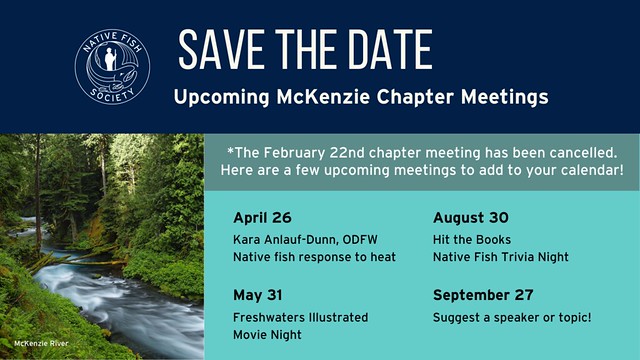
Due to unexpected events, we’re canceling tomorrow evening’s chapter meeting. We hope to see you back at Ninkasi on April 26, when ODFW’s Kara Anlauf-Dunn will share the research she’s been conducting on native fish tolerance to increasing water temperatures around the state.
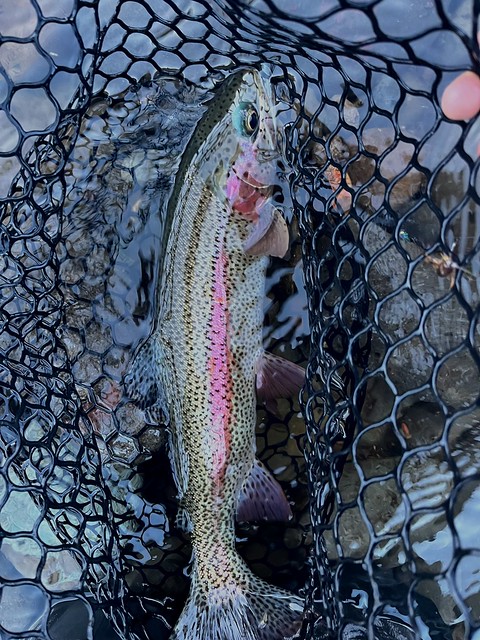
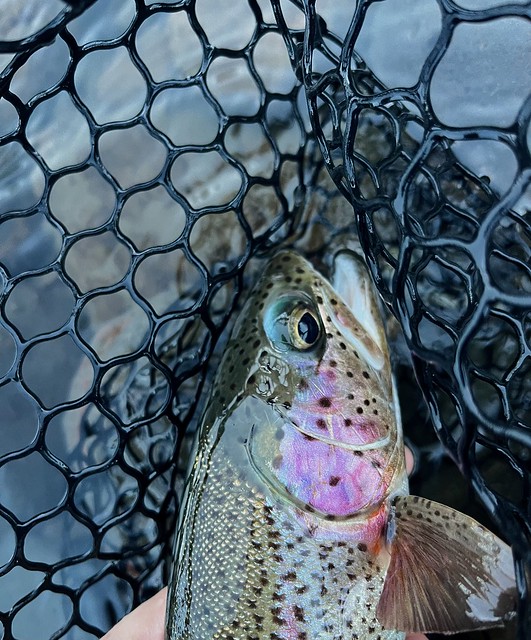
Recent cold weather has slowed trout fishing significantly. Several days and nights of cold temperatures have the fish slowing down and conserving energy. Nymphing, however, has been the most productive method of targeting trout as of late. On particularly warm days you may see an afternoon hatch of Baetis or “Blue Wing Olives”. For fishing nymphs and dries, due to the cold weather, your presentation is especially important. On cold days, you often need to present your flies right in front of the fish’s nose to entice an eat. On warmer days, the fishing should improve.
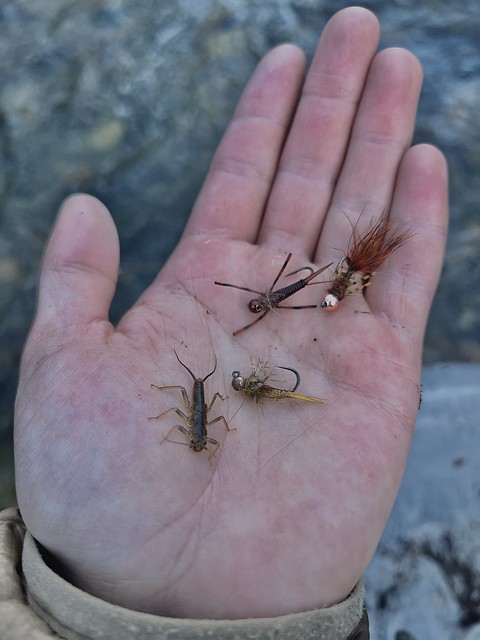
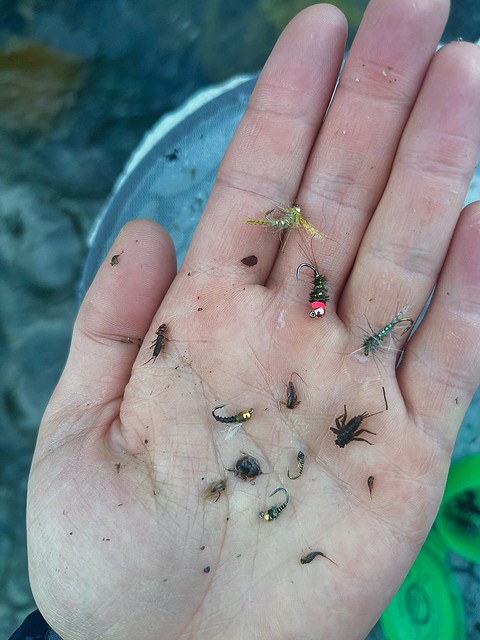
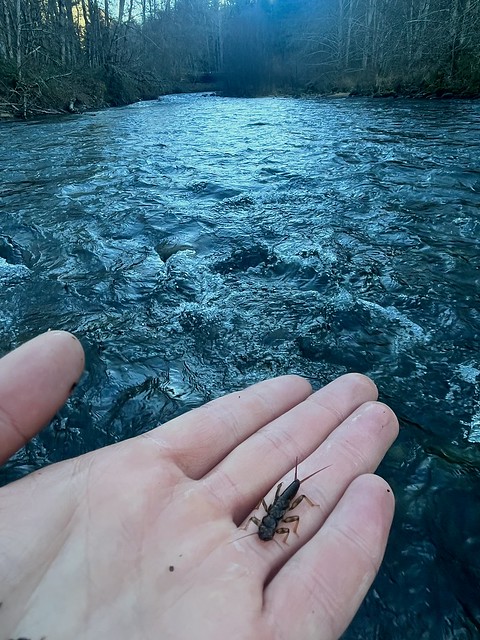
With lower and clearer water, fish have been able to key in on smaller bugs. This is opposed to when the water is high, often it takes a larger nymph or streamer to get their attention. Trout being opportunists, will happily eat stray nymphs of any species and size knocked off the bottom and into the current. The bulk of what the trout are eating lately are small baetis as they emerge during the warm parts of the day.
If trout are rising, fishing dries can be productive. They will be seen rising in the slack water on the softer side of seams or in the tailouts of runs eating emerging mayflies or “duns”. Sometimes, however, it is too cold, flows are too high, or the fish gorge themselves subsurface, so fishing dries will not be conducive. If conditions are favorable, the hatch will begin between 11 and 1 and depending on the weather can last from 30 minutes to a few hours.
Simon ties a deadly March Brown Emerger pattern in this video. Natural and synthetic fibers are utilized to keep this fly visible but still “emergent”. Fish the EP/Deer Hair March Brown Emerger through the entire MB hatch and you will fine good results. We have been seeing March Brown adults on the McKenzie around 130-330pm despite the cold. Look for things to really improve once things warm a bit.
What: A banquet and auction supporting the revival of wild, native fish, free-flowing rivers, and thriving local communities.
You’re invited to join us on an amazing journey into the future of abundance at our 27th Annual Benefit Banquet and Auction! We’re excited to welcome you back, in person, to the biggest party for wild fish in the universe!
Our Homewaters: Run Wild Benefit will feature a fully catered dinner, local libations, and our gold-standard live auction loaded with top-tier items from around the globe – and tickets are on sale now!
Mark your calendars for April 22nd – we can’t wait to see you live and in-person at our biggest event of the year!
From Wild Salmon Center: URGENT! Timber Industry Wants to Torpedo Tillamook Conservation—AGAIN
Here we go again. At a special meeting this Wednesday, Feb. 15, the timber industry will ask the Oregon Board of Forestry to scrap the major state forests habitat conservation plan that’s been in the works for years.
This isn’t the first time that logging interests have tried to derail this plan. In November, industry allies on the board tried to force a vote on a timber-friendly alternative. But a majority of the commissioners said no, citing the overwhelming community support for conservation earlier that day.
Let’s be clear: this habitat conservation plan (HCP) for Western Oregon state forests is not anti-logging. Plenty of timber harvest is still called for in the compromise language of this plan.
What the HCP does achieve is something that’s been lacking for decades: a balanced management approach for our state forests, reflecting the broad values that Oregonians have for our public lands. The HCPprotects salmon, wildlife habitat, clean water, recreation and carbon storage, while sustaining a healthy supply of logs. It’s been developed with years of public input—including from the timber industry and local governments.
Alternative 3 represents this balanced conservation approach. Can you ask the board to stick to its guns and move forward with HCP Alternative 3 (or an alternative that is at least as protective)?
These forests belong to all Oregonians, not just the timber industry. Don’t let them get away with another end run around a sound public process. Let’s keep the HCP on track.
In this video Simon Stephen demonstrates how to utilize the Hareline Zirconia dubbing rake to create easy to dub great looking fly bodies. The Guides Choice Hare’s Ear is an excellent high water nymph to use in spring.
My son and I had a chance to fish Astove Atoll in the Seychelles this December. The Bulkhead Deceiver was the fly all week! Black, yellow and brown, pink and grey all fished very well for GT’s. This style of fly held up better to abuse than many other synthetic flies. The bucktail holds its bulk really nicely pushing water and creating enough of a disturbance to bring fish out of the surf. There is no question this fly would be awesome for Peacock Bass and other predators.
Cold Weather and recent high water in the past weeks has made trout fishing inconsistent. More recently in the last week or so on our local rivers, the Mckenzie and Willamette, the flows have subsided leading to more favorable fishing conditions. Hatches have been sparse with the colder weather, and nymphing has been the most productive approach by far. Larger flies have been working when water was higher, but now it seems the fish are more keyed in on smaller offerings.
During the high water events, fish were found holding closer to the bank in the softer water and in large deep pools where they have to exert less energy to hold. High water nymphs include: Stonefly Double Bead #8, Jake’s Depth Charge Worm #14, Mega Pirince #8-12, Tunghead 20 Incher #8-12, Gummy Worm #12, or Tungsten Trout Retriever #8. When rivers are flowing faster, it is common for large stoneflies and other bugs to be pushed into the current. Pair that with heavy rains flushing worms into the system, and you’ll find trout holding on the edge of seams picking off large offerings being swept downstream. These larger flies are noticed more easily by a trout when the water is high and off color; hence why using a larger fly that stands out is important.
With flow levels coming down and water clarity improving, using a smaller nymph is more appropriate. Heavy jigged attractor patterns such as: Jigged PCP #14-16, Rainbow Warrior #14-16, Jigged Perdigon #12-16,Jigged Duracell #12 or a Jigged Frenchie #12-16 get down deep in faster water or deeper pools. When fishing water that is slower and softer, more realistic buggy looking nymphs often work better. The fish have more time to see your offering, so something more convincing and delicate will help. Good choices for slower, softer water include: Pheasant Tail #14-16, Galloup’s Peacock Hares Ear #14, Split Case BWO #18, Shop Vac #16, or a Zebra Midge #16-20. Drift these through the softer water near the seam and you’ll find willing fish. Letting your smaller flies swing at the end of your drift can also entice an eat, especially on warmer days before or during a hatch.
Cold weather has resulted in spotty Baetis/ Blue Winged Olive (BWO) hatches. Very few baetis will come off on colder days, but it is not enough to get the attention of the fish. On warmer days, however fish will key in on this hatch, and feed vigorously during the warmest part of the day. Unfortunately, most of January has been fairly cold or the water has been high, resulting in less than optimal conditions for the bugs to hatch. Fish can occasionally be enticed to eat at the head of runs, or in the tailouts; the likelihood of dry fly eats increases as the temperature does this time of year. If there are some warm days in the near future here are some great Blue Winged Olive patterns: Baetis Cripple #18-20, Hatchmatcher BWO 16-18, Film Critic BWO #16, Morrish May-Day BWO #17-19.
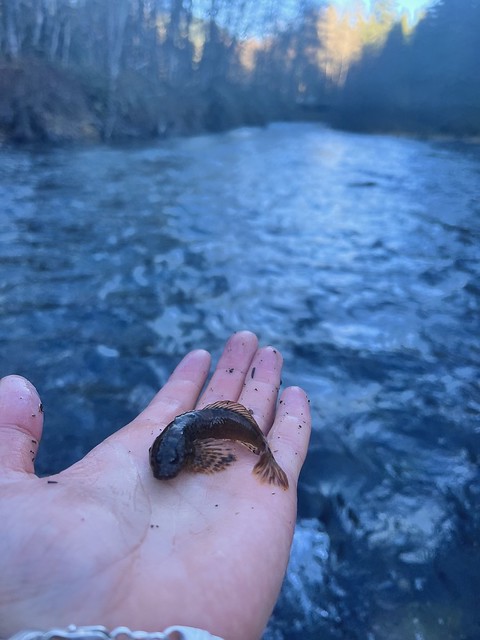
Streamer fishing can be good when flows are high. Small fish and sculpins can be washed down stream and provide high calorie meals to larger trout. Fishing a streamer at the head of a pool and stripping erratically will mimic a fish in a panic that was rushed downstream. When conditions are right, trout will key in on this and the streamer fishing can be decent. Streamer suggestions include: Thin Mint #8-12, Black Wooly Bugger #8-10, Olive Wooly Bugger #8-10, or a small sculpin pattern like Sculpzilla #8.
Our local waters are fishing well! Grab your gear, bundle up, and get out there!
Available here, this Sage SP+ 8wt came after the SP series. This fast-action rod is great for getting into the saltwater game but also an excellent backup for your upcoming season and trips. Comes with the original tube and sock for $425.
Alex Swartz demonstrates how to tie a proven euro style nymph pattern that resembles the “Brassie” nymph. We use this pattern for a hopper dropper rigs all year long. Alex uses a “3 at a time” wire wrap method that one can adapt to numerous colors and sizes of wire.
Available here, this G Series has the classic Scott action, perfect for summer steelhead and as your streamer rod. This rod is in nearly perfect condition, including the cork itself. Also comes with the original tube and rod sock for just $275.
Trivia winner prize – MiiR camp mug with artwork designed by Always With Honor
Native Fish Society will be hosting a trivia night, featuring categories such as “Native Fish of Oregon” and “Rivers of Oregon.” In addition to bragging rights, the winning team will also be rewarded with awesome MiiR mugs, featuring a leaping Chinook (pictured above). Teams of up to four people are welcome at this all-ages event.
Where: Ninkasi’s Better Living Room, 155 Blair Blvd
When: Wednesday, January 25th at 5:30 pm.
As always, feel free to bring friends!
If you have any questions or concerns, please reach out to me,
Since 1975, the Caddis Fly Shop has been providing fly anglers with the best tackle in the world. Whether that be in person or through our website, we’ve enjoyed the ride and the people we’ve met along the way.
Over the years, we’ve understood that the price point for those just entering the fly fishing world – or for those who are looking for backup gear – are met with financial barriers. Or, maybe you are just concerned with your impact and enjoy buying used items. Regardless, we’ve only offered used gear here in the shop in Eugene, Oregon.
As we head into 2023, we’d like to extend our used offerings to our online shoppers. We’ll be loading in our used items here. Each listing and blog post will be accompanied by a short video describing the product, maybe a bit of its history, and more importantly, the shape the product is in. We’re excited about this journey and are looking forward to seeing how it goes.