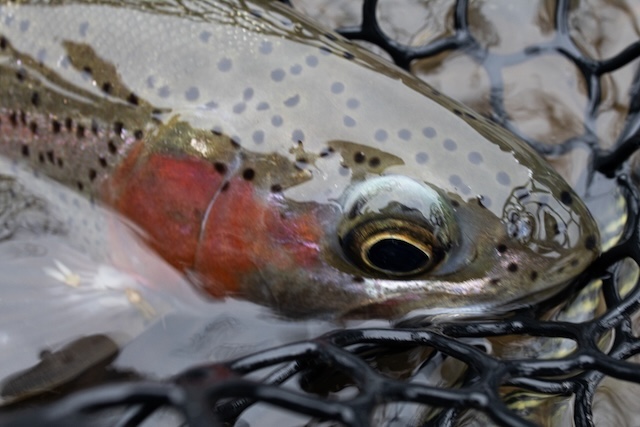
Our long strange winter has come to pass and things are feeling a bit more on time. Flows are stabilizing, insects are hatching, flowers & trees are blooming, and trout are rising once again. Despite a seriously low tide in terms of snowpack this year, we remain optimistic that the great fishing that we are currently experiencing will continue through summer. Later this summer, especially, we likely will have to monitor river temps, levels, and flows as it gets real warm. For now, our entire Willamatte Valley drainage is coming alive and it is a fantastic time to get out.
Springtime can be almost as overwhelming in terms of choices as the fall can be.
Do I float or wade the mainstream Mckenzie or Wilamettte? Tromp my way up a small tributary looking for dry fly eaters? Look for Morels? Chase Turkeys? Visit one of our valley Stillwater venues? Go to the jetty for prespawn Lings and Rockfish? Chase Surfperch from the beach? Drive to a high lake? Or make a drive somewhere out of the valley for something entirely different?
That is at least what goes through my mind, and it can paralyze you leaving you in a drunken stupor, unable to decide what to do on your day off. The good news is whether you’re on a lake, small stream, or large river, the fishing is fantastic with good weather to match.
Insects on the Menu Currently
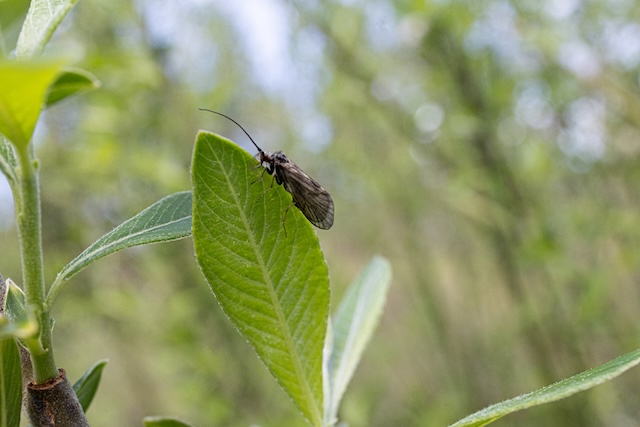
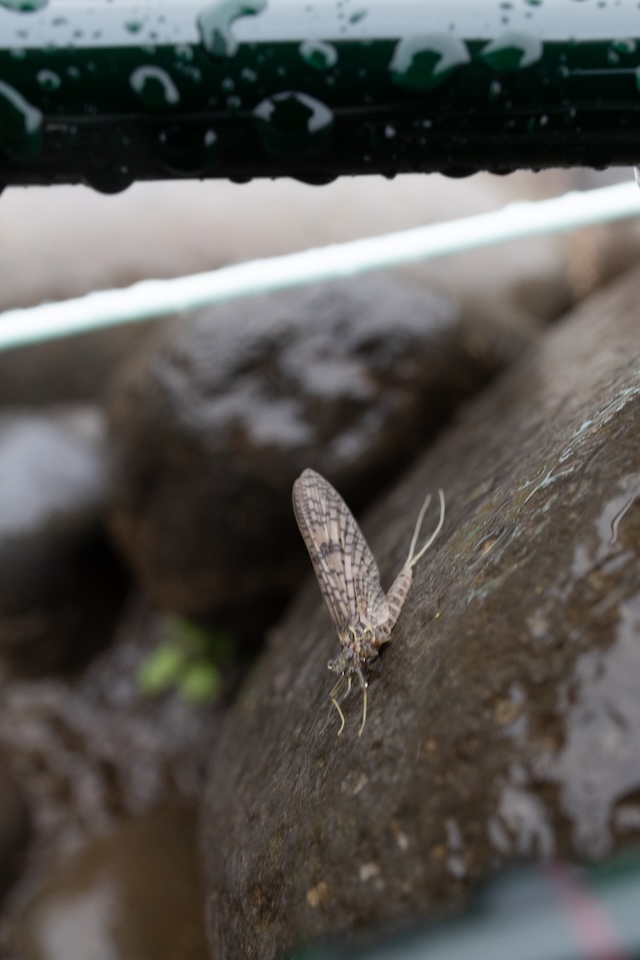
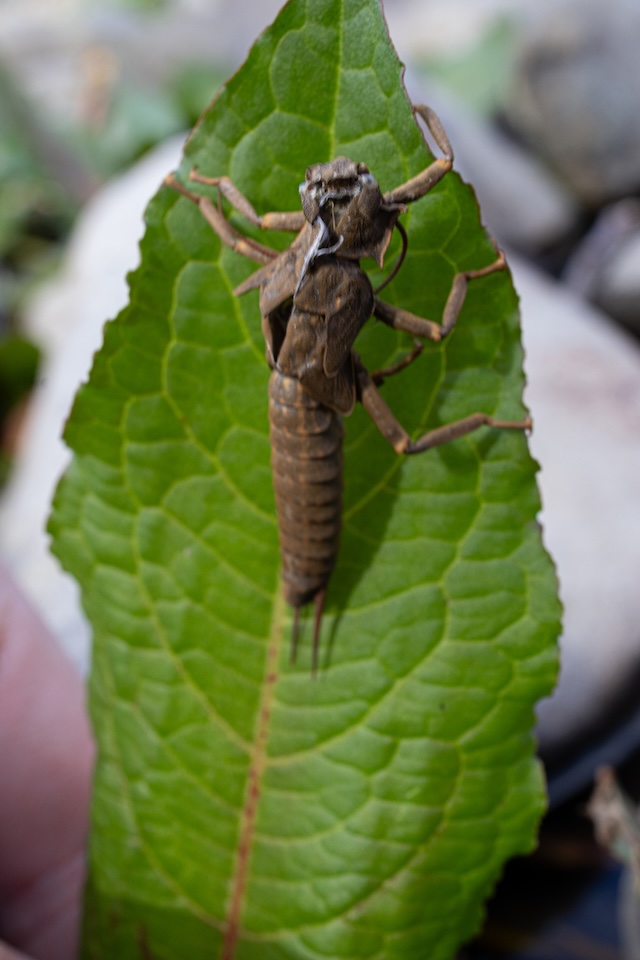
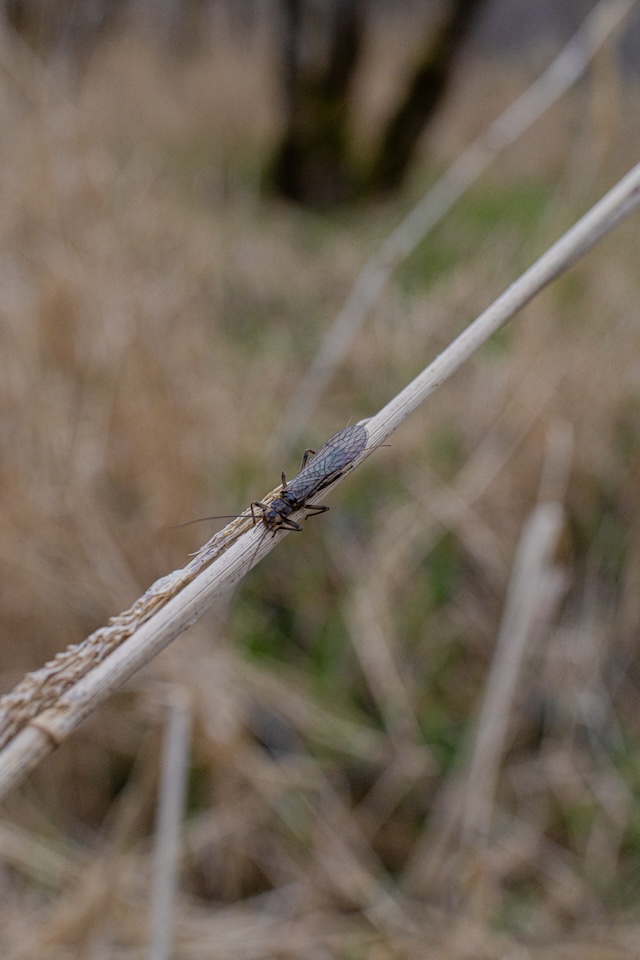
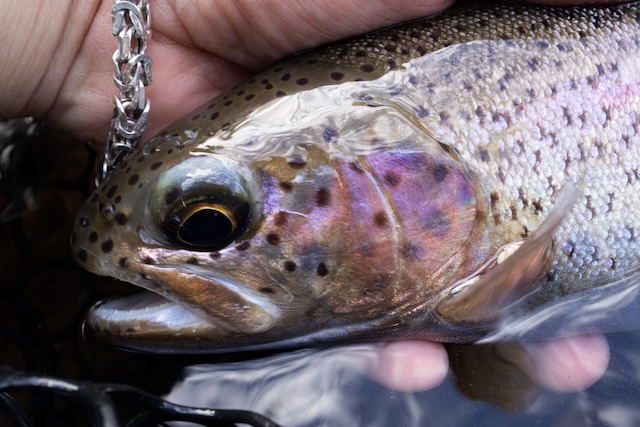
There is a serious buffet of insects hatching currently, and often trout key in on one bug in particular. On especially overcast days we are seeing great hatches of Baetis sp. or Blue Winged Olives. Great BWO hatches are often accompanied by blanket hatches of March Browns this time of year. In riparian vegetation and moss Winter Stones are found in abundance. On warmer days, we are seeing mega hatches of Grannom or Mothers Day Caddis. On these warm days, you may see ovipositing female Salmonflies and Skwalas over the water. Otherwise, you will find both males and females in stream side vegetation sharing the habitat with hundreds of Grannom Caddis. This has been an especially prolific year for Skwalas, I’ve seen more this year in the valley than ever before. As the warm weather continues, Pale Morning/Evening Duns PMDs and Gold Stones will be a daily sight. We have already seen a few of them starting along with Yellow/Lime Sallies.
Dry Flies
If I had to really focus on 3 species currently for dries it would be March Browns, BWOs, and Skwalas/Salmonflies. Starting with March Browns, as we are seeing prolific hatches of them nearly every day upriver, this hatch is even better with light cloud cover and a drizzle. Some of our favorite dun patterns follow: Tactical Western March Brown Parachute, Jake’s Hatchback, March Brown Parachute, or a March Brown Western. I really like to tag a struggling insect behind the dun in the form of a cripple or emerger, here are some options: Morrish’s May Day, Keegan’s March Brown Kripple, March Brown Cripple, or any of the beadless March Brown soft hackles listed below. Baetis sp., Blue Winged Olives, BWOS, whatever you want to call them are a huge part of our winter and spring dry fly fishing. These, like March Browns, hatch in abundance on overcast rainy days. Some of our favorite duns are: Hatch Matcher Blue Winged Olive, Parachute Extended Body Blue Winged Olive, Tactical Blue Winged Olive Parachute, Tilt Wing Dun BWO, or a Sparkle Dun BWO. Like other mayfly hatches, I like to fish a more susceptible trailing fly behind my more visible dun. Here are some Baetis cripples and mergers that are always in my box: Baetis Cripple, Quigley’s Film Critic BWO, Almost Dun Mayfly, Morrish’s May Day Blue Winged Olive, Galloups OG Bent Cripple, or any of the BWO soft hackles below.
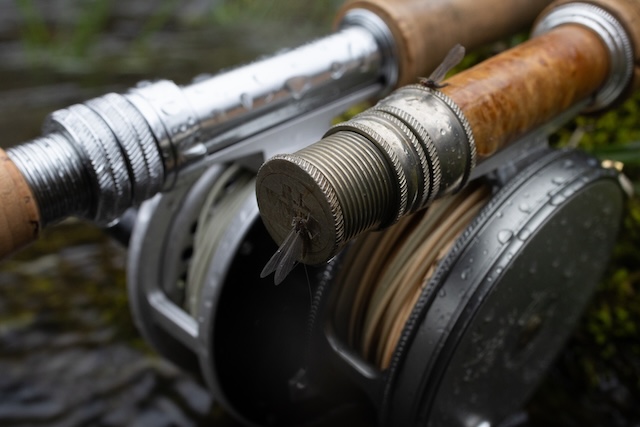
For salmon flies I’d fish the following with a trailing mayfly, caddis, or jigged dropper if the fly is foam: Burkus Bearback Rider Salmon Fly, Emma’s Stone, Clarks Stone, Chubby Chernobyl or a Double Stack Chubby Chernobyl Fly in orange larger #6-8 sizes. Fishing a Skwala is the same, but smaller. Try a Bullet Head Skwala or a Chubby Chernobyl or a Double Stack Chubby Chernobyl Fly in darker smaller #10-12 sizes. We are also seeing heavy hatches of Grannom or “Mother’s Day” Caddis, but having a fish rise to your fly during these large hatches can be frustrating. I’ve found that when this hatch is in full swing, fish are more cooperative taking swung pupa. See the section below for more. If you can catch a large egg laying event where spent caddis fall into the river, it can be ridiculous fishing dries. Here are some of my favorite dries for the spring caddis hatch: Jonny King’s Splitsville Caddis is by far my favorite as it mimics a struggling/spent caddis on the surface, J’s Black Hi-Tie Caddis, Peacock Caddis, Dusty Old Bat Caddis. Trailing a soft hackle listed below can increase your odds of fish choosing your fly. In addition to the soft hackles listed below, here are some trailing caddis patterns that work for me during the spring: X2 Caddis, Harrops CDC Caddis Emerger, or a Sparkle Pupa Caddis.
Dry dropper rigs are starting to become effective. As things warm up even more, your surface fly will continue to get more love. For now, it is a fantastic way to stare at something other than an indicator, that sometimes will get eaten. See the foam flies listed in the section above for options for your foam top fly. Running 3-5 feet of 4x Absolute Trout Fluorocarbon Tippet to any of the jigged nymphs listed below is a fantastic rig that will get plenty of attention from feeding trout.
Nymphing
Nymphing remains one of the most effective methods to employ on the river still, however that may be changing with the abundance of spring insects hatching. I had a day a week or so ago where, no matter what nymph I ran, I got no love on the nymph rig all day. I’m not complaining, as I picked up large fish all afternoon feeding on trailing March Brown cripples. Eventually as things warm up, fish tend to look upwards for their food instead of in front of them. Fish aren’t entirely looking up quite yet, which makes nymphing extremely effective still on most days. Typically, I like to run a larger nymph with something small. I also like to mix one natural nymph with more of an attractor style pattern. Probing the water using these two criteria, I can narrow down what fish are taking then double up on the style that is getting eaten the most. I also like mixing large and small because I can use the larger flies as “utility flies” to get my smaller offerings down that are getting eaten. Typically I do everything in my power to avoid having to run split shot.
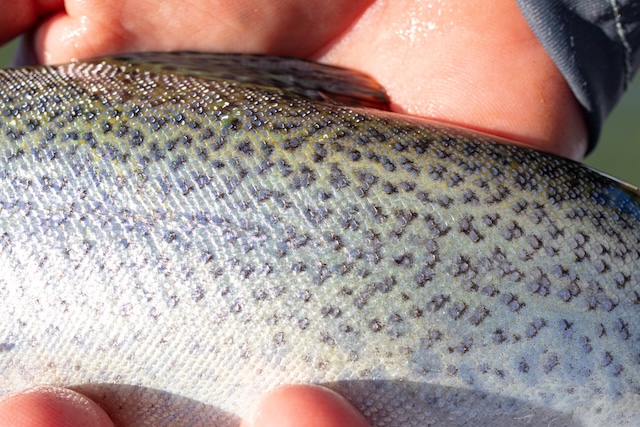
Some larger options that are working right now follow: T.J Hooker Nymph, Jigged Girdle Bug, Jig Hot Spot Girdle Bug, Bubba’s In The Zone Stonefly Nymph, Chewing Gum Cased Caddis. When water is high and off-color, I like running these larger nymphs listed above. Increased flows flush worms into the river and stir up eggs in the spring. Here are some options when water is high and despiration sets in: Jig Wonky Worm, Croston’s JIgged Chenille Worm, Worm Farm Flies, Weiss’ Secret Worm, Jake’s Depth Charge Worm, Jake’s Double Bead Rib Worm, Slush Egg, Olsen’s Tungsten Taco Egg, Bead Head Egg Gorman, or an Otter’s Soft Milking Egg.
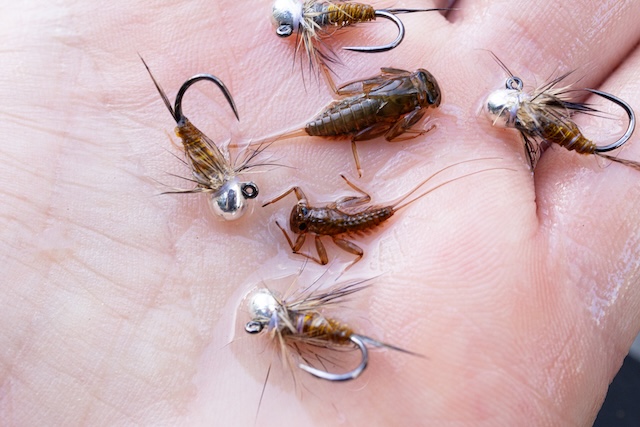
Smaller bodied nymphs compared to the large stones listed above are a must, and typically these are the flies that will accompany your Chubby in a dry dropper rig. March Brown nymphs have a uniquely wide and flat body that requires more specialized nymphs to properly mimic. Here are some favorites: Hogan’s Clinger Nymph, Croston’s Spring Brown Jig, Morrish Sparkle Donkey, Croston’s Full Metal Jacket Jig, or one of our friend, Jim Sens’ Improved Jigged 20 Incher. Other mayflies and smaller winter stones that we are seeing can fit under the same umbrella of slim bodied nymphs that follow: Dally’s Tailwater Jig, Montana Fly Company Jigged Perdigon, Olsen’s Blowtorch, Roza’s Colored Water Fly Jig, Jigged Tungsten Rainbow Warrior, Weiss’ BP Dark Heavyweight Perdigon, Tungsten Jig TNT Nymph, or a Juju Baetis. Grannom Caddis are in the Cased Caddis family of mayflies so they create a small case that they carry around. They only leave it after pupating and rising to the surface. A mix of pupa and cased offerings will cover your needs: Nick’s Fat Caddass, Rio’s Peeping Caddis, Chewing Gum Cased Caddis, UV Green Weenie Jig, or my favorite Weiss’ Possum Anchor Jig.
Swinging Flies
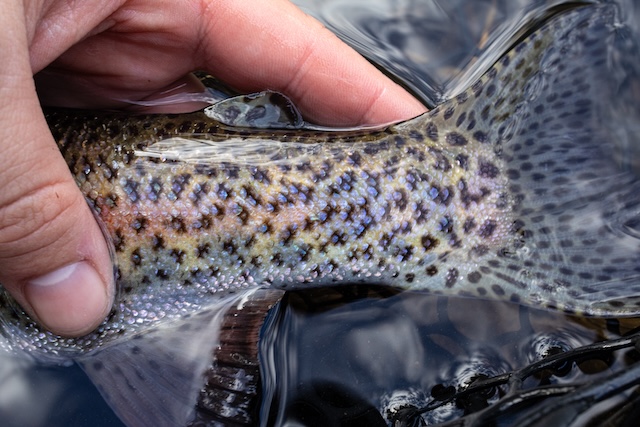
Swinging flies in the swing is one of the most effective methods to target feeding trout. Fish gorge on ascending Grannom Caddis Pupa and March Browns especially. Some favorite March Brown flies to swing follow: Beadhead March Brown Emerger, March Brown Soft Hackle Spider, Soft Hackle Hare’s Ear, or a March Brown Wet Fly. For Grannom Caddis we like: Whitlock’s Three Phase Caddis Pupa Assortment, Sparkle Pupa Caddis, Hungarian Caddis Pupa, Mason’s Soft Hackle Biot Swimmer, Peacock Soft Hackle, or a green Mason’s Soft Hackle Biot Swimmer. Swinging during a BWO hatch can be madness, but I only swing flies that small when I can see Baetis coming off. Here are my favorites: Soft Emerger, small sizes of Spectre Soft Hackle, Drymerger Baetis, or a Purple Haze Emerger. All of the unweighted flies listed above make a fantastic trailing fly to toss behind a dry. Swinging streamers can be effective in spring too. Here are some we like: Conehead Kiwi Muddler, Sculpzilla jr, Kure’s Squirrel Micro Zonker, Mattioli’s Trout Spey Intruder, or a Thin Mint.
Stillwater Close to Home
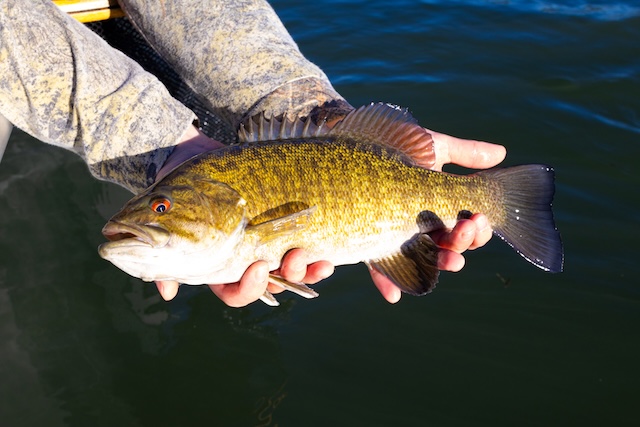
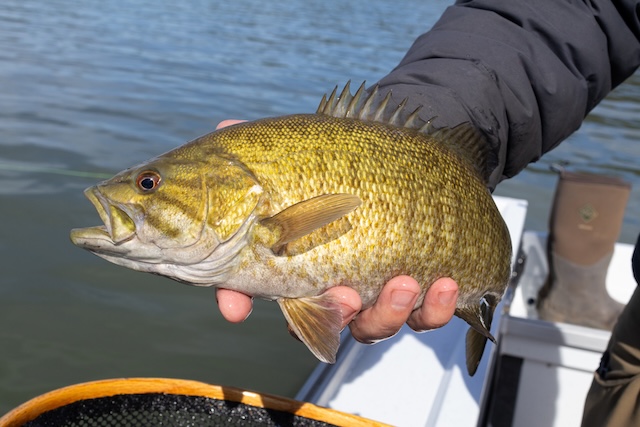
Our reservoirs in the valley offer fantastic prespawn smallmouth and spotted bass fishing which is accessible to anyone from the bank. Our local Stillwater guru and shop guide knows his way around these venues better than anyone else. He wrote a fantastic guide here that covers flies, gear, rigs, etc. for anyone wanting to try it from the shore. If you want a trip in a boat from Adison himself contact the shop to get in his books. Some flies we like for banking it for bass follow: Blonde Leech Balanced, Level Headed Bugger, Montana Fly Company Balanced Squirrel Leech, Montana Fly Company Rowley’s Balanced Leech, Svend Diesel’s Balanced Bou Leech. You will need likely some sort of slip strike indicator which breaks free as you retrieve fish such as: Slip and Strike Tapered Indicators or a Jaydacator. Swing by the shop we can get you geared up to crush our local stillwater venues or connect you with Adison.
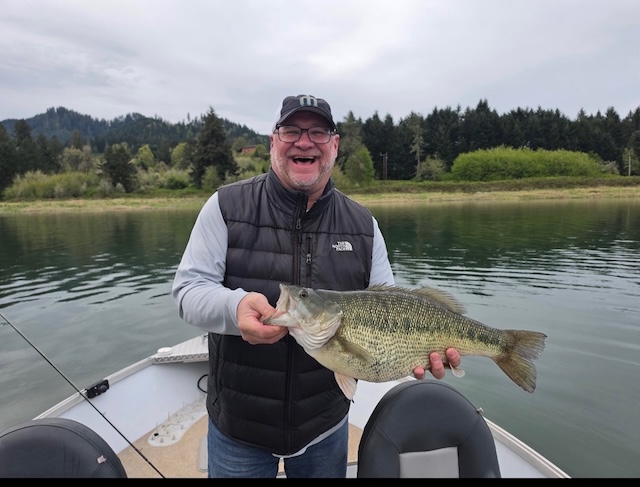
There is a lot to choose from, if you are having trouble deciding where to spend your day off swing by the shop and pick our brains. Spring is one of our favorite times of year that revitalizes us after our winter slumber. Fantastic dry fly fishing and long days are right around the corner. Have fun out there!
We also have a monthly Community Night where we meet in town at Falling Sky Brew every third Tuesday of the Month. See more HERE.
-Simon
If you’re on instagram, follow us there and on our YouTube for more up to date content:
@Caddisflyshop
@Oregonflyfishingblog
@caddis_ Fly_Travel
* We are also always open to suggestions on what you all want to read on the blog for future articles. The same goes for our instagram and Youtube. Please comment your thoughts below to let us know and we’ll get on it!