
Fishing with soft hackles is one of the oldest methods of targeting trout on the fly. A soft hackle, for those who do not know, is a slim, bodied fly with a palmered, or wrapped, collar of a hackle feather towards the head of the fly. The key point about “Soft” hackle is that the feathers are soft and pulsate in the water creating much more movement than your traditional dry fly hackle. Their softness does not have the stiffness of a dry fly feather which allows a fly to perch itself on the surface tension of the water.
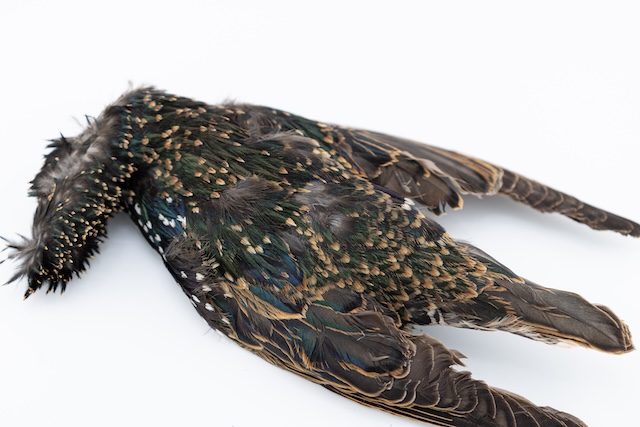
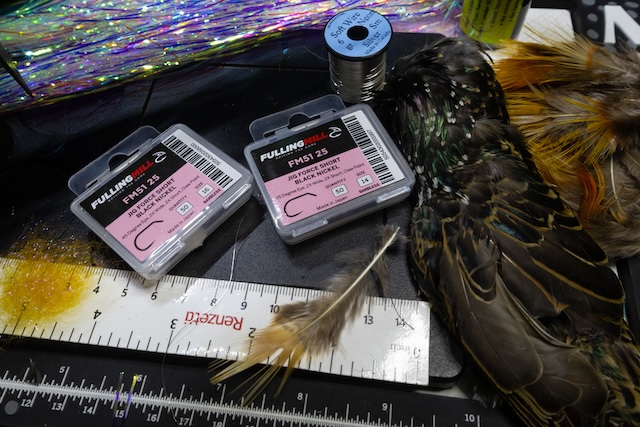
European starling is an often overlooked soft hackling material, the skins are affordable, and dense with usable feathers, so every tier should have a skin in their stash.
The European starling, as its name suggests, was brought across the Atlantic from Europe. Attempts were made in the mid to late 1800s, but it wasn’t until the late 1800s where populations were fully established in New York City. Now they are one of the most abundant birds in North America with an estimated 93 million birds spanning North America.
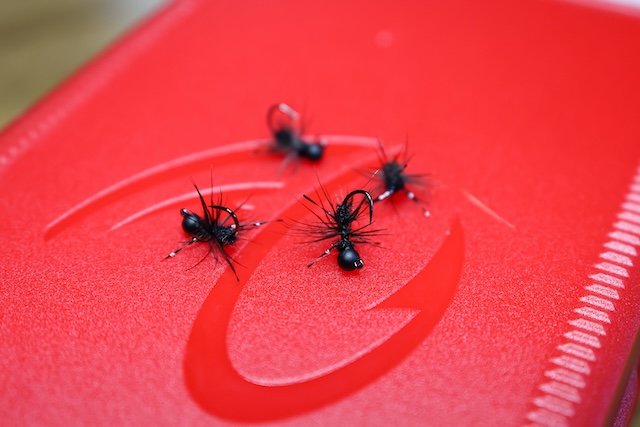
Starling feathers are a striking dark feather with subtle iridescent shimmering qualities that other soft hackle feathers do not have. Starling feathers have bold spotted tips ranging from bright white, to a tan, and even an orangish-gold. They molt their feathers every fall and feathers start out with striking white tips making the entire bird dark with white spots. As time passes these white spots fade into the golden tipped feathers. As a result, starling skins can vary significantly, and while all are certainly usable, people may have different preferences on what stage of their feather progression the bird was in when it was harvested.
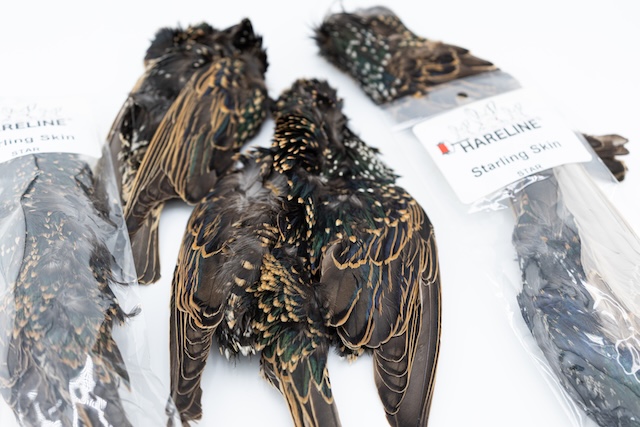
India Hen, Brahma Hen, and Hungarian Partridge are the three kings typically when it comes to soft hackle feathers for smaller flies. Of course there are Schlappen, Chinese Saddle Hackle feathers, etc. that would fall closely into the soft hackle category, but they’re far too big for small trout offerings. In fact, India Hen, Brahma Hen, and Hungarian Partridge do indeed have small feathers, but they are typically concentrated towards the top of the skin near the nape of the bird. Starling skins, conversely, are filled entirely with especially small feathers making the whole skin usable for trout sized bugs.
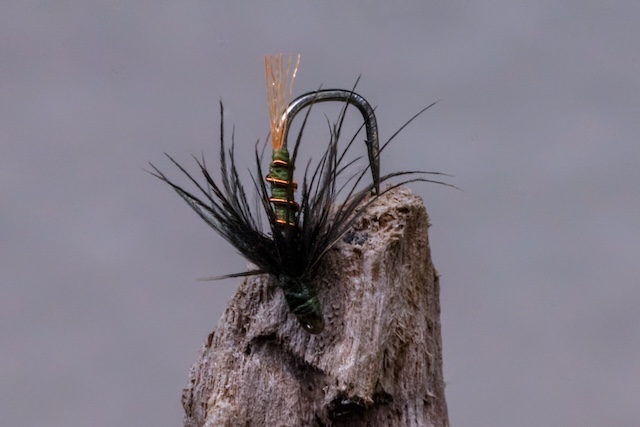
Bagged Hungarian Partridge is affordable, but often requires dumping the entire bag out sifting through many feathers that are too large for small nymphs. Hungarian Partridge skins are phenomenal and by no means am I against having a skin at home, I actually would extend the statement that every tier should also have a partridge skin in their stash, but again if you tie small flies most of your usable feathers are concentrated on the neck of the bird.
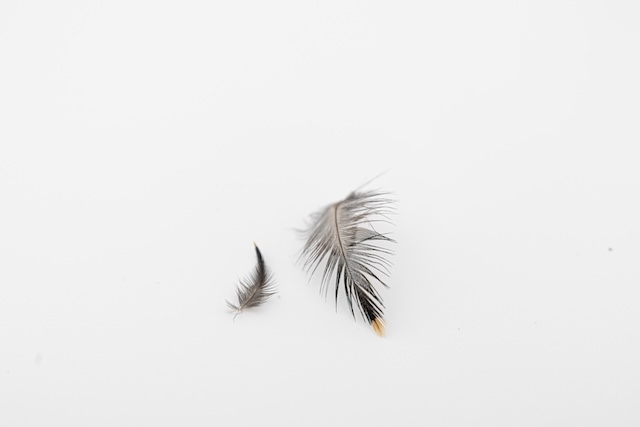
A Hungarian Partridge skin can tie flies in the 6-20 range but the bulk of the feathers really are sized for the 8-12 maybe 14 range. The barbs off the main stem are just a tad too long for many small hackles and nymphs. They do however make great legs if you tie them in and pull them back beneath a wing case. Starling skins on the other hand can accommodate flies in the 10-24 range with most being in that sweet spot of 14-18 where most trout nymphs and soft hackles lie.
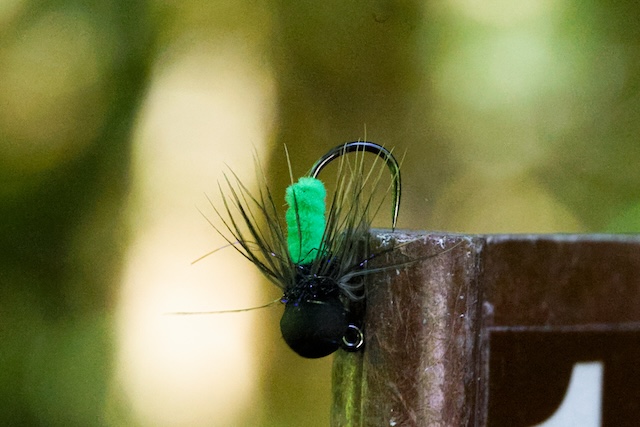
There are many parts to a feather, and all palmerable feathers must have a soft stem to wrap around a hook shank without breaking or splitting. The small fibers that branch off a stem are called barbs and this is what differentiates a soft hackle vs stiffer dry fly hackle feather. Starling barbs aren’t as long as Partridge, CDC, Brahma or India Hen feathers, making them suitable for small flies. In terms of their softness, they are softer than Brahma, India Hen and even Partridge, but not quite as soft as CDC or marabou, Starling feathers lie right between. In my opinion, this is the perfect softness and an underutilized stiffness when it comes to soft hackle choices.
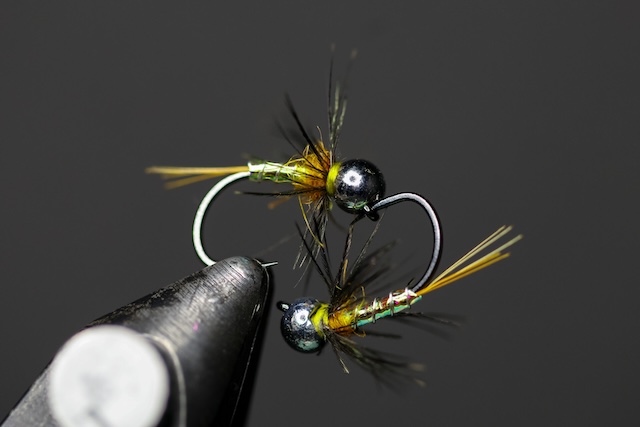
I especially love to use these feathers as a collar on small jigged nymphs. For small mayfly nymphs and caddis pupa this material really cant be beat. It is much easier to grab for a starling skin and have all of the correct sized feathers than to dig through a bag of feathers or pick through an India, Brahma, or Partridge skin. On flies where a CDC or Partridge collar is used, consider subbing it for starling.
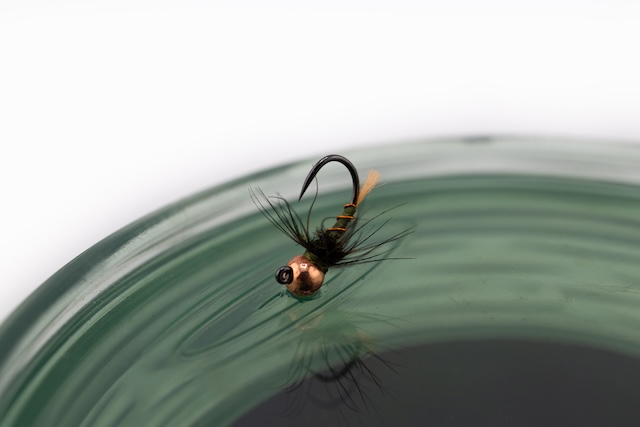
Starling, again, is an affordable skin coming in at just over 12$ for a skin. The feathers are a dark iridescent soft hackle type feather that makes some of the best collars for small flies. For small mayfly nymphs, caddis pupa, even emergers or cripples the soft barbs on these feathers effectively mimic legs, and pulsate in the water grabbing fish’s attention. This movement is huge especially when tying soft hackles that are meant to be swung. When swung and even dead drifted the material collapses creating a perfect teardrop shape mimicking an ascending caddis pupa or mayfly nymph.
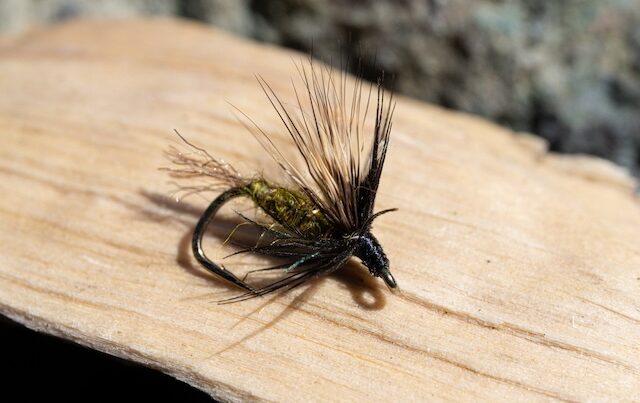
At the bottom of this post are links to tutorials that we have done with this feather creating some of the most effective nymphs not only in Oregon, but wherever you take them. Here are some of the blog articles for the flies we have done with starling Simple Starling Jigged Nymph, Sloshed Sunken Ant, Jigged Ace, Starling Grannom Caddis Emerger, BWO Hot Tag Wet, Jigged Chenille Caddis Pupa, and Jigged Grannom Caddis Pupa.
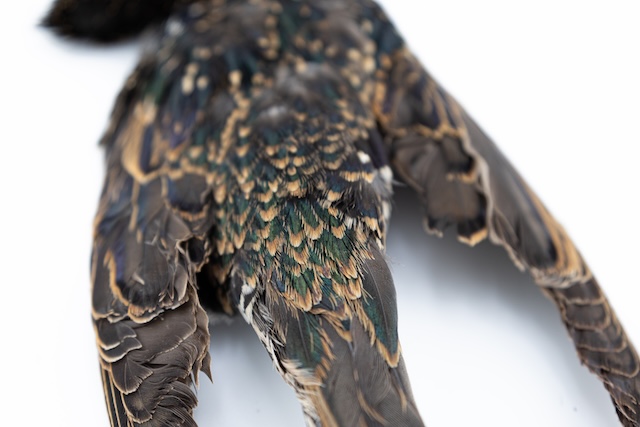
We’ve got plenty of European Starling skins in the shop, feel free to swing by and pick through them and find one to take home. If you are finding this article and you happen to live out of state, click here to shop for a skin. We will pick one and send it right to you. This is a skin that will really level up your tying abilities and opens up a lot of opportunities tying phenomenal soft hackles and nymphs.
-Simon
Stay up to date with additional links below
Follow us on Instagram
Caddis Fly Shop: @Caddisflyshop
Oregon Fly Fishing Blog: @OregonFlyFishingBlog
Caddis Fly Travel: @Caddis_Fly_Travel
Subscribe to our Youtube channel
Shop Online from all over the World
Caddis Fly Shop
168 W 6th Ave
Eugene, or 97401
Phone: (541) 342-7005
Email: Support@caddisflyshop.com
Our fly tying tutorials using starling below