Recommended Read: Fishing Through the Apocalypse

We recently got our hands on a copy of Matthew Miller’s new book, Fishing Through the Apocalypse: An Angler’s Adventures in the 21st Century. Miller is Director of Science Communications for The Nature Conservancy and a great writer.

Matt-Miller-19

The book dives into the subculture of microfishing, the tropical invasives of Florida, the glory of chasing huge gar, sturgeon, and even bluegills – all full of brilliant writing and wildlife biology insight, and told from the viewpoint of someone who loves to fish.

Miller writes of streams of the east and upper Midwest, the places I grew up where the water ran foul and unnaturally orange, devoid of any life, places that had once ran thick with shad, eels, chubs, bass, or other species. Those ecosystems are almost surely irrevocably destroyed. Hardly anyone has a living memory of what those rivers and streams had been like. And so Miller wants to document what it means to fish now, to avoid losing what is there today to shifting baselines.

But he also wants us to look critically at our chosen (hobby, lifestyle, career, religion…idk?), with clear eyes, to see modern fishing for what it really is. A few excerpts below:

Much of the fishing we experience in the 21st century is no less unnatural than pulling Amazonian fish from a trash-strewn Miami canal. The aesthetics may be more pleasing, but the situation is just as synthetic. We just can’t see through it through the haze of nostalgia and the pleasure of a fish on the line.

You can catch a hatchery rainbow and perhaps lie to yourself that it is actually a wild fish. You can’t do that with a banana trout. You know it was only recently swimming around a concrete run, gulping pellets. For this reason, perhaps all stocked fish should be bananas. Then maybe anglers could acknowledge the reality that much of the 21st century fishing relies on similarly unnatural fish.

The annual sportsman’s show at the county fairgrounds has a large inflatable pool filled with trout. Kids can stand around it and “fish” for those trout. You never see an adult do this, of course. You couldn’t dangle a line into a swimming pool and not feel a fool. And yet, many ponds, streams and reservoirs offer exactly the same fishing situation, just in a more natural setting.

Can we still delude ourselves that our hooks and lines connect us to the natural world?

Fisheries managers boast of their scientific approach, but this science belongs to modern livestock production, not wildlife biology.

No matter how real they make it, you can’t shake the idea that it’s an inferior copy of something magnificent… And if we aren’t careful it could be the symbol of our future.

The book also delves into the other side of hatchery programs, the state agencies and wildlife organizations doing everything possible to keep tiny populations of wild native fish alive. These scenarios haunted me as well.

There are a few examples in the book where the survival of these populations will rely on sustained intensive human management.

I asked Miller, “Do you have any reservations or concerns about putting that much effort into conservation project with no hope of reaching a sustainable state? Aren’t invasive species part of fishing in the apocalypse?

I ask as someone who for a long time would’ve wanted to fight to save every precious relict subspecies. But when we are supporting these populations, how wild are they? How are they different from a hatchery program? And could these resources potentially be directed toward more sustainable instances of preserving biodiversity?”

Matt responded with the following:

This is an excellent question. First, in many places, the habitat is so changed that restoration of native species (or removal of non-native species) is simply no longer feasible. Certain waters would be a waste of time and money to try to restore. These ARE novel ecosystems, and we are going to have to make peace with the fact that not everything can be restored to a “pristine” state (whatever that is).

That said, I think intensive management in a number of instances CAN restore native species. I believe it is worth the expense and effort, for reasons I’ll explain in a bit. For many native trout streams, particularly in the West, the problem is not habitat or water quality or massive, landscape-scale changes. It’s because someone stocked the waters with non-native species, often for angling purposes. That’s a problem, but not an insolvable one.

In Yellowstone, for instance, the habitat is great. Cutthroat trout will thrive if invasive species are removed. That requires a massive effort, to be sure. And it’s reliant on the hope that no one will restock the waters illegally (this is a matter of outreach and changing angler values, another difficult but not impossible problem). However, the effort is working towards a sustainable state. Cutthroat trout can thrive in Yellowstone. I believe we will live to see this full return to native fish glory in the park.

Gila trout similarly require intensive management now. And events like fires have hampered the program, but that’s because the full restoration hasn’t occurred. There is progress. Again, Gila trout can thrive in many areas if the non-natives are removed. That’s possible without much difficulty in some wilderness streams. In others, it requires interventions like the concrete barriers I describe in the book. In others, it will mean Gila trout are sustained through hatcheries. But the bottom line is that this is all working towards sustainability: towards a future where Gila trout are abundant and resilient. Again, I don’t think that is impossible.

For me, the underlying principle is Leopold’s admonition to “save all the parts.” I think intensive management is worth it because in the future, values towards nature can change, restoration techniques and technologies can change, a lot can change. If we have still have the native subspecies and strains, we can work towards a future where they thrive without intervention. In the meantime, that may require human intervention. That may be idealistic, or wishful thinking, but that’s the future I want to see.

I think there are many thorny issues around all wildlife in the Anthropocene. Right now, nearly any surviving rhinos require 24/7 surveillance of armed guards. The options appear to be to forego this intensive protection, and have rhinos go extinct. Or guard them with the hope that someday we will not need to guard them and rhinos will go on with their lives. Some believe we are only delaying the inevitable by guarding them. I do not have the answers, but ultimately it comes down to values.

I value native fish. Maybe that ultimately blinds me to the reality, but I think it’s worth doing what it takes to “save all the parts” and work towards a future where these intensive efforts aren’t necessary.

Freshwater ecosystems are our most endangered and fragile. This book provides a great lens for looking at these species with an angler and conservationists’ eye. It’s bracing, but hopeful. Definitely put this on your reading list. -MS

Posted in Fly Fishing Books, Oregon Conservation News | Leave a comment

Willamette River Fishing Report April 4, 2019

Willy 4/3...MB ON!After surviving the worlds largest spring cloud burst and bailing “The Beast” twice, the March Brown hatch got going. The fishing on top proved very successful with the Western March Brown and the March Brown Sparkle Dun. The fish to hand were plentiful in the 10-14 inch range and we caught more rainbows verses cuts.   

With rain (heavy showers) anglers should look to fishing near the banks.   We found as the water flow increased the fish pushed toward shore.   Current river forecast shows increasing flows on all valley streams.  The hatch was sporadic but consistent enough to keep rises showing.   Also, caddis were present during the entire day: no bugs during the deluge of water from the heavens.  Bugs went to bed around 4:00.

The current forecast looks like heavy rain near term and then on to showers for most of the coming days.  It will rain, but the bugs will come.  Get out there!

Willy 4/3...MB ON!


Sage X

Posted in Fishing Reports | Leave a comment

ARTIFISHAL – Film Showing April 25th, 2019

Please join us for a showing of one of the most important fish conservation films ever produced. ARTIFISHAL sheds light on our failings in producing and protecting fish. If you want the truth about hatcheries and hatchery fish this film is a must watch.

At present we plan on showing this film at Ninkasi Studios 155 Blair Street Eugene on April 25th at 6:30pm. Please RSVP if you plan to attend. – 541 342 7005 or email us at caddiseug@yahoo.com to confirm your attendance.

Screen Shot 2019-03-29 at 6.41.13 AM

Posted in Oregon Conservation News, Oregon Salmon fly fishing | 1 Comment

Jay’s Carp It Bomb Fly Tying Video

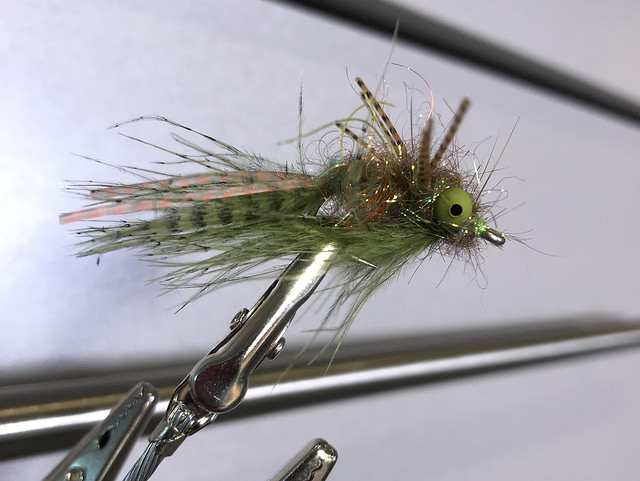
In this video, Jay ties am improved carp-it-bomb pattern using Loon’s new D-Loop Tweezer to create custom dubbing blends quickly and effectively with just about any material you wish. With a variety of materials, colors, and sizes this fly could work as a streamer for carp, bass, perch, sea-run cutthroat trout, and much more. Swing it, strip it, and dead-drift it too. A proven fly again and again.

IMG_1111

Hook: TMC 800S
Thread: Danville 6/0 Flymaster Waxed Thread
Chicone Stealth Chain
Hareline Fine Black Barred Marabou Feathers
Hareline Chicone’s Crusher Legs
Cohen’s Carp Dub
Grizzly Micro Legs
Whitlock’s SLF Dubbing

Posted in Uncategorized | Leave a comment

March Brown Weather all Week – April 2019

IMG_5375

We had a nice day out on the McKenzie/Willamette from Armitage to Christensen Landing yesterday. The Grannom Caddis hatch was in full swing. Although not as heavy as it can be, the warmth of the day saw swarming caddis on the surface in some areas. The native cutthroats took advantage and the dry fly fishing was good. March Browns did hatch around 1:30, but the wind and bright sun didn’t help them stay on the water long enough to get the fish overly excited.

IMG_5378

This week looks to be perfect to slow the Grannom emergence and aid in the March Brown availability to the fish. The McKenzie is in fine shape and the overnight temps have warmed enough to really improve spring trout fishing.

IMG_5379

Our best flies were:

Parachute Purple Rooster
Pheasant tail Soft Hackle
X-Caddis
CDC Caddis

Posted in Fishing Reports, Lower Willamette, McKenzie River | Leave a comment

Get Your Tickets to the Biggest Party for Wild Fish in the Universe!

NFSAuctionFlyerWeb

Get Your Tickets to the Biggest Party for Wild Fish in the Universe! – April 13, 2019

Why should you attend? Well, here are the top five reasons to attend the Native Fish Society Banquet + Auction:

1. Every cent of the night’s proceeds will support NFS’s conservation work. We’re talking support for grassroots efforts that curbed harmful hatcheries, removed dams, protected salmon habitats, and encouraged sustainable fisheries.

2. Mingle with the wild fish community. That’s right a whole banquet hall of anglers, river snorkelers, rafters, photographers, scientists, storytellers, advocates, and more united by their love for wild fish and wild rivers.

3. Local, delicious food and wine. Elephants Delicatessen on dinner. Lange Estate Winery and Vineyards, Yamhill Valley Vineyards, and Zivo for wine. New West cider and Arch Rock beer!

4. Great auction items. Over 150 items from international and local trips, to dinners, concerts, fishing, and outdoor gear. Locally tied flies with extra mojo!

5. Oh, and the Patagonia staff and filmmakers involved in their new, full-length hatchery film may make a short appearance!

The Details:
Saturday, April 13, 2019
Montgomery Park, 2701 NW Vaughn St., Portland, OR
5:00 Door, Silent and Super Silent Auctions
7:00 Live Auction and Dinner

Get Your Tickets!
To purchase tickets: https://bit.ly/2Op9FPm
For more information: https://bit.ly/2FATZWu

Posted in Fly Fishing Contests, Oregon Conservation News, Oregon Fly Fishing Clubs and Events | Leave a comment

Running Oregon’s Wild And Scenic Rogue River In A Classic Way

wild_and_scenic_rogue_river_1552070830613

From Oregon Public Broadcasting -by Ian McCluskey OPB

Wooden drift boats are works of art. So why take one down the rocky Rogue River?

I have always wanted a time machine.

And I’ve been looking for one ever since childhood.

Greg Hatten has built one.

It’s pretty simple. Not the sci-fi version you might imagine — with the flashing lights and whirling gizmo parts and mish-mash of wires.

This one is made of wood. Just wood.

And brass oarlocks.

On dry land, it’s static — beautiful and static — like a piece of fine furniture. The attention to craft can be seen in alternating colors of wood, patterns of grain, fit precisely in joints. The hull is symmetrical, flared in the middle and coming together with an elegant sweep into points at either end.

Read the rest of the story here.

Posted in Fly Fishing Travel, Oregon fly fishing links, Oregon Fly Fishing Tips, Southern Oregon | 1 Comment

Patagonia Worn Wear Tour Coming to the Caddis Fly Angling Shop April 17, 2019

PAT_S19_WWFishTour_Letter-EugeneOR.jpg

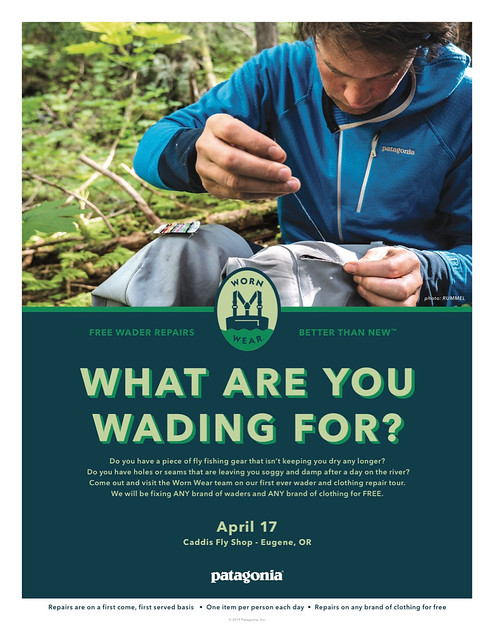
The Patagonia Worn Wear Mobile Tour will be stopping by the Caddis Fly on April 17th. The Worn Wear Team will be available to repair any and all brands of gear from 10am to 4pm on April 17th, 2019.

About Patagonia’s Worn Wear program

VENTURA, Calif. (March 31, 2015)

Extending the life of our garments is the single most important thing we can do to lower our impact on the planet. In keeping our clothes in use longer, we reduce overall consumption.

Today, we’re proud to launch a cross-country mission to change people’s relationship with stuff. The Worn Wear Mobile Tour, kicking off April 2 in Ventura, Calif., and ending May 12 in Boston, is our attempt to encourage customers to make their clothes last a lifetime.

As part of the tour, we’re bringing repair staff from Patagonia’s repair facility in Reno, Nev., on the road to offer free repairs on busted zippers, rips, tears, buttons, pulls and more – in addition to teaching people how to fix their own gear. Used Patagonia items will be for sale. The tour will be stopping at a myriad of locations such as retail locations, coffee shops, farmers markets and trailheads.

Patagonia’s Worn Wear program was created in 2013 as a way to encourage people to take good care of their gear, washing and repairing as needed. The program aims to keep clothing, regardless of brand, in circulation for as long as possible. When it’s time for a replacement, we want you to invest in something that lasts.

That’s why Patagonia makes the best quality, most functional products in the world, guarantees them for life and owns the biggest garment repair facility in North America. And it’s why were going on tour – bringing Worn Wear’s critical message to communities across the country.

“There is nothing we can change about how we make clothing that would have more positive environmental impact than simply making less,” notes Patagonia CEO Rose Marcario. “Worn Wear is a celebration of quality products and their relationship to our lives. It’s a simple but critical message: keep your gear in action longer and take some pressure off our planet.”

The Worn Wear Wagon is a one-of-a-kind custom vehicle, created by artist/surfer Jay Nelson. The solar-powered camper shell is made from redwood salvaged from giant wine barrels and mounted on a ’91 Dodge Cummins fueled by biodiesel. The mobile repair shop, complete with an Industrial Juki sewing machine, will be open to anyone who brings in a garment, regardless of brand. The tour will aim to educate visitors about the philosophy behind Patagonia’s Worn Wear program.

Posted in Fly Fishing Gear Review, Fly Fishing Profiles, Oregon Conservation News | Leave a comment

New Flies for Spring 2019

Spring is a great time too add to and organize your fly collection. We have a robust collection of spring and summer flies in stock to help out. Today’s post highlights some super cool new flies from Rainy’s Flies.

New Nymphs

Loren’s Hot Intestinal Bug
Loren's Hot Intestinal Bug

Loren’s Stud
Loren's Stud

Rowley’s Pay Czech
Rowley's Pay Czech

Hindmarsh’s Pleaboi
Hindmarsh's Pleaboi

Rowley’s Mayday Mayfly Nymph -Rainbow
Rowley's Mayday Mayfly Nymph

Rowley’s Black Jack
Rowley's Black Jack

Finlayson’s Dirty Politician – Three Colors Available
Finlayson's Dirty Politician

Hindmarsh’s Pea Wee
Hindmarsh'e pea wee

Jigged Flexi Stone
Jigged Flexi Stone

Swimming Baetis Nymph

New Flat’s Flies

Casa Blanca Rag head Crab
Colby's Casa Blanca Raghead Crab

Colby’s Pig Farm Shrimp
Colby's Pig Farm Shrimp

Colby’s Casuarina Spinner
Colby's Casuarina Spinner

Bass Pike and other Predators

Arculeo’s BC Frog
Arculeo's BC Frog

Arculeo’s BC Mouse
Arculeo's BC Mouse

Saunder’s Swimming Frog
Saunder's Swimming Frog

Rainy’s Dead Duck
Rainy's Dead Duck Yellow

Rainy’s Dead Duck Black
Rainy's Dead Duck Black

Posted in Oregon Fly Fishing Tips, Proven Spring Fly Patterns, Shop Sales and Specials | Leave a comment

Barr’s Slumpbuster Variant Fly Tying Video

In this video, Tony Torrence ties a Slumpbuster Variant fly pattern. An awesome fly to try swinging for trout both in the Spring and fall. Give this fly a try next time your out on local waters.

IMG_0958

Thread: 8/0 Veevus Black
Hook: TMC 5262, sizes 6-10
Cone: Tungsten Cone appropriate size for hook; I like a Hareline Tungsten Cone, small, or Spirit River TC, medium for a size 8.
Wing: Pine-Squirrel Zonker Strips
Rib: (optional) Ultra Wire: copper, olive, black, etc.
Body: Composite loop: Hareline STS Trilobal, Ice dub Olive Brown, Ice Dub UV Callibaetis and/or Ice Dub Minnow Belly
Throat: (in the composite loop) Hareline STS Trilobal Dubbing, Red.
Collar: Pine-Squirrel spun in composite-loop and wrapped in a collar style behind the tungsten cone.

Posted in Fly Tying, Fly Tying Materials and Supplies, Uncategorized | Comments Off on Barr’s Slumpbuster Variant Fly Tying Video

RIO’s Latest How To Video’s February 2019

Posted in Classes and Instruction, Fly Fishing Gear Review, Oregon fly fishing links, Oregon Fly Fishing Tips, Oregon High Lakes | Leave a comment

Spring Guide Trip Special 2019

mckenzie river rainbow trout caddis fly shop

Each Spring we are reminded of how fortunate we are to have the Lower McKenzie and Willamette rivers within such close proximity to the Eugene area. When conditions align, there is potential for exceptional trout fishing.

If you would like to experience what the Lower River has to offer in Spring, take advantage of our half day special. The special includes 5-6 hours of fishing, and all tackle is provided. Anglers need only to bring lunch and beverages. The price for this “best part of the day half day” is $375 for one or two anglers.

One of the great things about this early season excursion is the varied tactics you will experience with one of our guides. Indicator nymphing, euro nymphing, swinging and dry fly fishing can all be done in the span of a few hours. It’s a really cool time of year.

Call the shop for a reservation. 541 342 7005

Posted in Lower Willamette, McKenzie River, Middle Fork Willamette River fishing, Oregon Weekend Fishing Forecast | 1 Comment

March 2019: It’s time!

March Brown

Ok, enough of the white stuff….it’s time to think of March Brown’s. Sure it may be a bit early and very cool (stop laughing!), but the snow is gone, water temps may be an issue but for those that go….fish are being caught! It’s not red hot but the water levels are very good and hopefully the spring thaw will be kind.

The shop has an excellent selection of March Browns, BWO’s and the usual suspect nymphs….the Possie bugger and mega prince. Nymphing is the main focus right now but anglers are keeping an eye mid day for the MB’s to begin. The weather person says some showers and warming temps are in the forecast for the remainder of the week. Now is a good time to prepare and get set for what is shaping up for a great spring fishery! Get out there!

Posted in Fishing Reports | Leave a comment

Fly Fusion Cast Like a Pro Series: #3 Casting Loops

Fly Fusion Field Editor Jeff Wagner and fly-fishing icon Bruce Richards cover various topics in this informative 10 part fly-casting series that is packed full of cast-changing tips.

In this Episode Jeff Wagner discusses fly casting loops and what causes the dreaded tailing loop.

Posted in Classes and Instruction, Oregon Fly Fishing Tips | 1 Comment

SAGE Trout Schools – Summer 2019 Information

Trout-School_AD_900x600

SCHOOL

The Sage On The Water Trout School is the ultimate educational course to improve an angler’s trout fishing. The school combines on-site instruction and education with on-the-water guided fishing, for a holistic approach to learning and improving your fly fishing for trout. The location – Sage Lodge in Paradise Valley, Montana – is paramount, offering easy access to several different fly fishing venues: the Yellowstone River, the famous Paradise Valley spring creeks, and Yellowstone National Park. Students will have guided fishing days in three distinct methods – from a drift boat, walk-and-wade fishing on a freestone river, walk-and-wade fishing on a spring creek – with location-specific instruction prior to each.

The School’s format is a mix of presentations and discussions, instruction, and guided fishing. Venue-specific educational modules prepare students for the following day’s instruction and fishing.

To skip to booking info click here.

WHAT’S INCLUDED

The School includes 5 nights lodging at the Sage Lodge, and three meals per day (dinner upon arrival day and breakfast and lunch upon departure). One full day of instruction on-site is followed by three days of guided fishing. A Sage host will be on-site, as well as six Sage Ambassadors and Elite Pros who serve as the School’s instructors.

The School also includes access to Sage’s latest and greatest rods and reels, and RIO Products’ lines to match. We’ve curated the Perfect Setups for the three fly fishing venues – the Yellowstone River, Paradise Valley spring creeks and Yellowstone National Park. Students will fish different rod and reel models, depending on the fishing venue.

COMMUNITY

The School’s hosts and instructors are Sage Ambassadors, Elite Pros and staff, chosen specifically for this school. They bring decades of experience angling, guiding and instructing fly fishing around the world, and are intentionally a mix of Montana residents and national/international folks. The fishing guides are professional, experienced and licensed guides from Angler’s West fly shop, located just across the river from the Sage Lodge.

INSTRUCTORS

SCHOOL 1

• JON CAVE – SAGE AMBASSADOR, MASTER CASTING INSTRUCTOR, AUTHOR
• RICK WOLLUM – SAGE ELITE PRO, MANAGER ANGLER’S WEST FLYFISHING OUTFITTERS, LICENSED MT GUIDE
• MATT HERON – SAGE ELITE PRO, HEAD GUIDE OF MATT HERON FLY FISHING
• ROB PARKINS – SAGE AMBASSADOR, PUBLIC WATERS ACCESS AT BACKCOUNTRY HUNTERS & ANGLERS
• CHARLES GEHR – FLY WATER TRAVEL ROCKIES DESTINATION MANAGER
• ALEX BLOUIN – SAGE COMMUNITY COORDINATOR

SCHOOL 2

• JON CAVE – SAGE AMBASSADOR, MASTER CASTING INSTRUCTOR, AUTHOR
• RICK WOLLUM – SAGE ELITE PRO, MANAGER ANGLER’S WEST FLYFISHING OUTFITTERS, LICENSED MT GUIDE
• MATT HERON – SAGE ELITE PRO, HEAD GUIDE OF MATT HERON FLY FISHING
• MATSON ROGERS – SAGE AMBASSADOR, OWNER ANGLER’S WEST FLYFISHING OUTFITTERS, LICENSED MT OUTFITTER
• MARK RAISLER – SAGE AMBASSADOR, OWNER OF HEADHUNTERS FLY SHOP, LICENSED MT OUTFITTER
• RICH POST – SAGE ELITE PRO, MANAGER AT TELLURIDE OUTSIDE

SCHOOL 3

• JON CAVE – SAGE AMBASSADOR, MASTER CASTING INSTRUCTOR, AUTHOR
• MATSON ROGERS – SAGE AMBASSADOR, OWNER ANGLER’S WEST FLYFISHING OUTFITTERS, LICENSED MT OUTFITTER
• ADAM FRANCESCHINI – SAGE ELITE PRO, GUIDE AT WEST BRANCH ANGLERS
• PETER MORSE – SAGE AMBASSADOR, MASTER CASTING INSTRUCTOR, AUTHOR
• MATT MCCANNEL – SAGE AMBASSADOR, HEAD GUIDE OF RIGS FLY SHOP
• RUSS MILLER – SAGE AMBASSADOR, FLY FISHING TEAM USA MEMBER
• TOBY SWANK – SAGE ELITE PRO, OWNER OF FINS AND FEATHERS FLY SHOP, LICENSED MT OUTFITTER

Sage_Trout School_Curriculum_Header

CURRICULUM

The curriculum is designed to take any angler’s skills to the next level, and teaches students to be prepared, comfortable and competent in nearly any trout fishing scenario. The School begins with a detailed, advanced overview of tackle, equipment and applications, followed by professional fly casting instruction, led by renowned instructor and Sage Ambassador Jon Cave. We’ll take a detailed look at trout-specific entomology and use that information to help you build your perfect fishing kit to take to the water. We’ll discuss essential knots, how best to tie them and when to use each. We’ll also present and discuss the best ways to land, handle and release trout. Next, students spend three days on the water with experienced guides. Prior to each guided fishing day, students attend educational sessions to prepare them for the following day’s fishing location and methods. As example, prior to a guided fishing day floating the Yellowstone River, a presentation will be given that covers topics specific to fishing from a drift boat, such as line management, casting angles, boat safety and etiquette, etc.

SAMPLE OF TOPICS COVERED:

• FLY FISHING TACKLE AND EQUIPMENT DESIGN AND APPLICATION
• FLY CASTING FOR DISTANCE, ACCURACY AND CONTROL
• READING WATER IN SMALL AND LARGE FREESTONES, AND SPRING CREEKS
• DRIFTS AND MENDING LINE FOR BETTER PRESENTATIONS
• BEST PRACTICES FOR HOOKING, FIGHTING AND LANDING AND RELEASING FISH
• TROUT FISHING ENTOMOLOGY
• HOW TO PUT TOGETHER YOUR PERFECT FISHING KIT/PACK/VEST
• THE KNOTS YOU NEED TO KNOW, HOW TO TIE THEM, AND WHEN TO USE THEM
• ADVANCED TACTICS AND TECHNIQUES FOR TROUT
• FLY FISHING ETHICS AND CONSERVATION

VENUES

Each of the three fishing venues visited while at the On The Water School present anglers with a variety of fishing situations, and several different techniques are utilized. Having the right equipment to match the different tactics is paramount, so we’ve assembled the Perfect Setups that will be provided for use for each specific fishery.

Sage_Trout School_Venues_Yellowstone River

Yellowstone River

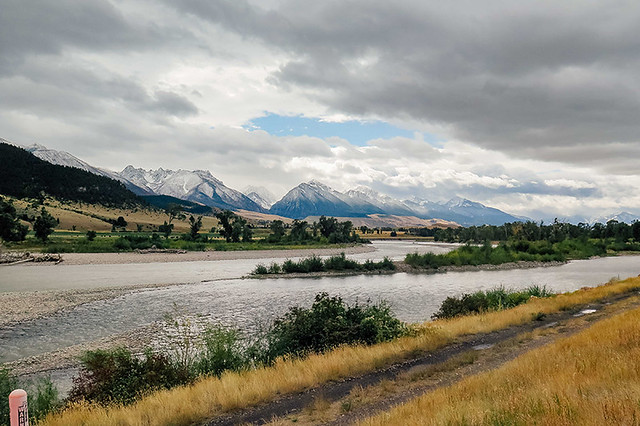
The Yellowstone is the longest undammed river in the contiguous United States and its watershed is the source and stronghold of beautiful, native Yellowstone Cutthroat trout. Anglers staying at the Sage Lodge have easy access to over 50 miles of trout water on the Yellowstone, from Gardiner to east of Livingston. Fishing on the Yellowstone is done primarily out of drift boats, though there are ample opportunities to anchor and wade-fish productive riffle sections. Tactics and techniques on the Yellowstone vary, depending on timing. The height of summer shows anglers incredible dry fly fishing with hopper and terrestrial patterns; fall and spring will bring success on streamers; there are also localized mayfly hatches in spring and fall; pre-runoff caddis fishing can be excellent, and subsurface nymph or soft hackle fishing is productive most months.

PERFECT SETUPS

DRY FLY & DRY-DROPPER

ROD: X 590-4
REEL: SPECTRUM LT 5/6
LINE: RIO PERCEPTION WF5F

WHEN FISHING SMALL TO MEDIUM DRY FLIES OR ATTRACTORS LIKE BLUE WING OLIVES, CADDIS, WULFFS, TRUDES, ETC., THE 590-4 X EXCELS PAIRED WITH A RIO PERCEPTION FLY LINE. THIS SETUP GENERATES ENOUGH LINE SPEED TO CUT THROUGH THE INFAMOUS PARADISE VALLEY BREEZES, BUT OFFERS ACCURACY AND DELICACY TO PRESENT TO RISING FISH.

TERRESTRIAL, BIG BUG, STREAMER

ROD: IGNITER 691-4
REEL: SPECTRUM MAX 5/6
LINE: RIO GRAND WF6F & INTOUCH STREAMER TIP WF6I

SUMMERTIME ON THE YELLOWSTONE IS HOPPER TIME, AND THE RIGHT TOOL FOR THE JOB IS A ROD AND LINE THAT CAN CAST WIND-RESISTANT FLIES GREAT DISTANCES, INTO THE WIND, WITH ACCURACY. THE 691-4 IGNITER MATCHED WITH A RIO GRAND DOES JUST THIS. THIS SETUP ALSO INCLUDES RIO’S FLOATING/INTERMEDIATE STREAMERTIP LINE, FOR USE WITH STREAMER PATTERNS.

Sage_Trout School_Venues_National Park

Yellowstone National Park

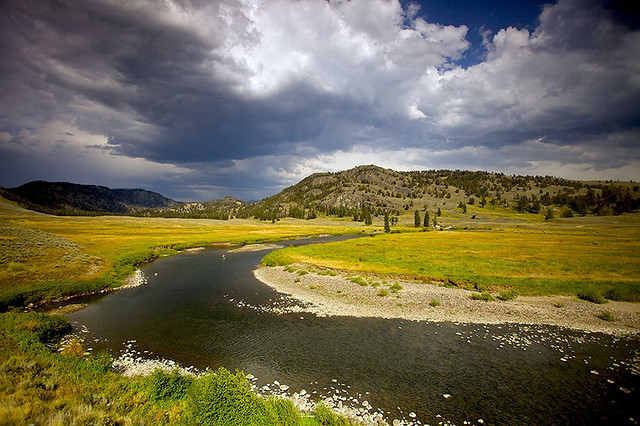
The National Park offers a lifetime of fly fishing. It is a wade-angler’s dream, from Memorial Day Weekend through October. The headwaters of some of the West’s famed rivers lie in the park – Yellowstone, Madison, Gallatin, Snake – as well as famous smaller waters like Slough and Soda Butte Creeks and the Firehole, Gibbon, Gardner and Lamar Rivers. Hatches occur in the National Park throughout the fishing season, though in the absence of bugs on the water, subsurface nymphing is also effective. Terrestrial dry fly fishing can be spectacular in summer and spring and fall are great times to fish streamers or swing soft hackles.

PERFECT SETUPS

DRY FLY & NYMPHING
ROD: X 490-4
REEL: SPECTRUM LT 3/4
LINE: RIO PERCEPTION WF4F

SUMMERTIME IN YELLOWSTONE OFFERS ANGLERS A PLETHORA OF FISHY, BUGGY WATER. THE MULTI-APPLICATION X ROD IS THE BEST CHOICE TO EMPLOY BOTH SURFACE AND SUBSURFACE PRESENTATIONS. THE 490-4 IS A PERFECT SIZE FOR THE WATER AND FISH TO BE ENCOUNTERED.

POCKET WATER DRY FLY

ROD: DART 376-3
REEL: CLICK 3/4/5
LINE: RIO CREEK WF3F

AMONG YELLOWSTONE’S WIDE VARIETY OF WATER TYPES ARE SMALLER RIVERS AND CREEKS WHERE THE CASTS AREN’T LONG AND WATER IS COVERED QUICKLY. IN THESE SITUATIONS, A SHORT ROD WITH A QUICK-SHOOTING FLY LINE IS ADVANTAGEOUS; THE 7’6”, 3-WEIGHT DART ROD, MATCHED WITH RIO’S CREEK LINE IS OUR FAVORITE.

Sage_Trout School_Venues_Spring Creeks

Paradise Valley Private Spring Creeks

The famed Paradise Valley Spring Creeks – DePuy, Armstrong and Nelson’s – are a short drive north from the Sage Lodge. The Spring Creeks offer year-round accessibility to challenging rainbow, brown and cutthroat trout. The settings are intimate, and anglers are rewarded for stealth and patience. The Creeks are bug factories, with the major hatches including Pale Morning Duns, Blue Wing Olives, Caddis, and midges. Sight-fishing is often the approach while on the Spring Creeks, and in a heavy hatch, the targets are numerous. A day or two on the Spring Creeks is a perfect complement to the bigger Yellowstone River and the freestones of Yellowstone National Park.

PERFECT SETUPS

PRESENTATION DRY FLY
ROD: MOD 486-4
REEL: SPECTRUM LT 3/4
LINE: RIO GOLD WF4F

WHEN A HATCH IS IN FULL-EFFECT ON THE SPRING CREEKS, ANGLERS NEED A TOOL THAT ACCURATELY AND DELICATELY DELIVERS DRY FLIES. THE 486-4 MOD ROD DOES JUST THAT; IT’S MODERN, MODERATE ACTION ENSURES LINE CONTROL AND SOFT PRESENTATIONS TO FINICKY TROUT.

TIGHT QUARTERS DRY FLY

ROD: DART 476-3
REEL: CLICK 3/4/5
LINE: RIO CREEK WF4F

THERE ARE AREAS OF THE SPRING CREEKS WHERE THE BANKS ARE HIGH, TREES OR BUSHES ARE CLOSE BEHIND, OR THE CREEK NARROWS. IN THESE INSTANCES, A SHORTER ROD IS PREFERRED. THE 7’6”, 4-WEIGHT DART ROD HANDLES THESE SITUATIONS WITH EASE AND RIO’S CREEK LINE HAS A TAPER TO MAKE QUICK, ACCURATE SHOTS.

ACCOMMODATIONS

Sage_Trout School_Lodge_Main

LODGE

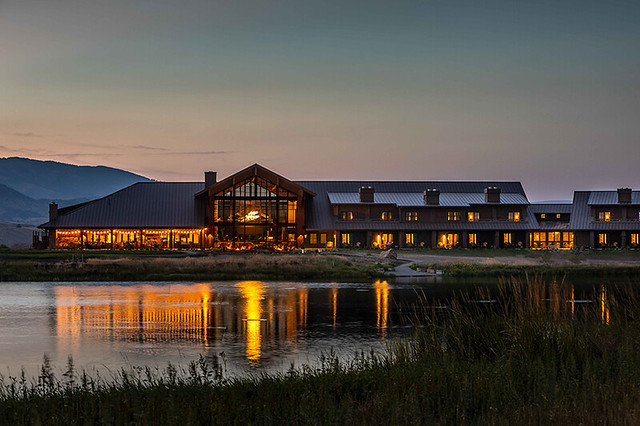
Nestled in the heart of Paradise Valley and just 35 miles from Yellowstone National Park, Sage Lodge is an inspiring destination for outdoor enthusiasts and those seeking an escape to unspoiled and rejuvenating natural beauty. Looking out at the banks of the Yellowstone River and the majestic Emigrant Peak, the Lodge blends raw and rugged beauty with distinctive Montana hospitality. The Sage Lodge features 50 guestrooms, 34 in the main lodge and four stand-alone Ranch Houses with 4 suites each. Additional amenities include two restaurants and bars (The Grill and the Fireside Room), an onsite casting pond, and outdoor hot tubs and firepits.

The Water Trout School students will stay in the Sage Lodge Ranch Houses which accommodate up to six, and include a shared kitchen plus indoor/outdoor common areas. The Ranch Houses are a wonderful setting for the school, as the common spaces are used for educational presentations and discussions and are also the perfect spot to share the day’s fishing report. Located a short walk away from the main lodge, the cabins offer a private, intimate setting for the schools while still having easy access to the lodge’s amenities.

LOGISTICS & BOOKING

DATES

SCHOOL 1: July 21st – 26th 2019
SCHOOL 2: August 11th – 16th, 2019
SCHOOL 3: September 29th – October 4th, 2019

• All students should arrive Sunday afternoon by 5:00 pm.
• School ends Friday morning by 12:00 pm.

OUTFITTING & GUIDE SERVICES THROUGH ANGLER’S WEST FLYFISHING OUTFITTERS, MATSON ROGERS. MT OUTFITTER LICENSE #5137, YNP CUA 14-208, GALLATIN-CUSTER NATIONAL FOREST PERMITTEE.
TRAVEL LOGISTICS

The Sage Lodge is located in Emigrant, Montana, a scenic, 60-minute drive from Bozeman International Airport. Airport transfers can be arranged.

PRICING

$4495 for a 5 night/4 day school package, per angler, based on double occupancy. $4995 for single occupancy.

NOT INCLUDED: AIRFARE, AIRPORT TRANSFERS, RENTAL CAR, GRATUITIES, FISHING LICENSES, AND ALCOHOL. WADERS AND BOOTS ARE NOT INCLUDED, BUT ARE AVAILABLE TO RENT FROM ANGLER’S WEST FLYFISHING OUTFITTERS. ADVANCE RESERVATIONS ARE RECOMMENDED.
BOOKING

You may submit an online inquiry and receive a call-back by following
this BOOK NOW link.

Posted in Fly Fishing Gear Review, Oregon Fly Fishing Clubs and Events | Leave a comment