
Fall seems like it has finally shown up. We are seeing our familiar fall faces in terms of our 6 legged friends. Afternoon/evening hatches of October Caddis, Mahogany Duns, Blue Winged Olives, Small Stones, Assorted Small Caddis and Noctournal Stones can be heavy at times. The leaves are turning, days are becoming shorter, and the trout are getting happier by the day. It is a fantastic time to get out on our local waters and fish.
Conditions, as you all have experienced this year, have not necessarily been poor, just different. The timing for hatches seems a tad off, water is low, fish are holding in different areas of the river, etc. It has a been a phenomenal year to experiment, explore new sections of water, and try new techniques when old ones don’t work. At this point in the year, water is lower than usual and fish have their guard up despite the resurgence of aquatic insect hatches, sizing down your offerings and tippet has seemed to make a huge difference.
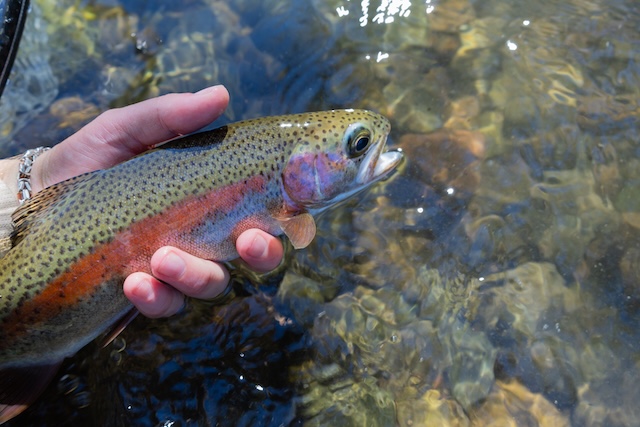
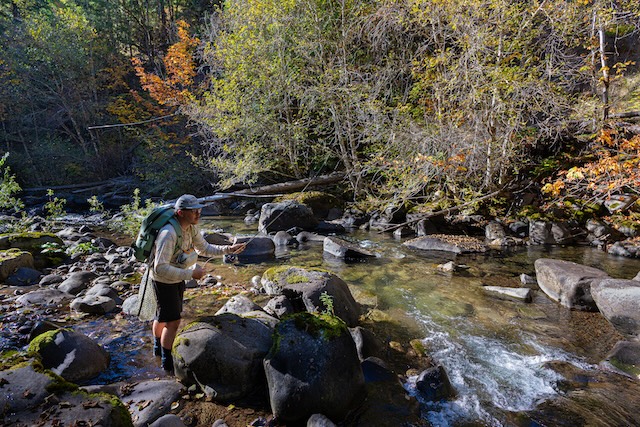
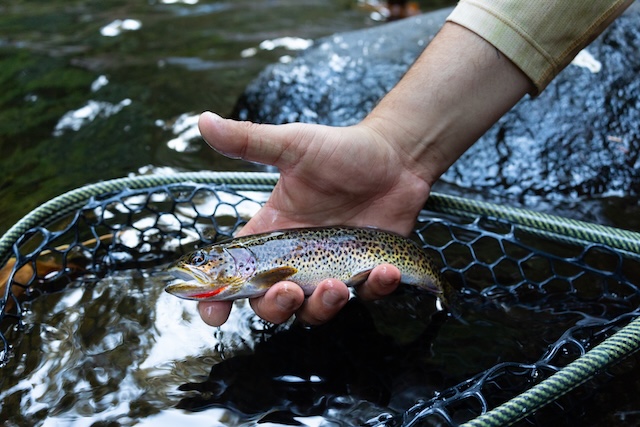
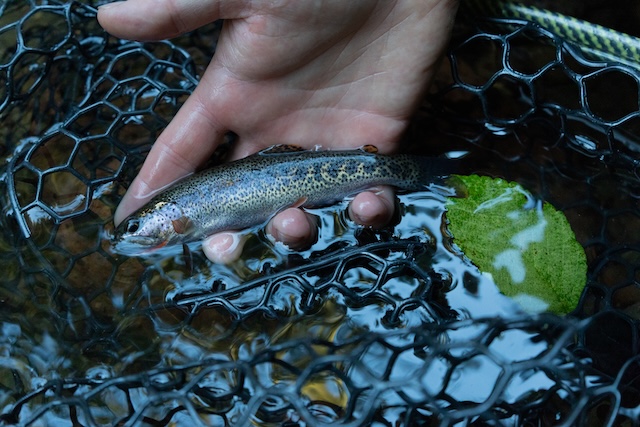
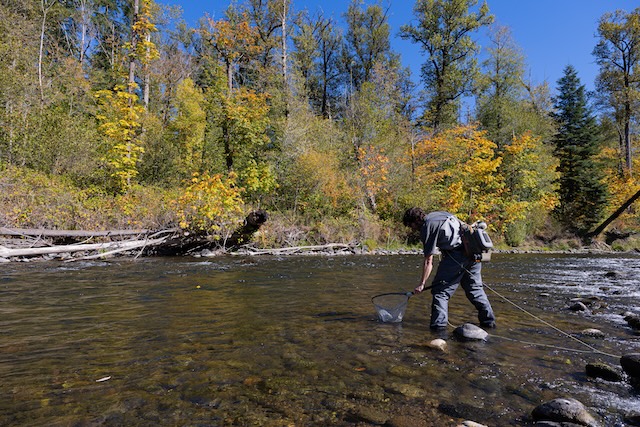
With the weather holding out, we have been exploring a good bit of smaller water this fall using smaller rods. Being enveloped by the colorful canopy on a tight stream fishing dries is a great way to spend an afternoon with a 2-4wt in hand. The colors of these small stream residents rival the fall leaves above. This year with the unseasonably warm fall, offers anglers the opportunity to explore small streams sporting their fall colors while wet wading, if you need a little bit of extra warmth while wet wading consider Backcountry Skinz. Spending a day on a small stream will bestow anglers with endless dry fly eats, and a slower paced fishing session.
Current Hatches
We are starting to see our typical fall faces as things cool off. First off, the mighty October Caddis, which is one of the largest of the year, is making its appearance on overcast days, and especially in the evenings. If you aren’t seeing the winged adults, there are likely pupae on the move. These pupae emerge overnight, typically, or in low light. While you won’t be swinging October Caddis pupae overnight, the fish will remember feeding on them the evening prior, and will gladly take a beaded pupae subsurface. Aside from the xxl October Caddis, in the fall we see a variety of assorted Caddis in sizes 12-16 that fish will gladly rise for.
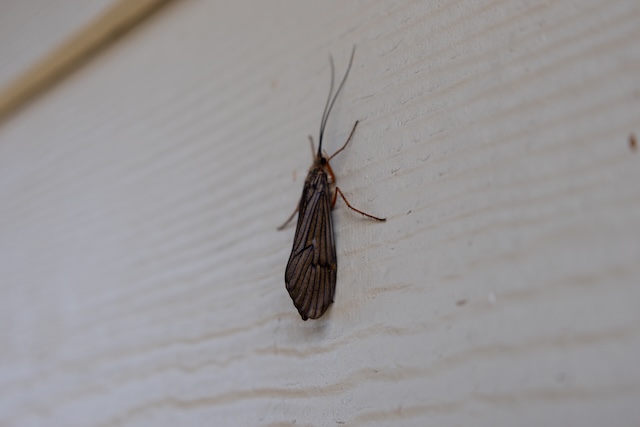
Mahogany Duns are a significant food source for trout in the fall. These smaller #14-16 Reddish colored mayflies are the most prolific hatch in the fall of mayflies and fish get very keyed in on their afternoon/ evening emergence. The other fall mayfly that hatches in abundance are Baetis sp. or Blue Winged Olives. These are typically smaller and this hatch will persist intermittently through next spring. When they hatch side by side, I’ve found that fish typically are take mahoganies, but not always.
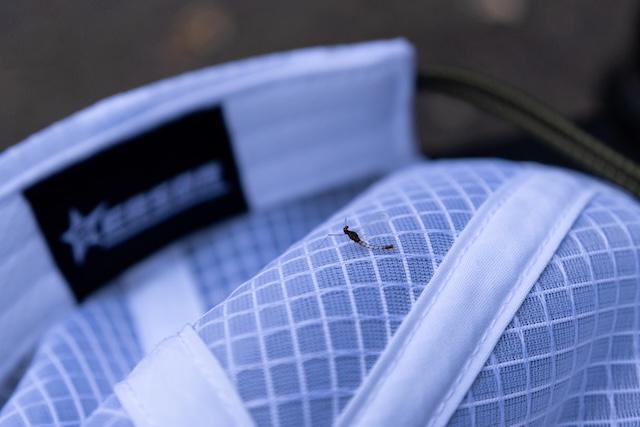
The other large fall superstar that we are starting to see is the Nocturnal or Shorting Stonefly. The males of this species are flightless and smaller than the very large females. We are starting to see them upriver, and every day that passes, it seems that fish are willing to take a large chubby.
Dry Fly Selection
Fall offers some of the best dry fly fishing of the year. Here are some of our favorite October Caddis dries: Burkus’ Sedgeback October Caddis, Swisher’s Foam PMX, Morrish’s Foam October Caddis Adult, an Orange Stimulator, Kingfisher Godlike Caddis, J’s October Hi Tie Caddis, Rossenau’s Rocktober Caddis, an Orange Parachute Madam X, or Nick’s favorite October Caddis Dry a Norm Woods Special. For the remaining assorted smaller caddis species, the following work as great searching patterns: Croston’s Mass Attack, Jonny King’s Splitsville Caddis, Olsen’s Front End Loader Caddis, Elk Hair Caddis Brown, or an X-Caddis Tan.
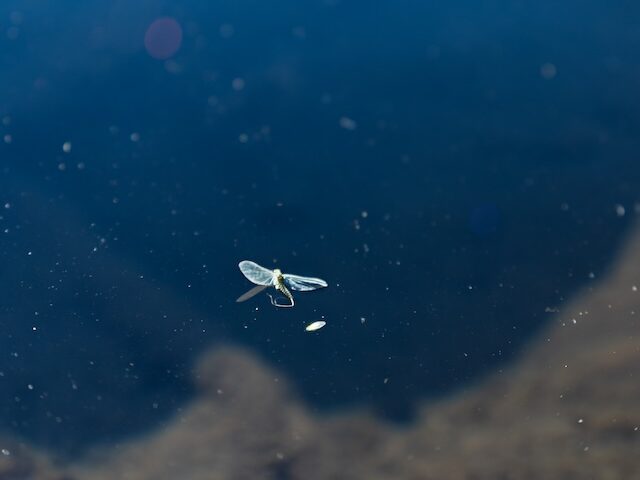
Mahoganies are a hatch that you do not want to miss out on. Having a selection of the following will ensure a successful evening when things kick off: Tilt Wing Mahogany Dun, Mahogany Parachute Extended Body, Jake’s Mahogany Hatchback, Galloup’s Brown OG Bent Cripple, or a Rio’s King Splitsville Spinner for the spinner fall. Blue Winged Olives are another fall staple, and the hatch persists longer. If you do not use the following this fall, they should accompany you on every trip to the river through spring: Tactical Blue Winged Olive Parachute, Almost Dun BWO Mayfly, Parachute Extended Body Blue Winged Olive, Galloup’s Olive OG Bent Cripple, Baetis Cripple, Hatch Matcher Blue Winged Olive, Tilt Wing Dun BWO, or a Sparkle Dun BWO.
Nocturnal or Shorting Stones are best imitated by larger flies. Often these are foam offering the opportunity to easily run a weighted nymph below. Here are some of our favorites: Montana Fly Company Water Walker, Chubby Chernobyl, Double Stack Chubby Chernobyl Fly, Burkus Bearback Rider Stone Fly, or a Willy’s Ant.
Dropper & Trailing Rigs
Dry-Dropper rigs are not only exclusive to large buoyant dry flies with jigged tungsten nymphs below. Running smaller, more delicate dries with unweighted nymphs, soft hackles, or small cripples can be a great way to entice chose trout to eat.
Starting with the larger foam dries with tungsten droppers, here are some great seasonal, buoyant dry flies capable of suspending heavy nymphs below: Swisher’s Foam Parachute Madam X, Chubby Chernobyl, Montana Fly Company Water Walker, Chubby Norm, or a Double Stack Chubby Chernobyl Fly. Here are our favorite droppers to run below the flies listed above:Flagler’s October Caddis Jig.
Running cripples, emergers, and soft hackles to run behind a single dry is an underutilized method of picking up selective trout. Here are some great options to run behind your Mahogany, Baetis, Caddis, or Big October Caddis Dries: Galloups OG Bent Cripple, Baetis Cripple, Soft Emerger, Spectre Soft Hackle, Partridge and Pheasant, Splitsville Caddis, X2 Caddis, or a Purple Haze Emerger.
Nymph Selection
Nymphing, as always, remains an extremely effective method to target fall trout. It isn’t fall without tying on a Hot Orange Firestarter Perdigon, this year we have them in our standard #12-14, but we also brought in a smaller #16. Orange is a great color to fish in the fall, and the Firestarter Perdigon is a testament to that, as soon as it gets cool, this fly starts to crush. Here are some additional must-have fall attractors: Jigged Orange Frenchie, Jigged Pink Squirrel, Weiss’ Possum Anchor Jig, Jigged Napoleon, our friend Jim Sens’ Improved 20 Incher, Olsen’s Blowtorch, or a Yardley’s Low Hole Jig Fly.
Larger stonefly patterns make a great choice not only for trout to eat, but also to aid in getting smaller offerings deep. Here are some shop favorites: Jigged Girdle Bug, Bubba’s In The Zone Stonefly Nymph, Double Bead Epoxyback Peacock, T.J Hooker Nymph, Montana Fly Company Jig Hot Spot Girdle Bug, or a Tunghead 20 Incher.
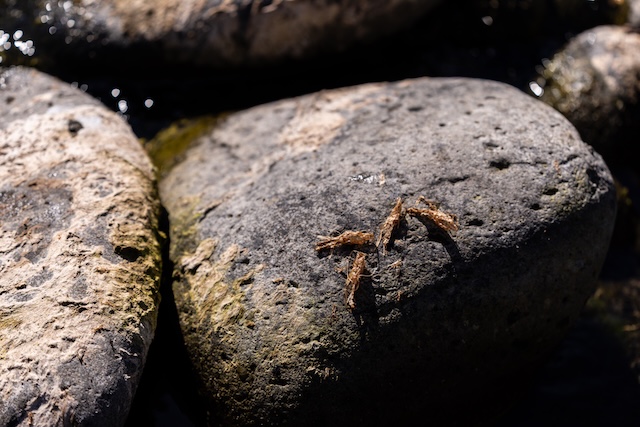
Nymph patterns mimicking October caddis pupa follow: Caddy Shack October Caddis, Flagler’s October Caddis Jig, RIO’s Morrish Deep October Pupa, Loren’s Stud, J’s October Mop, Anderson’s Tungsten Bird of Prey October Caddis, Bead Head October Caddis, Nemo’s Septober Caddis Pupa, or an October Phat Ass.
Here are some smaller, slimmer offerings in sizes #16-20 that mimic Mahoganies and Baetis sp. effectively for when fish are choosy:Juju Baetis, Weiss’ BP Dark Heavyweight Perdigon, Roza’s Jigged Pink Pheasant Tail, Split Case Tungsten Nymphs BWO, Tungsten Jigged TNT Baetis, CDC Hot Spot Pheasant Tail, or a Spanish Bullet.
Wets & Streamer Selection
Fall is one of the best times of year to fish wet flies and streamers. The return of cooler temps helps ease summer trout’s lethargy, rendering them, again, willing to move for swung flies. It’s not fall without talking about swinging October Caddis Pupa. Swinging large, orange wet flies is a fantastic way to target fall trout. Here are some of our favorites for swinging October Caddis: Bird’s Swinging October Caddis, Caddy Shack October Caddis, Morrish Deep October Pupa, Bird of Prey October Caddis, or an October Phat Ass. Swinging smaller, more delicate offerings can be productive, especially when BWOs, mahoganies, and smaller caddis are emerging. Here are some general wets that would work great tagged behind one of the above pupa, or fished solo: Drymerger Baetis, Harrop’s Soft Hackle Thorax Bead, Spectre Soft Hackle, Soft Emerger, or a simple Partridge and Pheasant.
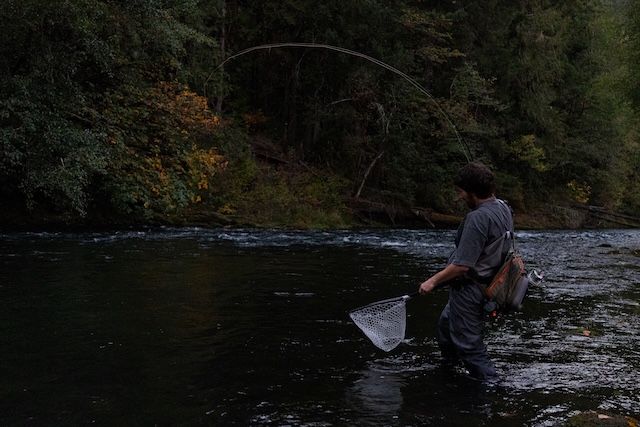
Streamers are an effective way to target fall trout as well. While we don’t have large, hormonal fall browns in the valley, we do have rainbows and especially cutthroat that will gladly chase down a swung or stripped streamer. Here are some we are especially fond of this time of year: Conehead Slump Buster, Gaviglio’s Minnow Bugger TSB, Bead Head Mini Bugger, Thin Mint, or an Conehead Orange Blossom Special. Swing these on a floating line across a riffle into the soft seam. If you are looking for a good sink tip line for our local waters, the Scientific Anglers Sonar Titan Sink Tip is a phenomenal option, it comes in a Sink 3 and Sink 6. Both have their place, but you can likely get away with the sink 3 for most local applications.
Additional Notes
Due to this year’s exceptionally low water, sizing down tippet and flies has been helpful to fool choosy fish. Often trout will rise to a fly on our local rivers and rarely refuse it because of too thick of tippet. We have found this summer/fall that sizing down and using fluorocarbon tippet for nymphing or dry-dropper setups is making a huge difference. Getting down to 5x and even 6x Scientific Anglers Absolute Flourocarbon is making a massive difference when running smaller Mahogany and Baetis nymphs. For larger October Caddis and stoneflies, we are running 4x Fluoro.
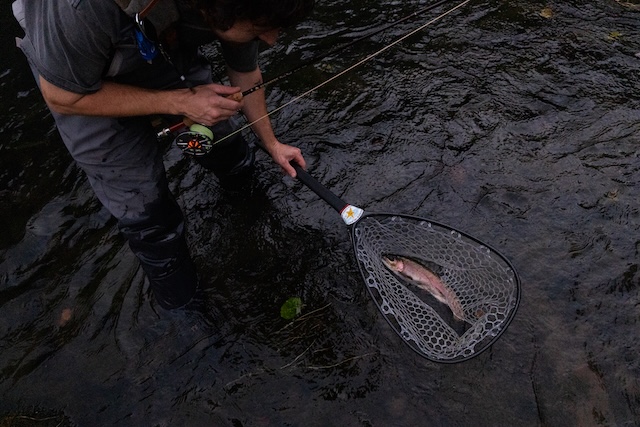
When fishing these small mayfly offerings for the evening Baetis and Mahogany hatch, it can be hard to track your flies in low light. Consider trailing them behind a larger more visible fly, or using the Scientific Anglers Indicator Markers on your leader. The Glow SA Indicator Markers have been extremely useful for tracking large October Caddis dries in that last hour of legal light.
Swing by the shop and get geared up. Fall fishing is one of our favorite times of year, the fishing and scenery is fine pairing that rivals all other seasons for trout fishing. If you’re out of state, or live far from the shop, shop online at Caddisflyshop.com.
-Simon
Stay up to date with additional links below
Follow us on Instagram
Caddis Fly Shop: @Caddisflyshop
Oregon Fly Fishing Blog: @OregonFlyFishingBlog
Caddis Fly Travel: @Caddis_Fly_Travel
Subscribe to our Youtube channel
Shop Online from all over the World
Caddis Fly Shop
168 W 6th Ave
Eugene, or 97401
Phone: (541) 342-7005
Email: Support@caddisflyshop.com