

-From our friends at Native Fish Society-
Since 2001, the Roadless Rule has protected nearly 45 million acres of public national forestland from new road construction, industrial logging, and development that negatively affects the environment.
Americans cherish intact, roadless landscapes for their crucial importance to clean drinking water, biodiversity and habitat, cultural and subsistence values, and outdoor recreation opportunities—including some of the best backcountry angling opportunities found anywhere. They are also overwhelmingly opposed to rescinding the Roadless Rule.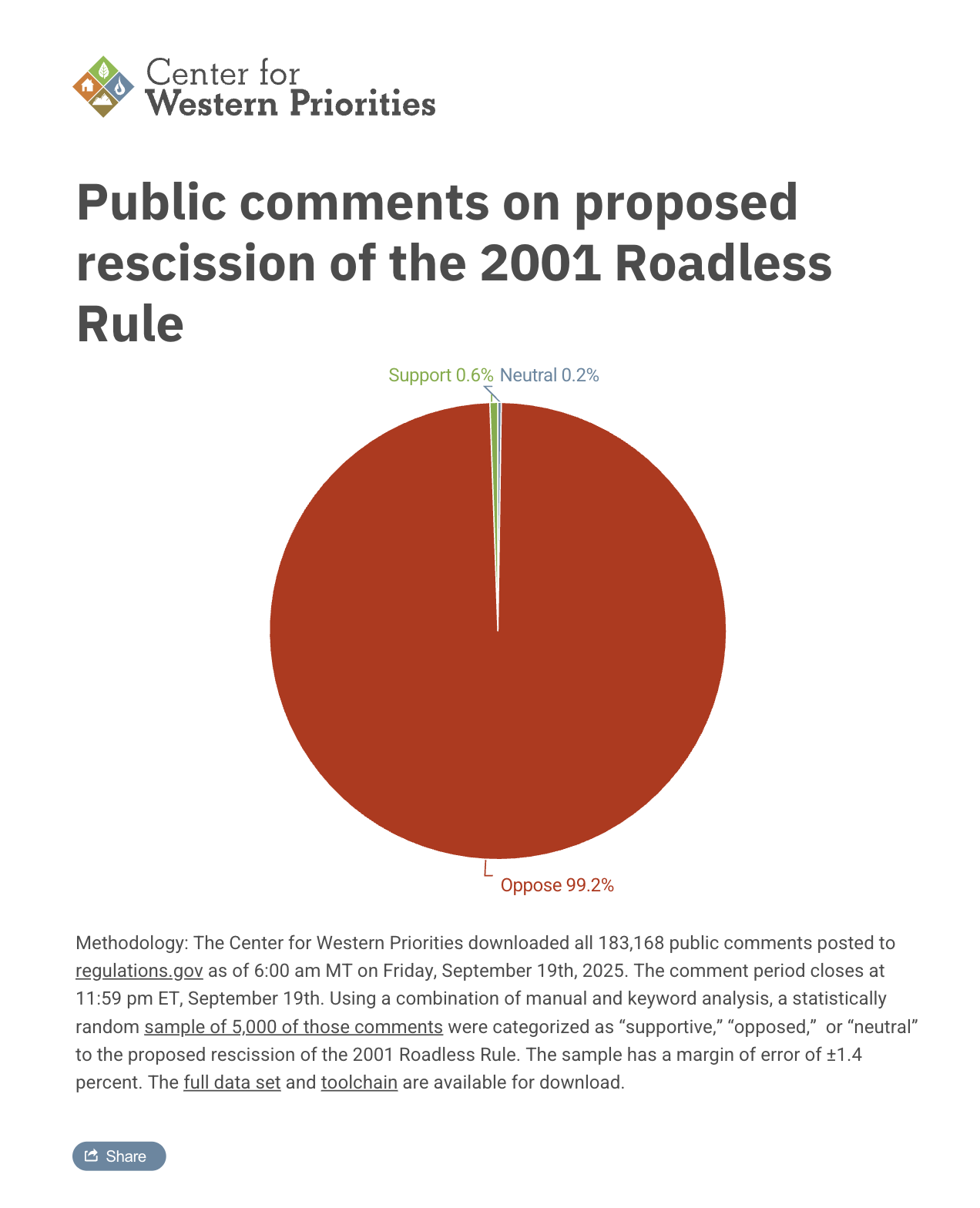
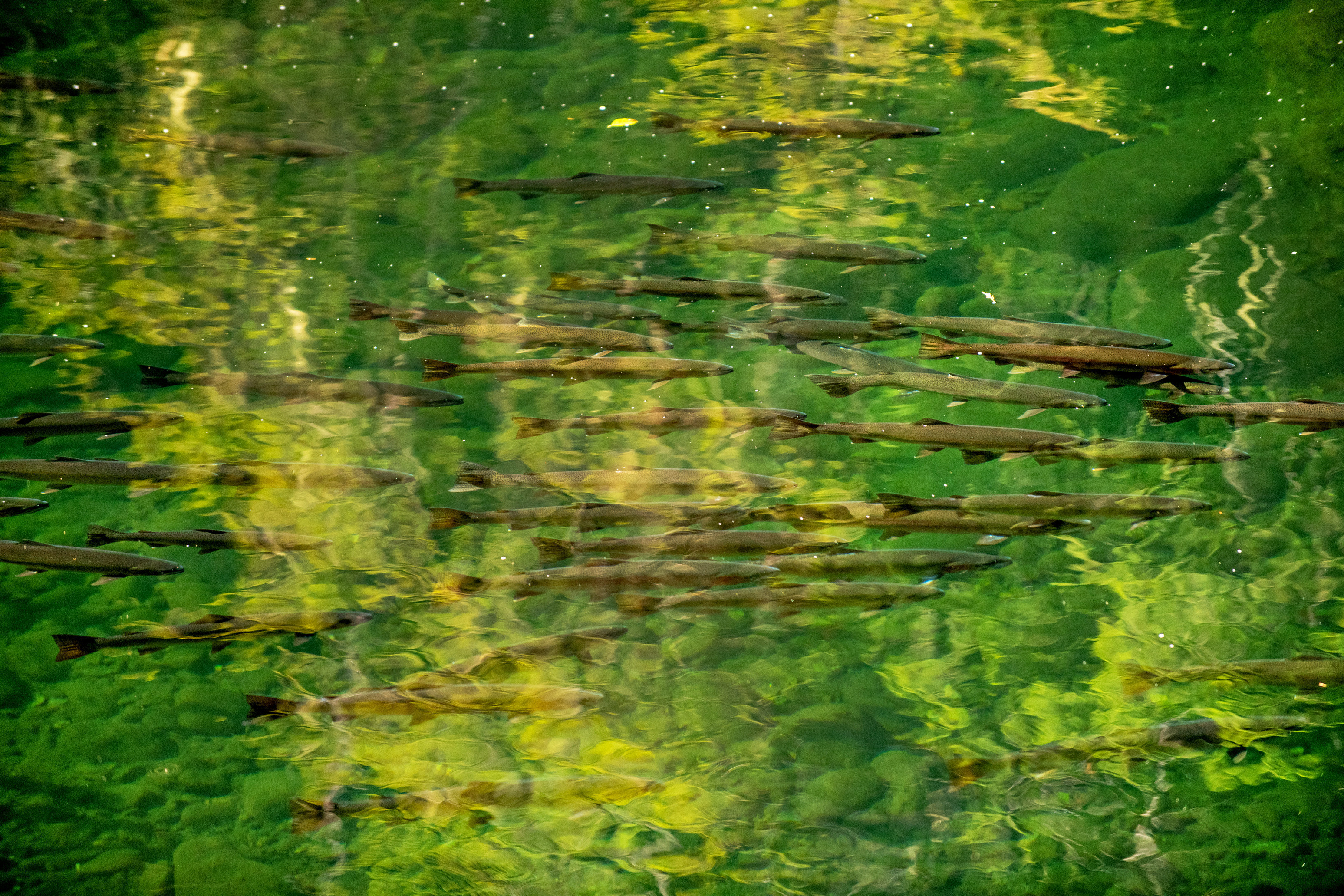
For salmon, steelhead, trout, and other native fish already pushed to the margins by dams, habitat degradation, and a warming climate, unfragmented roadless areas provide some of the best remaining cold, clean, connected waters that these species depend on. Intact forests support healthy watersheds and fish habitat by promoting natural hydrologic function, stabilizing soil against erosion, mitigating stream sedimentation, and providing cooling shade that helps lessen elevated water temperatures.
70% of public land within roadless areas is home to native trout and salmon.(1) In Oregon, 79% of bull trout spawning and rearing habitat within national forests is found in roadless and wilderness landscapes.(2)
The headwaters of some of our greatest native fish rivers descend from protected roadless areas.
Big Bend Creek—which provides the cool, spring-fed flows that allow wild summer steelhead to hold through the hot summer months in Big Bend Pool on Steamboat Creek, a tributary of the North Umpqua—originates from a roadless area.
The source of the Deschutes River springs forth from Little Lava Lake along an expansive roadless area within the Central Cascades.

A roadless area encompasses the south bank of the Metolius River as it bends around the northern corner of Green Ridge in Central Oregon.

The pristine waters of the Elk River descend from the Copper Salmon Wilderness—an area originally designated as roadless in the 2001 rule before becoming a permanent roadless Wilderness through the 2009 Omnibus Public Land Management Act.

As iconic watersheds like the North Umpqua and Deschutes experience the impacts of declining wild summer steelhead returns, preserving what remains of unfragmented forestland within headwaters and river reaches is essential for the well-being of our native fish.
Explore Roadless Areas with Trout Unlimited’s interactive map
How can you help?
Take Action To Protect Roadless Forests for Wild Fish
Now, we need your voice. Public comments on the USDA’s proposed rule and draft environmental impact statement (DEIS) are being accepted until September 21.
Native Fish Society has been engaging our grassroots advocacy network throughout the Roadless Rule rescission process. To date, the USDA and USFS have held zero official public meetings on the proposed rescission—a stark contrast to the 600+ public meetings hosted during the robust process that led to adoption of the rule in 2001.
Instead, roadless advocates across the country have organized to shine a spotlight on the public’s resounding support for roadless protections and make the most of strikingly short comment periods. In response to the inadequate 30-day window for public input on the USDA’s recently-released proposed rule and DEIS, Native Fish Society and partners delivered a letter to Secretary of Agriculture Brooke Rollins and Forest Service leadership requesting an extension.
We have until September 21 to amplify the nationwide groundswell of opposition to rescinding the Roadless Rule.
-Native Fish Society
Decades of American citizens against this.
Yet Trump and his billionaire buddies can’t get enough of destroying what is in essence, land that belongs to all Americans.
Not just a select few of fools.