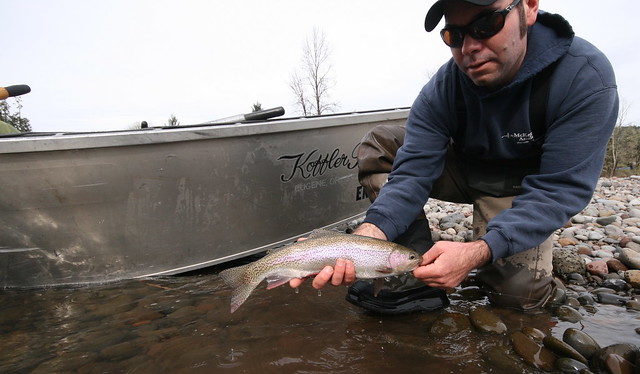
Wild-broodstock hatchery programs were sold to Oregonians as a way to provide harvestable steelhead while also protecting wild populations from the harmful effects of domestication and out-of-basin introductions. In reality, there were no benefits for wild steelhead or salmon. But for fishery managers, wild-brood was a savior. Steelhead hatchery programs had seen major declines in their rates of return as hatchery broodstock became more domesticated, and the high cost of each returning adult slid into the ridiculous. Some programs, like those provided by the Sandy Hatchery and the Trask Hatchery repeatedly found themselves on the chopping block, only to be saved at the 11th hour by sympathetic legislators.

The real benefits of wild-broodstock had nothing to do with conservation, and everything to do with business and the status quo. Using wild steelhead as the source of eggs and milt promised an immediate and substantial spike in the rate of return. Whereas domesticated stocks routinely saw rates at or below 1%, wild-brood raised the rate to 5%, 10% or more. Fishery managers got religion, and fast. They realized they could resurrect their failing programs, provide a much better product, and take credit as conservationists in the process. All they had to do was apply for a few permits and come up with a program for collecting wild fish for spawning.
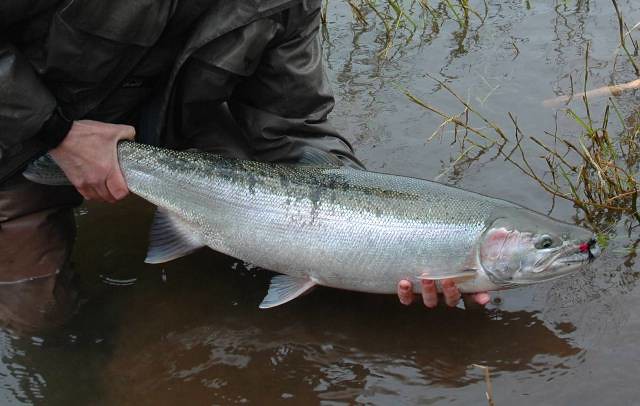
After a handful of promising pilot projects, Oregon Department of Fish & Wildlife (ODFW) took the show on the road. It rolled out wild-broodstock programs state-wide, and in another brilliant business move, contracted with local angling groups to help collect broodstock and feed the offspring. Soon coastal communities were buzzing with happy anglers, guides and merchants who were deeply vested in their local hatchery programs. And everyone took notice of the result: the new hatchery steelhead were as big, strong, and beautiful as natives, but they were “keepers.” Never mind the fact that valuable wild fish were being taken out of natural production, or the fact that ODFW often had no idea what proportion of the wild run was being taken for the new programs.
Continue reading →